Top 10 Plants for Under Gum Trees

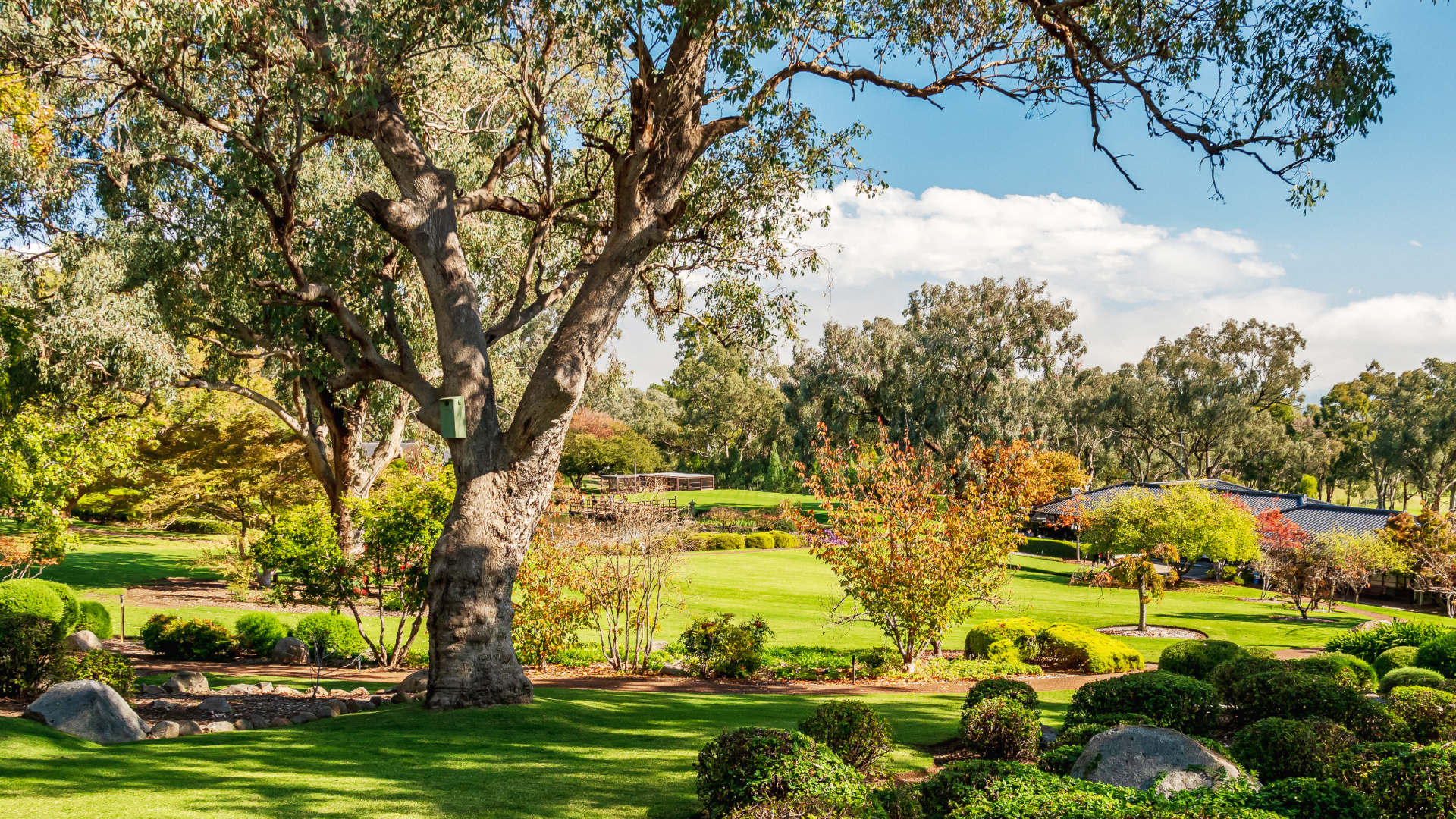
Being Australia we all have or have had a lovely towering Eucalyptus tree in our garden and have found almost nothing grows under it. Countless times we’re told nothing will grow there causing frustration as we stare at this boring bare patch in the garden. Is the only solution to cut the gum tree down? In a lot of situations this isn’t possible. It might be a home to some beautiful wildlife, a heritage listed tree (yes, we have these too!) or it provides some much needed shade in the summer time.

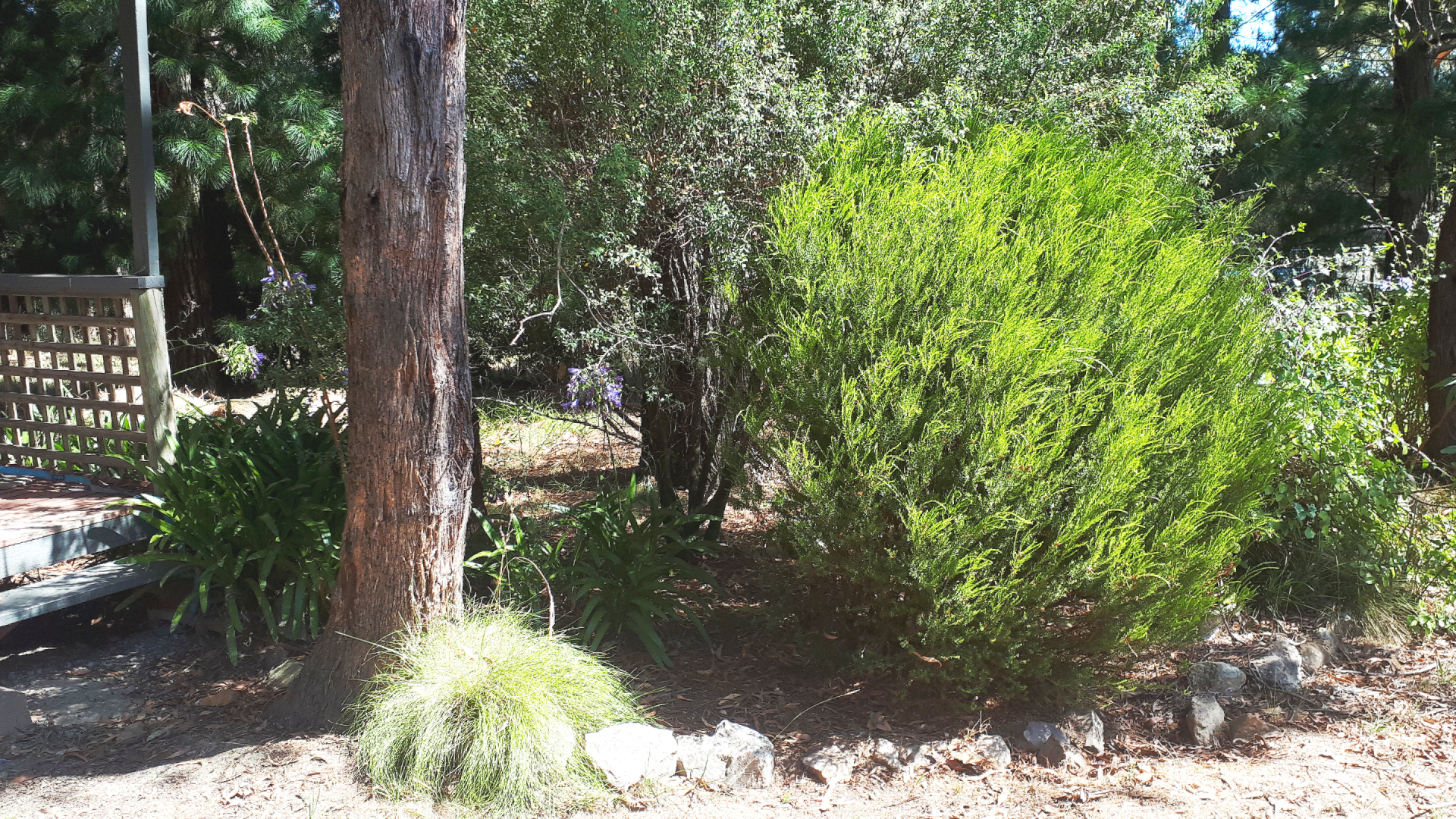
Well not to worry! The gossip isn’t true, you CAN plant under gum trees! Just like any situation you have to find the right plant for the right spot.

Hello Hello Plants Nursery Campbellfield Melbourne Victoria Australia Nursery Gum Tree Eucalyptus garden

Eucalyptus trees tend to shade out a lot of plants despite their height and branches forming quite high up the trunk. They’re an evergreen meaning they will be providing this shade year around and shed bark and leaves that contain the ever famous Eucalyptus oil. This can suppress the growth of some softer plants but still, once broken down, provides a rich top soil.

The key to planting under gum trees is to pick plants that have a shallow root system and that can survive in a shady position in dry acidic soil. You don’t want them competing with the gum tree because they won’t win!

With these factors in mind we have chosen 10 of our favourite tried and tested plants that are sure to survive under your gum trees.


Top 10 Plants for Under Gum Trees

  1. Geranium
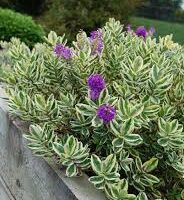
  2. Hebe
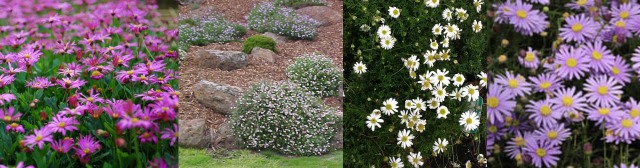
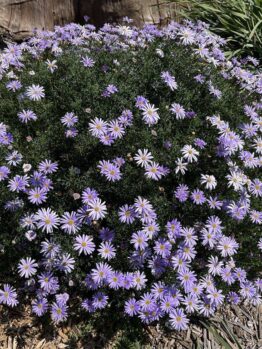
  3. Brachyscome
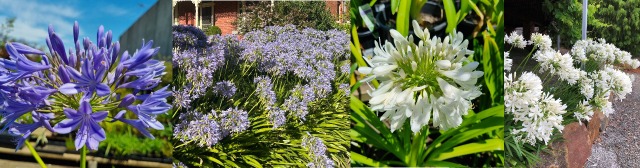
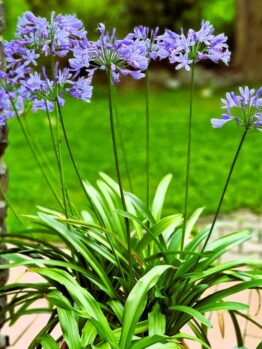
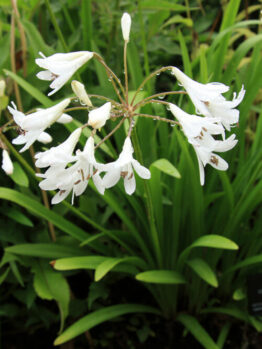
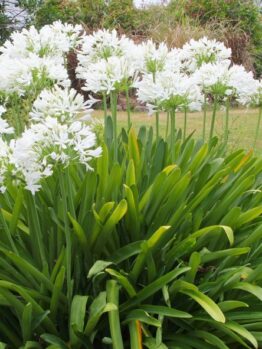
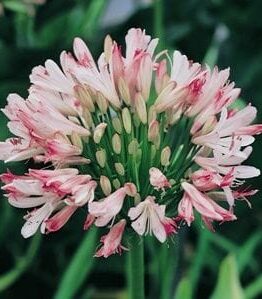
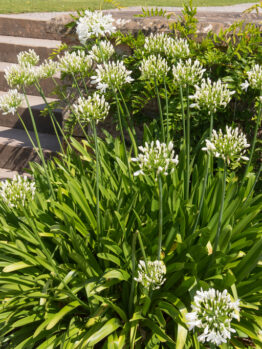
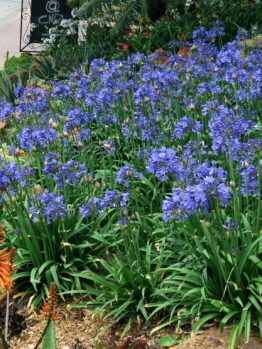
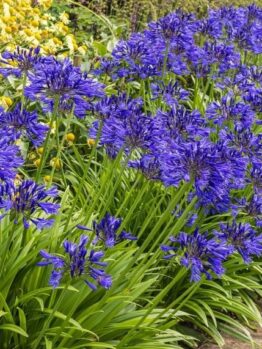
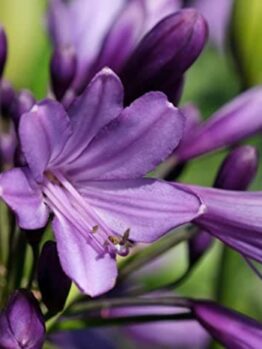
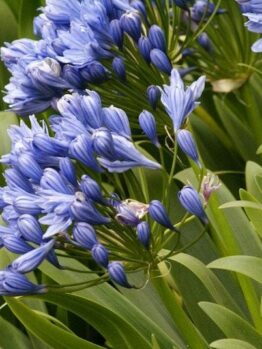
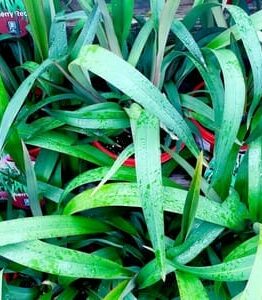
  4. Agapanthus
  5. Ligularia ‘Pandora’
  6. Hardenbergia
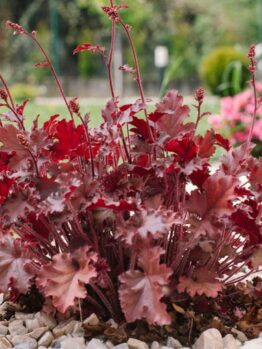
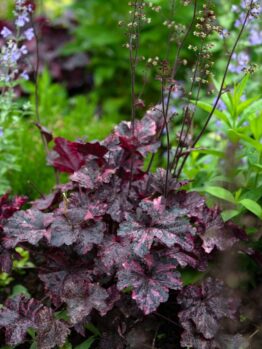
  7. Heuchera
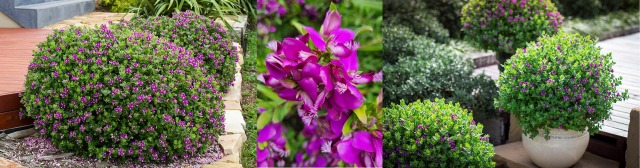
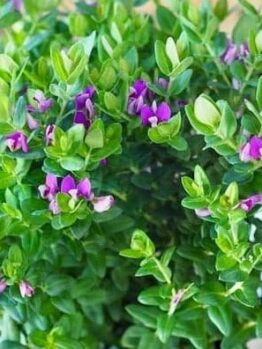
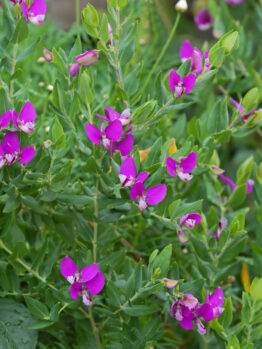
  8. Polygala ‘Sweet Pea’
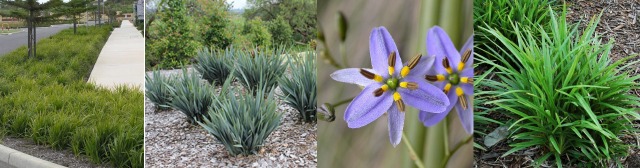
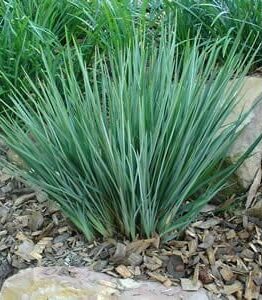
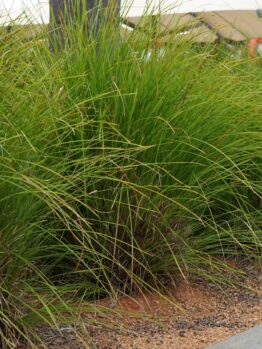
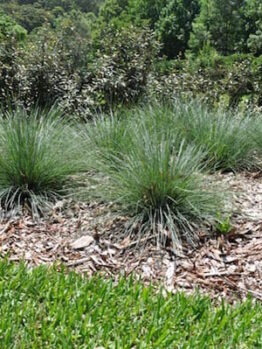
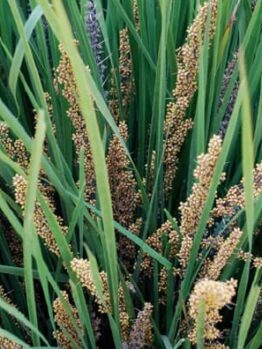
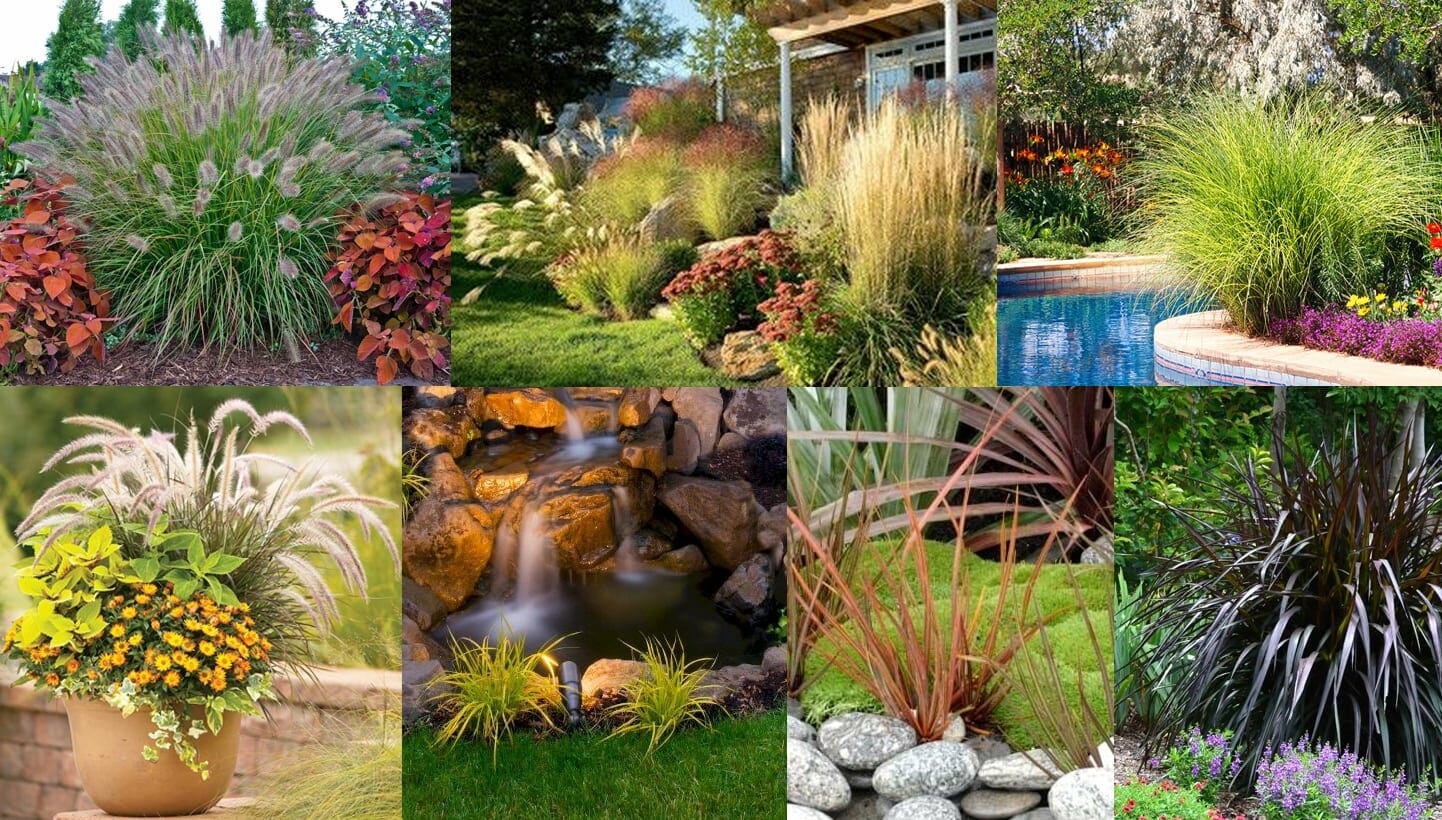
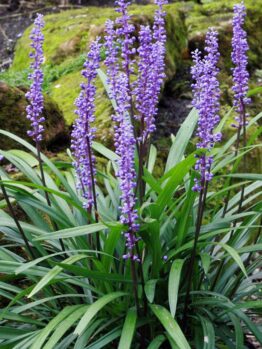
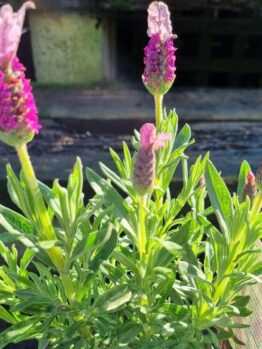
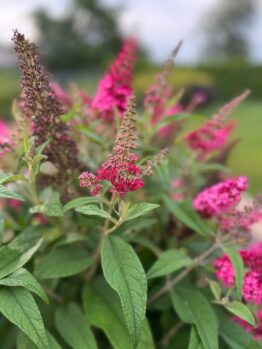
  9. Dianella
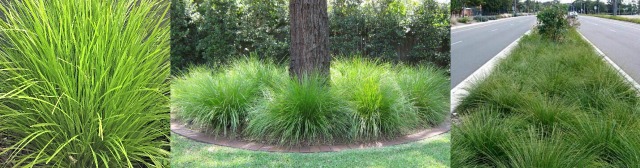
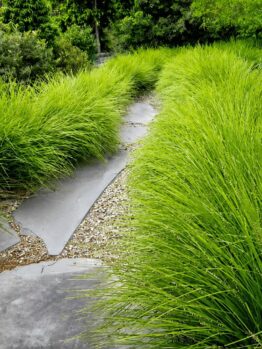
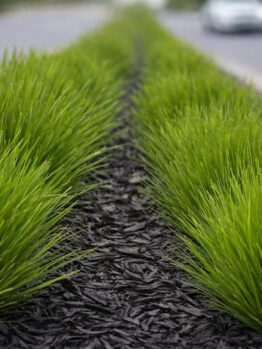
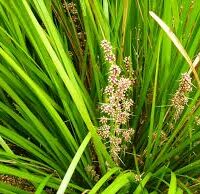
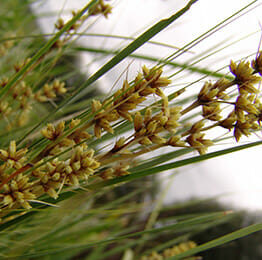
  10. Lomandra ‘Tanika’

Hello Hello Plants Nursery Campbellfield Melbourne Victoria Australia Nursery Gum Tree Eucalyptus garden

Honourable mentions…

We had so many beautiful plants to choose from to underplant Eucalyptus trees it made it very difficult to choose only 10! Those listed below can also be grown under gum trees. For best results cultivate the soil with compost and mulch, building it up to a nutrient rich garden bed and water well.


1. Geranium

Hello Hello Plants Nursery Campbellfield Melbourne Victoria Australia Geranium banner

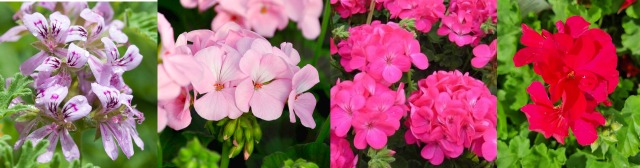
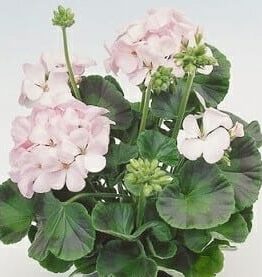
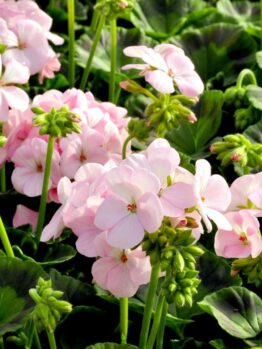
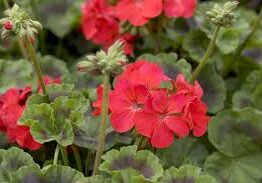
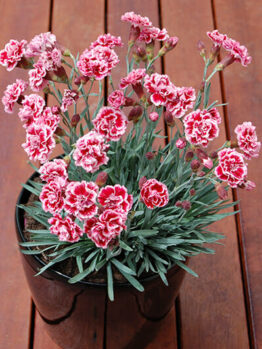
Geraniums and pelargonium are tough little buggers so it’s no wonder that they can handle the incredibly tough growing conditions under gum trees. You may find them spreading out, creating a loose even 80cm-1m tall ground covering and not growing as tightly knitted when planted in full direct sunlight.

2. Hebe

Hello Hello Plants Nursery Campbellfield Melbourne Victoria Australia hebe banner

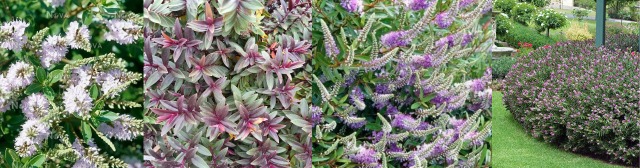
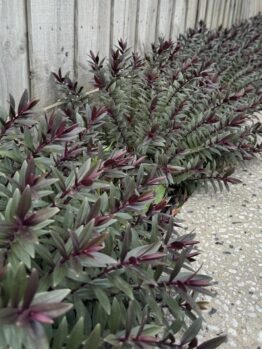
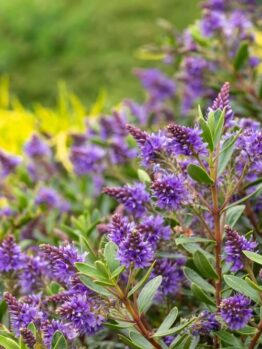
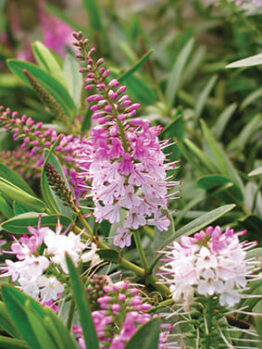
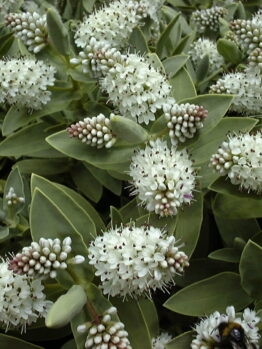
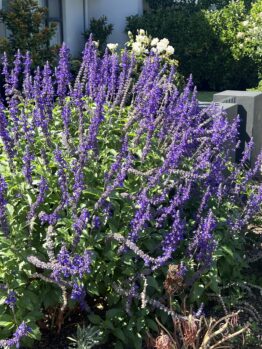
Suitable as a box hedging plant or as a flowering feature, Hebe are incredibly versatile and have very shallow roots despite the mass of foliage on top! Hebe tolerate frost, drought, dry soils and part shade making them an ideal choice for underplanting Eucalyptus trees.

3. Brachyscome

Hello Hello Plants Nursery Campbellfield Melbourne Victoria Australia brachyscome cut leaf daisy banner

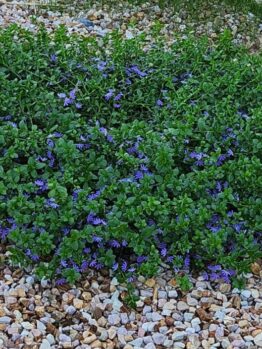
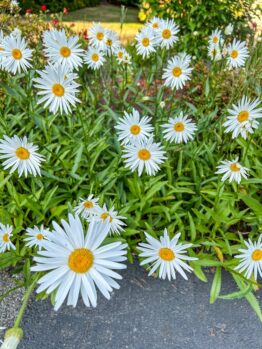
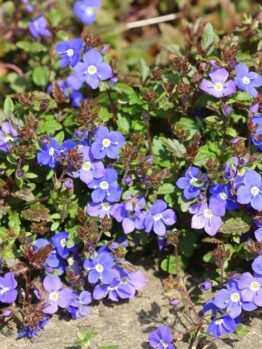
A cute native mounding daisy that are used in rockeries, borders, pots and for mass planting. This highly versatile plant tolerates the harsh Australian conditions and makes the garden around Eucalyptus trees look lush and colourful. Brachyscome come in purple, pink and white.

4. Agapanthus

Hello Hello Plants Nursery Campbellfield Melbourne Victoria Australia agapanthus banner

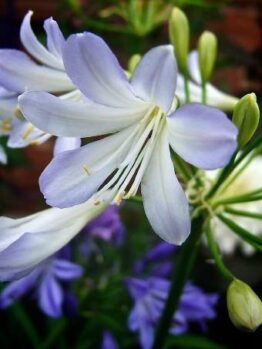
A dense, clumping strappy foliage plant suitable for edging and mass planting. Agapanthus come in a range of sizes and colours and are sure to withstand gum trees having one of the toughest shallow root systems around. Agapanthus will gradually spread out within the garden bed,

5. Ligularia ‘Pandora’

Hello Hello Plants Nursery Campbellfield Melbourne Victoria Australia ligularia pandora banner

Despite other Ligularia such as the luscious Tractor Seat Plant being sensitive to the hot and dry, this variety can tolerate the dry and still look fabulous. Not only does it have broad, deep purple foliage that grows low to the ground but it also blooms vibrant yellow flowers that sit atop the contrasting foliage. Shallow rooted and perfect for under your gum trees.

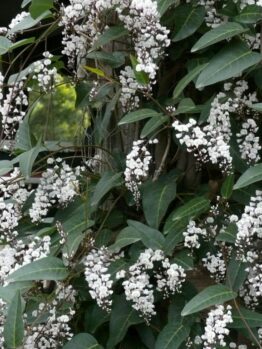
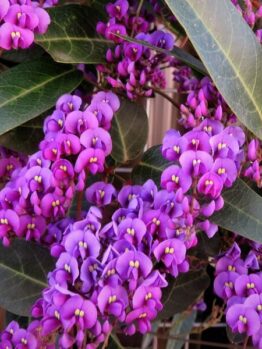
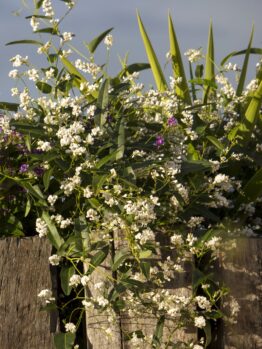
6. Hardenbergia

Hello Hello Plants Nursery Campbellfield Melbourne Victoria Australia hardenbergia banner

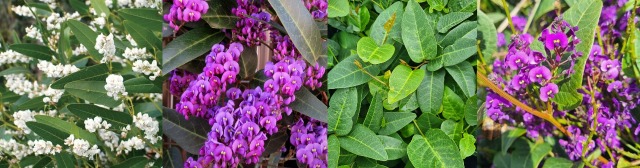
A stunning groundcover and climber, Hardenbergia are a indigenous native to Victoria and much of Australia. It comes in white, pink and purple with robust evergreen leaves. Hardenbergia naturally grows on the forest floor making it an ideal choice for underplanting Eucalyptus.

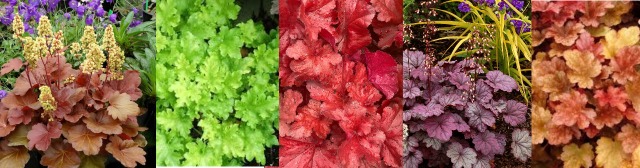
7. Heuchera

Hello Hello Plants Nursery Campbellfield Melbourne Victoria Australia heuchera banner

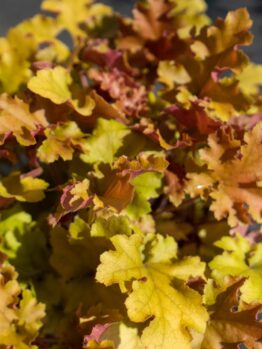
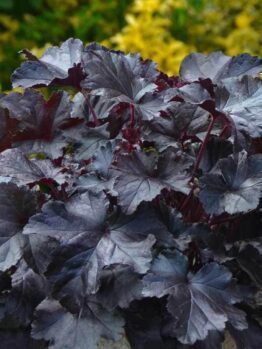
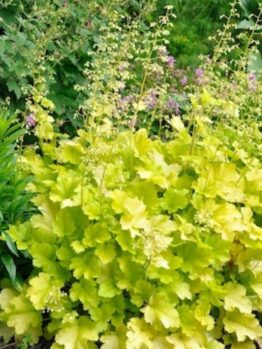
Known for its tolerance of dry shady spaces, this colourful low growing shrub does wonders to brighten the area around gum trees. Heuchera come in oranges, reds, purples and greens and prefer a well drained position.

8. Polygala ‘Sweet Pea’

Hello Hello Plants Nursery Campbellfield Melbourne Victoria Australia Polygala banner

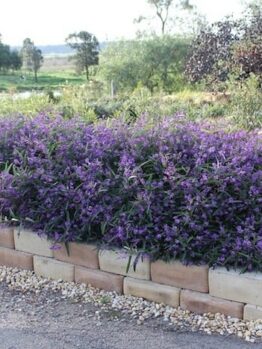
This hardy little shrub has cute purple pea-like flowers and tolerates poor soils, drought and frost. What better to plant under a nutrient hog of a gum tree! Polygala can be used as a feature shrub or as an alternate flowering box hedging or topiary plant.

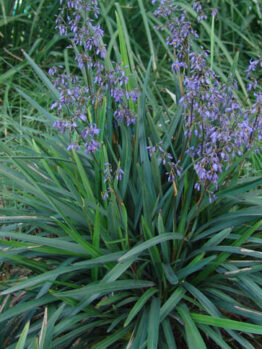
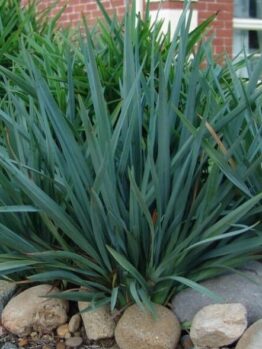
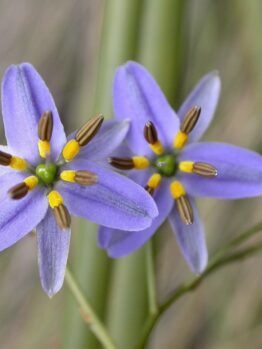
9. Dianella

Hello Hello Plants Nursery Campbellfield Melbourne Victoria Australia dianella banner

It’s no surprise a native grass will grow perfectly well under a native tree. Native grasses are shallow rooted, very tolerant of poor soils and the heat of the Australian climate. When mass planted they create a soft, textured effect and rarely require trimming or maintenance.

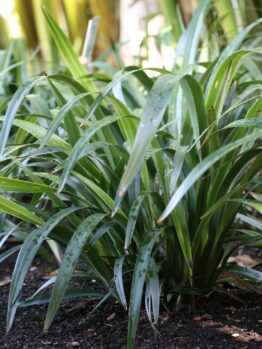
10. Lomandra ‘Tanika’

Hello Hello Plants Nursery Campbellfield Melbourne Victoria Australia lomandra banner

Just like Dianella this hybridized native tolerates all sorts of environmental conditions. Lomandra‘s are quite often used in council plantings as they can be planted and then left to grow. ‘Tanika’ has soft, slender blades of lime green and create a wonderful effect when mass planted line borders. As does Lomandra ‘Little Con’, ‘Little Lime’ and Crackerjack.

Top 10 Plants that Flower All Year

Wanting colour in the garden all year is something every gardener wants. It’s best achieved with a mixture of various flowering perennials and annuals as well as colourful foliage plants, but can it be done with just flowers? Short answer, yes!

Check out our other Top 10 Winter Flowering Plants and Top 10 Autumn Shrubs pages for more colour in your garden!


Why do plants flower?

Plants flower to procreate, their vibrant floral displays attracting insects and mammals to help spread their pollen to other plants in the same family. Generally, this is done at specific times of the year, spring being the most obvious! Both flora and fauna get busy during the spring season when it is just starting to warm up.

But not all plants flower just in spring, or even just once in the year! Depending on your climate and how you manage your plants, you can get some varieties flowering almost the entire year. Below is our 10 best year around flowering plants.

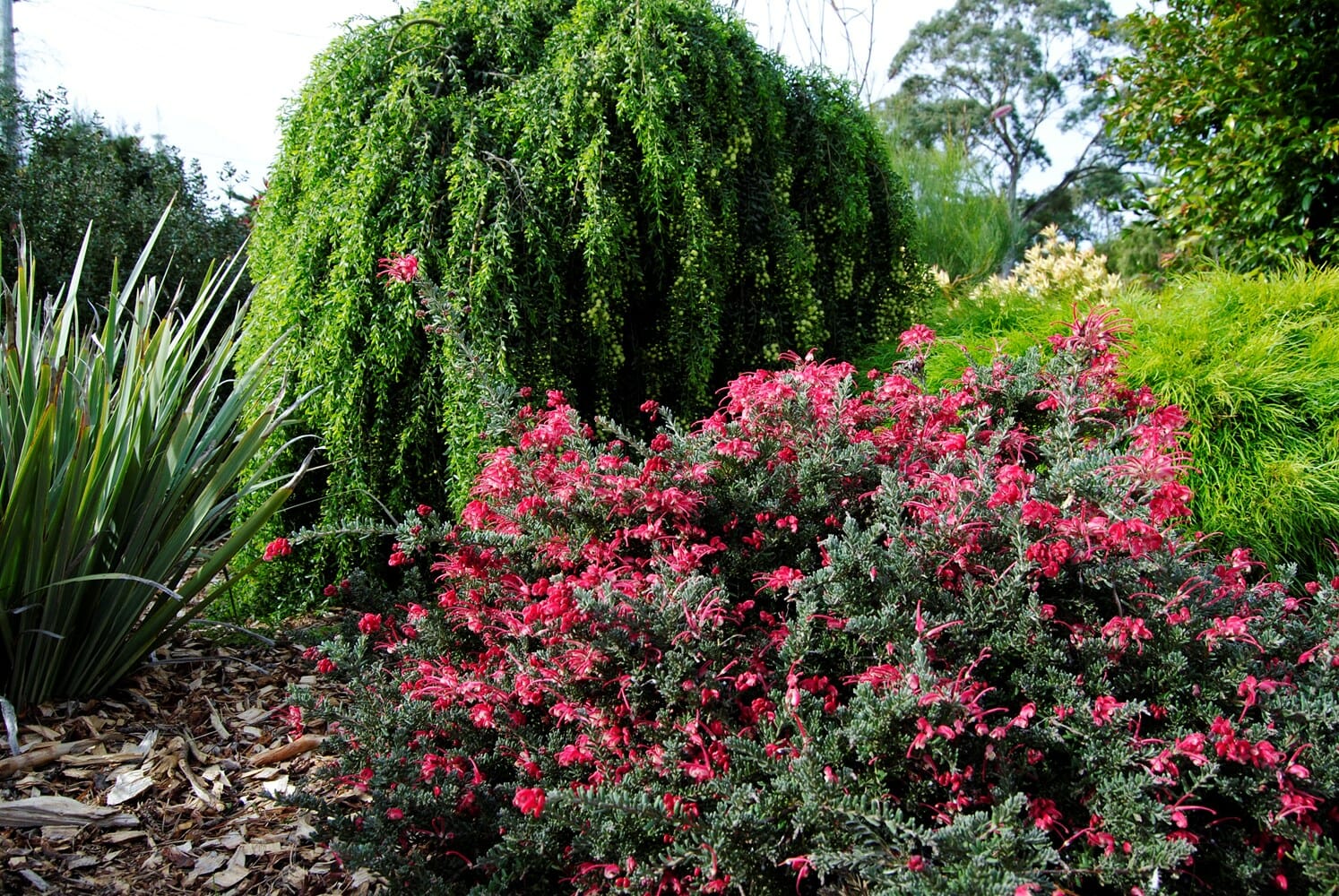
Grevillea ‘Winter Wonder’ next to a weeping standard acacia

Top 10 Plants that Flower All Year

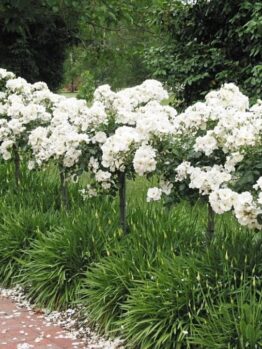
  1. Rose ‘Iceberg’
  2. Grevillea
  3. Bracteantha ‘Everlasting Daisy’
  4. Erigeron ‘Seaside Daisy’
  5. Polygala ‘Sweet Pea’
  6. Viola ‘Native Violet’
  7. Geranium
  8. Anigozanthos ‘Kangaroo Paw’
  9. Penstemon
  10. Alyssum


Rose ‘Iceberg’

Hello Hello Plants Nursery Campbellfield Melbourne Victoria Australia Iceberg Roses Banner

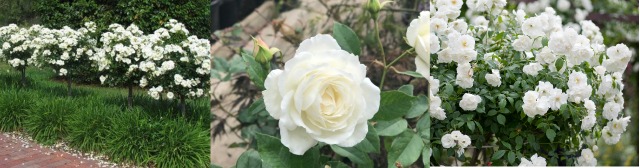
This particular rose is one of the most prolific flowerers of the rose family and in warmer areas tend to keep their leaves during the winter. To promote longer flowering, dead head spent blooms.


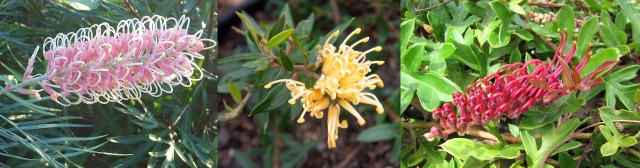
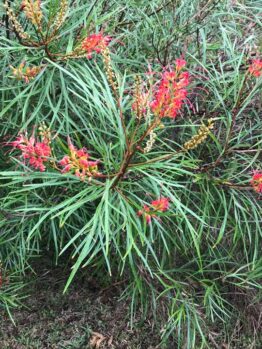
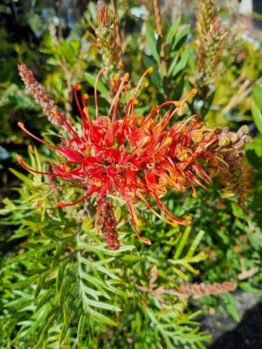
Grevillea

Hello Hello Plants Nursery Campbellfield Melbourne Victoria Australia Grevillea banner

There are many, many varieties of grevillea available on the market, most flowering for at least 2-3 seasons in the year. In particular the ‘Gaudichaudii’ is a gorgeous groundcover grevillea that is sure to flower all year, attracting beautiful native birds to the garden!


Bracteantha ‘Everlasting Daisy’

Hello Hello Plants Nursery Campbellfield Melbourne Victoria Australia Bracteantha everlasting daisy banner

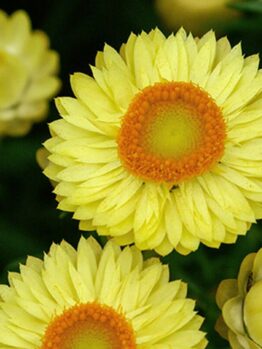
A gorgeous little perennial plant with paper-like daisy flowers that form throughout the year, predominantly in spring through to autumn. Everlasting Daisy are also used as cut flowers, lasting years!


Erigeron ‘Seaside Daisy’

Hello Hello Plants Nursery Campbellfield Melbourne Victoria Australia Erigeron Seaside Daisy Daisyspray

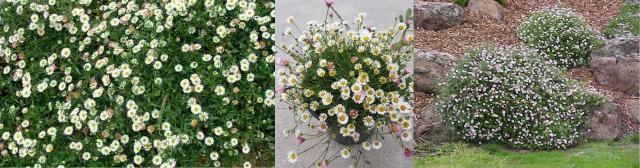
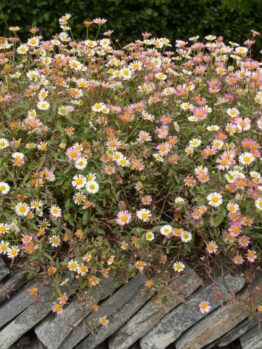
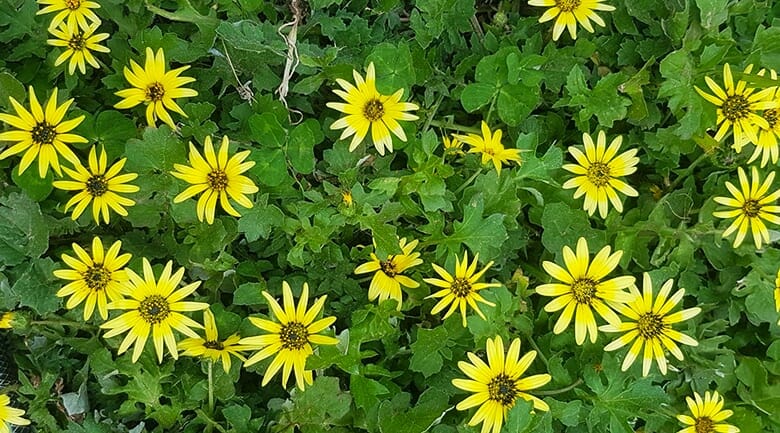
Seaside Daisy are very popular in Cottage gardens, used for borders, pots & containers and as a garden bed filler. In warmer climates these cute, low maintenance perennials tend to flower for the whole year, particularly if they dead-headed.


Polygala ‘Sweet Pea’

Hello Hello Plants Nursery Campbellfield Melbourne Victoria Australia Polygala banner

With purple pea like flowers that form throughout the year, this evergreen shrub is suitable for hedging, borders, pots & containers. They can also be used as a feature, particularly when neatly trimmed.


Viola ‘Native Violet’

Hello Hello Plants Nursery Campbellfield Melbourne Victoria Australia Native Violet banner

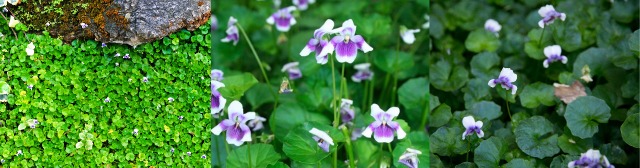
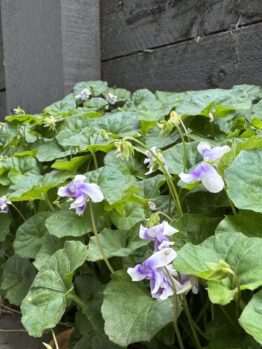
This little native groundcover looks great in pots, between pavers and to fill bare spaces in garden beds. Their tiny little purple flowers appear on tall stalks above the foliage for most of the year.


Geranium

Hello Hello Plants Nursery Campbellfield Melbourne Victoria Australia Geranium banner

To keep your geraniums flowering all year they need to be dead-headed. Once blooms are spent, remove them with clean secateurs. Geraniums come in many different colours and grow best in warm climates.


Anigozanthos ‘Kangaroo Paw’

Hello Hello Plants Nursery Campbellfield Melbourne Victoria Australia Anigozanthos Kangaroo Paw Banner

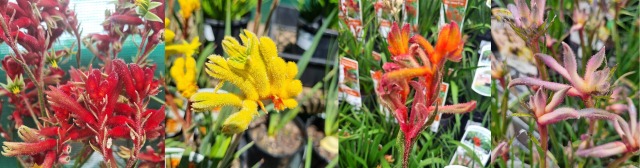
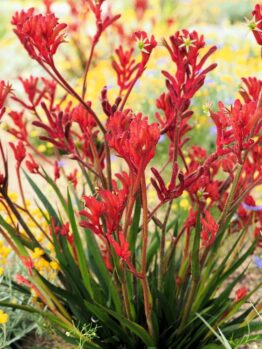
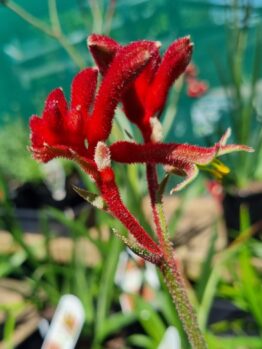
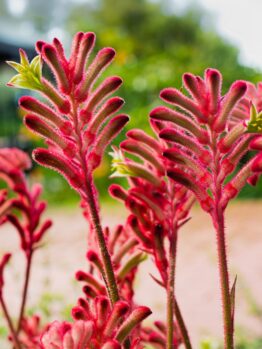
Noted for their tall, colourful flowers, Kangaroo Paw have very long flowering periods. In particular the ‘Gold Velvet’ variety is known to flower all year in warmer climates.


Penstemon

Hello Hello Plants Nursery Campbellfield Melbourne Victoria Australia Penstemon banner

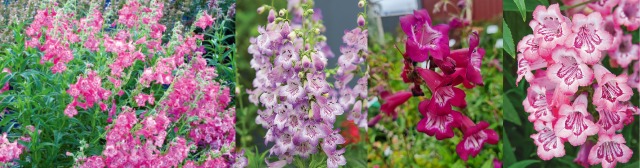
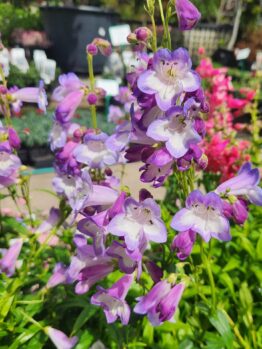
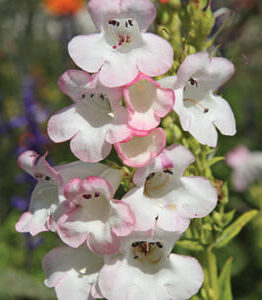
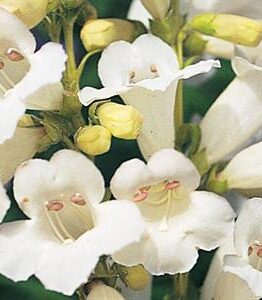
Commonly seen in the Cottage garden, Penstemon are tall, heavily flowering perennial plants that attract many beneficial birds and bees to the garden. These beautiful flowers appear for at least 3 months of the year and in warmer climates can still hold flowers during some weeks of winter.


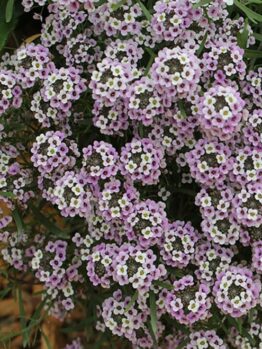
Alyssum

Hello Hello Plants Nursery Campbellfield Melbourne Victoria Australia alyssum banner

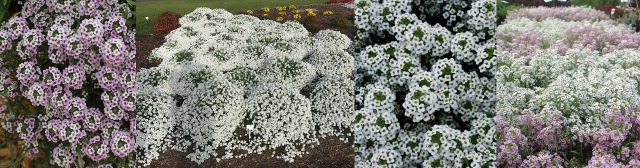
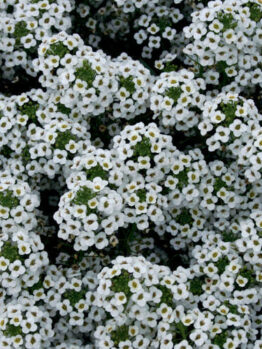
A gorgeous, low growing and heavily flowering perennial shrub, which is perfect for borders, pots & containers. Alyssum are low maintenance and will be seen flowering almost all year in warmer climates and for at least 3 months in cooler climates.

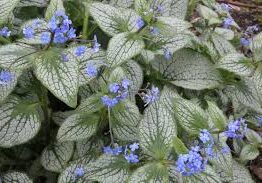
Hello Hello Plants Nursery Campbellfield Melbourne Victoria Australia Brunnera heart shaped leaf silver brunnera heart foliage

10 Best Heart Shaped Foliage Plants

What better way to say “I Love You” than gifting that special someone with a living, breathing token of your love – a heart shaped foliage plant! This list of gorgeous plants are sure to take your breath away (and theirs too) on that special day. Plus they last much longer than a card of a scrumptious box of chocolates, reminding them of you every time they gaze upon it.


Here are the top 10 plants with heart shaped foliage

  1. Cercis ‘Forest Pansy’
  2. Philodendron
  3. Monstera deliciosa ‘Swiss Cheese Plant’
  4. Alocasia ‘Elephant Ear’
  5. Syngonium
  6. Hemionitis ‘Heart Fern’
  7. Anthurium
  8. Ceropegia Chain of Hearts
  9. Cyclamen
  10. Brunnera


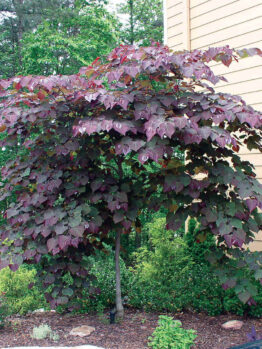
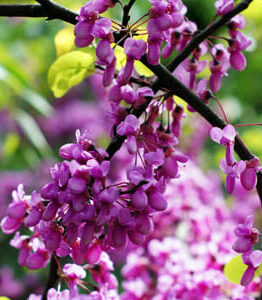
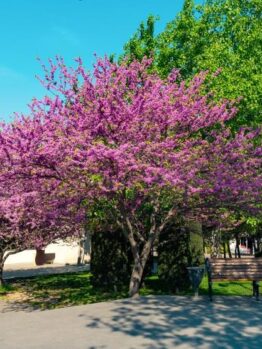
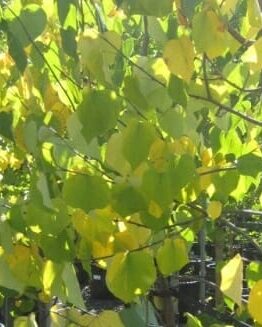
1. Forest Pansy

Hello Hello Plants Nursery Campbellfield Melbourne Victoria Australia Cercis canadensis foliage heart shaped leaves heart foliage banner

An absolute favourite amongst the staff, this wonderfully versatile tree’s foliage is in the shape of large hearts. In the summer they are a deep velvety green or rich velvety purple,  and in the autumn they change into vibrant yellows, oranges, reds and purples. Other varieties of Cercis also have these wonderful heart shaped leaves


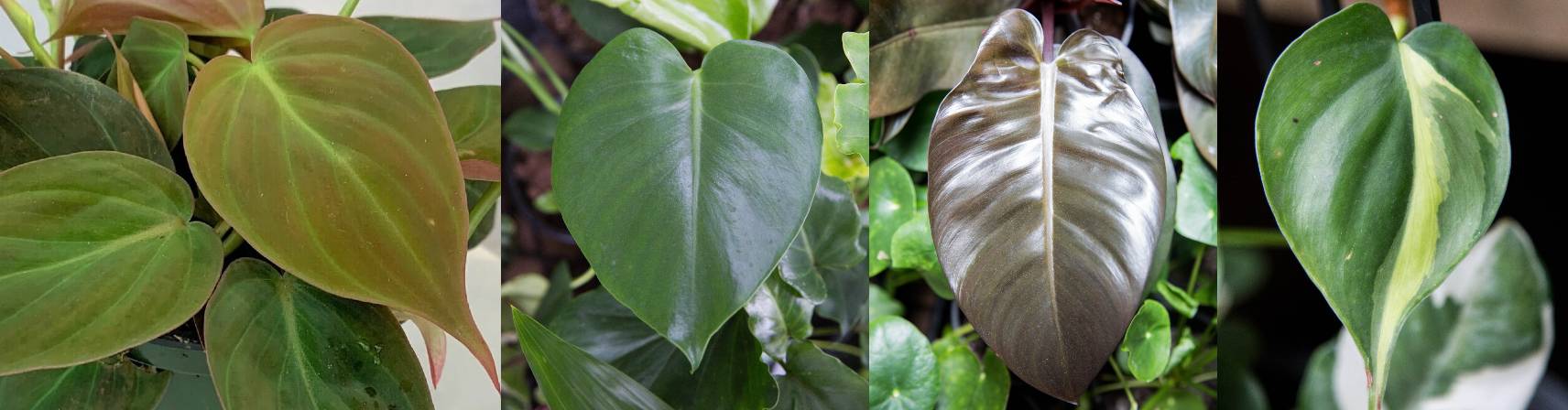
2. Philodendron

Hello Hello Plants Nursery Campbellfield Melbourne Victoria Australia Philodendron heart shaped leaves

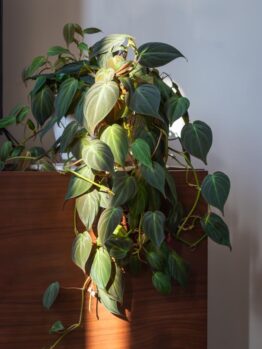
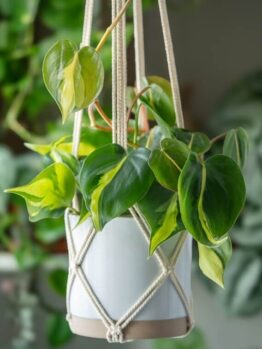
There are 100s of varieties of Philodendron with only some boasting a beautiful heart shape leaf. Varieties in the genus cordatum or scandens have a heart shaped leaf, best suited for indoors unless you live in a wonderfully hot and humid climate.


3. Monstera deliciosa

Hello Hello Plants Nursery Campbellfield Melbourne Victoria Australia Monstera Rhaphidophora tetrasperma Mini Monstera adansonii fruit salad plant banner

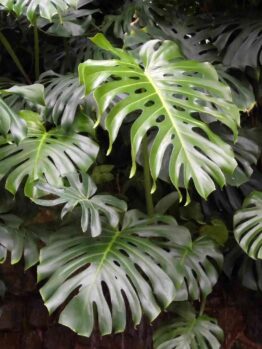
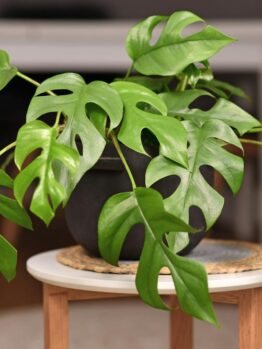
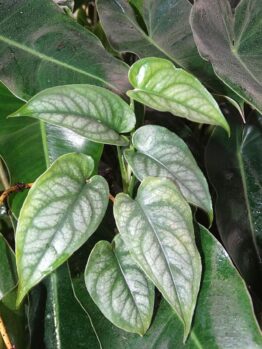
These beastly beautiful indoor plants are a common indoor favourite. In Melbourne they are mostly grown indoors but can be grown in an outdoor patio or semi sheltered position in the garden, provided you don’t get frost or bitter cold! Their young leaves start off in a heart shape and gradually form leaf fenestrations (natural holes in the leaves). Another similar variety is the Rhaphidophorra tetrasperma or ‘Mini Monstera’, which grows in much the same way except mini! The other hearty and a little more dainty Monstera is the Silver Monstera, with elongated heart shaped leaves splashed with silver.


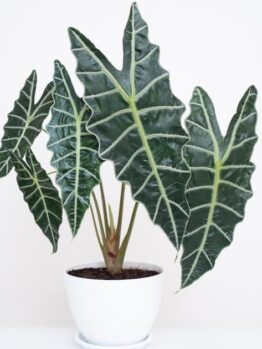
4. Alocasia ‘Elephant Ear’

Hello Hello Plants Nursery Campbellfield Melbourne Victoria Australia Alocasia elephant ear banner

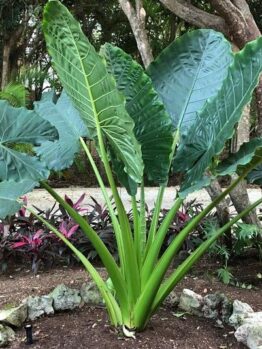
Nothing compares to the enormous Elephant shaped foliage like that of an Alocasia. A truly stunning plant variety, typically with enormous elephant shaped leaves that look awfully similar to a heart! These delicate yet awe-inspiring plants require a moist but well drained soil and protection from the intense heat and intense cold.


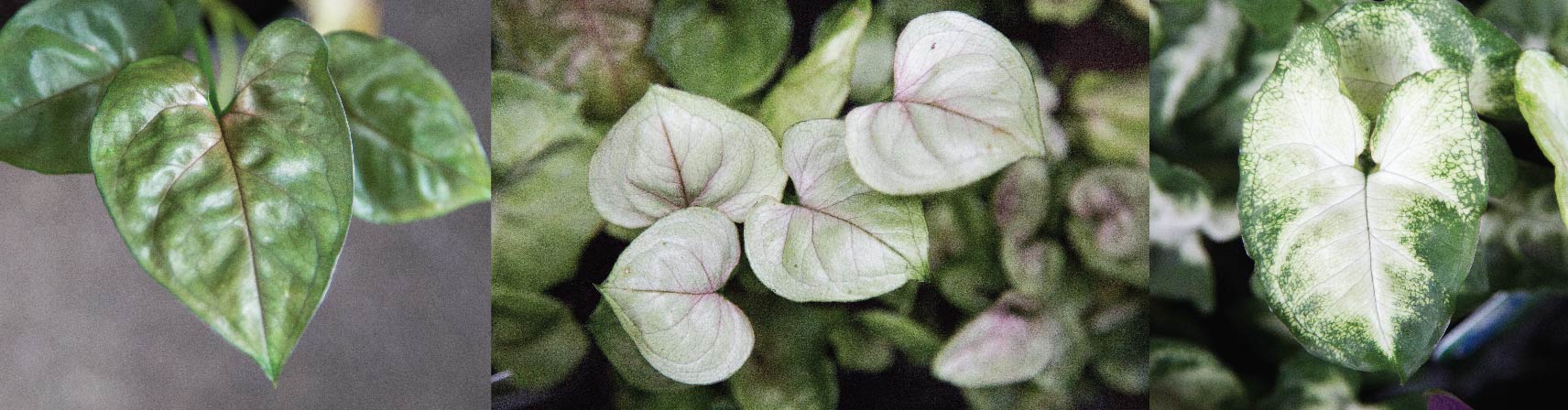
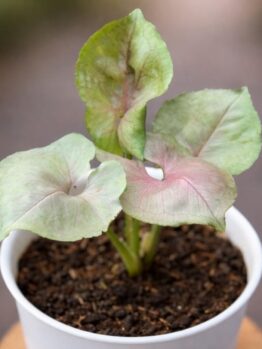
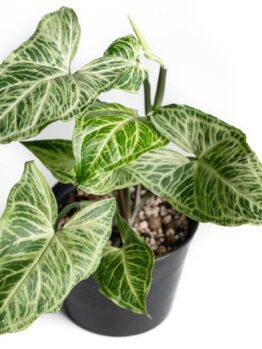
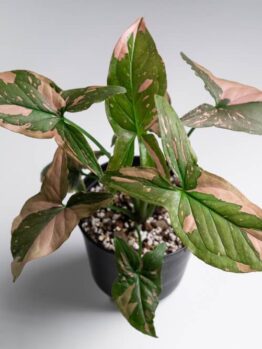
5. Syngonium

Hello Hello Plants Nursery Campbellfield Melbourne Victoria Australia Syngonium heart shaped foliage bannerSimilar to the Alocasia in that their leaves are elongated hearts or similar to an Elephant’s ear (except much smaller!), these wonderful indoor plants come in a variety of shapes and colours and love an indoor position. Perfect on a desk or shelf, for that special someone in your life.


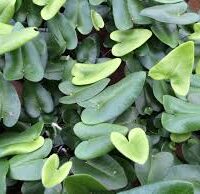
6. Hemionitis Heart Fern

Hello Hello Plants Nursery Campbellfield Melbourne Victoria Australia Heart fern heart shaped leaf Hemionitis arifol fern

As the name states this hardy little fern produces robust, heart shaped leaves en masse, creating a dense matt of hearts! It is perfect for an indoor pot in a well lit position or for an outdoor fern garden (sheltered of course).


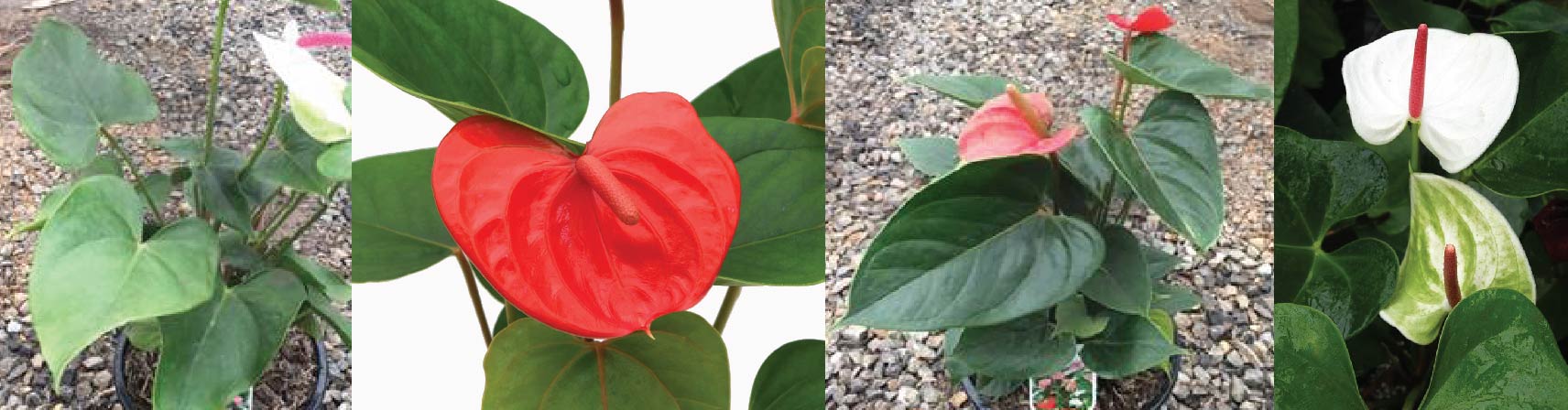
7. Anthurium

Hello Hello Plants Nursery Campbellfield Melbourne Victoria Australia Anthurium indoor plant heart shaped leaf

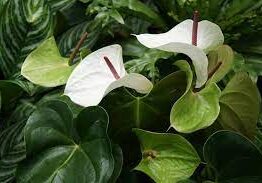
Heart shaped leaves AND flowers, Anthurium are a double whammy winner in this category! Available in both red and white they are a perfect way to say “I love you” to a certain someone in your life.


8. CeropegiaChain of Hearts’

Hello Hello Plants Nursery Campbellfield Melbourne Victoria Australia Ceropegia Chain of Hearts banner

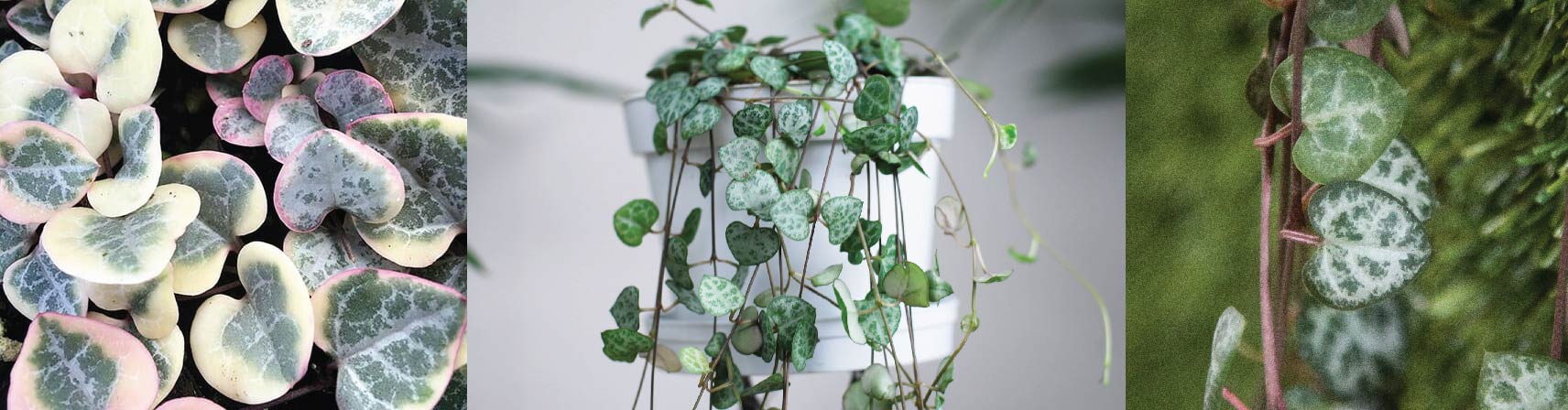
Long, trailing stings of little, itty bitty hearts are the hallmark signature of the Chain of Hearts succulent. Most popular for those who adore succulents, hanging basket plants or both, it is a truly remarkable and easy to grow plant. Grown in a very well lit position indoors or outdoors, they can thrive on neglect providing they get rain (or a water) ever once in awhile.


9. Cyclamen

Hello Hello Plants Nursery Campbellfield Melbourne Victoria Australia Cyclamen heart shaped foliage heart leaves

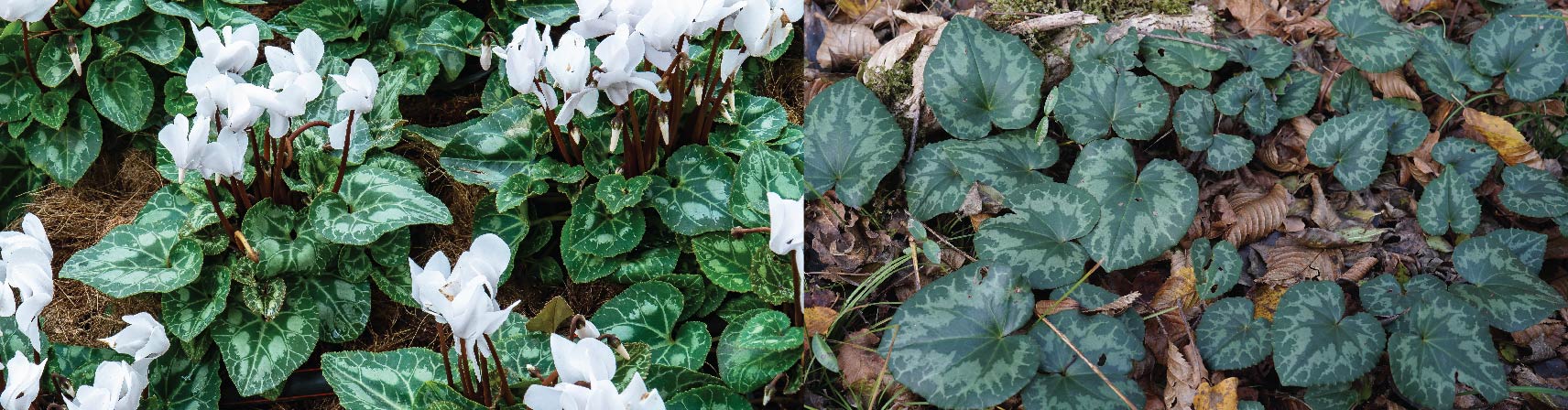
Commonly given to Mum on Mothers Day, this wonderful little plant produces tall, colourful flowers of pinks, purples, reds and white above silver veined, heart-shaped leaves. They’re quite compact and can be grown indoors and outdoors.


10. Brunnera

Hello Hello Plants Nursery Campbellfield Melbourne Victoria Australia Brunnera heart shaped leaf silver brunnera heart foliage

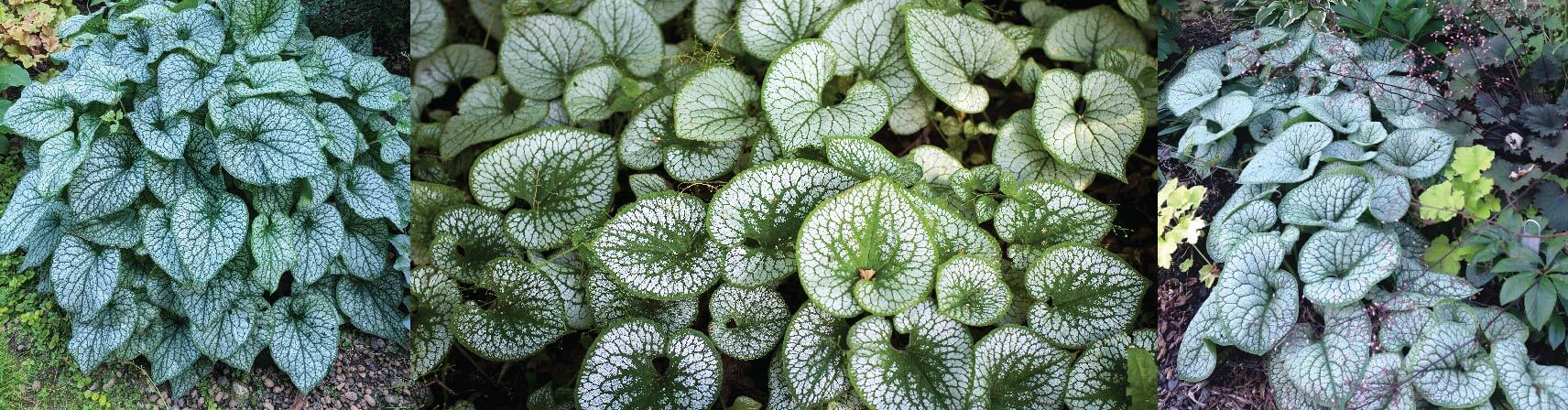
An absolutely magnificent outdoor plant, Brunnera are grown as a clumping groundcover in semi shaded gardens. They cover the ground with large, soft silver and green heart shaped leaves and are a feature in their own.


Honorable Mention

Although we have listed our top 10 heart shaped foliage plants, the following do need an honourable mention as they produce some wonderfully heart shaped foliage (just not as good as the other ten!)

Hello Hello Plants Nursery Campbellfield Melbourne Victoria Australia Hoya kerrii heart shaped leaves trailing plant indoorHoya kerrii

A gorgeous little indoor plant with trailing heart shaped foliage. It is an adorable little indoor cutie and relatively easy to grow.


Native VioletSweet Violet or Native Violet

Not strictly heart shaped, particularly the new growth. However, when the leaves mature, they become a gorgeous mat of heart shaped foliage! There are also purple varieties of violet.


Hello Hello Plants Nursery Campbellfield Melbourne Victoria Australia Morning glory free licence Hipopx purple flower heart shaped foliageMorning Glory

This, by no means, should be deliberately planted unless you really, really hate your garden or looooove to constantly maintain a vigorous vine. This noxious weed can be spied all over Melbourne and Victoria, often boasting white or vibrant blue flowers on a twining vine. The leaves are heart shaped but don’t let it fool you! It is so invasive, it gets bloody everywhere!

Blog Post 2023 New year Garden Resolution copy

Top 20 New Year Garden Resolutions 2023!

New Year, New You, New Garden!
2023 marks a new year with a new opportunity to start a fresh new garden, to revamp an old one, or to refine our existing gardens and living spaces.

To jump-start your gardening in 2023, we have asked some passionate gardeners to share what their New Year garden resolutions were and other good practices to adopt to create a lush and beautiful garden.
Here are our 20 best suggestions that would help inspire you to take your gardening to the next level.

Top 20 New Year Garden Resolutions 2023!

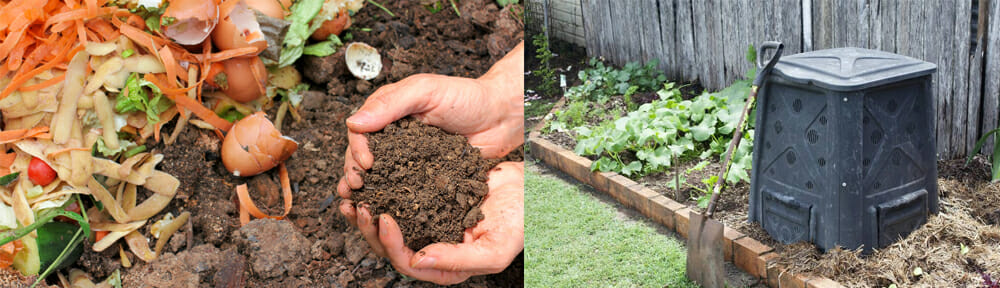
1. Start a compost heap. 
Kitchen scraps such as vegetable peels and eggshells can be thrown in your compost heap together with green and brown excess leaves from your garden. You will produce less rubbish and no more smelly bins. In no time you will be rewarded with some of the best FREE garden additives, Compost!


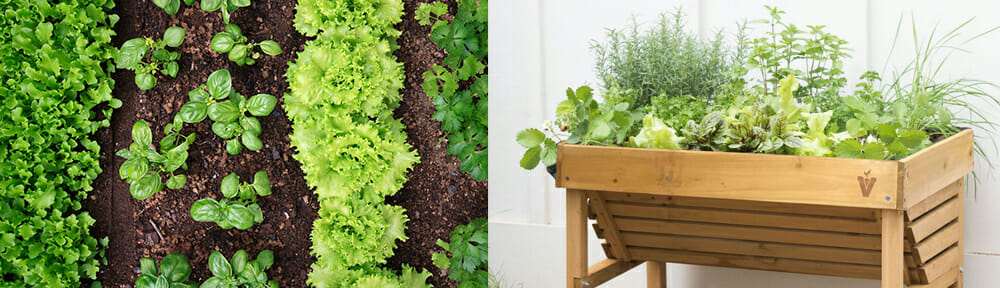
2. Try growing some herbs and Vegetables
Trees and flowers are certainly beautiful, but if you have never planted any vegetables or culinary herbs, you are missing out on one of the most rewarding and Eco-friendly garden activities. Herbs and veggies are expensive in the market, and often packaged in excessive plastic, so growing your own in pots, balconies or raised beds will make a big impact on the environment and you will enjoy the joys of harvesting fresh and cooking locally!
Click here to see our Herbs and Vegetables.


3. Plant many trees!
With the recent bushfires that decimated a huge part of our forests, we need to help in the regeneration by planting as many trees as we can. Whether native, flowering, or fruit trees, it is simply vital for the environment and to help with the human impact on ecosystems.
Read our tree planting guide.


4. Grow Vertical
When you run out of space on the ground, how about getting some climbers and putting them up a fence or a pergola. They create a beautiful layered effect and add some interesting features to your garden.

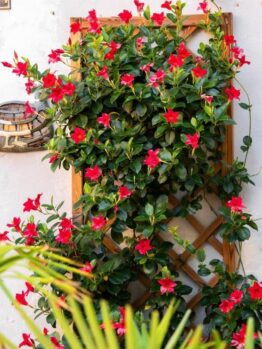
Ornamental plants to grow vertically are Wisteria, Chinese Star Jasmine, Clematis, climbing roses, Hardenbergia, Bougainvillea, Pandorea and Mandevillea.

Edible fruits & Veg to grow vertically are Passion fruit, Kiwi/Kiwiberry, Grapes, Cucamelon, cucumbers, melons, beans, peas, etc.

5. Bring some plants indoors
Indoor plants are great to add a touch of nature to your living spaces. They clean the air by reducing levels of certain pollutants, such as benzene and nitrogen dioxide, and reducing airborne dust levels. They also aid to reduce your stress and create a feeling of well-being. They’re easy to grow and many of them will tolerate shade and some neglect.
See our Indoor plants here.


6. Use less plastic
Plastic is everywhere nowadays. We all know that plastic does not decompose and can stay around forever, but they do break down slowly into microplastics and this is very harmful to the environment and to ourselves. Unfortunately many garden tools and products are made of plastic and it is up to the consumer to say no to these products and use alternatives, made of renewable and eco-friendly products.


7. Take care of the soil, make it rich!
Our soil is the most important resource that we have and we need to take care of it. Signs of healthy soil include plenty of underground animal and plant activity, such as earthworms and fungi. Soil that is rich in organic matter tends to be darker and crumbles off of the roots of plants you pull up. A healthy, spread-out root system is also a sign of good soil. To make your soil healthy, you should incorporate a lot of organic matter by top amendment and protect it with mulch.
See our list of composts, manures and soil mixes.
Read more about your soil type here!
Potting mix or soil? Which to choose?
Types of Manure and which is the best for your garden!


8. Use water wisely and Mulch
Water is precious and essential to a beautiful garden, as we all know how thirsty our plants can get. But as water is a finite resource, we need to manage it efficiently. So using drip irrigation systems save a lot of water by getting the water right where it is needed. A good 3 inches of mulch is recommended to stop weeds and to keep the moisture in the soil.
Not enough water will cause plants to die, but also too much water might cause issues like wet feet. Click here to read more about wet feet and how to save your plants.
Click here to see our various types of mulch.


9. Go organic and try natural pest controls
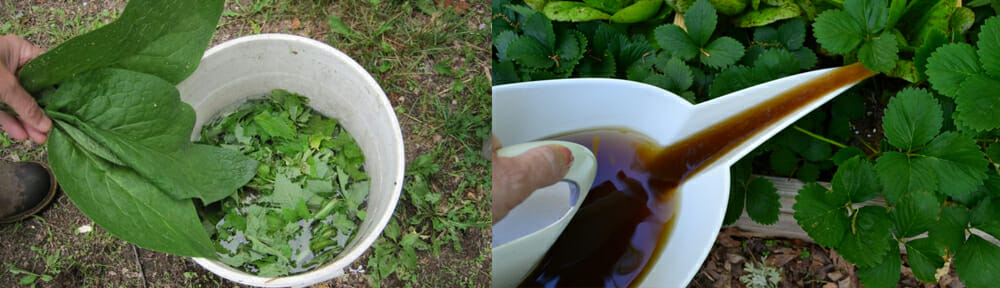
Pesticides, insecticides, and other chemicals are harmful to the environment and ourselves. Luckily there are many other organic alternatives on the market that are easily available for everyone to use, so give them a try and be Eco-friendly. You can also use comfrey and compost tea. Try to switch to natural fertilizers also for a change!
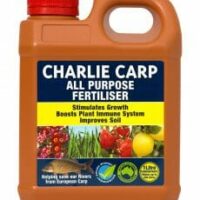
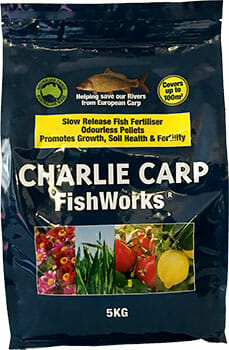
See our range of Charlie Carp fertilisers that recycles invasive Carp fish into nutrients for your plants!
Click here to read about Psyllids.


10. Welcome insects/ wildlife
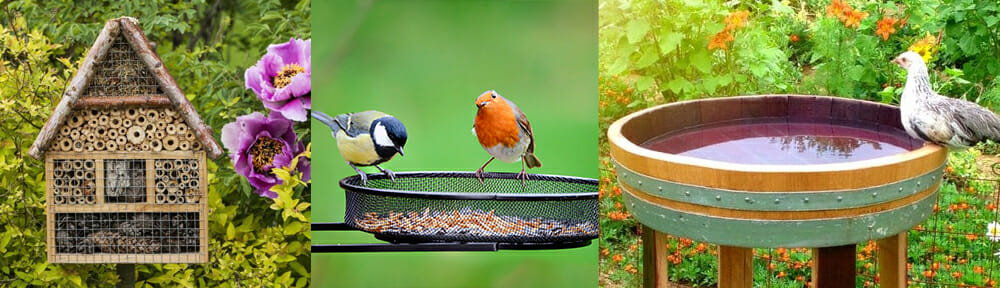
Signs of a healthy garden are that you will often see a lot of insects such as ladybirds, butterflies, and bees buzzing around and that is what makes a garden alive. Use insect hotels to get a variety of insects in your garden and water features to attract birds.


11. Go Peat Free
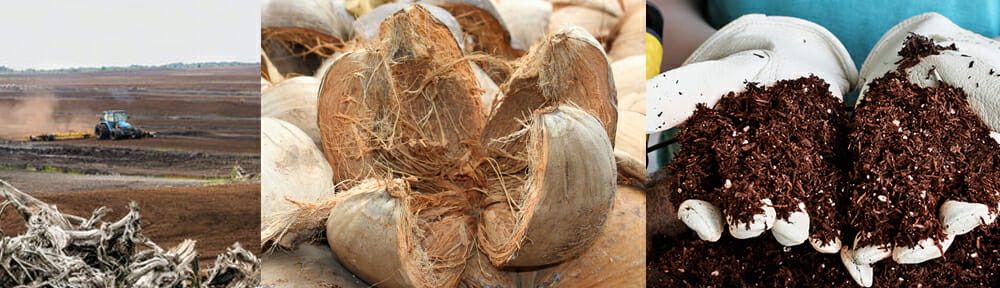
Peat moss although being a very useful garden additive and a good seed-starting medium, it is highly unsustainable. Peat is a non-renewable resource that took a long time to develop and harvesting it creates a lot of ecological problems. Instead of peat, there are many other cheaper and more ecological alternatives such as coco coir, manure or compost. See our list of composts, manures and soil mixes.


12. Try growing from seed.
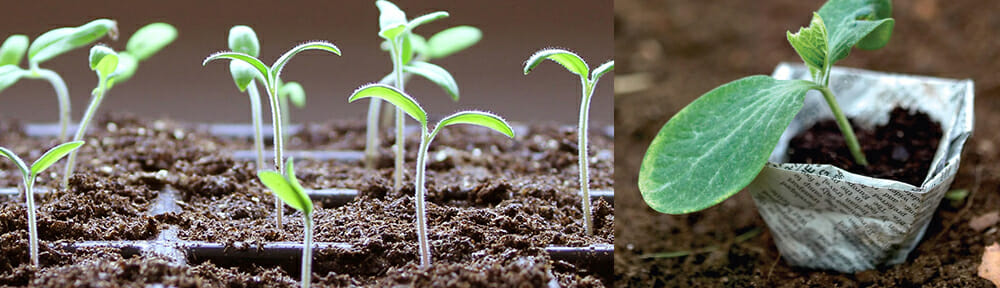
While it is easy to buy established plants and take care of them, there is a magical feeling of planting a seed and see it emerge and grow into a beautiful plant. Although it does require more care and patience, it is more rewarding and you can also save a lot by growing from seed.


13. Plant more flowers for bees
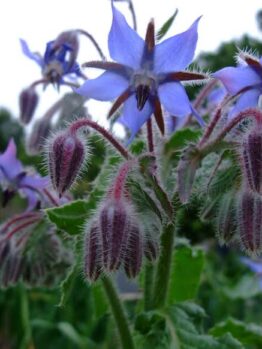
We all know how important bees are to our ecosystems, pollinating fruit trees and flowers to produce delicious honey. Bees are having a hard time surviving in a challenging environment and bee populations are in decline worldwide. You can help them by proving them with a lot of melliferous flowers such as borage or lavender in your garden.


14. Plant more Fragrant flowers
It is an amazing feeling to walk in your garden and enjoy the sweet and delicate fragrances of flowers. Even if you don’t have a huge yard, you still can indulge in the luxury of scented plants such as Roses, Lilacs, Gardenias, Magnolias, Jasmine, Night-blooming jasmine, also known as night-scented jessamine and queen of the night, is more famous for its scent than its flowers. Click here for some fragrant plants.

15. Plant some herbal tea / medicinal plants
Besides being beautiful in your garden, many beautiful plants such as lemon, peppermint, chamomile, lavender, echinacea, eucalyptus, hibiscus, rose hips, jasmine, rosemary and ginger can be planted for their medicinal properties which are anti-inflammatory, and anti-fungal, etc. Many ailments such as throat infections are easily curable by drinking herbal teas.


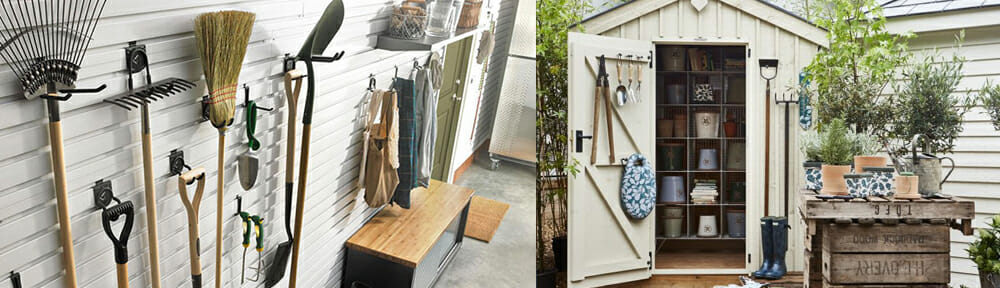
16. Organise your tools and keep them handy
You need the right tool for the right job! So instead of wasting time trying to find your set of pruners that you left in the corner of the garden last week, you can organise your tools properly and keep them tidy, so you always have the tool you need, when you need them! Cleaning them, sharpening them, and keeping them oiled will also prolong their lifetime.


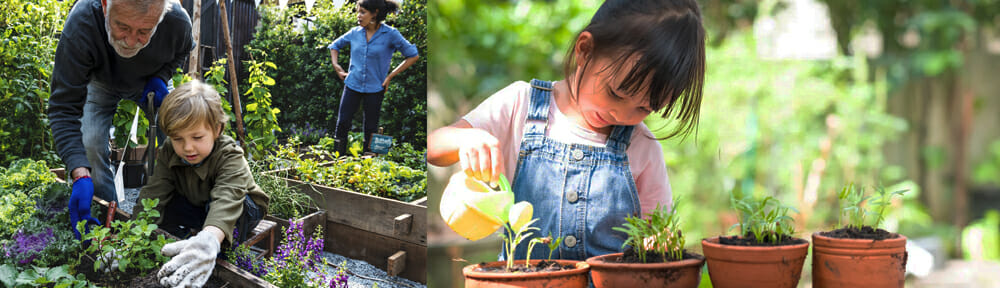
17. Teach your children how to plant
Children are nowadays glued to their smart devices and rarely have the time for the outdoors. Spending time with your children in the garden and passing on your gardening passion and knowledge will create very special memories to be cherished. It will also develop their desire to spend time in nature and will be better for their well-being.


18. Try companion planting
Companion planting in the home garden is an imitation of those symbiotic relationships. Some plant combinations attract beneficial insects and pollinators, deter unwanted pests, and offer shelter and food for other critters. The plants provide each other with things they need, be that nutrients, shade, or physical support. Plants such as Marigolds or basil are great to deter moths.


19. Take on a challenging/interesting garden project
There are so many different garden projects that you can take up just for fun or to add an interesting feature to your garden and make your space more productive. You can start small with projects such as topsy turvy pot planter or take on more challenging ones such as a raised bed, water feature, vertical garden, etc. The aim is to keep yourself motivated and to be dynamic in the garden.


20. Enjoy your outdoor space more!
With all the hard work that goes into making your garden so beautiful, you need to make the most of it, so the best thing you can do is to create a little outdoor sitting space with a table to enjoy a little meal outside close to your flowers and plants. To make it enjoyable you can select partly shaded areas tucked in a cosy corner that provides a beautiful view of your creation.

If you need any help or advice, we are always a phone call away on (03) 9359 3331 .
We provide a Free Garden Design Service and Free delivery Service also!
When you shop with us, you can get some FREE plants as part of our Rewards Program.
Gardens for everyone is a big sale of plants starting at just $6.99!

We hope that this list will encourage you to spend more time in your garden and plant even more trees and flowers. We wish you a very Happy Gardening Year 2023!

Purple flowering tree with blue sky background. Text overlay reads "Hello Hello December" in green and red decorative font, capturing the magic of December in the Garden.

December in the Garden 2022!

Hello Hello, dear gardening friends! December officially marks the start of summer here in Victoria and is the most exciting month of the year! Long summer evenings, garden parties, friends over for dinner, school holidays, vacation home getaways, and especially Christmas and New Year celebrations! Woohoo…how exciting! There are beautiful flowers blooming everywhere right now such as Jacarandas, Hydrangeas, Flame Trees, Daisies, and so many others, keeping the bees buzzing around all day long! The veggie patches have not had a great start this spring, with the constant rain, but the weather is turning around and the zucchini, tomatoes, and peppers, are finally starting to take off! Fruit trees such as raspberries, blueberries, cherries, and mulberries are loaded with delicious fruit to tempt our taste buds!

For the month of December, we have some fantastic deals such as:
Spend over $300 and get Free Delivery to Metro Melbourne and major regional centers!
Get Free Plants with our Rewards Program!
Get a Free Garden Design with Chris!


Christmas Trees & Gift Vouchers!

🎄Potted Christmas Trees are in store Now!🎁🎅 If you prefer the look, feel, and smell of a real tree and if you can’t bear the thought of cutting down a tree just to use it as a decoration, why not use a live potted Christmas tree or plant!? We have a lovely selection of Pines and Spruces that you can use as your live Christmas tree for the next 10 years! They are slow-growing, easy to maintain, and can be kept in pots for a long time!

Click here to read more about how to take care of your Christmas Tree!

DORRBUSTER SPECIALS!

Here are some super Doorbusting Specials! Get them now as these are for a very limited time only and we have limited stock too!


Top Specials for the month!

Here are our best specials for the month!

 Click here to see all our Top Specials!

Star of the month!

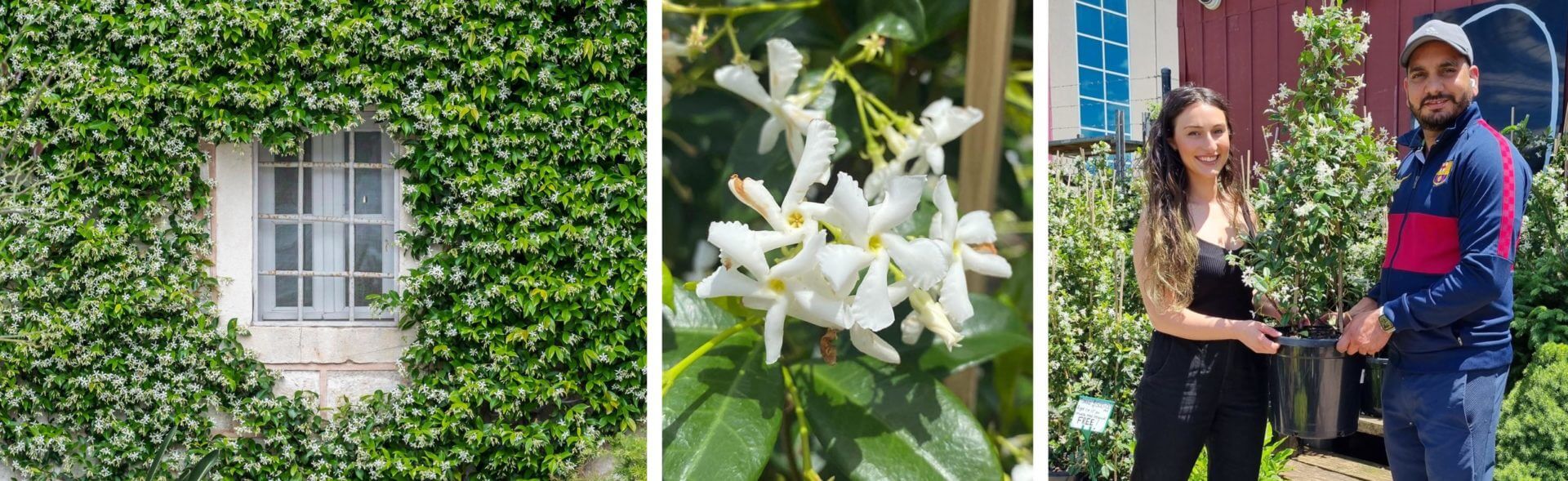
The Chinese Star Jasmine! Easily the most popular groundcover and climber, Star Jasmine is picked for its heavily fragrant flowers and robust green foliage. An incredibly hardy and easy to grow plant, Trachelospermum suits most garden styles and makes a really wonderful cover for unsightly places!

You can currently get a FREE  12inch pot, 1m tall Star Jasmine when you spend $500 in store or online, as part of our Rewards Program!

Click here to see the Jasmine factsheet!

Bulk Deals

Need a large lot of plants for a garden or landscaping project and want wholesale prices? We provide bulk discounts of up to 75% off on certain varieties and sizes when you buy in bulk!

Click here to see all our bulk deals!

Cottage Gardens

 We have a fantastic selection of perennial flowering plants in store right now that are already flowering or just about to flower. You can easily plant these in your garden to make it pop with interesting textures and colors all Summer long.

Click here to see all our cottage flowers

Maples

This is a great time to choose your maple as they are looking their best at this time of the year, with their spectacular array of foliage types and colours. Maple trees can provide a striking focal point in your garden, be the perfect plant to put in a large container on your patio or grow into an impressive bonsai specimen. We have dozens of Japanese maple varieties in various sizes, with a large assortment of leaf shapes and colours ranging from shades of green to orange, red, purple, pink and variegated.

Roses

Most roses are blooming beautifully at this time of the year. Now is a great time to choose which one is your favorite in terms of color and scent, so make sure you check out our range of roses in blooming right now. It is also a good time to feed your roses with some balanced, bloom, or rose fertilizer. Keep an eye out for aphids that love to feed on the fresh new growth. A good tip for more blooms on your roses is to dead-head the spent flowers regularly as this encourages more flowers. Avoid overhead watering as this can cause fungal problems. Watering early in the morning is better than in the evening. Once established, roses are quite drought hardy so water deeply only every so often. They are available in several forms such as bush form, climbing form, carpet roses, weeping roses and as standard (ball on a stick).

Click here to see all our Roses!

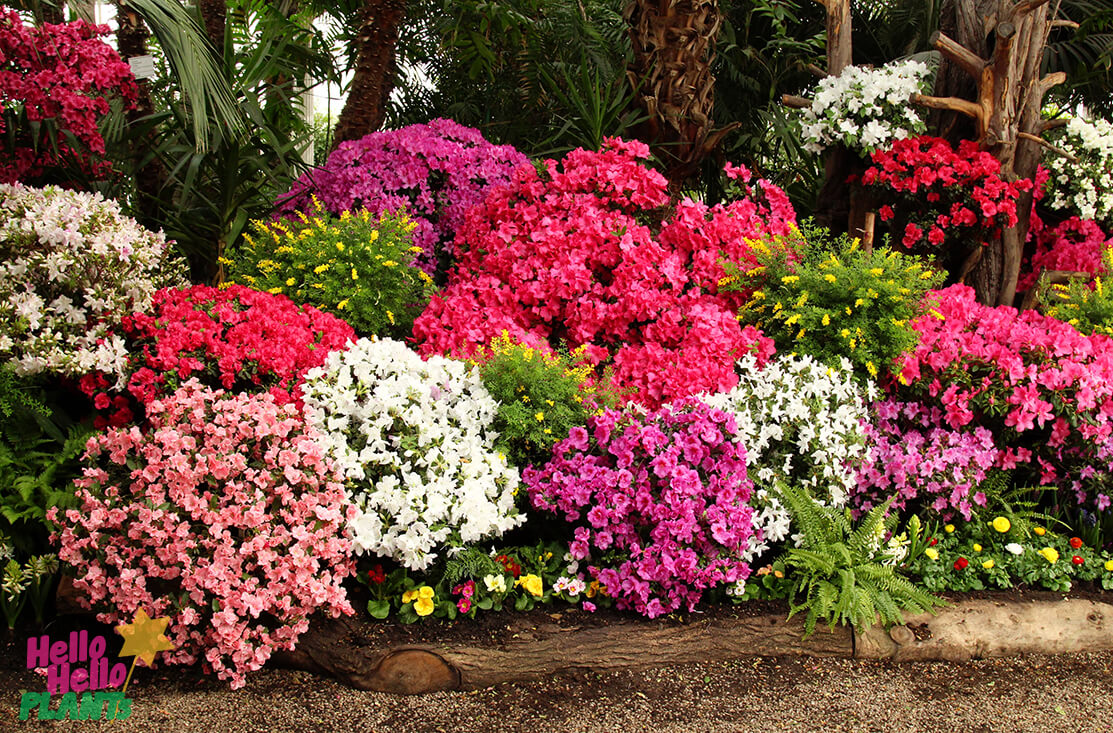
Azaleas


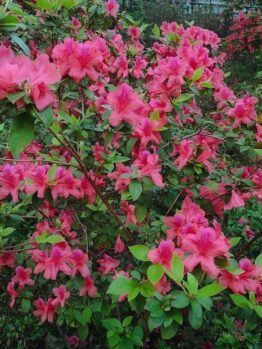
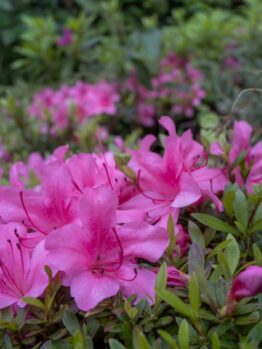
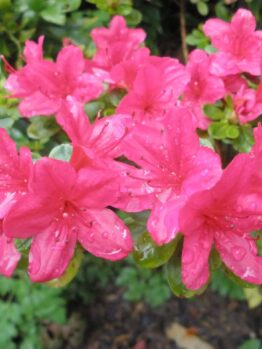
We have a great selection of compact Azaleas on Special right now! These grow to 2mx2m or less! Create a beautiful display like this one for less than $60!


Indoor

Perfect for adding some life into your living spaces! They are great Christmas gifts too!

Hydrangeas

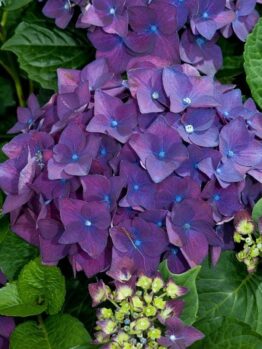
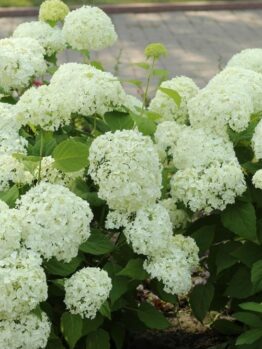
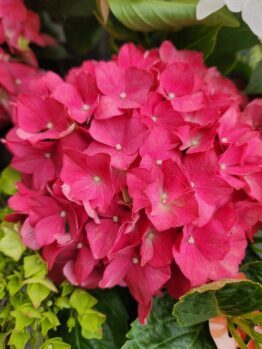
We have a fabulous range of Hydrangea varieties for your garden! 😍 These beauties radiate abundance because of the lavish number of flowers, their striking colors and the generous round shape! They are a must-have for any garden!

Fruits

Going into your garden, picking your own fruit, and enjoying them as fresh as they can be, is really a special feeling. If you choose a dwarf variety, you do not always need much space for them, as they are happy to grow in big pots and you can trim them to your preferred size. Now if you have space, by all means, plant a full-size variety and put them in the ground, and let them grow into bountiful monsters! You could then perhaps exchange or sell your surplus produce!

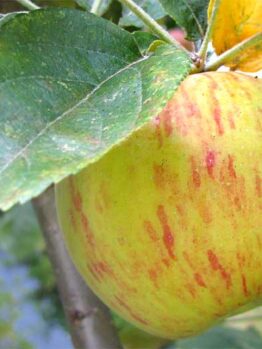
• Apples. It is apple season already! Imagine biting into a crisp and fresh apple right off the tree from your backyard! It is possible with our fantastic varieties, bred for commercial success! They are guaranteed to give you a bounty of apples in just a few years. Apple juice, apple pies, apple cider vinegar, dried apple crisps, there are so many great things to do with them!

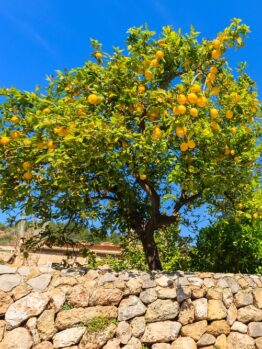
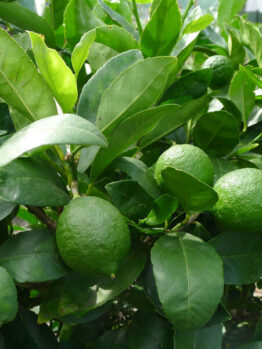
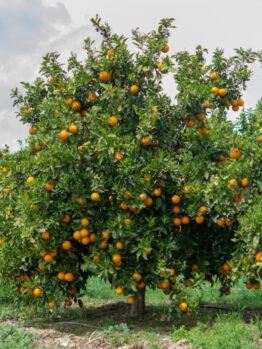
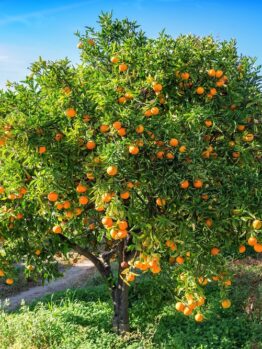
Citrus plants. We have a great variety of 4L pots that are on sale right now! Citrus trees have been hard to get and in high demand this year, but this batch is new. These are fantastic varieties that were originally destined for Victorian fruit farms, so you know they are born to produce fruit, plus they are very affordable.

Berries. Here is a great selection of the most popular and rare varieties, ideal for small spaces. These are in limited quantities, so better hurry up.

Other fruits. Here are some less common fruits that you will rarely find in supermarkets!

Veggies, herbs, and Greens!

Summer/Spring veggies such as tomato, peppers, squash, eggplants, zucchini, chilies, and basil can now be safely planted out in the ground! It is warm enough for them to grow beautifully. Remember to water them in properly with some seaweed fertilizers, which will help them settle in their new spot. See the full list here.

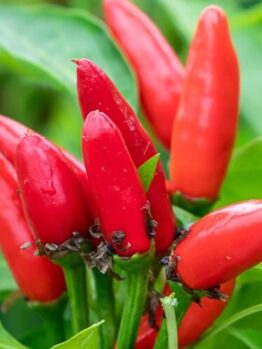
Chilies to keep you warm, just in case Summer does not!

Before planting your summer crops, dig in a generous amount of compost and manure in your veggie patch as these plants are quite heavy feeders. If you have experienced blossom end rot on your tomatoes in the past, it could be that your soil is deficient in calcium, and adding some garden lime will fix this issue. Just be aware that garden lime also raises the pH level of soils high in acidity, to make them more alkaline.

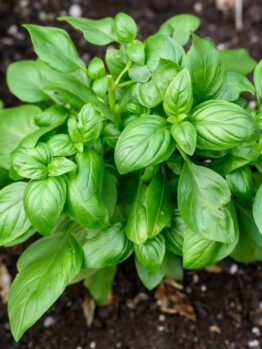
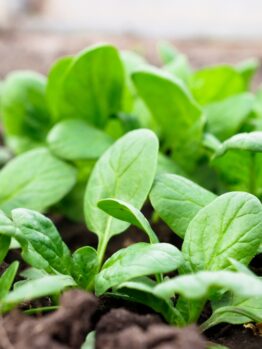
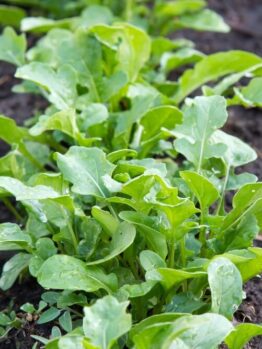
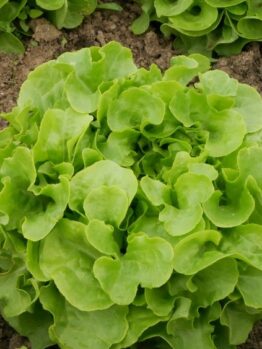
Leafy greens such as lettuce, spinach and rocket will all grow well in the garden right now until the hot days of Summer are here. If you have limited space, you may want to favor Summer veggies instead and leave the leafy greens for the cooler months. You can also get creative and plant lettuce/rocket u around your tomatoes/capsicums. Planting them every couple of weeks will ensure a steady supply. See full list here.

Culinary herbs are really easy to grow and can be grown in pots on your balcony or your patio. They will grow well in shaded, partly shaded, and sunny spots. You can harvest them and they will simply grow back. You can also chop them up, dry them and create your own mixed herbs for later use. Once you start planting your own herbs, you will never buy them at the supermarket again.

Click here to see them all.

Soil, Fertilising, and Mulching

• For your veggie patch, if you have very poor soil, mix in generous amounts of rich compost, manure, and also some blood and bone meal. If your soil is already quite good, instead of turning it over, try top dressing. Turning the soil over when you already have healthy soil will disturb the delicate worm and microbial systems, which take time to build and are important for good plant development.

• Improve the growth, health, and yield of your plants by nurturing the soil as an alternative to using fertilizers. You can do that by restoring the beneficial microbial activity in your soil with some compost tea.

• Put some rich compost or well-aged manure around your fruit trees, to give them the well-needed boost for the Summer fruiting season.

• It is best to give some liquid feed to Summer flowering annuals every couple of weeks with a complete liquid fertilizer, to encourage healthy and vigorous new growth. You can also add some slow-release granular fertilizer that will feed your plants over a period of 3 to 6 months.

•  When the summer heat comes round, it is important to have a nice thick layer of mulch on your soil to keep some moisture in the ground and also keep the roots of your plants cool. This will reduce the frequency of watering and prevent your plants to go through heat and drought stress. If you are putting mulch for the first time, make sure to choose the right ones as they change the PH of the soil when they break down. Pine bark mulch creates acidity when breaking down, so it is perfect for Azaleas or Camellias, whereas straw or sugarcane are recommended for veggie beds. Do not put mulch too close to the stems but rather around it, as this will encourage the roots to grow outwards to find water and make them stronger. Also, make sure to give the soil a good soak before mulching. When watering over mulch, it needs some extra water to make sure it penetrates into the soil.

Dead-heading and Pruning

After the beautiful first spring blooms, many of the flowering perennials are now covered with spent flowers, which are busy producing seeds inside. Some plants have a big flush of flowers at once, such as catmint, while others flower more consistently over the flowering period, such as daisies. The longer you leave spent blooms on the plant, the more resources or nutrients they utilize to produce seeds, and the plant will feel that it has completed its life cycle, i.e producing seeds to ensure the next generation. The best thing to do is to remove spent blooms as soon as the flower petals shrivel up. This will encourage more flowers to pop out.

Pests & Disease

Now that there are lots of new shoots and seedlings, coupled with some warm weather and a few showers here and there, there will be more insects in the garden. The humid weather is perfect for them to proliferate, feed, and cause damage to plants.

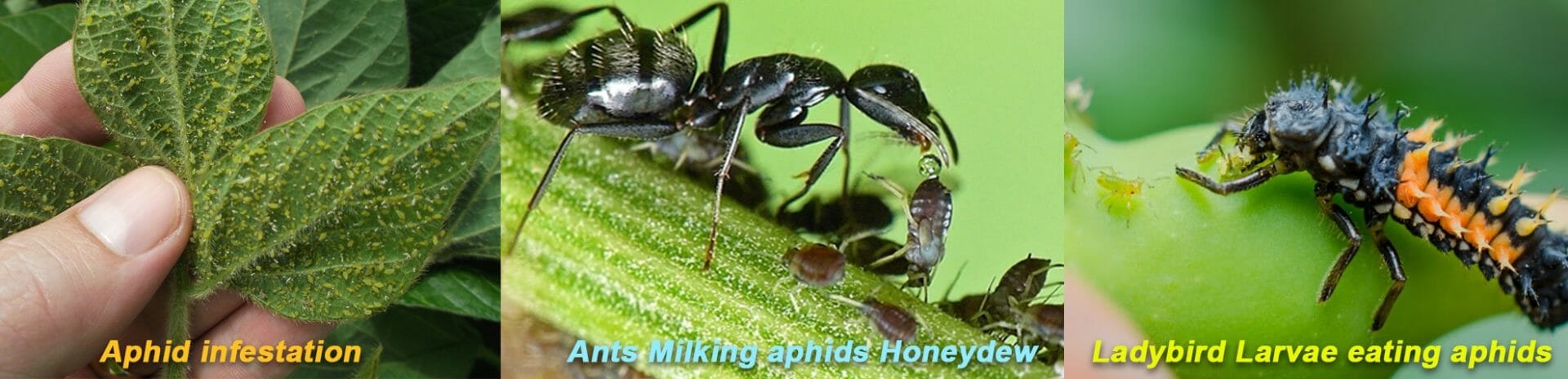
Aphids, thrips, and mites. With the warm weather, these sap-sucking insects find their way into our garden to feast on all the new growth. If there are not too many, you can leave them to help build the beneficial insect population that will then take care of the bad bugs for you later on. Adult aphids eat thrips and mites and ladybugs also eat aphids, thrips, mites, and whitefly If you have an infestation, on the other hand, you can make some homemade aphid spray to apply under the leaves of affected plants. Mix 2 tsp vegetable oil, 1 tsp dishwashing liquid, and some garlic cloves crushed,  mixed in 1lt of water, and left to infuse overnight. This is completely safe for other beneficial insects. Also, think of planting some beneficial insect plants that will attract ladybirds and they will take care of aphids for you. A favorite plant for ladybirds is the Angelica herb. • For ants you could sprinkle some diatomaceous earth on the ground where there is a lot of ant activity but only when it is dry. You will have to reapply it after it has rained. It is a natural organic control method that will not harm other insects.

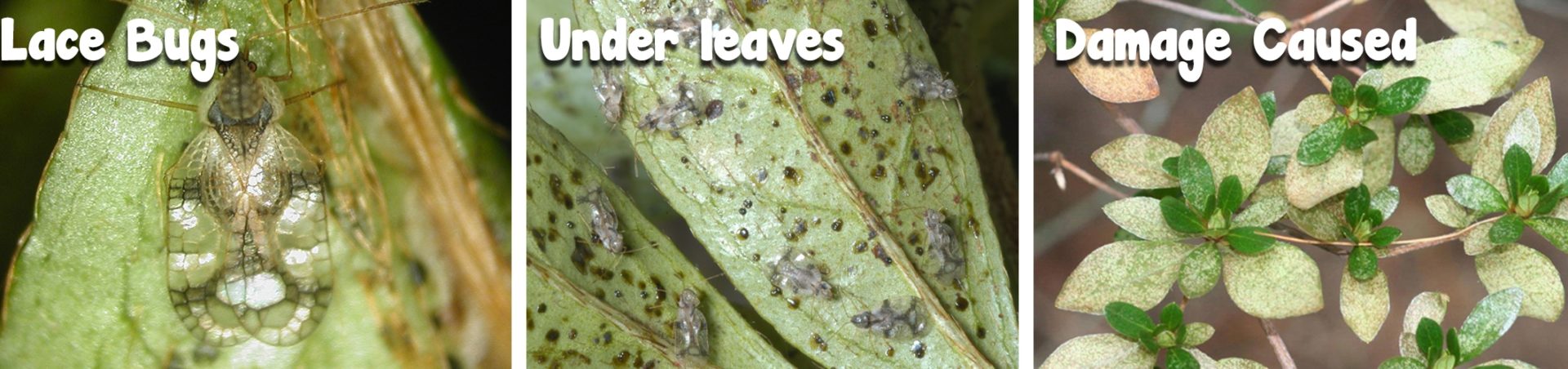
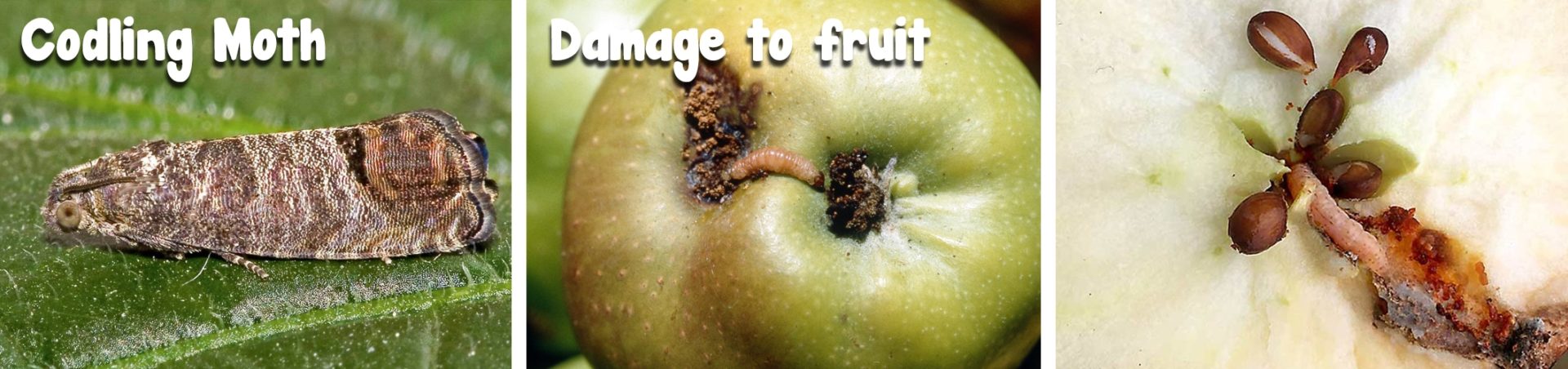
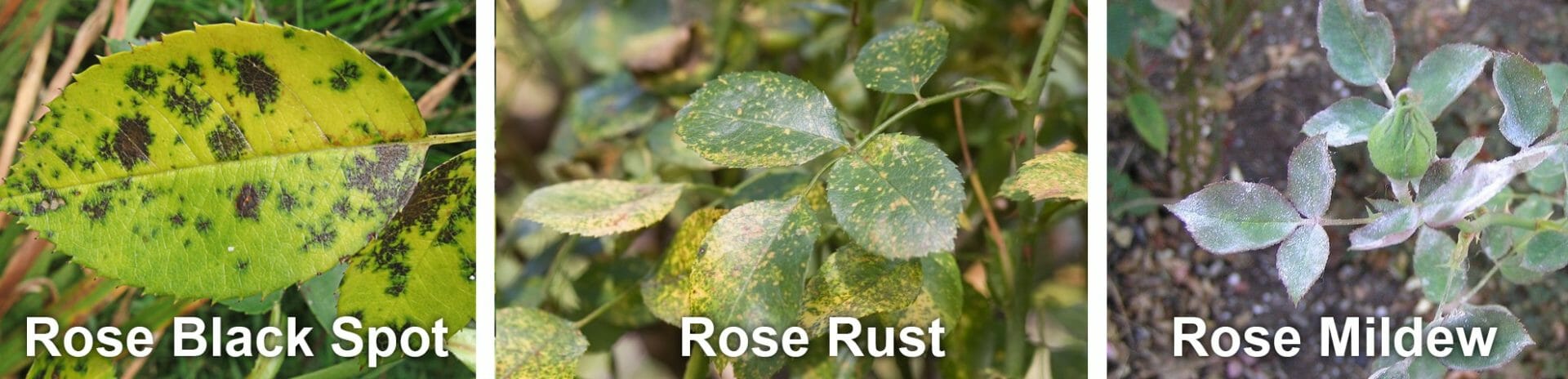
Azalea Lace Bug damage to azaleas normally occurs on the leaves and will look like silvery, white, or yellow spots. This is caused by these azalea insects, literally sucking small sections of the leaf dry and killing that section of the leaf. As these azalea leaf pests move on across the leaf, more and more spots will appear. These azalea insect problems are best avoided in the first place. The azalea lace bug tends to attack plants that are already weakened due to poor fertilizing or watering, so make sure to take proper care of your plants. If your azalea shrub is already infested with these azalea leaf pests, you can try one of two methods for getting rid of them. The first is chemical controls and the other is organic control. Chemical control involves using insecticidal soaps (some of which are organic). Most off-the-shelf insecticides will effectively kill azalea lace bugs. For organic control of these azalea insects, you can try several methods. The first method to try is to spray the plant down with a sprayer on the hose. This can knock the pests of the plant and disorient them enough to prevent re-infestation. • Codling Moth attacks Apples and Pears. The moth lays its eggs on leaves and immature fruit as flowering finishes. The hatching caterpillars then burrow into the fruit and eat it from the inside.   Yates Success Ultra is a good product to control these. You can also use organic control methods such as neem oil or even physical barriers such as fruit bags. Welcoming beneficial insects in your garden will also help with the control of codling moths. • Keep an eye out on your Rose plants for common diseases such as black spot, rust, and mildew. If you have noticed any fungal disease in the past on your plants, now is a good time to spray them with some organic copper-based fungicides.

That’s it for this month!

All the best in your garden and wishing you a merry Christmas and happy holidays!

Bouquet of red and pink roses with "Hello Hello November" written in colorful text overlay, capturing the charm of November in the Garden.

November in the Garden 2022!

Hello Hello, dear gardening friends! It is already November and we are having quite a lot of rain here in Victoria with a few cool nights, followed by some warm days with much-needed sunshine! Things are starting to take off in the garden and we are being blessed with lots of blossoms and lush green foliage!
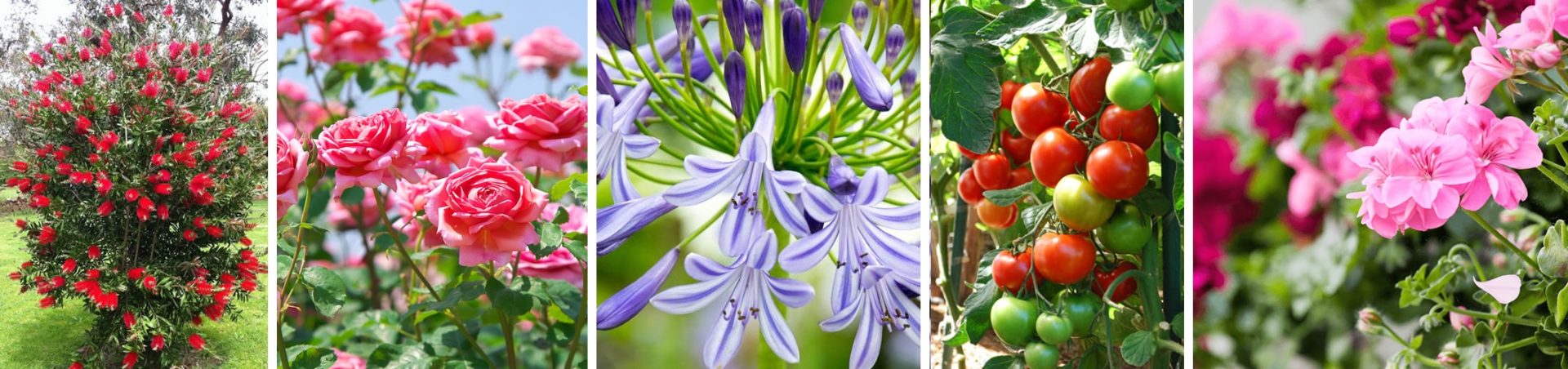
Traditionally Cup weekend has been used as a marker to plant out tomatoes and other summer crops, so if you have not done so yet, now is the time!

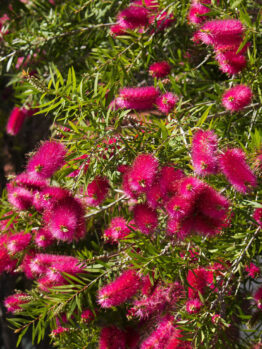
Callistemon, Geraniums, roses, and other cottage flowers are blooming beautifully, while Hydrangeas and Agapanthus are getting ready to bloom in the next couple of weeks. Summer veggies like tomatoes are growing very well and will soon require stakes to keep them from falling over and peppers are getting taller every day.  From clipping back your spring-flowering plants to mulching, there is always a lot to do, so let’s see what can be done in the garden right now.

We also have some fantastic deals such as:

Spend over $200 and get Free Delivery to Metro Melbourne and major regional centers!
Get Free Plants with our Rewards Program!


Top Specials for the month!

Here are our best specials for the month!

 Click here to see all our Top Specials!

Bulk Deals

Need a large lot of plants for a garden or landscaping project and want wholesale prices? We provide bulk discounts of up to 75% off on certain varieties and sizes when you buy in bulk!.

Click here to see all our bulk deals!

Maples

This is a great time to choose your maple as they are growing new leaves, putting on an amazing display, with their spectacular array of foliage types and colours. Maple trees can provide a striking focal point in your garden, be the perfect plant to put in a large container on your patio or grow into an impressive bonsai specimen. We have dozens of Japanese maple varieties in various sizes, with a large assortment of leaf shapes and colours ranging from shades of green to orange, red, purple, pink and variegated.

Click here to see all our Maples!

Cottage & Summer Flowers

• We have a fantastic selection of perennial flowering plants in store right now that are already flowering or just about to flower. You can easily plant these in your garden to make it pop with interesting textures and colors all Summer long.

Click here to see our cottage flowers in store!

Roses

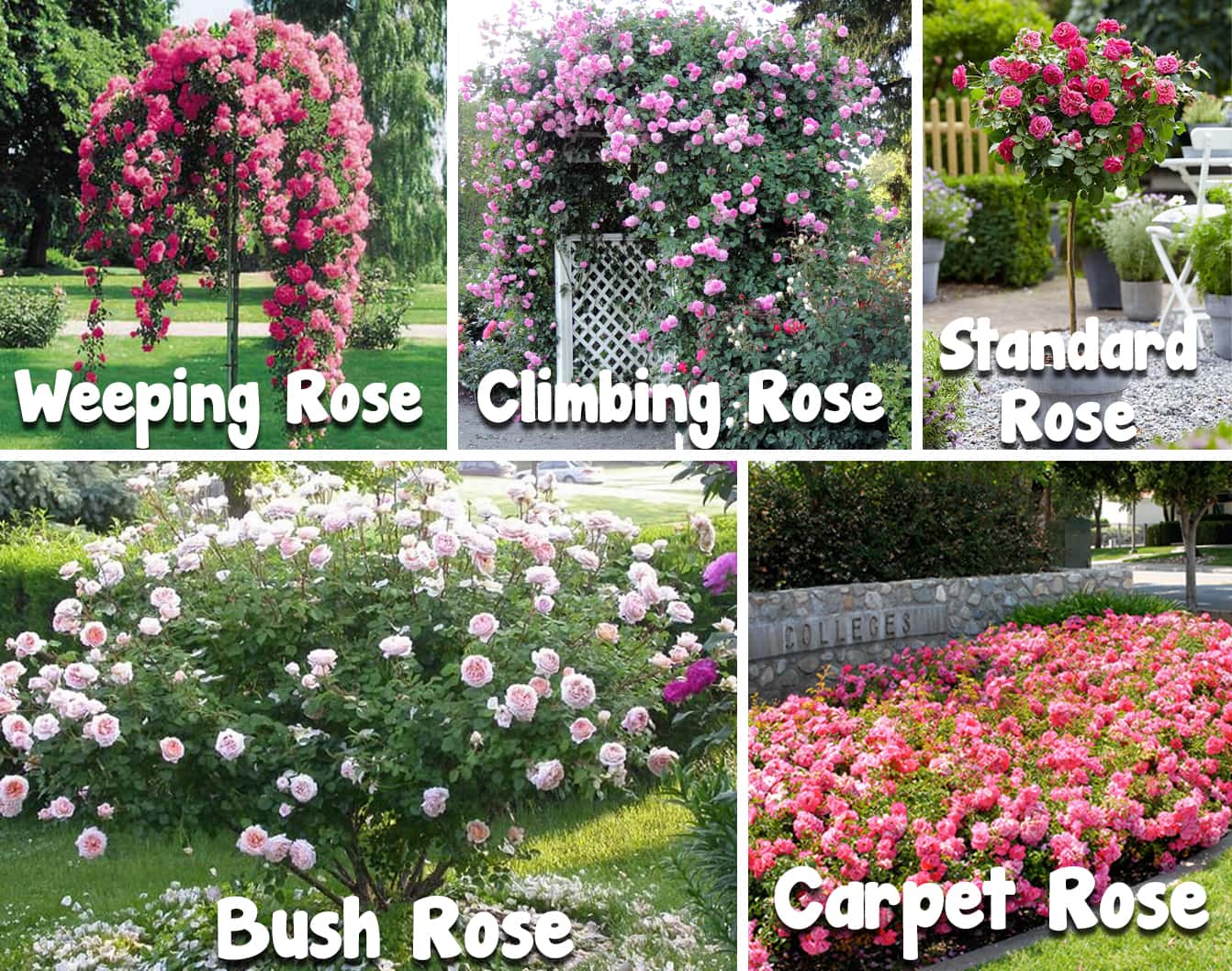
Most roses are blooming beautifully at this time of the year. Now is a great time to choose which one is your favorite in terms of color and scent, so make sure you check out our range of roses in blooming right now. It is also a good time to feed your roses with some balanced, bloom, or rose fertilizer. Keep an eye out for aphids that love to feed on the fresh new growth. A good tip for more blooms on your roses is to dead-head the spent flowers regularly as this encourages more flowers. Avoid overhead watering as this can cause fungal problems. Watering early in the morning is better than in the evening. Once established, roses are quite drought hardy so water deeply only every so often. They are available in several forms such as bush form, climbing form, carpet roses, weeping roses and as standard (ball on a stick).
Click here to see all our Roses!

Native Gardens

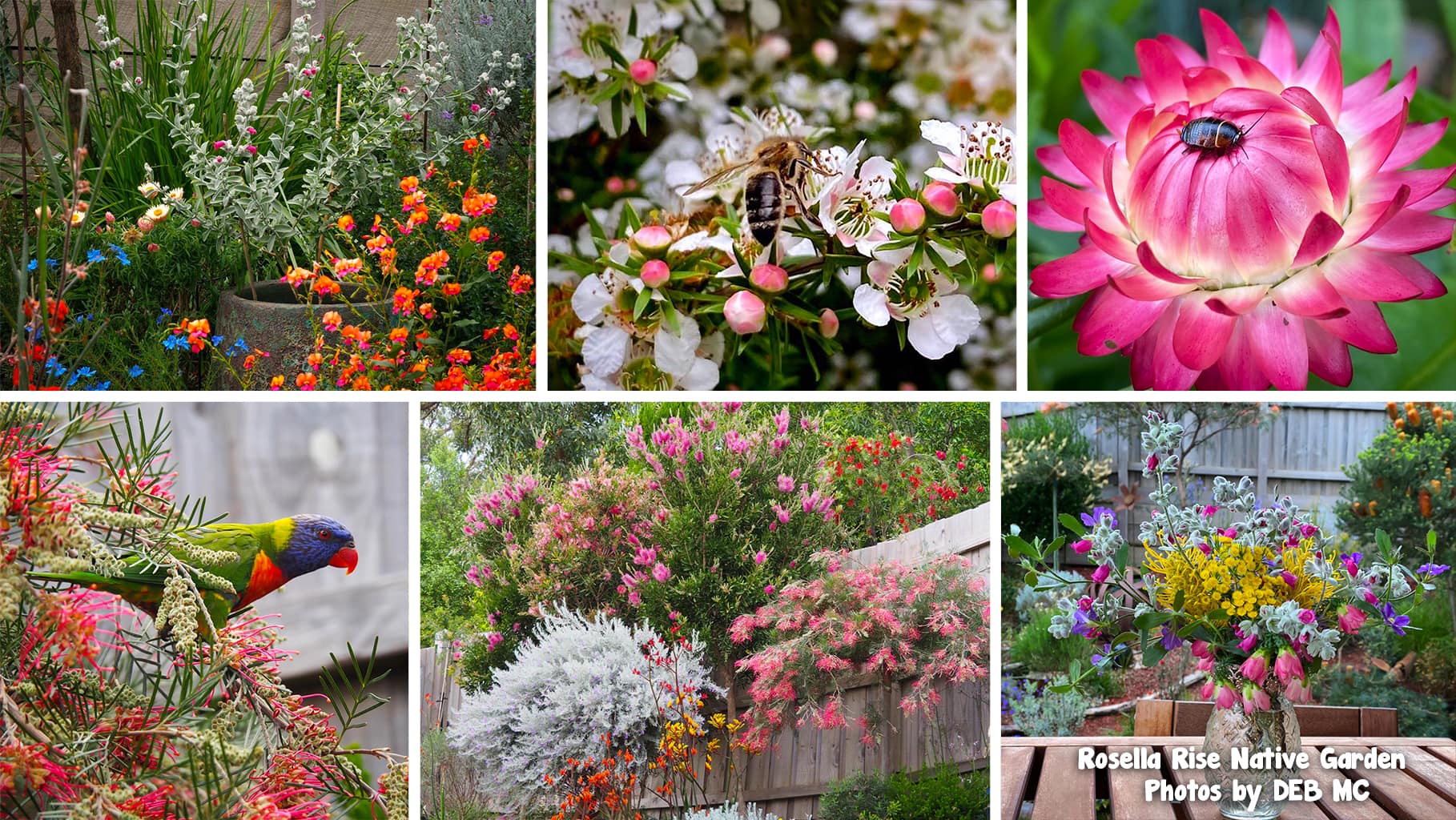
Native plants are very popular right now as they can easily be included in any type of garden. Native plants have so many advantages as they have lower maintenance requirements, are easy to grow, and quite hardy. They require less water and are wildlife-friendly. If you want a fully Australian native landscape, then a natural design and layout work best. Crushed granite on curved fluid pathways, timber sleepers for edging beds, and rustic garden sculptures all fit together very well. The Facebook page Australian Native Plant Enthusiasts forum is great for some native plant inspiration and one particular garden that always catches my attention is the Rosella Rise Native Garden of Deb MC. It has such a beautiful combination of plants, colors, and textures that it would inspire anyone to start a native garden! Be sure to click on the link to see more of that amazing Australian Native garden. To create such a paradise, you can use a variety of grasses, desert plants, shrubs, ground cover, succulents, herbs, food plants, fruit and berries to create a diverse Australian native garden.
Click here to see all our native plants!

Standards

Standard plants are great for creating interesting gardens. They are easy to maintain and  create a 2 -story layered garden effect with your standards at the top and other plants growing at the bottom.

Fruits

Picking your own home grown fruit, and enjoying them as fresh as they can be, is really a special feeling. Dwarf varieties require much less space, and they are happy to grow in big pots and keeping them trimmed them to your ideal size. Now if you have space, by all means, plant a full-size variety and put them in the ground and let them grow into bountiful monsters! You could then perhaps exchange or sell your surplus produce!

Citrus plants. Citrus trees have been hard to get and in high demand this year, but this batch is new in. These are fantastic varieties that were originally destined for Victorian fruit farms, so you know they are born to produce fruit, plus they are very affordable.

Apples ARE ON SPECIAL!! Grow a few different varieties for best pollination and better fruits!

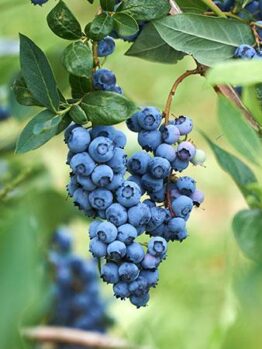
Berries are so yummy and easy to grow. We have a nice selection of blueberry, blackberry, and strawberries. Perfect for healthy breakfasts or desserts

Various fruits. Here are some other interesting fruit trees for you.

Veggies, herbs, and Greens!

Summer/Spring veggies such as tomato, peppers, squash, eggplants, zucchini, chilies, and basil can now be safely planted out in the ground! It is warm enough for them to grow beautifully. Remember to water them in properly with some seaweed fertilizers, which will help them settle in their new spot.

Tips for better tomatoes!

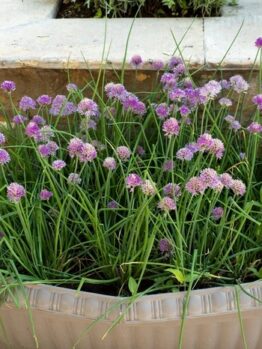
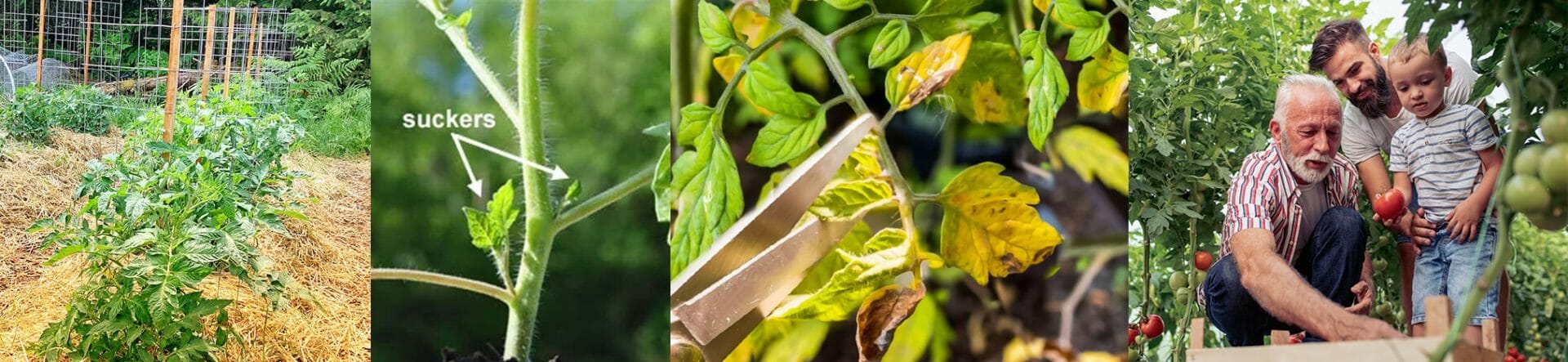
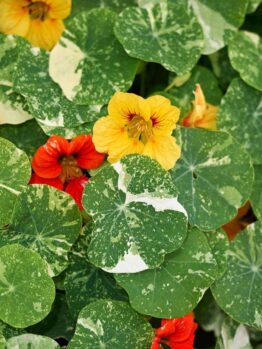
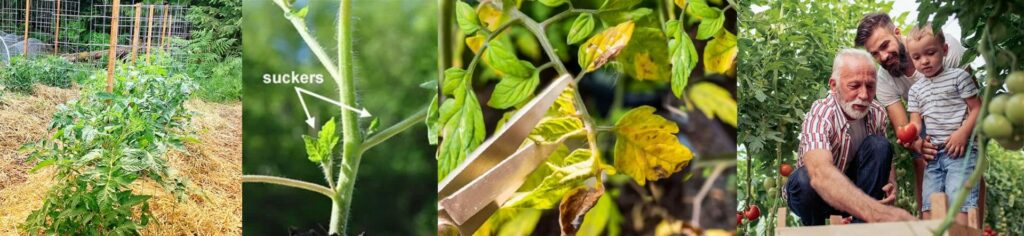
1. Work some rich compost in the soil and supplement with some calcium to avoid blossom end rot. 2. Plant your tomatoes at least 45 cm apart and bury the stems deeply. 3. Remove the bottom leaves and pinch off the side suckers. 4. Fasten them to a stake or in a tomato cage. 5. Mulch the soil and water regularly 6. Plant some companion plants around your tomatoes such as basil, chives, borage, nasturtiums, and marigolds as they deter pests.
Before planting your summer crops, dig in a generous amount of compost and manure in your veggie patch as these plants are quite heavy feeders. If you have experienced blossom end rot on your tomatoes in the past, it could be that your soil is deficient in calcium, and adding some garden lime will fix this issue. Just be aware that garden lime also raises the pH level of soils high in acidity, to make them more alkaline.

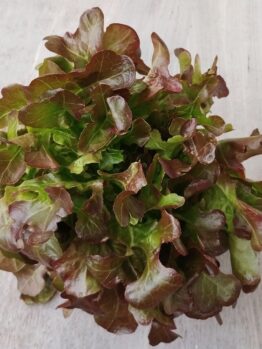
Leafy greens such as lettuce, spinach, rocket, endive, silverbeet, mustard greens, and celery will all grow well in the garden right now until the early hot days of Summer are here. If you have limited space, you may want to favour Summer veggies instead and leave the leafy greens for the cooler months. You can also get creative and plant lettuce/rocket under or around your tomatoes/capsicums as they usually have shallow root systems that will not interfere too much.  Planting them every couple of weeks will ensure a steady supply. See full list here.

• Root Veggies such as carrots, radish, turnips, parsnips, and beetroot are also great to plant right now. These are best sown directly in the soil. Young leaves can also make a tasty addition to your salads.

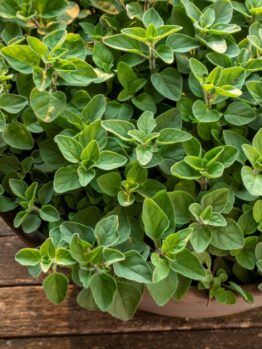
Culinary herbs are really easy to grow and can be grown in pots on your balcony or your patio. They will grow well in shaded, partly shaded and sunny spots. You can harvest them and they will simply grow back. You can also chop them up, dry them and create your own mixed herbs for later use. Once you start planting your own herbs, you will never buy them at the supermarket again.

Click here to see them all.

Herbal Teas are perfect to aid digestion, sleep, and have many other beneficial virtues. You can either dry the leaves up for storage or use them fresh.

Edible flowers look great in the garden and also in salads!


Christmas Trees Selection!

Coming soon!

Here are some tips for your potted live Christmas trees on how to take care of them so as they can be used over and over again for the next 10 years!

• Sunlight –  It’s recommended that you keep your potted tree near a window that receives sunlight but has protection from the hot afternoon heat.
• Lack of sunlight – If the spot where you will place your Christmas tree is where it will not receive any natural sunlight or reflected light, you should bring it indoors as late as possible. The weekend before Christmas is ideal, and it’s advised not to keep living trees in the house any longer than 20 days. But if it does receive some sunlight indoors, it can stay a bit longer.
• Watering – As with most houseplants, watering is the most important aspect of caring for them. Too much and your potted tree will die of ‘wet feet’, too little and the leaves will turn brown and fall. So water sparingly and do a simple moisture check by stick your finger into the dirt as far down as you can and see if the soil is dry. When you remove your finger, any soil sticking to it indicates moisture. When your finger comes out relatively clean, it’s time to water. Always check that the container has good drainage and some sort of saucer underneath to catch any excess water.
• Sunburn – After you’ve used it as your Christmas tree put it out in the shade for a couple of months, then slowly move it back into the sun around Autumn. If you just put it back in the full summer sun directly after being indoors for a long time, the leaves will get sunburnt and turn brown.
• Root-Bound – After the Christmas period, check the roots of your tree. If the root-ball is getting too thick, loosen them up and plant your tree in a slightly bigger pot. If it is not a dense root-ball, they can be left in the same pot.
• Prune and shape your tree in winter to keep it neat and tidy. Be gentle with the pruning as they grow very slowly and bad pruning can take years to fix.
• Fertilise your tree at the start of spring with a balanced fertilizer to give it a good boost during its growing season and make it look lush for Christmas.

Pruning, Repotting & Weeding

Spring flowering bulbs should be pulled out of the ground, trimmed of any shoots and excess roots, the soil is gently brushed off and the bulb is let dry. Then you can store them in a paper bag in a cool dry place over summer and autumn until it is time to plant them again.

• If your potted plants are looking overcrowded, you can always trim them or split and re-pot them into new pots. Make sure to use the right potting mix for them.

Scraggy plants. If you have tried to revive and fertilize old and sad-looking plants to no avail, perhaps it is time to replace them. Rework the soil after pulling them out and let it settle for a week before planting a new plant there.

• Always stay on top of the weeds. With all the Spring flowers blooming and then releasing their seeds in the wind, you will see small seedlings popping up everywhere. It is easier to get them while they are still small by disturbing the topsoil and applying some mulch.

Soil, Fertilising, and Mulching

• For your veggie patch, if you have very poor soil, mix in generous amounts of rich compost, manure, and also some blood and bone meal. If your soil is already quite good, instead of turning it over, try top dressing. Turning the soil over when you already have healthy soil will disturb the delicate worm and microbial systems, which take time to build and are important for good plant development.

• Improve the growth, health, and yield of your plants by nurturing the soil as an alternative to using fertilizers. You can do that by restoring the beneficial microbial activity in your soil with some compost tea.

• Put some rich compost or well-aged manure around your fruit trees, to give them the well-needed boost for the Summer fruiting season.

• It is best to give some liquid feed to Summer flowering annuals every couple of weeks with a complete liquid fertilizer, to encourage healthy and vigorous new growth. You can also add some slow-release granular fertilizer that will feed your plants over a period of 3 to 6 months.

•  When the summer heat comes round, it is important to have a nice thick layer of mulch on your soil to keep some moisture in the ground and also keep the roots of your plants cool. This will reduce the frequency of watering and prevent your plants to go through heat and drought stress. If you are putting mulch for the first time, make sure to choose the right ones as they change the PH of the soil when they break down. Pine bark mulch creates acidity when breaking down, so it is perfect for Azaleas or Camellias, whereas straw or sugarcane are recommended for veggie beds. Do not put mulch too close to the stems but rather around it, as this will encourage the roots to grow outwards to find water and make them stronger. Also, make sure to give the soil a good soak before mulching. When watering over mulch, it needs some extra water to make sure it penetrates into the soil.

Pests & Disease

Now that there are lots of new shoots and seedlings, coupled with some warm weather and a few showers here and there, there will be more insects in the garden. The humid weather is perfect for them to proliferate, feed, and cause damage to plants.

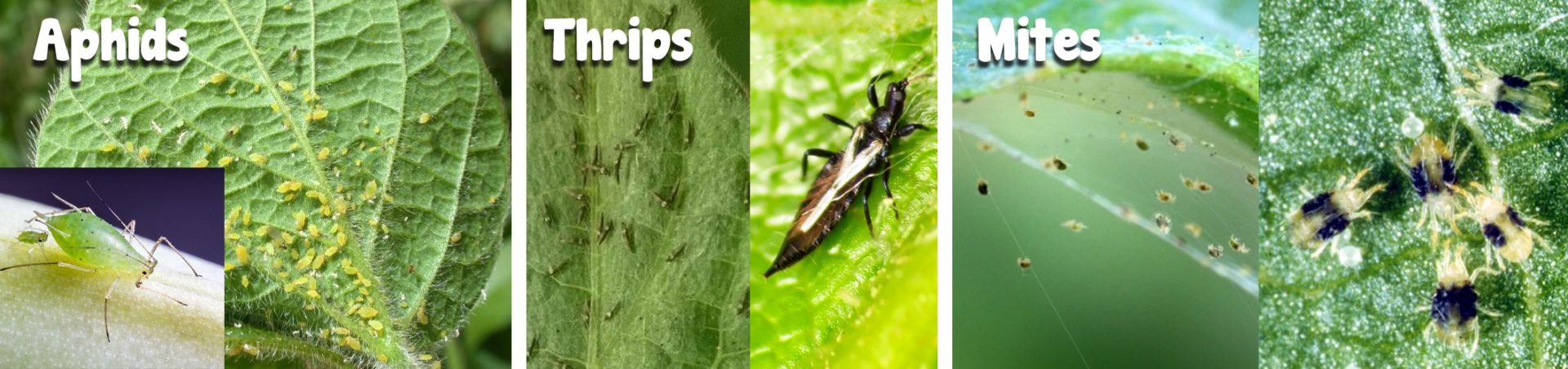
Aphids, thrips, and mites. With the warm weather, these sap-sucking insects find their way into our garden to feast on all the new growth. If there are not too many, you can leave them to help build the beneficial insect population that will then take care of the bad bugs for you later on. Adult aphids eat thrips and mites and ladybugs also eat aphids, thrips, mites, and whitefly If you have an infestation, on the other hand, you can make some homemade aphid spray to apply under the leaves of affected plants. Mix 2 tsp vegetable oil, 1 tsp dishwashing liquid, and some garlic cloves crushed,  mixed in 1lt of water, and left to infuse overnight. This is completely safe for other beneficial insects. Also, think of planting some beneficial insect plants that will attract ladybirds and they will take care of aphids for you. A favorite plant for ladybirds is the Angelica herb. • For ants you could sprinkle some diatomaceous earth on the ground where there is a lot of ant activity but only when it is dry. You will have to reapply it after it has rained. It is a natural organic control method that will not harm other insects.
Azalea Lace Bug damage to azaleas normally occurs on the leaves and will look like silvery, white, or yellow spots. This is caused by these azalea insects, literally sucking small sections of the leaf dry and killing that section of the leaf. As these azalea leaf pests move on across the leaf, more and more spots will appear. These azalea insect problems are best avoided in the first place. The azalea lace bug tends to attack plants that are already weakened due to poor fertilizing or watering, so make sure to take proper care of your plants. If your azalea shrub is already infested with these azalea leaf pests, you can try one of two methods for getting rid of them. The first is chemical controls and the other is organic control. Chemical control involves using insecticidal soaps (some of which are organic). Most off-the-shelf insecticides will effectively kill azalea lace bugs. For organic control of these azalea insects, you can try several methods. The first method to try is to spray the plant down with a sprayer on the hose. This can knock the pests of the plant and disorient them enough to prevent re-infestation. • Codling Moth attacks Apples and Pears. The moth lays its eggs on leaves and immature fruit as flowering finishes. The hatching caterpillars then burrow into the fruit and eat it from the inside.   Yates Success Ultra is a good product to control these. You can also use organic control methods such as neem oil or even physical barriers such as fruit bags. Welcoming beneficial insects in your garden will also help with the control of codling moths. • Keep an eye out on your Rose plants for common diseases such as black spot, rust, and mildew. If you have noticed any fungal disease in the past on your plants, now is a good time to spray them with some organic copper-based fungicides.
That’s it for this month!

Wishing you all the best in the garden! Keep smiling, be happy and as usual, stay safe lovely people  🙂

Gardening November Melbourne 2022, Victoria, Australia.

Colorful flowers and a smiling bee surround the text "Hello October in the Garden" on a bright blue background. A person in a fairy costume is on the left, adding magic to this vibrant scene.

October in the Garden 2022

Hello Hello, dear gardening friends!

October is here already with some beautiful warm sunny days alternating with some rainy days! With all we have delivered in the past month, we know for a fact that many of you are making the absolute best use of this time, to reconnect with nature and enjoy some sunshine in the garden, amongst all the pretty plants. There are lots of cleaning up to do in the garden, hedge touch-ups, little nooks and crannies to fill up, with some colourful flowers perhaps, and general maintenance to do. Maybe you did not think about the garden too much over Winter, but now with the warm weather, you want to spruce it up. If that is the case, there are easy ways to make the garden pop and look amazing without breaking too much of a sweat. Gardening works wonders for the body and the soul, so let’s get digging and planting!

Top Specials for the month!

Here are our best specials for the month!  


Click here to see all our Top Specials!

Final Call for bare rooted Roses!

October is the latest time of the year to get bare-rooted roses. We will be potting them up in just a week, so get them now while they are cheap! At this price, you can buy them by the dozen and fill your garden up with  a fantastic mix of colourful and fragrant roses!! We also have the classic iceberg and many colour varieties in 2ft and 3ft standards.


Click here to see more Bare Rooted Roses!

For more info on how to plant your Bare Root Roses, Click here!  

Ornamental Pears

Ornamental pears are currently blooming across Victoria. They are fast-growing deciduous trees with glossy green leaves, loved for their summer shade, spectacular autumn colors, and masses of white flowers in Spring. They come in a range of shapes and sizes to suit your landscaping requirements. Any fruit is usually small and hard.


Click here to see all our Ornamental Pears

Ornamental Blossoms

Cherry blossoms are the first signs of colour in the late winter early spring. The soft, delicate blossoms burst open along the bare branches in colours of white and pink, welcoming the warmer weather of spring! The mass of colour Cherry and Plum blossoms bring make them one of the most coveted garden items, used as feature trees, lining avenues and driveways or as street trees. Their blossoms fall away gently in the spring breezes like natures confetti, making way for the broad, green summer foliage.


Click here to see our Ornamental Blossom Factsheet and various varieties!

Maples

This is a great time to choose your maple as they are growing new leaves, putting on an amazing display, with their spectacular array of foliage types and colours. Maple trees can provide a striking focal point in your garden, be the perfect plant to put in a large container on your patio or grow into an impressive bonsai specimen. We have dozens of Japanese maple varieties in various sizes, with a large assortment of leaf shapes and colours ranging from shades of green to orange, red, purple, pink and variegated.

Click here to see all our Maples!


Striking foliage grasses

Grasses are starting to bounce back after naturally dying back in Winter and are looking great. Here is an exciting selection of grasses we have right now that will make any garden look amazing!

Click here to see all our grasses!

Flowers

• We have a fantastic selection of perennial and annual flowering plants in store right now. You can easily plant these in your garden to make it pop with interesting textures and colors all Spring and Summer long.

Hydrangeas are starting to grow new leaves and will soon produce big blossoms!

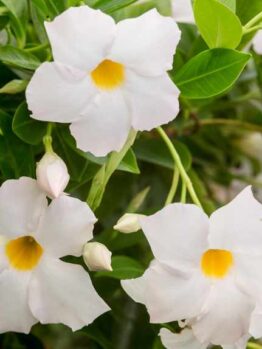
Mandevillea are very popular for their strikingly colourful flowers climbing vines! Click here to see them all!

More exciting flowering plants! Here are some new and exciting varieties of flowers we have in store.

Fruits

Picking your own home grown fruit, and enjoying them as fresh as they can be, is really a special feeling. Dwarf varieties require much less space, and they are happy to grow in big pots and keeping them trimmed them to your ideal size. Now if you have space, by all means, plant a full-size variety and put them in the ground and let them grow into bountiful monsters! You could then perhaps exchange or sell your surplus produce!

Citrus plants. Citrus trees have been hard to get and in high demand this year, but this batch is new in. These are fantastic varieties that were originally destined for Victorian fruit farms, so you know they are born to produce fruit, plus they are very affordable.

Apples. Grow a few different varieties for best pollination and better fruits!

Berries are so yummy and easy to grow. We have a nice selection of blueberry, blackberry, and strawberries. Perfect for healthy breakfasts or desserts

Various fruits. Here are some other interesting fruit trees for you.

Click here to see all our fruits!

Veggies, herbs and Greens!

Summer/Spring veggies such as tomato, peppers, squash, eggplants, zucchini, chilies and basil can now be safely planted out in the ground! It is warm enough for them to grow beautifully. Remember to water them in properly with some seaweed fertilizers, which will help them settle in their new spot.

Before planting your summer crops, dig in a generous amount of compost and manure in your veggie patch as these plants are quite heavy feeders. If you have experienced blossom end rot on your tomatoes in the past, it could be that your soil is deficient in calcium, and adding some garden lime will fix this issue. Just be aware that garden lime also raises the pH level of soils high in acidity, to make them more alkaline.

• If you still have remaining Winter veggies, which are surely flowering right now, so time to pull them out. You can juice the leaves or use them in your compost pile. It is not worth saving the seeds, as they will most likely not grow into the same plant you harvested them from. Broccoli, Brussels sprouts, cabbage, cauliflower, collard greens, kale, and turnips come from the same Brassicaceae mustard family of plants and cross-pollinate each other resulting in a hybrid plant when their seed is planted.

Leafy greens such as lettuce, spinach, rocket, endive, silverbeet, mustard greens, and celery will all grow well in the garden right now until the early hot days of Summer are here. If you have limited space, you may want to favour Summer veggies instead and leave the leafy greens for the cooler months. You can also get creative and plant lettuce/rocket under or around your tomatoes/capsicums as they usually have shallow root systems that will not interfere too much.  Planting them every couple of weeks will ensure a steady supply. See full list here.

• Root Veggies such as carrots, radish, turnips, parsnips, and beetroot are also great to plant right now. These are best sown directly in the soil. Young leaves can also make a tasty addition to your salads.

Culinary herbs are really easy to grow and can be grown in pots on your balcony or your patio. They will grow well in shaded, partly shaded and sunny spots. You can harvest them and they will simply grow back. You can also chop them up, dry them and create your own mixed herbs for later use. Once you start planting your own herbs, you will never buy them at the supermarket again.

Click here to see them all.

Herbal Teas are perfect to aid digestion, sleep, and have many other beneficial virtues. You can either dry the leaves up for storage or use them fresh.

Edible flowers look great in the garden and also in salads!

Pruning, Repotting & Weeding

Spring flowering plants that have already bloomed can be deadheaded to keep them nice and tidy and encourage more blooming.

• If your potted plants are looking overcrowded, you can always trim them or split and re-pot them into new pots. Make sure to use the right potting mix for them.

Scraggly plants. If you have tried to revive and fertilize old and sad looking plants to no avail, perhaps it is time to replace them. Rework the soil after pulling them out and let it settle for a week before planting a new plant there.

• Always stay on top of the weeds. With all the Spring flowers blooming and then releasing their seeds in the wind, you will see small seedlings popping up everywhere. It is easier to get them while they are still small by disturbing the topsoil and applying some mulch.

Soil, Fertilising, and Mulching

• For your veggie patch, if you have very poor soil, mix in generous amounts of rich compost, manure, and also some blood and bone meal. If your soil is already quite good, instead of turning it over, try top dressing. Turning the soil over when you already have healthy soil will disturb the delicate worm and microbial systems, which take time to build and are important for good plant development.

• Improve the growth, health, and yield of your plants by nurturing the soil as an alternative to using fertilizers. You can do that by restoring the beneficial microbial activity in your soil with some compost tea.

• Put some rich compost or well-aged manure around your fruit trees, to give them the well-needed boost for the Summer fruiting season.

• It is best to give some liquid feed to Summer flowering annuals every couple of weeks with a complete liquid fertilizer, to encourage healthy and vigorous new growth. You can also add some slow-release granular fertilizer that will feed your plants over a period of 3 to 6 months.

• You can put some fresh mulch around your plants to keep weeds at bay. If you are putting mulch for the first time, make sure to choose the right ones as they change the PH of the soil when they break down. Pine bark mulch creates acidity when breaking down, so it is perfect for Azaleas or Camellias, whereas straw or sugarcane are recommended for veggie beds. Do not put mulch too close to the stems but rather around it, as this will encourage the roots to grow outwards to find water and make them stronger. Also, make sure to give the soil a good soak before mulching. When watering over mulch, it needs some extra water to make sure it penetrates into the soil.

Pests & Disease

Now that there are lots of new shoots and seedlings, coupled with some warm weather and few showers here and there, there will be more insects in the garden.

Aphids. Keep an eye out for them as they love the tender new growth. If there are not too many, you can leave them to help build the beneficial insect population that will then take care of the aphids for you later on. If you have an infestation, on the other hand, you can make some homemade aphid spray to apply under the leaves of affected plants. Mix 2 tsp vegetable oil, 1 tsp dishwashing liquid, and some garlic cloves crushed,  mixed in 1lt of water, and left to infuse overnight. This is completely safe for other beneficial insects. Also, think of planting some beneficial insect plants that will attract ladybirds and they will take care of aphids for you. A favourite plant for ladybirds is the Angelica herb. • For ants you could sprinkle some diatomaceous earth on the ground where there is a lot of ant activity but only when it is dry. You will have to reapply it after it has rained. It is a natural organic control method that will not harm other insects.

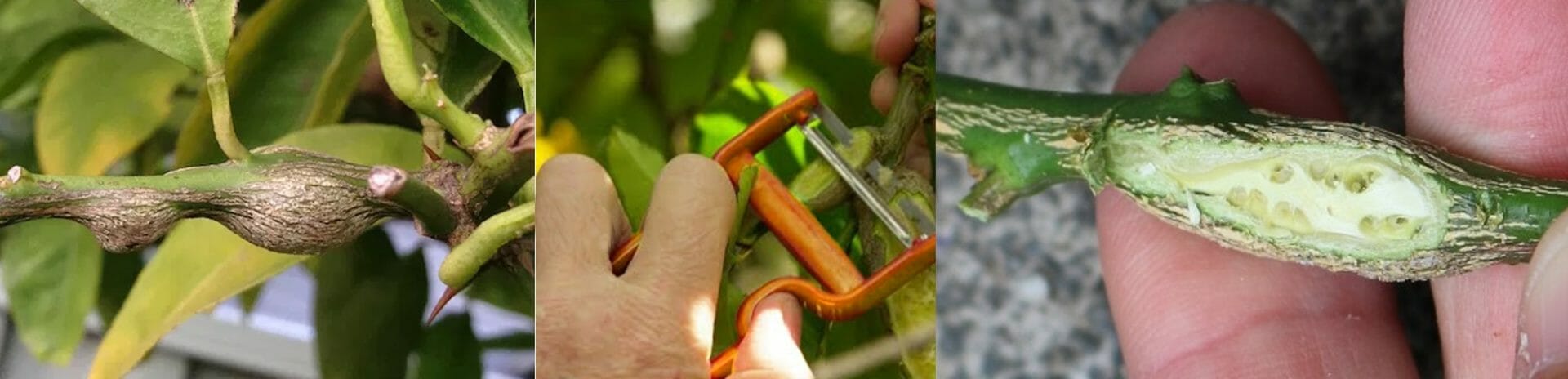
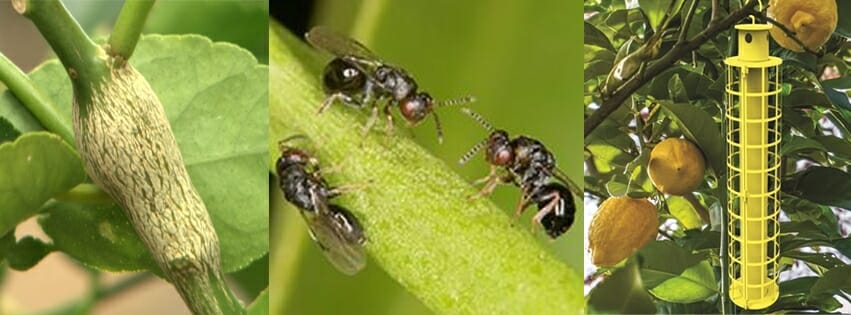
Citrus gall wasps are starting to emerge now that there is new growth. You should inspect your citrus trees and shave off of any galls you see with a potato peeler, exposing the wasps to die instead of cutting off the stems. If you cut the stems, it will encourage new growth that the wasps love. Some extra protection can be given by setting up some wasp traps. • Keep an eye out on your Rose plants for common diseases such as black spot, rust, and mildew. If you have noticed any fungal disease in the past on your plants, now is a good time to spray them with some organic copper-based fungicides.


That’s it for this month! Let’s get the Spring garden going! 

Wishing you all a growing success in the garden!

Gardening October 2022 Melbourne, Victoria, Australia.
Colorful garden scene with flowers, a watering can, and yellow boots, featuring text saying "Hello September Garden, Hello Spring" amidst a vibrant spring backdrop.

September in the garden 2022!

Hello Hello dear gardening friends! September officially marks the end of Winter and the arrival of the most anticipated season for gardeners, nature, and sunshine lovers alike: SPRING!

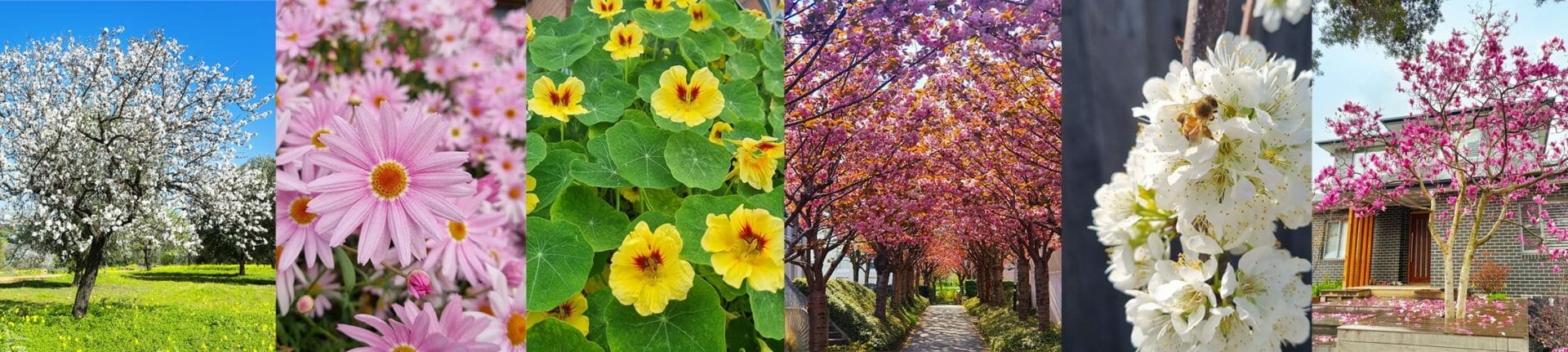
Let’s open up the windows and let the fresh air in. Birds and baby animals are back, bees are busy buzzing around, flower buds are opening up, sharing their delightful fragrance and the new tender leaves are slowly unfolding. Plums, cherries, peaches, nectarines, apricots, almonds, ornamental pears and magnolias are putting on quite a show of flowers right now – and boy are the bees are loving it! We will be rewarded with some yummy fruit in a couple of months. You must be feeling more energized, soaking up some natural vitamin D from the sun and feeling motivated to spend more time in the garden. That is just perfect! There is so much to do out there. Blooming Spring Flowers in Melbourne, Australia Some of us have neglected the garden just a little bit over Winter and it has become quite a jungle (those guilty, raise your hands!) But stress not, it’s all good since gardening is about having a good time outside. You still have about two weeks before the soil temperature starts to rise and by then you should ideally have prepared your garden beds for the new plants you’ll be planting throughout September.

Ok, it’s time to roll up your sleeves. We have a lot of things to do in the garden, so here are some tips and tricks to get you going!

Limited time offer ! Spend over $1500 and get a Free Weeping Cherry worth $299.99 as part of our Rewards Program! Click here to read more about Rewards!

Top Specials for the month!

Here are our best specials for the month!  


Click here to see all our Top Specials!

Final Call to plant your Bare rooted plants!

September is the latest time of the year to get bare-rooted roses. We will be potting them up in just a week or two, so get them now while they are cheap!

Bare Root Roses!

We have reduced our 3ft roses to only $19.99! At this price, you can buy them by the dozen and fill your garden up with  a fantastic mix of colourful and fragrant roses!! We also have the classic iceberg and many colour varieties in 2ft and 3ft standards.


Click here to see more Bare Rooted Roses!

For more on how to plant your Bare Root Roses, Click here!  

Bare Rooted Trees! 

h

We have only a few bare rooted trees left for the season. Get them quick as they will be here for only 1-2 weeks only!

Click here to see more Bare Rooted Trees!

Ornamental Blossoms

Cherry blossoms are the first signs of colour in the late winter early spring. The soft, delicate blossoms burst open along the bare branches in colours of white and pink, welcoming the warmer weather of spring! The mass of colour Cherry and Plum blossoms bring make them one of the most coveted garden items, used as feature trees, lining avenues and driveways or as street trees. Their blossoms fall away gently in the spring breezes like natures confetti, making way for the broad, green summer foliage.


Click here to see our Ornamental Blossom Factsheet and various varieties!

Ornamental Pears

Ornamental pears are fast-growing deciduous trees with glossy green leaves, loved for their summer shade, spectacular autumn colors, and masses of white flowers in Spring. They come in a range of shapes and sizes to suit your landscaping requirements. Any fruit is usually small and hard.


Click here to see all our Ornamental Pears


Deciduous Magnolias

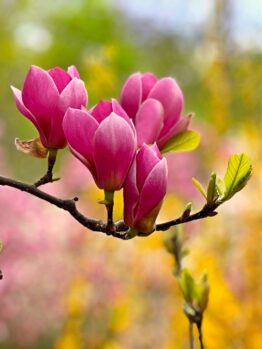
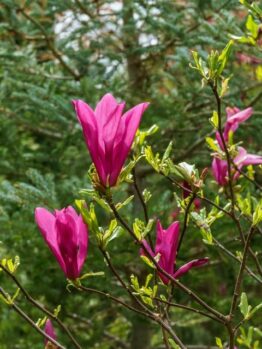
Like candles upon a candelabra, the flowers of the deciduous Magnolia sprout upward from the twisting bare branches in the early spring time. The blooms gradually open into large, soft blossoms of pinks, purples, whites and yellows, the petals eventually falling to the ground creating a colourful carpet under the tree!


Click here to see all our Deciduous Magnolias!


Wattles

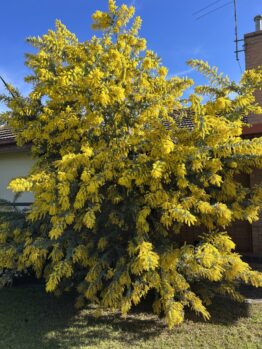
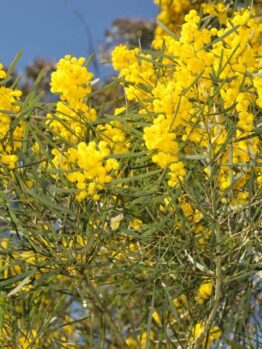
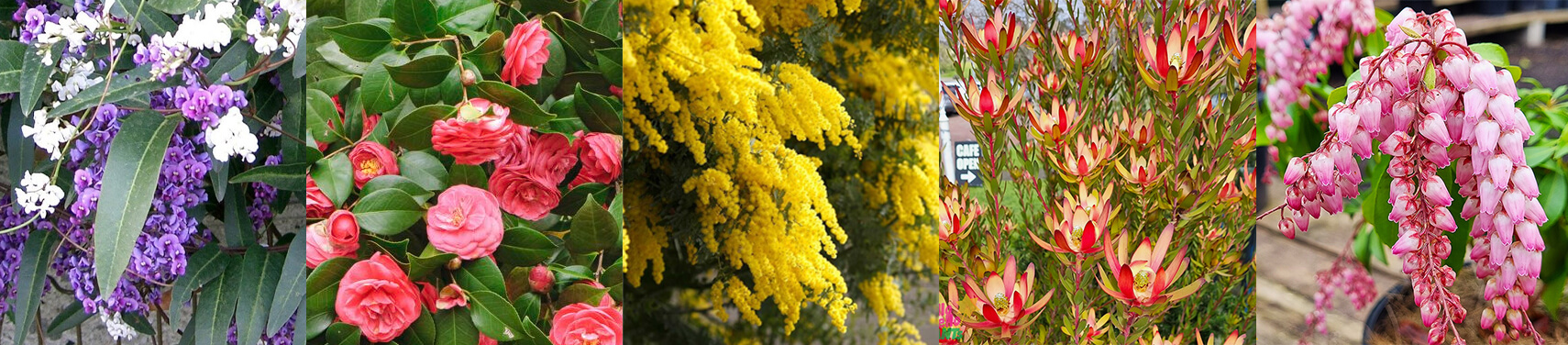
The most iconic Australian plant is the Acacia. Our nations floral emblem, with foliage of green and flowers of gold are the inspiration behind our nations colours (when it comes to sporting events at least!) and what better plant could represent us! Wattles grow all over Australia in dwarf forms to tall, towering trees, easily spotted throughout the ‘burbs and the landscape during late winter and early spring by their golden glow and delectable scent!


Click here to see all our Acacia – Wattles!


Spring Flowers

Oh the lovely feeling of a beautiful and sunny Spring day works wonders for our soul! And what better way to celebrate spring than by planting some lovely potted colour that will flower all season long, brightening up the garden while feeding the bees and the butterflies! 


Fruits

Soon we will be able to bite into our favourite sweet and juicy summer fruits. No need to be envious of the neighbour’s fruit-loaded plants, as you can have your own, pick fresh fruit, and enjoy them when you feel like it.

Berries are so yummy and easy to grow. We have a nice selection of blueberry, blackberry, and strawberries. Perfect for healthy breakfasts or desserts

Citrus plants. Imagine sipping on some fresh, home-pressed lemonade or a mojito with limes and mint from your very own garden this Summer! We have a great selection of dwarf and full-size trees such as limes, oranges, mandarins, and lemons.

Other Fruit. Growing your own is easy! Plus you get them fresh and free from nasty chemicals

Vegetables & Herbs

Spring and Summer veggies such as tomato, peppers, squash, eggplants, zucchini, chillies and basil can be sown in pots or trays and kept in a greenhouse until the weather is above 18 degrees Celsius during the day and ideally above 13 degrees at night. Planting them in the garden right now might shock them, causing stunted growth and not performing well for you over Summer. So a little patience will go a long way! You can also plant them out in the ground, but cover them with old bed sheets or garden plastic to protect them from frosts and cold nights.

Check the weather forecast for warmer temperatures and later during the month choose a few days that are overcast and rather cool to plant your small plants out in the garden. Remember to water them in properly. An application of seaweed fertilizers will help them settle in better in their new spot. With the temperatures slowly rising and days getting longer, many Winter veggies will bolt, which means that they will go to seed and lose their lush leafiness. So it is time to go through it all and use them up. You can either use them generously in your kitchen or also harvest and freeze them for a steady supply over Summer.

Spring/Summer Veg are coming in store very soon and we will have a bigger selection!


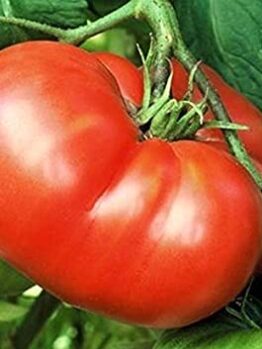
Tomatoes are the superstars of the Spring and Summer veggie gardens! Sweet, juicy, easy to grow and very nutritious. Whether you like tomatoes in salads, pasta sauces, curries or in your burgers, we have a lovely selection to suit all your tomato dreams!

Leafy greens such as lettuce, spinach, rocket, endive, silverbeet, mustard greens, and celery will grow well in the garden at the moment. Consider working out some space for them and plant them every couple of weeks for a steady supply. Fresh salad bowls will be a perfect addition to barbeques over Spring & Summer.


• Root Veggies such as carrots, radish, turnips, parsnips, and beetroot are also great to plant right now. Young beetroot leaves make a tasty, colourful addition to your salads.

Culinary herbs will go really well with your Summer veggies, both as companion plants and as cooking condiments. We have a fantastic variety right now such as mint, thyme, oregano, marjoram, verbena, chamomile, etc. Many are great for green teas or are medicinal such as the pineapple sage or arthritis herb. Click here to see them all.

Herbal/Medicinal Tea Herbs are perfect for brewing your digestive home teas. You can either dry the leaves up and store them or use them fresh. These aid with digestion, sleep and have many other beneficial & medicinal virtues.


Pruning, Repotting & Weeding

Winter-flowering natives and non-natives can be pruned back and deadheaded to keep them nice and tidy. You can also prune back your evergreen trees to encourage new growth this Spring.

• If some of your potted plants have become overcrowded or looking sad, now is a great time to split them up and re-pot them. The sad-looking ones are usually root-bound and could use a light root trimming and then potting into a bigger pot, or a top-up with some fresh potting mix. Keep them partly shaded and protected for at least a week after this. Then you can give them a liquid or foliar fertilizer feed. Also remember to remove the dead, damaged and excessive growth to improve air circulation. Your succulents can be divided up and put into new pots. More plants!! YAY!

Scraggy plants. In their prime, they looked fantastic! But now some plants are not performing well despite being pruned, fertilized and taken care of. They are prone to disease and put your other healthy plants at risk. They could be old and have dwindling strength. Consider pulling them out and replacing them with something that will perform for you. Remember to rework the soil and let it settle for a week or two before putting a new plant there. If you are unsure if your plant can bounce back, you can always send us a photo of the plant with some details and we will give you some advice.

• Stay on top of the weeds and pull them out as soon as possible, as with the longer days they will start to set seed and drop them…all through your garden! And you do not want that to happen, as you will be fighting weeds all Spring and Summer long if they start spreading in your garden.

Soil, Fertilising, and Mulching

• If you have poor soil in your vegetable beds now is the time to prepare them for Spring. Throw in generous amounts of rich compost, new soil, manure, and blood and bone meal turning it over, making sure to mix thoroughly. Let it settle for a week or two and it will be perfect for your tomatoes, eggplants, and capsicums during Spring and Summer. Make sure to add some calcium to your soil to avoid diseases such as blossom end rot.

• It is also a good idea to test the pH of the soil and amend it as necessary. Remember that the pH will change with the new additions so test it at various intervals. The aim is to get a neutral pH of 6-7, which vegetables thrive in. Sulphur (liquid or pellets) and pine mulch make your soil acidic whereas lime and mushroom compost increases alkalinity.


• If your soil does not hold on to moisture and goes dry way too fast, you can add some Soil Wetter to improve clay and compacted soil. This makes your plants thrive better as the soil humidity does not fluctuate wildly, and it allows watering and rain to penetrate to the roots where the plants need it rather than just running off the surface.

• Restore some beneficial microbial activity in your soil with some compost tea.

• Put some rich compost or well-aged manure around your fruit trees, to give them the well-needed boost for the Summer fruiting season.

• It is best to give some liquid feed to Winter/Spring flowering annuals every two weeks with a complete liquid fertilizer. You can also add some slow-release granular fertilizer that will feed your plants over a period of 3 to 6 months.

•  You can also add some slow-release granular fertilizer that will feed your plants over a period of 3 to 6 months.

• You can put some fresh mulch around your plants to keep weeds at bay. If you are putting mulch for the first time, make sure to choose the right ones as they change the pH of the soil when they break down. Pine creates acidity, so it is great for Azaleas or Camellias, whereas straw or sugarcane are recommended for veggie beds.


Pests & Disease

In Winter, the cold temperatures keep garden pests and diseases under control, but unfortunately, they are always lurking around and ready to spring back to life. Let’s take a look at the most common problems you will encounter this Spring.

Aphids will be back in the garden once the temperature rises, so you need to keep an eye out for them on new tender growth, especially on flower buds, roses and stone fruit trees. Numbers can increase rapidly if left undetected. Soon enough the ants will be back to farm the aphids and will be placing them strategically around the plants in your garden. Luckily, you can simply blast them off with the hose. You can also make some homemade aphid spray to use on affected plants. Mix 2 tsp vegetable oil, 1 tsp dishwashing liquid and some garlic cloves crushed,  mixed in 1lt of water and left to infuse overnight. This is completely safe for other beneficial insects. Take pre-emptive action by planting some plants for the beneficial insect population like Ladybugs, Lacewings, Praying Mantises, Hoverflies and spiders. Some examples of beneficial plants are Queen Anne’s Lace, Cosmos, Lucerne and Calendulas. Marigolds are great to repel nematodes in the soil. Beneficial insects will control aphids and other pest populations in your garden. • Ants like to farm aphids for their sweet dew. To control ants you could sprinkle some diatomaceous earth on the ground where there is a lot of ant activity but only when it is dry. You will have to reapply it after it has rained. It is a natural organic control method that will not harm other insects.

Citrus gall wasps are starting to emerge in late Spring to Summer when there is new growth. You should inspect your citrus trees and shave off of any galls you see using a peeler. This is better than pruning them off, as pruning creates new soft growth that the wasps love. If you decide to prune the galls, make sure to dispose of them properly by either bagging and sun drying the stems, burning them, or submerging them in a bucket of water. Some extra protection can be given by setting up some wasp traps.

Fungal diseases that can attack your rose plants are black spots, rust and mildew. Azaleas are vulnerable to petal blight, which thrives in high humidity brought by the rain and warmer temperatures. If you have noticed any fungal disease in the past on your plants, now is a good time to spray them with some organic copper-based fungicides.

Leaf curl is mainly a disease of peaches and nectarines, though it may also affect almonds and apricots. It’s caused by the fungus Taphrina deformans and occurs wherever peaches and nectarines are grown. Some symptoms are leaves that are entirely or partially curled, distorted and are initially pale green in colour before turning red or purple. This will result in fruit that has raised, irregular rough patches, usually red in colour. Such fruit often falls off prematurely. You can treat this with commercially available copper or lime-based fungicide sprays just during bud swelling, but before they have opened. Once opened it is too late to spray as the leaves will get damaged. A second spray in Autumn, once the leaves have dropped will greatly reduce the chance of re-emergence of leaf curl.

That’s it for this month!

Keep yourself busy in the garden, there is no better therapy to stay mentally and physically fit! And as usual, stay safe lovely people  🙂

Gardening September 2022 Melbourne, Victoria, Australia.
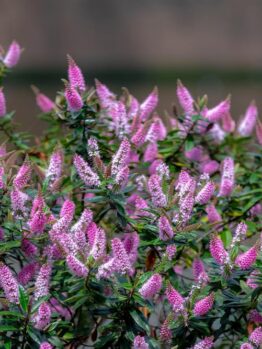
A mug with "August in the garden" printed on it, filled with daisies, next to a straw hat and a book, set against a sunlit, blurry natural background.

August in the garden 2022!

Hello Hello, dear gardening friends! August is here and we start yet another exciting month in the garden. We are still getting a few frosty mornings in Victoria, but the days are getting noticeably longer. This is the last month of cold Winter days, and soon we will be in jumping into the most exciting season: Spring! But before Spring gets here, there is a lot to do in the garden, to get it ready for this magical time of the year! Right now native plants, Azaleas, and Camellias are reaching the end of their flowering season. Acacias and Hardenbergias are putting on dramatic displays and deciduous trees such as cherries and magnolias have swelling buds that are getting ready to burst open revealing their great unique beauty and delightful fragrance.

Despite the cold, we know how eager you are to get into the garden, but where to start? Here are some things to do in the garden:

Top flowering August copy

With our list of things to do, winter will fly by and you’ll be ready to hop into spring!

What’s in store!?

Top Specials!

Here are our best specials for the month!  


Click here to see all our Top Specials!

Now is the time to plant your Bare rooted plants!

It’s that time of year again! Bare-root is BACK and we have loads of Bare Rooted Roses ready to go in-store. In winter, plants go dormant and dormant plants transplant much easier and stress-free than when they’re in leaf.

Bare Root Roses!

Now is the best time of the year to purchase your standard roses as we have hundreds of beautiful quality roses in stock. Whether you want 20 of the same colour or perhaps a fantastic mix of different colour roses depending on the garden colour scheme of your choice, you can get all of them in-store here in Campbellfield! We have the classic iceberg t and many colour varieties in 2ft and 3ft standards.


Click here to see more Bare Rooted Roses!

For more on how to plant your Bare Root Roses, Click here!  

Bare Rooted Trees! 

We have a nice selection of bare-rooted ornamental and fruit trees in-store and new ones coming in every week!

Click here to see more Bare Rooted Trees!

Ornamental Blossoms

Cherry blossoms are the first signs of colour in the late winter early spring. The soft, delicate blossoms burst open along the bare branches in colours of white and pink, welcoming the warmer weather of spring! The mass of colour Cherry and Plum blossoms bring make them one of the most coveted garden items, used as feature trees, lining avenues and driveways or as street trees. Their blossoms fall away gently in the spring breezes like natures confetti, making way for the broad, green summer foliage.


Click here to see our Ornamental Blossom Factsheet and various varieties!

Native Hedges

We find natives are a love ‘em or leave ‘em, hit and miss or sorely misunderstood plant species with many Victorians. But the following list of native hedging plants will make anyone rethink their idea about natives!
Not only do many natives grow extremely well in the varied conditions around Victoria, but they have a certain charm and character, which can be emphasised with a bit of tender loving care. Like most hedging plants, give them a light prune, shape them according to your needs and you will find you will have one of the most unique and hardy hedges on the block!


Click here to see our Top 10 Native Hedges!


Evergreen Magnolias

Very often we tend to think of winter as being a very dull time of the year for the garden. We have put together a little selection of plants that will flower in winter or just add a splash of colour thanks to their vibrant foliage!


Click here to see our Evergreen Magnolia Factsheet and various varieties!


Winter Flowers

Winter gardens are not so dull with these beauties, that bloom when the rest of the garden has little to offer!


Click here to read our Top 10 Winter flowering plants article!


Get a Free Garden Design

If you’re starting a new garden bed you a whole new garden, winter can be a great time to start planning it. Once you’ve completed some of the steps below you can start to plan out where you will want to plant that new hedge or vegetable patch, build up an entirely new garden bed or landscape the whole backyard! We understand that this can sometimes be a little daunting so if you’re unsure, speak to one of our sales staff about our Free Garden Design service with Chris. He will be able to assist you with all your future garden plans!

Click here to get yours now!

You can now earn points when you spend with us and use the points to get some amazing Freebies. This is the biggest and most exciting promo we have ever done and you do not want to miss it! Click here to read more about our rewards program!


The Edible Garden


Planting Veggies in Melbourne’s Winter is very rewarding!

As we are moving towards the end of winter, it is time to harvest the brassicas such as cabbage, cauliflower, broccoli, Brussel sprouts over the month, to make space for spring and summer veggies. Here is what you can sow or plant seedlings now:

Leafy greens such as Lettuce, rocket, leek, spring onions. Asian greens such as mizuna, tatsoi, pak choi, etc.

Root crops such as radish, beetroot, turnips, swedes, parsnips, carrots, onions, potatoes and garlic. All of those would take 2-3 months before harvest, except for radish which is ready in just 30 days, while potatoes take between 90 and 170 days.

Fruiting veggies – You can also start sowing capsicums, chillies, eggplants and tomatoes for an early start of the spring and summer veggies!

Check out our available range of fruits, vegetables and herbs.

Some great companion plants for all these are herbs like sage, winter thyme, parsley, mint, chives, coriander, dill, oregano, marjoram. They deter pests such as caterpillars, aphids, mites, etc.

Blueberries

Blueberries have become renowned for making delicious pies and muffins, and they are a good source of Vitamin A and C. Blueberries are high in iron and low in calories, and are a good energy source. It is always best to plant a few different varieties next to each other to increase pollination and fruits, but also to extend the harvest season! We have lots of different varieties in store.

Edible Flowers

Flowers such as Nasturtiums, Calendula and Borage are great for the winter patch! They add colour, diversity, repel pests and most importantly are tasty and pretty additions to salads!

To see our full selection of Fruits, veggies and herbs in store. Click Here!  

Garden Tasks!

Pruning

This is a big one! Winter is when all major pruning is done because you can see the full structure of the plant and remove any problem branches. Fruit trees, deciduous trees and roses in particular benefit from a good prune. Fruit trees bear fruit more prolifically and look healthy after a good prune.

Click here to read more about Pruning Trees, Hedges, Box, Screens & Topiary  


Protect your plants from Frost!

How to tackle frost

  • Cover your frost-sensitive plants with sheets, newspaper or straw, making sure to remove them the following day.
  • Lightly water your plants before sunrise by a sprinkler system (or by hand if you’re really keen!) This can prevent frost from forming. You can lightly water frost affected plants, which gently thaws the ice, reducing the damage from the frost.
  • Use plastic sleeves and stakes to protect plants in open areas

Click here to read our article about protecting your plants from frost!

Weed Control

Arctotheca calendula Capeweed in flower

Weeds don’t have a seasonal preference, they’ll turn up any time! But our one saving grace is they turn up less often in winter and the established ones that need to come out are easier to see. The soil is moist, which makes it easier to pull out these little suckers. For the tougher weeds like clumps of Crowsfoot and Crabgrass, Dandelions or Oxalis you made need a tool to get the whole root out. The importance of getting the whole root out is so it doesn’t re-sprout. We don’t want to have to weed again! You can use a hoe or even a butter knife.

Drainage

Keep an eye out for drainage problems in the garden. After heavy rains, you can easily spot places in the garden that accumulate water and form little pools. These spots are ideal for plants that do not mind waterlogged soil. You can also use gypsum or clay breaking liquid to break up the clay soil and amend it with lots of compost and organic matter, which will improve the drainage.

Transplanting and moving

With the nice cool weather, it is an ideal time to move or transplant plants as the plants have time over winter to grow new roots and be ready for spring. You can repot plants that have outgrown their pots and are getting root-bound. Remove the plant and trim some of the roots at the bottom, shake off some old soil and add some fresh ones at the bottom of the pot to give your plant a fresh start. They will love it!

Pests

There are always pests and diseases lurking around, but we do not see them a whole lot in Winter. Thankfully the cold gets rid of a lot of pests and gives us a nearly pest-free garden until the temperature starts to rise.

Citrus gall wasps emerge in Spring, often timing emergence with the onset of a flush of new growth. You should inspect your citrus trees and shave off of any galls you see. Pruning the galls off, will only cause new tender growth in the plant, which will be more prone to attacks by the gall wasps. Some extra protection can be given with some wasp traps.


Fungal Disease

Leaf curl is mainly a disease of peaches and nectarines, though it may also affect almonds and apricots. It’s caused by the fungus Taphrina deformans and occurs wherever peaches and nectarines are grown. Some symptoms are leaves that are entirely or partially curled, distorted, and are initially pale green in colour before turning red or purple. This will result in fruit that has raised, irregular rough patches, usually red in colour. Such fruit often falls prematurely. You can treat this with commercially available copper or lime-based fungicide sprays just during bud swelling, but before they have opened. Once opened it is too late to spray as the leaves will get damaged. Spray Now to avoid Spring disease


Soil, Fertilising, and Mulching

•If you have poor soil in your vegetable beds, with a couple of small Winter crops still growing, you could start harvesting them gradually and emptying the beds to prepare them for Spring vegetables. Throw in generous amounts of rich compost, manure and blood and bone meal and turn it over to mix it thoroughly. Let it settle for a week or two and it will be perfect for your tomatoes, eggplants, and capsicums during Spring and Summer. It is also a good idea to test the PH of the soil and amend it as necessary. Remember that the PH will change with the new additions so test it at various intervals. The aim is to get a neutral Ph of 6-7, which vegetables thrive in. Sulphur (liquid or pellets) and pine mulch make your soil acidic whereas lime and mushroom compost increases alkalinity.

Click here to read about different soil types
Click here to read about soil amendments.

•If you have planted green manure/cover crops over winter, now is a good time to chop them down and turn them over in the soil. It will have time to break down and improve your soil before it is time to plant spring and summer crops.

• Over the winter the microbial activity in your soil is very low because of the cold. In the next couple of weeks, you can prepare some nice compost tea to give it a microbial boost for spring.

• Put some rich compost or well-aged manure around your fruit trees, to give them the well-needed boost for the Summer fruiting season.

• It is best to give some liquid feed to Winter/Spring flowering annuals every two weeks with a complete liquid fertilizer.

• You can put some fresh mulch around your plants to keep weeds at bay. If you are putting mulch for the first time, make sure to choose the right ones as they change the PH of the soil when they break down.

That is all for this August 2022 in the Garden tips and tricks article, Melbourne, Victoria, Australia. Wishing you all the best, keep yourself warm this winter! Hello Hello Plants.
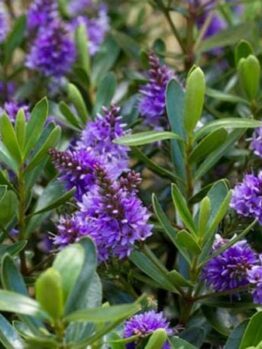
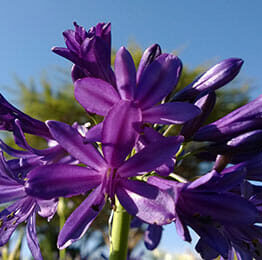
Select the fields to be shown. Others will be hidden. Drag and drop to rearrange the order.
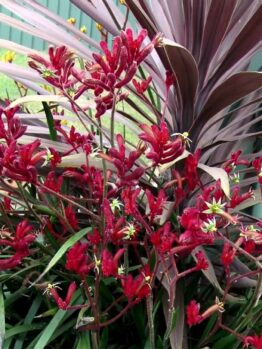
  • Image
  • SKU
  • Rating
  • Price
  • Stock
  • Availability
  • Add to cart
  • Description
  • Content
  • Weight
  • Dimensions
  • Additional information
Click outside to hide the comparison bar
Compare