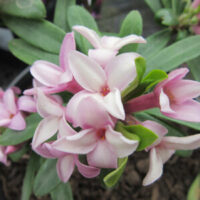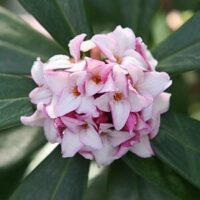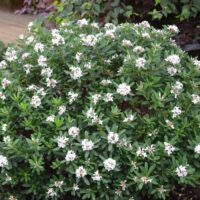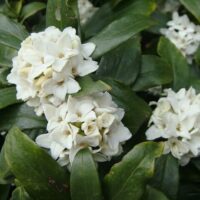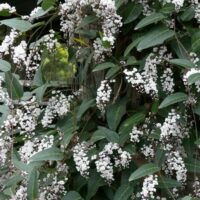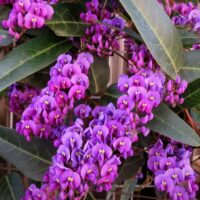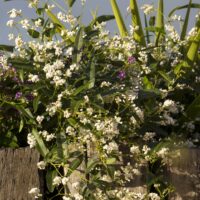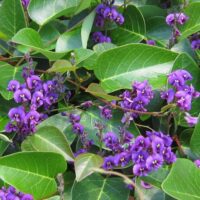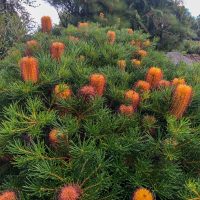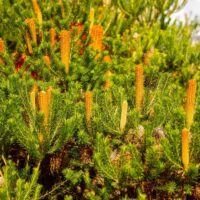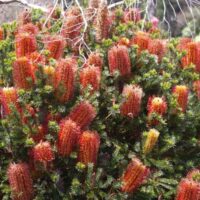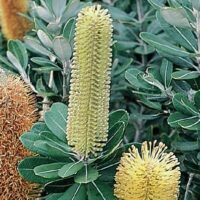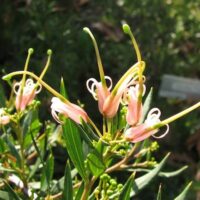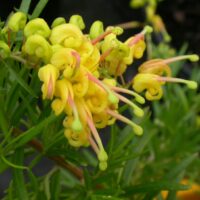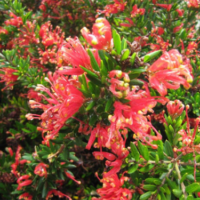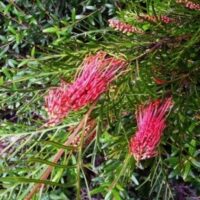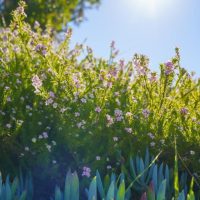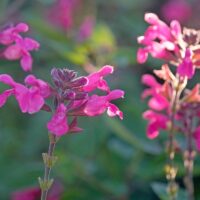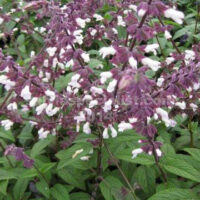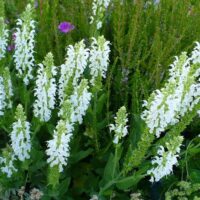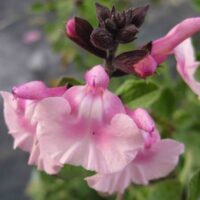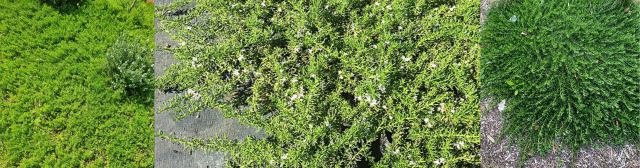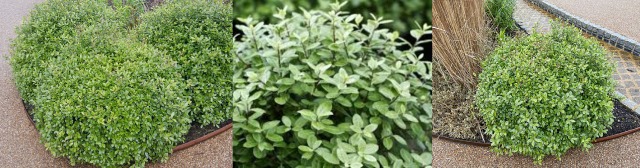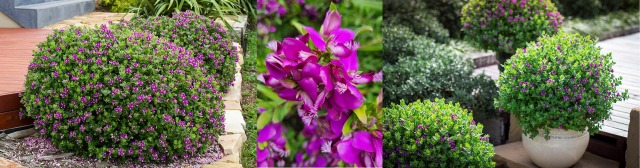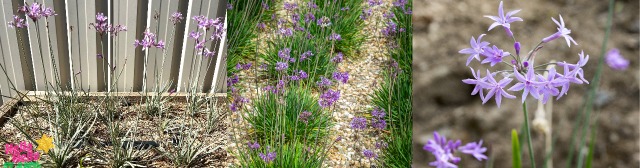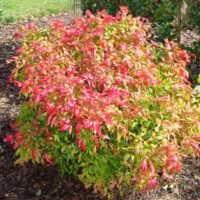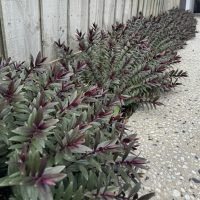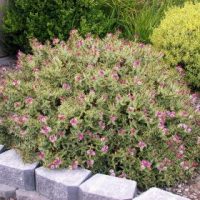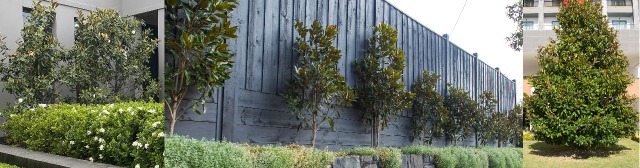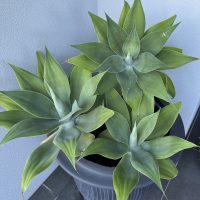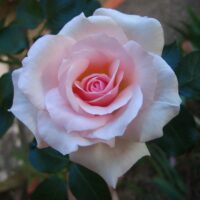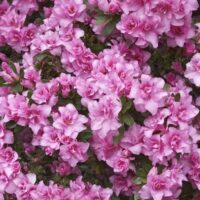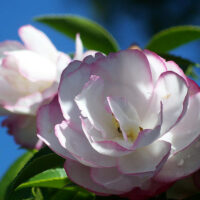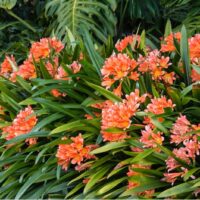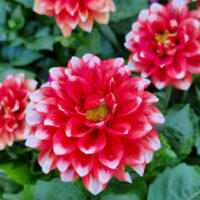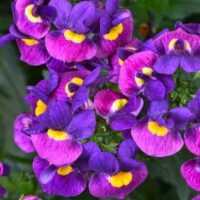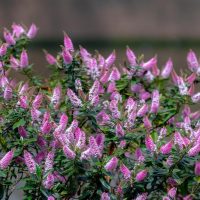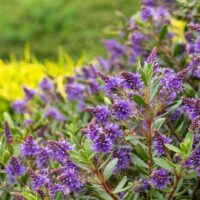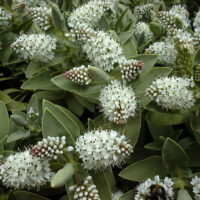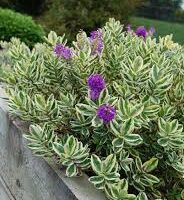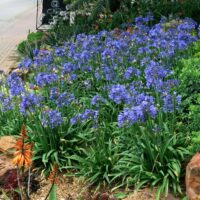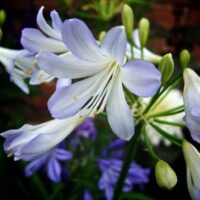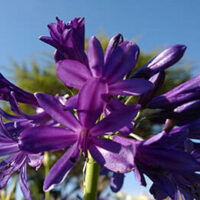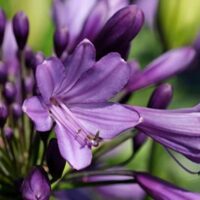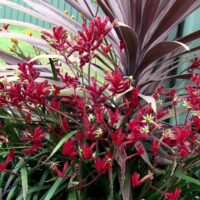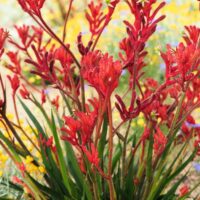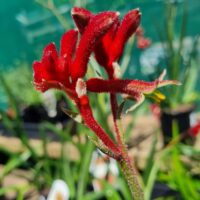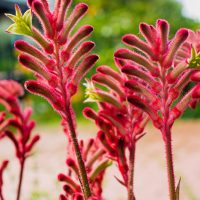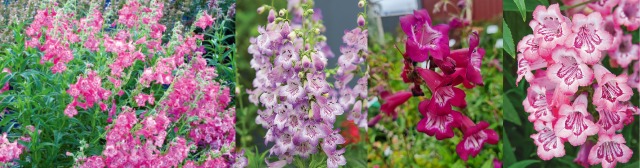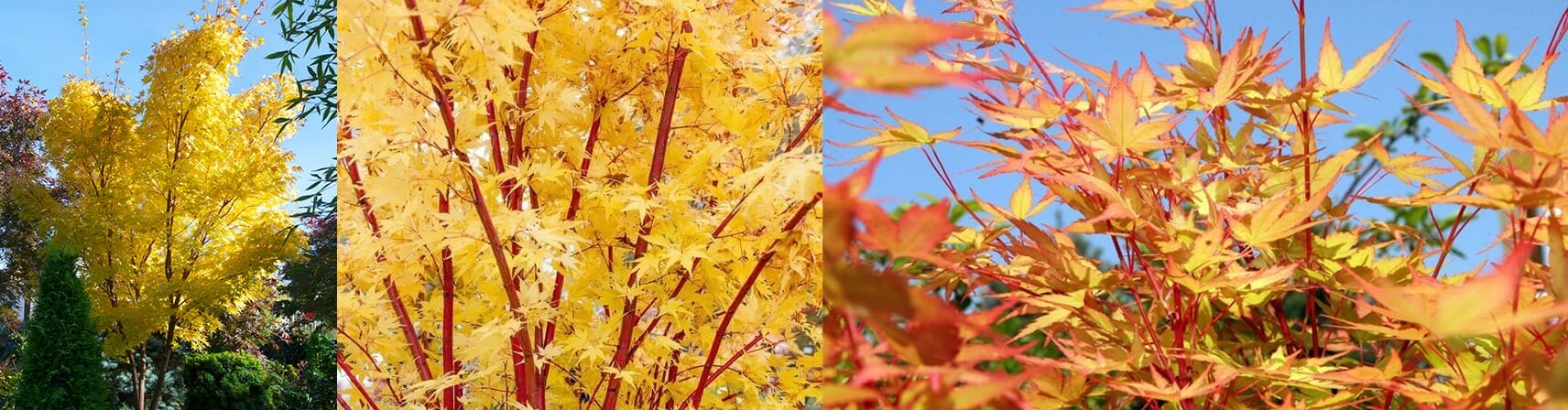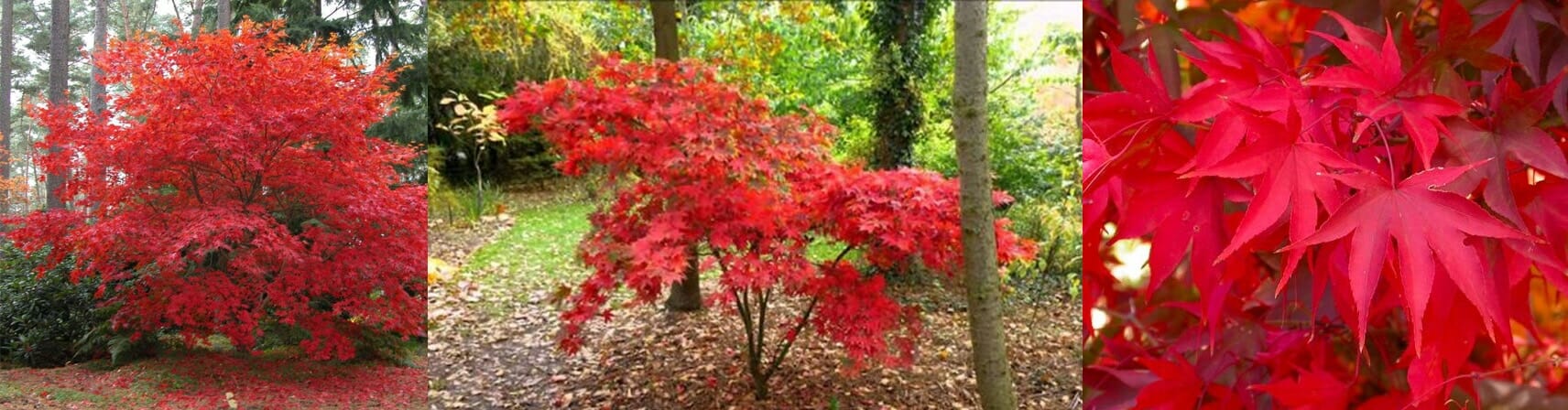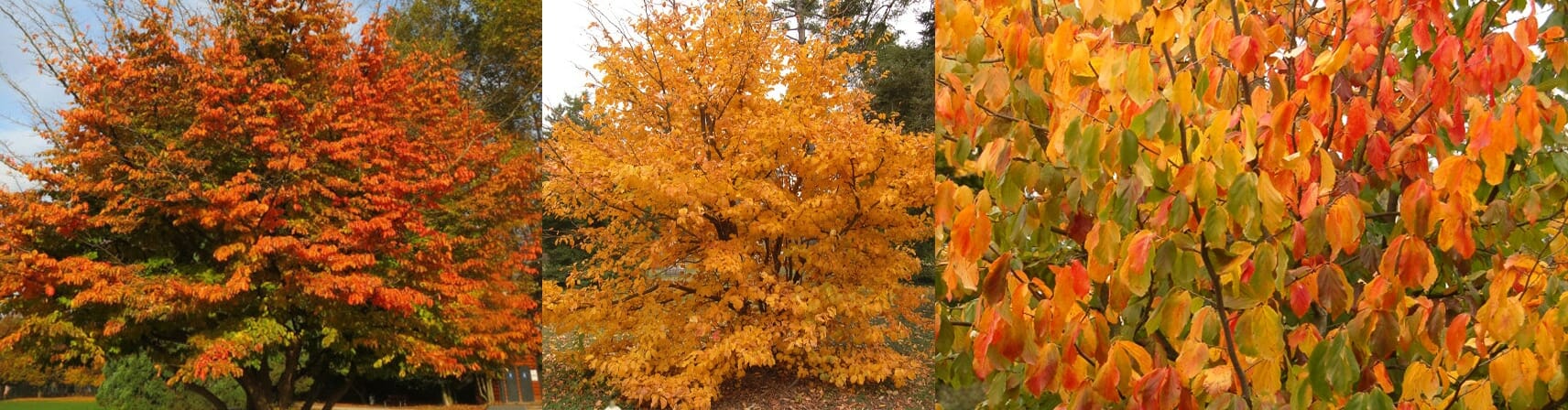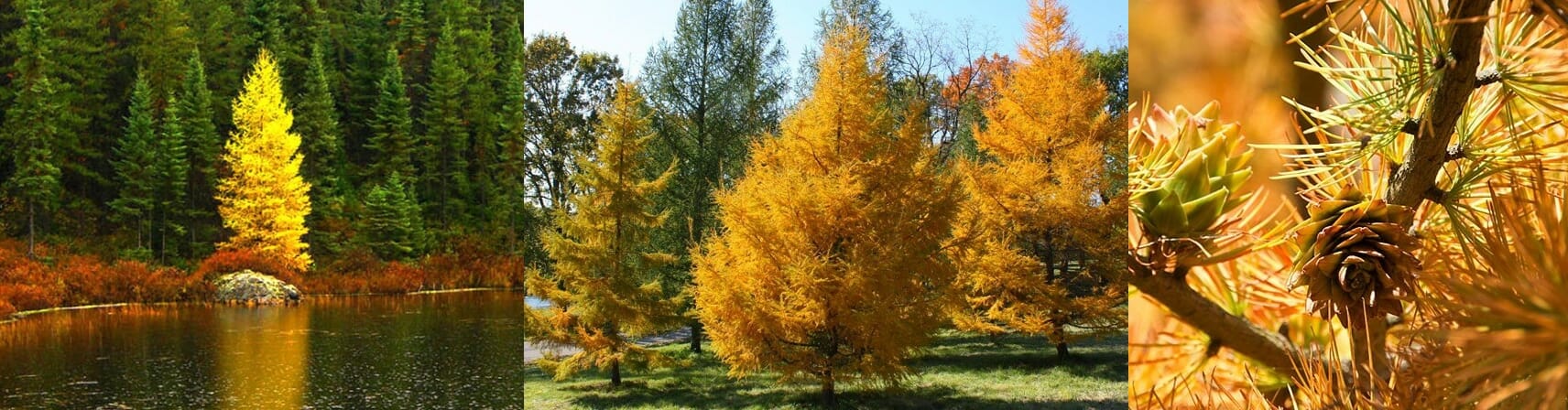
Top 10 Winter Flowering Plants

When we think of winter, we often think of cold, dull gardens with very little going on, longing for the warmth and colour of spring. Well, you don’t have to wait a whole season for pretty flowers and life! A garden should display its charms year-round. Even during the coldest days of the year you may be surprised to know that many annual flowers, perennials, and flowering shrubs put on a gorgeous winter display. We have put together a collection of the best winter flowering plants to put some floral colour into your winter garden!


Top 10 Winter Flowering Plants in Australia:

Here’s the list of our 10 best winter flowering plants readily available in Australia. Full details and pictures below.

  1. Winter Daphne
  2. Hardenbergia ‘Happy Duo’
  3. Hellebore ‘Winter Rose’
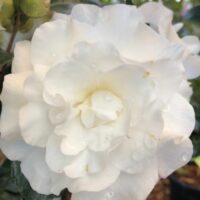
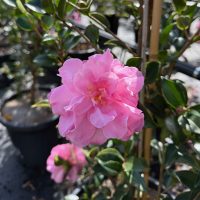
  4. Camellia sasanqua
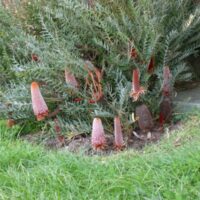
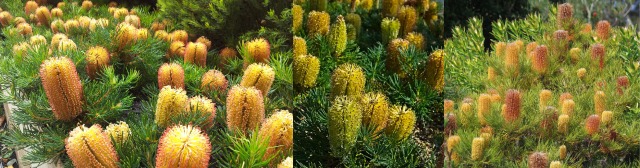
  5. Banksia ‘Cherry Candles’
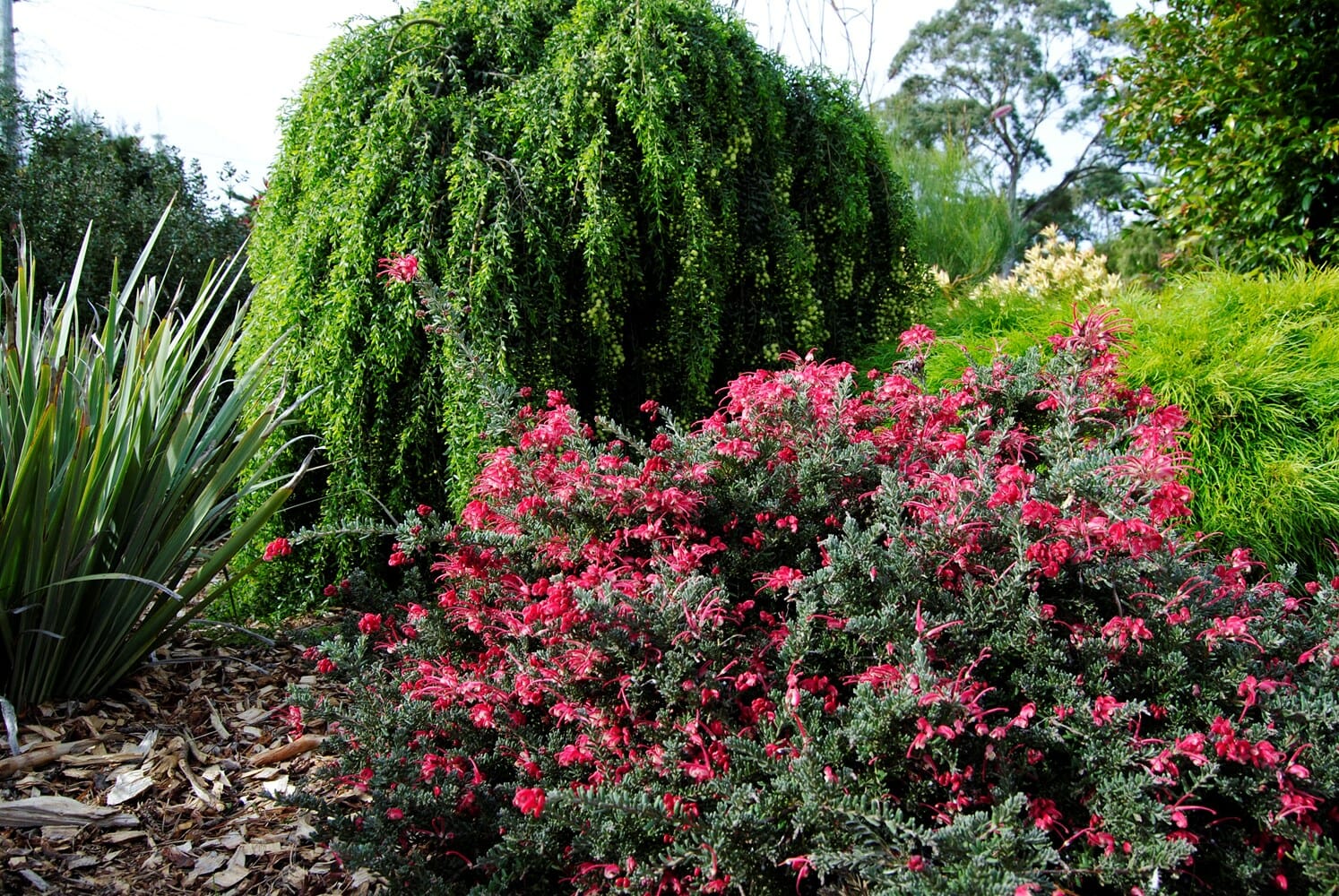
  6. Grevillea ‘Strawberry Smoothie’
  7. Erica ‘Darley Heath’
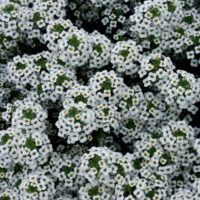
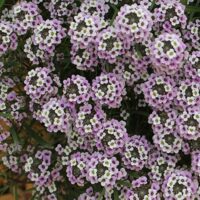
  8. Iberis ‘Candy Tuft’
  9. Cheiranthera ‘Wallflower’
  10. Rosemary ‘Blue Lagoon’

Honourable Winter Flowering Mentions

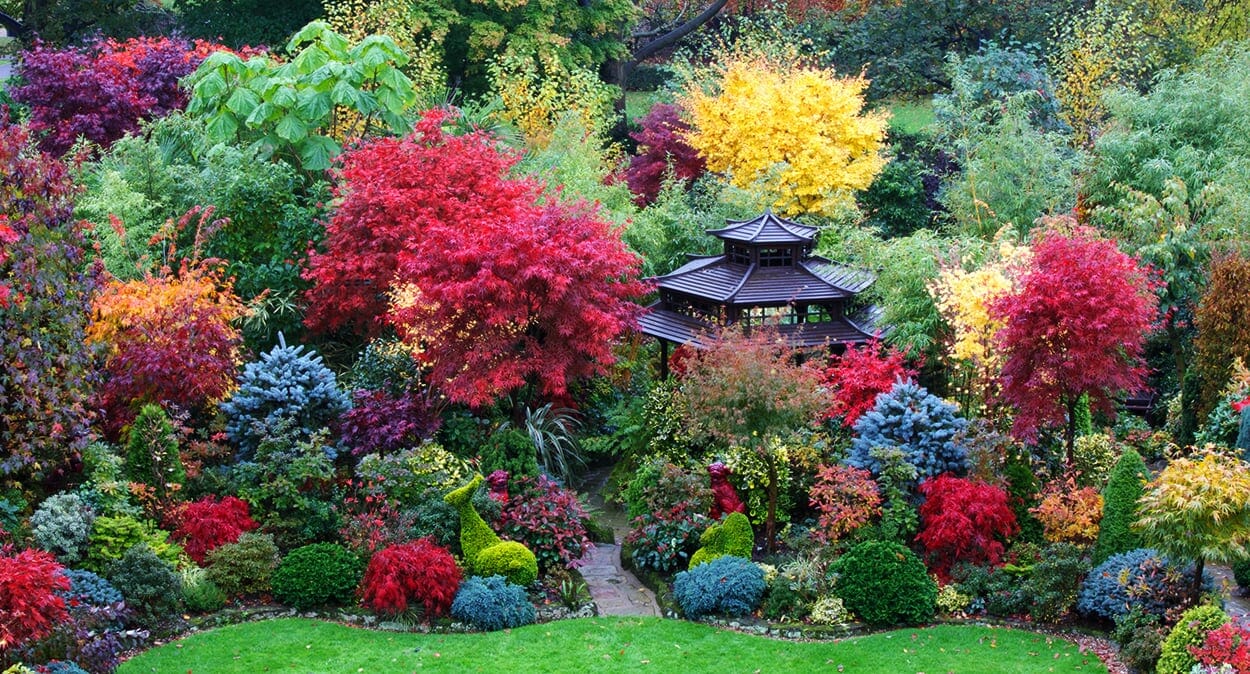
Winter flowering plants in a colourful winter garden


1. Winter Daphne

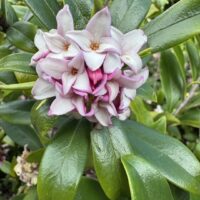
Heavily scented and long flowering, Daphne is a fragrant and colourful winter bloomer. They come in shades of white, pink, yellow and cream and are best suited to part shade or full sun positions (provided the soil is moist and well-draining). They can also be planted straight into the garden or kept neatly in a pot! 
Back to list: Top 10 Winter Flowering Plants


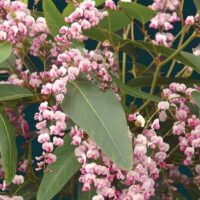
2. Hardenbergia ‘Happy Duo’
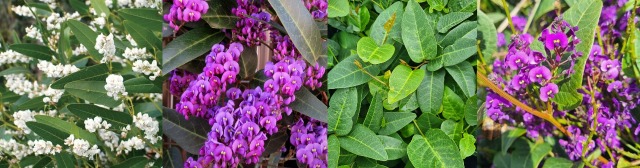
Hello Hello Plants Nursery Campbellfield Melbourne Victoria Australia hardenbergia banner

Known as either a climber or a bushy groundcover, this native is commonly seen throughout the Victorian bushland in vibrant patches of purple. The flowers form in speared clusters of pea-shaped flowers and can be trained over a fence or arbour. Hardenbergia also comes in a white flower and a newer pink variety is now available. The most popular by far, however, is the Hardenbergia ‘Happy Duo’, which displays both purple and white flowers.

Back to list: Top 10 Winter Flowering Plants


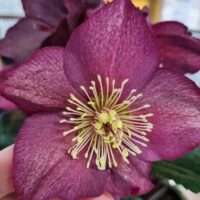
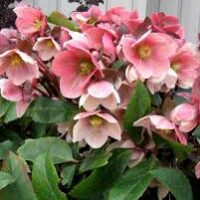
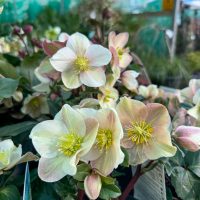
3. Hellebore ‘Winter Rose’

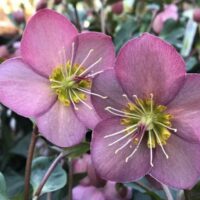
Aptly named, this low growing, almost groundcover plant is named due to the robust star-shaped blooms that appear during winter. The Winter or Lenten Rose comes in varieties of pink, purple, white and green, some with a double petal, others with a single row. They love shaded areas, suiting Japanese, Woodland or Cottage style gardens.


Back to list: Top 10 Winter Flowering Plants


4. Camellia sasanqua

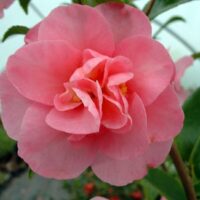
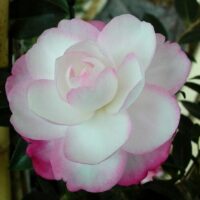
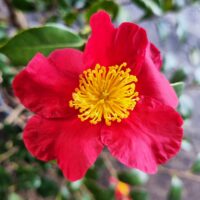
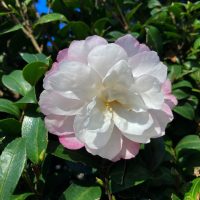
Camellias are one of the most popular garden plants of all time, and with the enormous choice of varieties and ways you can use them in your garden, it’s not hard to see why. They are often seen as gorgeous feature hedging or as manicured specimen trees, bringing abundant vibrant colour to the garden during the winter months.
Back to list: Top 10 Winter Flowering Plants


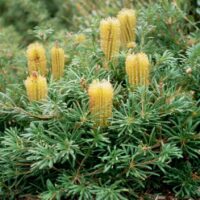
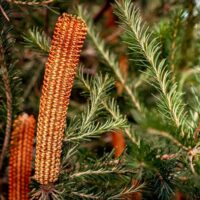
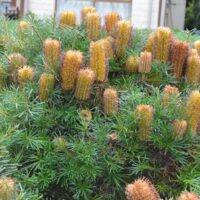
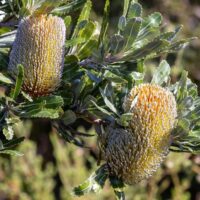
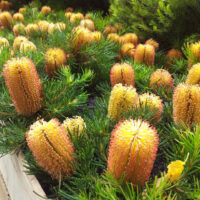
5. Banksia ‘Cherry Candles’

Sturdy, proud cylindrical flowers with a distinct honey smell attract many native birds and bees and the Banksia ‘Cherry Candles’ is a particularly beautiful variety. Banksia are commonly seen showing off their blooms during the winter and feeding the local wildlife. These tough but attractive natives come in various sizes and shapes, suiting many different applications such as groundcovers, hedging & screening or as a feature. The most common winter-flowering varieties include Banksia ‘Cherry Candles’, Banksia spinulosa, the ‘Birthday Candles’ variety and Banksia ericifolia

Back to list: Top 10 Winter Flowering Plants


6. Grevillea ‘Strawberry Smoothie’
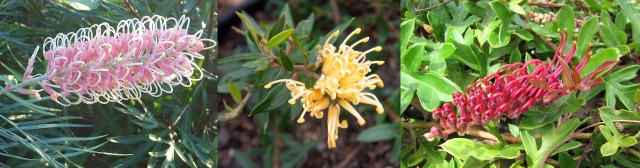
Hello Hello Plants Nursery Campbellfield Melbourne Victoria Australia Grevillea banner

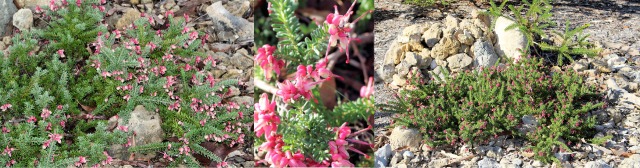
Whilst we’re on natives, how can we forget Grevillea? Another winter wonder with multifaceted varieties, the Grevillea comes in groundcover forms, low shrub, tall screening or hedging varieties and there is even a Standard Weeping option too! The colour range is also huge! Almost every colour of the rainbow, some with 2-3 colours in the one flower such as the ‘Peaches & Cream’ or ‘Black Magic’ varieties. But the real show stopper is the Grevillea ‘Strawberry Smoothie’. This robust groundcover is awash with vibrant pink flowers during the winter and its compact foliage makes it a must in any garden.

Back to list: Top 10 Winter Flowering Plants


7. Erica ‘Darley Heath’

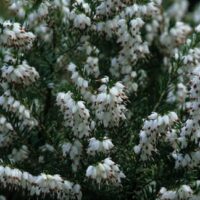
This stunning low maintenance shrub is aglow throughout the winter with a profusion of tiny pink cup-shaped flowers. These flowers make an excellent addition to bouquets as their colour and form last for a very long time. They’re also incredibly hardy and require very little attention. Did we mention it also comes in white!

Back to list: Top 10 Winter Flowering Plants


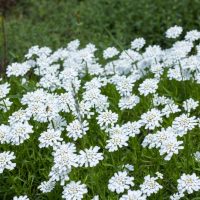
8. Iberis ‘Candytuft’

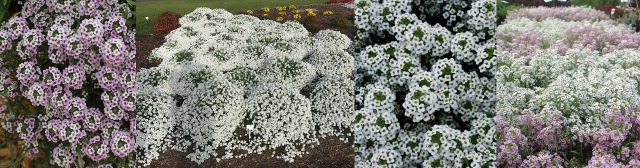
Iberis ‘Candytuft’ is a must have in the winter garden as it is a prolific flowerer, tolerates frosts and the cold of winter, and is quite versatile. Often used in pots & containers, as garden edging or a garden filler, this beautiful little cottage perennial will liven up your garden. 
Back to list: Top 10 Winter Flowering Plants


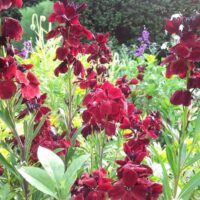
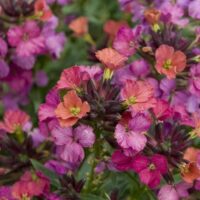
9. Cheiranthera ‘Wallflower’

A cottage perennial that will surprise you! The quiet achiever of the winter garden is sure to be the Chieranthera ‘Wallflower’. A low maintenance, low growing and hardy cottage perennial that comes in a wide range of colours. Plus these cute little flowers have a fragrance to entice you out into the cold for a whiff.
Back to list: Top 10 Winter Flowering Plants


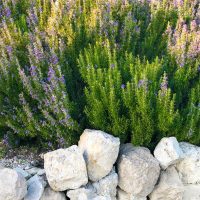
10. Rosemary ‘Blue Lagoon’

‘Blue Lagoon’ Rosemary is a top performer all year around, so it’s no wonder it’s on our top winter flowering list. Preferring a full sun position to get the best results, this hardy groundcover flowers a brilliant blue and has highly fragrant foliage used in delicious winter roasts, yum!
Back to list: Top 10 Winter Flowering Plants


Honourable Mentions

We obviously couldn’t stop at 10! Here are a few more absolutely fabulous looking winter flowering plants.


Pieris ‘Debutante’

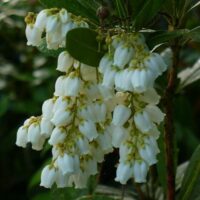
A gorgeous, chandelier toting shrub or tree, Pieris bloom delicate clusters of white heart-shaped flowers in the late winter to early spring. The ‘Lily of the Valley’ tree is often used as a feature in the garden or in pots, provided it is trimmed. The ‘Debutante’ has delicate creamy white blooms that stand out against the drabness of the winter garden. It is a truly gorgeous feature tree.
Back to list: Top 10 Winter Flowering Plants


Coleonema ‘Pink Diosma’

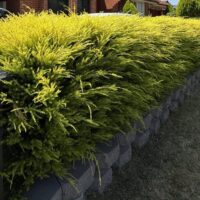
Coleonema are beautifully soft shrubs, their fragrant foliage lending itself to being topiarized and hedge. These gorgeous plants are seen over many suburbs as they are versatile, relatively low maintenance and are incredibly hardy. Plus they produce tiny star shaped flowers from autumn through to spring. 
Back to list: Top 10 Winter Flowering Plants


Salvia ‘Mexican Bush Sage’

A bee favourite and a favourite among veggie and cottage gardeners alike. Salvia attracts many varieties of bees and butterflies into the garden with their vast array of colours. The fact that most Salvias have a long flowering period is an added bonus, blooming from autumn through to spring. Popular winter flowering varieties include leucanthe ‘Mexican Bush Sage’, involucrata ‘Joan Spires’ and ‘Mystic Spires’

Back to list: Top 10 Winter Flowering Plants


Convolvulus ‘Silverbush’

This silver sensation has stunning white flowers that, when they bloom, cover the entire plant with white! It is a stunning edging and potted plant that requires little to no maintenance. Plus it flowers from spring through to autumn and sneakily into winter. With such a long flowering period, how could you pass this one up for your winter garden!

Back to list: Top 10 Winter Flowering Plants


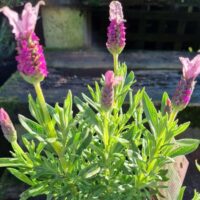
French Lavender

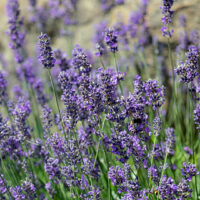
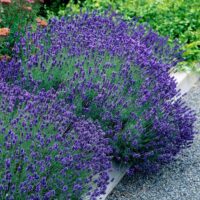
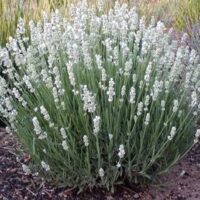
Lavender is known as a summer flowering plant but there are now new varieties that bloom in the winter! These include the ‘Lace Series’ and the ‘With Love’ varieties. French Lavender is also one of the few that flower for extended periods, sometimes sneaking its way into winter as well, adding wonderful fragrance and colour to the garden.

Back to list: Top 10 Winter Flowering Plants


Check out some more articles you may like:

[one_half padding=”0 20px 0 0″]
Hello hello plants Top 10 Winter Colour Plants Melbourne Victoria Australia

[/one_half]

[one_half_last padding=”0 0 0 20px “]

Top 10 Autumn Trees for colour in Melbourne and Victoria

[/one_half_last]

Sign up for our newsletter below

We will send you gardening tips, great deals, and exclusive giveaways. Happy Gardening!

10 useful tips to save money on your landscaping or garden budget

10 tips to save on your landscaping budget

Interest rates keep rising, the economy is tight, and times are a bit tough in Australia. However, if you’re preparing a property for sale, moving into a new place, or determined to keep living your best (garden) life, the show must go on.

Our tutu-wearing garden guru Chris does almost 30 garden design consultations a week for people around Melbourne and Victoria. Based on his 60+ years of experience in the plant and landscaping business, we asked him for his top tips to make the most of your money and rock your landscaping budget without breaking the bank!


10 tips to make the most of your garden budget

  1. Skip the Fancy Garden Edges
  2. Embrace Mother Nature’s Contours
  3. Lush Hedges Beat Pricey Fences
  4. Mulch vs Pebbles, the Budget-Savvy Option
  5. Pots vs. Garden Beds: Big Plants, Big Expenses
  6. It’s Not Size That Matters, it’s How You Use It
  7. Score a Free Garden Design
  8. DIY with the Fam
  9. Turn Trash into Treasure
  10. Artificial Lawn Intelligence?
  11. Bonus tip: Picking Plants on a Budget

[one_half padding=”0 20px 0 0″]

Chris helps a customer with a garden design

Book a free Garden Design.

[/one_half]

[one_half_last]

A fancy expensive landscape design probably sounds like the first place to lose the one of many chunks of your budget. Even if you plan to do it yourself, you can get professional advice to make sure you make the right choices for your new garden at practically no cost with our free Garden Design Service.

This is a one-on-one consultation in our Campbellfield nursery (or by a video chat) with Chris to discuss your requirements, budget, plant preferences and style, and go over photos and plans of the site. Together you will work out the perfect design based on your unique project and the growing conditions in your area. You’ll come up with the exact list of plants you need, and a basic action plan of what you need to do to make it all happen. Very handy for any size garden project.

[/one_half_last]


1. Skip the Fancy Garden Edges

A natural edge garden bed with no stone, metal, wood or plastic edging installed
A natural edge is actually easier to maintain than you think, and costs as good as nothing

Seriously, those timber, stone, metal or plastic garden edges are more trouble than they’re worth. Not only are they a bigger additional cost than you would think, they mess with your lawnmower, and weeds love to sneak under them and refuse to come out.

So why not take a leaf out of the botanic gardens’ book? Make use of the forgotten “natural edge” technique and grab a sharp spade, chopping out your garden bed directly from surrounding grass. Great video on how to put in a natural edge garden bed here.

The added bonus is that you can have almost any shape you want. Sure, you’ll need to give it a trim now and then, but it’s a cleaner and smarter alternative that won’t cost you a fortune, and can last a whopping 100 years or more without being replaced!

Back to list: 10 tips to save on your landscaping budget


2. Embrace Mother Nature’s Contours

A sloped cottage style flower bed
Plants will prevent erosion, as in this sloped cottage style flower bed

Forget expensive retaining walls and levelling off your garden. Let the natural slopes and contours add character and interest to your landscape. Flat land is dull, but a garden with a little topography? Now, that’s something special.

Plus, it saves you from the hefty price tag of building retaining walls and then having to fill them with soil to level them off. Not only can they detract from the aesthetic of a garden, they can actually drain your whole garden budget.

Back to list: 10 tips to save on your landscaping budget


3. Lush Hedges Beat Pricey Fences

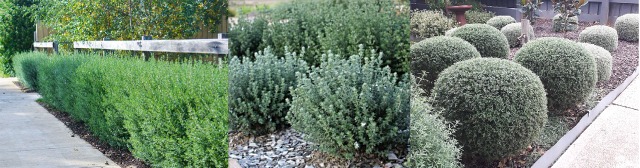
A hedge of coastal rosemary (Westringia) doing a fine job of it

Brick or steel fences may look fancy, but they come with a hefty price tag and maintenance headaches. Instead, opt for a well selected, planted and maintained hedge. It can last for over a century, enhance airflow, and provide a living, breathing boundary.

Hedges are hardier than bricks and can survive bumps, crashes and cars, re-growing if damaged. They offer a timeless and far less expensive alternative to traditional fences.

Back to list: 10 tips to save on your landscaping budget


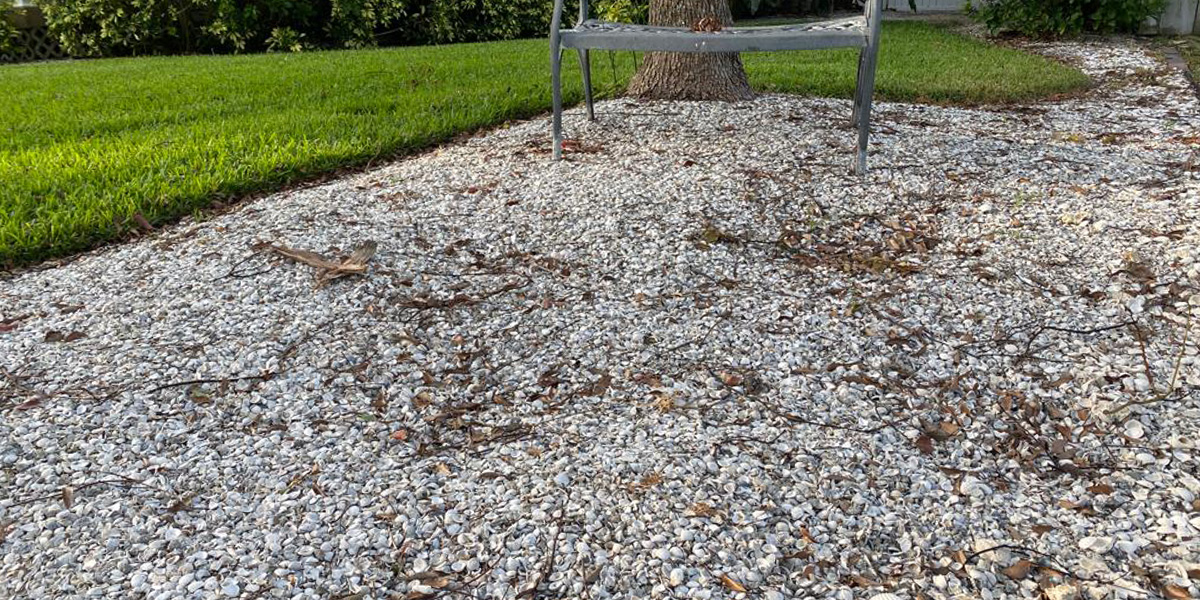
4. Mulch vs Pebbles, the Budget-Savvy Option

Pebbles are harder to maintain than mulch and leaf litter makes them look messy quickly
Pebbles are harder to maintain than mulch, and leaf litter makes them look messy quickly.

Let’s talk mulch versus pebbles. Pebbles may seem glamorous, but they’ll drain your wallet and energy. Coming in at 2 to 4 times the price of mulch, the weight of pebbles also make them much more labour-intensive to lay. Not to mention the nightmare of cleaning them when leaves and rubbish fall on top.

Instead, go for black timber or pine bark mulch. It’s light, easy to spread, and a breeze to maintain. If leaves pile up, just sprinkle some more mulch on top as needed—it’s a cost-effective solution that keeps your garden happy.

Back to list: 10 tips to save on your landscaping budget


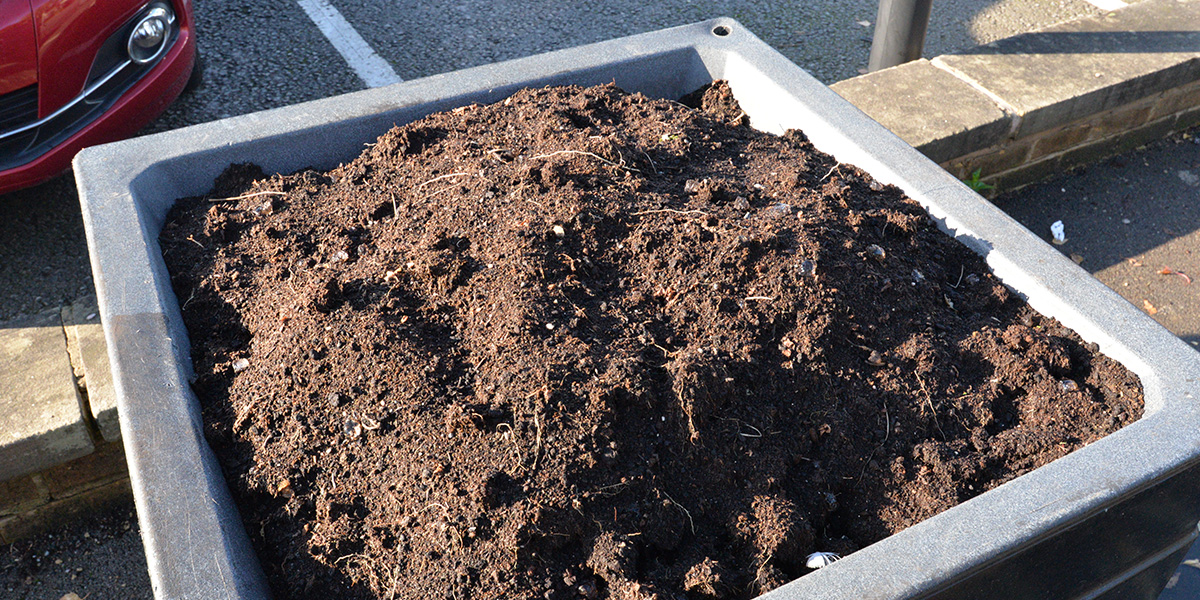
5. Pots vs. Garden Beds: Big Plants, Big Expenses

A large square pot planter filled with soil
The cost of large planters and filling them with soil really adds up

Don’t get lured into the idea of landscaping using large pots when a garden bed space is available. It may seem easier or cheaper to put large plants like feature trees in pots, but those pots can be expensive, and filling them with potting mix will burn a hole in your budget.

Not to mention the constant watering they require—a plant in a garden bed can spread its roots to draw moisture over a much larger area and require up to 75% less watering. For larger plants and feature trees, it’s much more cost-effective to plant them directly in the garden bed. Your wallet—and your plants—will thank you.

Back to list: 10 tips to save on your landscaping budget


6. It’s Not Size That Matters, it’s How You Use It

Advanced Michelia alba tree
Getting a good deal on a couple of large feature plants will make your garden look instantly established

If your garden budget is not limitless, or even depressing, you might think you’ll be stuck with buying plants no bigger than your pinkie. Who’s going to even be able to tell that you just gave yourself a garden makeover!

Here’s a sneaky trick from Chris to make the most of limited funds. Invest in 3-5 key plants in medium to large sizes for immediate impact. These bad boys will bring instant impact to your landscape. Fill in the rest with smaller plants, and voila! You’ve got yourself a gorgeous garden that looks semi-established and doesn’t break the bank.

Back to list: 10 tips to save on your landscaping budget


7. Score a Free Garden Design

Why waste money on trial and error? Get a free garden design from Chris that’s tailor-made for your space. You’ll receive expert advice and a step-by-step plan to turn your dream garden into a reality. Avoid wasting money experimenting with plants that won’t thrive or just up and die on you. It’s a no-brainer, really.

Back to list: 10 tips to save on your landscaping budget


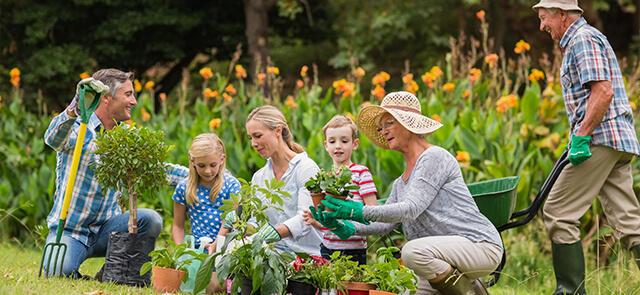
8. DIY with the Fam

Family gardening together
Gardening is a fantastic family activity!

Landscapers can charge a fortune, with high hourly rates plus their own added mark-up on materials. Why not turn it into a family affair and get your whole crew involved in building your garden? Buy the materials directly, take advantage of our free delivery service, and plan a weekend of gardening.

By cutting out the middleman, you’ll save a significant chunk of cash and enjoy some quality family time. And you’ll pay them back when it comes to their own garden project of course… It’s a win-win situation!

Back to list: 10 tips to save on your landscaping budget


9. Turn Trash into Treasure

Hello Hello Plants Nursery Campbellfield Melbourne Victoria Australia soil conditioner lawn clippings mower

Create a compost heap to transform your garden waste into valuable assets. Gather lawn trimmings, weeds, kitchen scraps, and layer them in a heap with garden soil. Before you know it, these will all break down into a nutrient-rich compost that will supercharge your plants.

Then dig this into your garden beds once or twice a year. It’s an eco-friendly and cost-effective way to improve your soil without spending extra money.

Back to list: 10 tips to save on your landscaping budget


10. Artificial Lawn Intelligence?

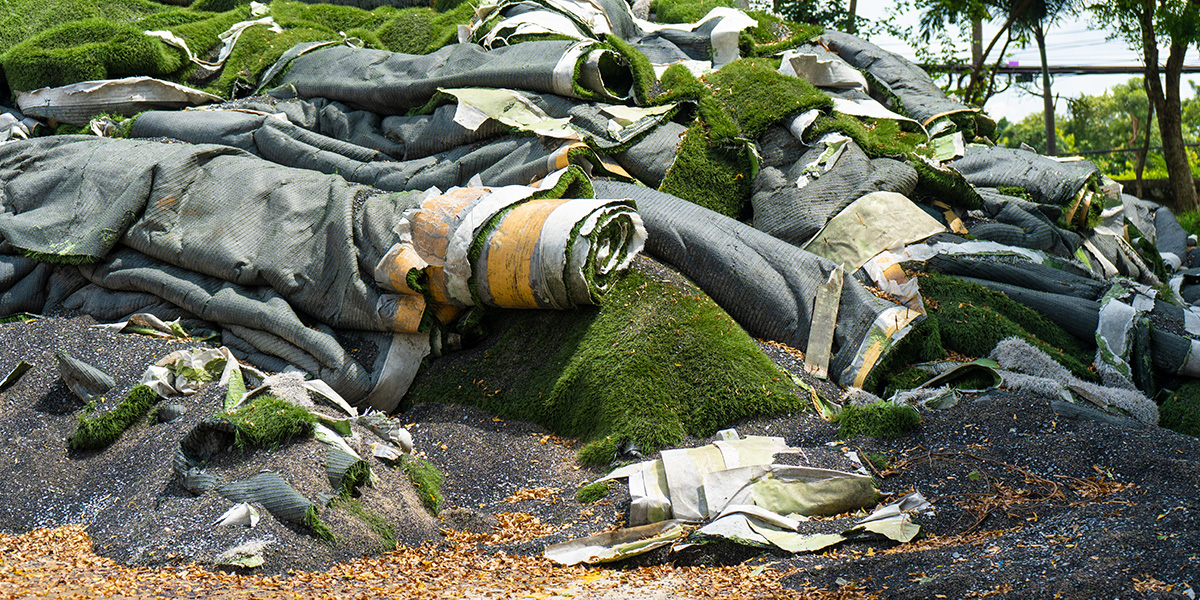
Piles of old fake grass ready to be thrown out

At first glance, fake grass can seem cheap, fabulous, and did we say cheap? But in this race between mother nature and machine, natural turf triumphs. Artificial grass might seem like a low-cost solution, but trust us, it’s a slippery slope. The installation, earthworks, and all the extras quickly add up. And don’t even get us started on how it fades in the sun.

Instead, opt for good old natural turf. It’s half the price and lasts longer. Chris noticed that in properties where artificial grass had been laid, it was often messy and unkept with leaves and rubbish on it and did not have the desired effect. Although you need to mow turf, the benefit is that you’ll tidy up your lawn and pick up leaves at the same time in your mower’s catcher. Talk about killing two birds with one lawnmower!

Back to list: 10 tips to save on your landscaping budget


Bonus Tip: Picking Plants on a Budget

Hello Hello Plants Nursery Campbellfield Melbourne Victoria Australia Magnolia grandiflora _Little Gem_ and Cerastium _Snow in Summer_ groundcover long blue fence(5)
Little Gem Magnolias are an affordable alternative to the pricier Teddy Bear variety

When listing out the plants you want for your garden, try not to get hung up on fancy plant varieties or pricey trademarked plants (this is called “Plant Breeders Rights” or PBR varieties). There are plenty of wallet-friendly alternatives that look just as fantastic. Take, for example, the Little Gem Magnolia—half the price of the fancy-pants Teddy Bear Magnolia and just as fabulous.

If you share your planting list with us, we’ll help you find budget-friendly alternatives that are just as stunning. Sometimes pictures of envious overseas gardens fill our screens, but they’re often packed with plant varieties that are not easy to get in Australia (read: expensive) or that won’t do well in Melbourne or Victoria. We’ll help you create your dream garden right here on home soil.

Back to list: 10 tips to save on your landscaping budget


Conclusion to all this? With these wallet-friendly tips, you’ll get as much garden as possible for your money. So roll up your sleeves, grab your gardening gloves, and let’s make your landscape dreams come true—without breaking the bank. If you want some personalised advice on making your money do the most for your your own garden project, big or small, you can always use our free Garden Design Service to combine your vision with our expert knowledge and years of experience. Happy gardening!


10 basic steps to create your dream garden

Ready to embark on the exciting journey of creating your dream garden but feeling a bit lost? No worries, we’ve got you covered! In this handy guide, we’ll walk you through garden guru Chris’ 10 simple steps to help you transform your outdoor space into a stunning oasis. From assessing what you’ve got, to planning your plant palette, Chris has taken 40 years of garden design experience right here in Melbourne and boiled it down to the key tips and tricks you need to know. So, let’s dive in and turn your garden confusion into gardening success!


10 Basic Steps to Create Your Dream Garden (when you have no idea where to start)

  1. Check Out What You’ve Got (The Good, the Not So Bad and the Ugly)
  2. Let Your House Do the Talking
  3. Understand Your Location and Conditions
  4. Get to Know Your ‘Hood
  5. Dream It, Plan It, and Prioritize It
  6. Define Your Garden Style
  7. Create a Plant Palette That Rocks
  8. Plan the Ultimate Plant Placement
  9. Get Down and Dirty with the Prep
  10. Planting 101—You’ve Got This!
  11. Bonus step: To Irrigate or Not to Irrigate?

[one_half padding=”0 20px 0 0″]

Chris helps a customer with a garden design

Book a free Garden Design.

[/one_half]

[one_half_last]

Already overwhelmed thinking about all this, or just want some professional advice on your existing plans (or lack of them)? Give our free Garden Design Service a try.

It’s a one-on-one consultation in our Campbellfield nursery (or by a video chat) to discuss your requirements, plants you like, and go over photos and plans of the site. Together you will work out the perfect design based on your preferences, budget, growing conditions in your area and more. You’ll come up with the exact list of plants you need, and a basic action plan of what you need to do to make it all happen. Very handy for any size garden project.

[/one_half_last]


1. Check out what you’ve got (the Good, the Not So Bad & the Ugly)

Take a good look at your garden and make a list of the stuff you love and want to keep. Got some gorgeous trees or cool features? Highlight those babies! Now, on the flip side, identify the things that ain’t so great and need to go. But hey, even if it’s not perfect, some elements might have a solid foundation to work with and fix up. An overgrown tree might just need some well-done pruning to turn it into a keeper.

Back to list: 10 Steps to Create Your Dream Garden


Step 2: Let Your House Do the Talking

A brand new house with no garden yet

Believe it or not, your house has a say in this garden game too! Take cues from its style and personality. Is it all sleek and modern? Then you’ll want a garden that matches that vibe. Let your house speak up and guide you in creating a garden that complements its coolness. Harmonizing your house and garden creates a cohesive and visually appealing outdoor space.

Back to list: 10 Steps to Create Your Dream Garden


Step 3: Understand Your Location and Conditions

Every suburb has its own unique soil type, temperature range & wind exposure, rainfall, and drainage patterns. Take note of these factors as they will determine the types of plants that will thrive in your garden. If you’re getting a free garden design with Chris, tell him what suburb of Melbourne you live in or even what part, and he’ll tell you the type of soil you’ll have in your garden (experience pays). You can also bring a cup of your soil to your garden design appointment to show Chris, and he’ll explain it to you, telling you what plants will tolerate that soil, or what you need to do to fix your soil.

At your own place, consider where the sun rises and sets, especially if you have a small block with multi-storey buildings nearby. Additionally, if your garden suffers from poor drainage, decide now: am I going to get really involved and invest some work in fixing drainage problems? If not, you’ll need to opt for plants that can tolerate such conditions.

Back to list: 10 Steps to Create Your Dream Garden


Step 4: Get to Know Your ‘Hood

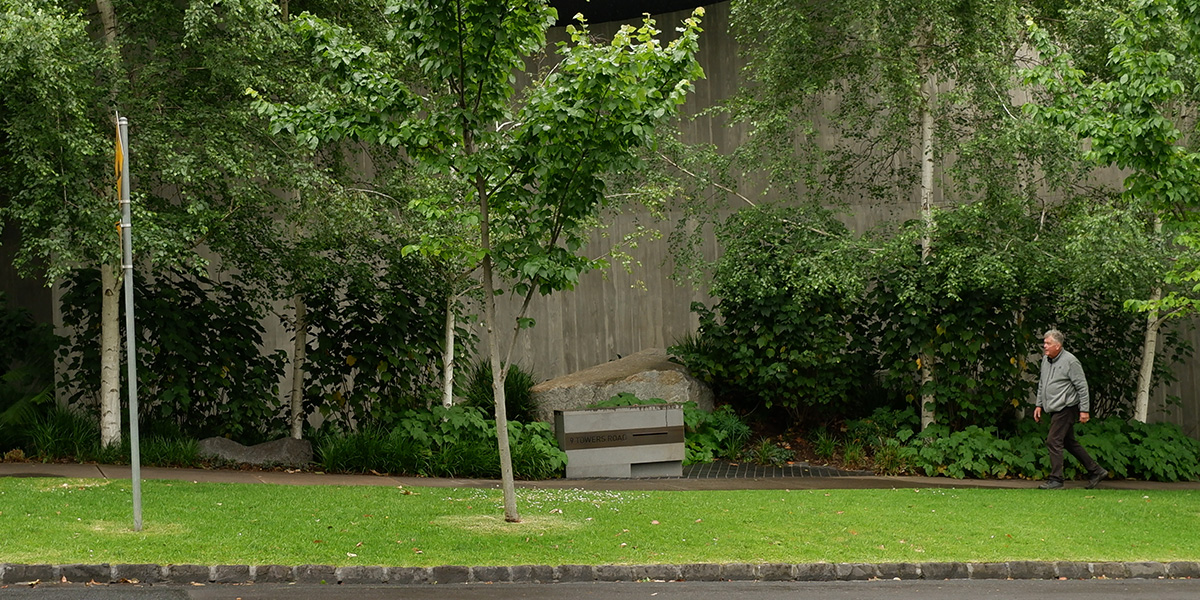
Chris walks the streets of Toorak looking for really great gardens
Chris says if he’s ever in a pickle about what will work in a particular garden, he’ll walk the neighbourhood and look

Your neighbourhood is like a real-life gardening science experiment that millions of dollars have already been invested in without you even having to lift a finger. Your neighbours have been trying to create great gardens themselves in the same conditions, and their successes and failures are valuable insights waiting to be discovered. Take a stroll and check out other people’s gardens. Without having to ask (although you can if you’re feeling brave) you’ll be able to see what’s working and what’s not. Look for houses similar to yours and see what plants are thriving. Snap photos of the ones that catch your eye for future inspiration.

Back to list: 10 Steps to Create Your Dream Garden


Step 5: Dream It, Plan It, and Prioritize It

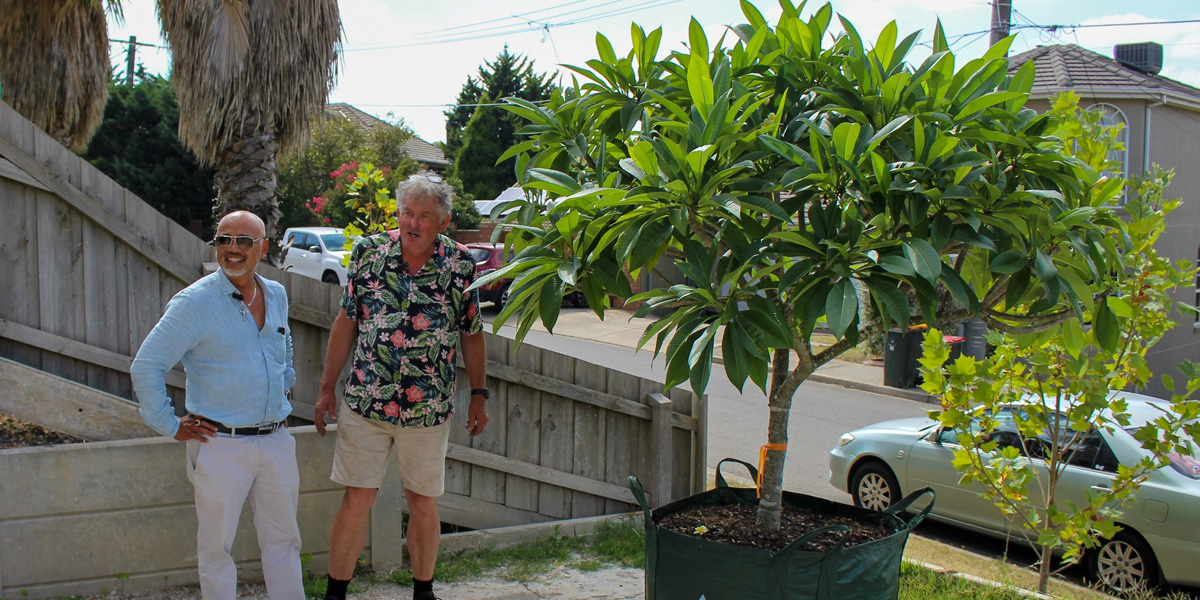
Customer Kim with the advanced frangipani we sourced for him
Kim is absolutely stoked with the advanced frangipani we sourced for him, because it was the perfect feature at his brand new property

Now it’s time to get clear on what you want. What’s the big dream for your garden? Low maintenance? Bursting with colours? Ready for that epic backyard BBQ for Hayden’s 21st in six weeks? Something you can actually afford? Identify your top priorities and rank them in order of importance. Low maintenance might sound nice but if street appeal is what you fall asleep thinking about at night, be true to your garden goals. If it’s got to look tip-top for an approaching deadline, like an auction or event, you’ll want to invest in larger, more established plants that won’t look like they were born yesterday to get that instant wow-factor. It’s your garden, so focus on what matters most to you.

Back to list: 10 Steps to Create Your Dream Garden


Step 6: Define Your Garden Style

Keeping all of our prior steps in mind, now determine: what’s your garden vibe? Formal and classy or charmingly cottage-like? Choose a style that speaks to your soul, fits your property and sets the tone for your garden. Think about the architecture of your house and what makes you feel all warm and fuzzy inside. This is going to define the range of plants you’re going to work with in the next step.

Back to list: 10 Steps to Create Your Dream Garden


Step 7: Create a Plant Palette That Rocks

One customer's ute full of modern lush funky plants
One customer’s ute filled with funky lush modern plants. Clockwise from top left: Lomandra Tanika, Tractor Seat Plant, Asparagus Foxtail Fern, Purple Tractor Seat Plant and Lamb’s Ears

Time to curate a killer collection of plants that’ll make your garden pop. Research plants that can handle your local conditions, the spots you want to put them in, AND that suit your garden style. At this point we have to give a plug for Chris’ free Garden Design service. He is a walking plant encyclopaedia and specialises in taking everything you’ve worked out so far and showing you which plants are going to work in every possible situation. But here’s the golden rule: only pick plants you genuinely love. After all, you’ll be spending lots of quality time with them.

Back to list: 10 Steps to Create Your Dream Garden


Step 8: Plan the Ultimate Plant Placement

Placement matters, folks! Strategic plant layout is the key to a visually captivating garden. Start by identifying the key features you want to highlight. Got some fancy trees? Use them as focal points and build around them. Add secondary plants to create depth and visual interest. Think big to small, and don’t be afraid to mix it up. You can use subtle patterns and repeat them for a sense of visual rhythm. Let’s be honest, it’s a bit of an art. For an effortless harmonious design, consult a professional like Chris as part of our Garden Design service if needed.

Back to list: 10 Steps to Create Your Dream Garden


Step 9: Get Down and Dirty with the Prep

If you’ve got a raw block or a neglected garden, it’s time to roll up those sleeves.

[one_half padding=”0 20px 0 0″]

  1. Begin by spraying the area with Roundup* to zap the weeds, and allow it to sit for 48 hours.
  2. Mow the grass and weeds down as low as possible, down to the dirt.
  3. Next, dig, dig, dig! Dig, turn, and break up the soil with a spade or mattock, ensuring you go down to a depth of one whole spade.
  4. Mix in 5-10cm of organic soil goodness (watch out for dodgy toxic soil sellers) or good quality potting mix and dig this all in again.
  5. Use a garden fork to roughly go over the area and rake out the junk, weeds, etc.
  6. And finally, level the area with a steel garden rake before proceeding to create a smooth canvas for your green masterpiece.

Check out Chris’ quick video below on planting into raw dirt or a freshly built block:
[/one_half]

[one_half_last]

[/one_half_last]

*Hold up: Roundup? Controversy alert.

When it comes to battling those pesky garden invaders—aka weeds—there’s one product that often sparks lively debates: Roundup. Now, Roundup has its fair share of controversies, but let’s explore its benefits. You see, Roundup is a herbicide (plant-killer) and contains an active ingredient called Glyphosate, which is like a weed-wrecking ninja. It swiftly eliminates weeds by attacking their roots, ensuring a thorough takedown. The best part? Glyphosate gets neutralized by the calcium naturally present in the soil within a mere 48 hours, rendering it relatively harmless. Of course, safety first! It’s crucial to use proper protection when handling any chemicals. And remember: Roundup does NOT discriminate. It will kill any plant it touches, so don’t get it near your leafy beloveds. If Roundup isn’t your jam, fear not! An alternative approach involves some good ol’ manual labour. Grab your trusty mattock or shovel and hack and smash those weeds and grassy messes into the soil. Then, armed with a garden fork, diligently rake out the weeds, including their sneaky roots, and repeat every week or so in the leadup to planting time. It’s an eco-friendly way to keep your garden weed-free without the need for herbicides.

[one_fourth padding=”0 20px 0 0″]

[/one_fourth]

[three_fourth_last]

Chris says: skip the weed mat—it’s a buzzkill for future gardening. Instead, try his favourite technique. Grab yourself a small sharp hoe, and every 2 weeks for the first couple of months after clearing up the area, as weeds emerge but before they get too big, hoe them over and into the soil. The weeds eventually just seem to stop growing: you’ve broken the back of them. It doesn’t matter if this is before or after you’ve done your planting. Keep up this little routine and the pesky weeds are at bay, put a nice thick coating of mulch on.

[/three_fourth_last]

Back to list: 10 Steps to Create Your Dream Garden


Step 10: Planting 101—You’ve Got This!

When it’s time to plant, don’t stress, we’ve got your back.

  1. Dig a hole that’s twice as wide and deep as the size of the pot the plant is in.
  2. If the area has bad drainage, is boggy, has clay or is heavily compacted, sprinkle some soil wetter into the bottom of the hole. This allows water to drain freely away from the base of the plant and prevents the roots from rotting or drowning.
  3. Mix the soil you dug out of the hole 50/50 with some more good quality organic soil or potting mix, to give your new green buddy a cozy home.
  4. Back fill the hole with this magic mix so that it’s a little more than half full, enough so that the plant is going to be sitting slightly raised above ground level when you place it in the hole.
  5. Sprinkle a little Osmocote in the bottom for a nutrient boost, and pop in the plant. Osmocote is specially formulated not to burn the roots of the plant.
  6. Fill in the sides of the hole with your magic soil mix and mound it up slightly to the trunk/stem of the plant without covering it.
  7. Sprinkle a little more Osmocote on top near the roots, and gently pat the soil.
  8. Then remember to mulch around the plants after you’ve done your weed-killing routine for a couple of months, leaving breathing room of about 1-2 inches around the base/main trunk of the plant to avoid rotting.
  9. Oh, and soil wetter is like a secret weapon for better water penetration and drainage—trust us on this one. Spread around the whole garden bed straight after planting as directed.

Back to list: 10 Steps to Create Your Dream Garden


Bonus step: To Irrigate or Not to Irrigate?

Hello Hello Plants Nursery Campbellfield Melbourne Victoria Australia watering plants hose sprinklers

That is the question. Automatic watering sounds like a dream, but it has it’s downsides. If you’ve got a small garden, a trusty proper commercial size hose with a rosette hose head that puts out a decent amount of water, like the ones we advocate, can get the job done. No need to go all fancy with an irrigation system. But hey, if you decide to go for it, Chris suggests you choose visible above-ground sprinklers. Trust us, you’ll thank yourself when you can easily spot which areas are being watered while the system is on, and which might be missing out. With a hidden or in-ground system, you can’t really tell if something’s gone haywire or gotten clogged until plants start dying.

Back to list: 10 Steps to Create Your Dream Garden


Conclusion to all this? Creating your dream garden may feel overwhelming at first, but with these 10 steps, you’re well-equipped to tackle the challenge head-on. By understanding your garden’s assets and liabilities, considering your house’s style, exploring your neighbourhood’s success stories, and nailing down your garden goals, you’ll be on your way to a jaw-dropping outdoor space. If it’s a bit too much to face alone, you can always use our free Garden Design Service to combine your vision with our expert knowledge and years of experience, and get a professional helping hand to create your very own slice of paradise!


Top 10 Native Plants for Native Gardens

Creating a native garden seems simple enough until you come face to face with the hundreds of weird and wonderful natives available on the market. It can all get a little overwhelming!

Luckily we’re here to give you some of the best native plants for a successful native garden. We have natives for hedging, screening, features, groundcovers, climbers, flowers, edibles and topiary! Check out our huge range here!

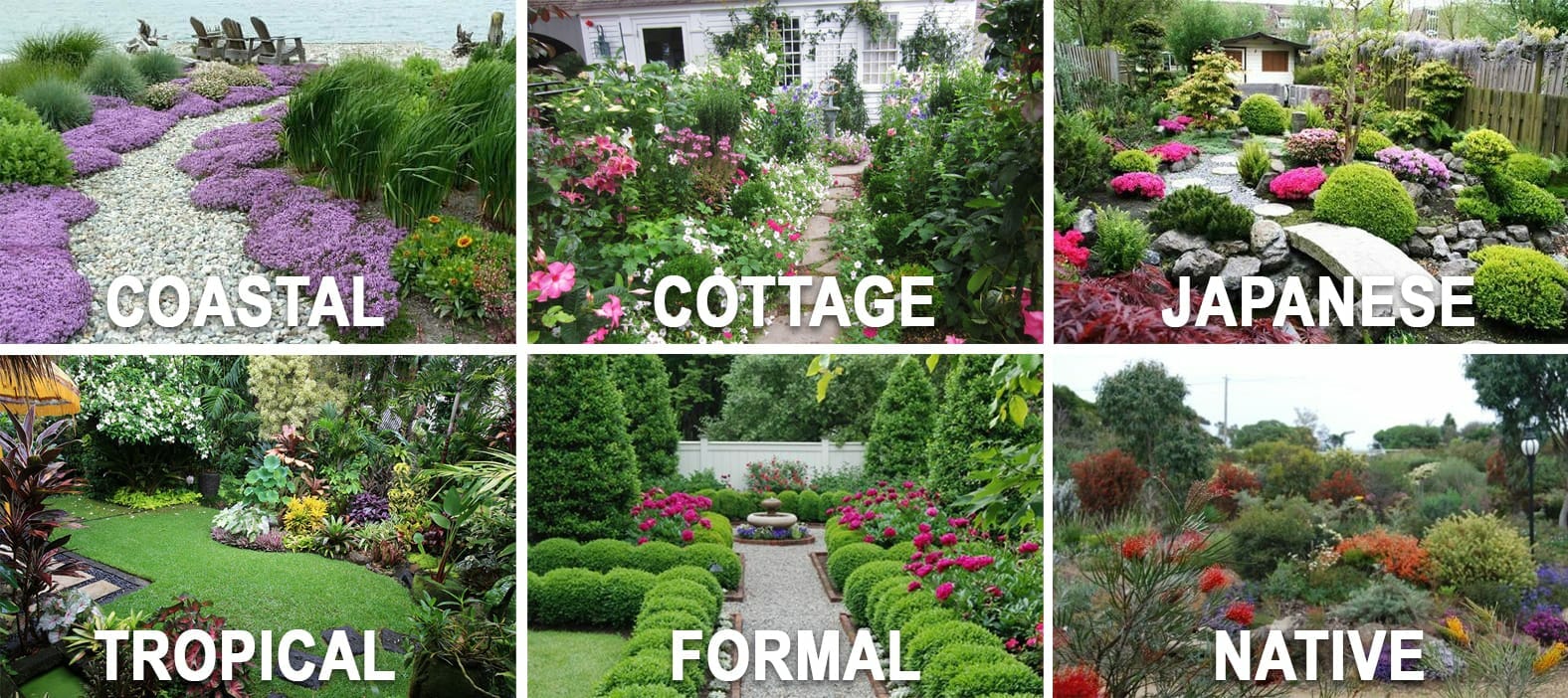
The fun part about native gardens is that they can be combined with other garden styles such as the native cottage garden or the formal native garden. Or you can combine native with non-native plants to create your own look. The options are endless!

If you need more advice on how to create a native garden, we can assist you with tips, tricks or even a full tailormade garden design with Chris. Book one here!


Top 10 Native Plants for Native Gardens

  1. Acacia ‘Limelight’
  2. Correa alba
  3. Westringia ‘Grey Box’
  4. Grevillea ‘Mt Tamboritha’
  5. Callistemon ‘Slim’
  6. Syzygium ‘Straight & Narrow™’ Lilly Pilly
  7. Banksia ‘Birthday Candles’
  8. Corymbia ‘Baby Citro’
  9. Eucalyptus ‘Silver Princess’
  10. Myoporum ‘Fine Leaf’

There are so many beautiful native plants to choose from that we list had to list a few honourable mentions.


1. Acacia ‘Limelight’

Hands down the most popular and good looking native in our range. The Acacia ‘Limelight’ is self shaping with soft, fine green foliage and inconspicuous yellow pom-pom flowers (if it flowers at all!) They’re regularly used as features, garden fillers and borders. And they’re so easy to grow!


2. Correa alba

A beautifully simple form of correa with silver-green rounded leaves and gorgeous white star shaped flowers. Correa are incredibly hardy plants and are often used in public spaces for this reason. They make great low to medium hedges and even topiary!


3. Westringia ‘Grey Box’

Westringia are known as Aussie Box. Simply put they’re the best native substitute for box hedging and topiary. Their fine foliage grows fast and compact plus they produce beautiful little flowers in either pink, purple or white. The ‘Grey Box’ is a dwarf growing variety that requires very little maintenance unlike the larger types.


4. Grevillea ‘Mt Tamboritha’

There are many groundcover natives, particularly grevillea groundcovers but this one produces the cutest little jelly-bean like leaves in rosettes. Plus it flowers prolifically with strawberry cream coloured flowers.


5. Callistemon ‘Slim’

The problem with hedging is that you have to keep it well trimmed to get it looking neat. Not with the following natives! Callistemon ‘Slim’ is a special variety that grows only 1m wide making it a wonderful choice for a hedge or screen. Plus it flowers gorgeous red bottlebrush flowers for most of the year.


6. Syzygium ‘Straight and Narrow‘ Lilly Pilly

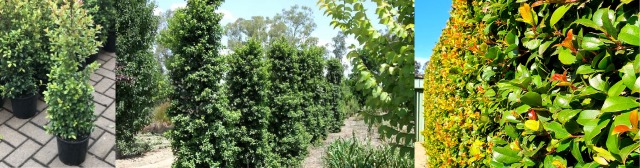
‘Straight and Narrow’ grows just as the same suggests – straight and narrow! Another low maintenance hedge that you barely have to trim to keep it looking fabulous. Lilly Pilly are a beautiful, dense foliage plant that are suitable not only for native gardens but for formal and Hampton style gardens as well.


7. Banksia ‘Birthday Candles’

Not only is this Banksia a beautiful feature and cut flower specimen but it can also double as a groundcover. ‘Birthday Candles’ looks wonderful planted over a retaining wall and amongst large rocks. The large flowers attract birds and have a long blooming period.


8. Corymbia ‘Baby Citro’

Just like the larger Lemon Scented Gum, the Baby Citro has deliciously lemon scented foliage and smooth white bark. Unlike the larger version, this tree is suitable for small backyards as it only grow 5-6m tall. A perfect feature or shade tree for the native garden!


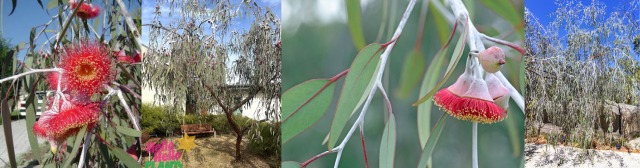
9. Eucalyptus ‘Silver Princess’

A popular feature tree for the small native garden is the Eucalyptus ‘Silver Princess’. It’s long, white weeping branches, large drooping leaves and fluffy red flowers make it a very eye-catching centre-piece!


10. Myoporum ‘Fine Leaf’

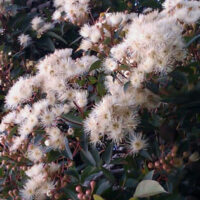
As groundcovers come you can’t get one any hardier than Myoporum ‘Fine Leaf’. This little toughie grows very low and close to the ground, often smothering out weeds. Myoporum is used to strengthen soil on slopes and grown over retaining walls. It has tiny, white star shaped flowers.

Top 10 Low Maintenance Plants

It’s hard to keep the gardening looking wonderful All. The. Time.
We all watch those garden shows and dream of having such an inviting garden to hang out in and entertain our guests in, showing off our plant prowess. Then we look out the window at the tangled mess that is our yard with sad shrubs, hedges that have blown out into trees and a lawn that’s trying to scale the fence. Sigh!

It all looks too damn hard!

No wonder our biggest request during Chris’ one-on-one Free Garden Designs is a Low Maintenance Garden. How can I achieve that delectable garden and maintain my busy life?

Professional advice to create a low maintenance garden

[one_half]

For expert advice on a low maintenance garden, try our Garden Design Service.

[/one_half]

[one_half_last]

Solution number one: Get someone else to work it out for you! Chris designs hundreds of these types of gardens a month, working with your colour palette, climate, styles and budget to get you the garden you need. To create a low maintenance garden, plants that need minimal care and trimming or pruning are used, as well as plants that are quire tough and can tolerate a wide range of conditions. The right mix of all these factors is used to come up with a custom design for your individual project.

[/one_half_last]

Find out more about our free Garden Design Service.


Top 10 Low Maintenance Plants

Solution number two: Choose from our list below of choice plants for the low maintenance garden and create your own!

  1. Pittosporum ‘Golf Ball’ PBR
  2. Polygala ‘Little Bibi®’
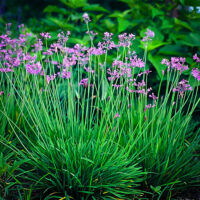
  3. Tulbaghia ‘Society Garlic’
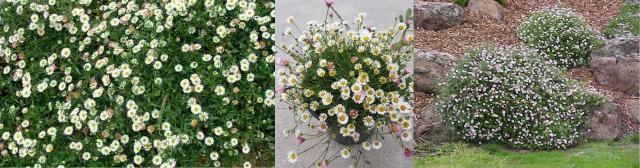
  4. Erigeron ‘Seaside Daisy’
  5. Glauca ‘Pencil Pine’
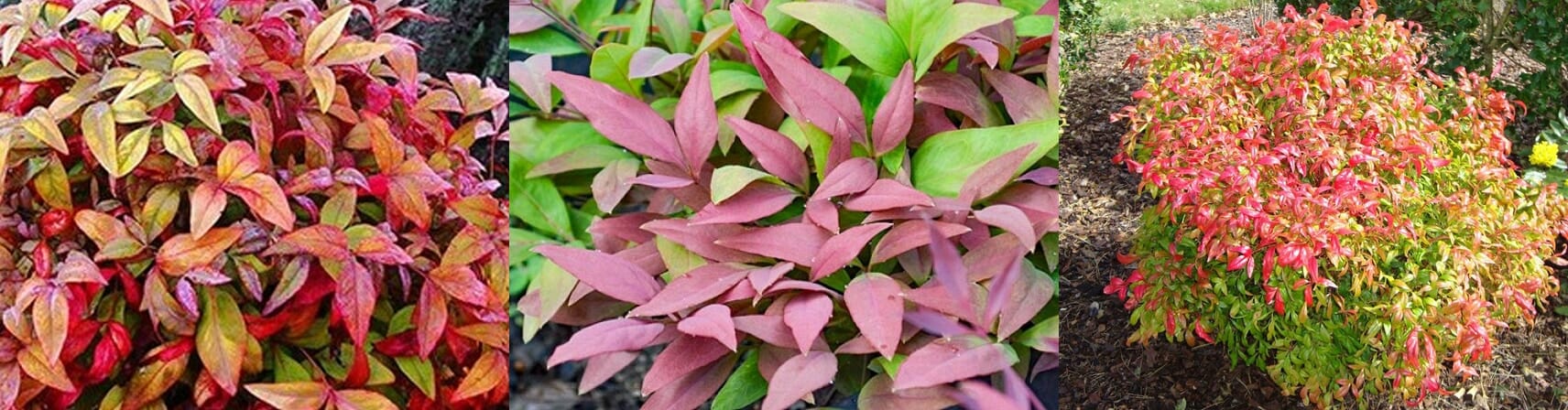
  6. Nandina
  7. Hebe
  8. Magnolia ‘Little Gem’
  9. Lomandra ‘Little Lime’
  10. Agave

There are so many beautiful low maintenance plants to choose from that we list had to list a few honourable mentions.


Low Maintenance gardening advice

[two_third]

In a recent Facebook Live video, Chris discussed all things low maintenance in the garden. As well as answering questions from the audience, he showed off some examples of very useful low maintenance plants. Chris also gave extra advice about creating an easy to maintain garden from the beginning that really saves work and pays off in the long run.

The low maintenance plant options for Melbourne gardens showcased in this video include:

Follow us on Facebook to get some great plant & garden inspiration in your feed, and to be notified about upcoming lives.

[/two_third]

[one_third_last]

[/one_third_last]


1. Pittosporum ‘Golf Ball’ PBR

If you’re after self shaping shrubs, this little beauty is right up your alley. The Golf Ball forms into the shape of, you guessed it, a golf ball! Or any ball really. No trimming required Plus it thrives in most soils and climates.

Back to list: Top 10 Low Maintenance Plants


2. Polygala ‘Little Bibi®’

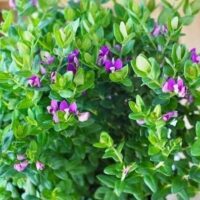
Hello Hello Plants Nursery Campbellfield Melbourne Victoria Australia Polygala banner

Another self shaper, Polygala ‘Little Bibi®’ forms beautiful soft green balls when mature and flowers rich purple pea-like flowers throughout most of the year. Suited for most soil types and climates, ‘Little Bibi®’ works as a feature, low hedge or border.

Back to list: Top 10 Low Maintenance Plants


3. Tulbaghia ‘Society Garlic’

Perfect for borders and edging, pots and containers or mass planted, ‘Society Garlic’ is a low growing strappy foliage plant with a tall purple flower spike. It’ll grow in almost all situations and climates, an easy care plant!

Back to list: Top 10 Low Maintenance Plants


4. Erigeron ‘Seaside Daisy’

Hello Hello Plants Nursery Campbellfield Melbourne Victoria Australia Erigeron Seaside Daisy Daisyspray

Seaside Daisy are very popular in Cottage gardens, used for borders, pots & containers and as a garden bed filler. In warmer climates these cute, low maintenance perennials tend to flower for the whole year, particularly if they dead-headed.

Back to list: Top 10 Low Maintenance Plants


5. Glauca ‘Pencil Pine’

For tall, narrow screening look no further than the most popular narrow screening plant – the Glauca ‘Pencil Pine’! Growing to a maximum of 1m wide, it is no wonder this is one of the most sought after low maintenance screening plants.

Back to list: Top 10 Low Maintenance Plants


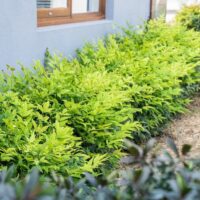
6. Nandina

The Nandina comes in a variety of styles with the majority having one thing in common – they are incredibly low maintenance! Used abundantly in public landscapes due to their hardy nature, year round interest and zero maintenance, Nandina’s are always a popular choice in any garden.

Back to list: Top 10 Low Maintenance Plants


7. Hebe

Hebe’s come in a wide variety of shapes, colours and sizes, including many self shaping styles that are very easy to care for. These varieties can be kept in pots, planted as borders and edging or as a feature and best of all they need very little attention from you!

Back to list: Top 10 Low Maintenance Plants


8. Magnolia ‘Little Gem’

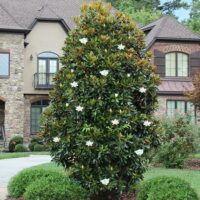
We often get asked for a feature tree that requires very little care and customers are never disappointed with the answer. The ‘Little Gem’ Magnolia is a versatile and hardy little tree, growing to a maximum height of 6m, although it can be kept at 2-3m tall. It is used as a feature, shade or even a screening hedge! Plus its gorgeous, heavenly scented white flowers will not disappoint!

Back to list: Top 10 Low Maintenance Plants


9. Lomandra ‘Little Lime’

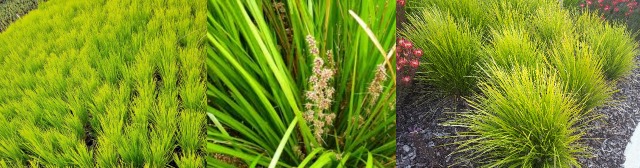
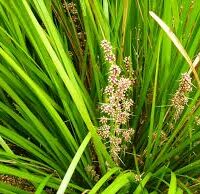
Soft, fine foliage and best of all it doesn’t grow too large! ‘Little Lime’ Lomandra is amongst many small ornamental grasses that are incredibly hardy and are, best of all, low maintenance!

Back to list: Top 10 Low Maintenance Plants


10. Agave

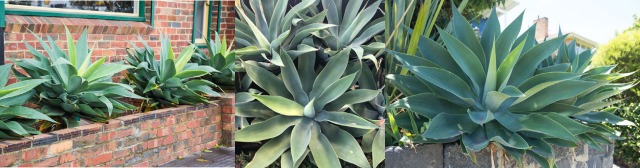
It wouldn’t be a low maintenance garden without the trusty succulent, but not just any succulent. The magnificent, bold Agave with broad blue-green leaves in a gorgeous rosette giving the appearance of a large flower. They grow in almost any clime (except the very, very cold) and require no pruning.

Back to list: Top 10 Low Maintenance Plants

More Low Maintenance Plants for Melbourne & Victoria

We have an entire category in our online store for plants to create a low maintenance garden that you can buy online. If you want to see even more options, head over and check it out: Garden Styles > Low Maintenance.

Hello Hello plants May gardening melbourne Victoria Australia

May in the Garden 2023!

Let the cold weather begin! May brings the first frosts, cold nights and a blaze of Autumn colour and leaf fall from our deciduous trees and shrubs. There are lots of trees still bearing beautiful autumn foliage such as the Crimson Sentry Maples, London Plane trees and Golden Elms but by the end of the month, most deciduous trees will be completely bare and in their stark, sculptural winter form.

However, it’s not all grim for May as there are some beautiful flowers blooming and a lot of delicious fruit to harvest. Get some gardening gloves ready, as there are quite a lot of things to get done during this time, in preparation for the months to come.

Check out our articles about the Top 10 Autumn Trees, Top 10 Autumn shrubs and Top 10 places to visit in Victoria this Autumn.

Avenue of Honour, Macedon.

Mother’s Day! Sunday, 14th May!

With Mother’s Day right around the corner, come to the nursery and get some lovely plants to treat your mum and grandmother. We have a big range of indoor plants to brighten up the kitchen or living room, some fragrant flowers, flowering trees and so much more at very low prices! Or you can also get a gift voucher, which might be more convenient. These can be mailed by post or emailed and can be redeemed in-store or even online.

Top picks for mum!

Forget the boring common bunches of flowers that everybody buys, and get something that will undoubtedly make mum happy for years to come! Here is a selection of the best fragrant and beautiful flowering plants that keep on giving!

Make sure to check out our article about the Top 10 plants for Mothers coming soon!

What is flowering right now?

There are some beauties just about to flower, such as camellias, begonias, salvias, Dianthus and some delightfully scented daphnes.

Cottage Flowers. Add some popping colour to your garden and attract and feed the pollinators.

Camellias. Queens of the winter flowers, Camellias are attractive evergreen shrubs that are highly prized for the beauty of their exquisite blooms, their splendid evergreen foliage and their compact shapely habit.


May in the Garden

Frosts & Frost Coverings

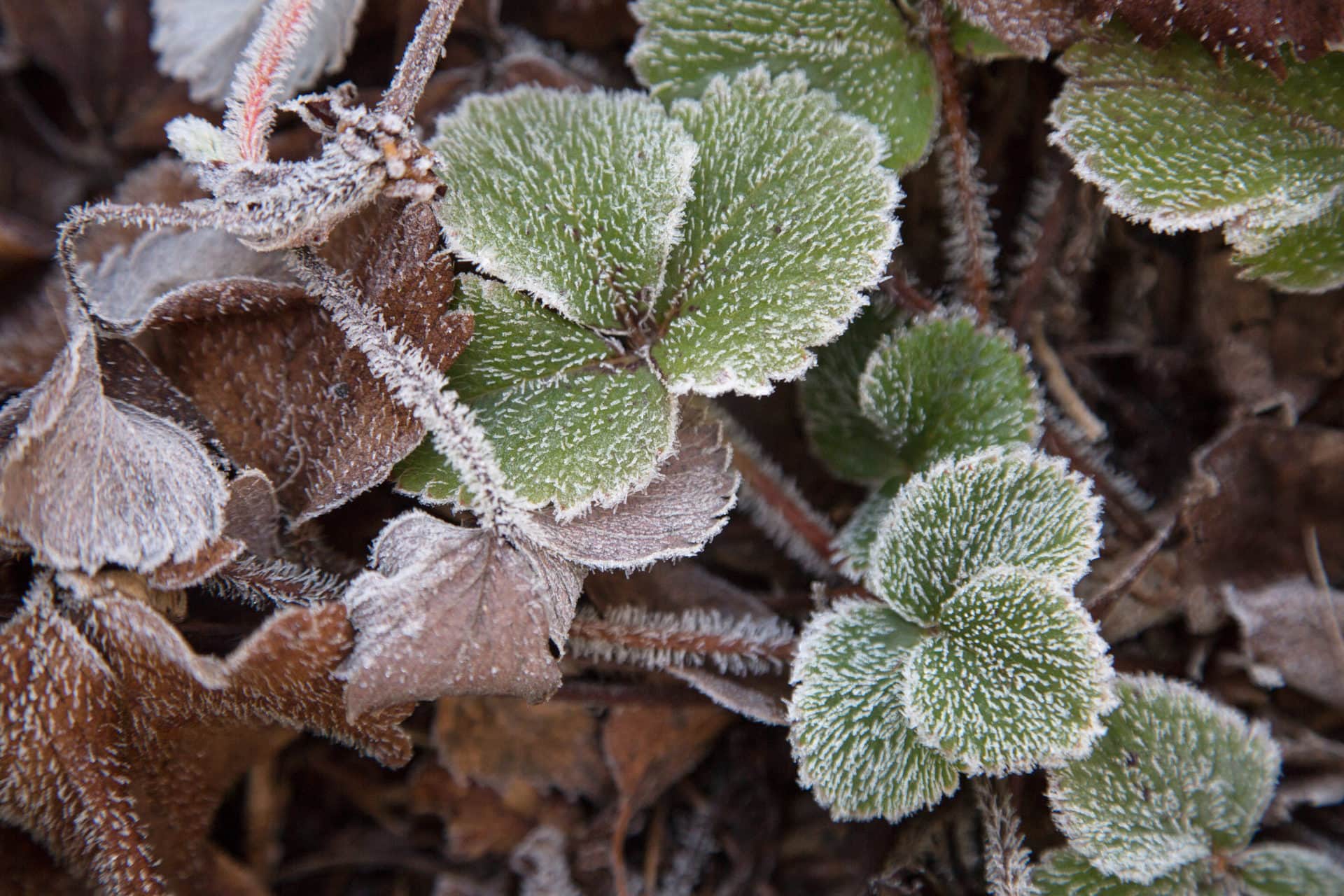
Hello Hello Plants Melbourne Victoria Australia frost on strawberry leaves close up by #arteliz
Frost on Strawberry Leaves

On still, cold nights, frost forms on our lawns, windscreens and makes our early morning starts even more difficult, particularly getting out of bed!

In May, frost really only forms in regional areas and the very outer suburbs of Melbourne, where it gets cold enough to form ice. Conditions have to be still with no clouds, and temperatures that drop below freezing.

Cold air is heavier than warm, so frost stays low to the ground and often rolls downhill, pooling in low points or gullies. Hedges and fences can catch rolling frost down a slope, which can cause a rather frosty spot.

How does frost form?

Frost forms from water vapour in the air, coming in contact with an object that is below freezing temperature.

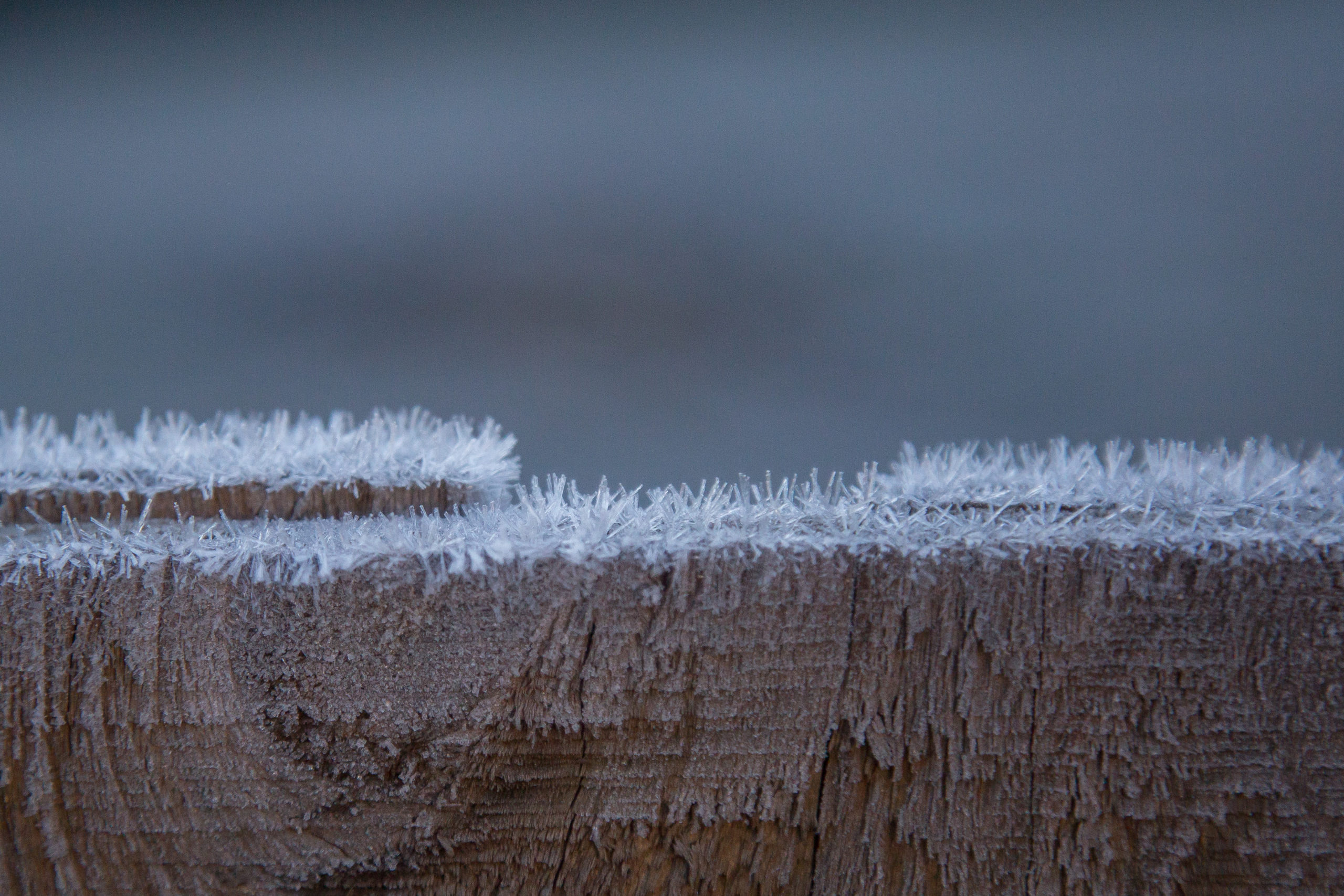
Hello Hello Plants Melbourne Victoria Australia Close up of Frost forming on a fence in Trentham by #arteliz
Frost on a fence in Trentham

So basically, when the moisture in the air touches a freezing cold windscreen, the moisture sticks to the windscreen and turns to ice!

When it comes to our plants, they expel energy continuously throughout the day and the night. Energy is warmth! During the day, their expelled energy is replaced by radiant heat from the sun, but at night time they become cooler as their warmth is not continually replaced. When the plant cools enough to get to freezing temperatures, frost can then form on its leaves.

Hello Hello Plants Melbourne Victoria Australia Frosty autumn leaves in Trentham close up by #arteliz
Frosty autumn leaves in Trentham

You may notice under large trees there is little to no frost. Large trees shelter the plants and grass underneath. Their canopy radiates energy downward from the underside of their leaves, as these “breathe out”. This expulsion of energy keeps the area under the tree warmer for longer during the night. This is why planting your more frost-sensitive plants under trees and shelter can help protect them from frost.

Hello Hello Plants Melbourne Victoria Australia Frost on grass in the shade, the sun melting the other side by #arteliz
Sun melting the frost, and the shade sheltering it

Some plants can handle frost better than others. The moisture inside of the plant’s cells freezes and like all frozen water expands it can cause stress on the cells and therefore damage the plant. When the ice is quickly thawed by the morning sun, it causes the most damage to the plant.

If your plants have been damaged by frost, don’t cut off the damaged foliage until the frosts have finished as this dead foliage will actually act as protection for future frosts.

How to tackle frost

  • Cover your frost-sensitive plants with sheets, newspaper or straw, making sure to remove it the following day.
  • Lightly water your plants before sunrise by a sprinkler system (or by hand if you’re really keen!) This can prevent frost from forming. You can lightly water frost affected plants, which gently thaws the ice, reducing the damage from the frost.
  • Use plastic sleeves and stakes to protect plants in open areas

Weeding

Arctotheca calendula Capeweed in flower

Weeds run rampant this time of year. You may have seen more and more popping up in the garden such as Bindii, Capeweed and the culinary Mustard weed.

Due to the increase in moisture from the autumn rains, the soil is loose, making weeds easier to pull out. As some of these weeds are just starting to appear it is always good to get them out while they’re young and their roots haven’t taken hold. If your weeds don’t have seeds on them, chuck them into your compost for added nitrogen!

Free plant nutrition in your autumn leaves! 

Most of the leaves have fallen off the trees so we now have an abundance of free plant food!

Every year, hundreds of Victorians begrudgingly get out their rakes and green bins and begin to rake up those fallen leaves to toss out. But little do they know they are throwing away valuable material. Almost everything in the garden is recyclable and leaves are certainly no exception.

Hello Hello Plants Melbourne Victoria Australia Wet autumn leaves in the Dandenong Ranges close up by #arteliz
Wet autumn leaves in the Dandenong Ranges

Leaves naturally fall around trees, creating a soft, decomposing bed around the base of the tree, keeping the soil protected and warm as well as eventually breaking down and improving the soil. Trees are very clever and prepare their own soil!

In smaller gardens, fallen leaves should be removed to allow the lawn to grow (as leaf-littered lawns will die in patches) and prevent them from harbouring snails and slugs, as they love living in this moist environment.

Collect and store your autumn leaves for use throughout the year. It is best to try and compost or decompose your leaves from the beginning as dried leaves are a hot spot for earwigs to nest. These little pests usually help the decomposition process but they can also cause a lot of damage to your lush plants, much like snails and slugs! If you want to store them dry, store them in a sealed container so these pests can’t get in.

You can store your precious collected leaves in a large barrel, garden bin or even a garbage bag. Water them down to keep them moist and promote fungal growth, furthering the decomposition. If they’re stored in a large bin, layer them like you would your compost bin, with high nitrogen plants to replace the nitrogen the leaves have lost. (This would be a great use for all your pulled out weeds!)

Leaves can also be added to your compost if it is smelling bad from too much vegetable matter and this adds phosphate, potassium and other essential elements.

Leaves take 6-12 months to break down and become useful compost/mulch for your garden beds.

Bare Root is coming…

It’s almost time for BARE ROOTED FRUIT TREES and other wonderfully cheap deciduous trees! Winter marks the time for bare roots so it’s best to get your garden beds prepared.

Till your soil, create a loose, well-draining medium and make sure it is free from pests and diseases. Turn in any fallen autumn leaves and ready compost you may have so it can rest for the month before planting. Give the bed good watering to keep all your microorganisms happy and healthy!

More information about Bare Rooted plants & why we love them here.

Evergreen Fruits

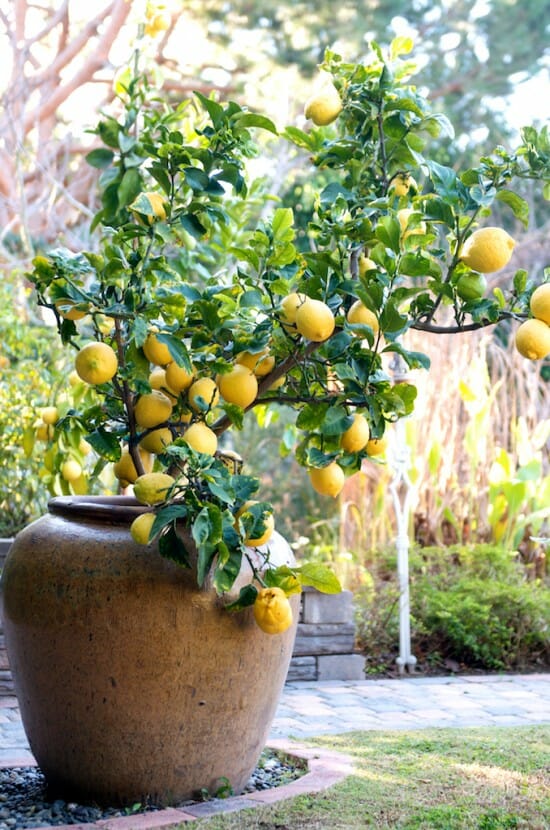
Citrus Limon "Dwarf Lemonade" @ Hello Hello PlantsIf you haven’t done so already, get your citrus and evergreen fruit trees in the ground now. That’s all your lemons, limes and oranges as well as guavas like Feijoa, Chilean and Strawberry guava. Dig a hole twice the size of the pot and water the hole. Partly fill your new hole so that you can place the plant’s root ball into it so the top of the root ball is level with the top of the soil. Back-fill with a light, fluffy soil or well-composted soil, nothing too rich. Keep weeds and lawn away from the base of the tree as these plants have shallow roots and don’t want to compete for water and nutrients. Mulch around the base, keeping the mulch away from the trunk. This will keep the weeds away, and the soil warm and moist until the spring. Water once per week or as needed as even winter can be dry! Some fruits that you can harvest right now are persimmons, various citrus fruit, feijoas, raspberries and strawberries.

Citrus plants. We have some nice big mature plants with fruit already on them! These are fantastic varieties that were originally destined for Victorian fruit farms, so you know they were born to produce fruit, plus they are on Sale right now.

Berries. Put in some delicious berries for that homegrown freshness.

Various fruit. Here is a great selection of the most popular and rare dwarf varieties, ideal for small spaces. Some are in limited quantities, so better hurry up.

The Vegetable Patch

Green Manure Crops

Not everyone is keen to be gardening in the cold of winter! You can simply grow some green manure crops and let them do their thing. When you chop and drop them right before Spring, they will decay and improve your soil nutrition and texture!

Late autumn-winter is bean and pea planting season. These wonderful, plentiful veggies are best planted now. They add nitrogen into an otherwise depleted veggie bed and provide an abundance of peas and beans at the same time! Two for one! At the end of the season, your veggie bed will be ready for your spring crop.

For a good green manure crop plant beans such as broad or fava bean, peas, oats, fenugreek, lupins, subterranean clover and woolly pod vetch. You can find them as green manure seed packs, sold by several companies across Australia.

Green manure crops, Chop and Drop

Other things to note…

  • Before planting Autumn and Winter veg, enrich your soil by top dressing with some compost and manure and let it settle for a week. If the soil is too hard from being baked by the summer heat, you can gently turn it over to incorporate some organic matter into it, which will make new crops grow better. If you have hard or clay soil you can also add some soil wetter to make water penetrate more easily and retain moisture.
  • Give new seedlings a good boost with an application of liquid fertiliser after a week and they will reward you later on.

Winter veggies to plant now!

Autumn and winter veggies that should either already be in the ground or need to be planted now are as follows:

-Greens such as silverbeet, leeks, celery, watercress, lettuce, rocket, and spring onion.
-Herbs such as  parsley, thyme, oregano, coriander etc
-Asian greens such as Pak Choi, Kailan, Choi Sum
-Brassicas such as broccoli, cauliflower, cabbage, and Brussel sprouts.
-Root veggies such as beetroot, turnip, radish, parsnip, onions, carrots and garlic.
-Legumes such as sugar snap/Snow peas and broad beans.

Check out our available range of vegetables and herbs.

Fertilizing

Due to the frequent rain in Autumn, nutrients leach away from the soil. Nitrogen or Nitrates are the most common essential nutrients that leach away, along with other highly soluble minerals such as calcium. You may tend to notice discolouration or yellowing leaves on your plants.

Use slow-release fertilizers or seaweed solutions instead of traditional instant “NPK” ones. These take time to break down and give a steady supply of nutrients for a few months. Choosing the right fertilizer for the right plant is important as these contain trace elements that the specific plants require which are often scarce in normal soil.
Gardenias, Camelias and Azaleas can use some fertiliser right now as they are about to bloom!

Click here for a full list of fertilizers.

Click here to view a chart of various possible deficiencies in plants. 

Pests and Disease

Humid and cool conditions can cause a proliferation of pests and diseases in the garden. Identify them early, treat them, and keep your plants healthy all through Autumn and Winter.

Cabbage Butterflies and Moths are the most common at the end of Autumn. White Cabbage butterflies lay their eggs on our Brassicas, such as broccoli and cauliflower. Little green caterpillars hatch from these eggs and then get to work chewing holes through the plants. There are several ways to control them:

-Netting- You can protect your young crop by covering them with netting that would prevent the butterflies from reaching them.

-Companion plants-
Plant some strong-smelling herbs such as lavender, sage, and rosemary that seem to discourage cabbage moths from settling and laying eggs. Try planting them around the edges of your patch to form an odour barrier. You can also plant decoy plants such as nasturtiums, dill, and mustard, which will draw egg layers away from your main crops.

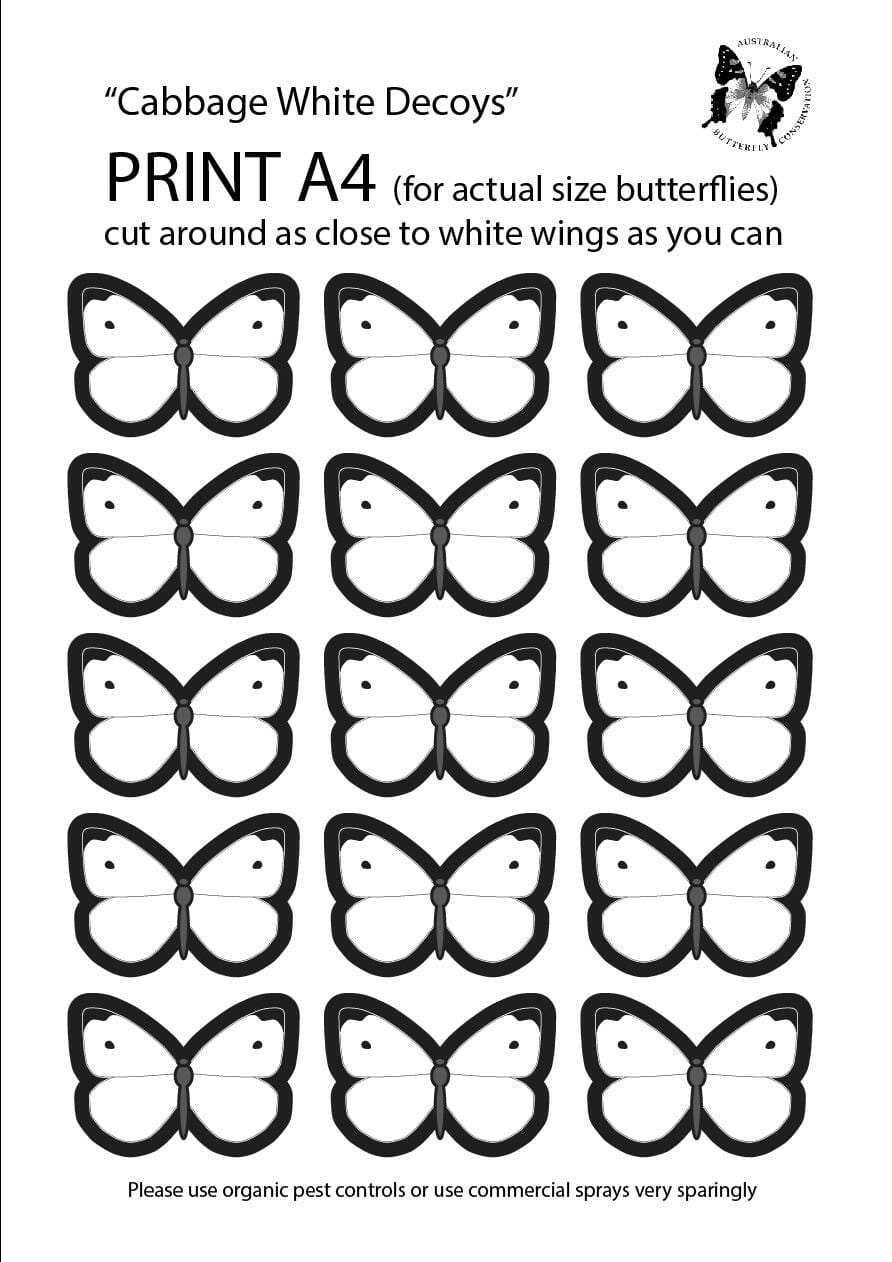
Using decoy ‘Scarecrows‘- Cabbage moths are highly territorial and will avoid laying eggs where there’s already competition for food. Use little decoys around brassicas to send them somewhere else. Here is a great little printable template that you can use. Click Here to see the template. This template was created by the Australian Butterfly Conservation.

– Dipel – An organic biological insecticide based on Bacillus thuringiensis var. kurstaki, which is an insecticide derived from beneficial bacteria found in soil, on plant surfaces and also in insects. It specifically targets caterpillars and is safe for beneficial insects such as ladybirds and bees.

Blackspot and Rust commonly affect Rose plants. If you notice any of those on your roses, you can cut them back lightly, remove the diseased leaves, spray the remaining leaves with some organic copper-based fungicide, and also fertilize them to encourage new growth and blooms.

Powdery mildew is one of the most commonly occurring plant problems at this time of the year. It is a fungal disease that affects plant leaves and stems, coating them in what looks like a white or grey powder-like substance. In severe cases, powdery mildew can even spread to the buds, flowers, and fruits of plants. A simple remedy is a good spray of the following mix: 1 tablespoon baking soda with 1 tablespoon vegetable oil and 1 teaspoon dish soap in 1 gallon of water. Another option is a mix of 1 part milk with 10 parts of water. If this natural remedy fails to get rid of it, you can look into Sulphur based fungicides.

Root rot and Wet Feet are the most damaging ailments our houseplants can suffer from, and one of the most common. An infection can destroy a plant literally from the ground up. It spreads quickly, and without prompt action, it’s soon too late. Roots of plants affected by root rot may turn from firm and white to black/brown and soft. Affected roots may also fall off the plant when touched. The leaves of affected plants may also wilt, become small or discoloured. Affected plants may also look stunted due to poor growth, develop cankers or ooze sap. Once root rot is identified, you must determine if the plant can be saved. If the entire root system has already become mushy, it is too late to save the plant. However, if some healthy, white, firm roots exist, try to bring the plant back to good health by replanting in fresh soil with good drainage.Click here to read more about wetfeet.


Here are our best sellers that are heavily discounted!


That’s all for this month! Thanks for reading our Gardening in May Article. 🙂

See you in-store here at 1477 Sydney Road, Campbellfield!

Gardening in Autumn, May in the Garden. Melbourne, Victoria, Australia.

Why do leaves change colour in autumn and fall off?

Autumn is a spectacular time of the year. Trees across Melbourne turn fluorescent yellows, oranges and reds, giving us one last big splash of colour before the cold starkness of winter rolls in. However, this show isn’t put on for our visual pleasure but has a very specific purpose.


Why do some trees lose their leaves and others don’t?

There are two types of tree – evergreen and deciduous.

  • Evergreen trees are just as the name suggests, they keep their leaves all year.
  • Deciduous trees on the other hand deliberately lose their leaves in autumn and remain bare through the colder, darker months until the temperatures warm up again.

During the colder months it is harder for plants to photosynthesize (create food from sunlight) due to the reduction in sunlight hours. Leaves catch the wind of storms and help hold heavy snow, creating strain on branches and potential damage. If the tree loses these leaves, the wind can blow through branches with ease and snow has far less surface area to land. Plus the tree isn’t straining to produce food. Instead it reserves its energy throughout the winter and waits for the warmer months where it goes all out in nutrient production.

Deciduous trees tend to grow slower, potentially due to this process, but in turn produce denser, harder woods. Evergreen trees are generally softer woods (with the exception of Australian native trees) and grow quite quickly.

Leaves fall after the tree has finished breaking down the chlorophyll and reabsorbing all the nutrients, which it then stores in its roots over winter. The other pre-existing pigments start to become more prevalent in the leaves, thus the beautiful autumnal colours start to come out! The tree then discards the leaves as they are no longer needed.


Why do leaves change colour?

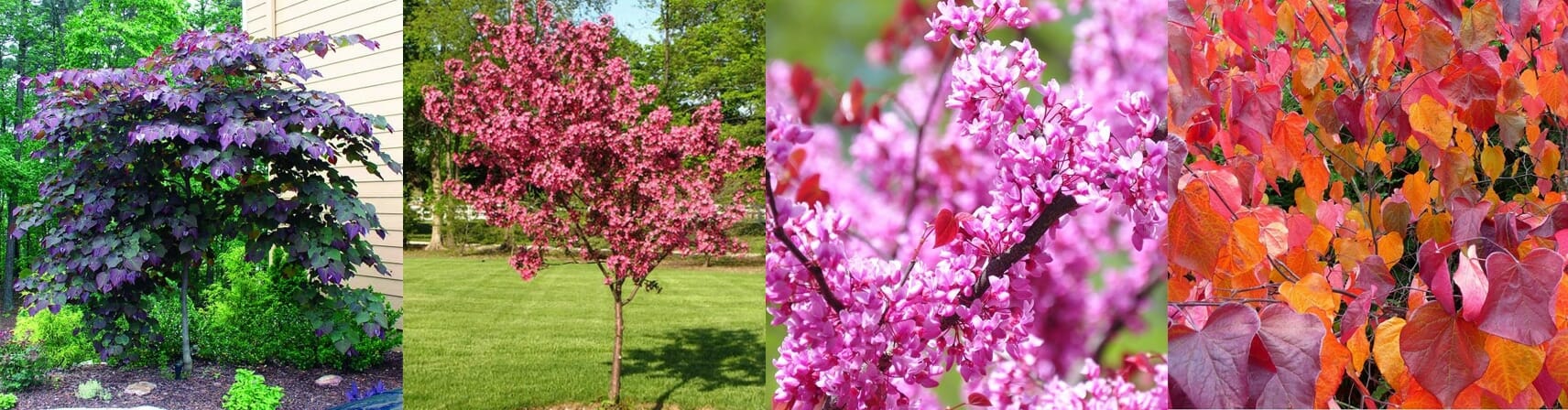
Hello Hello Plants Nursery Campbellfield Melbourne Victoria Australia Cercis leaves in autumnThe colour of leaves come from pigments created by leaf cells, which aid them in creating food. Leaves change colour due to the breakdown of the most dominant pigment, chlorophyll, leaving the others to take over the show.


There are four pigments that affect the colour of leaves.


Green Foliage – Chlorophyll


Sweet Viburnum

Seen throughout the warmer months and kept in the leaves of evergreen trees, this pigment assists in photosynthesis (the process of turning sunlight into food).


Orange Autumn Foliage – Carotene


crepe myrtle autumn coloursCarotene brings a beautifully vibrant orange to plants such as Crepe Myrtles, Sugar Maples and Smoke Bush. It sounds like ‘carrot’ because it is also responsible for giving carrots their orange colour!


Yellow Autumn Foliage – Xanthophyll


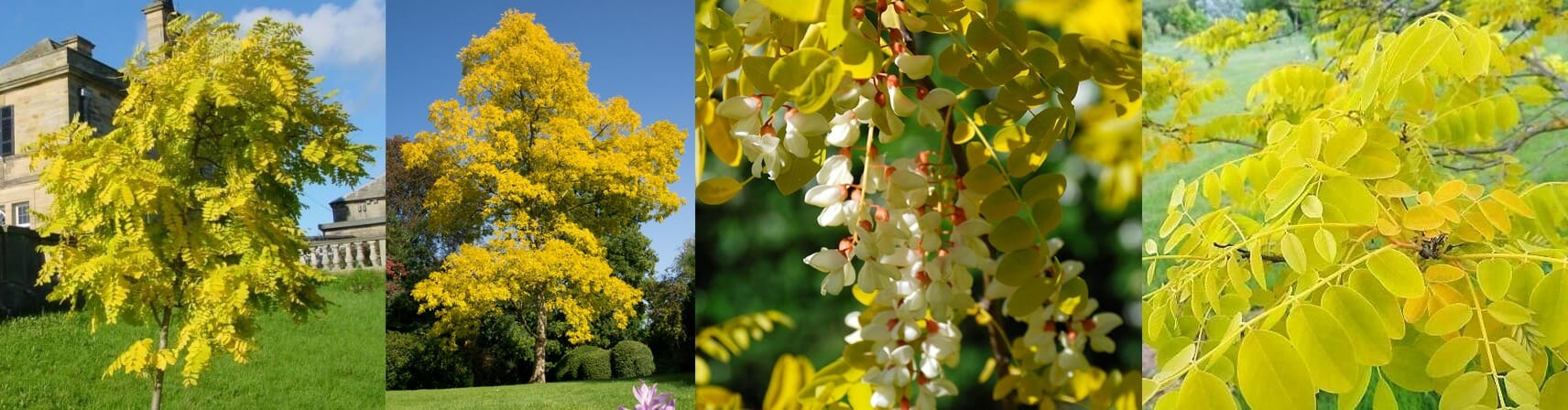
Robinia ‘Frisia’ Golden Robinia

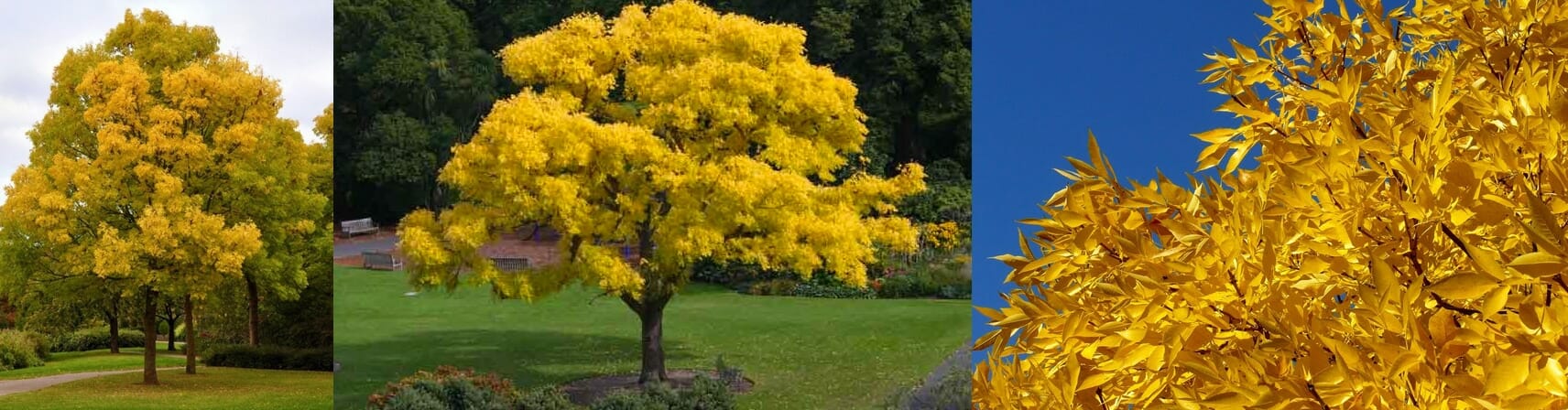
Xanthophyll is responsible for the fluorsecent yellows we see in Ashes, Birches and some Maples. It is another pigment found in foods such as corn and squash, giving them their yellow colour.


Red Autumn Foliage – Anthocyanin


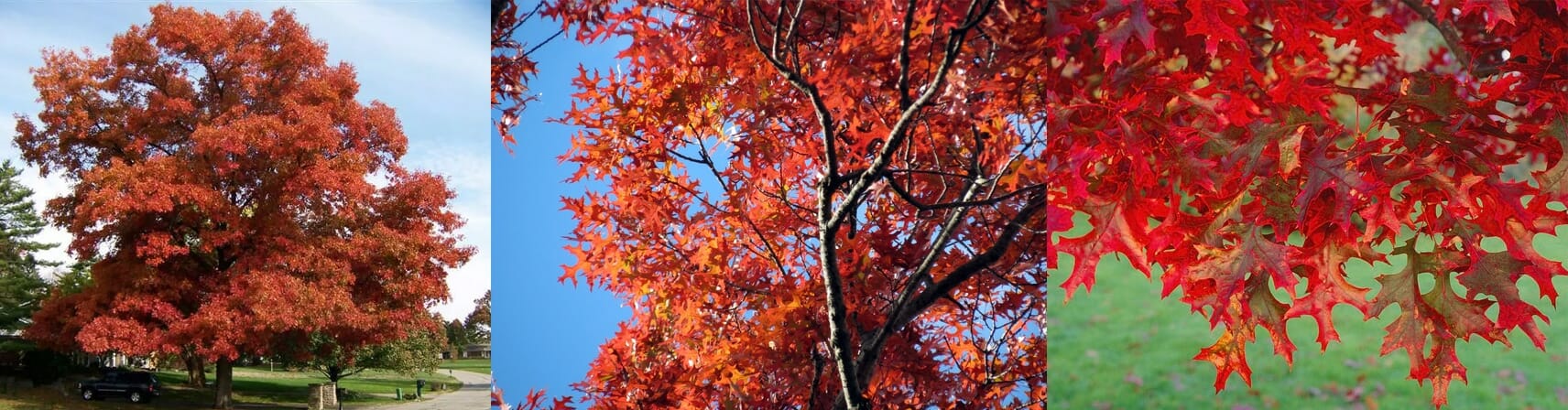
Scarlet Oak - Quercus coccinea 

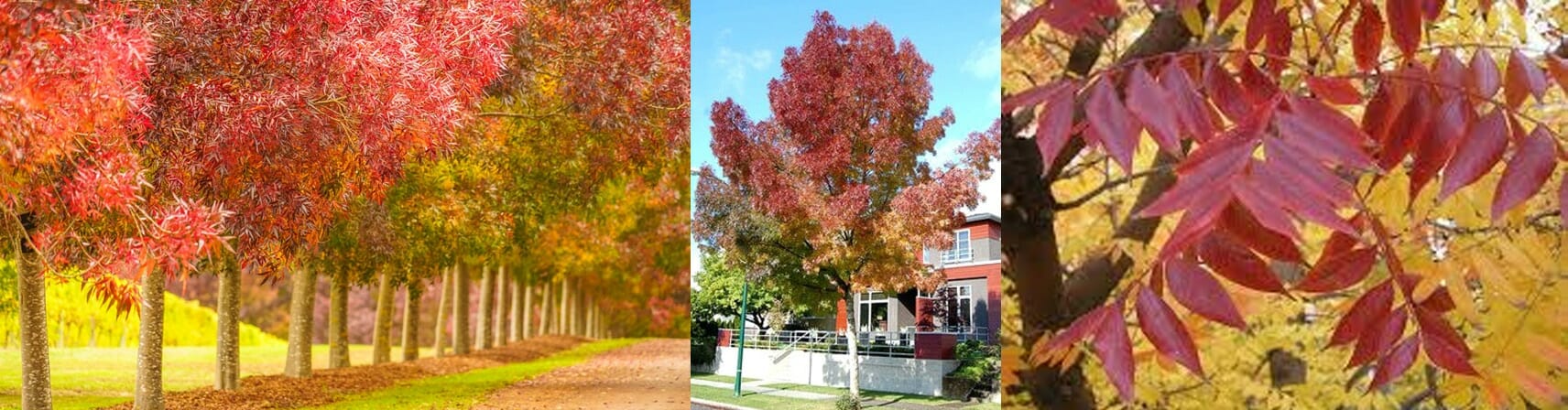
Seen in many Oaks and Maples, Anthocyanin gives us that fiery red and rich claret foliage we love so much. Unlike the others, this pigment is created as the chlorophyll is broken down.


For more on autumnal foliage and feature plants, check out our top picks for the autumn garden!

Top 10 Autumn trees Melbourne Victoria Australia

Sedum ‘Autumn Joy’ – dying or dormancy?

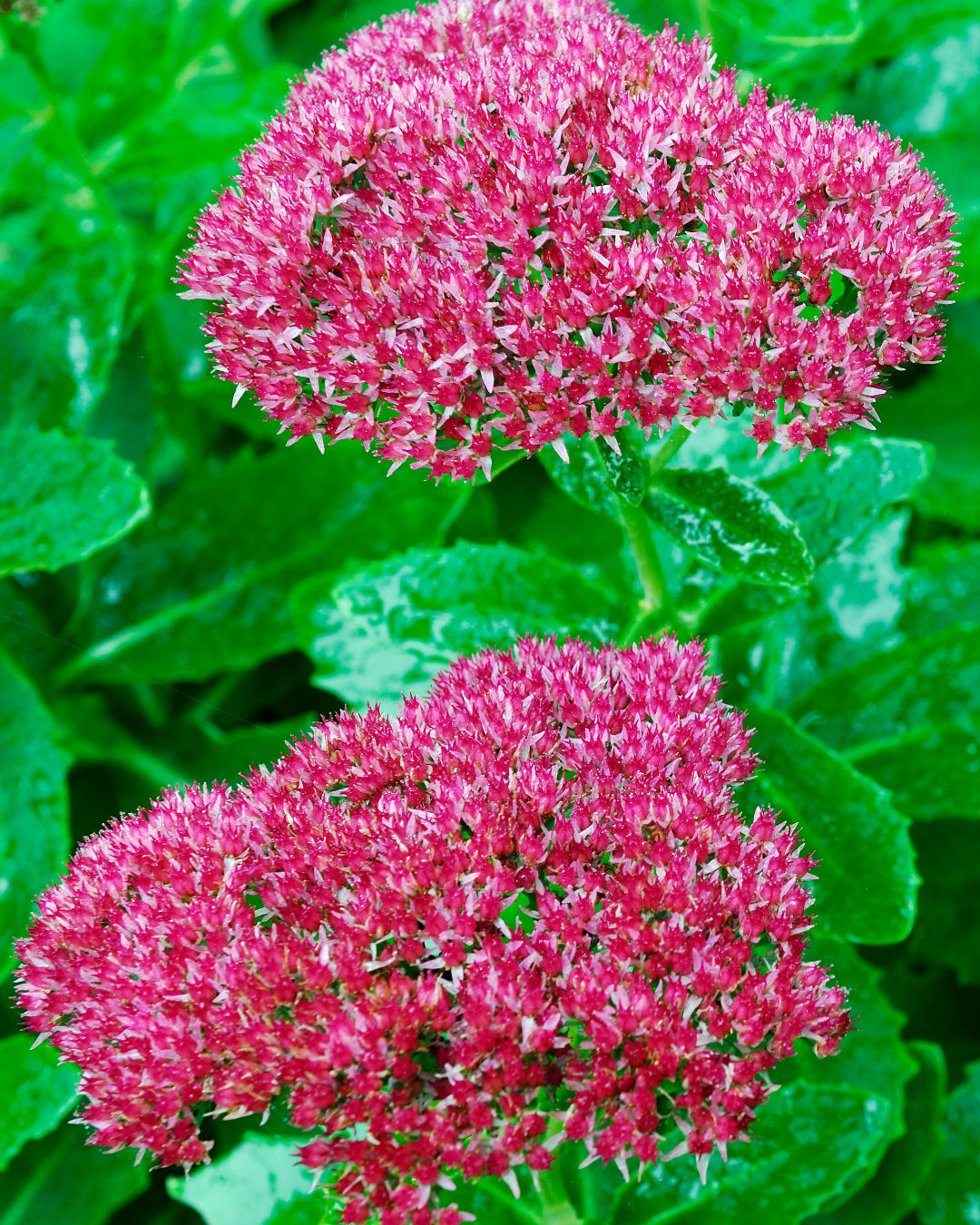
These Cottage classics are a toughy (like most succulents are) and will grow in most conditions bar super soggy soils. Their soft pink petals deepen to rich reddish-purple as the season progresses, prolifically blooming throughout the warmer months, attracting and pleasing bees and butterflies. Plus they grow to the perfect height of 60cm! Maintenance is minimal.

However, every autumn we receive many a phone call and email from worried customers asking ‘What’s happening to my Sedum ‘Autumn Joy’?’ Those who order this little beauty during late autumn are also met with surprise when what is in the pot is either a yellowing stemmed succulent or a pot with little, dead stumps.


First things first – it’s not dead! It’s going dormant!


Hello Hello Plants Nursery Campbellfield Melbourne Victoria Australia Sedum autumn joy flowersThe cold can make many succulents suffer, some wither or dissolve, turning into a gross sludge. These succulents obviously don’t tolerate the cold. Crassula, Aloe and Echeveria are such succulents who will wither and die if the cold even looks at them the wrong way. Others, such as the Sempervivums, Delosperma and Sedums tough it out by either reducing their surface area that would be hit by frost or cold by dying off on top or by just copping it on the leaves!


In the case of the ‘Autumn Joy’ it will reduce in size, its foliage and flowers dying off and turning yellow. At first glance it looks like a case of over watering but when you look closer to the base of the plant, teeny tiny rosettes of new growth are forming in the warm soil. These little buds will burst forth when the temperatures warm up again in spring.

At this time of year gardeners across the state are busy dead-heading and pruning back the dead and dying foliage of cottage plants that are going dormant for winter and ‘Autumn Joys’ are one such plant that receives a hard haircut. If you want to neaten up your Sedum ‘Autumn Joy’, just give it a prune, removing all stems down at the base of the plant (see photos below).


If you’re worried about your Sedum ‘Autumn Joy’ and are unsure if it is over watering or just plain cold, give us a call on (03) 9359 3331 and one of our trained horticultural staff will be able to assist you.


Top 10 Plants for Under Gum Trees

Being Australia we all have or have had a lovely towering Eucalyptus tree in our garden and have found almost nothing grows under it. Countless times we’re told nothing will grow there causing frustration as we stare at this boring bare patch in the garden. Is the only solution to cut the gum tree down? In a lot of situations this isn’t possible. It might be a home to some beautiful wildlife, a heritage listed tree (yes, we have these too!) or it provides some much needed shade in the summer time.

Well not to worry! The gossip isn’t true, you CAN plant under gum trees! Just like any situation you have to find the right plant for the right spot.

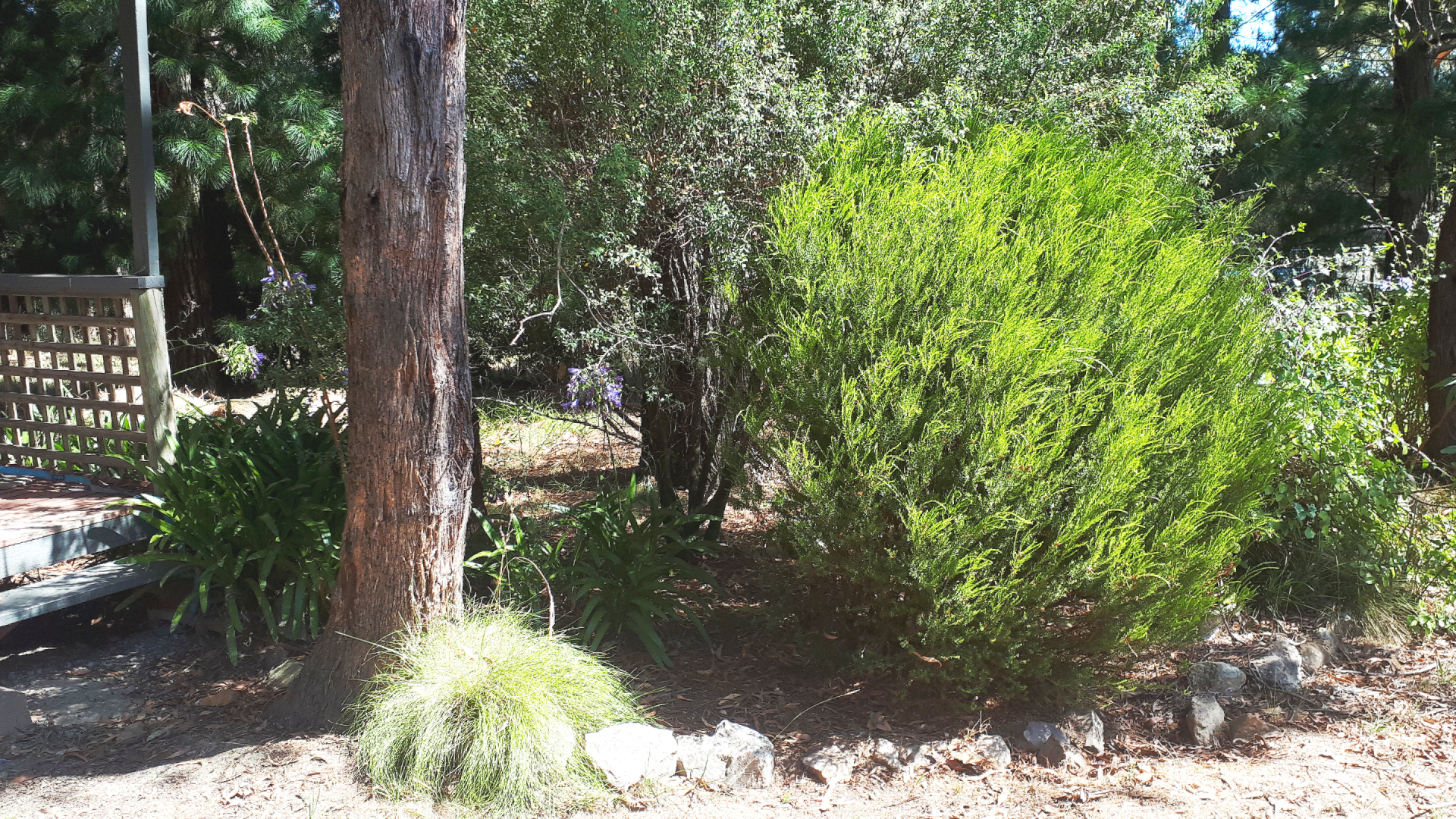
Hello Hello Plants Nursery Campbellfield Melbourne Victoria Australia Nursery Gum Tree Eucalyptus garden

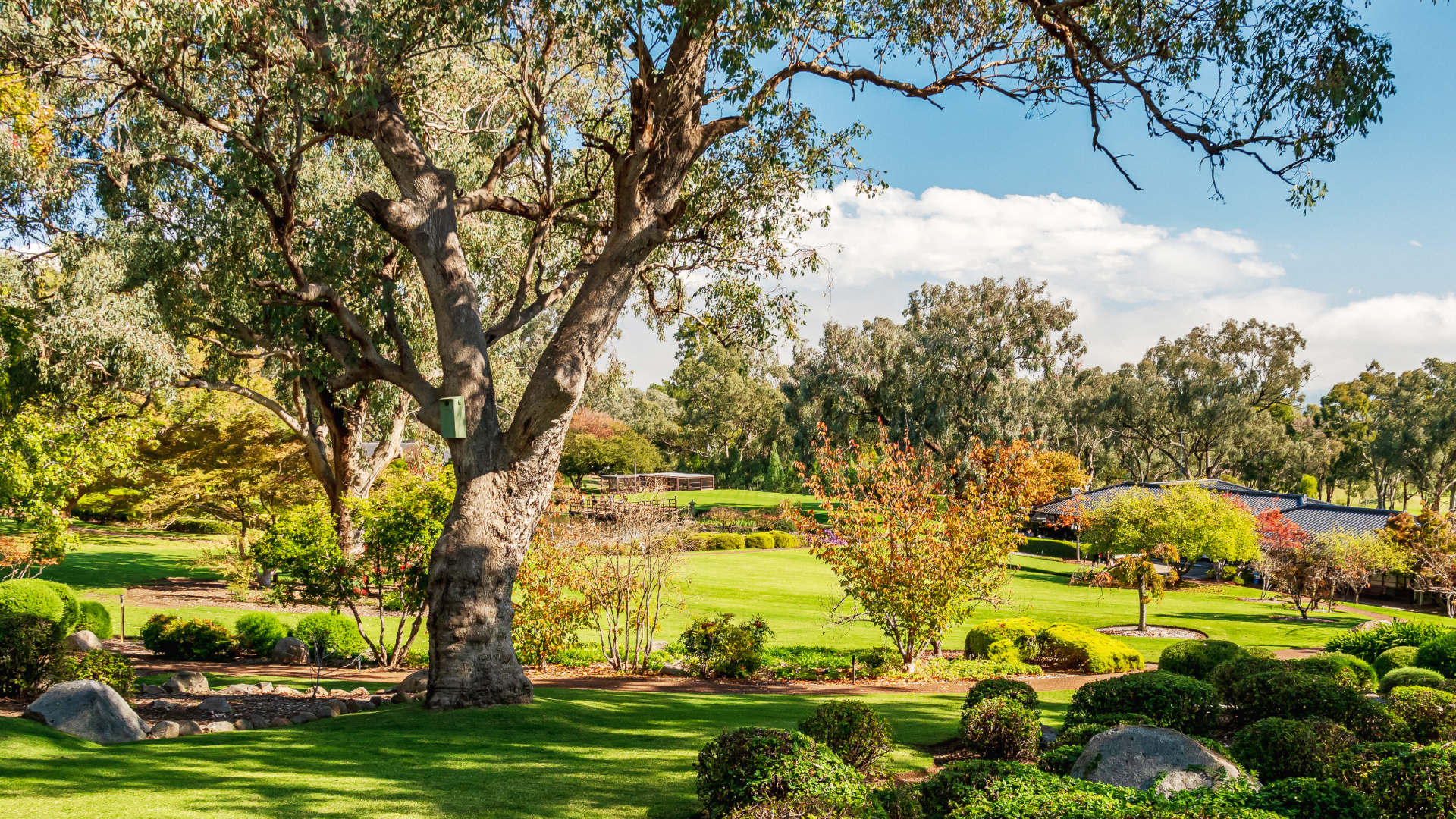
Eucalyptus trees tend to shade out a lot of plants despite their height and branches forming quite high up the trunk. They’re an evergreen meaning they will be providing this shade year around and shed bark and leaves that contain the ever famous Eucalyptus oil. This can suppress the growth of some softer plants but still, once broken down, provides a rich top soil.

The key to planting under gum trees is to pick plants that have a shallow root system and that can survive in a shady position in dry acidic soil. You don’t want them competing with the gum tree because they won’t win!

With these factors in mind we have chosen 10 of our favourite tried and tested plants that are sure to survive under your gum trees.


Top 10 Plants for Under Gum Trees

  1. Geranium
  2. Hebe
  3. Brachyscome
  4. Agapanthus
  5. Ligularia ‘Pandora’
  6. Hardenbergia
  7. Heuchera
  8. Polygala ‘Sweet Pea’
  9. Dianella
  10. Lomandra ‘Tanika’

Hello Hello Plants Nursery Campbellfield Melbourne Victoria Australia Nursery Gum Tree Eucalyptus garden

Honourable mentions…

We had so many beautiful plants to choose from to underplant Eucalyptus trees it made it very difficult to choose only 10! Those listed below can also be grown under gum trees. For best results cultivate the soil with compost and mulch, building it up to a nutrient rich garden bed and water well.


1. Geranium

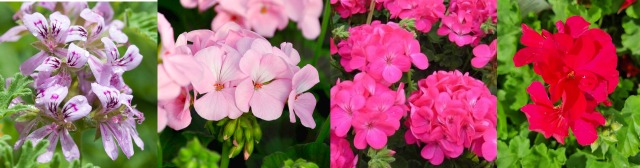
Hello Hello Plants Nursery Campbellfield Melbourne Victoria Australia Geranium banner

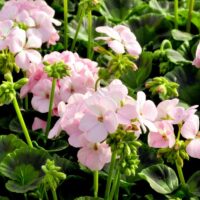
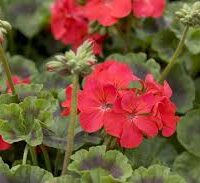
Geraniums and pelargonium are tough little buggers so it’s no wonder that they can handle the incredibly tough growing conditions under gum trees. You may find them spreading out, creating a loose even 80cm-1m tall ground covering and not growing as tightly knitted when planted in full direct sunlight.

2. Hebe

Hello Hello Plants Nursery Campbellfield Melbourne Victoria Australia hebe banner

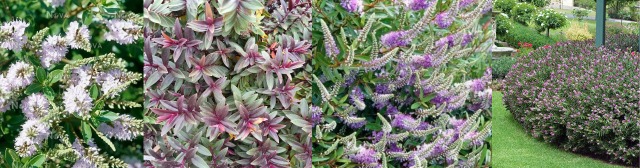
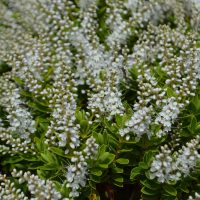
Suitable as a box hedging plant or as a flowering feature, Hebe are incredibly versatile and have very shallow roots despite the mass of foliage on top! Hebe tolerate frost, drought, dry soils and part shade making them an ideal choice for underplanting Eucalyptus trees.

3. Brachyscome

Hello Hello Plants Nursery Campbellfield Melbourne Victoria Australia brachyscome cut leaf daisy banner

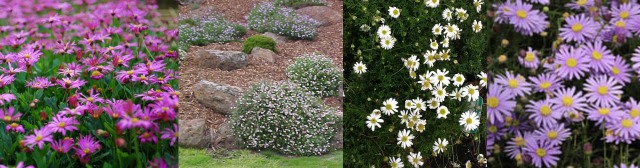
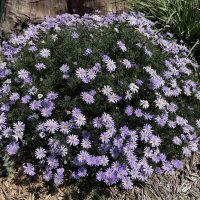
A cute native mounding daisy that are used in rockeries, borders, pots and for mass planting. This highly versatile plant tolerates the harsh Australian conditions and makes the garden around Eucalyptus trees look lush and colourful. Brachyscome come in purple, pink and white.

4. Agapanthus

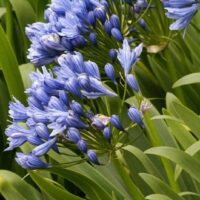
Hello Hello Plants Nursery Campbellfield Melbourne Victoria Australia agapanthus banner

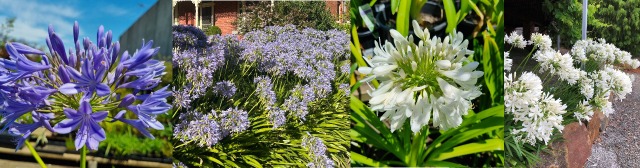
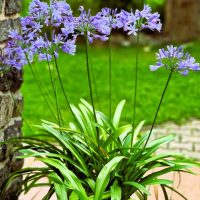
A dense, clumping strappy foliage plant suitable for edging and mass planting. Agapanthus come in a range of sizes and colours and are sure to withstand gum trees having one of the toughest shallow root systems around. Agapanthus will gradually spread out within the garden bed,

5. Ligularia ‘Pandora’

Hello Hello Plants Nursery Campbellfield Melbourne Victoria Australia ligularia pandora banner

Despite other Ligularia such as the luscious Tractor Seat Plant being sensitive to the hot and dry, this variety can tolerate the dry and still look fabulous. Not only does it have broad, deep purple foliage that grows low to the ground but it also blooms vibrant yellow flowers that sit atop the contrasting foliage. Shallow rooted and perfect for under your gum trees.

6. Hardenbergia

Hello Hello Plants Nursery Campbellfield Melbourne Victoria Australia hardenbergia banner

A stunning groundcover and climber, Hardenbergia are a indigenous native to Victoria and much of Australia. It comes in white, pink and purple with robust evergreen leaves. Hardenbergia naturally grows on the forest floor making it an ideal choice for underplanting Eucalyptus.

7. Heuchera

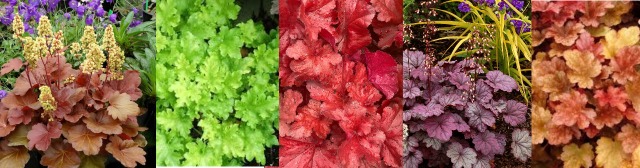
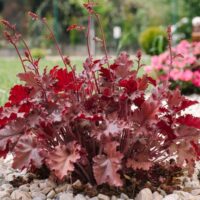
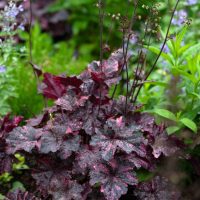
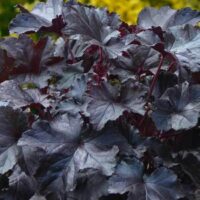
Hello Hello Plants Nursery Campbellfield Melbourne Victoria Australia heuchera banner

Known for its tolerance of dry shady spaces, this colourful low growing shrub does wonders to brighten the area around gum trees. Heuchera come in oranges, reds, purples and greens and prefer a well drained position.

8. Polygala ‘Sweet Pea’

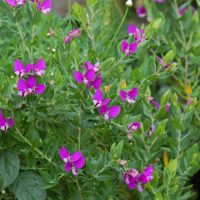
Hello Hello Plants Nursery Campbellfield Melbourne Victoria Australia Polygala banner

This hardy little shrub has cute purple pea-like flowers and tolerates poor soils, drought and frost. What better to plant under a nutrient hog of a gum tree! Polygala can be used as a feature shrub or as an alternate flowering box hedging or topiary plant.

9. Dianella

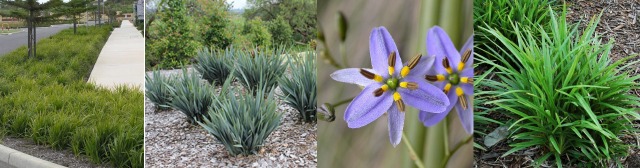
Hello Hello Plants Nursery Campbellfield Melbourne Victoria Australia dianella banner

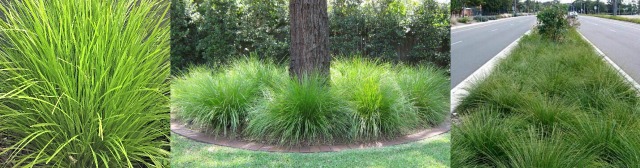
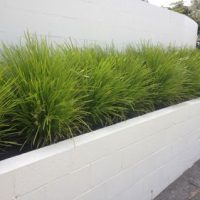
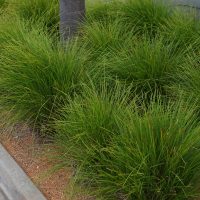
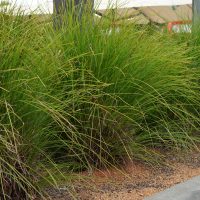
It’s no surprise a native grass will grow perfectly well under a native tree. Native grasses are shallow rooted, very tolerant of poor soils and the heat of the Australian climate. When mass planted they create a soft, textured effect and rarely require trimming or maintenance.

10. Lomandra ‘Tanika’

Hello Hello Plants Nursery Campbellfield Melbourne Victoria Australia lomandra banner

Just like Dianella this hybridized native tolerates all sorts of environmental conditions. Lomandra‘s are quite often used in council plantings as they can be planted and then left to grow. ‘Tanika’ has soft, slender blades of lime green and create a wonderful effect when mass planted line borders. As does Lomandra ‘Little Con’, ‘Little Lime’ and Crackerjack.

Top 10 Plants that Flower All Year

Wanting colour in the garden all year is something every gardener wants. It’s best achieved with a mixture of various flowering perennials and annuals as well as colourful foliage plants, but can it be done with just flowers? Short answer, yes!

Check out our other Top 10 Winter Flowering Plants and Top 10 Autumn Shrubs pages for more colour in your garden!


Why do plants flower?

Plants flower to procreate, their vibrant floral displays attracting insects and mammals to help spread their pollen to other plants in the same family. Generally, this is done at specific times of the year, spring being the most obvious! Both flora and fauna get busy during the spring season when it is just starting to warm up.

But not all plants flower just in spring, or even just once in the year! Depending on your climate and how you manage your plants, you can get some varieties flowering almost the entire year. Below is our 10 best year around flowering plants.

Grevillea ‘Winter Wonder’ next to a weeping standard acacia

Top 10 Plants that Flower All Year

  1. Rose ‘Iceberg’
  2. Grevillea
  3. Bracteantha ‘Everlasting Daisy’
  4. Erigeron ‘Seaside Daisy’
  5. Polygala ‘Sweet Pea’
  6. Viola ‘Native Violet’
  7. Geranium
  8. Anigozanthos ‘Kangaroo Paw’
  9. Penstemon
  10. Alyssum


Rose ‘Iceberg’

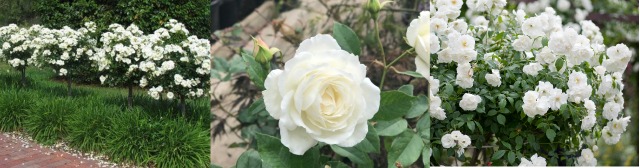
Hello Hello Plants Nursery Campbellfield Melbourne Victoria Australia Iceberg Roses Banner

This particular rose is one of the most prolific flowerers of the rose family and in warmer areas tend to keep their leaves during the winter. To promote longer flowering, dead head spent blooms.


Grevillea

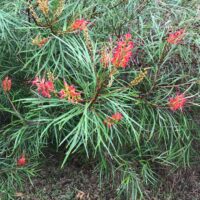
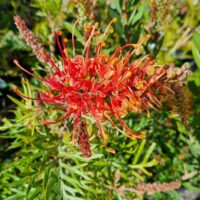
Hello Hello Plants Nursery Campbellfield Melbourne Victoria Australia Grevillea banner

There are many, many varieties of grevillea available on the market, most flowering for at least 2-3 seasons in the year. In particular the ‘Gaudichaudii’ is a gorgeous groundcover grevillea that is sure to flower all year, attracting beautiful native birds to the garden!


Bracteantha ‘Everlasting Daisy’

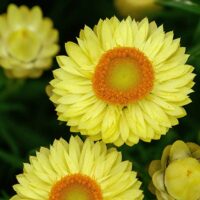
Hello Hello Plants Nursery Campbellfield Melbourne Victoria Australia Bracteantha everlasting daisy banner

A gorgeous little perennial plant with paper-like daisy flowers that form throughout the year, predominantly in spring through to autumn. Everlasting Daisy are also used as cut flowers, lasting years!


Erigeron ‘Seaside Daisy’

Hello Hello Plants Nursery Campbellfield Melbourne Victoria Australia Erigeron Seaside Daisy Daisyspray

Seaside Daisy are very popular in Cottage gardens, used for borders, pots & containers and as a garden bed filler. In warmer climates these cute, low maintenance perennials tend to flower for the whole year, particularly if they dead-headed.


Polygala ‘Sweet Pea’

Hello Hello Plants Nursery Campbellfield Melbourne Victoria Australia Polygala banner

With purple pea like flowers that form throughout the year, this evergreen shrub is suitable for hedging, borders, pots & containers. They can also be used as a feature, particularly when neatly trimmed.


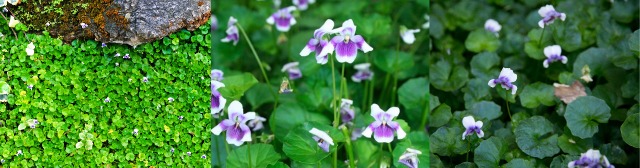
Viola ‘Native Violet’

Hello Hello Plants Nursery Campbellfield Melbourne Victoria Australia Native Violet banner

This little native groundcover looks great in pots, between pavers and to fill bare spaces in garden beds. Their tiny little purple flowers appear on tall stalks above the foliage for most of the year.


Geranium

Hello Hello Plants Nursery Campbellfield Melbourne Victoria Australia Geranium banner

To keep your geraniums flowering all year they need to be dead-headed. Once blooms are spent, remove them with clean secateurs. Geraniums come in many different colours and grow best in warm climates.


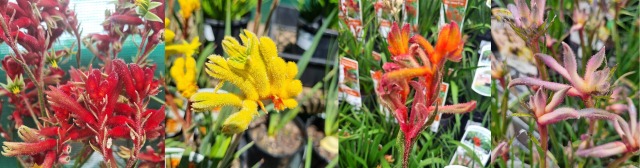
Anigozanthos ‘Kangaroo Paw’

Hello Hello Plants Nursery Campbellfield Melbourne Victoria Australia Anigozanthos Kangaroo Paw Banner

Noted for their tall, colourful flowers, Kangaroo Paw have very long flowering periods. In particular the ‘Gold Velvet’ variety is known to flower all year in warmer climates.


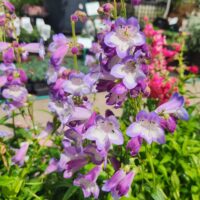
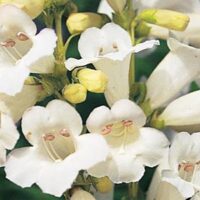
Penstemon

Hello Hello Plants Nursery Campbellfield Melbourne Victoria Australia Penstemon banner

Commonly seen in the Cottage garden, Penstemon are tall, heavily flowering perennial plants that attract many beneficial birds and bees to the garden. These beautiful flowers appear for at least 3 months of the year and in warmer climates can still hold flowers during some weeks of winter.


Alyssum

Hello Hello Plants Nursery Campbellfield Melbourne Victoria Australia alyssum banner

A gorgeous, low growing and heavily flowering perennial shrub, which is perfect for borders, pots & containers. Alyssum are low maintenance and will be seen flowering almost all year in warmer climates and for at least 3 months in cooler climates.

Top 10 Autumn Trees

Top 10 Autumn Trees!

When we think of Autumn, the first thing that comes to mind is the magical transition of lush greenery to hues of red, purple and gold, which eventually drop from the tree and cover the ground like a mosaic carpet. This creates an atmosphere of warm, vibrant impressionistic colours that we all love. And it only lasts for a couple of months before it vanishes into the cold depths of winter.

Why do the leaves of trees change colour during autumn?

As autumn approaches, trees begin to break down the green chlorophyll in their leaves into nutrients and then they redistribute these nutrients to their trunk and roots to store over winter. This keeps them going throughout the winter when sunlight is sparse.

The yellow colour seen in some autumn trees results from the loss of chlorophyll simply unmasking the yellow that was there all along. But red colouration comes from a pigment called anthocyanin, which has to be made afresh as autumn takes hold. Click here to read more about the science behind leaf colour.

Autumn colour garden
Four seasons gardens, UK

Here are the top 10 most beautiful autumn Foliage Trees.

  1. Acer palmatum ‘Senkaki/Coral Bark’ Japanese Maple
  2. Golden Ash – Fraxinus excelsior Aurea &  Claret Ash -Fraxinus oxycarpa ‘Raywoodii’
  3. Cercis Canadensis ‘Forest Pansy’
  4. Ginkgo biloba ‘Maidenhair Tree’
  5. Cotinus coggygria ‘Smoke Bush’
  6. Lagerstroemia ‘Crepe Myrtle’
  7. Robinia ‘Frisia’ Golden Robinia
  8. Liriodendron tulipifera ‘Tulip Tree’
  9. Quercus coccinea ‘Scarlet Oak’
  10. Liquidambar styraciflua ‘Sweet Gum’

Honourable Mentions for amazing autumn Trees:

______________________________________________________________


1. Acer Palmatum ‘Senkaki/Coral Bark’ Japanese Maple

Acer Palmatum ‘Senkaki Coral Bark’ Japanese Maple

Also known as Sango-kaku, or Coral Bark Maple, you simply can’t miss the Senkaki Maple with its distinctive coral-red bark, which contrasts with its bright green leaves in spring and summer. Autumn sees the foliage turn gold and eventually, winter leaves you with a beautiful bare sculpture of a tree with striking red bark. One of the beauty queens of all deciduous trees. It forms a beautiful vase-shaped tree that grows to approximately 5m high and 4m wide.


2. Golden Ash – Fraxinus excelsior aurea & Claret Ash -Fraxinus oxycarpa ‘Raywoodii’

Ash trees are gorgeous feature trees with soft foliage and brilliant autumn colour. These two varieties produce the best show in autumn. Golden Ash has iridescent yellow foliage in the autumn, a change from its regular lime green summer leaves. During the winter months this tree still makes a statement as its bark reflects the same yellow as its fallen leaves! A stunning tree with multi-seasonal interest. It grows to about 8m x 5m.

Claret Ash -Fraxinus oxycarpa ‘Raywoodii’ 

An attractive, some say fast-growing deciduous tree with an upright growth habit and open canopy. The foliage is deep green and narrow in summer and as autumn approaches, turns a rich claret colour, hence the name. This is a beautiful tree with stunning autumn colours, tolerant of frost and drought. Mature height up to 12m high x 7m wide.


3. Cercis Canadensis ‘Forest Pansy’

Cercis Canadensis ‘Forest Pansy’

The Forest Pansy is an incredibly beautiful small growing deciduous tree with colourful heart-shaped foliage. It is noted for its gorgeous rose-purple flowers which bloom profusely on bare branches in early spring before the foliage emerges, first red in spring, then deep purple-tinged green in summer, then turning all shades of yellow, red, purple and orange in autumn.

This tree requires low maintenance and is perfect for small gardens and courtyards. Should be planted in either full sunlight or partial shade and in well-drained soil.


4. Ginkgo biloba ‘Maidenhair Tree’

Ginkgo biloba ‘Maidenhair Tree’

The Ginkgo or Maidenhair Tree is remarkably known as a ‘living fossil’, as it is the sole survivor of an ancient group of trees that date back beyond the time of the dinosaurs. It is a perfect specimen or feature tree due to its long life and showy light green leaves, which have a unique shape. These leaves light up the landscape in autumn, turning a glowing yellow.

The Maidenhair Tree remains virtually unchanged today and represents the only living bridge between ‘higher’ and ‘lower’ plants (between ferns and conifers). Maidenhair trees can be extremely long-lived, the oldest recorded individual being 3,500 years old.


5. Smoke Bush – Cotinus coggygria

Cotinus coggygria Smokebush

Smoke Bush is a gem in the garden thanks to its unique blend of colours that change throughout the seasons. A large deciduous shrub or small tree, its beautiful eye-catching spring foliage is green overlaid with purple. Summer brings deep purple foliage that then turns deep orange and bronze in a burst of glory for an autumn show. Special smoke bush varieties offer variations of this beautiful shifting colour scheme.

Smoke Bush gets its name from the clouds of smoke-like purple and pink “flowers” it produces in early summer. These are very beautiful themselves and are prized along with the foliage by florists. Grows best in full sun to partial shade and it is tolerant of drought and most soils, making it a great addition to many gardens.

It is available in 4 different varieties which have slightly different colours.


6. Lagerstroemia ‘Crepe Myrtle’

crepe myrtle autumn colours

Crepe Myrtles are simply the world’s best summer-flowering trees. Intense flower colour, a long flowering season, good autumn colour, handsome bark and attractive spring foliage mean they are enjoyed in all seasons. They are deciduous trees or small shrubs that range in size from around 3-8m fully grown. Crepe Myrtle’s are popular due to their beautiful crepe-paper textured flowers, and the fact that they remain relatively small as a tree in most conditions. Their autumn foliage is fluorescent and can be seen from miles away!


7. Robinia ‘Frisia’ Golden Robinia

Robinia ‘Frisia’ Golden Robinia

Golden Robinia has beautiful yellow spring leaves which deepen in colour to a fresh lime-yellow during summer, then turn golden-yellow in autumn, before falling.

A visual standout amongst other trees, this Robinia tree is an all-round tough plant suitable for many different landscape uses. Whether as a magnificent specimen or a street tree in polluted and industrial areas, it grows with vigour and strength.


8. Liriodendron tulipifera ‘Tulip Tree’

Tulip Tree - Liriodendron tulipifera

The Tulip Tree is a beautiful tall tree with large leaves that have a lovely unique shape and smooth soft texture. A fast-growing deciduous hardwood tree, Tulip Trees have striking yellow-green orange flecked coloured flowers. They are solitary flowers that sit in the extreme-most upper branches. The flowers resemble tulips, hence the name. In the autumn the leaves turn a brilliant yellow before falling. The leaves make a wonderful rustling sound during the warmer months in the cool breezes. For an avenue, we recommend planting these trees 7m apart or for a screen 3m apart.


9. Quercus coccinea ‘Scarlet Oak’

Scarlet Oak - Quercus coccinea 

This lovely sturdy Oak is popular due to its spectacular autumn display, when the dark green foliage turns to shades of orange, bronze and brilliant red, displaying more intense colour the colder the environment. It holds its foliage, sometimes into early winter, and in spring will produce acorns when the tree is mature. It is similar to the Red Oak and Pin Oak, but generally preferred for its more brilliant autumn display. Growing up to 12 metres, it would be best suited to a large garden and would look stunning as an avenue planting. It requires a position in full sun to part shade and is fairly adaptable to its surrounding environment.


10. Liquidambar styraciflua ‘Sweetgum’

Liquidambar Styraciflua ‘Sweetgum’

The Sweetgum is a well known, tough and attractive deciduous tree that is a good choice as a specimen for larger gardens and in park plantings. Sweetgum is renowned as a source of strong, extended autumn colour and makes excellent shade trees, where space permits.

There is a slightly different cultivar called the Liquidambar ‘Burgundy’ Sweetgum which resembles the species very closely but is distinguished by its exceptional purple-red to autumnal colour and by leaves that remain longer on the tree in the autumn

Another smaller option would be the grafted Liquidambar Gumball, which is a standard form that grows to around 2m tall.

______________________________________________________________

Honourable Mentions

Here are a few more superb Autumn foliage trees that have little extra features that make them very attractive and popular.

Acer freemanii ‘Jeffers Red Maple’

The Jeffers Red Maple is a gorgeous maple that hosts some of the best autumn colours around, with a blend of yellow, orange, copper, rust and vivid reds gracing its branches. It has a lovely compact shape and a single straight trunk that looks as if it has been pleached naturally (bare lower trunk). With a medium rate of growth, this tree will grow to 8m, is not too particular about the soil quality, is mildly drought tolerant and tolerates frost. Fantastic for a feature tree, in parks, on industrial sites or in avenue plantings, this tree is sure to please.


Pistacia chinensis ‘Chinese Pistacio’

Pistacia chinensis ‘Chinese Pistacio’

The Chinese Pistachio is a tree that offers the ideal combination of aesthetics and versatility for a wide range of landscapes. It bears fine foliage in a wide range of Autumn colours including bright yellow-orange, crimson or scarlet, and rich green in Summer.

Prefers to be placed in a position of full sunlight but can cope with partial shade.  This tree grows fast in suitable conditions, and will not grow above 8 metres tall. Once established it is very hardy.


Nyssa sylvatica ‘Tulepo’ Tree

Nyssa Sylvatica ‘Tulepo’ Tree

The Tupelo Tree is a beautiful deciduous specimen tree with a pyramidal shape. A magnificent tree in autumn when the leaves turn orange to scarlet. Likes moist, moderately fertile, well-drained soil in full sun and tolerates wet conditions well. Also called the Black Tulepo, it has a fast growth habit and is a spectacular feature tree. Grows to about 12m high x 6m wide.


Acer Palmatum ‘Osakazuki’ Japanese Maple

The Osakazuki Maple is a large bushy deciduous shrub or small tree, whose foliage is green but turns to a brilliant orange-scarlet in autumn.

An Osakazuki is best placed in a position of partial or full sunlight and moist but well-drained soils. Grows to a height of 2-4 meters. This shrub requires low maintenance once established. Ideal as a focal point of the garden.


Triadic sebifera ‘Chinese Tallow Tree’

Chinese Tallow Tree - Triadic Sebifera 

Chinese Tallow Tree has rapid growth, precocious and prolific seeding, adaptability to a wide variety of soil conditions, tolerance of both drought and frost. This deciduous tree has an upright habit and is long-lived. Slender flowers are displayed in spring. This attractive small tree displays round or oval sharply pointed foliage; that turn red in autumn.


Parrotia ‘Persian Witchhazel’

Parrotia Persian Witchhazel

Also known as Persian Ironwood, Perssian Witchhazel is a slow growing, small deciduous tree. It features deep green glossy leaves with uneven shallowly scalloped edges, colouring to beautiful gold and crimson tints in autumn, and an open vase-shaped head on a short trunk. Suitable only for cooler areas in any reasonable soil with good drainage. Withstands dry conditions and exposure to wind once established.


Gleditsia triacanthos inermis ‘Ruby Lace’

Gleditsia triacanthos inermis “Ruby Lace”

Gleditsia Ruby Lace trees are proven as hardy street and shade trees, being fast-growing, heat and drought tolerant. They are well-suited for the demands of urban environments. The trees grow with an open, spreading canopy and have attractive, elegant, somewhat weeping foliage.

The ‘Ruby Lace’ variety grows to a small to a medium-sized tree and is distinctive for its shiny foliage that emerges as ruby-red, turning bronzy-green and then to a beautiful yellow-gold in autumn.


Pseudolarix ‘Golden Larch’

Pseudolarix ‘Golden Larch’

A cone-shaped tree with soft green needle-like foliage, the Golden Larch is a unique tree in that it is one of the only deciduous conifers (pines etc) in the world. During autumn, the needles turn a golden yellow. It produces deep purple cone-shaped fruit in summer. Plant in well-drained soil.


That’s it for this list. Keep an eye out for our next exciting list: Top 10 Autumn Shrubs.

Check out some other articles that you may like:

Sign up for our newsletter below

We will send you gardening tips, great deals, and exclusive giveaways. Happy Gardening!

Hello Hello Plants Nursery Campbellfield Melbourne Victoria Australia Brunnera heart shaped leaf silver brunnera heart foliage

10 Best Heart Shaped Foliage Plants

What better way to say “I Love You” than gifting that special someone with a living, breathing token of your love – a heart shaped foliage plant! This list of gorgeous plants are sure to take your breath away (and theirs too) on that special day. Plus they last much longer than a card of a scrumptious box of chocolates, reminding them of you every time they gaze upon it.


Here are the top 10 plants with heart shaped foliage

  1. Cercis ‘Forest Pansy’
  2. Philodendron
  3. Monstera deliciosa ‘Swiss Cheese Plant’
  4. Alocasia ‘Elephant Ear’
  5. Syngonium
  6. Hemionitis ‘Heart Fern’
  7. Anthurium
  8. Ceropegia Chain of Hearts
  9. Cyclamen
  10. Brunnera


1. Forest Pansy

Hello Hello Plants Nursery Campbellfield Melbourne Victoria Australia Cercis canadensis foliage heart shaped leaves heart foliage banner

An absolute favourite amongst the staff, this wonderfully versatile tree’s foliage is in the shape of large hearts. In the summer they are a deep velvety green or rich velvety purple,  and in the autumn they change into vibrant yellows, oranges, reds and purples. Other varieties of Cercis also have these wonderful heart shaped leaves


2. Philodendron

Hello Hello Plants Nursery Campbellfield Melbourne Victoria Australia Philodendron heart shaped leaves

There are 100s of varieties of Philodendron with only some boasting a beautiful heart shape leaf. Varieties in the genus cordatum or scandens have a heart shaped leaf, best suited for indoors unless you live in a wonderfully hot and humid climate.


3. Monstera deliciosa

Hello Hello Plants Nursery Campbellfield Melbourne Victoria Australia Monstera Rhaphidophora tetrasperma Mini Monstera adansonii fruit salad plant banner

These beastly beautiful indoor plants are a common indoor favourite. In Melbourne they are mostly grown indoors but can be grown in an outdoor patio or semi sheltered position in the garden, provided you don’t get frost or bitter cold! Their young leaves start off in a heart shape and gradually form leaf fenestrations (natural holes in the leaves). Another similar variety is the Rhaphidophorra tetrasperma or ‘Mini Monstera’, which grows in much the same way except mini! The other hearty and a little more dainty Monstera is the Silver Monstera, with elongated heart shaped leaves splashed with silver.
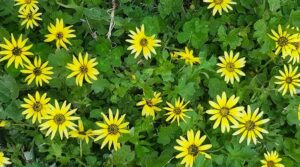
 

4. Alocasia ‘Elephant Ear’

Hello Hello Plants Nursery Campbellfield Melbourne Victoria Australia Alocasia elephant ear banner

Nothing compares to the enormous Elephant shaped foliage like that of an Alocasia. A truly stunning plant variety, typically with enormous elephant shaped leaves that look awfully similar to a heart! These delicate yet awe-inspiring plants require a moist but well drained soil and protection from the intense heat and intense cold.


5. Syngonium

Hello Hello Plants Nursery Campbellfield Melbourne Victoria Australia Syngonium heart shaped foliage bannerSimilar to the Alocasia in that their leaves are elongated hearts or similar to an Elephant’s ear (except much smaller!), these wonderful indoor plants come in a variety of shapes and colours and love an indoor position. Perfect on a desk or shelf, for that special someone in your life.


6. Hemionitis Heart Fern

Hello Hello Plants Nursery Campbellfield Melbourne Victoria Australia Heart fern heart shaped leaf Hemionitis arifol fern

As the name states this hardy little fern produces robust, heart shaped leaves en masse, creating a dense matt of hearts! It is perfect for an indoor pot in a well lit position or for an outdoor fern garden (sheltered of course).


7. Anthurium

Hello Hello Plants Nursery Campbellfield Melbourne Victoria Australia Anthurium indoor plant heart shaped leaf

Heart shaped leaves AND flowers, Anthurium are a double whammy winner in this category! Available in both red and white they are a perfect way to say “I love you” to a certain someone in your life.


8. CeropegiaChain of Hearts’

Hello Hello Plants Nursery Campbellfield Melbourne Victoria Australia Ceropegia Chain of Hearts banner

Long, trailing stings of little, itty bitty hearts are the hallmark signature of the Chain of Hearts succulent. Most popular for those who adore succulents, hanging basket plants or both, it is a truly remarkable and easy to grow plant. Grown in a very well lit position indoors or outdoors, they can thrive on neglect providing they get rain (or a water) ever once in awhile.


9. Cyclamen

Hello Hello Plants Nursery Campbellfield Melbourne Victoria Australia Cyclamen heart shaped foliage heart leaves

Commonly given to Mum on Mothers Day, this wonderful little plant produces tall, colourful flowers of pinks, purples, reds and white above silver veined, heart-shaped leaves. They’re quite compact and can be grown indoors and outdoors.


10. Brunnera

Hello Hello Plants Nursery Campbellfield Melbourne Victoria Australia Brunnera heart shaped leaf silver brunnera heart foliage

An absolutely magnificent outdoor plant, Brunnera are grown as a clumping groundcover in semi shaded gardens. They cover the ground with large, soft silver and green heart shaped leaves and are a feature in their own.


Honorable Mention

Although we have listed our top 10 heart shaped foliage plants, the following do need an honourable mention as they produce some wonderfully heart shaped foliage (just not as good as the other ten!)

Hello Hello Plants Nursery Campbellfield Melbourne Victoria Australia Hoya kerrii heart shaped leaves trailing plant indoorHoya kerrii

A gorgeous little indoor plant with trailing heart shaped foliage. It is an adorable little indoor cutie and relatively easy to grow.


Native VioletSweet Violet or Native Violet

Not strictly heart shaped, particularly the new growth. However, when the leaves mature, they become a gorgeous mat of heart shaped foliage! There are also purple varieties of violet.


Hello Hello Plants Nursery Campbellfield Melbourne Victoria Australia Morning glory free licence Hipopx purple flower heart shaped foliageMorning Glory

This, by no means, should be deliberately planted unless you really, really hate your garden or looooove to constantly maintain a vigorous vine. This noxious weed can be spied all over Melbourne and Victoria, often boasting white or vibrant blue flowers on a twining vine. The leaves are heart shaped but don’t let it fool you! It is so invasive, it gets bloody everywhere!

Select the fields to be shown. Others will be hidden. Drag and drop to rearrange the order.
  • Image
  • SKU
  • Rating
  • Price
  • Stock
  • Availability
  • Add to cart
  • Description
  • Content
  • Weight
  • Dimensions
  • Additional information
Click outside to hide the comparison bar
Compare