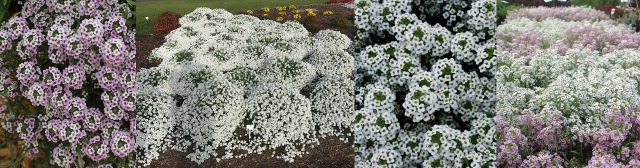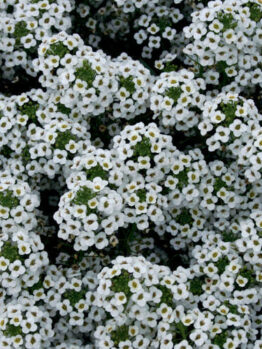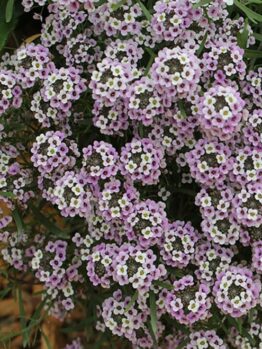
The Top 10 Plants for creating an instant garden transformation

Top 10 Plants for Creating an Instant Garden Transformation

Are you looking for plants to create an instant garden? Or maybe you have a large, blank canvas of an outdoor space and you have no idea where to start in filling it. In this article we have a few quick tips and tricks for instantly filling out your garden space.

The first key aspect of achieving an instant garden transformation is using some fast growing, easy to maintain plants. These are placed to create barriers, borders and edging or, in some cases, shelter or wind breaks to make way for future plantings.
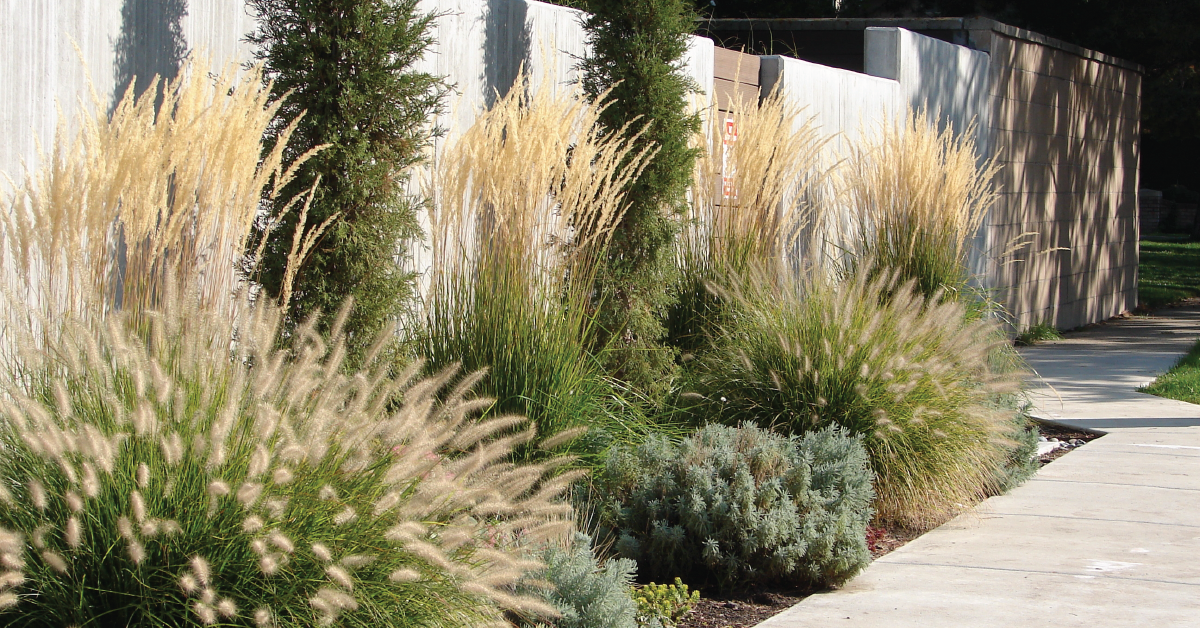
This is where our Top 10 plants for creating an instant garden transformation come in! These carefully selected plants can easily and quickly transform your garden space into a beautiful garden.


Top 10 Plants for Creating an Instant Garden Transformation!

  1. Ligustrum ‘Box Leaf Privet’
  2. Robinia ‘Mop Top’
  3. Cupressus ‘Leighton Green’ Conifer
  4. Glauca Pencil Pine
  5. Canary Island Ivy
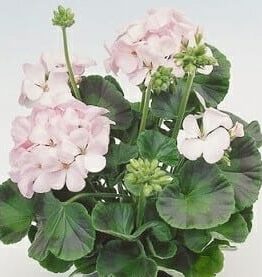
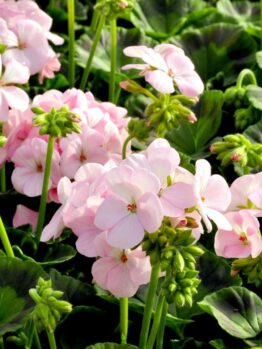
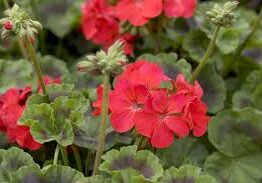
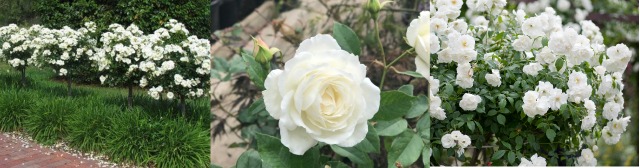
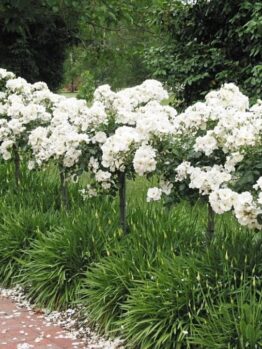
  6. Carpet Rose Pink or White
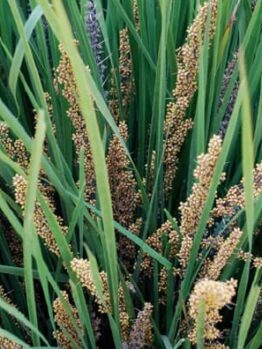
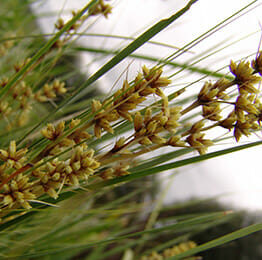
  7. Dietes ‘Butterfly Grass’
  8. Pyrus ‘Everscreen’ Ornamental Pear
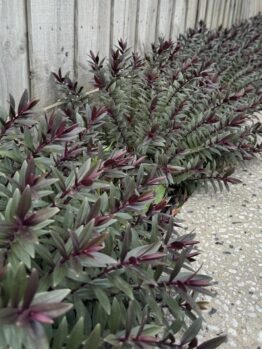
  9. Myoporum ‘Fine Leaf’ Creeping Boobialla
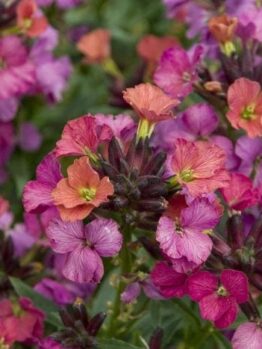
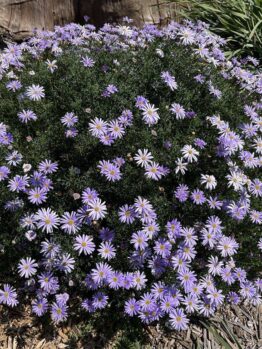
  10. Erigeron ‘Seaside Daisy’

Honourbale Mentions


How to use plants in a new garden for an instant effect

Here are some quick tips and tricks for instantly filling out your garden space without waiting years and years to see results.

  • For larger spaces such as rural properties and acre blocks, it is easier start by breaking up the area into smaller spaces, just like building outdoor “rooms”. This is done with hedges, screening trees or avenue style plantings of trees to create green leafy walls. Decide on the garden zones and how they will be used before worrying about the intricacies of individual garden beds. In some cases, you will need established plants around each area first to shelter your more precious varieties from direct winds, hot sun, or extreme weather.
  • In smaller gardens you may want an instant, fast growing hedge. It can also be worth investing in a feature plant or tree with great shape and colour that is already semi-advanced when you buy it. You can balance the budget by surrounding it with smaller but faster growing plants that will still look fantastic themselves in sometimes less than half a year. This makes make the yard instantly more inviting, rather than a blank space of dirt or grass.

[one_half padding=”0 20px 0 0″]

If you have questions about which plants will create the best effect in the shortest possible time in YOUR space, region and conditions and within your budget, try our Garden Design Service. Chris can assist and guide you in your garden make-over, finding the right style of garden as well as the perfect plants with the right maintenance level for your personal backyard space.

[/one_half]

[one_half_last padding=”0 0px 0 0″]

[/one_half_last]


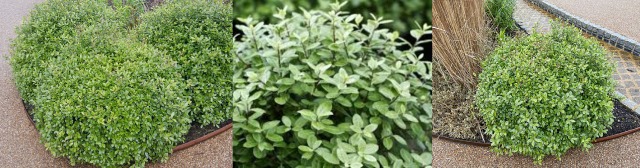
 1. Ligustrum ‘Box Leaf Privet’
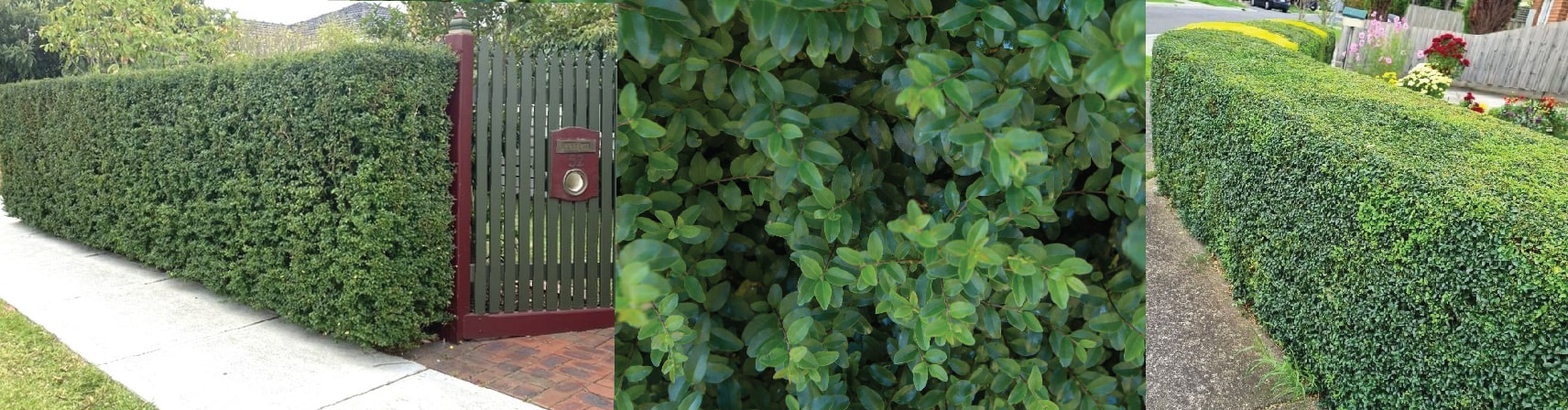
When asked for a fast growing box border or medium hedge that doesn’t flower, we always go for the hardy Box Leaf Privet. This tough shrub grows incredibly fast and in almost any soil type. In just one year you can have a 1 metre tall hedge or a 2m tall hedge in 2 years! It’s also very affordable, so you can give yourself a head start by buying larger plants that are already well on their way to becoming a hedge at the time of planting.

Back to list: Top 10 Quick Transformation Plants


 2. Robinia ‘Mop Top‘ 
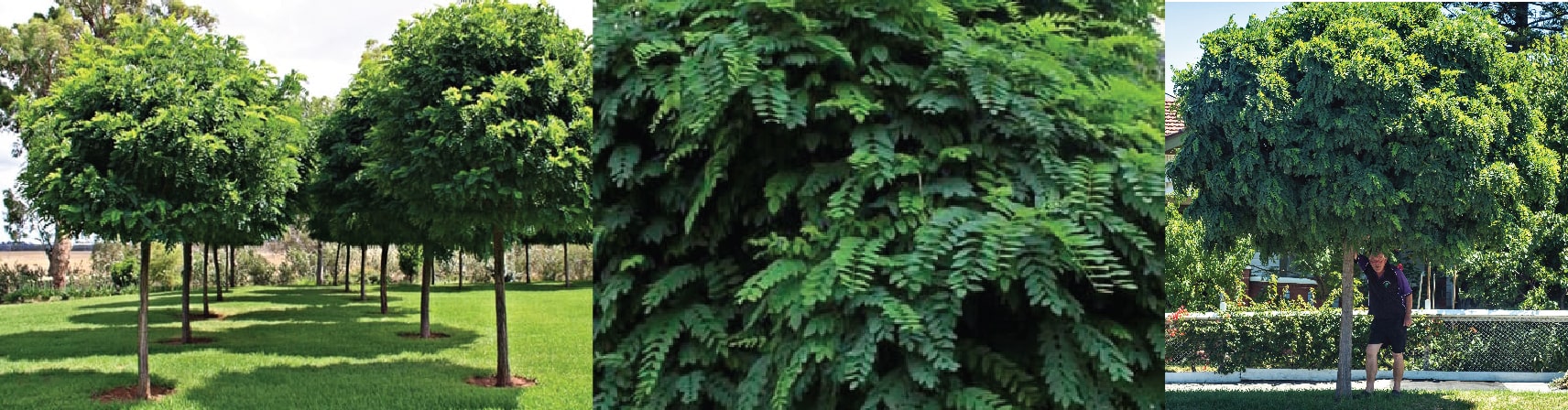
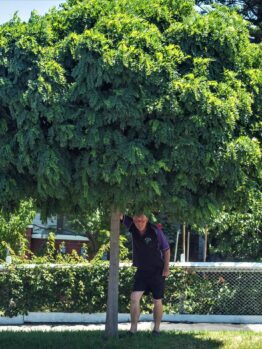
Robinia ‘Mop Top’ are the perfect feature tree for an instant garden make-over. The soft, delicate foliage creates ample shade during the summer and forms a big, beautiful mop, hence its name! As it is a little bush grafted to the strong trunk of a Robinia, they maintain their moppish shape without becoming overly huge. In just 12-18 months you’ll have a fully established beautiful feature or avenue tree!
Back to list: Top 10 Quick Transformation Plants


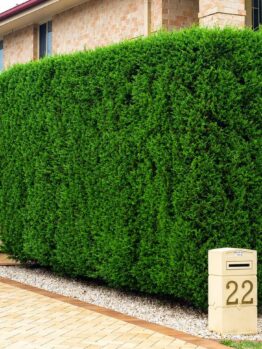
3. Cupressus ‘Leighton Green’ Conifer 
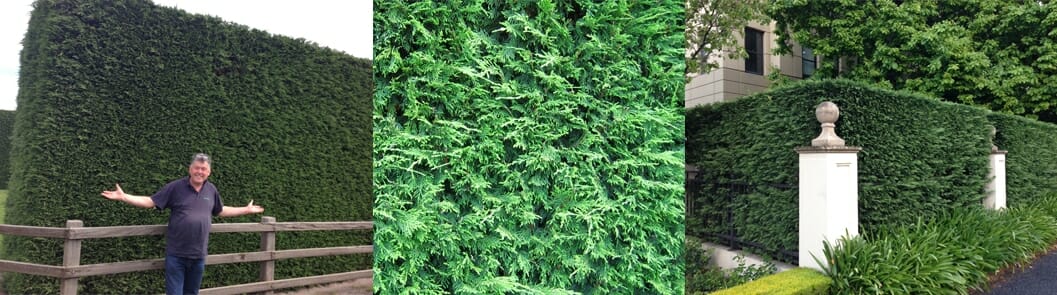
Leighton Green

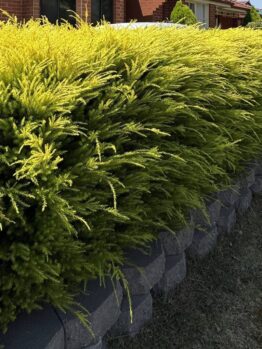
For instant hedging, look no further than the ‘Leighton Green’ conifer! This hardy hedging plant can be trimmed and trained into a 1.5-2m hedge in just under 2 years. ‘Leightons Green’ are evergreen and non-flowering so they create very little mess. They are also very good at blocking out sound, pollution and wind.
Back to list: Top 10 Quick Transformation Plants


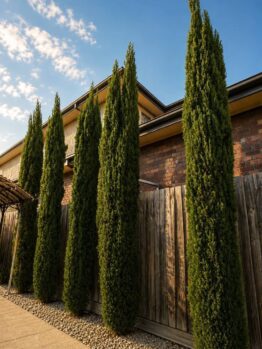
4. Glauca Pencil Pine

The Glauca ‘Pencil Pine’ is a traditional Mediterranean or Formal style garden plant that grows 1.5m in a year. They can be used to frame an entrance, as neatly trimmed topiary in pots or containers, as a tall, narrow, low maintenance screen in a tight space or to line an avenue or driveway. Due to their natural tall narrow shape, Glauca ‘Pencil Pine’s draw the eye and can lead someone’s attention to a focal point.
Back to list: Top 10 Quick Transformation Plants


5. Canary Island Ivy
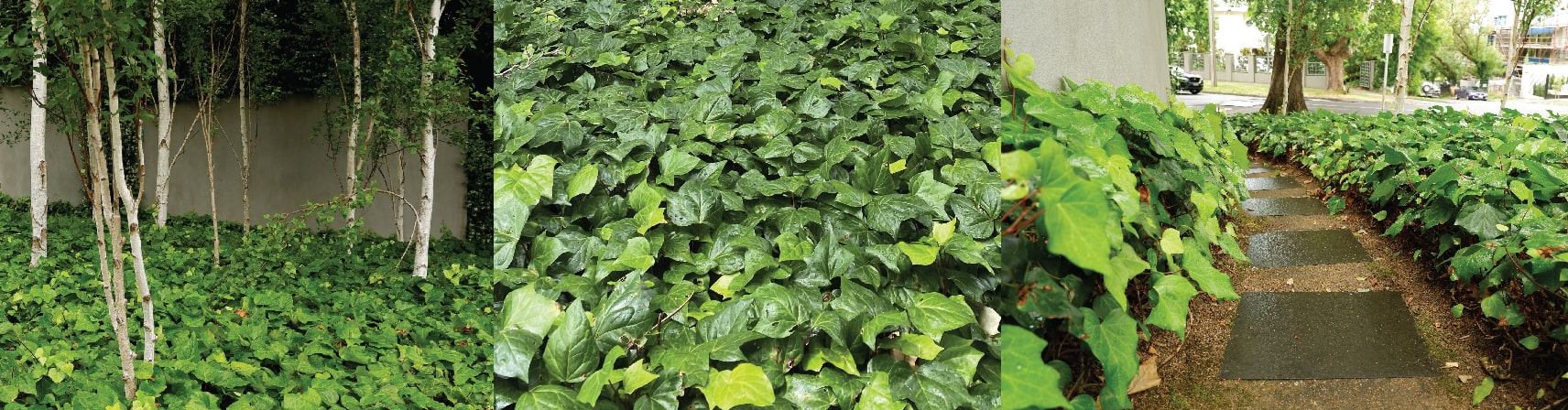
If you’re after a versatile, fast growing climber or groundcover, ‘Canary Island Ivy’ has got you covered! It is a dense, evergreen climbing plant that is often used as a neat, dense groundcover under trees. ‘Canary Island Ivy’ can transform a dull fence, arbour or patch of ground within 2 years!


Back to list: Top 10 Quick Transformation Plants


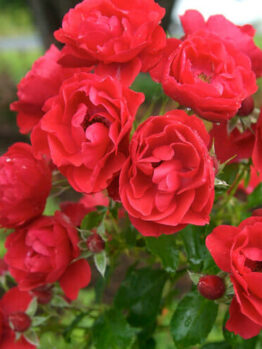
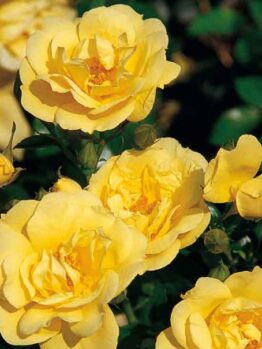
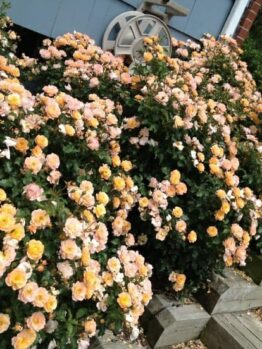
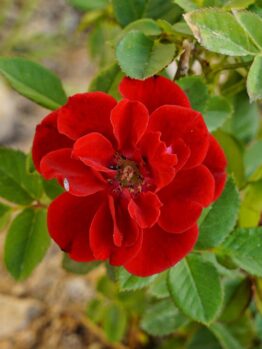
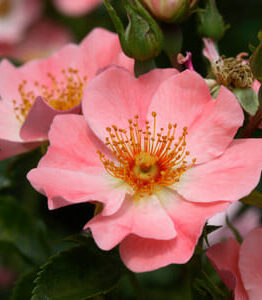
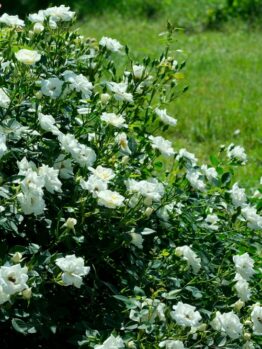
6. Carpet Rose Pink or White
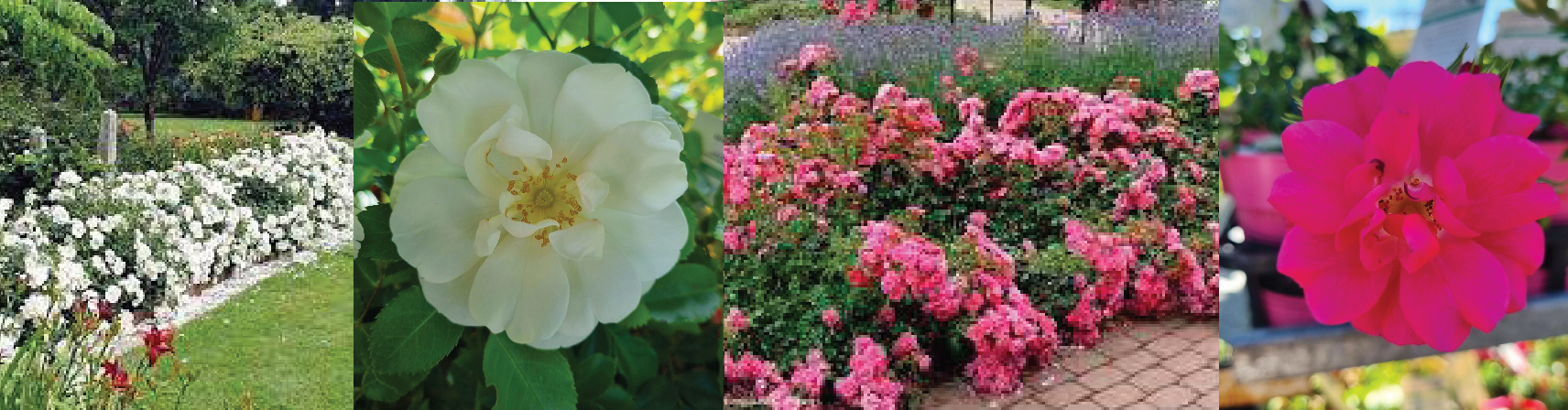
These low growing rose bushes flower for almost 8 months of the year, flooding your garden with gorgeous colours of white, pink and even ambers, golds and reds! Carpet Roses are semi-evergreen, and only losing their leaves in extremely cold climates (that makes us safe here in Melbourne). They are relatively self-shaping and require very little maintenance once established. Often seen in council plantings due to their hardiness.
 

Back to list: Top 10 Quick Transformation Plants


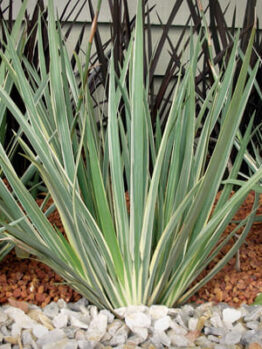
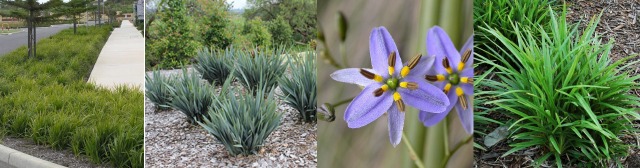
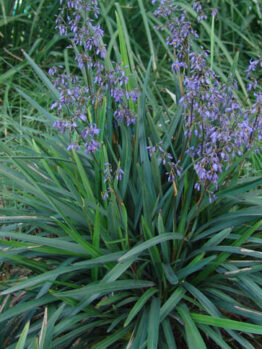
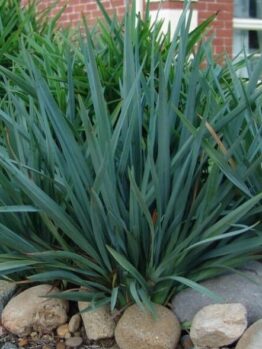
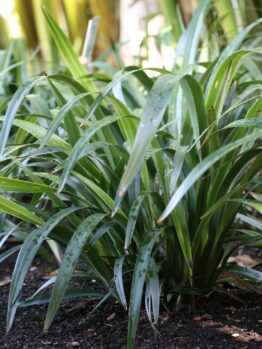
7. Dietes ‘Butterfly Grass’
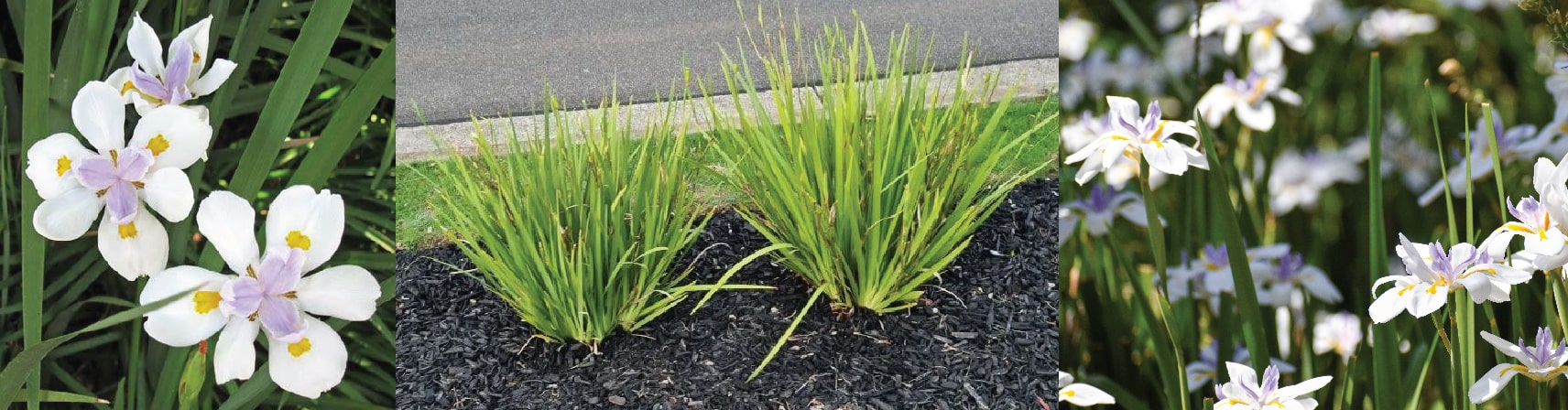
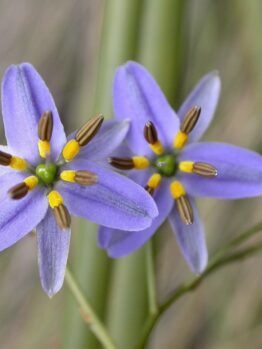
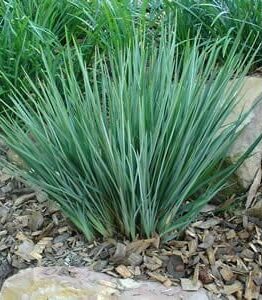
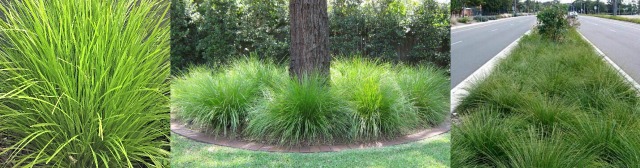
‘Butterfly Grass’ are beautifully hardy clumping grasses that are widely used in council plantings, landscaping and rural gardens due to their neatness and durability. They produce gorgeous white flowers with a splash of purple and yellow on the inside of the petals. Dietes flower for long periods and will fully establish within 1.5 years. They’re wonderful for pots & containers, borders and edging or as garden fillers.

Back to list: Top 10 Quick Transformation Plants


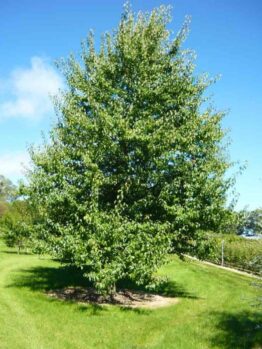
8. Pyrus ‘Everscreen’ Ornamental Pear
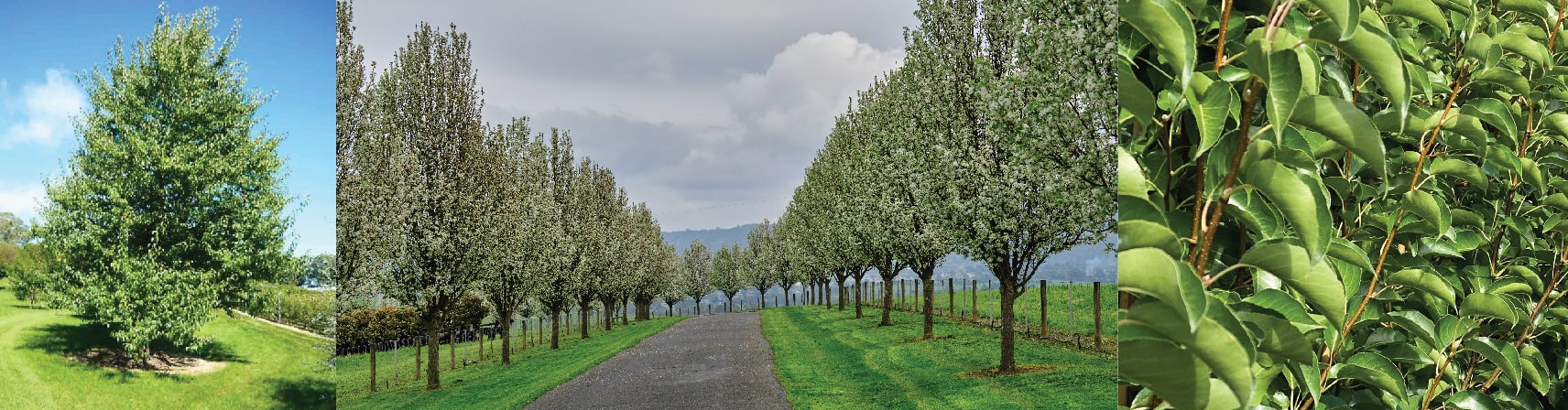
Of all the Ornamental Pears, the ‘Everscreen’ or ‘Winter Glow’ is the only one to not lose its leaves in winter, in warmer climates. So in the suburbs of Melbourne these handsome trees maintain their gorgeous glossy foliage throughout the year and produce minimal flowers during spring. ‘Everscreen’ make wonderful avenue and driveway plants as well as screening from the neighbours. Plus their roots are non-invasive.
Back to list: Top 10 Quick Transformation Plants


9. Myoporum ‘Fine Leaf’ Creeping Bobbialla
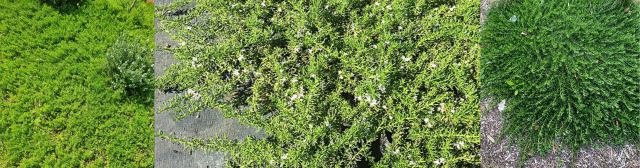
A beautiful native groundcover and incredibly tough. ‘Fine Leaf’ Myoporum is a dense growing groundcover that is used to retain soil on embankments, help suppress weeds or can even be used as a lawn replacement. It produces tiny white star-shaped flowers during the warmer months and can grow in almost any soil type, including really hard clay!

Back to list: Top 10 Quick Transformation Plants


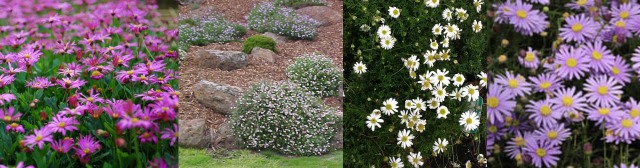
10. Erigeron ‘Seaside Daisy’
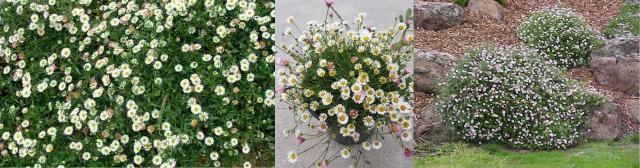
Hello Hello Plants Nursery Campbellfield Melbourne Victoria Australia Erigeron Seaside Daisy Daisyspray

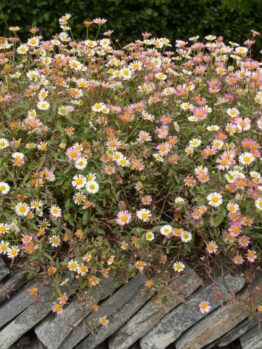
Don’t let the delicate flowers of the ‘Seaside Daisy’ fool you. This Cottage Perennial can grow in most soil and climatic conditions, and require very little maintenance. ‘Seaside Daisy’ will grow to its full size in just 1 year in the right conditions and will flower for 8-9 months. They’re also good for pots, containers, garden fillers and borders.

.
 

Back to list: Top 10 Quick Transformation Plants


Honourable Mentions for Instant Garden Transformations: 


Populus ‘Crows Nest’ Poplar 
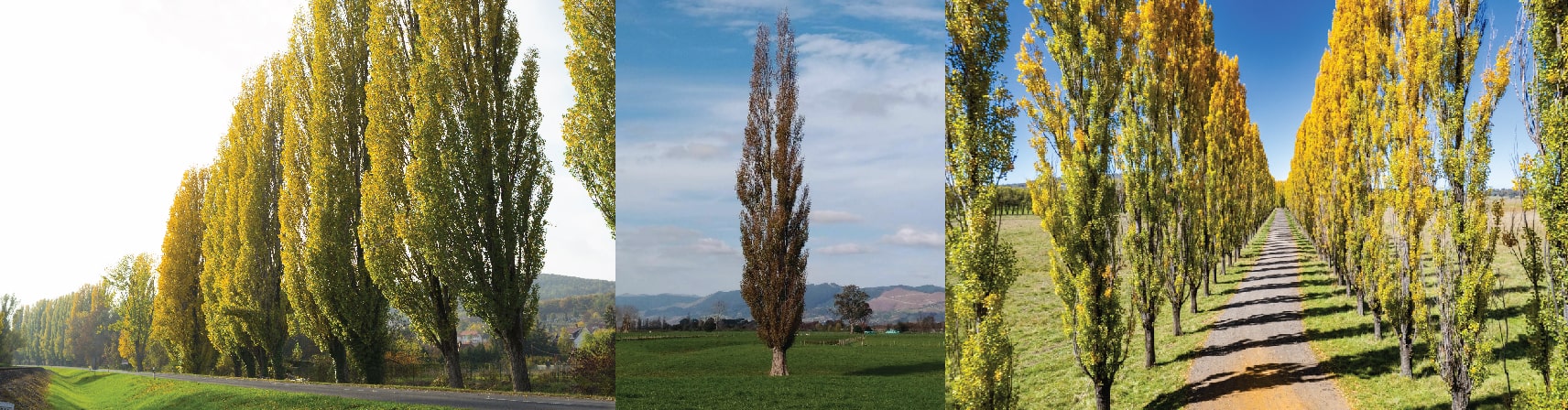
If you want fast screening on a large property, look no further! These are incredibly hardy, tall growing trees that can reach 7m tall in just 2 years! ‘Crows Nest’ Poplars are narrow growing but are good at screening out eye-sores as well as blocking high winds.

Back to list: Top 10 Quick Transformation Plants


Alnus ‘Evergreen Alder’

For hardy screening plants, ‘Evergreen Alders’ are the best in the business. These tough trees handle horrible soils such as hard clay or even soggy, water-logged areas as well as full sun and frost. But for their best performance plant in a loose, well draining soil, water well, and you could have a 5m tall screen in just one year! Their delicate green leaves are similar to that of a Silver Birch, just without the white trunk.
Back to list: Top 10 Quick Transformation Plants


Sign up for our newsletter below

Do you enjoy these garden tips? Be first to know when we publish new articles on plants & gardening, tailored for people in Melbourne and regional Victoria.

We will send you gardening tips, great deals, and exclusive giveaways. Happy Gardening!

Hello hello plants Top 10 Winter Colour Plants Melbourne Victoria Australia

Top 10 Plants for Winter Garden Colour!

Our picks for plants to bring colour to your winter garden. When we think about winter, we think about the cold, rainy days and dull landscapes. Many people prefer to retreat to the warm and cozy indoors since many trees are bare, there are very few flowers blooming, and the garden has lost its usual appeal. If that is the case for your garden, this list is perfect for you! There are so many plants to pop in the garden to make it look great year-round and entice you back into the garden, even on the gloomiest of winter days. These are colourful, winter hardy, and easy to grow!


And don’t forget, winter is the best time to plan and prepare your garden for the warmer growing months. So now is the best time to prepare your soil, get mulching and if you’re really in need of help, book a Free Garden Design with Chris!


Top 10 Plants for Winter Garden Colour!

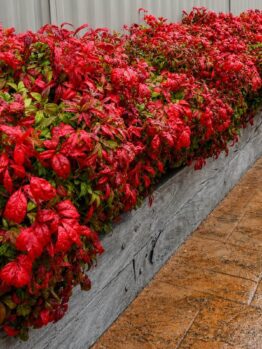
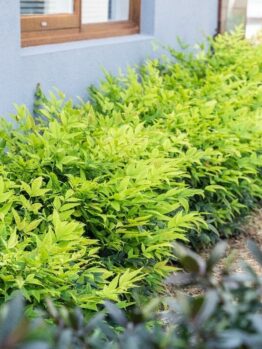
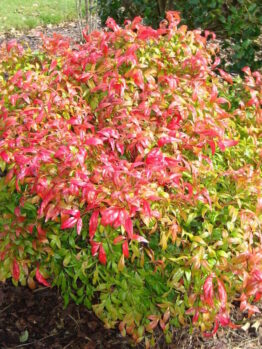
  1. Dwarf Nandina
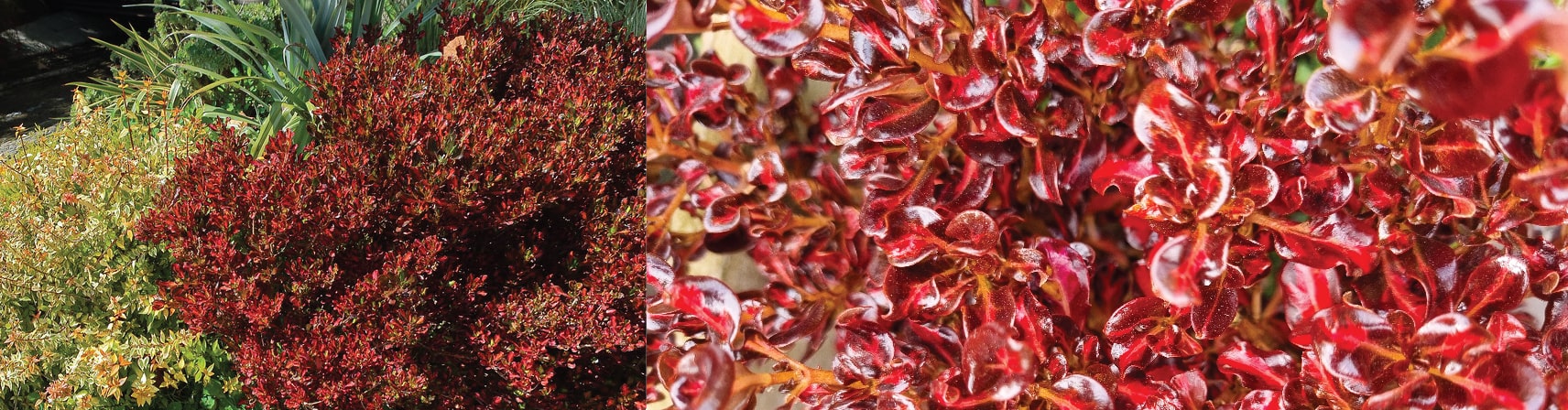
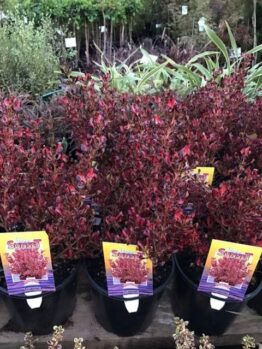
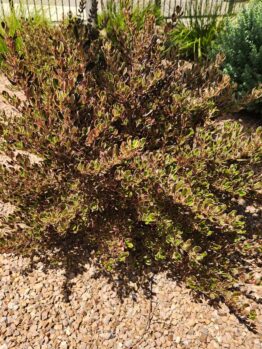
  2. Coprosma ‘Pacific Sunset’
  3. Euphorbia ‘Blackbird’
  4. Loropetalum ‘Plum Gorgeous’
  5. Euphorbia ‘Ascot Rainbow’
  6. ‘Sweet Mist’ Flax
  7. Coprosma ‘Evening Glow’
  8. Acer ‘Senkaki’ Japanese Maple
  9. Callicarpa ‘Beautyberry’
  10. Yellow or Red Stemmed Dogwoods


Honourbale Mentions


 1. Dwarf Nandina 

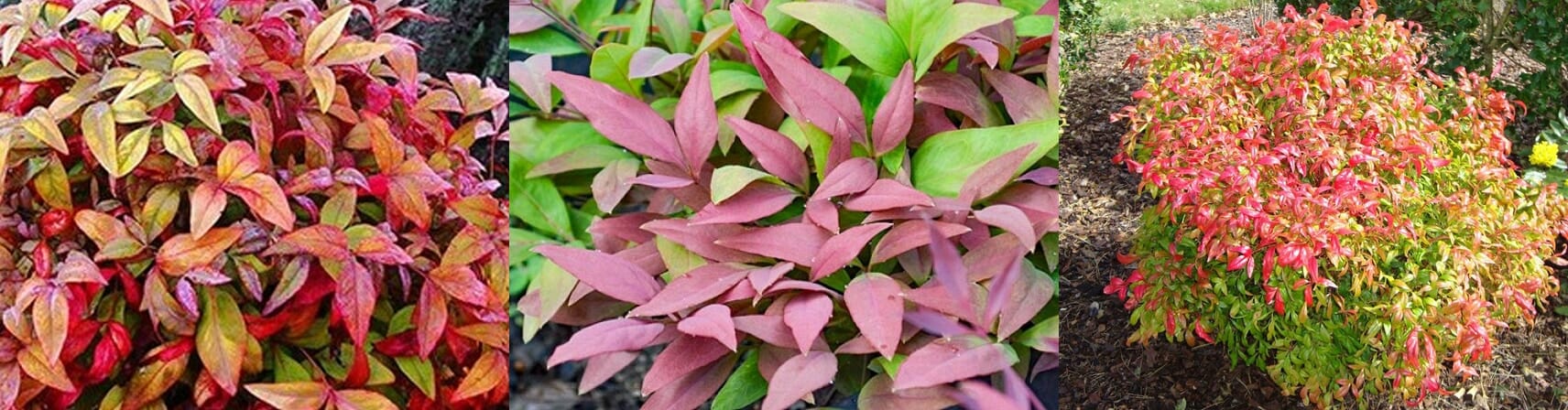
This hardy plant reaches a size of approximately 40 cm x 40 cm and demands minimal maintenance. Nandina domestica ‘Nana’ or ‘Dwarf Nandina’ thrives even in poor soil conditions and colder temperatures, these conditions can often result in an even more vibrant shade of red. Consider utilizing Dwarf Nandina as a border or as infill among other shrubs. When mass-planted, its red hues will warm your garden. 

We have a few different varieties of Nandina available, check them out here!

Back to list: Top 10 Winter Garden Colour


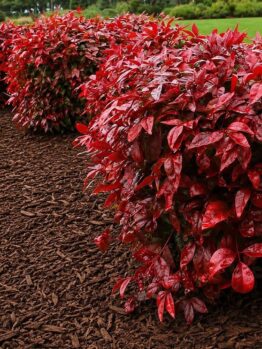
 2. Coprosma ‘Pacific Sunset’ 

This Coprosma provides brilliant red foliage that intensifies as the weather cools down. Reaching a height of approximately 1 to 1.5 m, it serves as an exceptional choice for both hedges and standalone specimens. For an even more striking effect, consider pairing it with Helichrysum ‘Licorice’ or other silver-foliaged plants, this will really make the Coprosma pop.

Back to list: Top 10 Winter Garden Colour


3. Euphorbia ‘Blackbird’ 

As the winter chill sets in, this Euphorbia, known for its compact growth, takes on an even more intense hue of deep purple. In my own garden, I have it surrounded by a low cover of Dimondia ‘Silver Carpet’, creating a beautiful colour contrast where the euphorbia blackbird dominates and stars in the garden.

Back to list: Top 10 Winter Garden Colour


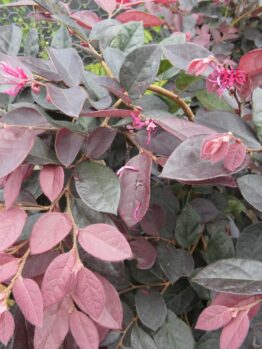
4. Loropetalum ‘Plum Gorgeous’

This slow-growing shrub displays a crisp, deep purple colour that intensifies during the winter months. As winter comes to a close, its deep purple foliage is sprinkled with bright pink, spidery-petaled flowers, creating a striking contrast against the dark purple foliage.

We have more than the ‘Plum Gorgeous’ variety of Loropetalum available too. Check them all out here!

Back to list: Top 10 Winter Garden Colour


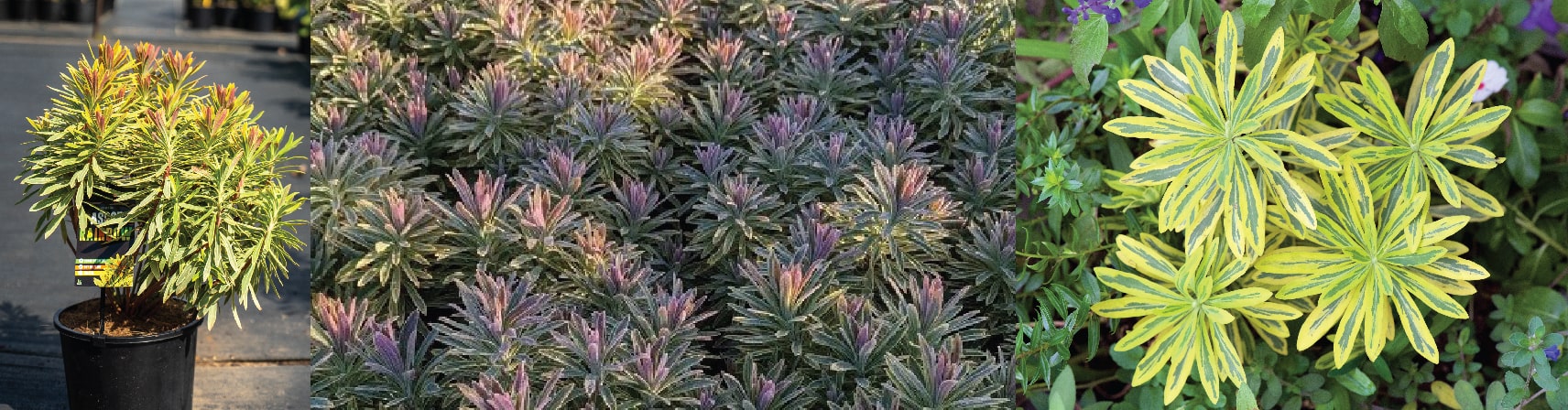
5. Euphorbia ‘Ascot Rainbow’

Reaching a compact size of approximately 60 cm x 60 cm, this Euphorbia variety boasts beautiful autumn tones of soft green and yellow, complemented by hints of pink and orange. It looks particularly attractive during the winter season.


Back to list: Top 10 Winter Garden Colour


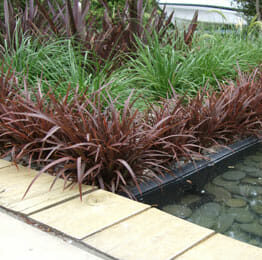
6. ‘Sweet Mist’ Flax

Many New Zealand flaxes tend to grow to massive sizes, posing potential challenges, however, the ‘Sweet Mist’ variety offers a dependable solution. This dwarf flax reaches an approximate size of 40 cm x 40 cm, and it’s most appealing feature is it’s exquisite purple foliage with pink undertones. Use it as a low border or mass plant them to fill a garden bed with colour.


Back to list: Top 10 Winter Garden Colour


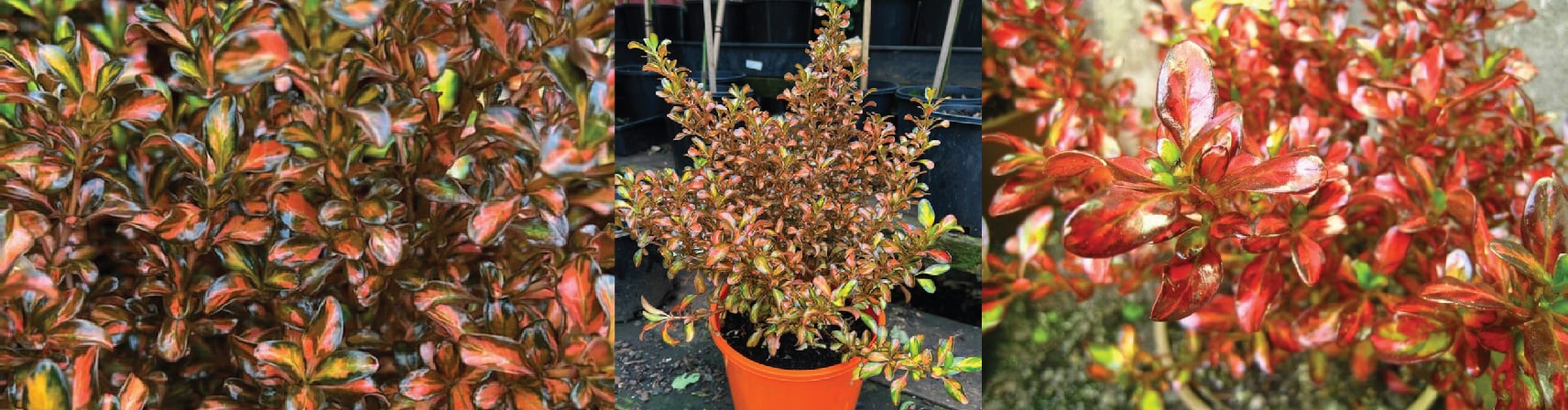
7. Coprosma ‘Evening Glow’

This incredibly resilient plant can be trimmed into a low to medium hedge or, you can let it flourish as a stunning specimen. Its foliage presents a captivating blend of colours, featuring an exciting speckled mix of yellow, pink, green, red, and purple all at once. During the summer, its hues lean towards yellow and green, while the reds and purples intensify as the colder months set in.

Back to list: Top 10 Winter Garden Colour


8. Acer ‘Senkaki’ Japanese Maple

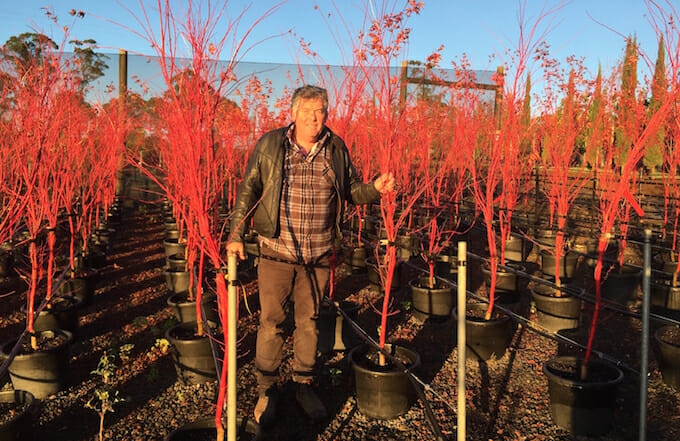
The ‘Senkaki’ Maple is a small, upright tree with a vase-shaped growth habit. Its small, soft green foliage takes on a stunning array of gold, pinks, oranges, and reds during the autumn season. When the leaves fall in late autumn, a brilliant show of bright scarlet red stems and branches is revealed. Feature it in a pot or within a garden bed, and consider adding a spotlight to create a night-time garden spectacle.

Back to list: Top 10 Winter Garden Colour


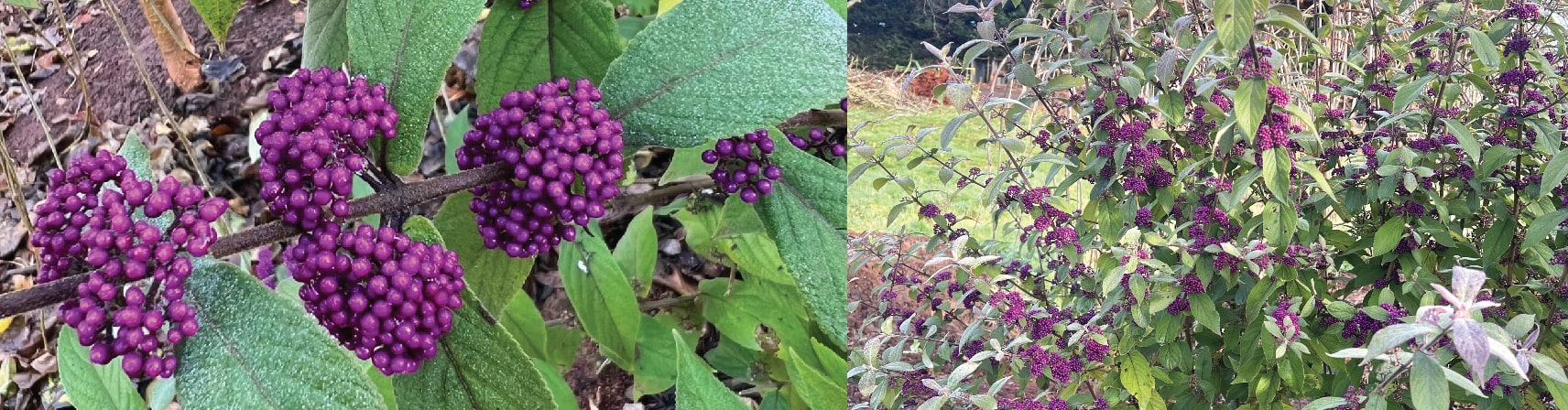
9. Callicarpa ‘Beautyberry’

This medium-sized bush produces a colourful treasure trove of tiny, brilliant purple berries that glisten under the winter sun. It serves as an excellent choice to create a point of interest in your garden and provide vibrant winter colours.

Back to list: Top 10 Winter Garden Colour


10. Yellow or Red Stemmed Dogwoods

Two popular varieties of Dogwood are known for their captivating winter-coloured stems. Reaching heights of approximately 1.6 m, the Red Stemmed Dogwood, boasts vibrant red stems, while the Yellow Stemmed Dogwood showcases bright yellow stems. These varieties are ideal for incorporating into floral art. By pruning them back during winter, you can encourage the growth of rich clusters of colourful stems, that can create a very strong winter feature.


Back to list: Top 10 Winter Garden Colour

Hello Hello Plants Nursery Melbourne Victoria Australia Acer palmatum Senkaki Coral Bark Japanese Maple Winter Red Stem

Honourable Mentions for Winter colour: 


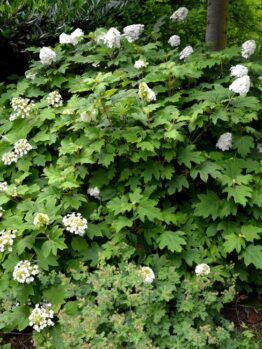
Oak Leaf Hydrangea 

A colourful, winter joy, this hydrangea holds a special place as my favourite. Its charm lies in its low-growing nature and the combination of interesting, large, lush green oak leaves and elongated white hydrangea flowers. As summer and autumn unfold, the flowers gracefully fade, and the large oak leaves take on various shades of burgundy. These colourful leaves persist, adding vibrancy to the garden until the arrival of spring when the rich burgundy foliage is replaced with lush green growth.

Back to list: Top 10 Winter Garden Colour


Viburnum ‘Awabuki’

This vigorous, medium-growing evergreen shrub is popular to plant as a medium to tall hedge. Throughout the spring and summer seasons it showcases large, deep green, glossy foliage. During winter this plant is adorned with clusters of vibrant red berries. Additionally, a small percentage of the foliage turns a glossy, brilliant red that persists until spring, when new shoots emerge. The combination of these stunning elements—a sprinkling of brilliant red leaves and berries among the rich, glossy green foliage—creates a truly beautiful and interesting feature.

Back to list: Top 10 Winter Garden Colour

Here are some more articles you may like:

Sign up for our newsletter below

We will send you gardening tips, great deals, and exclusive giveaways. Happy Gardening!

Top 10 Winter Flowering Plants

When we think of winter, we often think of cold, dull gardens with very little going on, longing for the warmth and colour of spring. Well, you don’t have to wait a whole season for pretty flowers and life! A garden should display its charms year-round. Even during the coldest days of the year you may be surprised to know that many annual flowers, perennials, and flowering shrubs put on a gorgeous winter display. We have put together a collection of the best winter flowering plants to put some floral colour into your winter garden!


Top 10 Winter Flowering Plants in Australia:

Here’s the list of our 10 best winter flowering plants readily available in Australia. Full details and pictures below.

  1. Winter Daphne
  2. Hardenbergia ‘Happy Duo’
  3. Hellebore ‘Winter Rose’
  4. Camellia sasanqua
  5. Banksia ‘Cherry Candles’
  6. Grevillea ‘Strawberry Smoothie’
  7. Erica ‘Darley Heath’
  8. Iberis ‘Candy Tuft’
  9. Cheiranthera ‘Wallflower’
  10. Rosemary ‘Blue Lagoon’

Honourable Winter Flowering Mentions

Winter flowering plants in a colourful winter garden


1. Winter Daphne

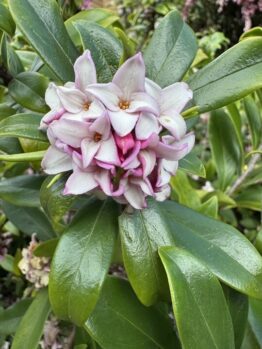
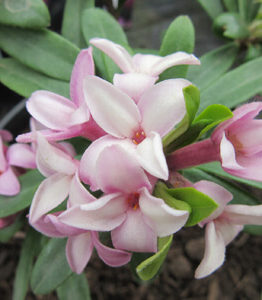
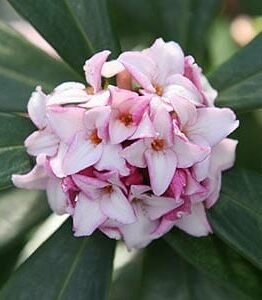
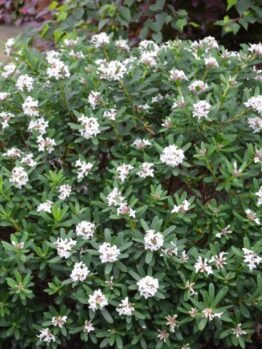
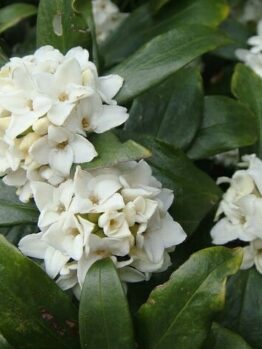
Heavily scented and long flowering, Daphne is a fragrant and colourful winter bloomer. They come in shades of white, pink, yellow and cream and are best suited to part shade or full sun positions (provided the soil is moist and well-draining). They can also be planted straight into the garden or kept neatly in a pot! 

Back to list: Top 10 Winter Flowering Plants


2. Hardenbergia ‘Happy Duo’

Hello Hello Plants Nursery Campbellfield Melbourne Victoria Australia hardenbergia banner

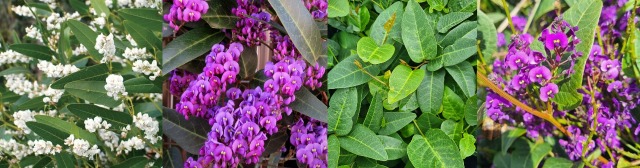
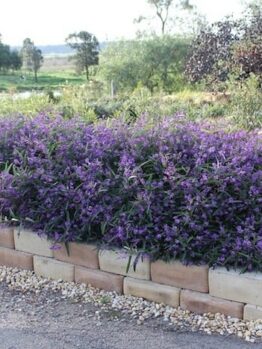
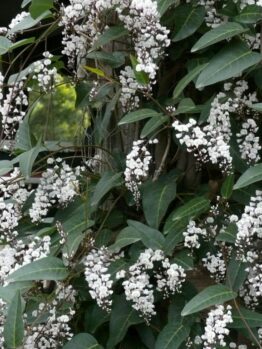
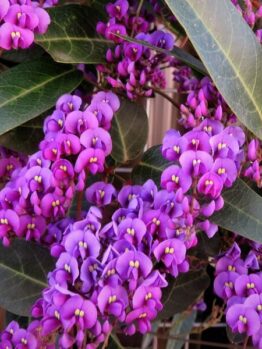
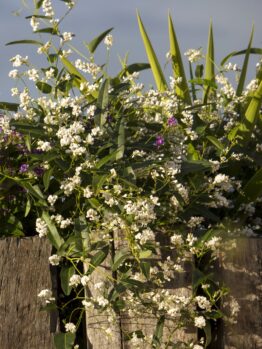
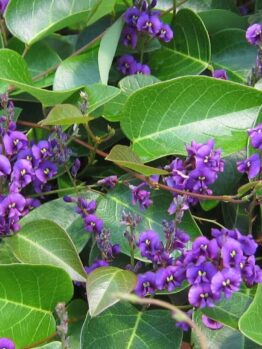
Known as either a climber or a bushy groundcover, this native is commonly seen throughout the Victorian bushland in vibrant patches of purple. The flowers form in speared clusters of pea-shaped flowers and can be trained over a fence or arbour. Hardenbergia also comes in a white flower and a newer pink variety is now available. The most popular by far, however, is the Hardenbergia ‘Happy Duo’, which displays both purple and white flowers.

Back to list: Top 10 Winter Flowering Plants


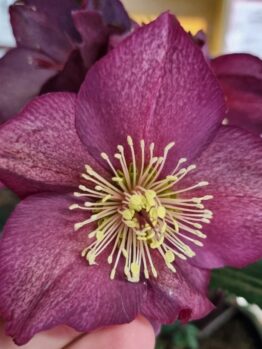
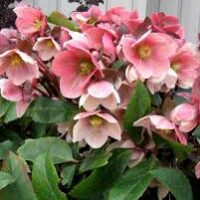
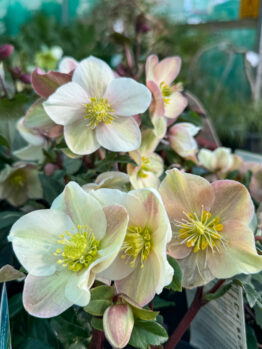
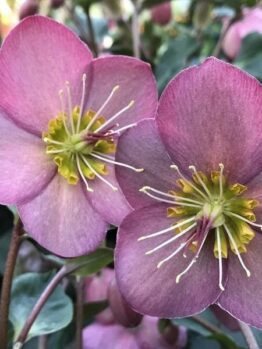
3. Hellebore ‘Winter Rose’

Aptly named, this low growing, almost groundcover plant is named due to the robust star-shaped blooms that appear during winter. The Winter or Lenten Rose comes in varieties of pink, purple, white and green, some with a double petal, others with a single row. They love shaded areas, suiting Japanese, Woodland or Cottage style gardens.


Back to list: Top 10 Winter Flowering Plants


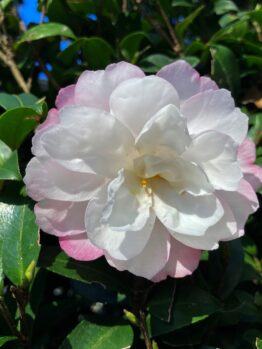
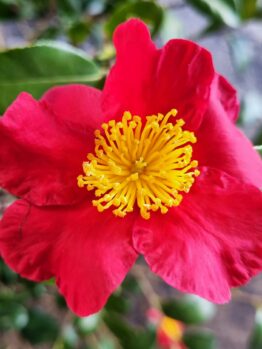
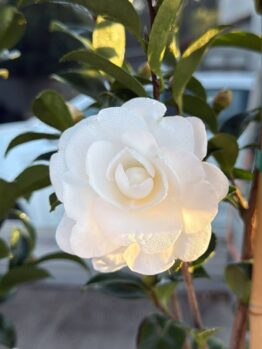
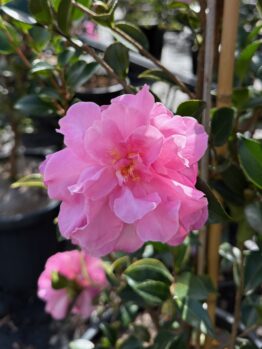
4. Camellia sasanqua

Camellias are one of the most popular garden plants of all time, and with the enormous choice of varieties and ways you can use them in your garden, it’s not hard to see why. They are often seen as gorgeous feature hedging or as manicured specimen trees, bringing abundant vibrant colour to the garden during the winter months.

Back to list: Top 10 Winter Flowering Plants


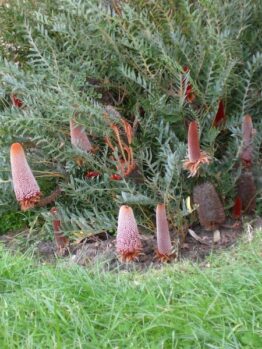
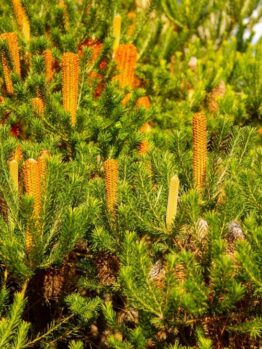
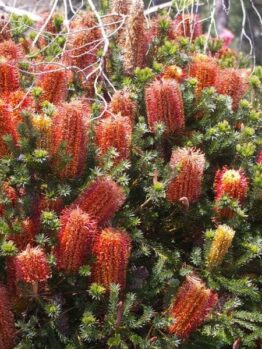
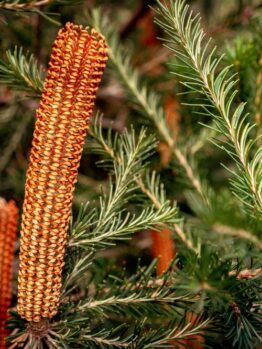
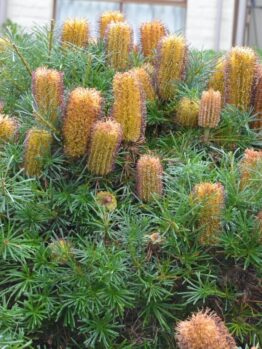
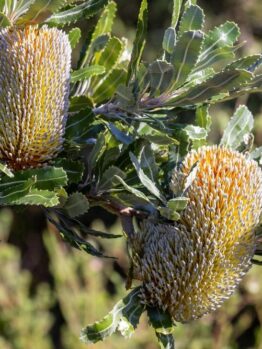
5. Banksia ‘Cherry Candles’

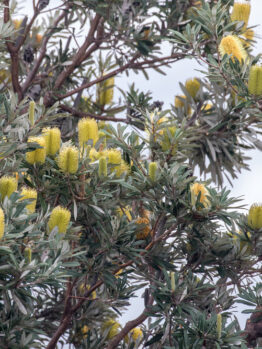
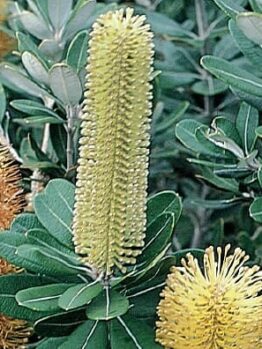
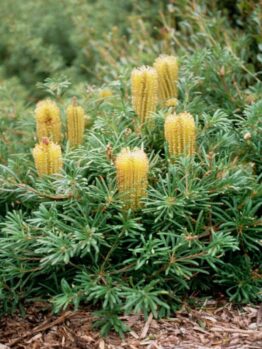
Sturdy, proud cylindrical flowers with a distinct honey smell attract many native birds and bees and the Banksia ‘Cherry Candles’ is a particularly beautiful variety. Banksia are commonly seen showing off their blooms during the winter and feeding the local wildlife. These tough but attractive natives come in various sizes and shapes, suiting many different applications such as groundcovers, hedging & screening or as a feature. The most common winter-flowering varieties include Banksia ‘Cherry Candles’, Banksia spinulosa, the ‘Birthday Candles’ variety and Banksia ericifolia

Back to list: Top 10 Winter Flowering Plants


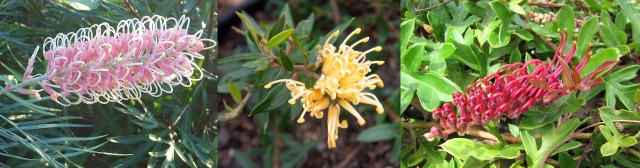
6. Grevillea ‘Strawberry Smoothie’

Hello Hello Plants Nursery Campbellfield Melbourne Victoria Australia Grevillea banner

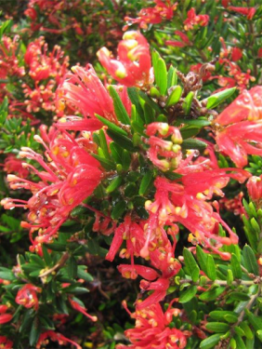
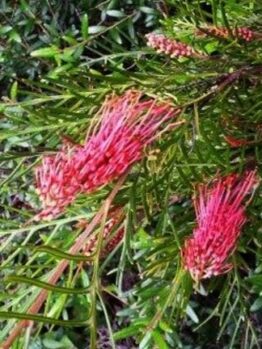
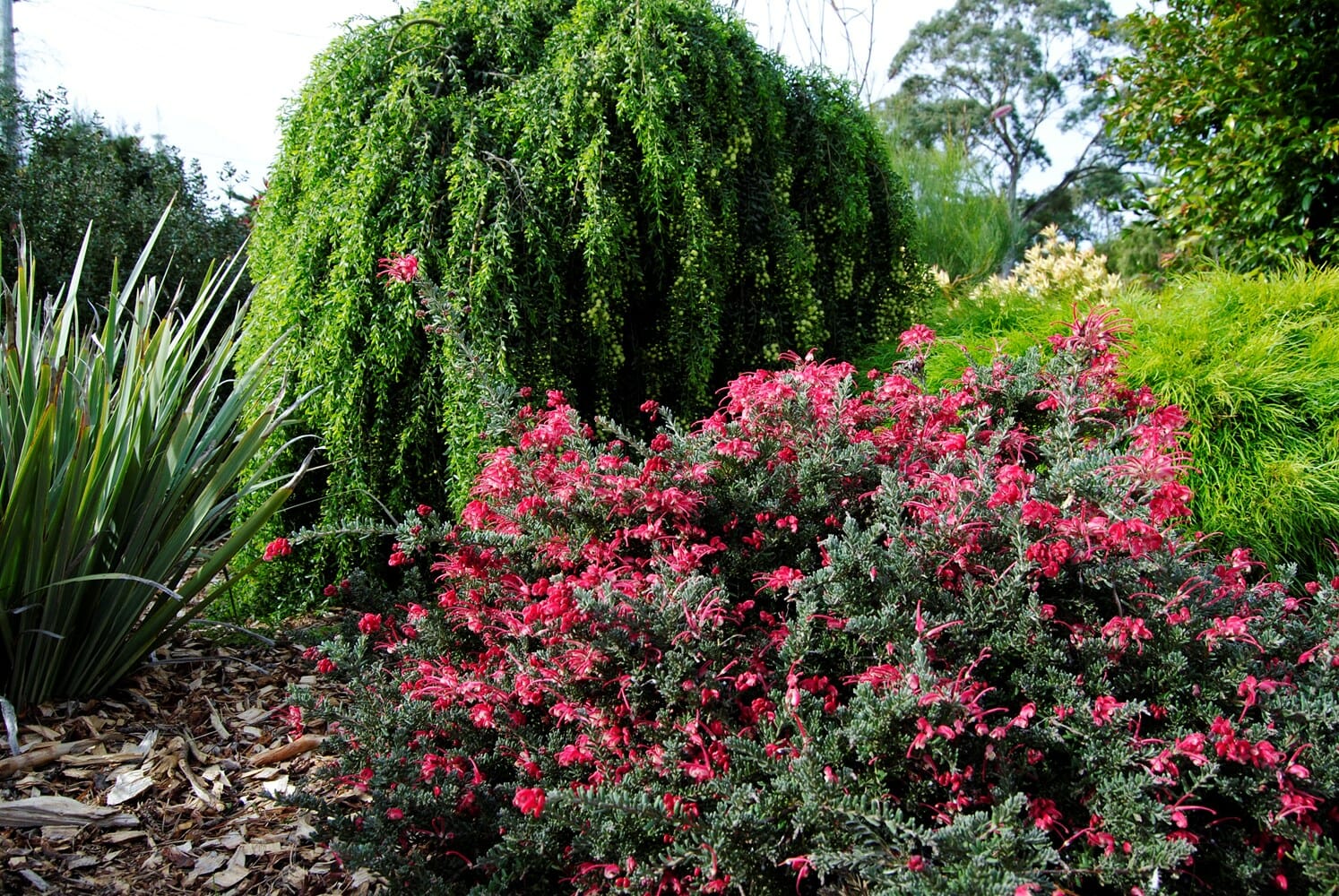
Whilst we’re on natives, how can we forget Grevillea? Another winter wonder with multifaceted varieties, the Grevillea comes in groundcover forms, low shrub, tall screening or hedging varieties and there is even a Standard Weeping option too! The colour range is also huge! Almost every colour of the rainbow, some with 2-3 colours in the one flower such as the ‘Peaches & Cream’ or ‘Black Magic’ varieties. But the real show stopper is the Grevillea ‘Strawberry Smoothie’. This robust groundcover is awash with vibrant pink flowers during the winter and its compact foliage makes it a must in any garden.

Back to list: Top 10 Winter Flowering Plants


7. Erica ‘Darley Heath’

This stunning low maintenance shrub is aglow throughout the winter with a profusion of tiny pink cup-shaped flowers. These flowers make an excellent addition to bouquets as their colour and form last for a very long time. They’re also incredibly hardy and require very little attention. Did we mention it also comes in white!

Back to list: Top 10 Winter Flowering Plants


8. Iberis ‘Candytuft’

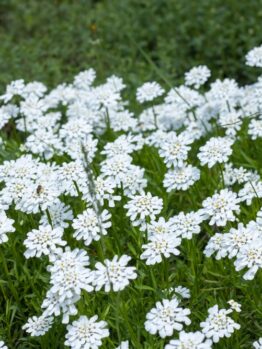
Iberis ‘Candytuft’ is a must have in the winter garden as it is a prolific flowerer, tolerates frosts and the cold of winter, and is quite versatile. Often used in pots & containers, as garden edging or a garden filler, this beautiful little cottage perennial will liven up your garden. 

Back to list: Top 10 Winter Flowering Plants


9. Cheiranthera ‘Wallflower’

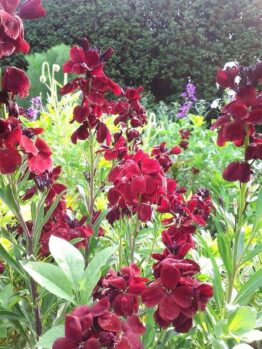
A cottage perennial that will surprise you! The quiet achiever of the winter garden is sure to be the Chieranthera ‘Wallflower’. A low maintenance, low growing and hardy cottage perennial that comes in a wide range of colours. Plus these cute little flowers have a fragrance to entice you out into the cold for a whiff.

Back to list: Top 10 Winter Flowering Plants


10. Rosemary ‘Blue Lagoon’

‘Blue Lagoon’ Rosemary is a top performer all year around, so it’s no wonder it’s on our top winter flowering list. Preferring a full sun position to get the best results, this hardy groundcover flowers a brilliant blue and has highly fragrant foliage used in delicious winter roasts, yum!

Back to list: Top 10 Winter Flowering Plants


Honourable Mentions

We obviously couldn’t stop at 10! Here are a few more absolutely fabulous looking winter flowering plants.


Pieris ‘Debutante’

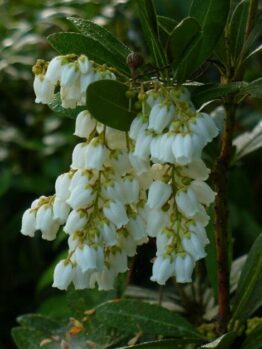
A gorgeous, chandelier toting shrub or tree, Pieris bloom delicate clusters of white heart-shaped flowers in the late winter to early spring. The ‘Lily of the Valley’ tree is often used as a feature in the garden or in pots, provided it is trimmed. The ‘Debutante’ has delicate creamy white blooms that stand out against the drabness of the winter garden. It is a truly gorgeous feature tree.

Back to list: Top 10 Winter Flowering Plants


Coleonema ‘Pink Diosma’

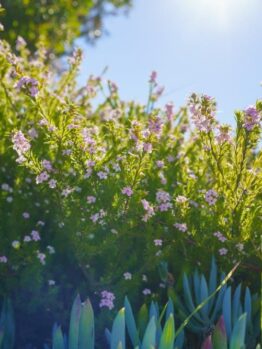
Coleonema are beautifully soft shrubs, their fragrant foliage lending itself to being topiarized and hedge. These gorgeous plants are seen over many suburbs as they are versatile, relatively low maintenance and are incredibly hardy. Plus they produce tiny star shaped flowers from autumn through to spring. 

Back to list: Top 10 Winter Flowering Plants


Salvia ‘Mexican Bush Sage’

A bee favourite and a favourite among veggie and cottage gardeners alike. Salvia attracts many varieties of bees and butterflies into the garden with their vast array of colours. The fact that most Salvias have a long flowering period is an added bonus, blooming from autumn through to spring. Popular winter flowering varieties include leucanthe ‘Mexican Bush Sage’, involucrata ‘Joan Spires’ and ‘Mystic Spires’

Back to list: Top 10 Winter Flowering Plants


Convolvulus ‘Silverbush’

This silver sensation has stunning white flowers that, when they bloom, cover the entire plant with white! It is a stunning edging and potted plant that requires little to no maintenance. Plus it flowers from spring through to autumn and sneakily into winter. With such a long flowering period, how could you pass this one up for your winter garden!

Back to list: Top 10 Winter Flowering Plants


French Lavender

Lavender is known as a summer flowering plant but there are now new varieties that bloom in the winter! These include the ‘Lace Series’ and the ‘With Love’ varieties. French Lavender is also one of the few that flower for extended periods, sometimes sneaking its way into winter as well, adding wonderful fragrance and colour to the garden.

Back to list: Top 10 Winter Flowering Plants


Check out some more articles you may like:

[one_half padding=”0 20px 0 0″]

Hello hello plants Top 10 Winter Colour Plants Melbourne Victoria Australia

[/one_half]

[one_half_last padding=”0 0 0 20px “]

Top 10 Autumn Trees for colour in Melbourne and Victoria

[/one_half_last]

Sign up for our newsletter below

We will send you gardening tips, great deals, and exclusive giveaways. Happy Gardening!

List of the 10 best groundcover plants for Australia

Top 10 groundcover plants for Australia

In Australia today, with smaller and smaller housing block sizes and subdivisions, maintaining a lawn can be impractical and time-consuming. Chris finds that during his garden design consultations, people still want to have nice, open, flat, green spaces, but as gardens get smaller and smaller it’s sometimes just not worth firing up a lawnmower to maintain a lawn anymore. Artificial lawn is expensive, not very exciting and doesn’t look great, and small lawns are not worth the maintenance. That’s where groundcover plants, particularly “steppables,” come in.

Steppables are what we call groundcover plants that have the ability to withstand some foot traffic. You can use them to turn an area into a beautiful flat green space that’s a little bit special and exciting, and low maintenance.

In this article, we’ll explore the top 10 groundcover plants for Australia, their steppability ratings, how many you should plant per square metre, and how they can transform small areas into stunning and hassle-free green spaces.


10 best ground cover plants to replace your lawn

Here’s the list of our top groundcovers readily available in Australia. Full details and pictures below.

  1. Myoporum ‘Yareena™’
  2. White Creeping Thyme
  3. Pratia White Star Creeper
  4. Dichondra Repens
  5. Dymondia Silver Carpet
  6. Silver Dichondra
  7. Zoysia No Mow Grass
  8. Baby’s Tears
  9. Native Violet
  10. Dwarf Mondo Grass
  11. Important tip: Establishing your groundcover

Using Groundcover Plants in Garden Designs in Australia

[one_half padding=”0 20px 0 0″]

[/one_half]

[one_half_last]

Nathan’s small, modern Japanese front garden design shows an example of low growing groundcover plants being used around pavers to create a green walkway.

Groundcover plants are just one part of creating a great new garden bed, outdoor space or an entire front or back yard. If you’re in Melbourne or regional Victoria, you can get specific, expert advice on which groundcover is right for you and will work in your actual garden, as well as harmonising with your other plant choices, with our free Garden Design Service.

This is a one-on-one consultation in our Campbellfield nursery (or by a video chat) with Chris to discuss your requirements, budget, plant and style preferences, go over photos and plans of the site, and work out the perfect design based on your unique project and the growing conditions in your area. You’ll come up with the exact list of plants you need, and a basic action plan of what you need to do to make it all happen. Click here to find out more or make a booking.

[/one_half_last]


Groundcover Steppability Ratings:

Now, let’s talk about steppability! No groundcover plant can truly be walked all over like a lawn, but some tolerate being trod on better than others. We’ve classified these groundcover plants into three categories: High, Medium, and Light steppability. Think of it as a rating for how well they can handle foot traffic.

High-rated groundcovers are like the cool kids who can handle a bit of careful walking here and there, but constant traffic might require some stepping stones to protect them.

Medium-rated groundcovers prefer to be admired from a distance, and while they can tolerate the occasional slip of the foot around pavers or stepping stones, it’s best to avoid walking on them as much as possible.

Light-rated groundcovers are more delicate and prefer to be left alone. These beauties are perfect for creating serene spaces where stepping stones or pathways guide you through their lush foliage.

So, whether you want a groundcover you can strut on (with care) or you’re fine with one that prefers to be admired, we’ve got you covered with our handy steppability ratings. Let’s crack on with the list.


1. Myoporum ‘Yareena™’ (Medium Steppability)

Myoporum Yareena: good low growing and hardy native Australian goundcover

Chris’ current favourite and top of this best groundcovers list, Yareena Myoporum is a standout choice. It’s an Aussie native that thrives in even the poorest soil, tolerates full sun, drought, and frost, making it incredibly versatile. It has a richer green colour and lays flatter than other Myoporum varieties, to create a beautiful finish.

In a hurry: Plant 4 per square metre
Prepared to wait: Plant 2 per square metre

Back to list: Top 10 Groundcover Plants for Australia


2. White Creeping Thyme (Medium Steppability)

Thymus White Creeping Thyme used as a carpeting groundcover

White Creeping Thyme (Thymus serpyllum alba) is an excellent choice for adding a touch of elegance to your space. While it requires fertile soil, moisture, and occasional fertilization, its flat growth and 4-5 months of flowering (from mid-Spring to mid-Autumn) make it worth the effort. Plant it generously per square meter to achieve an instant effect. This variety can handle moderate foot traffic and is ideal for areas around stepping stones and pavers.

In a hurry: Plant 9 per square metre
Prepared to wait: Plant 5 per square metre

Back to list: Top 10 Groundcover Plants for Australia


3. Pratia White Star Creeper (Medium Steppability)

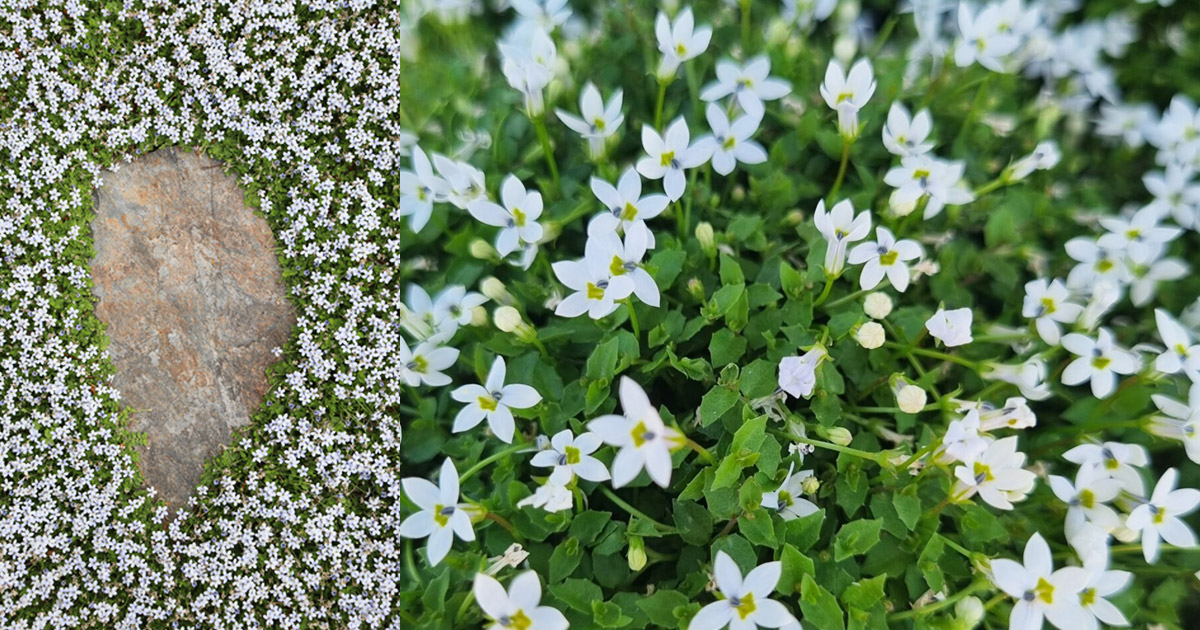
Pratia White Star Creeper groundcover around pavers and closeup

Pratia White Star Creeper (it also comes in Blue) is a versatile groundcover that will also grow in fairly shady areas. With its long flowering period of about 9 months (from September to May), it adds a burst of beauty to the garden. While it requires fairly good soil, water, and fertilization, it can tolerate light foot traffic, making it suitable for pathways and areas surrounding stepping stones.

In a hurry: Plant 9 per square metre
Prepared to wait: Plant 5 per square metre

Back to list: Top 10 Groundcover Plants for Australia


4. Dichondra Repens (Light Steppability)

[one_half padding=”0 20px 0 0″]

[/one_half]

[one_half_last]

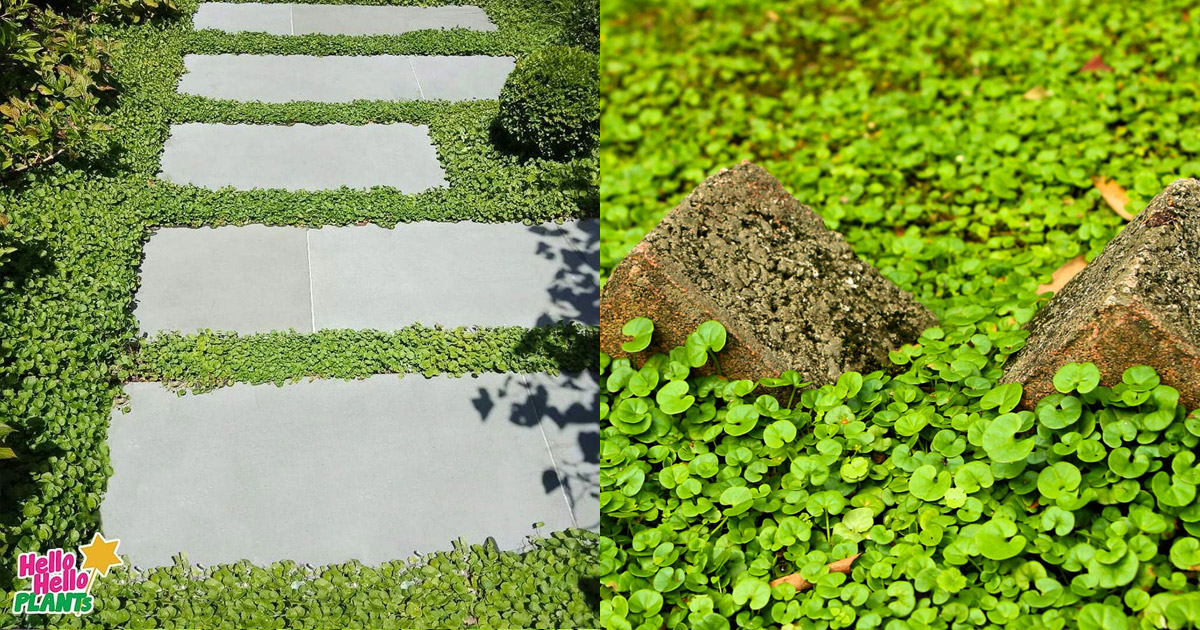
After our recent viral video made us puzzlingly popular over in the ‘States, we couldn’t forget Dichondra repens! Also uninspiringly known as kidneyweed, Green Dichondra is an attractive Australian native groundcover option, particularly for deep shade. With ample water, it can grow in full sun as well.

Dichondra repens is one of the best Australian groundcovers

Dichondra’s kidney-shaped leaves provide a unique look, and it establishes quickly with rapid growth during warm weather, given plenty of water and a bit of fertiliser while it’s getting established. However, it’s only suitable for very light foot traffic, so it’s best to use stepping stones if you need to navigate through the area.

In a hurry: Plant 9 per square metre
Prepared to wait: Plant 5 per square metre

[/one_half_last]

Back to list: Top 10 Groundcover Plants for Australia


5. Dymondia Silver Carpet (High Steppability)

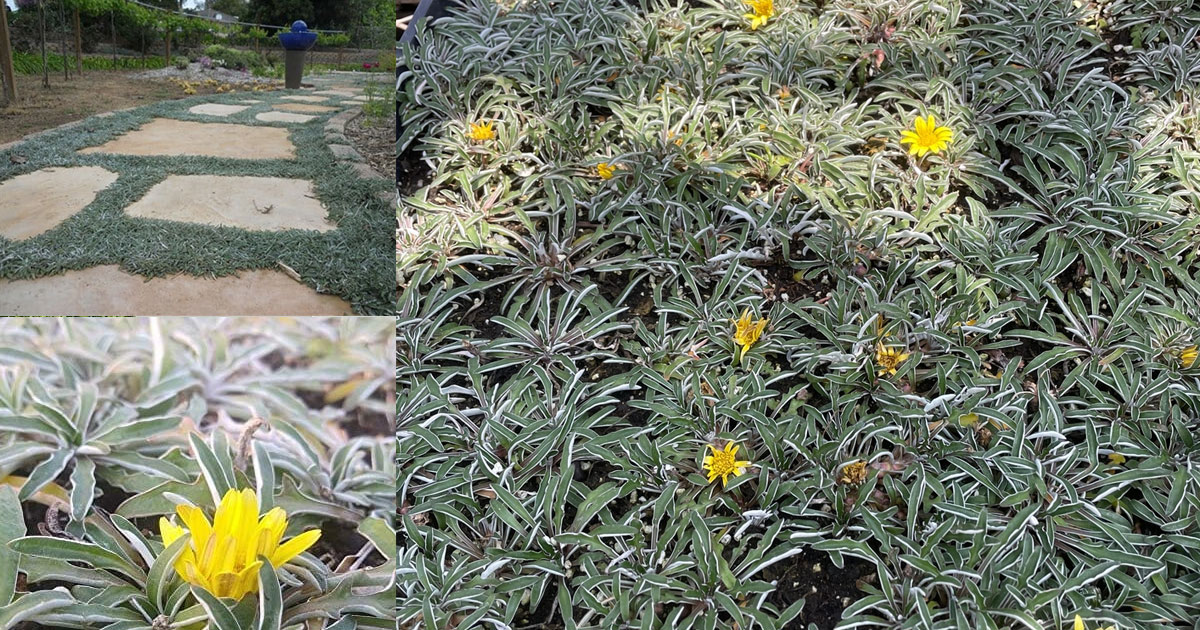
Silver Carpet is from South African but works well as a groundcover in Australia

If durability is your priority, Silver Carpet (Dymondia margaretae) is an excellent choice. It thrives in harsh conditions, including heat, dryness, frost, and poor soils. Its flat and silver-gray appearance creates a striking contrast, especially when paired with dark pavers. Ideal for large areas, this groundcover effectively blocks out weeds once established and can withstand high foot traffic.

Chris has a patch of Silver Carpet himself in his garden about 8m by 3m, and says it’s very good at blocking out the weeds once established and good for covering a large area. He walks on it and even drove a tractor over it, and found it impressively steppable.

In a hurry: Plant 9 per square metre
Prepared to wait: Plant 5 per square metre

Back to list: Top 10 Groundcover Plants for Australia


6. Silver Dichondra (Light Steppability)

Australian native groundcover and trailing plant, Dichondra Silver Falls

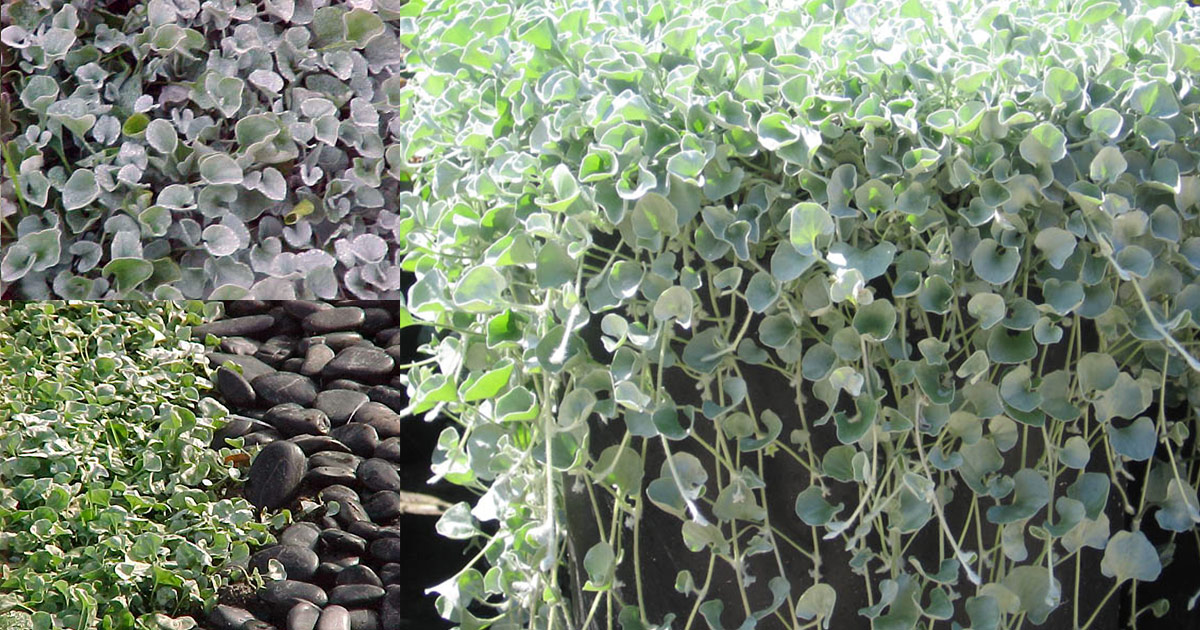
Silver Dichondra (Dichondra argentea ‘Silver Falls’) offers a hardy and flat silver leaved groundcover option, perfect for contrasting with Black Mondo Grass or bright greens. It will also trail nicely over retaining walls, and has the same interesting kidney shaped leaves as it’s cousin, Green Dichondra. Another Aussie native groundcover, with adequate water and fertilization, it establishes quickly and becomes drought-tolerant. It’s best suited for areas with very light foot traffic, and if you need to walk through the space, stepping stones should be incorporated.

In a hurry: Plant 9 per square metre
Prepared to wait: Plant 5 per square metre

Back to list: Top 10 Groundcover Plants for Australia


7. Zoysia No Mow Grass (High Steppability)

Zoysia No Mow Grass is a groundcover that does well in the Australian climate

No Mow Grass (Zoysia tenuifolia) means what it says: is the closest to a lawn in terms of durability, capable of handling the most foot traffic, and doesn’t need to be mowed. With proper watering and fertilization, it establishes quickly and thrives in the Melbourne climate. This groundcover has a gently mounded, undulating nature, adding visual interest to your landscape. It remains persistent and is frost-hardy, making it an ideal choice for low-maintenance areas.

In a hurry: Plant 9 per square metre
Prepared to wait: Plant 5 per square metre

Back to list: Top 10 Groundcover Plants for Australia


8. Soleirolia Baby’s Tears (Medium Steppability)

Soleirolia Baby's Tears is a good shade loving groundcover for Australia

Baby’s Tears (Soleirolia soleirolii) thrives in deep shade and add a touch of lushness to your space. They prefer moist areas with minimal sunlight and spread rapidly. Available in green or gold, the gold variety can be used to introduce colour and contrast to shady spots or the abundant green of ferneries. While they can handle light foot traffic once established, it’s best to avoid excessive walking on this groundcover.

In a hurry: Plant 9 per square metre
Prepared to wait: Plant 5 per square metre

Back to list: Top 10 Groundcover Plants for Australia


9. Native Violet (Low Steppability)

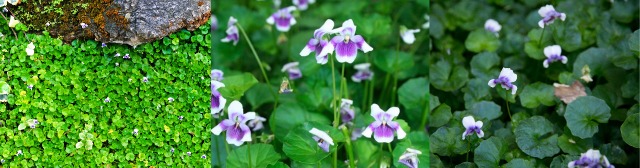
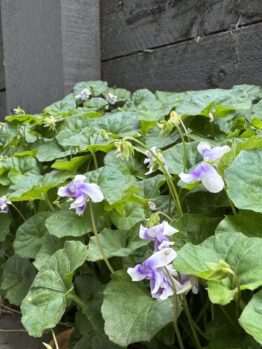
Excellent Australian native groundcover Native Violet

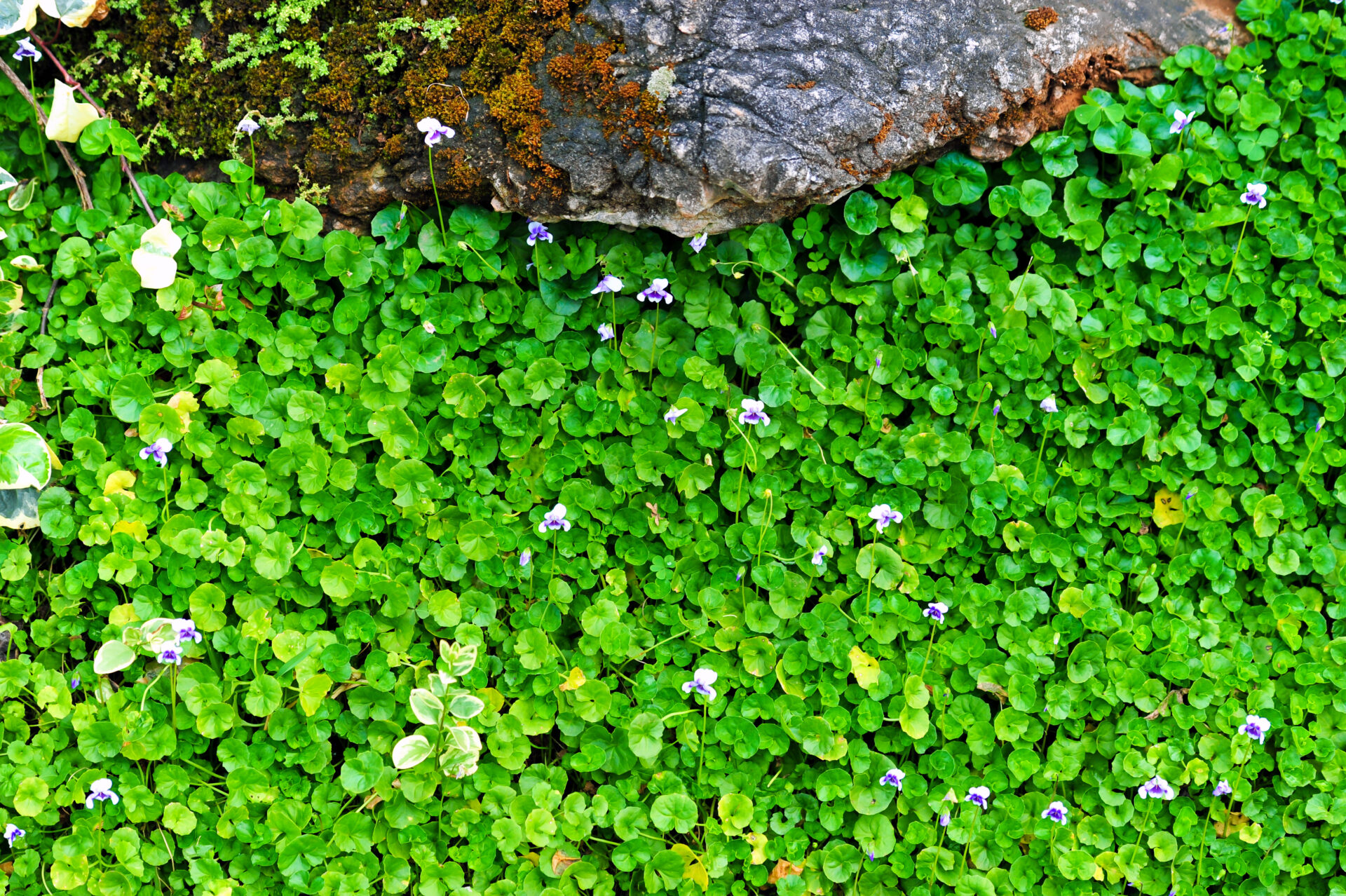
Native Violet (Viola hederacea) is an Australian native groundcover as it’s name suggests. It offers a lush and leafy option, with the bonus of delicate flowers gracing its foliage all year-round. It thrives in shaded areas and can tolerate boggy conditions or poor drainage. Chris recently sold 500 or so of these to a customer, who then used them around sandstone pavers. The contrast between its leafy foliage and the rough-textured pavers created an awesome combination. However, due to its slightly taller growth, it is suitable for minimal foot traffic. This means when using Native Violets around pavers, you want the pavers to be raised up slightly above the tops of the plants, like islands in a lush green sea.

In a hurry: Plant 9 per square metre
Prepared to wait: Plant 5 per square metre

Back to list: Top 10 Groundcover Plants for Australia


10. Dwarf Mondo Grass (High Steppability)

Mondo Grass as a groundcover and lawn alternative

Dwarf Mondo (Ophiopogan japonicas ‘Nana’) is a popular choice of groundcover plants, resembling grass with a rich, deep green colour. It can withstand a considerable amount of foot traffic and is highly durable. This groundcover is ideal for Asian or Zen-style gardens, as well as areas around pavers. It prefers morning sun or dappled shade, thriving in deep shade and tolerating wet, boggy conditions. However, it does struggle in direct hot sun, especially at the sunny end of a path.

In a hurry: Plant 16 per square metre
Prepared to wait: Plant 8 per square metre

Back to list: Top 10 Groundcover Plants for Australia


Important Tip: Raising your groundcover right

One of the main reasons people use groundcovers is to suppress weeds, and weeds can also try to out-compete your groundcover before it’s even gotten started. If not handled properly, this can turn into a tangled mess, with the weeds either winning or becoming permanently meshed into the groundcover and impossible to remove.

There are two key steps to make sure your groundcover succeeds and blocks the weeds:

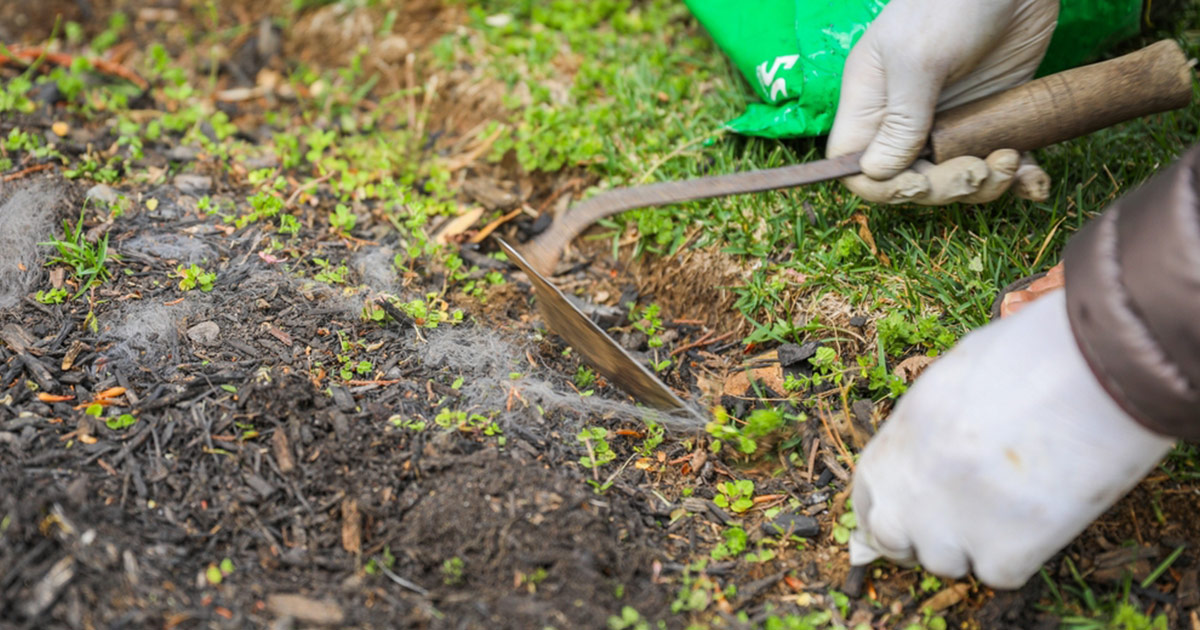
  1. Before planting, it is essential to thoroughly remove all weeds from your chosen spot. Weeds can compete with the groundcovers for resources like water and light, and slow or prevent their growth and establishment. By providing a clear, weed-free environment, you lay the foundation for a successful groundcover patch that will flourish and require minimal maintenance in the long run.
  2. This anti-weed activism needs to continue until your groundcover plants are ready to handle things on their own. Regular weeding and maintenance are crucial during the entire time the plants are getting themselves established, until they cover the space fully with no gaps. This ensures that the groundcovers have the best opportunity to thrive and suppress future weed growth.

If you want to do yourself a favour and cut the weed whacking work down, plant more groundcover plants per square meter (the “In a hurry” amounts listed above). That way your groundcover establishes itself faster into a seamless green carpet. We offer bulk discounts on many groundcover plants to make it easier to get the quantity you need.

Back to list: Top 10 Groundcover Plants for Australia


In summary With the rise of smaller spaces and the need in Australia for low-maintenance alternatives to lawns, foot traffic friendly groundcover plants, or “steppables,” have become invaluable. By selecting the right groundcover for your needs, you can transform a small area into a beautiful green space that requires minimal upkeep.

Whether you choose Yareena Myoporum, Dymondia Silver Carpet, or any other groundcover from our top 10 list, you’ll enjoy the benefits of a stunning, durable, and low-maintenance landscape. Remember to eliminate weeds before planting and provide adequate care during the establishment phase to ensure the success of your groundcover project.

Shop bulk discounts on groundcover plants

Shop all groundcover plants


10 useful tips to save money on your landscaping or garden budget

10 tips to save on your landscaping budget

Interest rates keep rising, the economy is tight, and times are a bit tough in Australia. However, if you’re preparing a property for sale, moving into a new place, or determined to keep living your best (garden) life, the show must go on.

Our tutu-wearing garden guru Chris does almost 30 garden design consultations a week for people around Melbourne and Victoria. Based on his 60+ years of experience in the plant and landscaping business, we asked him for his top tips to make the most of your money and rock your landscaping budget without breaking the bank!


10 tips to make the most of your garden budget

  1. Skip the Fancy Garden Edges
  2. Embrace Mother Nature’s Contours
  3. Lush Hedges Beat Pricey Fences
  4. Mulch vs Pebbles, the Budget-Savvy Option
  5. Pots vs. Garden Beds: Big Plants, Big Expenses
  6. It’s Not Size That Matters, it’s How You Use It
  7. Score a Free Garden Design
  8. DIY with the Fam
  9. Turn Trash into Treasure
  10. Artificial Lawn Intelligence?
  11. Bonus tip: Picking Plants on a Budget

[one_half padding=”0 20px 0 0″]

Chris helps a customer with a garden design

Book a free Garden Design.

[/one_half]

[one_half_last]

A fancy expensive landscape design probably sounds like the first place to lose the one of many chunks of your budget. Even if you plan to do it yourself, you can get professional advice to make sure you make the right choices for your new garden at practically no cost with our free Garden Design Service.

This is a one-on-one consultation in our Campbellfield nursery (or by a video chat) with Chris to discuss your requirements, budget, plant preferences and style, and go over photos and plans of the site. Together you will work out the perfect design based on your unique project and the growing conditions in your area. You’ll come up with the exact list of plants you need, and a basic action plan of what you need to do to make it all happen. Very handy for any size garden project.

[/one_half_last]


1. Skip the Fancy Garden Edges

A natural edge garden bed with no stone, metal, wood or plastic edging installed
A natural edge is actually easier to maintain than you think, and costs as good as nothing

Seriously, those timber, stone, metal or plastic garden edges are more trouble than they’re worth. Not only are they a bigger additional cost than you would think, they mess with your lawnmower, and weeds love to sneak under them and refuse to come out.

So why not take a leaf out of the botanic gardens’ book? Make use of the forgotten “natural edge” technique and grab a sharp spade, chopping out your garden bed directly from surrounding grass. Great video on how to put in a natural edge garden bed here.

The added bonus is that you can have almost any shape you want. Sure, you’ll need to give it a trim now and then, but it’s a cleaner and smarter alternative that won’t cost you a fortune, and can last a whopping 100 years or more without being replaced!

Back to list: 10 tips to save on your landscaping budget


2. Embrace Mother Nature’s Contours

A sloped cottage style flower bed
Plants will prevent erosion, as in this sloped cottage style flower bed

Forget expensive retaining walls and levelling off your garden. Let the natural slopes and contours add character and interest to your landscape. Flat land is dull, but a garden with a little topography? Now, that’s something special.

Plus, it saves you from the hefty price tag of building retaining walls and then having to fill them with soil to level them off. Not only can they detract from the aesthetic of a garden, they can actually drain your whole garden budget.

Back to list: 10 tips to save on your landscaping budget


3. Lush Hedges Beat Pricey Fences

A hedge of coastal rosemary (Westringia) doing a fine job of it

Brick or steel fences may look fancy, but they come with a hefty price tag and maintenance headaches. Instead, opt for a well selected, planted and maintained hedge. It can last for over a century, enhance airflow, and provide a living, breathing boundary.

Hedges are hardier than bricks and can survive bumps, crashes and cars, re-growing if damaged. They offer a timeless and far less expensive alternative to traditional fences.

Back to list: 10 tips to save on your landscaping budget


4. Mulch vs Pebbles, the Budget-Savvy Option

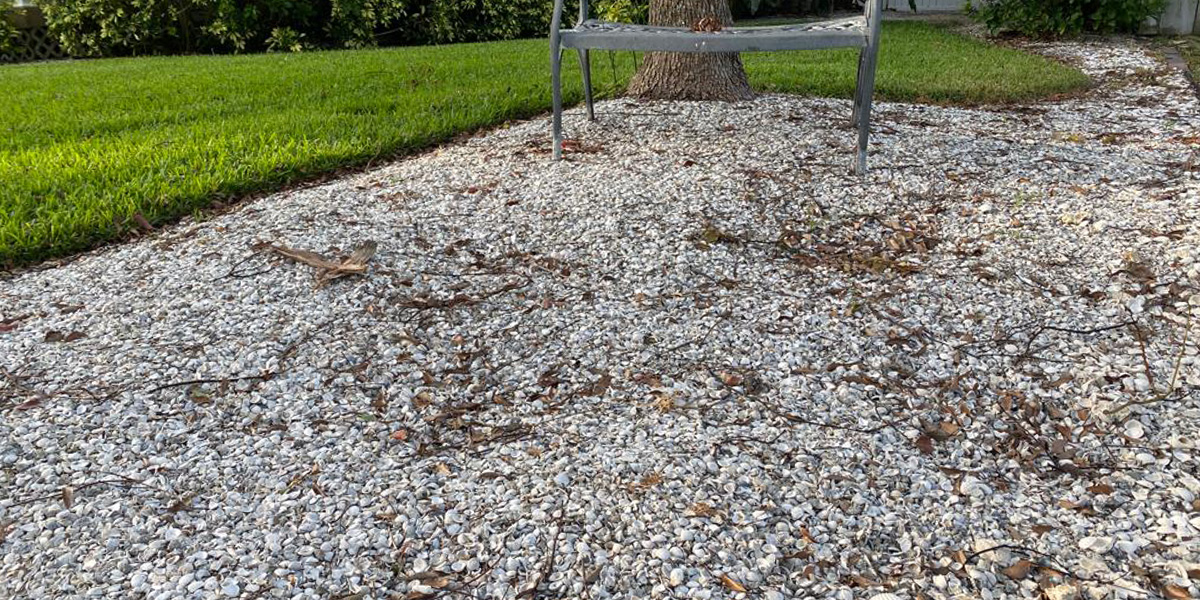
Pebbles are harder to maintain than mulch and leaf litter makes them look messy quickly
Pebbles are harder to maintain than mulch, and leaf litter makes them look messy quickly.

Let’s talk mulch versus pebbles. Pebbles may seem glamorous, but they’ll drain your wallet and energy. Coming in at 2 to 4 times the price of mulch, the weight of pebbles also make them much more labour-intensive to lay. Not to mention the nightmare of cleaning them when leaves and rubbish fall on top.

Instead, go for black timber or pine bark mulch. It’s light, easy to spread, and a breeze to maintain. If leaves pile up, just sprinkle some more mulch on top as needed—it’s a cost-effective solution that keeps your garden happy.

Back to list: 10 tips to save on your landscaping budget


5. Pots vs. Garden Beds: Big Plants, Big Expenses

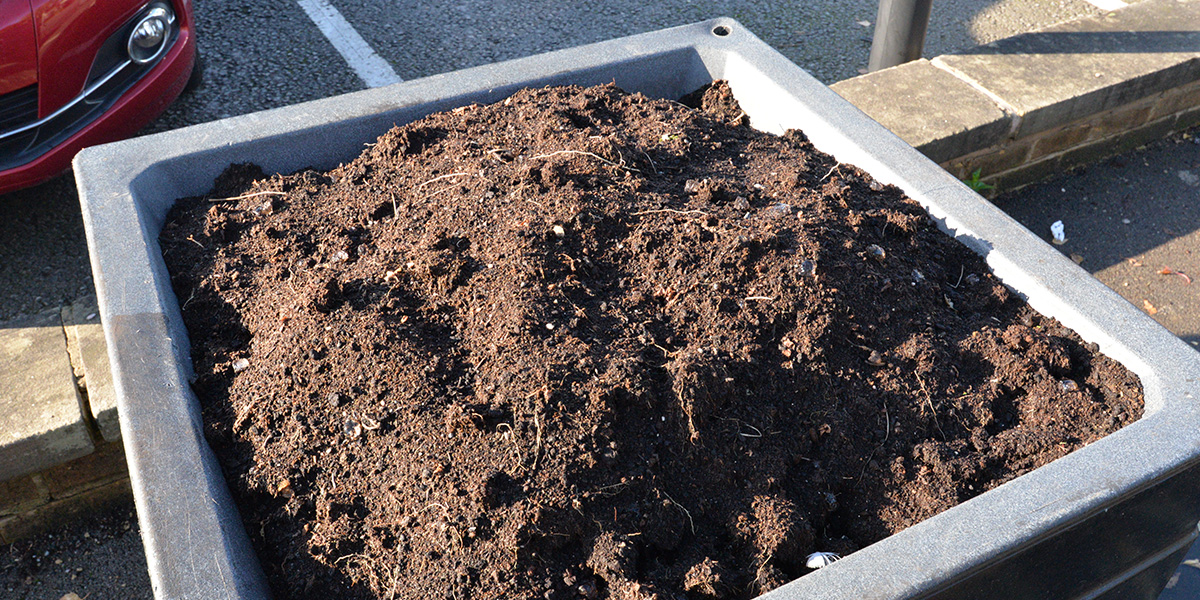
A large square pot planter filled with soil
The cost of large planters and filling them with soil really adds up

Don’t get lured into the idea of landscaping using large pots when a garden bed space is available. It may seem easier or cheaper to put large plants like feature trees in pots, but those pots can be expensive, and filling them with potting mix will burn a hole in your budget.

Not to mention the constant watering they require—a plant in a garden bed can spread its roots to draw moisture over a much larger area and require up to 75% less watering. For larger plants and feature trees, it’s much more cost-effective to plant them directly in the garden bed. Your wallet—and your plants—will thank you.

Back to list: 10 tips to save on your landscaping budget


6. It’s Not Size That Matters, it’s How You Use It

Advanced Michelia alba tree
Getting a good deal on a couple of large feature plants will make your garden look instantly established

If your garden budget is not limitless, or even depressing, you might think you’ll be stuck with buying plants no bigger than your pinkie. Who’s going to even be able to tell that you just gave yourself a garden makeover!

Here’s a sneaky trick from Chris to make the most of limited funds. Invest in 3-5 key plants in medium to large sizes for immediate impact. These bad boys will bring instant impact to your landscape. Fill in the rest with smaller plants, and voila! You’ve got yourself a gorgeous garden that looks semi-established and doesn’t break the bank.

Back to list: 10 tips to save on your landscaping budget


7. Score a Free Garden Design

Why waste money on trial and error? Get a free garden design from Chris that’s tailor-made for your space. You’ll receive expert advice and a step-by-step plan to turn your dream garden into a reality. Avoid wasting money experimenting with plants that won’t thrive or just up and die on you. It’s a no-brainer, really.

Back to list: 10 tips to save on your landscaping budget


8. DIY with the Fam

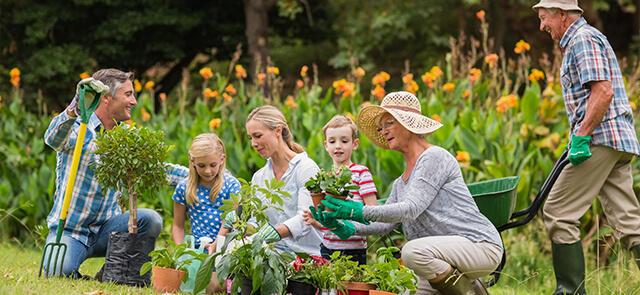
Family gardening together
Gardening is a fantastic family activity!

Landscapers can charge a fortune, with high hourly rates plus their own added mark-up on materials. Why not turn it into a family affair and get your whole crew involved in building your garden? Buy the materials directly, take advantage of our free delivery service, and plan a weekend of gardening.

By cutting out the middleman, you’ll save a significant chunk of cash and enjoy some quality family time. And you’ll pay them back when it comes to their own garden project of course… It’s a win-win situation!

Back to list: 10 tips to save on your landscaping budget


9. Turn Trash into Treasure

Hello Hello Plants Nursery Campbellfield Melbourne Victoria Australia soil conditioner lawn clippings mower

Create a compost heap to transform your garden waste into valuable assets. Gather lawn trimmings, weeds, kitchen scraps, and layer them in a heap with garden soil. Before you know it, these will all break down into a nutrient-rich compost that will supercharge your plants.

Then dig this into your garden beds once or twice a year. It’s an eco-friendly and cost-effective way to improve your soil without spending extra money.

Back to list: 10 tips to save on your landscaping budget


10. Artificial Lawn Intelligence?

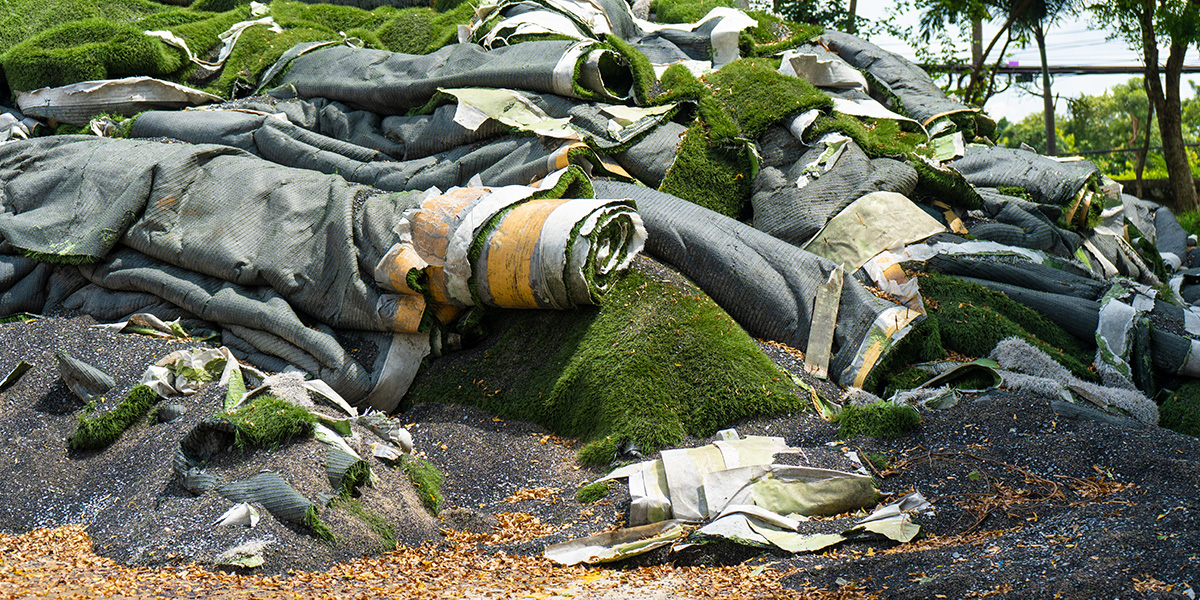
Piles of old fake grass ready to be thrown out

At first glance, fake grass can seem cheap, fabulous, and did we say cheap? But in this race between mother nature and machine, natural turf triumphs. Artificial grass might seem like a low-cost solution, but trust us, it’s a slippery slope. The installation, earthworks, and all the extras quickly add up. And don’t even get us started on how it fades in the sun.

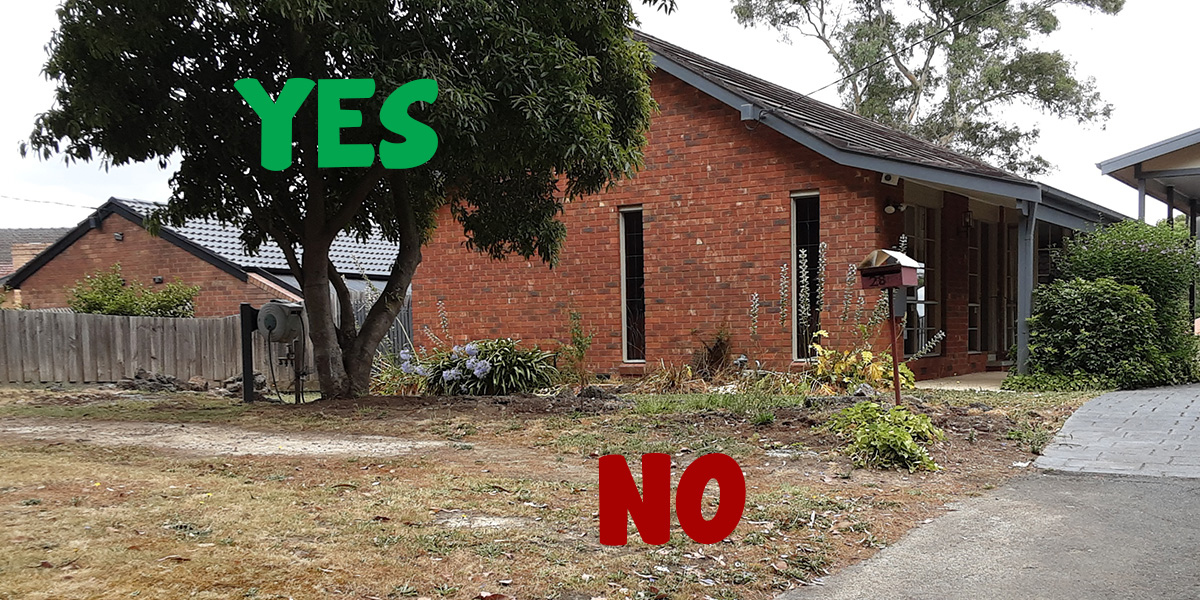
Instead, opt for good old natural turf. It’s half the price and lasts longer. Chris noticed that in properties where artificial grass had been laid, it was often messy and unkept with leaves and rubbish on it and did not have the desired effect. Although you need to mow turf, the benefit is that you’ll tidy up your lawn and pick up leaves at the same time in your mower’s catcher. Talk about killing two birds with one lawnmower!

Back to list: 10 tips to save on your landscaping budget


Bonus Tip: Picking Plants on a Budget

Hello Hello Plants Nursery Campbellfield Melbourne Victoria Australia Magnolia grandiflora _Little Gem_ and Cerastium _Snow in Summer_ groundcover long blue fence(5)
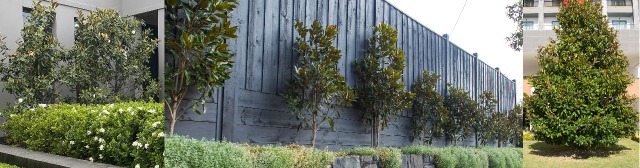
Little Gem Magnolias are an affordable alternative to the pricier Teddy Bear variety

When listing out the plants you want for your garden, try not to get hung up on fancy plant varieties or pricey trademarked plants (this is called “Plant Breeders Rights” or PBR varieties). There are plenty of wallet-friendly alternatives that look just as fantastic. Take, for example, the Little Gem Magnolia—half the price of the fancy-pants Teddy Bear Magnolia and just as fabulous.

If you share your planting list with us, we’ll help you find budget-friendly alternatives that are just as stunning. Sometimes pictures of envious overseas gardens fill our screens, but they’re often packed with plant varieties that are not easy to get in Australia (read: expensive) or that won’t do well in Melbourne or Victoria. We’ll help you create your dream garden right here on home soil.

Back to list: 10 tips to save on your landscaping budget


Conclusion to all this? With these wallet-friendly tips, you’ll get as much garden as possible for your money. So roll up your sleeves, grab your gardening gloves, and let’s make your landscape dreams come true—without breaking the bank. If you want some personalised advice on making your money do the most for your your own garden project, big or small, you can always use our free Garden Design Service to combine your vision with our expert knowledge and years of experience. Happy gardening!


10 basic steps to create your dream garden

Ready to embark on the exciting journey of creating your dream garden but feeling a bit lost? No worries, we’ve got you covered! In this handy guide, we’ll walk you through garden guru Chris’ 10 simple steps to help you transform your outdoor space into a stunning oasis. From assessing what you’ve got, to planning your plant palette, Chris has taken 40 years of garden design experience right here in Melbourne and boiled it down to the key tips and tricks you need to know. So, let’s dive in and turn your garden confusion into gardening success!


10 Basic Steps to Create Your Dream Garden (when you have no idea where to start)

  1. Check Out What You’ve Got (The Good, the Not So Bad and the Ugly)
  2. Let Your House Do the Talking
  3. Understand Your Location and Conditions
  4. Get to Know Your ‘Hood
  5. Dream It, Plan It, and Prioritize It
  6. Define Your Garden Style
  7. Create a Plant Palette That Rocks
  8. Plan the Ultimate Plant Placement
  9. Get Down and Dirty with the Prep
  10. Planting 101—You’ve Got This!
  11. Bonus step: To Irrigate or Not to Irrigate?

[one_half padding=”0 20px 0 0″]

Chris helps a customer with a garden design

Book a free Garden Design.

[/one_half]

[one_half_last]

Already overwhelmed thinking about all this, or just want some professional advice on your existing plans (or lack of them)? Give our free Garden Design Service a try.

It’s a one-on-one consultation in our Campbellfield nursery (or by a video chat) to discuss your requirements, plants you like, and go over photos and plans of the site. Together you will work out the perfect design based on your preferences, budget, growing conditions in your area and more. You’ll come up with the exact list of plants you need, and a basic action plan of what you need to do to make it all happen. Very handy for any size garden project.

[/one_half_last]


1. Check out what you’ve got (the Good, the Not So Bad & the Ugly)

Take a good look at your garden and make a list of the stuff you love and want to keep. Got some gorgeous trees or cool features? Highlight those babies! Now, on the flip side, identify the things that ain’t so great and need to go. But hey, even if it’s not perfect, some elements might have a solid foundation to work with and fix up. An overgrown tree might just need some well-done pruning to turn it into a keeper.

Back to list: 10 Steps to Create Your Dream Garden


Step 2: Let Your House Do the Talking

A brand new house with no garden yet

Believe it or not, your house has a say in this garden game too! Take cues from its style and personality. Is it all sleek and modern? Then you’ll want a garden that matches that vibe. Let your house speak up and guide you in creating a garden that complements its coolness. Harmonizing your house and garden creates a cohesive and visually appealing outdoor space.

Back to list: 10 Steps to Create Your Dream Garden


Step 3: Understand Your Location and Conditions

Every suburb has its own unique soil type, temperature range & wind exposure, rainfall, and drainage patterns. Take note of these factors as they will determine the types of plants that will thrive in your garden. If you’re getting a free garden design with Chris, tell him what suburb of Melbourne you live in or even what part, and he’ll tell you the type of soil you’ll have in your garden (experience pays). You can also bring a cup of your soil to your garden design appointment to show Chris, and he’ll explain it to you, telling you what plants will tolerate that soil, or what you need to do to fix your soil.

At your own place, consider where the sun rises and sets, especially if you have a small block with multi-storey buildings nearby. Additionally, if your garden suffers from poor drainage, decide now: am I going to get really involved and invest some work in fixing drainage problems? If not, you’ll need to opt for plants that can tolerate such conditions.

Back to list: 10 Steps to Create Your Dream Garden


Step 4: Get to Know Your ‘Hood

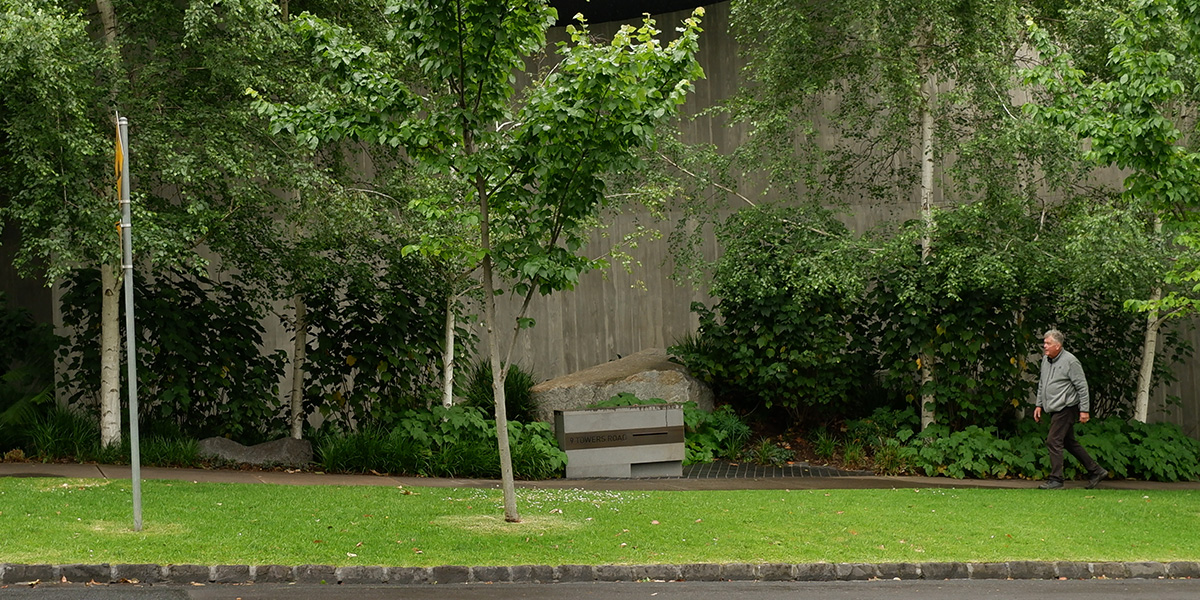
Chris walks the streets of Toorak looking for really great gardens
Chris says if he’s ever in a pickle about what will work in a particular garden, he’ll walk the neighbourhood and look

Your neighbourhood is like a real-life gardening science experiment that millions of dollars have already been invested in without you even having to lift a finger. Your neighbours have been trying to create great gardens themselves in the same conditions, and their successes and failures are valuable insights waiting to be discovered. Take a stroll and check out other people’s gardens. Without having to ask (although you can if you’re feeling brave) you’ll be able to see what’s working and what’s not. Look for houses similar to yours and see what plants are thriving. Snap photos of the ones that catch your eye for future inspiration.

Back to list: 10 Steps to Create Your Dream Garden


Step 5: Dream It, Plan It, and Prioritize It

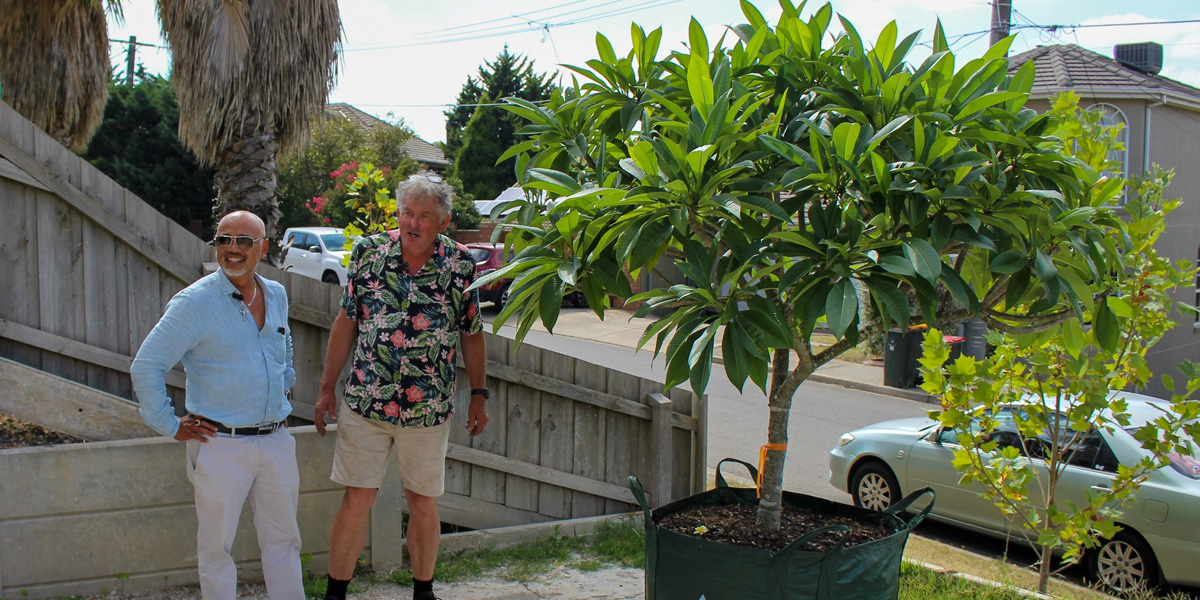
Customer Kim with the advanced frangipani we sourced for him
Kim is absolutely stoked with the advanced frangipani we sourced for him, because it was the perfect feature at his brand new property

Now it’s time to get clear on what you want. What’s the big dream for your garden? Low maintenance? Bursting with colours? Ready for that epic backyard BBQ for Hayden’s 21st in six weeks? Something you can actually afford? Identify your top priorities and rank them in order of importance. Low maintenance might sound nice but if street appeal is what you fall asleep thinking about at night, be true to your garden goals. If it’s got to look tip-top for an approaching deadline, like an auction or event, you’ll want to invest in larger, more established plants that won’t look like they were born yesterday to get that instant wow-factor. It’s your garden, so focus on what matters most to you.

Back to list: 10 Steps to Create Your Dream Garden


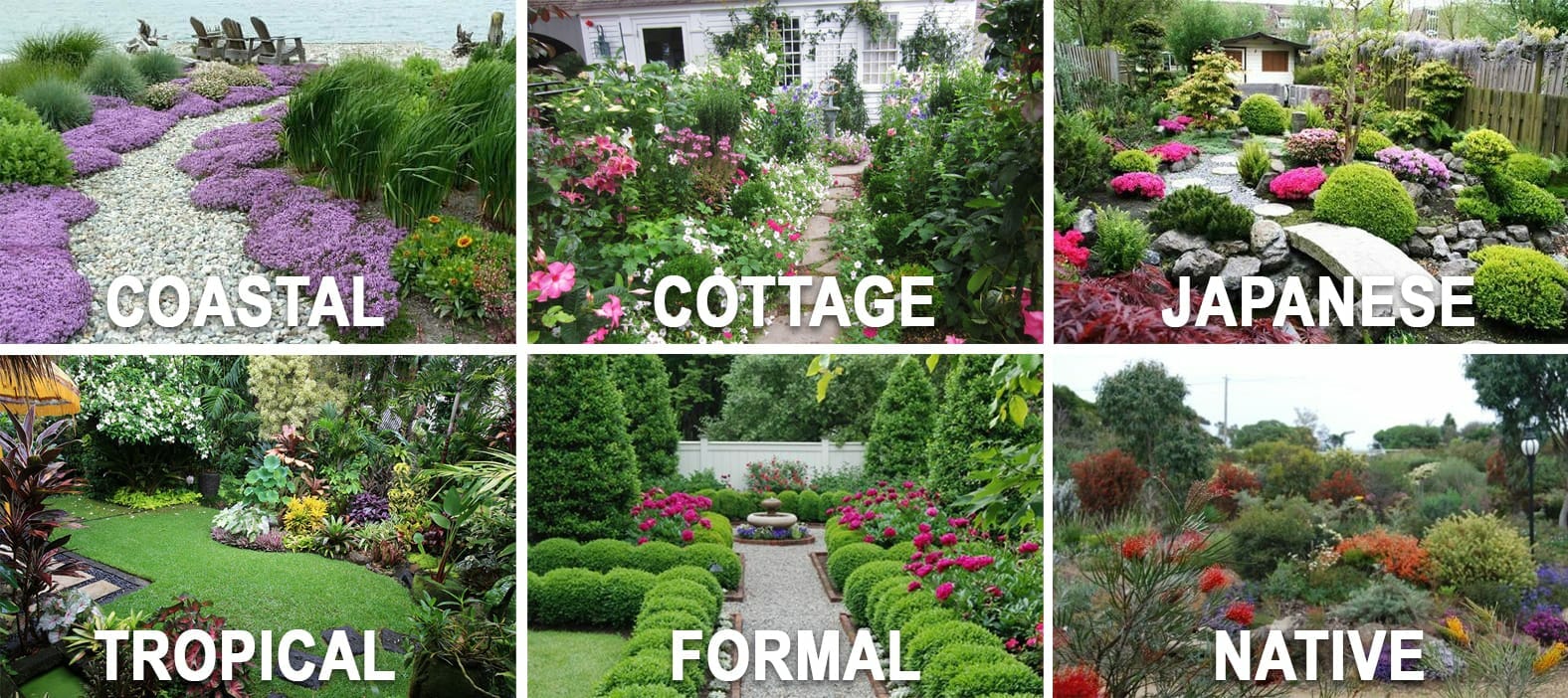
Step 6: Define Your Garden Style

Keeping all of our prior steps in mind, now determine: what’s your garden vibe? Formal and classy or charmingly cottage-like? Choose a style that speaks to your soul, fits your property and sets the tone for your garden. Think about the architecture of your house and what makes you feel all warm and fuzzy inside. This is going to define the range of plants you’re going to work with in the next step.

Back to list: 10 Steps to Create Your Dream Garden


Step 7: Create a Plant Palette That Rocks

One customer's ute full of modern lush funky plants
One customer’s ute filled with funky lush modern plants. Clockwise from top left: Lomandra Tanika, Tractor Seat Plant, Asparagus Foxtail Fern, Purple Tractor Seat Plant and Lamb’s Ears

Time to curate a killer collection of plants that’ll make your garden pop. Research plants that can handle your local conditions, the spots you want to put them in, AND that suit your garden style. At this point we have to give a plug for Chris’ free Garden Design service. He is a walking plant encyclopaedia and specialises in taking everything you’ve worked out so far and showing you which plants are going to work in every possible situation. But here’s the golden rule: only pick plants you genuinely love. After all, you’ll be spending lots of quality time with them.

Back to list: 10 Steps to Create Your Dream Garden


Step 8: Plan the Ultimate Plant Placement

Placement matters, folks! Strategic plant layout is the key to a visually captivating garden. Start by identifying the key features you want to highlight. Got some fancy trees? Use them as focal points and build around them. Add secondary plants to create depth and visual interest. Think big to small, and don’t be afraid to mix it up. You can use subtle patterns and repeat them for a sense of visual rhythm. Let’s be honest, it’s a bit of an art. For an effortless harmonious design, consult a professional like Chris as part of our Garden Design service if needed.

Back to list: 10 Steps to Create Your Dream Garden


Step 9: Get Down and Dirty with the Prep

If you’ve got a raw block or a neglected garden, it’s time to roll up those sleeves.

[one_half padding=”0 20px 0 0″]

  1. Begin by spraying the area with Roundup* to zap the weeds, and allow it to sit for 48 hours.
  2. Mow the grass and weeds down as low as possible, down to the dirt.
  3. Next, dig, dig, dig! Dig, turn, and break up the soil with a spade or mattock, ensuring you go down to a depth of one whole spade.
  4. Mix in 5-10cm of organic soil goodness (watch out for dodgy toxic soil sellers) or good quality potting mix and dig this all in again.
  5. Use a garden fork to roughly go over the area and rake out the junk, weeds, etc.
  6. And finally, level the area with a steel garden rake before proceeding to create a smooth canvas for your green masterpiece.

Check out Chris’ quick video below on planting into raw dirt or a freshly built block:
[/one_half]

[one_half_last]

[/one_half_last]

*Hold up: Roundup? Controversy alert.

When it comes to battling those pesky garden invaders—aka weeds—there’s one product that often sparks lively debates: Roundup. Now, Roundup has its fair share of controversies, but let’s explore its benefits. You see, Roundup is a herbicide (plant-killer) and contains an active ingredient called Glyphosate, which is like a weed-wrecking ninja. It swiftly eliminates weeds by attacking their roots, ensuring a thorough takedown. The best part? Glyphosate gets neutralized by the calcium naturally present in the soil within a mere 48 hours, rendering it relatively harmless. Of course, safety first! It’s crucial to use proper protection when handling any chemicals. And remember: Roundup does NOT discriminate. It will kill any plant it touches, so don’t get it near your leafy beloveds. If Roundup isn’t your jam, fear not! An alternative approach involves some good ol’ manual labour. Grab your trusty mattock or shovel and hack and smash those weeds and grassy messes into the soil. Then, armed with a garden fork, diligently rake out the weeds, including their sneaky roots, and repeat every week or so in the leadup to planting time. It’s an eco-friendly way to keep your garden weed-free without the need for herbicides.
[one_fourth padding=”0 20px 0 0″]

[/one_fourth]

[three_fourth_last]

Chris says: skip the weed mat—it’s a buzzkill for future gardening. Instead, try his favourite technique. Grab yourself a small sharp hoe, and every 2 weeks for the first couple of months after clearing up the area, as weeds emerge but before they get too big, hoe them over and into the soil. The weeds eventually just seem to stop growing: you’ve broken the back of them. It doesn’t matter if this is before or after you’ve done your planting. Keep up this little routine and the pesky weeds are at bay, put a nice thick coating of mulch on.

[/three_fourth_last]

Back to list: 10 Steps to Create Your Dream Garden


Step 10: Planting 101—You’ve Got This!

When it’s time to plant, don’t stress, we’ve got your back.

  1. Dig a hole that’s twice as wide and deep as the size of the pot the plant is in.
  2. If the area has bad drainage, is boggy, has clay or is heavily compacted, sprinkle some soil wetter into the bottom of the hole. This allows water to drain freely away from the base of the plant and prevents the roots from rotting or drowning.
  3. Mix the soil you dug out of the hole 50/50 with some more good quality organic soil or potting mix, to give your new green buddy a cozy home.
  4. Back fill the hole with this magic mix so that it’s a little more than half full, enough so that the plant is going to be sitting slightly raised above ground level when you place it in the hole.
  5. Sprinkle a little Osmocote in the bottom for a nutrient boost, and pop in the plant. Osmocote is specially formulated not to burn the roots of the plant.
  6. Fill in the sides of the hole with your magic soil mix and mound it up slightly to the trunk/stem of the plant without covering it.
  7. Sprinkle a little more Osmocote on top near the roots, and gently pat the soil.
  8. Then remember to mulch around the plants after you’ve done your weed-killing routine for a couple of months, leaving breathing room of about 1-2 inches around the base/main trunk of the plant to avoid rotting.
  9. Oh, and soil wetter is like a secret weapon for better water penetration and drainage—trust us on this one. Spread around the whole garden bed straight after planting as directed.

Back to list: 10 Steps to Create Your Dream Garden


Bonus step: To Irrigate or Not to Irrigate?

Hello Hello Plants Nursery Campbellfield Melbourne Victoria Australia watering plants hose sprinklers

That is the question. Automatic watering sounds like a dream, but it has it’s downsides. If you’ve got a small garden, a trusty proper commercial size hose with a rosette hose head that puts out a decent amount of water, like the ones we advocate, can get the job done. No need to go all fancy with an irrigation system. But hey, if you decide to go for it, Chris suggests you choose visible above-ground sprinklers. Trust us, you’ll thank yourself when you can easily spot which areas are being watered while the system is on, and which might be missing out. With a hidden or in-ground system, you can’t really tell if something’s gone haywire or gotten clogged until plants start dying.

Back to list: 10 Steps to Create Your Dream Garden


Conclusion to all this? Creating your dream garden may feel overwhelming at first, but with these 10 steps, you’re well-equipped to tackle the challenge head-on. By understanding your garden’s assets and liabilities, considering your house’s style, exploring your neighbourhood’s success stories, and nailing down your garden goals, you’ll be on your way to a jaw-dropping outdoor space. If it’s a bit too much to face alone, you can always use our free Garden Design Service to combine your vision with our expert knowledge and years of experience, and get a professional helping hand to create your very own slice of paradise!


Top 10 Low Maintenance Plants

It’s hard to keep the gardening looking wonderful All. The. Time.
We all watch those garden shows and dream of having such an inviting garden to hang out in and entertain our guests in, showing off our plant prowess. Then we look out the window at the tangled mess that is our yard with sad shrubs, hedges that have blown out into trees and a lawn that’s trying to scale the fence. Sigh!

It all looks too damn hard!

No wonder our biggest request during Chris’ one-on-one Free Garden Designs is a Low Maintenance Garden. How can I achieve that delectable garden and maintain my busy life?

Professional advice to create a low maintenance garden

[one_half]

For expert advice on a low maintenance garden, try our Garden Design Service.

[/one_half]

[one_half_last]

Solution number one: Get someone else to work it out for you! Chris designs hundreds of these types of gardens a month, working with your colour palette, climate, styles and budget to get you the garden you need. To create a low maintenance garden, plants that need minimal care and trimming or pruning are used, as well as plants that are quire tough and can tolerate a wide range of conditions. The right mix of all these factors is used to come up with a custom design for your individual project.

[/one_half_last]

Find out more about our free Garden Design Service.


Top 10 Low Maintenance Plants

Solution number two: Choose from our list below of choice plants for the low maintenance garden and create your own!

  1. Pittosporum ‘Golf Ball’ PBR
  2. Polygala ‘Little Bibi®’
  3. Tulbaghia ‘Society Garlic’
  4. Erigeron ‘Seaside Daisy’
  5. Glauca ‘Pencil Pine’
  6. Nandina
  7. Hebe
  8. Magnolia ‘Little Gem’
  9. Lomandra ‘Little Lime’
  10. Agave

There are so many beautiful low maintenance plants to choose from that we list had to list a few honourable mentions.


Low Maintenance gardening advice

[two_third]

In a recent Facebook Live video, Chris discussed all things low maintenance in the garden. As well as answering questions from the audience, he showed off some examples of very useful low maintenance plants. Chris also gave extra advice about creating an easy to maintain garden from the beginning that really saves work and pays off in the long run.

The low maintenance plant options for Melbourne gardens showcased in this video include:

Follow us on Facebook to get some great plant & garden inspiration in your feed, and to be notified about upcoming lives.

[/two_third]

[one_third_last]

[/one_third_last]


1. Pittosporum ‘Golf Ball’ PBR

If you’re after self shaping shrubs, this little beauty is right up your alley. The Golf Ball forms into the shape of, you guessed it, a golf ball! Or any ball really. No trimming required Plus it thrives in most soils and climates.

Back to list: Top 10 Low Maintenance Plants


2. Polygala ‘Little Bibi®’

Hello Hello Plants Nursery Campbellfield Melbourne Victoria Australia Polygala banner

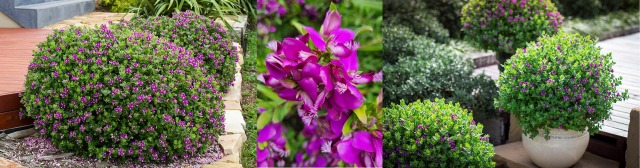
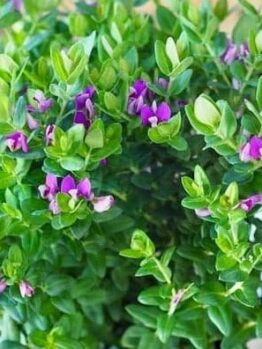
Another self shaper, Polygala ‘Little Bibi®’ forms beautiful soft green balls when mature and flowers rich purple pea-like flowers throughout most of the year. Suited for most soil types and climates, ‘Little Bibi®’ works as a feature, low hedge or border.

Back to list: Top 10 Low Maintenance Plants


3. Tulbaghia ‘Society Garlic’

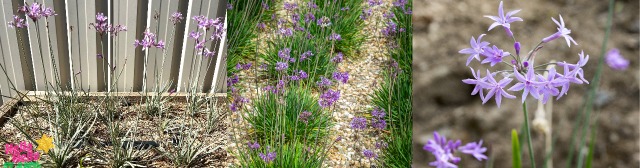
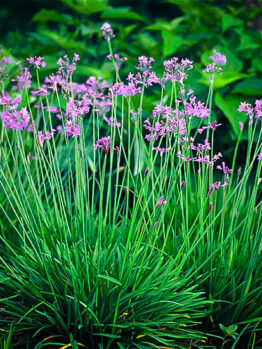
Perfect for borders and edging, pots and containers or mass planted, ‘Society Garlic’ is a low growing strappy foliage plant with a tall purple flower spike. It’ll grow in almost all situations and climates, an easy care plant!

Back to list: Top 10 Low Maintenance Plants


4. Erigeron ‘Seaside Daisy’

Hello Hello Plants Nursery Campbellfield Melbourne Victoria Australia Erigeron Seaside Daisy Daisyspray

Seaside Daisy are very popular in Cottage gardens, used for borders, pots & containers and as a garden bed filler. In warmer climates these cute, low maintenance perennials tend to flower for the whole year, particularly if they dead-headed.

Back to list: Top 10 Low Maintenance Plants


5. Glauca ‘Pencil Pine’

For tall, narrow screening look no further than the most popular narrow screening plant – the Glauca ‘Pencil Pine’! Growing to a maximum of 1m wide, it is no wonder this is one of the most sought after low maintenance screening plants.

Back to list: Top 10 Low Maintenance Plants


6. Nandina

The Nandina comes in a variety of styles with the majority having one thing in common – they are incredibly low maintenance! Used abundantly in public landscapes due to their hardy nature, year round interest and zero maintenance, Nandina’s are always a popular choice in any garden.

Back to list: Top 10 Low Maintenance Plants


7. Hebe

Hebe’s come in a wide variety of shapes, colours and sizes, including many self shaping styles that are very easy to care for. These varieties can be kept in pots, planted as borders and edging or as a feature and best of all they need very little attention from you!

Back to list: Top 10 Low Maintenance Plants


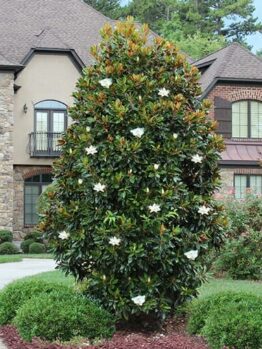
8. Magnolia ‘Little Gem’

We often get asked for a feature tree that requires very little care and customers are never disappointed with the answer. The ‘Little Gem’ Magnolia is a versatile and hardy little tree, growing to a maximum height of 6m, although it can be kept at 2-3m tall. It is used as a feature, shade or even a screening hedge! Plus its gorgeous, heavenly scented white flowers will not disappoint!

Back to list: Top 10 Low Maintenance Plants


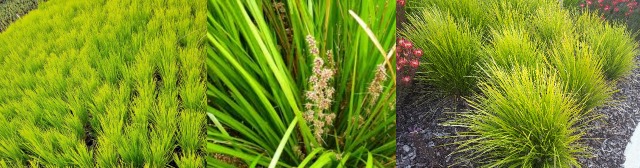
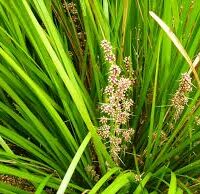
9. Lomandra ‘Little Lime’

Soft, fine foliage and best of all it doesn’t grow too large! ‘Little Lime’ Lomandra is amongst many small ornamental grasses that are incredibly hardy and are, best of all, low maintenance!

Back to list: Top 10 Low Maintenance Plants


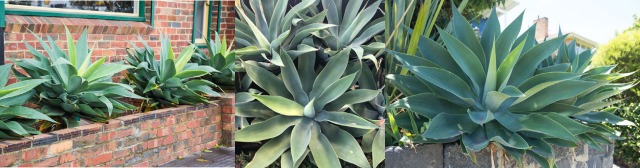
10. Agave

It wouldn’t be a low maintenance garden without the trusty succulent, but not just any succulent. The magnificent, bold Agave with broad blue-green leaves in a gorgeous rosette giving the appearance of a large flower. They grow in almost any clime (except the very, very cold) and require no pruning.

Back to list: Top 10 Low Maintenance Plants

More Low Maintenance Plants for Melbourne & Victoria

We have an entire category in our online store for plants to create a low maintenance garden that you can buy online. If you want to see even more options, head over and check it out: Garden Styles > Low Maintenance.

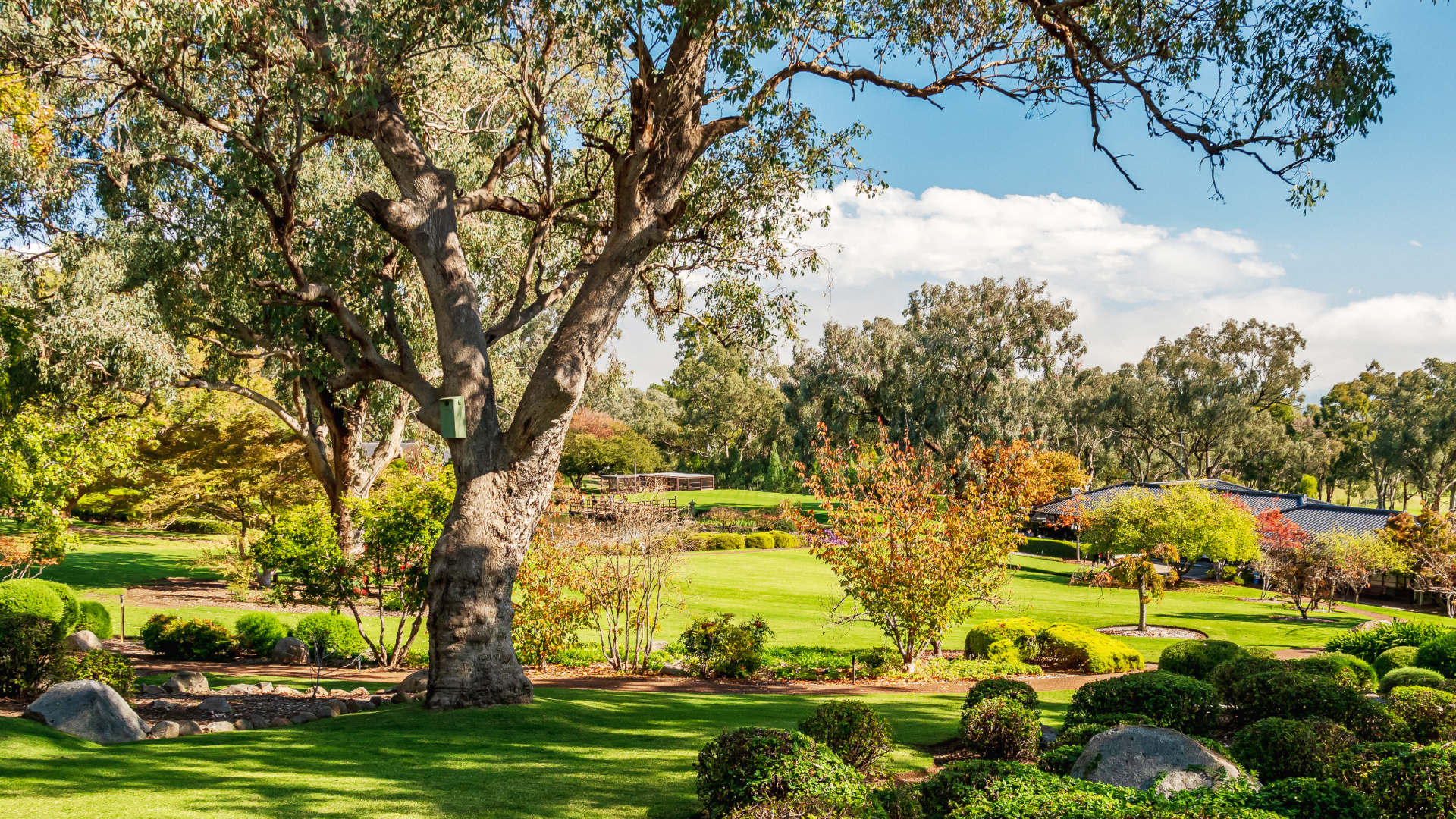
Top 10 Plants for Under Gum Trees

Being Australia we all have or have had a lovely towering Eucalyptus tree in our garden and have found almost nothing grows under it. Countless times we’re told nothing will grow there causing frustration as we stare at this boring bare patch in the garden. Is the only solution to cut the gum tree down? In a lot of situations this isn’t possible. It might be a home to some beautiful wildlife, a heritage listed tree (yes, we have these too!) or it provides some much needed shade in the summer time.

Well not to worry! The gossip isn’t true, you CAN plant under gum trees! Just like any situation you have to find the right plant for the right spot.

Hello Hello Plants Nursery Campbellfield Melbourne Victoria Australia Nursery Gum Tree Eucalyptus garden

Eucalyptus trees tend to shade out a lot of plants despite their height and branches forming quite high up the trunk. They’re an evergreen meaning they will be providing this shade year around and shed bark and leaves that contain the ever famous Eucalyptus oil. This can suppress the growth of some softer plants but still, once broken down, provides a rich top soil.

The key to planting under gum trees is to pick plants that have a shallow root system and that can survive in a shady position in dry acidic soil. You don’t want them competing with the gum tree because they won’t win!

With these factors in mind we have chosen 10 of our favourite tried and tested plants that are sure to survive under your gum trees.


Top 10 Plants for Under Gum Trees

  1. Geranium
  2. Hebe
  3. Brachyscome
  4. Agapanthus
  5. Ligularia ‘Pandora’
  6. Hardenbergia
  7. Heuchera
  8. Polygala ‘Sweet Pea’
  9. Dianella
  10. Lomandra ‘Tanika’

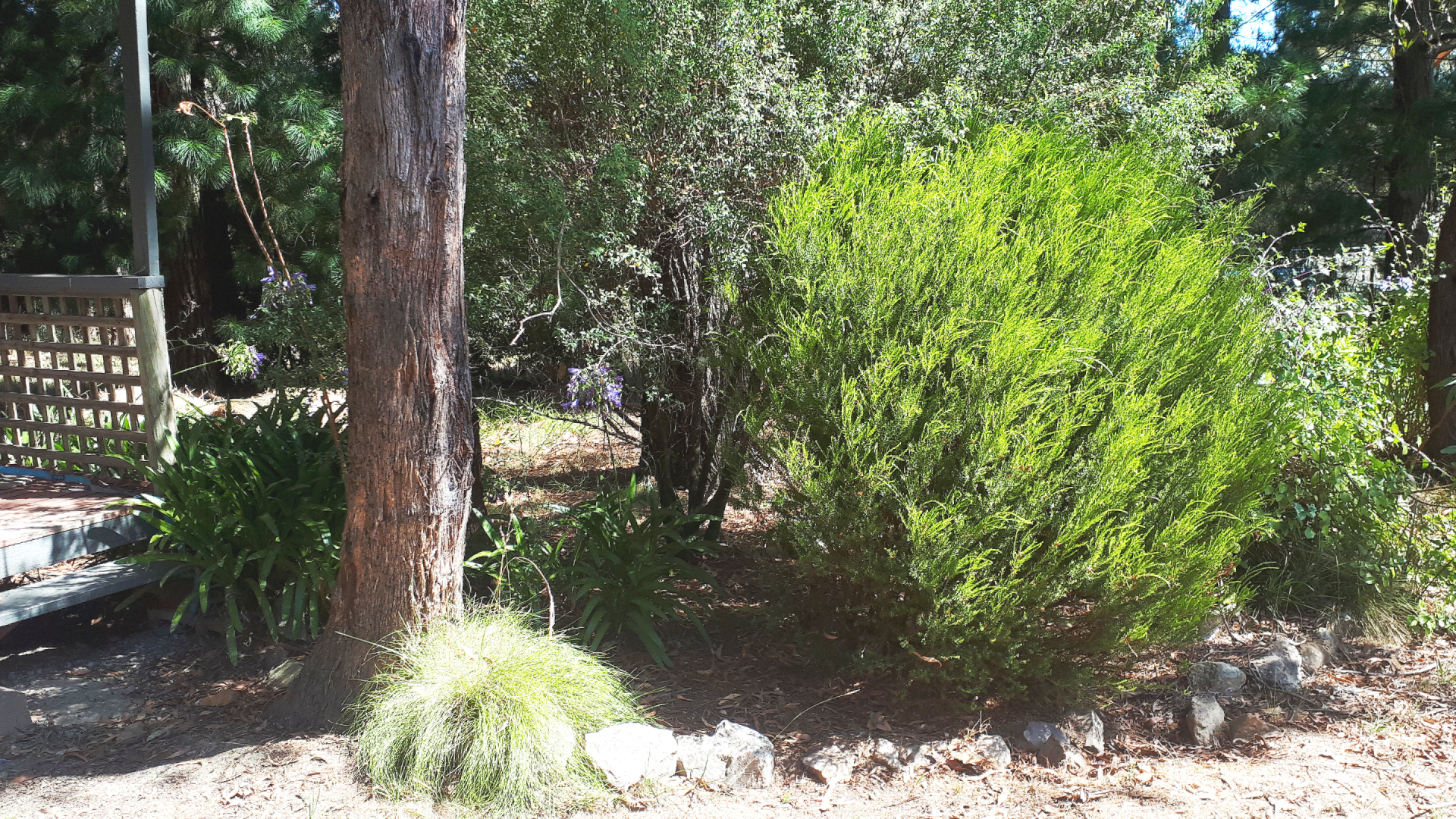
Hello Hello Plants Nursery Campbellfield Melbourne Victoria Australia Nursery Gum Tree Eucalyptus garden

Honourable mentions…

We had so many beautiful plants to choose from to underplant Eucalyptus trees it made it very difficult to choose only 10! Those listed below can also be grown under gum trees. For best results cultivate the soil with compost and mulch, building it up to a nutrient rich garden bed and water well.


1. Geranium

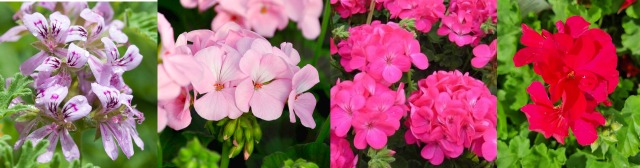
Hello Hello Plants Nursery Campbellfield Melbourne Victoria Australia Geranium banner

Geraniums and pelargonium are tough little buggers so it’s no wonder that they can handle the incredibly tough growing conditions under gum trees. You may find them spreading out, creating a loose even 80cm-1m tall ground covering and not growing as tightly knitted when planted in full direct sunlight.

2. Hebe

Hello Hello Plants Nursery Campbellfield Melbourne Victoria Australia hebe banner

Suitable as a box hedging plant or as a flowering feature, Hebe are incredibly versatile and have very shallow roots despite the mass of foliage on top! Hebe tolerate frost, drought, dry soils and part shade making them an ideal choice for underplanting Eucalyptus trees.

3. Brachyscome

Hello Hello Plants Nursery Campbellfield Melbourne Victoria Australia brachyscome cut leaf daisy banner

A cute native mounding daisy that are used in rockeries, borders, pots and for mass planting. This highly versatile plant tolerates the harsh Australian conditions and makes the garden around Eucalyptus trees look lush and colourful. Brachyscome come in purple, pink and white.

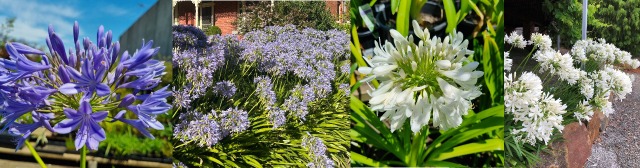
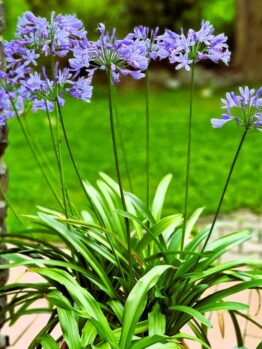
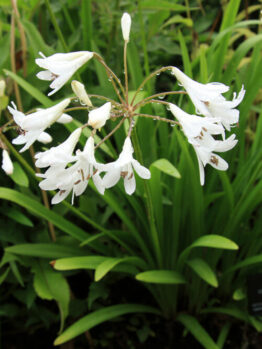
4. Agapanthus

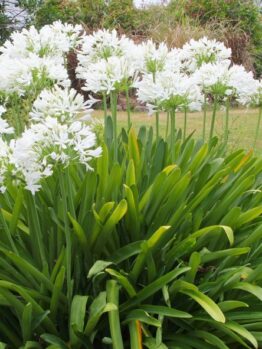
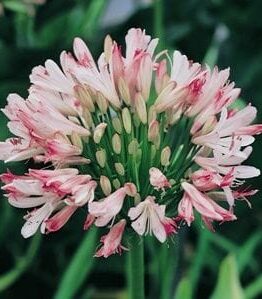
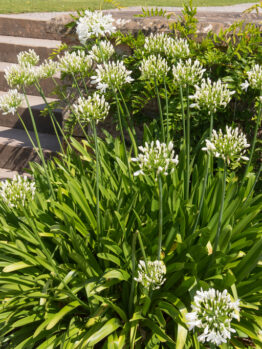
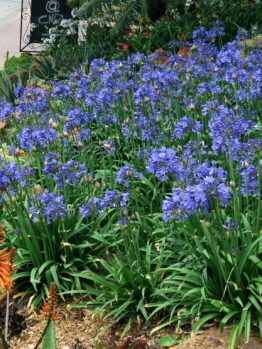
Hello Hello Plants Nursery Campbellfield Melbourne Victoria Australia agapanthus banner

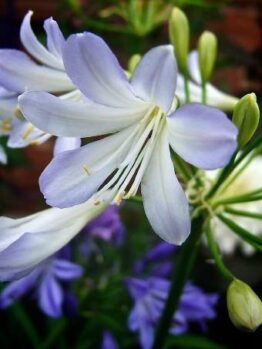
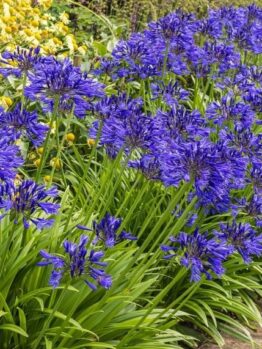
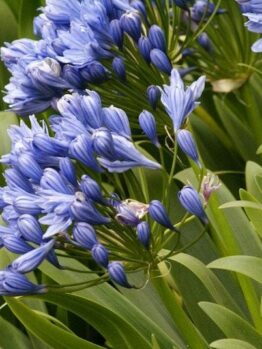
A dense, clumping strappy foliage plant suitable for edging and mass planting. Agapanthus come in a range of sizes and colours and are sure to withstand gum trees having one of the toughest shallow root systems around. Agapanthus will gradually spread out within the garden bed,

5. Ligularia ‘Pandora’

Hello Hello Plants Nursery Campbellfield Melbourne Victoria Australia ligularia pandora banner

Despite other Ligularia such as the luscious Tractor Seat Plant being sensitive to the hot and dry, this variety can tolerate the dry and still look fabulous. Not only does it have broad, deep purple foliage that grows low to the ground but it also blooms vibrant yellow flowers that sit atop the contrasting foliage. Shallow rooted and perfect for under your gum trees.

6. Hardenbergia

Hello Hello Plants Nursery Campbellfield Melbourne Victoria Australia hardenbergia banner

A stunning groundcover and climber, Hardenbergia are a indigenous native to Victoria and much of Australia. It comes in white, pink and purple with robust evergreen leaves. Hardenbergia naturally grows on the forest floor making it an ideal choice for underplanting Eucalyptus.

7. Heuchera

Hello Hello Plants Nursery Campbellfield Melbourne Victoria Australia heuchera banner

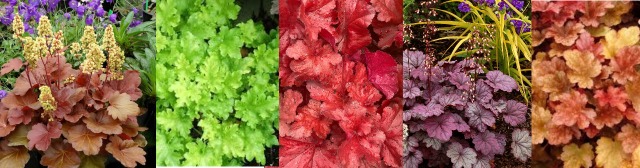
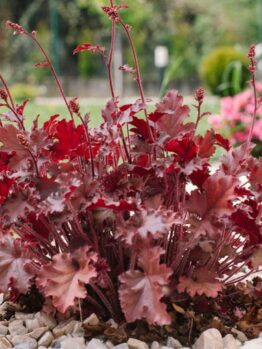
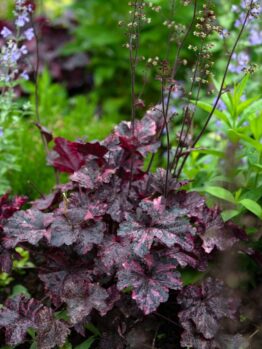
Known for its tolerance of dry shady spaces, this colourful low growing shrub does wonders to brighten the area around gum trees. Heuchera come in oranges, reds, purples and greens and prefer a well drained position.

8. Polygala ‘Sweet Pea’

Hello Hello Plants Nursery Campbellfield Melbourne Victoria Australia Polygala banner

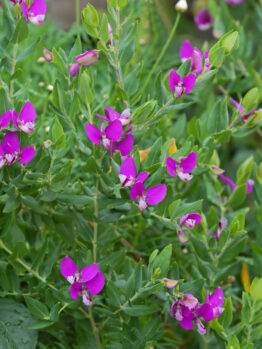
This hardy little shrub has cute purple pea-like flowers and tolerates poor soils, drought and frost. What better to plant under a nutrient hog of a gum tree! Polygala can be used as a feature shrub or as an alternate flowering box hedging or topiary plant.

9. Dianella

Hello Hello Plants Nursery Campbellfield Melbourne Victoria Australia dianella banner

It’s no surprise a native grass will grow perfectly well under a native tree. Native grasses are shallow rooted, very tolerant of poor soils and the heat of the Australian climate. When mass planted they create a soft, textured effect and rarely require trimming or maintenance.

10. Lomandra ‘Tanika’

Hello Hello Plants Nursery Campbellfield Melbourne Victoria Australia lomandra banner

Just like Dianella this hybridized native tolerates all sorts of environmental conditions. Lomandra‘s are quite often used in council plantings as they can be planted and then left to grow. ‘Tanika’ has soft, slender blades of lime green and create a wonderful effect when mass planted line borders. As does Lomandra ‘Little Con’, ‘Little Lime’ and Crackerjack.

Top 10 Plants that Flower All Year

Wanting colour in the garden all year is something every gardener wants. It’s best achieved with a mixture of various flowering perennials and annuals as well as colourful foliage plants, but can it be done with just flowers? Short answer, yes!

Check out our other Top 10 Winter Flowering Plants and Top 10 Autumn Shrubs pages for more colour in your garden!


Why do plants flower?

Plants flower to procreate, their vibrant floral displays attracting insects and mammals to help spread their pollen to other plants in the same family. Generally, this is done at specific times of the year, spring being the most obvious! Both flora and fauna get busy during the spring season when it is just starting to warm up.

But not all plants flower just in spring, or even just once in the year! Depending on your climate and how you manage your plants, you can get some varieties flowering almost the entire year. Below is our 10 best year around flowering plants.

Grevillea ‘Winter Wonder’ next to a weeping standard acacia

Top 10 Plants that Flower All Year

  1. Rose ‘Iceberg’
  2. Grevillea
  3. Bracteantha ‘Everlasting Daisy’
  4. Erigeron ‘Seaside Daisy’
  5. Polygala ‘Sweet Pea’
  6. Viola ‘Native Violet’
  7. Geranium
  8. Anigozanthos ‘Kangaroo Paw’
  9. Penstemon
  10. Alyssum


Rose ‘Iceberg’

Hello Hello Plants Nursery Campbellfield Melbourne Victoria Australia Iceberg Roses Banner

This particular rose is one of the most prolific flowerers of the rose family and in warmer areas tend to keep their leaves during the winter. To promote longer flowering, dead head spent blooms.


Grevillea

Hello Hello Plants Nursery Campbellfield Melbourne Victoria Australia Grevillea banner

There are many, many varieties of grevillea available on the market, most flowering for at least 2-3 seasons in the year. In particular the ‘Gaudichaudii’ is a gorgeous groundcover grevillea that is sure to flower all year, attracting beautiful native birds to the garden!


Bracteantha ‘Everlasting Daisy’

Hello Hello Plants Nursery Campbellfield Melbourne Victoria Australia Bracteantha everlasting daisy banner

A gorgeous little perennial plant with paper-like daisy flowers that form throughout the year, predominantly in spring through to autumn. Everlasting Daisy are also used as cut flowers, lasting years!


Erigeron ‘Seaside Daisy’

Hello Hello Plants Nursery Campbellfield Melbourne Victoria Australia Erigeron Seaside Daisy Daisyspray

Seaside Daisy are very popular in Cottage gardens, used for borders, pots & containers and as a garden bed filler. In warmer climates these cute, low maintenance perennials tend to flower for the whole year, particularly if they dead-headed.


Polygala ‘Sweet Pea’

Hello Hello Plants Nursery Campbellfield Melbourne Victoria Australia Polygala banner

With purple pea like flowers that form throughout the year, this evergreen shrub is suitable for hedging, borders, pots & containers. They can also be used as a feature, particularly when neatly trimmed.


Viola ‘Native Violet’

Hello Hello Plants Nursery Campbellfield Melbourne Victoria Australia Native Violet banner

This little native groundcover looks great in pots, between pavers and to fill bare spaces in garden beds. Their tiny little purple flowers appear on tall stalks above the foliage for most of the year.


Geranium

Hello Hello Plants Nursery Campbellfield Melbourne Victoria Australia Geranium banner

To keep your geraniums flowering all year they need to be dead-headed. Once blooms are spent, remove them with clean secateurs. Geraniums come in many different colours and grow best in warm climates.


Anigozanthos ‘Kangaroo Paw’

Hello Hello Plants Nursery Campbellfield Melbourne Victoria Australia Anigozanthos Kangaroo Paw Banner

Noted for their tall, colourful flowers, Kangaroo Paw have very long flowering periods. In particular the ‘Gold Velvet’ variety is known to flower all year in warmer climates.


Penstemon

Hello Hello Plants Nursery Campbellfield Melbourne Victoria Australia Penstemon banner

Commonly seen in the Cottage garden, Penstemon are tall, heavily flowering perennial plants that attract many beneficial birds and bees to the garden. These beautiful flowers appear for at least 3 months of the year and in warmer climates can still hold flowers during some weeks of winter.


Alyssum

Hello Hello Plants Nursery Campbellfield Melbourne Victoria Australia alyssum banner

A gorgeous, low growing and heavily flowering perennial shrub, which is perfect for borders, pots & containers. Alyssum are low maintenance and will be seen flowering almost all year in warmer climates and for at least 3 months in cooler climates.

Select the fields to be shown. Others will be hidden. Drag and drop to rearrange the order.
  • Image
  • SKU
  • Rating
  • Price
  • Stock
  • Availability
  • Add to cart
  • Description
  • Content
  • Weight
  • Dimensions
  • Additional information
Click outside to hide the comparison bar
Compare