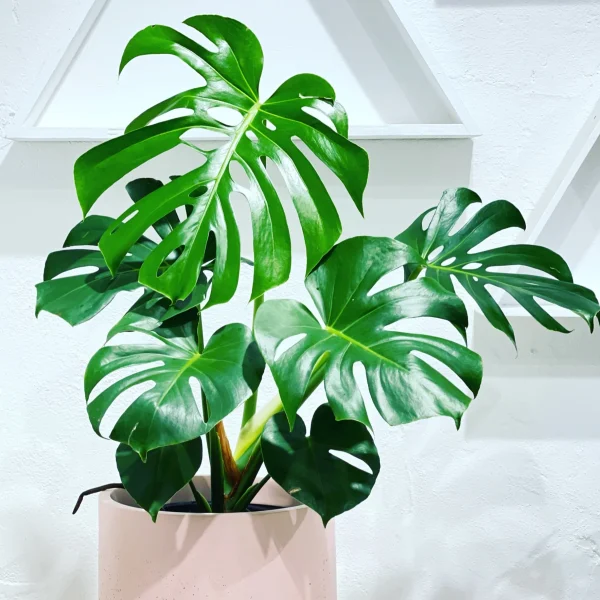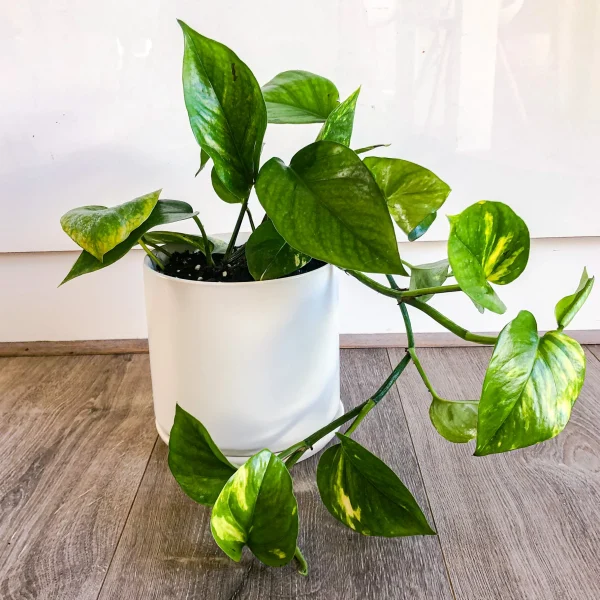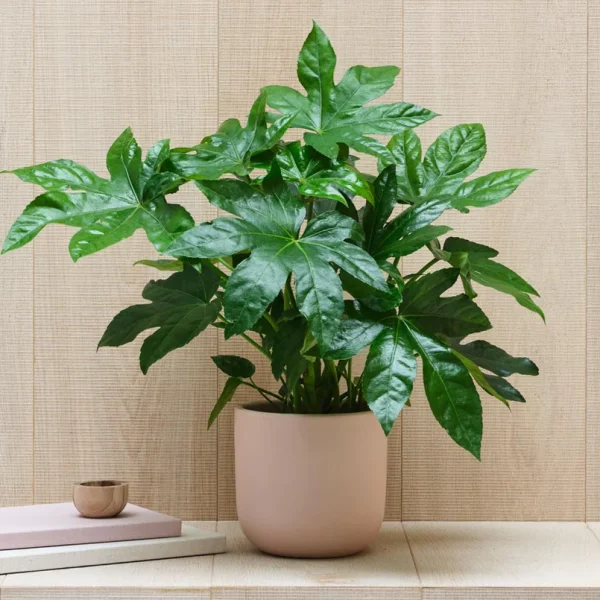
Aerial view of a dense forest with trees displaying vibrant autumn colors, overlay text reading "top indoor plants with the most spectacular autumn colour.

Plants with the Most Spectacular Autumn Colours

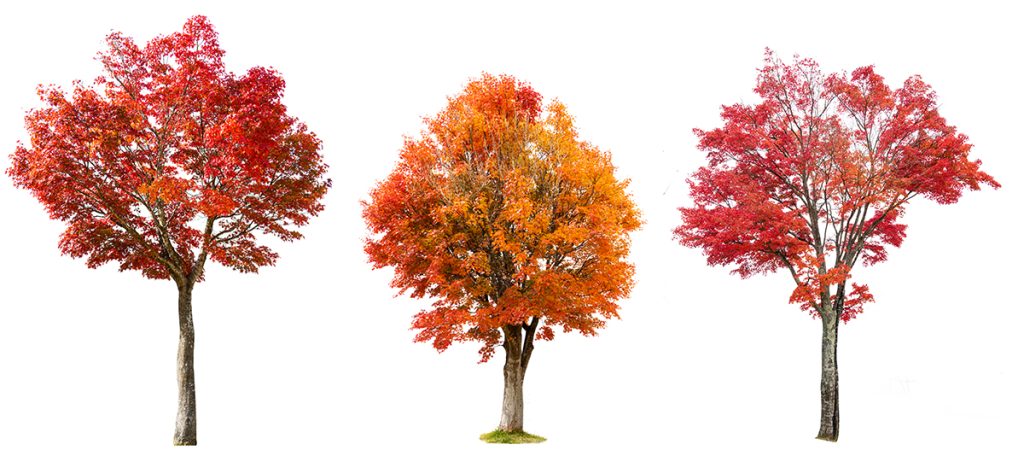
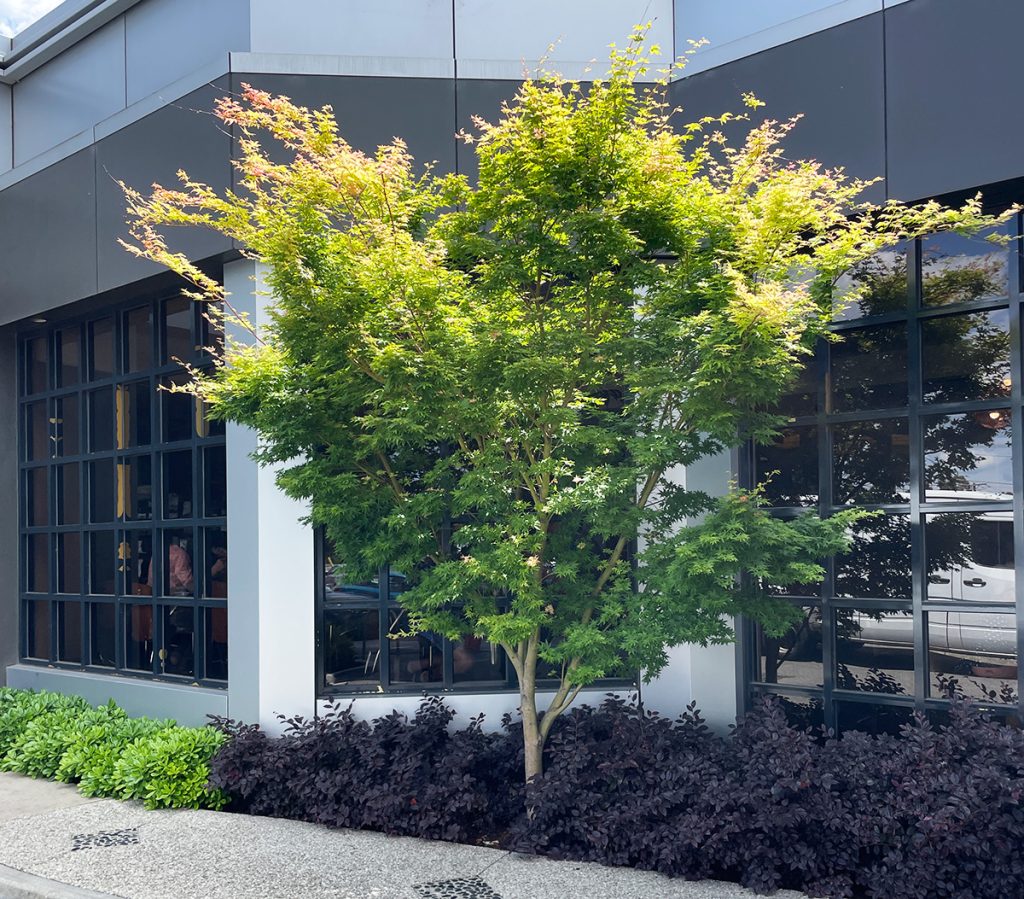
Normally when people talk about autumn colour, they mention the Fraxinus ‘Claret Ash’ Tree or Liriodendron ‘Tulip Tree’. They do have incredible autumn colours, only problem is they grow to about 8-12 metres tall. This would practically overtake a front or backyard of a normal suburban house and likely destroy the courtyard of a unit. A lot of people have smaller spaces, they’re working with balconies, pots, tiny garden beds, courtyards, limited front yard space, and so on. But this doesn’t mean you can’t enjoy the brilliance of autumn.

Bright clusters of red berries hanging amid vibrant red and yellow autumn leaves against a soft-focus background, resembling top indoor plants.

Dense ivy, one of the top indoor plants, with vibrant red and purple leaves covering a wall.

Vibrant red and orange autumn leaves with clusters of black berries on a top indoor plant.

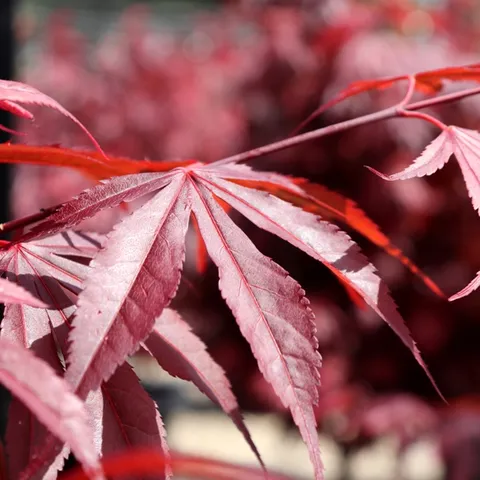
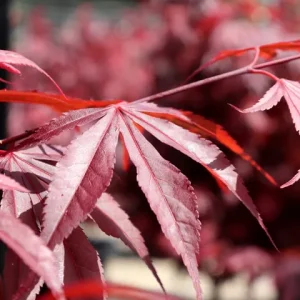
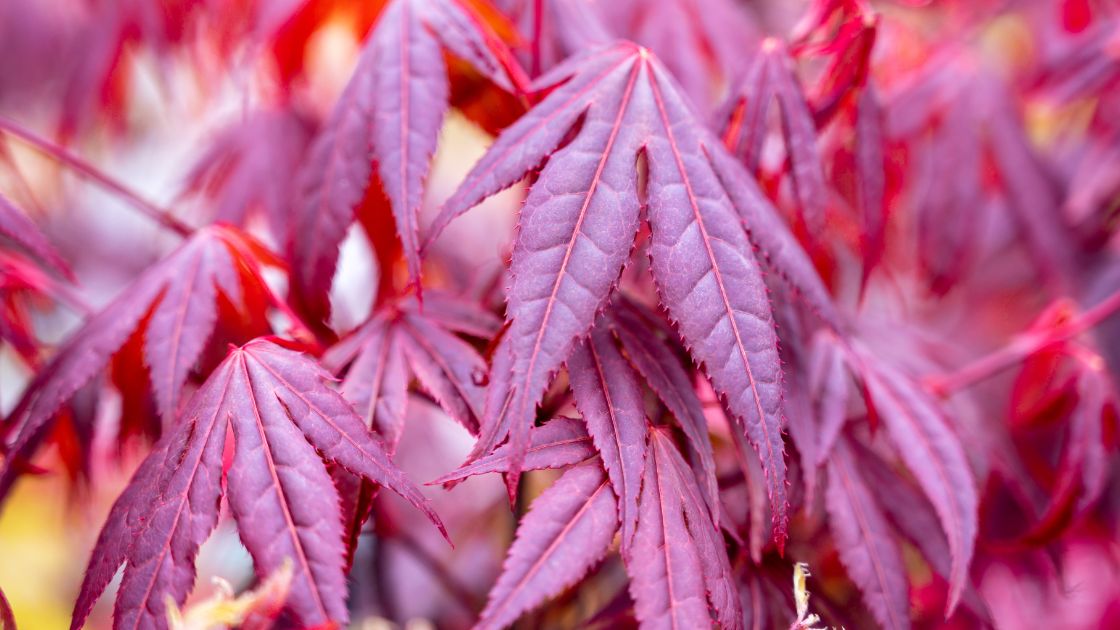
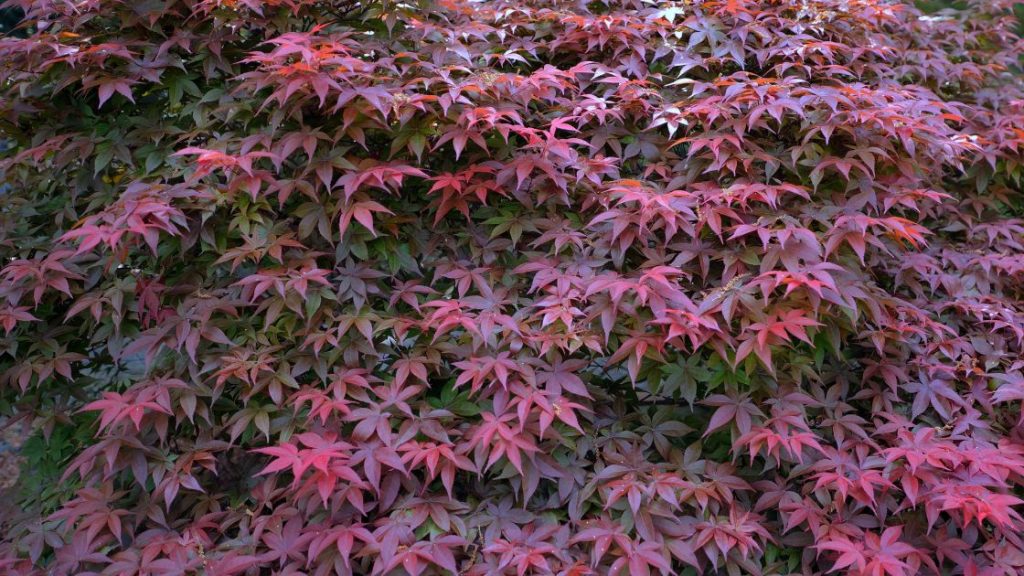
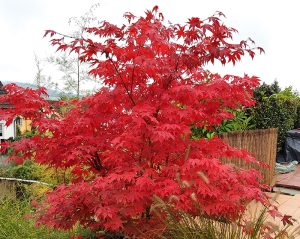
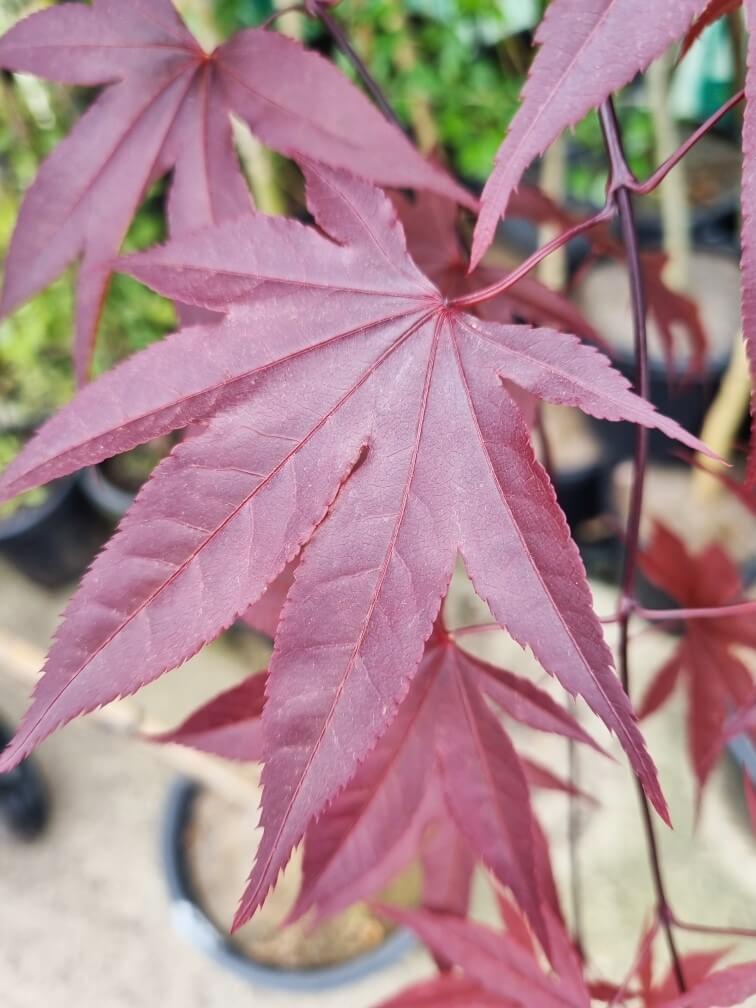
Close-up of vibrant red Japanese maple, one of the top indoor plants, with detailed veins and a blurred background, capturing the texture and color contrast. Acer ‘Shaina’ Japanese Maple leaf

Branches with vibrant red and orange leaves from top indoor plants against a blurred background of green foliage.

Close-up of a shrub with vibrant red and orange autumn leaves, set against a dark background, showcasing its appeal as one of the top indoor plants.

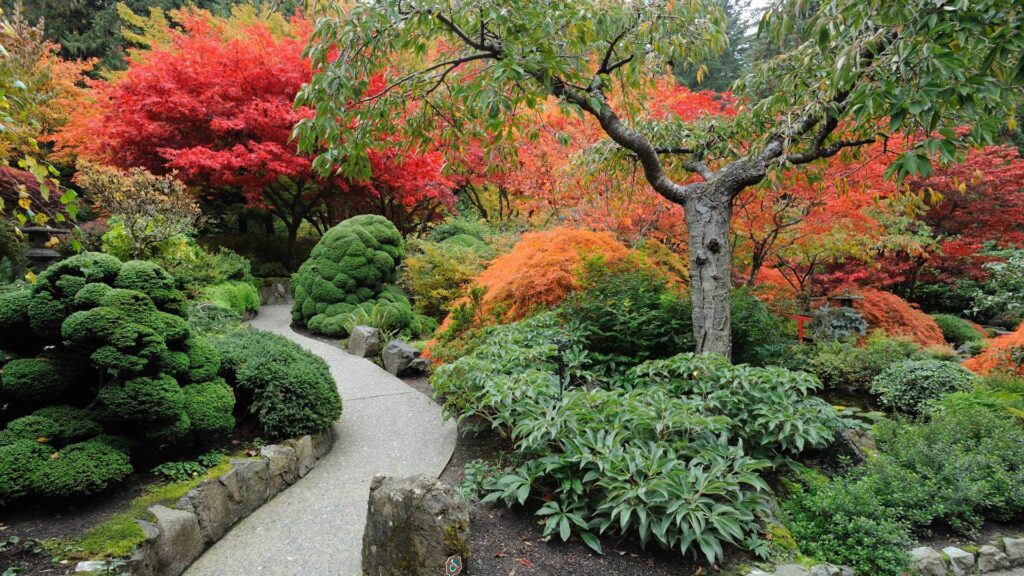
These are the plants that you need to create a garden that is set alight with scarlets, golds, ambers and all those fiery shades during the months of autumn.

13 of the Most Spectacular Autumn Plant Colours

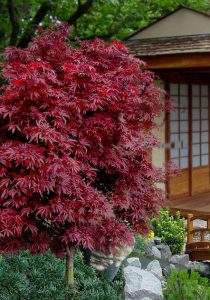
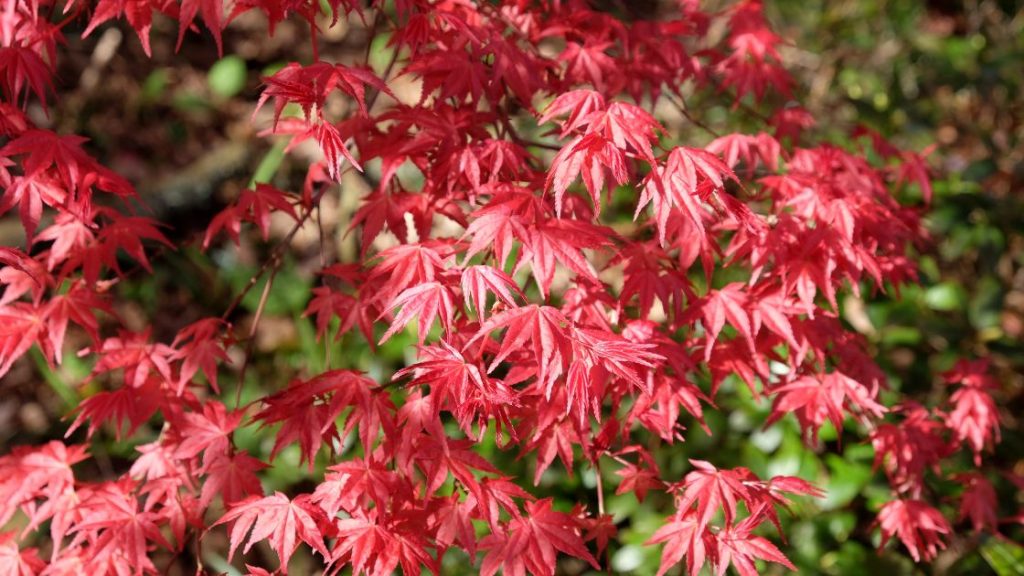
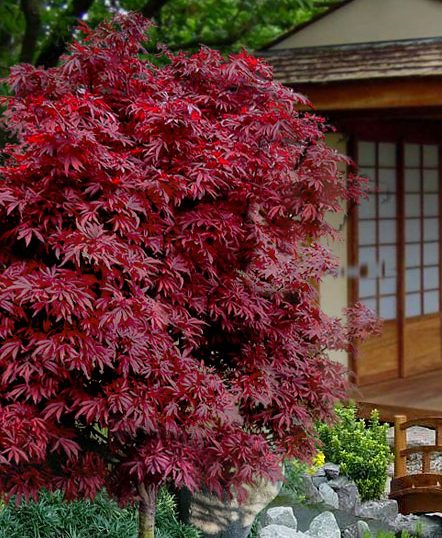
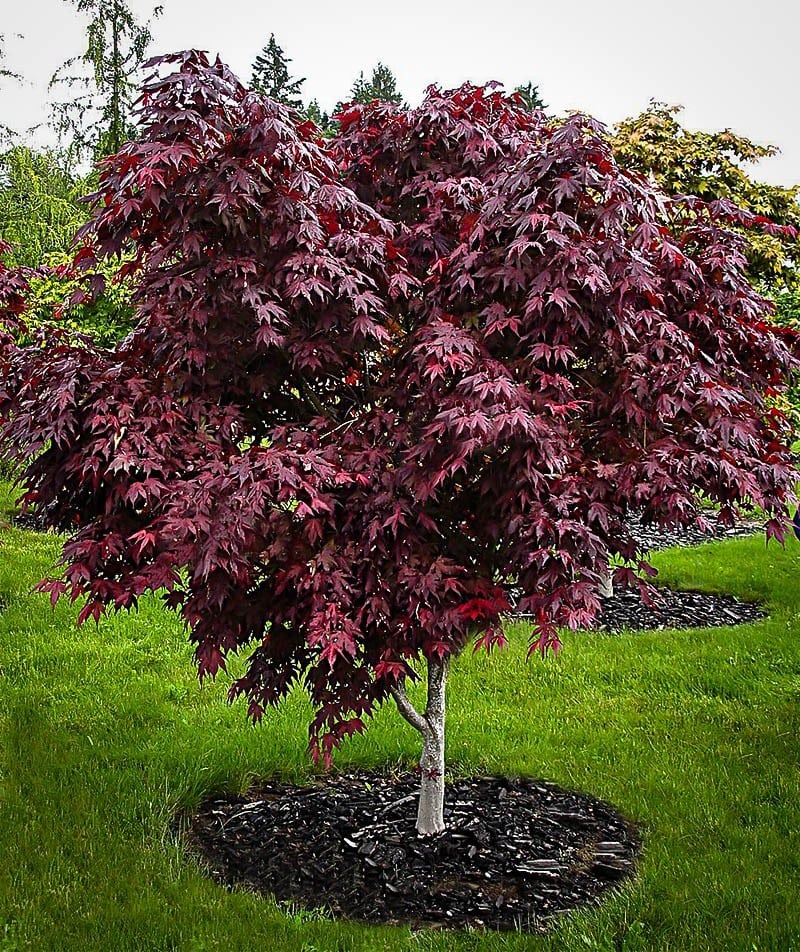
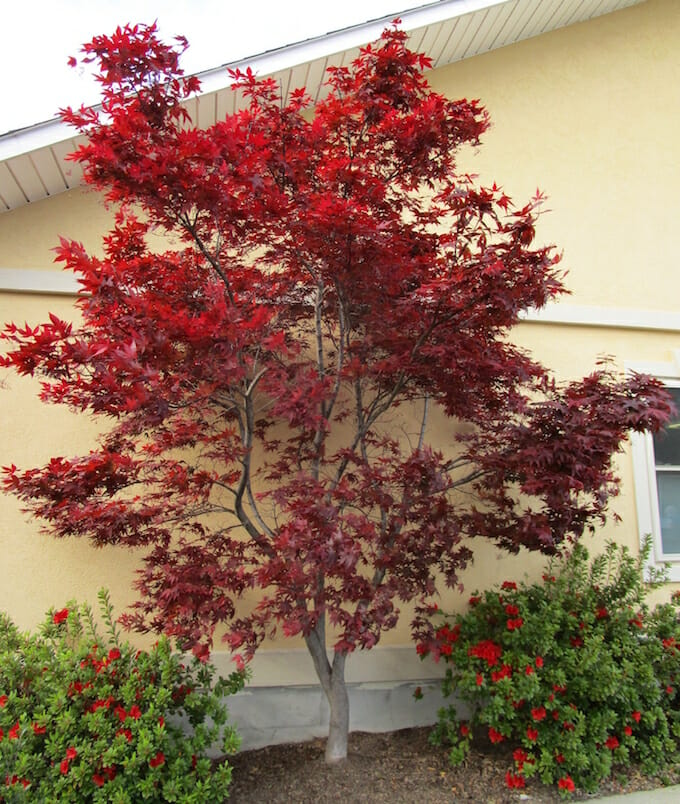
Acer palmatum ‘Japanese Maple’
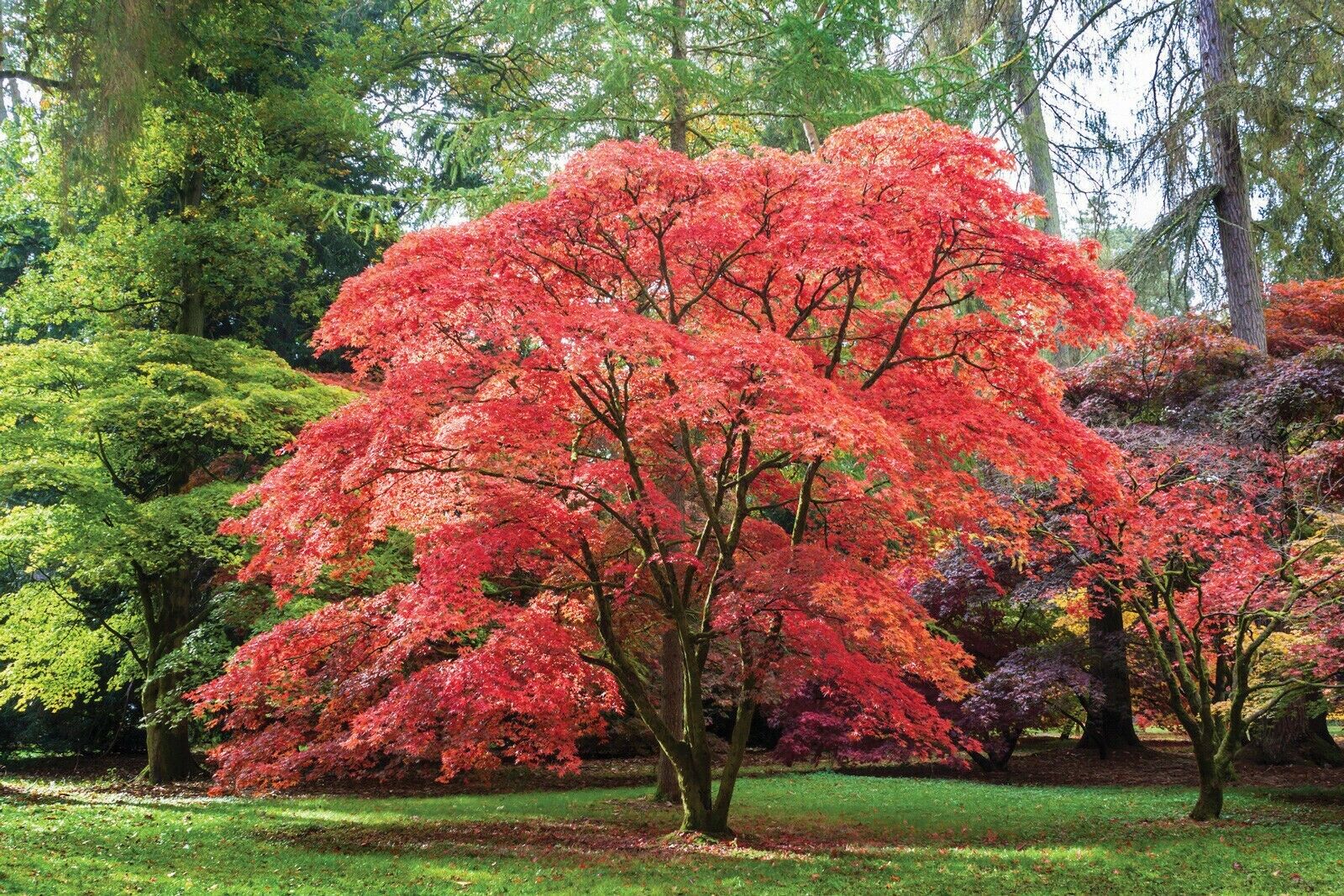

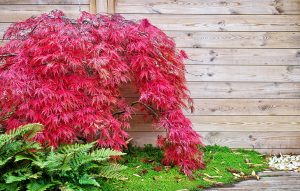
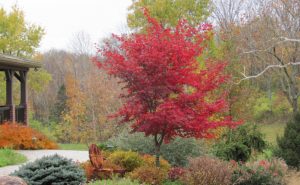
A vibrant red maple tree, one of the top indoor plants in full autumn color, surrounded by green trees in a peaceful forest setting. Acer palmatum ‘Japanese Maple’

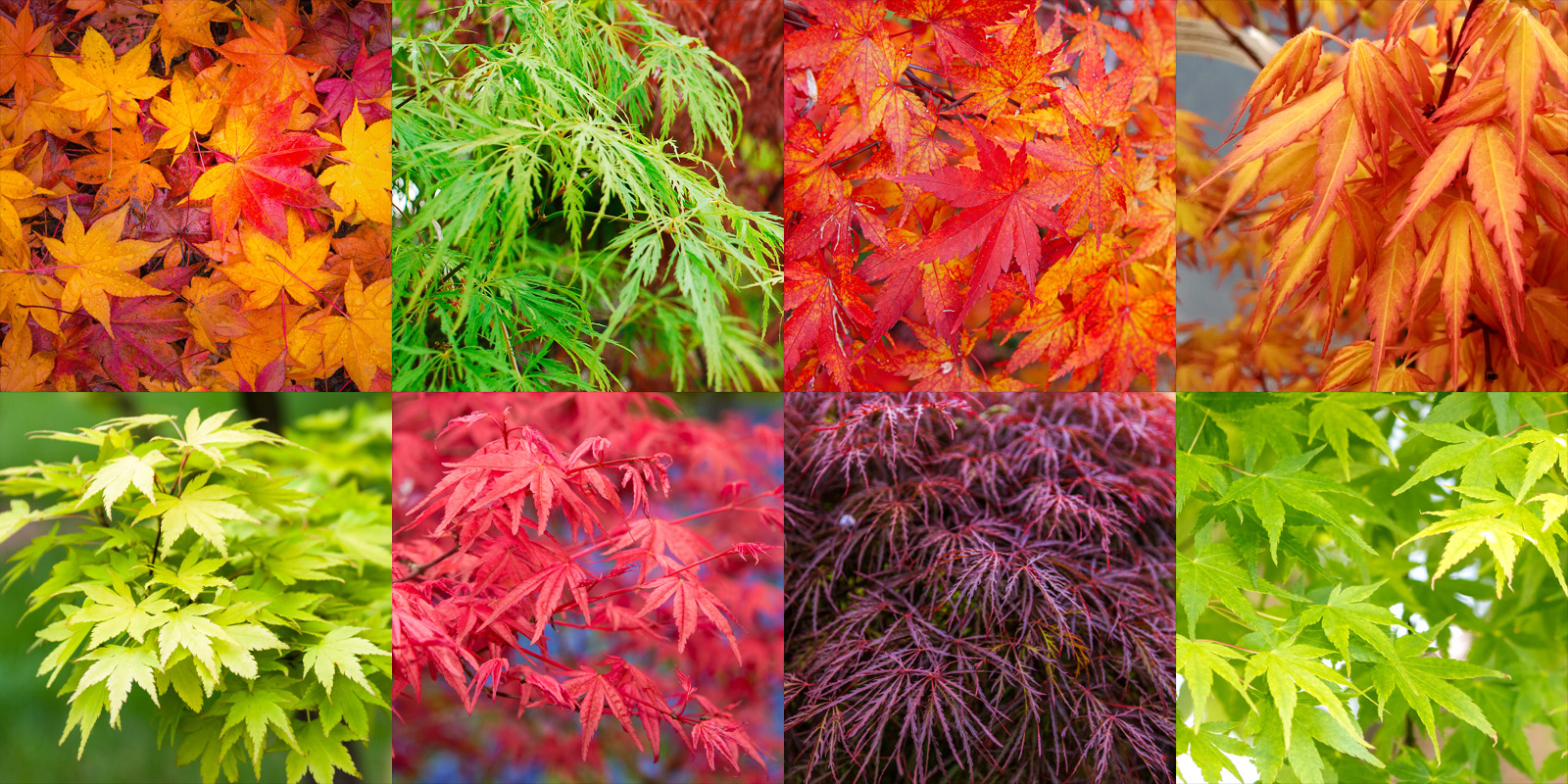
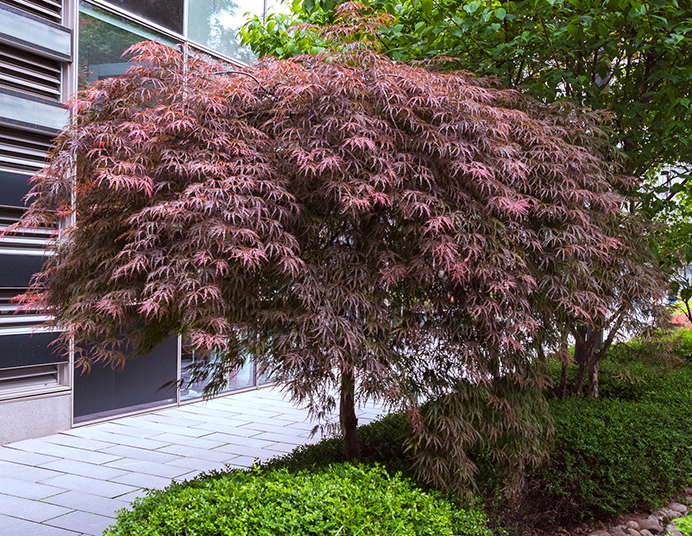
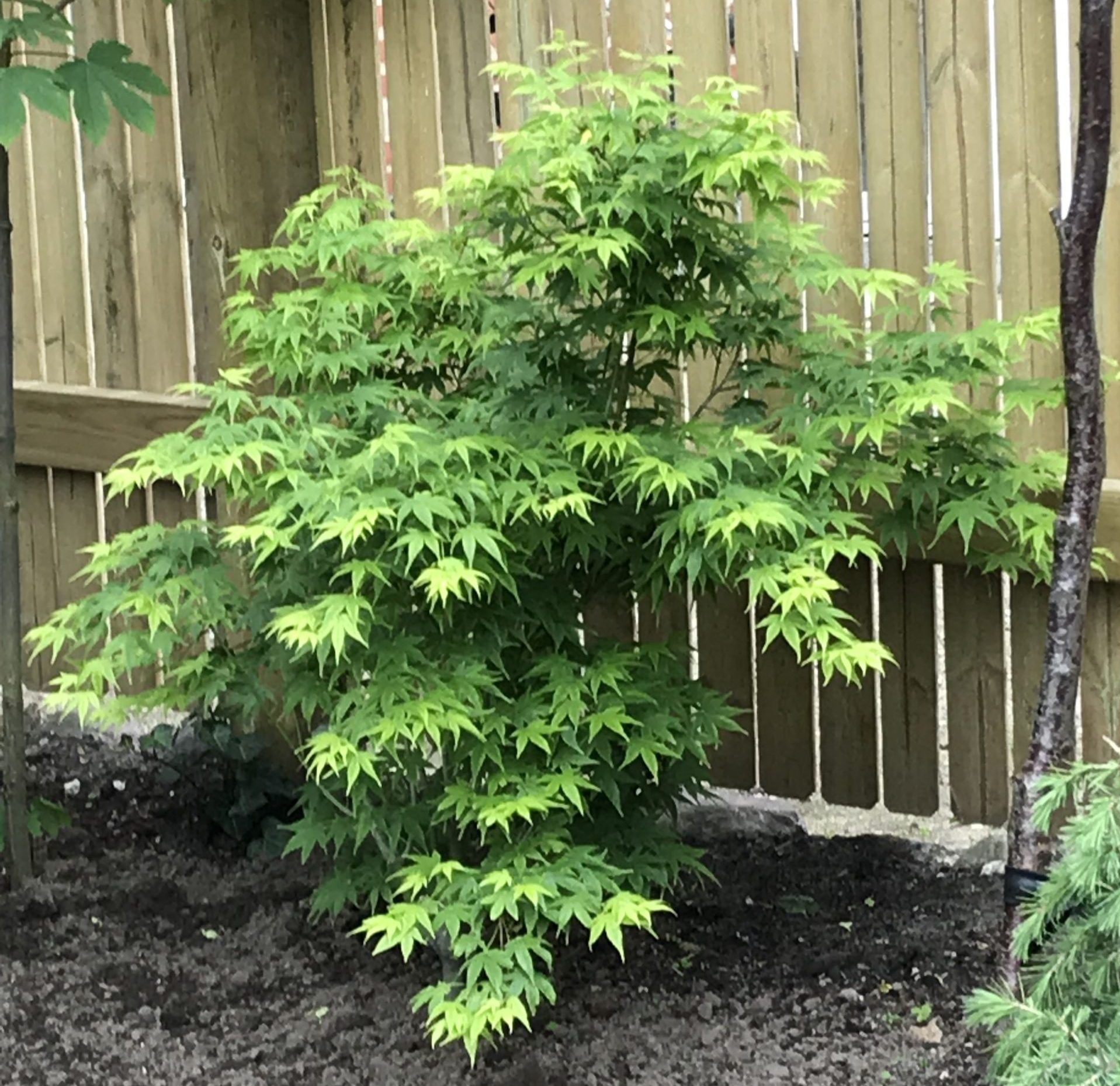
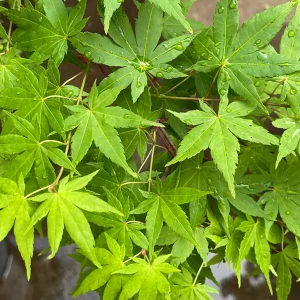
Close-up of vibrant red japanese maple leaves.Also known as your Plain Japanese Maple, this is a great option for those who want a Japanese Maple, but don’t want to spend too much money on it. But this doesn’t mean it’s lacking when it comes to beauty. The fine foliage transforms into a striking red-pink shade that would stop anyone in their tracks to admire. When I was a kid, I actually used to cut big bunches of it and sell them on the side of the road, and people pulled up and bought it like crazy. I don’t know if that would still happen nowadays… but anyways, the great thing about your Japanese Maple is they’ve probably got one of the safest root systems of any plant.
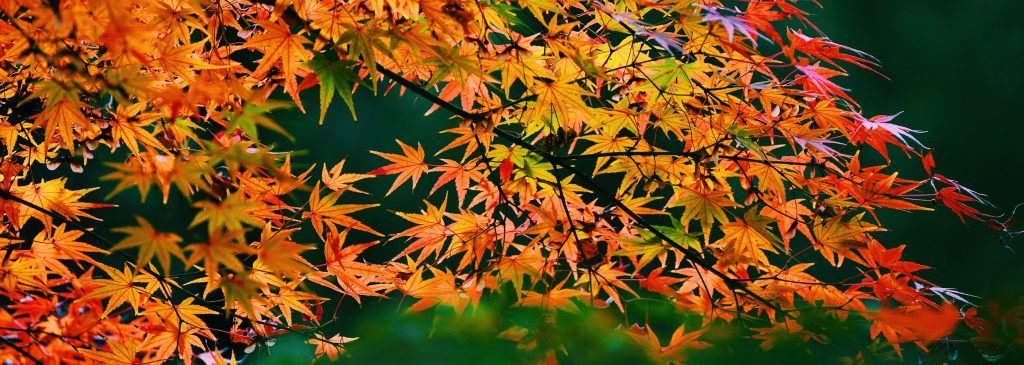
Vivid orange and red maple leaves against a blurred background of top indoor plants, highlighting the change of seasons.

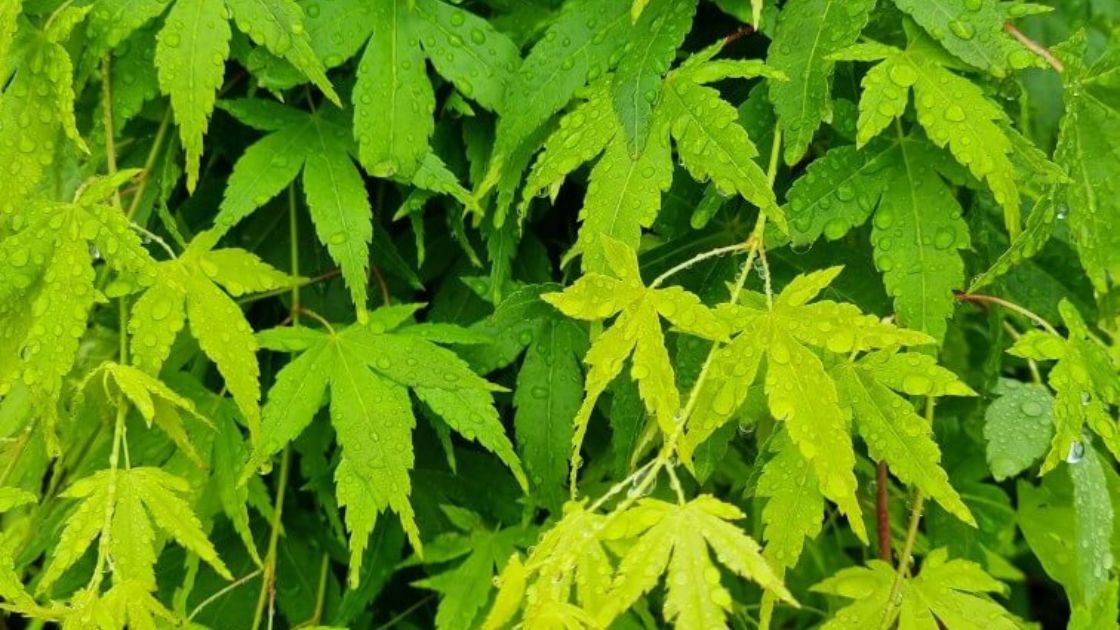
Close-up of green japanese maple leaves with raindrops on them.So you can plant them close to the house or in a little courtyard and having nothing to worry about. They’re very versatile – you can cloud prune them, or you can bonsai them. They’re also a tree you can keep in a pot for years, as long as you properly take care of it. Water and fertilise it enough, with some Osmocote or Dolomite Lime, or it’s going to turn brown by the end of the season. A little tip, if you’re getting early autumn colour then this is actually not a good thing. It’s a sign of stress, dryness and perhaps a lack of nutrients. So just make sure you’re taking care of your Japanese Maple, and it will reward you with brilliant autumn colour.

Acer ‘Senkaki/Coral Bark’ Japanese Maple

Close-up of top indoor plants with a blend of green and vivid orange colors against a soft blue sky.

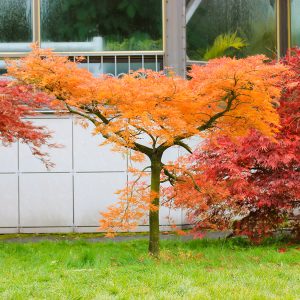
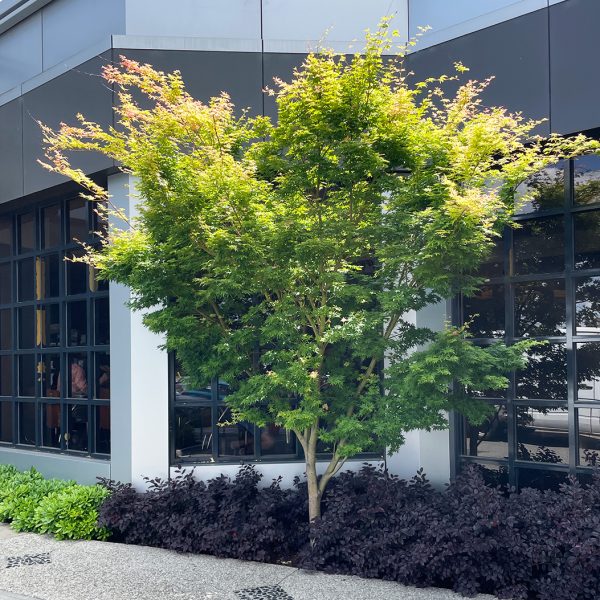
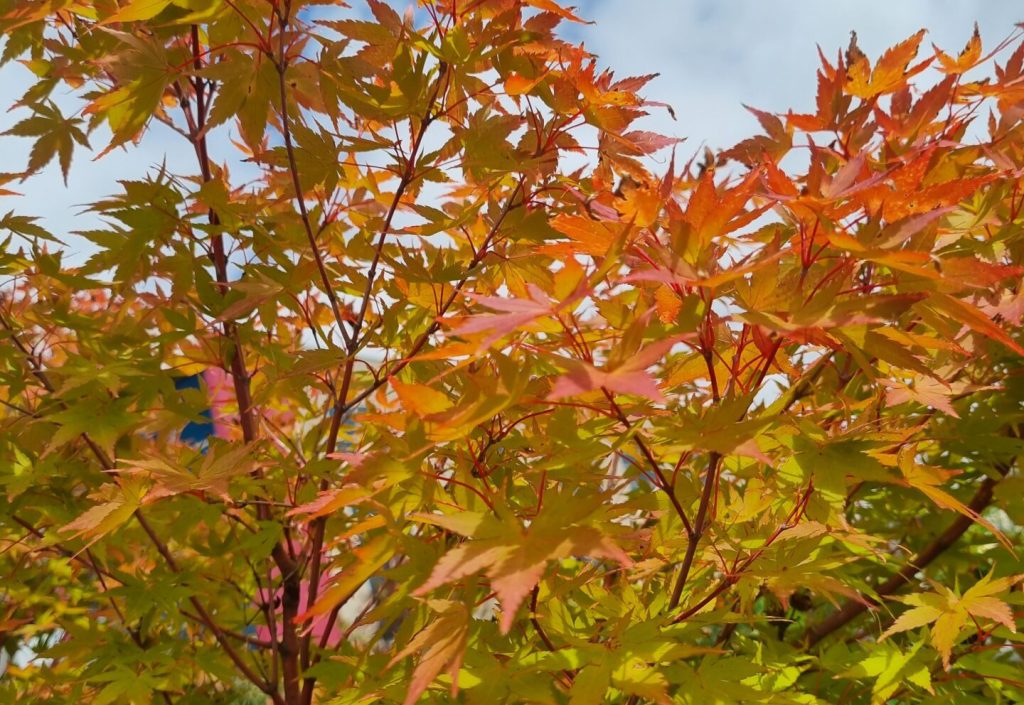
Of course I’m going to include another Japanese Maple – they’re just too gorgeous in the autumn to not. In perfect conditions they only end up as a four-metre tree, and with a bit of a trim you can keep it down to two and half or three metres. I often tell people to Google Senkaki Maple, so go ahead and do it. A little bit confused? You’ve probably gotten a page of entirely different coloured foliage and you’re thinking whether it’s all the same tree, it is. 
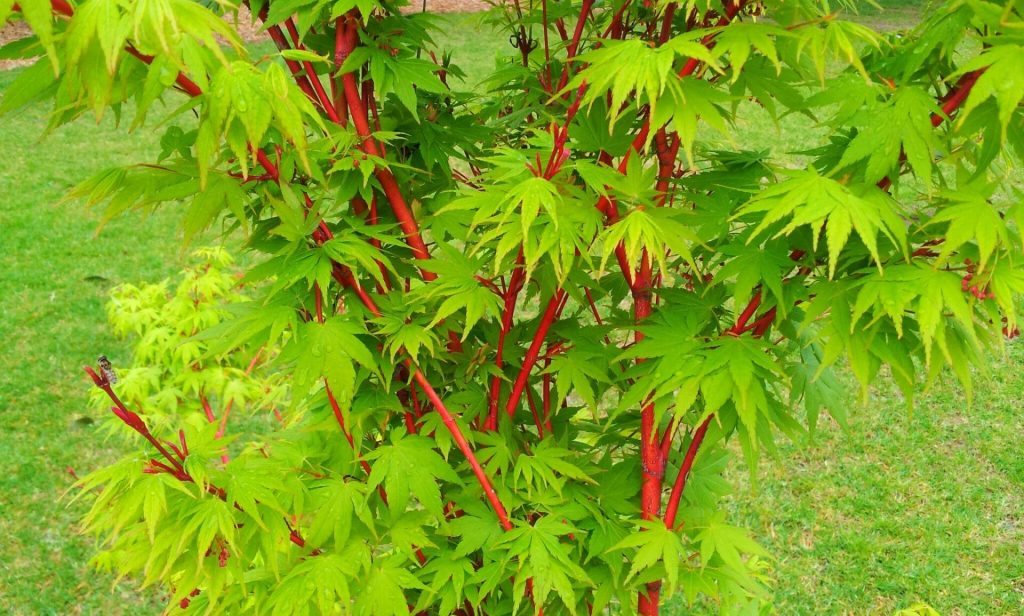

Japanese maple tree, thriving as a top indoor plant with vibrant green leaves and striking red stalks. Acer ‘Senkaki/Coral Bark’ Japanese Maple

Close-up of a Japanese maple tree with vibrant yellow and orange leaves against a blurred background of top indoor plants.Basically Senkaki Maples move through a wide range of hues throughout the year. In winter they’re bare, with that crimson bark on display. In springtime, the softest green foliage comes through, where the crimson branches just peek through. Towards summer you start to get dashes of pink and orange tones that expand as summer goes on. Then by the end of summer and turn of autumn, you have an iridescent gold, with some touches of pink and orange. In the final stages of autumn you get red hues, before the leaves drop. Just magical. This is a tree that is going to provide delight and interest year-round. They also go with almost any style; modern, classical, Japanese, they always look incredible. So if you’ve got a tiny area with room for only one tree – then hands down you have to pick a Senkaki.

Cotinus ‘Grace’ Smoke Bush

Orange and yellow leaves with black spots on a branch of top indoor plants, glistening with raindrops, against a blurred natural background.

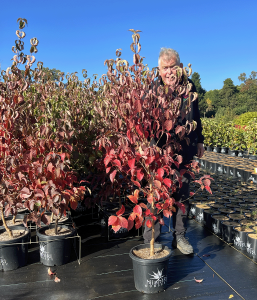
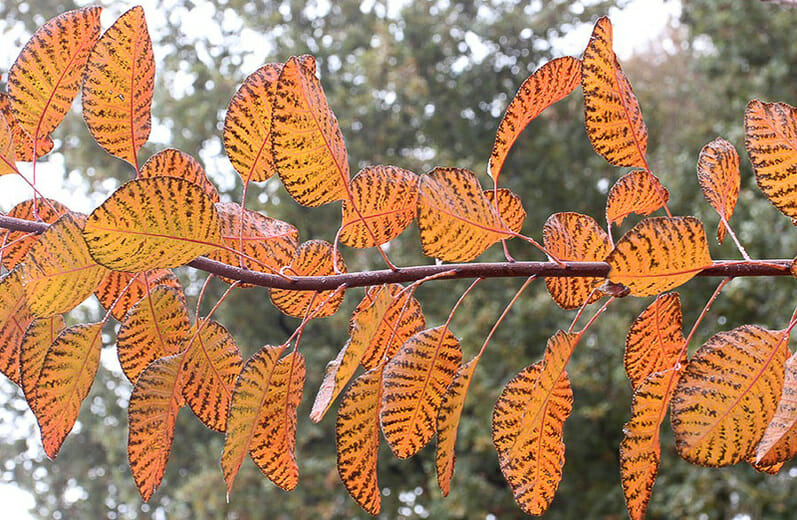
Smoke BushesElderly man smiling behind vivid red and orange top indoor plants in a sunny nursery setting. are fabulous plants with a beautiful reddish/purple foliage most of the time. Then in autumn it shifts to orange, red and yellow shades. They love a hot sunny spot and with a bit of a trim can be kept down to one and half metres tall, or grown up to around two and half/ three metres tall. I wouldn’t put them in a pot, rather plant them in the garden bed. They’re a lovely thick bush that also flowers in summer. The flowers are a smoky grey and contrast beautifully with the foliage. What’s great about the Smoke Bush and Senkaki is that they’re not boring all year with only a show of colour in autumn. They give your garden colour for nine months and then have an amazing crescendo of autumn colour too.

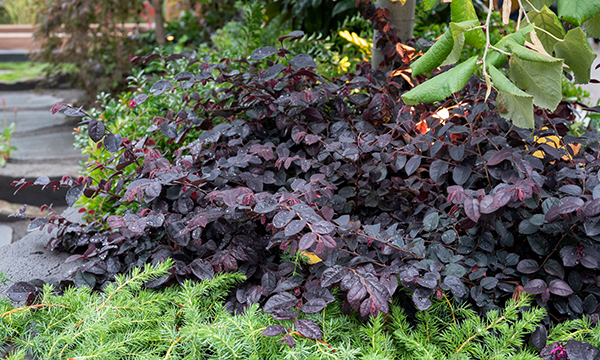
Prunus ‘Kojo No Mai’ Ornamental Cherry
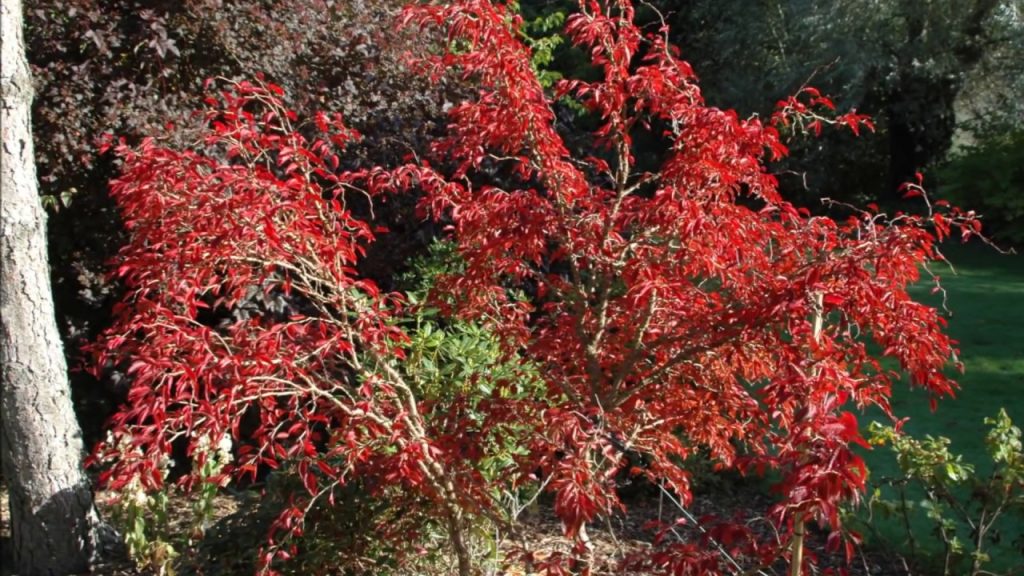

A vibrant red-leafed shrub, one of the top indoor plants, stands in the foreground of a lush garden, contrasting with the dark foliage behind it. Prunus ‘Kojo No Mai’ Ornamental Cherry
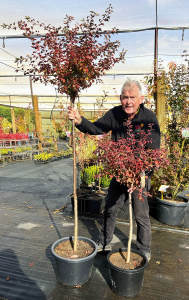
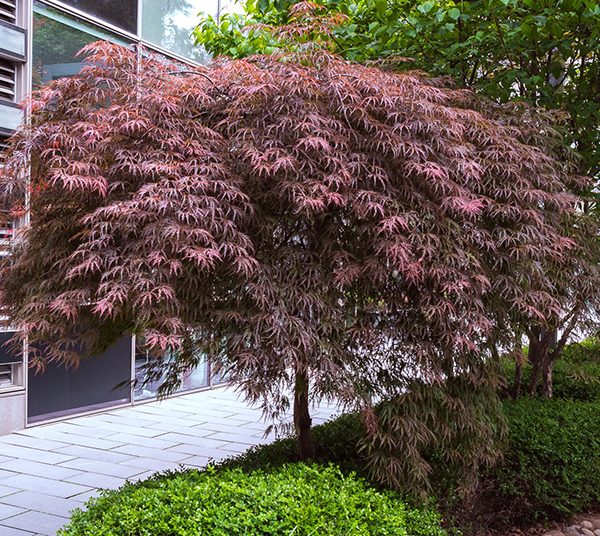
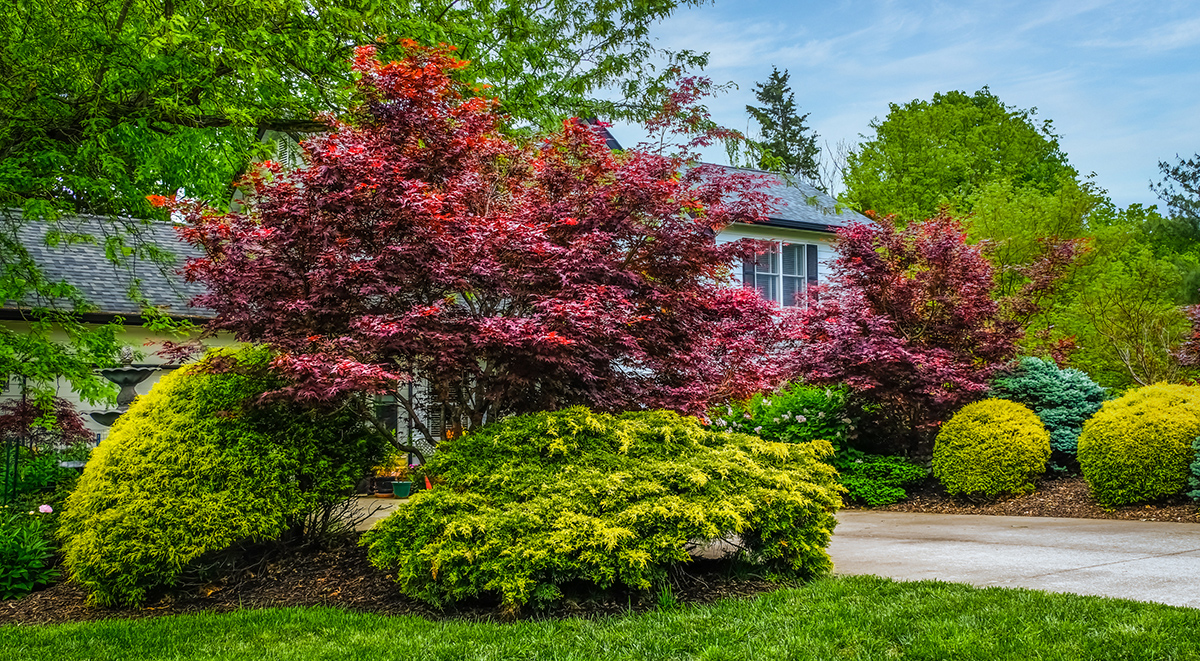
An elderly man stands in a nursery, holding a small tree with reddish leaves, surrounded by top indoor plants and under a shade structure.A potted plant, one of the top indoor plants, with vibrant red and purple leaves, positioned in front of a person wearing a black jacket and jeans, in a sunny outdoor setting. Prunus ‘Kojo No Mai’ Ornamental CherryKojo No Mai has a curly kind of foliage with beautiful tiny pink-white blossoms during the springtime. It’s grafted up on a standard and you can buy it as a low standard or a tall standard. It’s quite a compact plant that you can grow in a pot, making sure to water and fertilise it well. But you can also grow it in the garden. It looks beautiful year-round, in the summer it has green pine foliage and blossoms, in winter is has interesting curly branches, then come autumn you get magnificent burgundy autumn colour.

Berberis ‘Japanese Barberry’ Purple
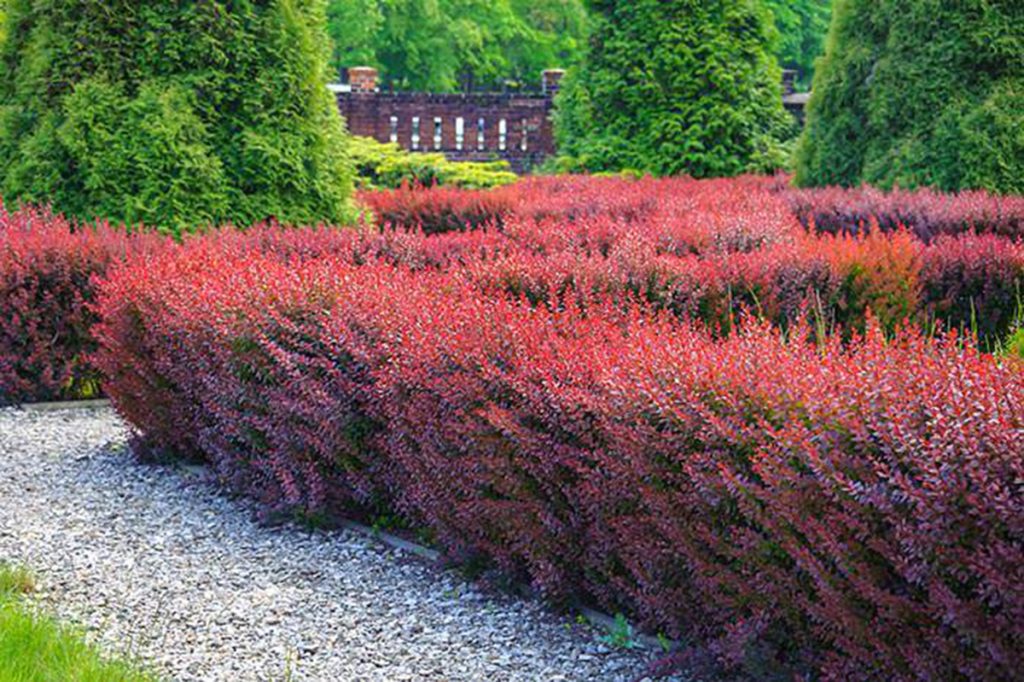

Vibrant red bushes line a neat garden path, surrounded by lush green trees and top indoor plants, complemented by a distant ornate brick fence. Berberis ‘Japanese Barberry’ Purple

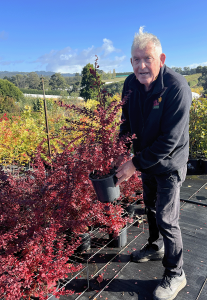
An elderly man holding a potted red plant at a nursery, smiling, with rows of top indoor plants and trees under a clear blue sky.There are all different types of Berberis with different autumn colours, but today I’m going to talk about the Purple one. You can plant it as a hedge and trim it into a square, or you can trim it into a ball. The Purple Berberis is the most common and popular of the Berberis. As you come into autumn it will be this bright purple that shifts into shades of orange, yellow and red. With a trim you can keep it under a metre, or let it grow to its full height of about two metres. 
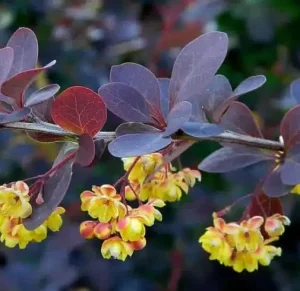
Dark purple leaves with clusters of small yellow flowers against a blurred green background make this one of the top indoor plants. Berberis ‘Japanese Barberry’ PurpleYou can mass plant it for a beautiful splash of colour in your garden, or even plant different types of Berberis and have a wide array of shades. For example there is the Berberis ‘Little Favourite’ Barberry that has burgundy purple foliage which changes to a bright red and orange in autumn, with cream flowers during the springtime. I’ve never used them as a pot plant, but I don’t see why you couldn’t, as they’re a hearty and easy to grow plant.

Cornus florida ‘White Dogwood’


Branches with vibrant red and orange leaves from top indoor plants against a blurred background of green foliage.

Elderly man standing among rows of potted red-leafed top indoor plants at a nursery, smiling on a sunny day.

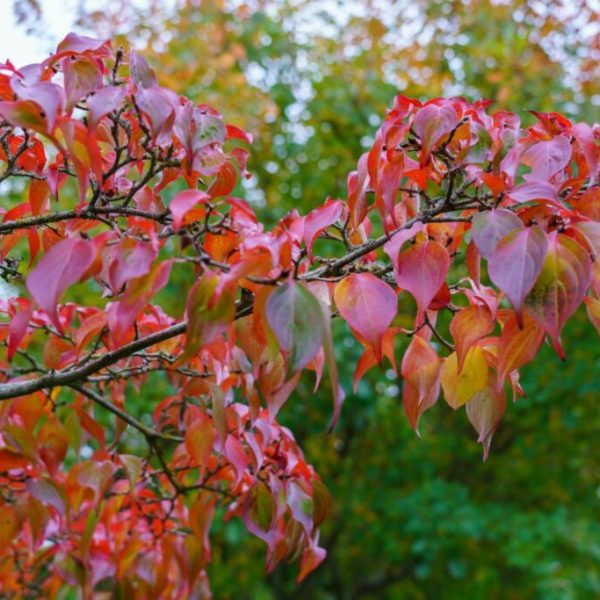
This is the Dogwood that most people know, with its beautiful white flowers and lovely red autumn colour. What’s great about White Dogwood is that it’s quite an exotic looking plant and its autumn colour is long-lasting. You don’t expect a plant that looks so incredible in the summer, with its riot of intricate flowers, to then give you such fabulous autumn colour. Your Dogwood is an understory tree, which means that it naturally grows in the forest underneath other trees. So if you have some great big trees or a two-story house towering over your place, then the White Dogwood will thrive in that shady spot. Just make sure you give it loose soil, bit of water and a bit of fertilizer.

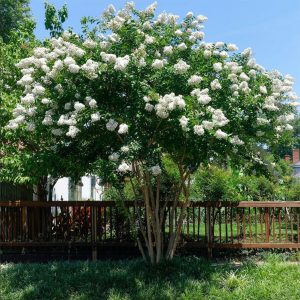
Crepe Myrtle


Close-up of a shrub with vibrant red and orange autumn leaves, set against a dark background, showcasing its appeal as one of the top indoor plants.

Rows of vibrant red top indoor plants in a sunny outdoor nursery setting.Similar to the Senkaki maple, if there was only room for one tree than the Crepe Myrtle is a great option. Your first thought of the Crepe Myrtle is likely the beautiful pink-white flowers, which is quite magnificent. But not long after the flowering is finished, you get the most vibrant autumn colours that lingers for weeks. Some autumn colours are beautiful but fleeting, here today and then gone a few days later. But with the Crepe Myrtle, the autumn colour goes on and on. The different varieties of Crepe Myrtle all have slightly different shades. The Sioux is one of my favourites for its beautiful soft pink flowers and smaller size. Some Crepe Myrtles will grow to four or five metres, but Sioux doesn’t get much bigger than three metres. With a bit of pruning you can easily keep it to one or two metres.
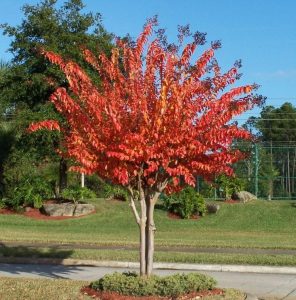
A vibrant red maple tree, one of the top indoor plants, in full autumn color, standing in a grassy area with rocks and trees in the background under a clear sky. Crepe Myrtle autumnAnother great feature is that once they’ve matured, they get this beautiful pattern on their bark. With some flowering trees they’re only pretty in the springtime and boring for the rest of the year, but the Crepe Myrtle provides excitement year-round. If you do have the space, Crepe Myrtles are fantastic mass planted up a driveway or avenue, but even if you just have room for one tree, it’s still going to look fantastic. With beautiful bark, exquisite flowers, and brilliant autumn colours, the Crepe Myrtle really earns its keep as an ornamental tree.

Blueberry Bush
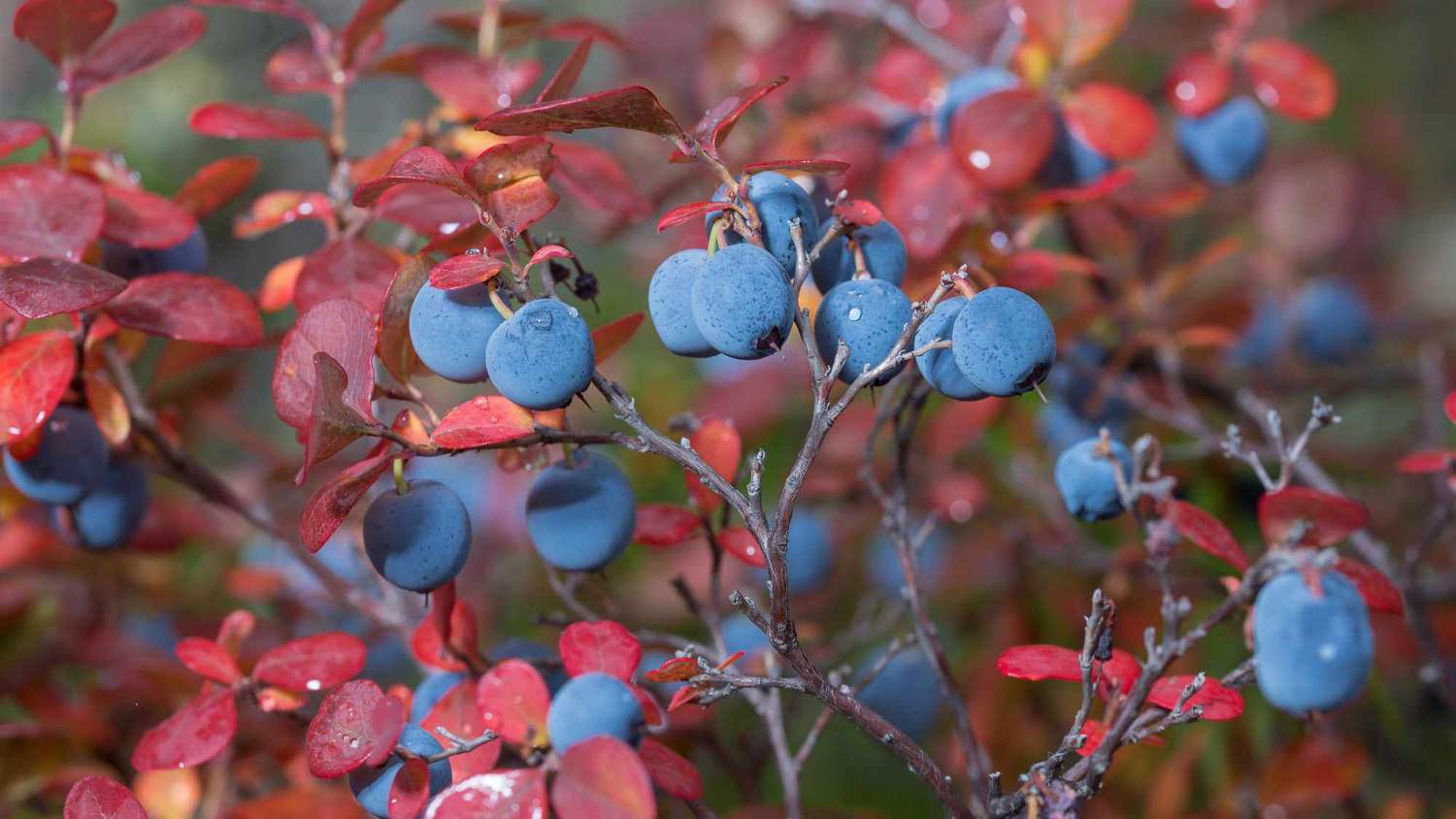

Bush with clusters of blue berries and reddish leaves, showcasing vibrant autumn colours. Blueberry Bush

A person holding two pots of top indoor plants with red and green leaves in a garden center.I never thought that the Blueberry Bush had good autumn colour until Carl, a great nurseryman, brought one of them. This was back when I had a nursery in Emerald, and he would grow a few plants for me. Carl brought in this beautiful bush, about half a metre tall and half a metre wide, and it had the most beautiful autumn colour. I asked him what it was, and he told me it was a Blueberry Bush. I was quite surprised. You can grow it in a pot, or a little corner of the garden, and it’s going to give you cute flowers then fantastic autumn colour. Not to mention you’re also getting blueberries!

Hydrangea quercifolia ‘Oakleaf’
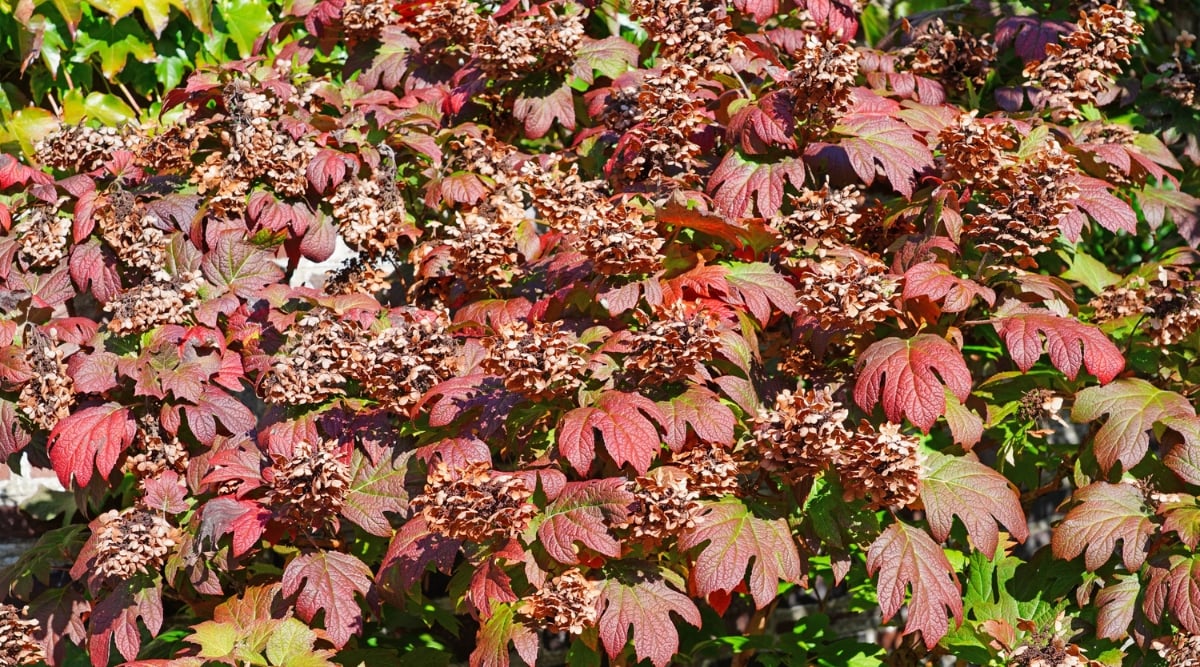

A dense cluster of vibrant, red-veined leaves with clusters of dried, brown flowers, set against a background of green foliage from top indoor plants.

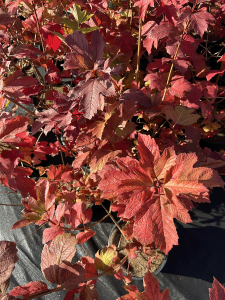
Top indoor plants with red and green leaves in pots at a nursery. Sunlight creates a dappled effect on the foliage.This is one of the most underrated plants for autumn colour. In spring and all throughout summer you have these fantastic flowers. But then with other types of hydrangeas, pretty much straight after Mother’s Day, the leaves would turn rotten and fall off. It would look like something from a horror movie. But your Oakleaf has intense autumn colour, a deep purple shade, and the leaves don’t drop off. They stay there until new bright leaves come in around middle of September, then you have this period of time where green leaves are appearing amongst purple leaves, creating a kaleidoscope of colour. Also compared to other hydrangeas it’s a bit lower and wider growing. They’re my favourite hydrangea because come winter, they don’t shapeshift into a creature from a horror film.

Viburnum ‘Snowball Bush’
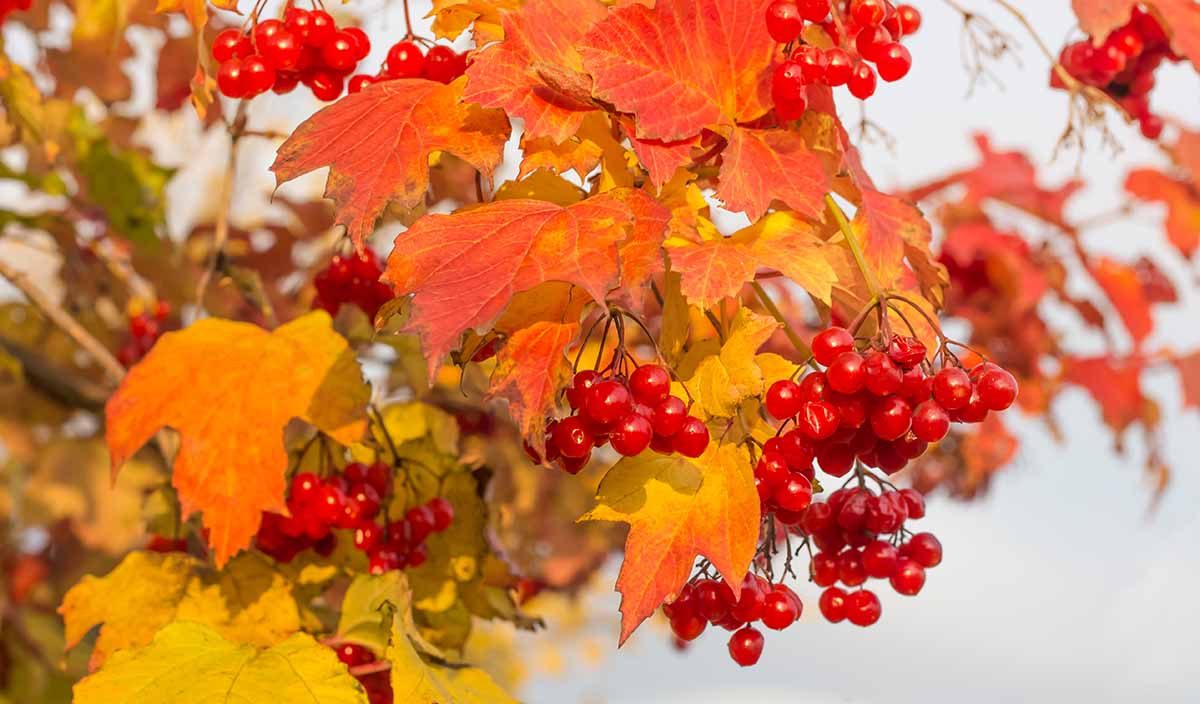

Bright clusters of red berries hanging amid vibrant red and yellow autumn leaves against a soft-focus background, resembling top indoor plants.

Sunlit reddish-purple leaves of a top indoor plant, casting shadows on a textured surface, displaying a vivid autumnal color palette.A few decades ago these were the most popular bush in Melbourne and it’s easy to see why. With those clusters of creamy white blossoms, they truly look like snowballs or even clouds, covering the bush. Back then I never noticed how nice their autumn colour is, but I found a patch of them in the nursery today and they look incredible. You’re probably noticing that a lot of the plants on this list aren’t just great for their autumn colour, but rather give you beauty in so many other ways too. It’s because you don’t plant a garden just for one season, you plant a garden to give you eternal wonder and delight. Surprisingly, the Snowball Bush isn’t as common nowadays, so perhaps a resurgence like the ornamental grass is due (stay tuned for an article on ornamental grasses coming soon). They’re super compact so perfect for a tight space. The foliage starts out as a bright green, then with autumn it changes to a gorgeous reddish orange. Even the flowers themselves do some colour-shifting, beginning as an apple-green, morphing to white, and eventually fading to a rosy colour.

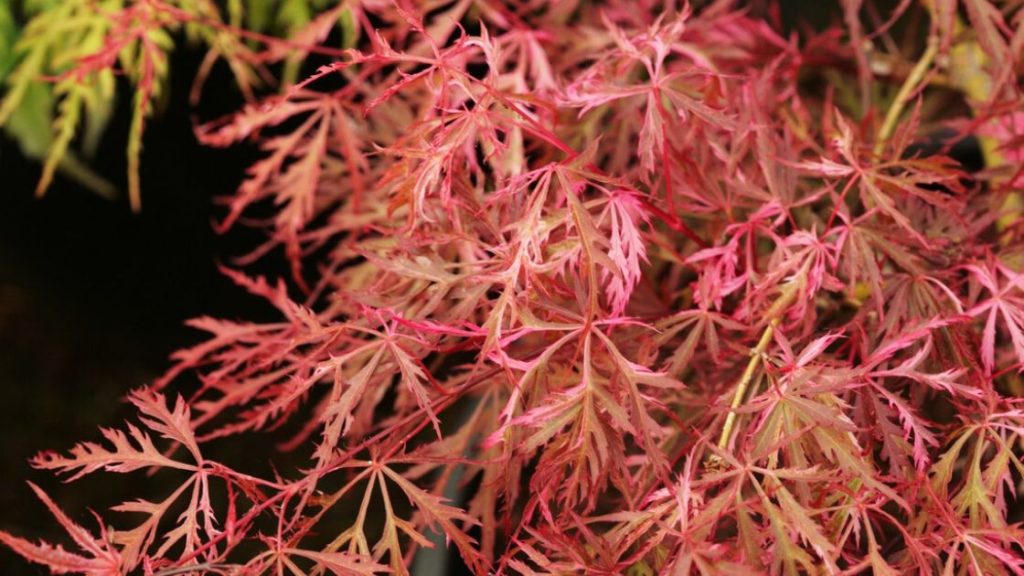
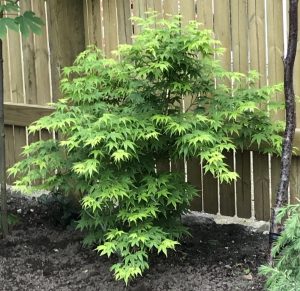
Acer ‘Shaina’ Japanese Maple
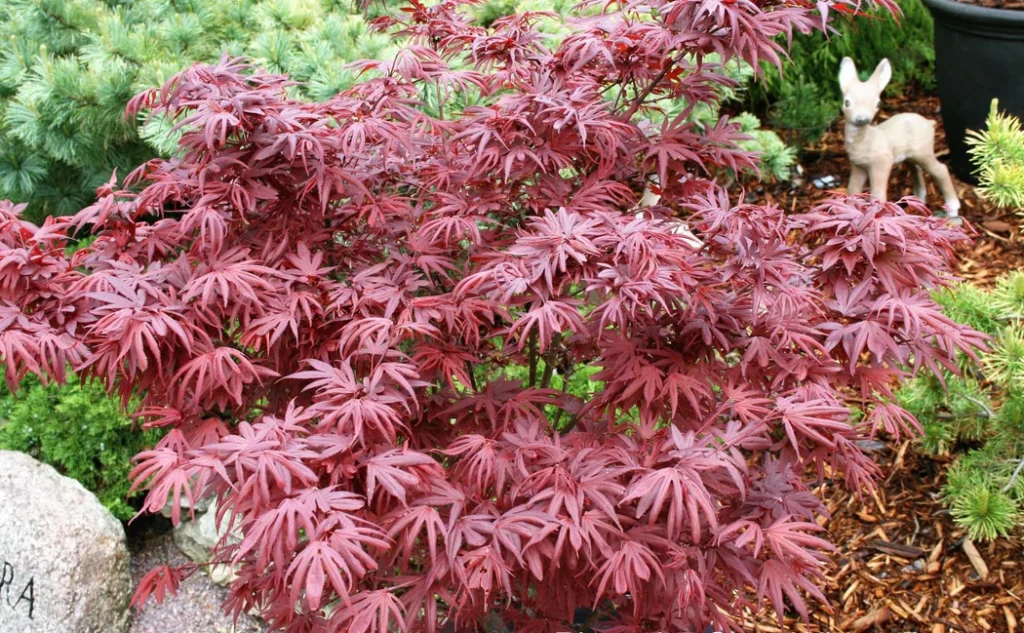

A lush Japanese maple, one of the top indoor plants, with deep red leaves near a small deer figurine, in a garden setting.

Close-up of vibrant red Japanese maple, one of the top indoor plants, with detailed veins and a blurred background, capturing the texture and color contrast. Acer ‘Shaina’ Japanese Maple leafLook, we could do an entire list on Japanese Maples, but I’m trying to be very selective with which ones I put here, because not everyone wants a Japanese Maple. But the Shaina is really a standout because it’s a miniature Japanese Maple that is perfect for people tight on space. Shaina has very fine leaves and dense foliage which add to the intensity of its red colouring. It’s so small you can have it in a pot and keep it there forever. If you never trimmed it, Shaina would probably end up two metres tall in 10 or 15 years, but if you trimmed it a little bit you could easily keep it a metre tall.

Acer saccharum ‘Sugar’ Maple
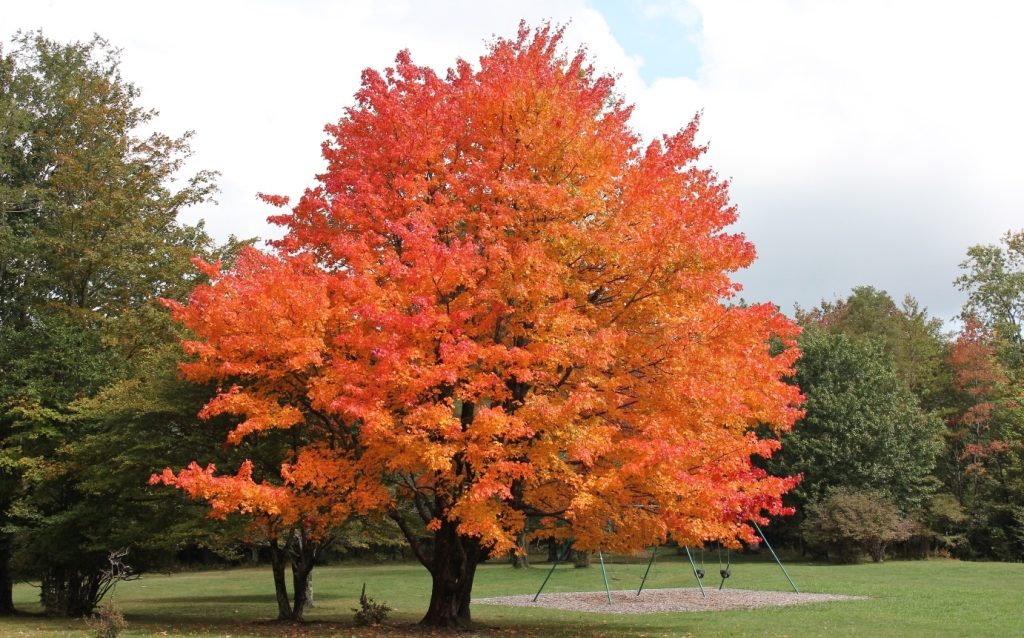

A vibrant maple tree with radiant red and orange leaves against a cloudy sky, anchored by supports, in a grassy field with top indoor plants nearby.

Vibrant orange and red maple leaves against a blurred background of top indoor plants. Acer saccharum ‘Sugar’ MapleThe ‘Sugar’ Maple is one of my all-time favourite plants for autumn colour, so I wanted to include this too, however this is quite a large tree. In autumn it is a bright yellow with more subtle tones of orange, pink and red. It almost looks like it is glowing with soft flames. Because of this, it’s typically overlooked, but I love the subtlety.

Parthenocissus ‘Boston Ivy’


Dense ivy, one of the top indoor plants, with vibrant red and purple leaves covering a wall.

The autumn colour of Boston Ivy is unbelievable, not to mention how beautiful and luscious it looks in the summer. Use the right soil, bit of water and fertiliser, and keep it trimmed for the best look. Boston Ivy is a climber so it can really elevate a wall, fence, or the side of the house. Then in autumn the dark green foliage will turn crimson, standing out dramatically against the rest of your landscape.

In Closing

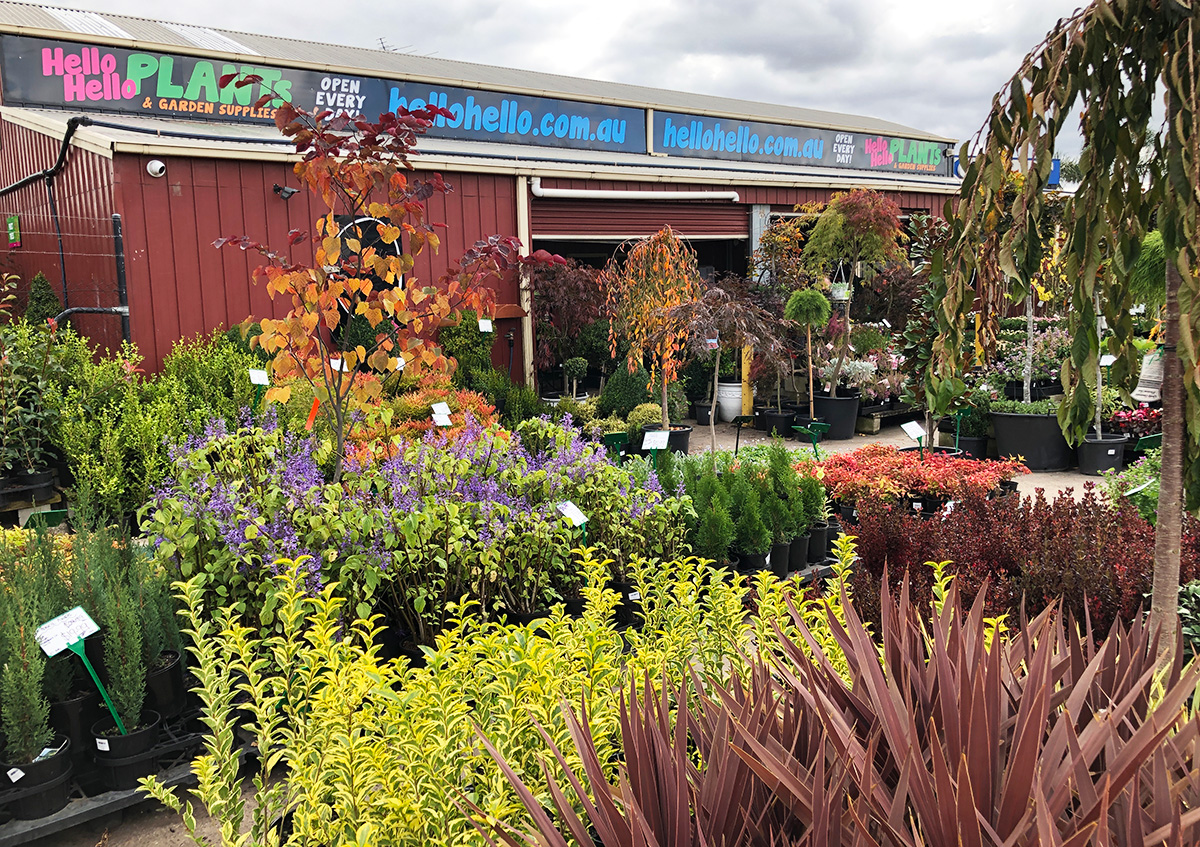
So there are some of the plants with the most brilliant autumn colour. Of course, this list isn’t exhaustive, but I wanted to make this for those who want autumn colour, but are completely overwhelmed by all the choices. You’ve probably noticed here in Melbourne that summer is well and truly gone, the days are getting colder, and the sun is setting sooner. Autumn is officially here. Which means there is no better time to come down to Hello Hello and see for yourself the incredible autumn colour on these plants.

May your autumn be filled with fiery hues,

Chris
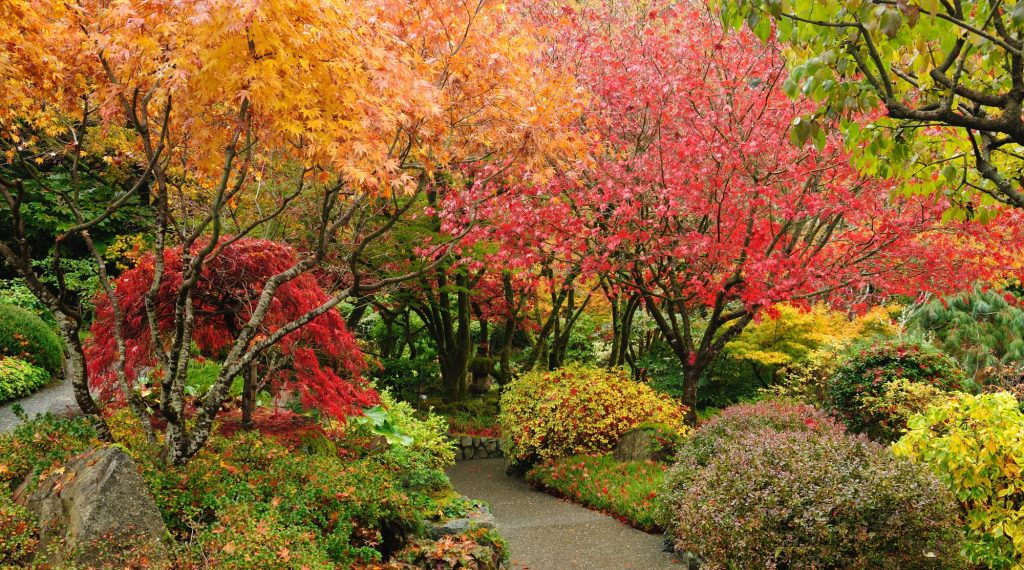

Lush garden path lined with vibrant, multicolored autumn foliage and top indoor plants under an overcast sky.

Feeling inspired to create your own garden, but want some expert advice? Try our one-on-one garden design service with Chris. Together you’ll come up with a selection of plants along with a layout plan that gives you the look you want, as well as being suitable for your local soil and conditions.

get your own tailored modern garden design:


FIND OUT HOW

Articles you may also like

Text overlay stating "top 10 best indoor plants for shady areas" on a background of a lush garden with various green plants and trees under dappled sunlight.

Top 10 Best Plants for Shady Areas

There has never been more shade in Melbourne as there is now. Townhouses, units, and apartments are on the rise. Backyards are getting smaller. Sunlight is becoming more blocked. But everyone still wants a garden filled with plants. And you should have that.
I spent today going around my nursery and picking out a trolley of the ten best plants for shady areas. I was really intentional with my choices because what I keep hearing from my customers is how they want flowers and colours and beauty in their garden.

A close-up of white jasmine flowers in full bloom surrounded by lush green leaves, one of the top indoor plants.

Vibrant pink azalea flowers with dewdrops, one of the top indoor plants, surrounded by green foliage.

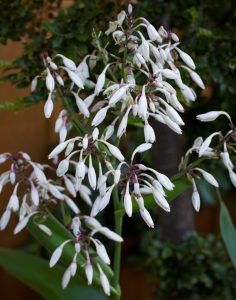
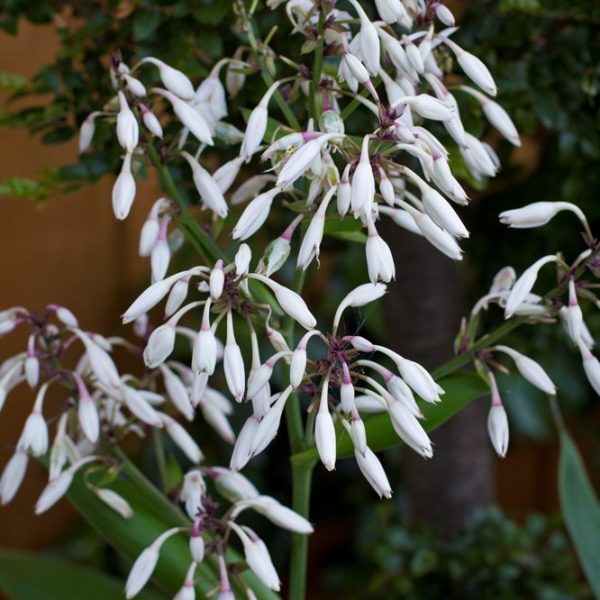
White bell-shaped flowers blooming on a top indoor plant with slender green leaves, set against a soft-focus background of dense foliage.

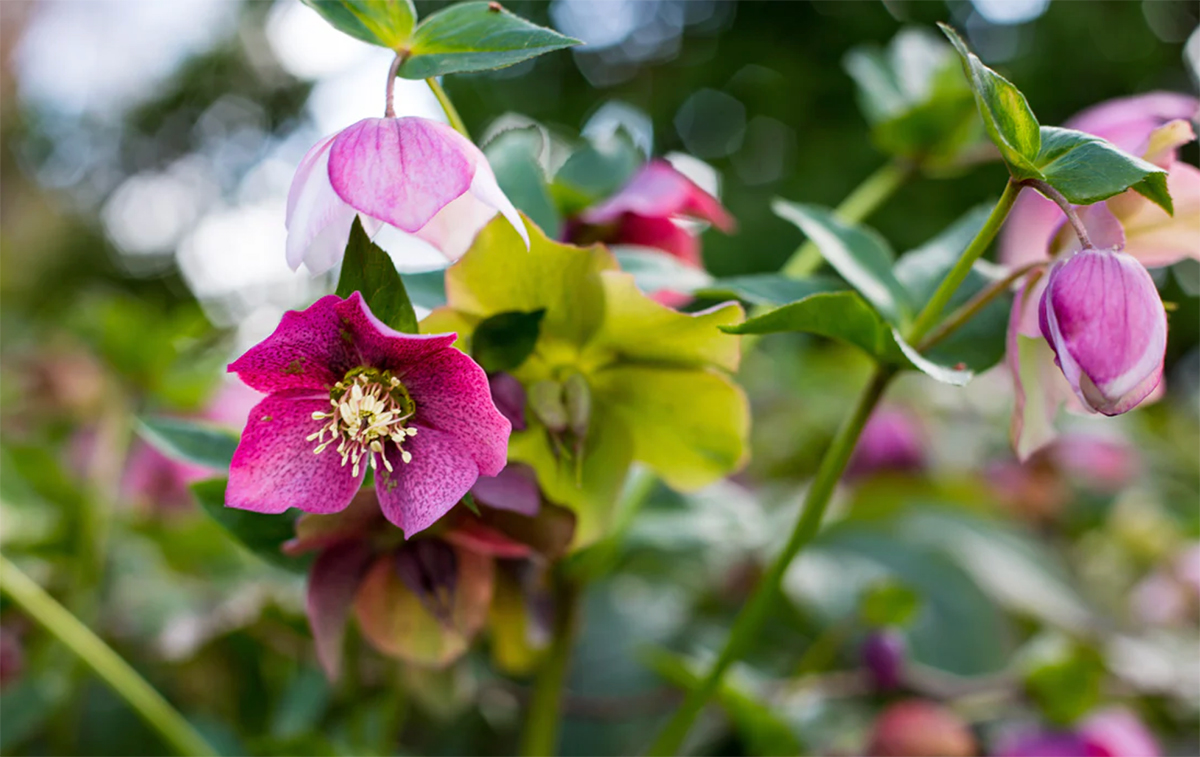
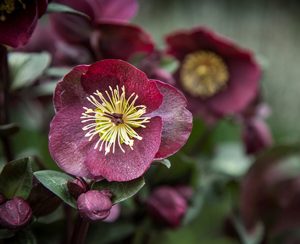
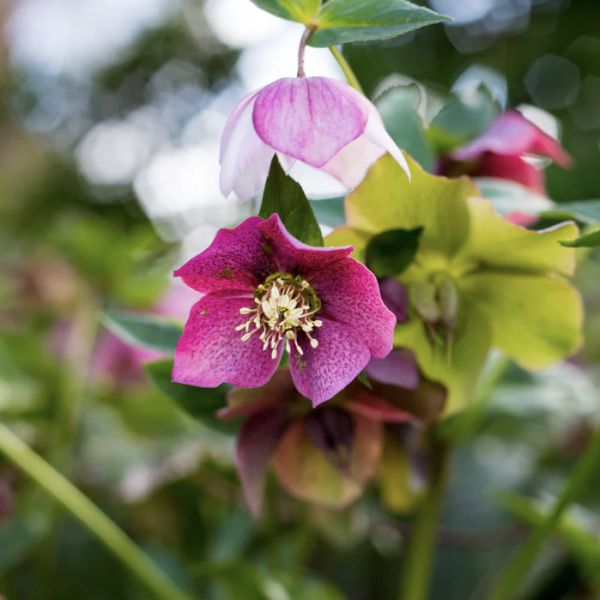
Close-up of a pink and purple hellebore flower, one of the top indoor plants, with a blurred green background. Winter Rose

A cluster of variegated spider plants, top indoor plants, with long, narrow green leaves striped in white, growing densely in garden soil.

White and pink hydrangea, one of the top indoor plants, blooms against a wooden backdrop.

Look, this list could’ve been just every type of Ajuga, but I doubt you’re going to want that. Instead, I’ve included a huge range of versatility in this list, because I understand that everyone has different needs. For some it’s a shaded wall that needs covering, for others it’s a spot in a garden bed that their neighbour’s two storey house casts a shadow over. Whatever it is, let’s bring lushness and colour into your shaded areas.

10 of the Most Fragrant Plants

Ligularia ‘Tractor Seat’

Lush green foliage with large, round, glossy leaves grows densely against a wooden fence, showcasing why it's among the best plants for shady areas. Some smaller pink flowers are visible in the upper right corner.

One of the most popular choices, the Tractor Seat Plant look spectacular with their dinner plate size leaves. They’re a powerful feature with modern architecture and would look great on a portico. Also they’re very handy if you have a south facing house. You can grow it in a pot or in the garden. Your Tractor Seat likes well drained soil, plenty of water and a little bit Osmocote fertiliser. They’re supper happy in deep shade, but they also do well in morning sun and afternoon shade.

Hydrangea ‘Candlelight’


Cluster of hydrangea flowers, one of the top indoor plants, with pink and white blooms set against a backdrop of dark stormy clouds. hydrangea candlelight

Hydrangeas are actually another plant I could’ve filled the entire list with. But I’ve just picked the Candlelight for today as it’s one of your more modern Hydrangeas. Candlelight has gorgeous foliage and flowers, with an upright shape that is different to other Hydrangeas. They start out white in the spring and end up a lovely shade of pink. It’s a spectacular feature to have in a key spot in your garden, and you can grow Candlelight in a pot or in the ground. Don’t think that your shaded area has to be boring, you’ll be surprised at how many gorgeous plants are on this list.

Choisya ‘Mexican Orange Blossom’


A cluster of small white flowers with green leaves, known as one of the best plants for shady areas. Mexican Orange Blossom

A lush green shrub covered in white blossoms, situated next to a black fence and a brick building, is one of the top indoor plants. Choisya ‘Mexican Orange Blossom’ The Mexican Orange Blossom is perfect if you are looking for a hedge, ball, or screen option. They grow to about two and a half metres tall, I actually used to trim a hedge of this for a lady when I was a young gardener. That hedge grew in deep shade underneath oak trees, probably never saw the sun, and it absolutely thrived there for year after year. Mexican Orange Blossom flowers late winter early spring and has a delicately fragrant white flower on it. The fragrance is quite gentle and if you are after something with a bit more of a kick to it you should check out my article on the Top 10 Best Plants for Incredible Fragrances. Don’t feel constrained to the shade with this plant, if you have other spots in mind too, Mexican Orange Blossom also grow well in the sun. The great thing about the Mexican Orange Blossom is you can keep it as a low hedge around 90cm tall, let it grow into a bigger hedge, or even trim it into a ball. I’ve seen many gardens with it as a ball, and it makes for quite a stunning feature with the luscious green foliage and white flowers. I’ve also seen where they were mass planted it in a big shady area under a corner of trees and it looked fantastic.

Liriope ‘Stripey White’


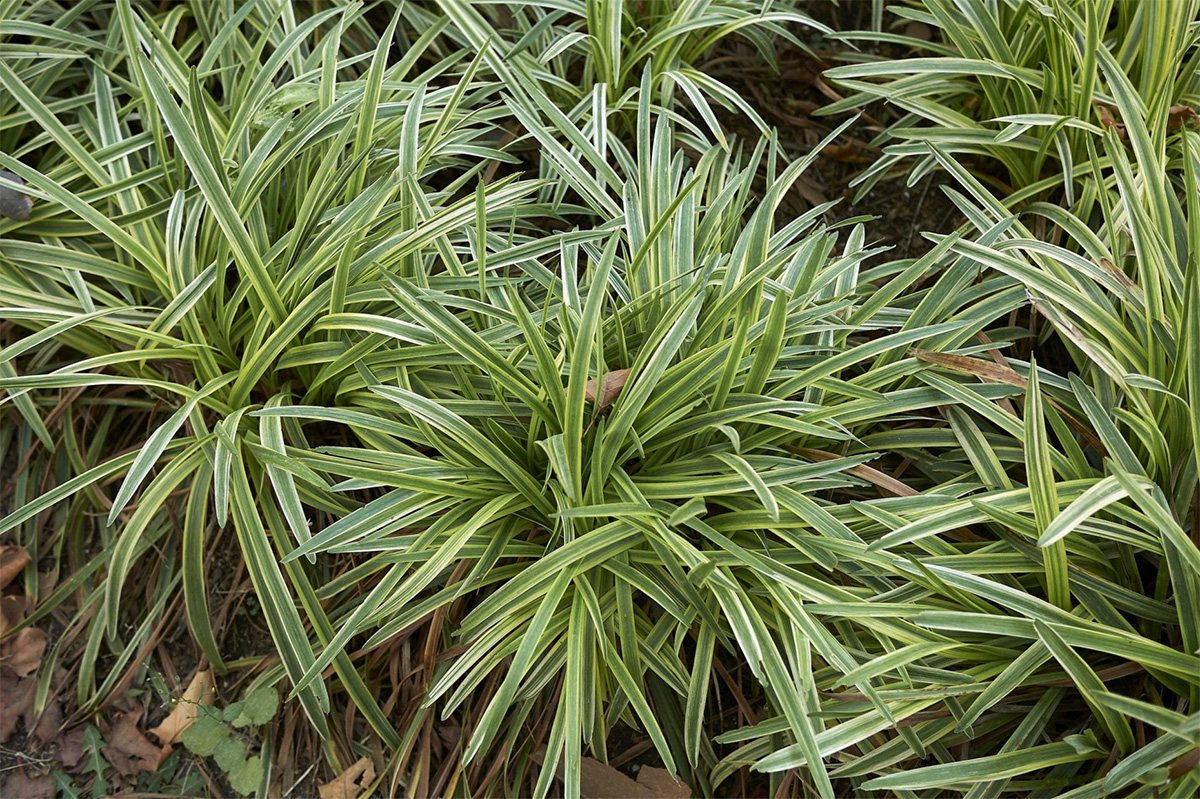
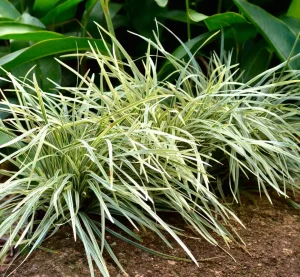
Close-up of dense, green grass-like plants with variegated leaves in a garden setting, showing a mix of green and white striped foliage—perfect selections for shady areas. Liriope ‘Stripey White’

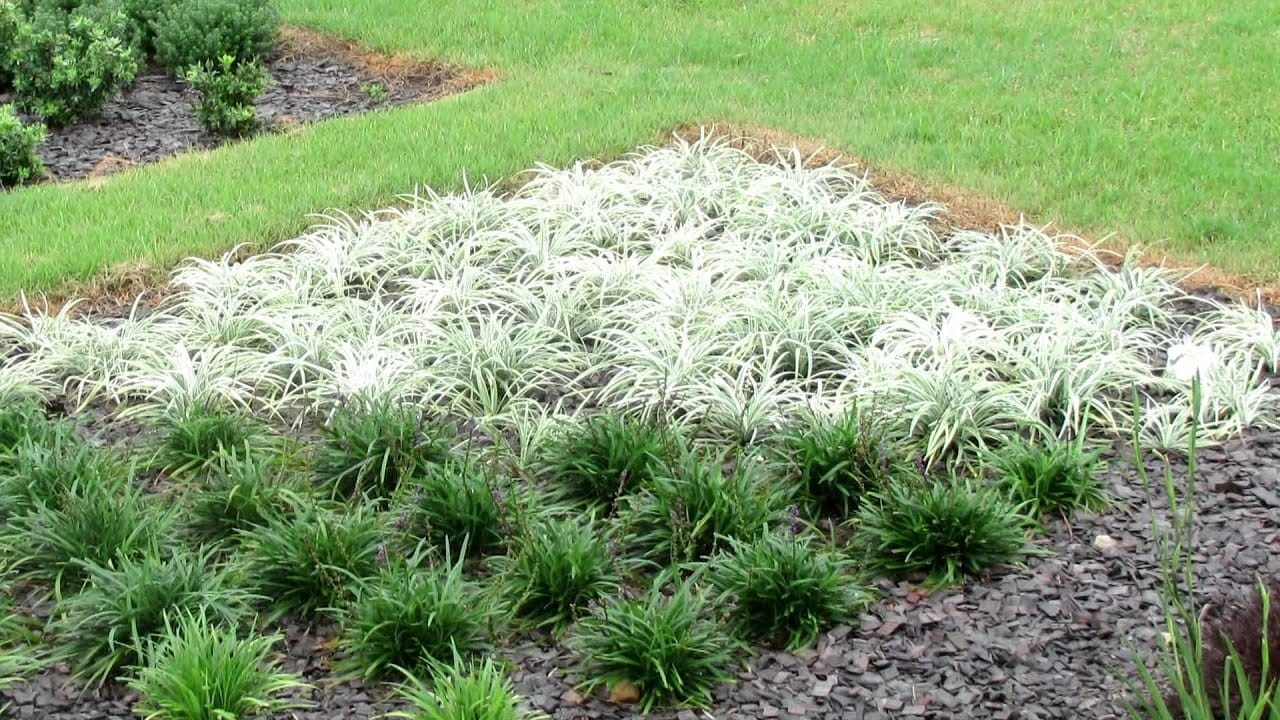
Variegated ornamental grass, one of the top indoor plants, with white and green striped leaves growing alongside a stone surface. Liriope ‘Stripey White’The Stripey White is one of my favourites to use in the shade because it’s a nice mid-size plant that fits in a lot of areas. The creamy white stripes and white flowers add brightness and colour, which so many shady spots need. It’s also really hardy and versatile, so if your spot gets some sunshine too, then that’s fine. Let’s say you have a hedge, the Stripey White is perfect to jazz up that space at the bottom and create a dynamic look. Also if you don’t love the look of the Stripey White, but still want a strappy grass, we have a Mondo Grass and Liriope Section at the Nursery which you should come check out. Pretty much all the Liriopes and Mondo Grass love the shade, just be cautious with sunlight because most of them don’t like the sun.

Trachelospermum ‘Chinese Star Jasmine’


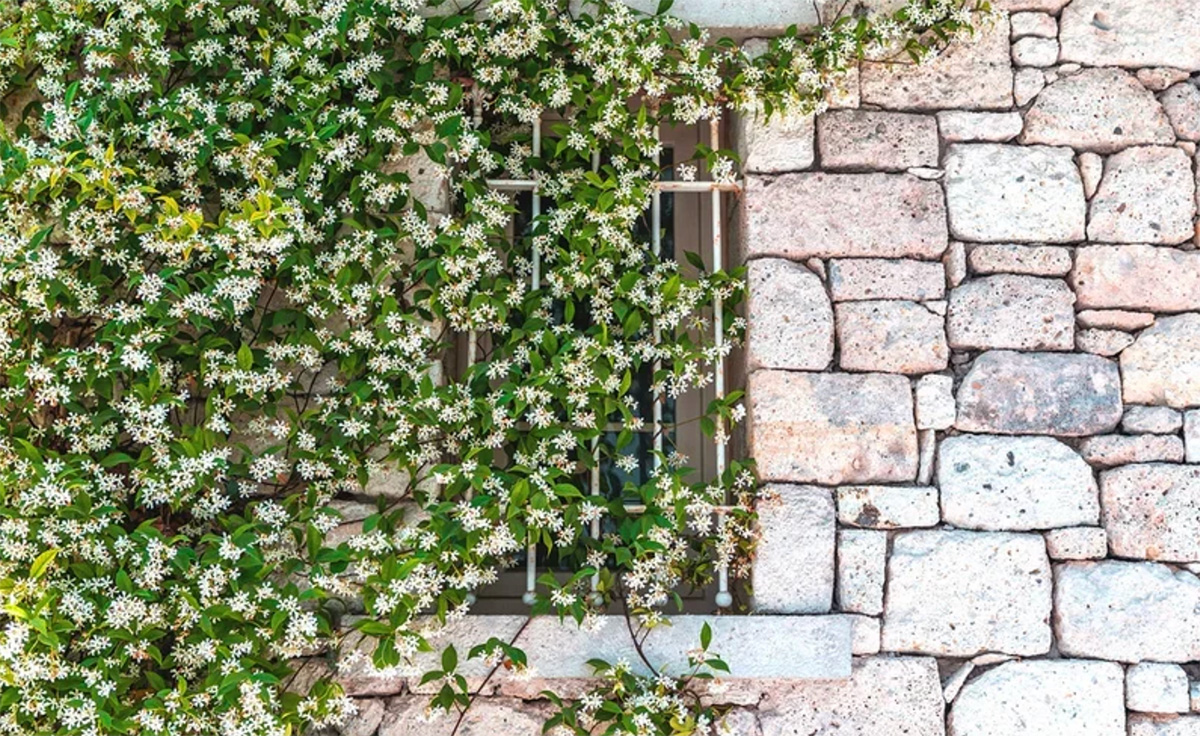
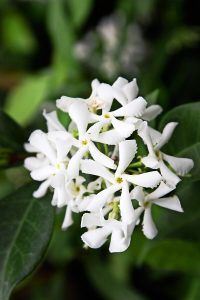
A stone wall with a window partially covered by green vines and small white flowers showcases some of the best plants for shady areas. Trachelospermum ‘Chinese Star Jasmine’

A close-up of white jasmine flowers in full bloom surrounded by lush green leaves, one of the top indoor plants.I get a lot of clients that have a narrow strip of dirt between two houses, and they want to put up something tall and narrow that’s going to grow quickly. Chinese Star Jasmine is the solution. You can grow a lush, bushy wall of Chinese Star Jasmine that is just 30cm wide with some trimming and training. The downside is that you do need a structure for it to grow on, whether that be a trellis, wire mesh or some cables. Chinese Star Jasmine will not naturally grow on a fence by itself. If you want quick cover then you need to plant them quite close, about 80cm apart, and give them plenty of water and fertiliser. They are quite a fast-growing plant though. You’ll find that once they’re more established they start to grow these big, long arms. A smart idea is to buy some clips and you can actually position them as you please against the wall, as the plant is quite flexible. Do this for a couple years and once you’re happy with the coverage, you can start to shear those long arms off.

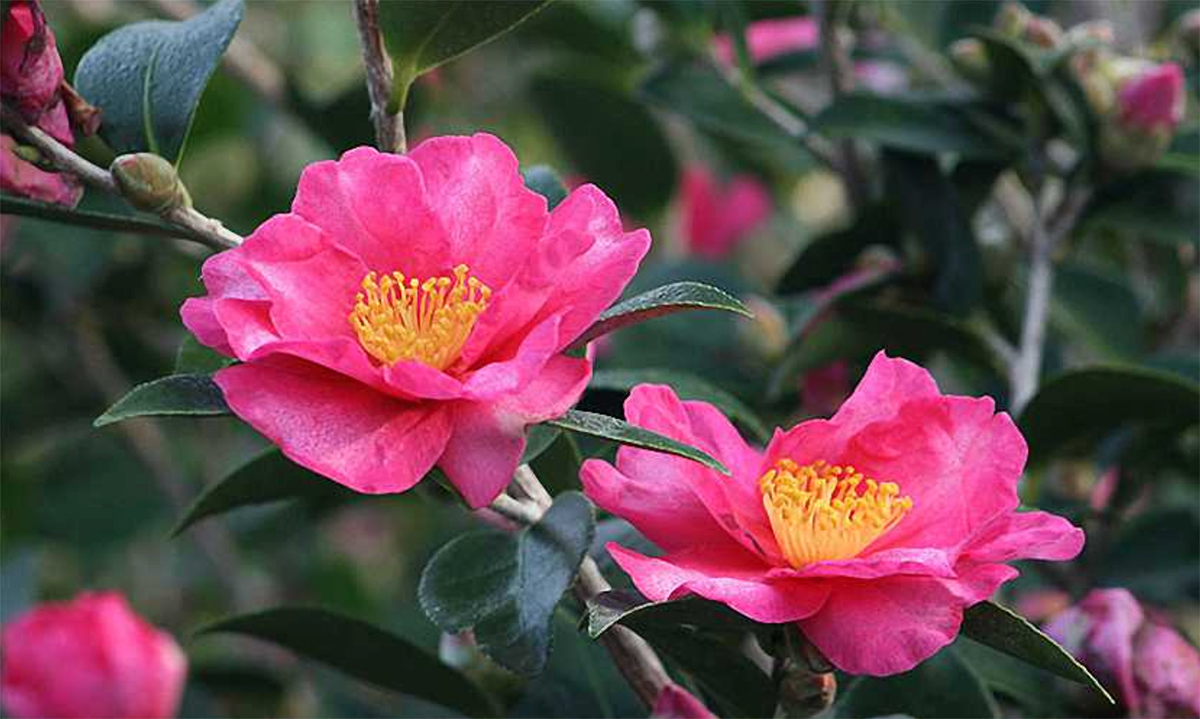
Camellia sasanqua


Two vibrant pink flowers with yellow centers bloom among green leaves on a plant, making it one of the best plants for shady areas.

Vibrant pink camellia flowers in bloom, surrounded by glossy green leaves, ideal as top indoor plants, under bright sunlight.Okay let’s take that same problem I was talking about before and give another answer with different applications. Camellia sasanqua is an evergreen flowering shrub that you can keep quite narrow, about 50cm wide. They are a lovely thick hedge that are great if you don’t have a fence, or you’re not interested in building a trellis-type structure. They also flower for months of the year, during autumn and winter. Now you wouldn’t think that Camellias do well in the shade, I sure didn’t think so when I was a kid. But it was my dad that showed me otherwise. He used to run his own nursery growing business and he got me to plant a bunch of Camellias in this steep little gully that never got any sunshine. I was thinking, this poor old bugger, he has no idea what he’s doing. But lo’ and behold, a few years later and they were absolutely thriving. So Camellia sasanqua will grow really nice and bushy in a spot where the sun never shines.

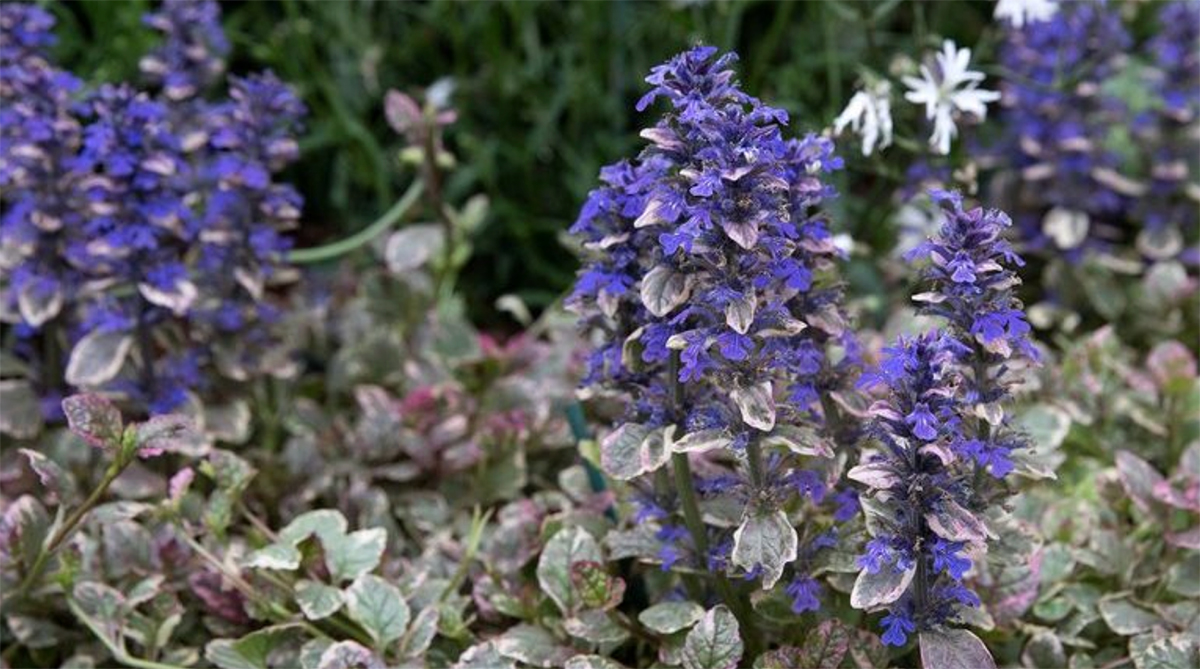
Ajuga ‘Burgundy Glow’

Close-up of blooming purple bugleweed flowers, one of the best plants for shady areas, surrounded by variegated green and pink leaves in a garden.

What a gorgeous medley of colour! You’ve got greens, creams, dusky pinks and burgundy/rose in the leaves, then a splash of bright purple blue in the flowers. If that isn’t already great enough, what I love about Ajuga is that technically they’re actually a bugleweed. Now I’m a bit cheeky because I like things that have a little bit of weed in them because they grow so easily. Nothing crazy, it’s not going to spread through the neighbouring bush and kill the koala bears or anything. But if you have a big bare patch under your trees, the Burgandy Glow will take a bit of sun. I just love the mix of colours, the Burgandy Glow is so pretty and you don’t have to worry about any thorns or anything like that.

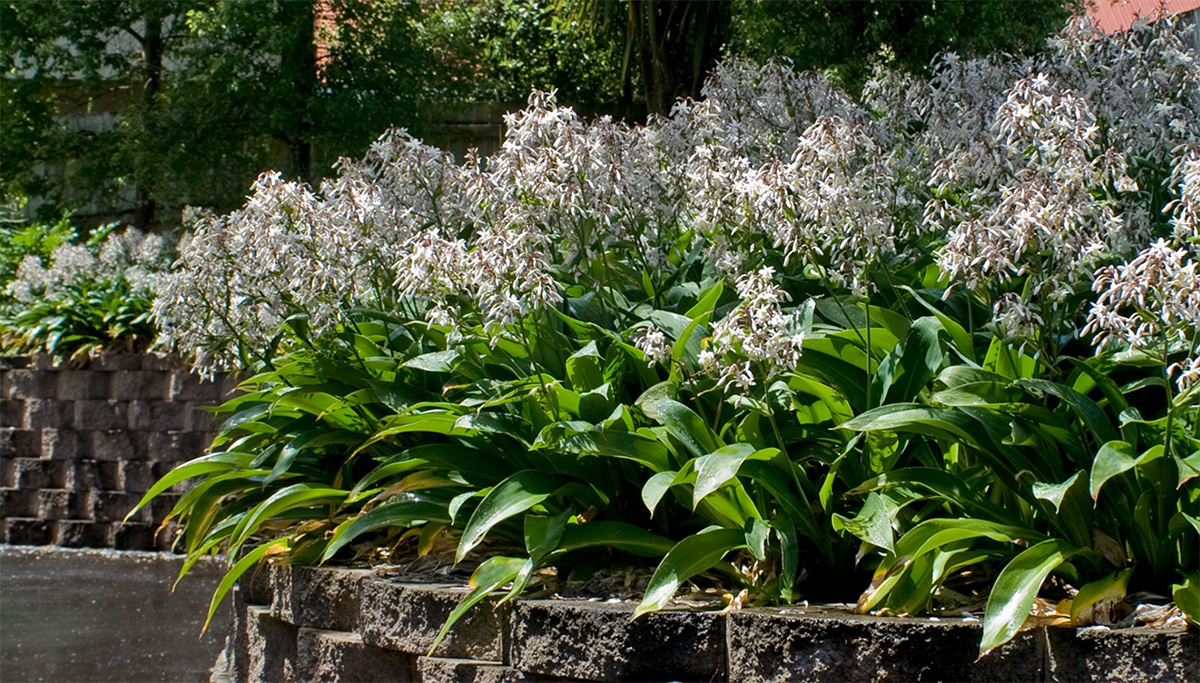
Arthropodium ‘Te Puna’ Rock Lily

A garden bed featuring lush green plants with clusters of small white flowers, bordered by a low stone wall, set in a sunny outdoor environment. Ideal for inspiration if you're searching for the best plants for shady areas in your own garden. Arthropodium ‘Te Puna’ Rock Lily

White bell-shaped flowers blooming on a top indoor plant with slender green leaves, set against a soft-focus background of dense foliage. Arthropodium ‘Te Puna’ Rock LilyI love the Te Puna because of its gorgeous big leaves. It’s an evergreen bulb and you’ll end up with a big clump quite quickly. Now they are a little bit expensive, but you can spread them out a fair bit. In the springtime they have beautiful sprays of white flowers, and they look really attractive through the summertime. They can take a bit of morning sun or speckled sun but keep them out of direct, all-day sunlight. They love full on shade with a little bit of water. Best of all, they are so easy to grow.

Azalea

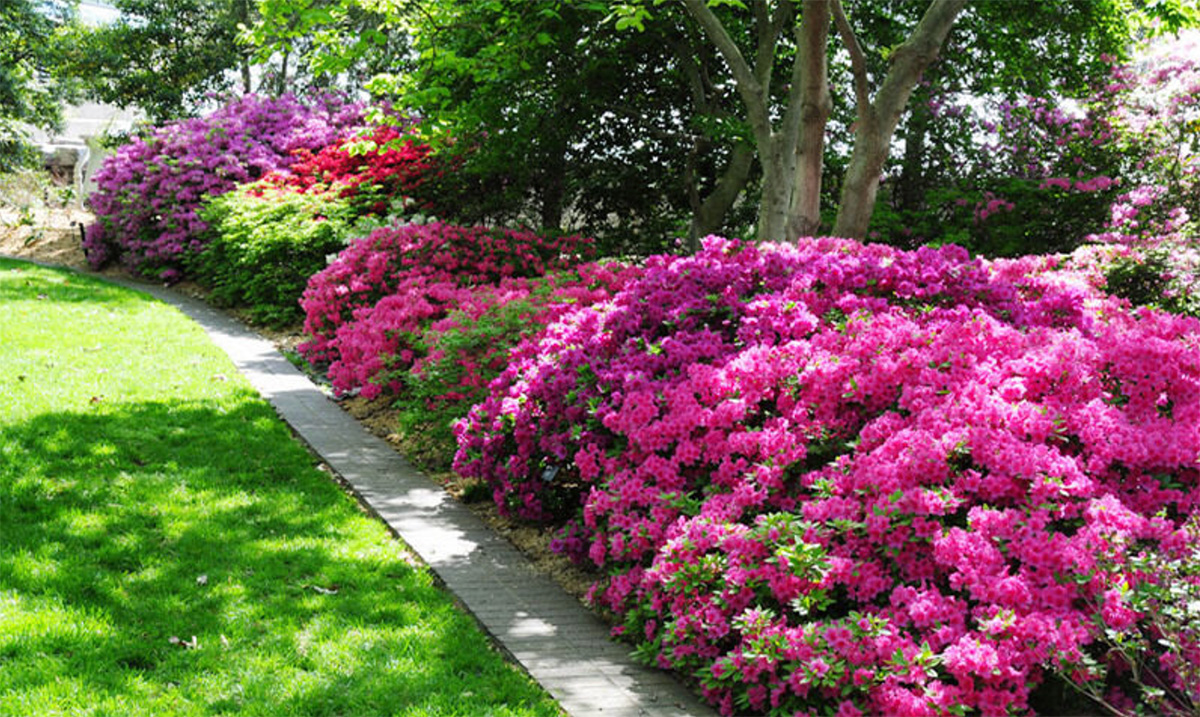
A garden pathway is lined with vibrant pink and magenta azalea bushes under the shade of large trees, showcasing some of the best plants for shady areas.

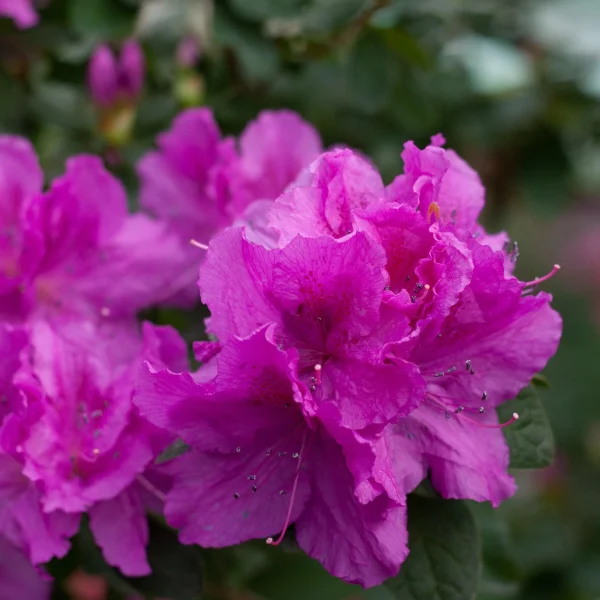
Vibrant pink azalea flowers with dewdrops, one of the top indoor plants, surrounded by green foliage. AzaleaAzalea flower beautifully in late winter early spring with a stunning show of big flowers. You can get them in all different colours, from white to red to a soft pink. These are perfect for that shady spot on the patio. Or you can plant them in the garden in a shady spot. No matter where you put them, they’re going to give you a gorgeous pop of colour.

Winter Rose

Close-up of pink and green hellebore flowers with green leaves in a garden setting, showcasing one of the best plants for shady areas.

Close-up of dark red hellebores with yellow stamens, top indoor plants, highlighting the details of the petals and central flower structure. Winter RoseLucky last is your Winter Rose. They have exquisite flowers that come in different shades such as white, dark purple and a brown-red. These will flower in the absolute dead of winter, giving you colour when you most need it. They also have beautiful foliage for when they’re not in bloom. They grow into a large and low bushy mound that look really good all year. People will often buy a large number of one colour and mass plant it for a cohesive look. It’s a hardy plant that grows in the deepest shade.

In Closing

So there you have it. We’ve looked at shrubs, ground covers, hedges, and climbers. Of course this list is not exhaustive of every plant that does well in the shade, so if you’re still looking for other options, come book a free garden design with me. With my garden design you can get a plan drawn up that is specifically tailored to your wants and the suitability of your garden. If you just want to have a look around, the best way to tell if you like a plant is to come in store and take a look at in person. I can’t wait to see all the gorgeous colourful gardens that persevere despite the shade.

See you next week,

Chris


A variety of top indoor plants and flowers blooming in a well-maintained garden.

Feeling inspired to create your own garden, but want some expert advice? Try our one-on-one garden design service with Chris. Together you’ll come up with a selection of plants along with a layout plan that gives you the look you want, as well as being suitable for your local soil and conditions.
get your own tailored modern garden design:


FIND OUT HOW

Articles you may also like

Top 10 best indoor plants for incredible fragrance" text over a background of blooming pink roses.

Top 10 Best Plants for Incredible Fragrance

Want to step into your garden and feel like you’re in a perfume commercial? Well I’ve rounded up the 10 best plants for fragrance, because everyone should make time in their life to stop and smell the roses (or the nine other plants I have on this list).

Now let’s break down what I mean by the best fragrances. See some plants don’t give off much of a scent, and then there are some that do, but only for a short period. This is what I’m basing my rating off of:

  • How easy it is to grow.
  • How easy it is to find.
  • If it can be used in multiple ways.
  • Oh, and obviously whether it actually gives off a good amount of fragrance, for a long amount of time.


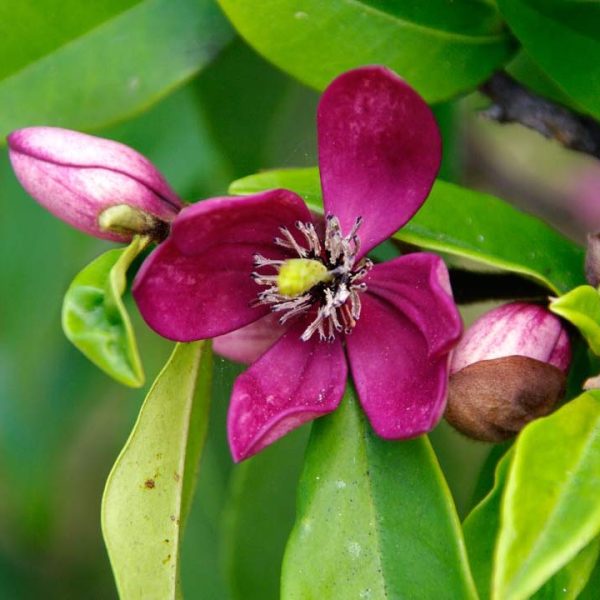
A vibrant magenta top indoor plant with prominent stamens surrounded by green leaves and budding flowers. Michelia figo Coco


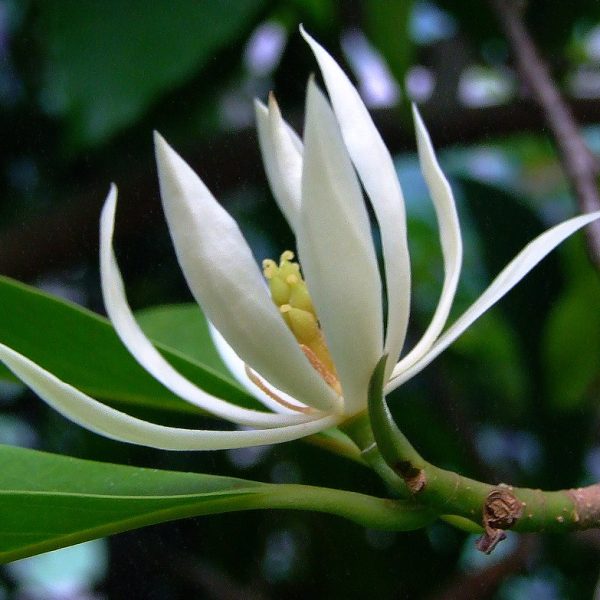
A white magnolia flower in bloom with green leaves from one of the top indoor plants in the background.


White daphne flowers bloom amidst glossy green leaves, making them top indoor plants.


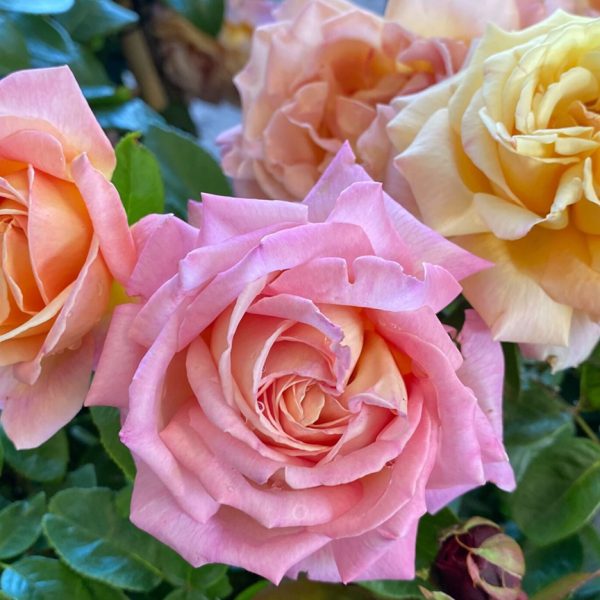
Close-up of top indoor multi-colored roses in bloom. Peace Roses


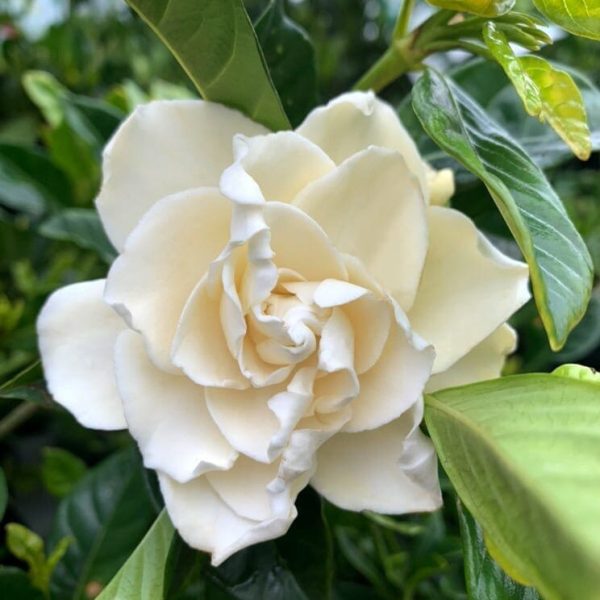
A close-up of a cream-colored gardenia flower in bloom, one of the top indoor plants, surrounded by green leaves. Grdenia florida


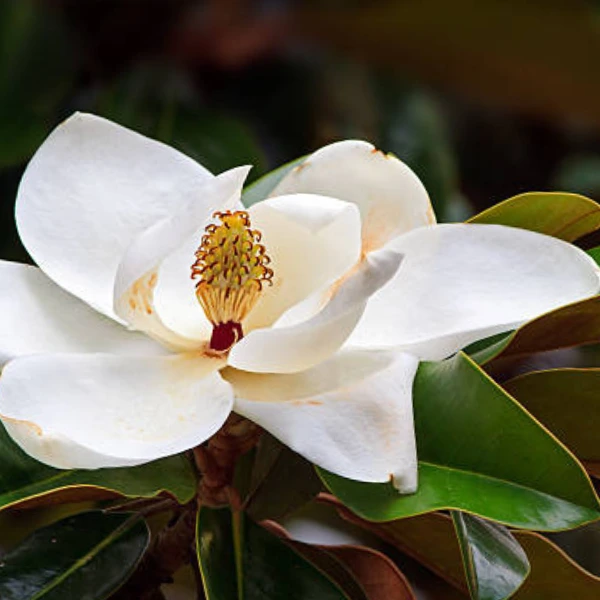
Close-up of a white magnolia flower in bloom with green leaves in the background, one of the top indoor plants.


If you’re new here, hi, I’m Chris. I’ve been working in the horticulture industry for decades, and I own the Hello Hello Nursery, so I know a thing or two. Now I’m not going to bother with a 10-1 countdown, I’m just going to jump right into my favourite one. Let’s get started.

10 of the Most Fragrant Plants

Murraya ‘Orange Jessamine’


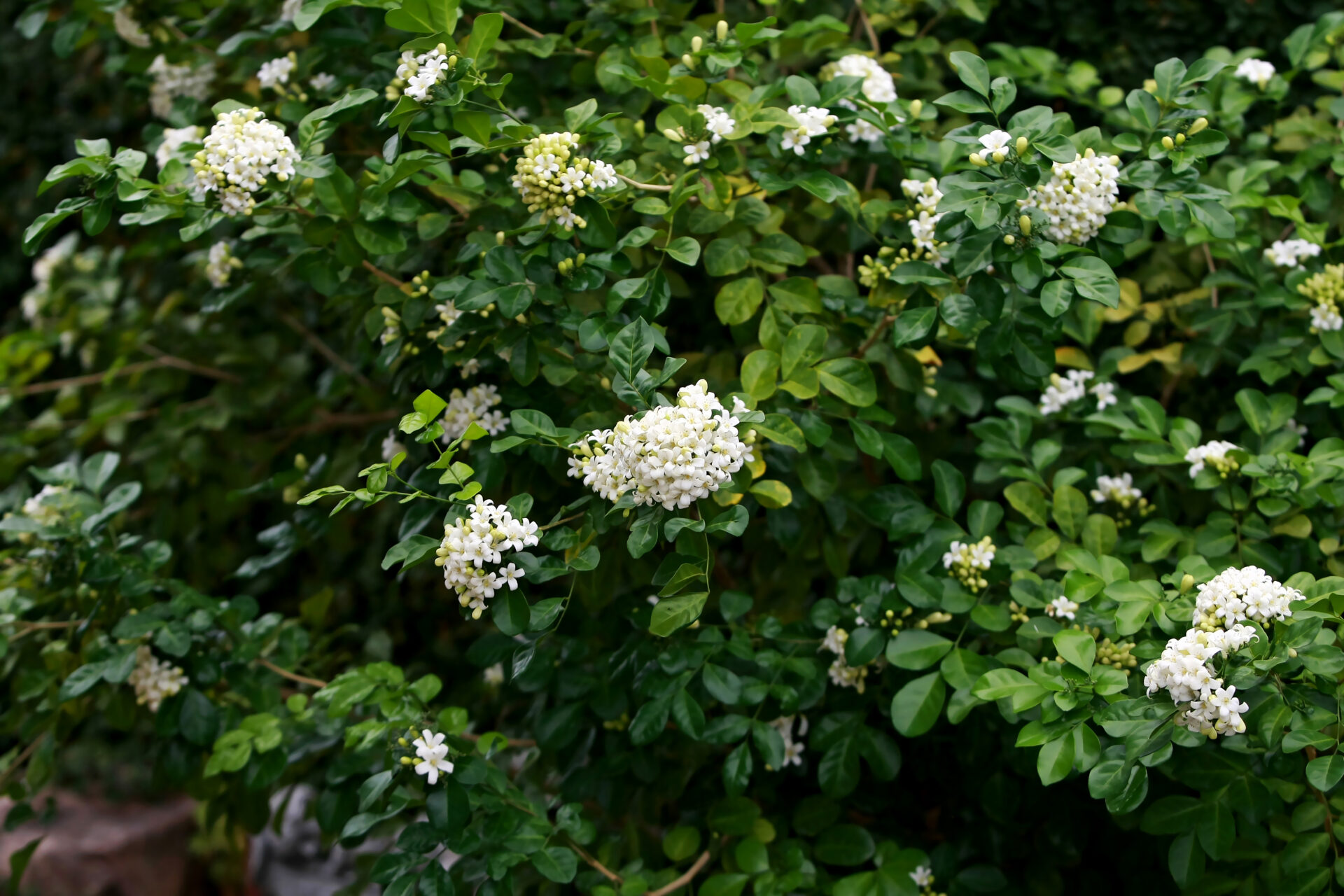
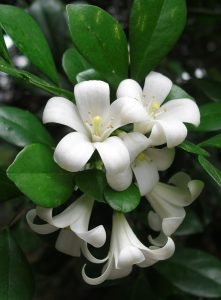
White flowers blooming on a lush green shrub, perfect as top indoor plants.

Coming in first is the Murraya ‘Orange Jessamine’. In my opinion, this is the best option. Why? Because it’s just such a useful and versatile plant. Here are some of the things you can do with Orange Jessamine:

  • Put it on a patio.
  • Put it in a tub.
  • Clip it into a ball, cone, or any shape you want.
  • Have it as a natural bush.
  • Grow it as a medium hedge.
  • Grow it as a specimen in the garden.
  • Have it as a tall screen (about two metres).

Top indoor plants with white star-shaped flowers and green leaves.So this is a plant that is really flexible to your needs in the garden, and I’m not even at the best part. Starting from around late September to early October, it will start to flower and flower and flower. Your Orange Jessamine will be absolutely covered in these exquisite white blossoms. This is where that incredible fragrance comes from. You’ll have these flowers right up until April, when the weather starts to get cool again. That’s a HUGE amount of time. Even when there aren’t flowers, the Orange Jessamine still looks really nice.
So picture this: it’s a warm summer’s night, you’re having a drink in your courtyard, and with every inhale you get this rich floral scent. Heavenly.

Trachelospermum ‘Chinese Star Jasmine’


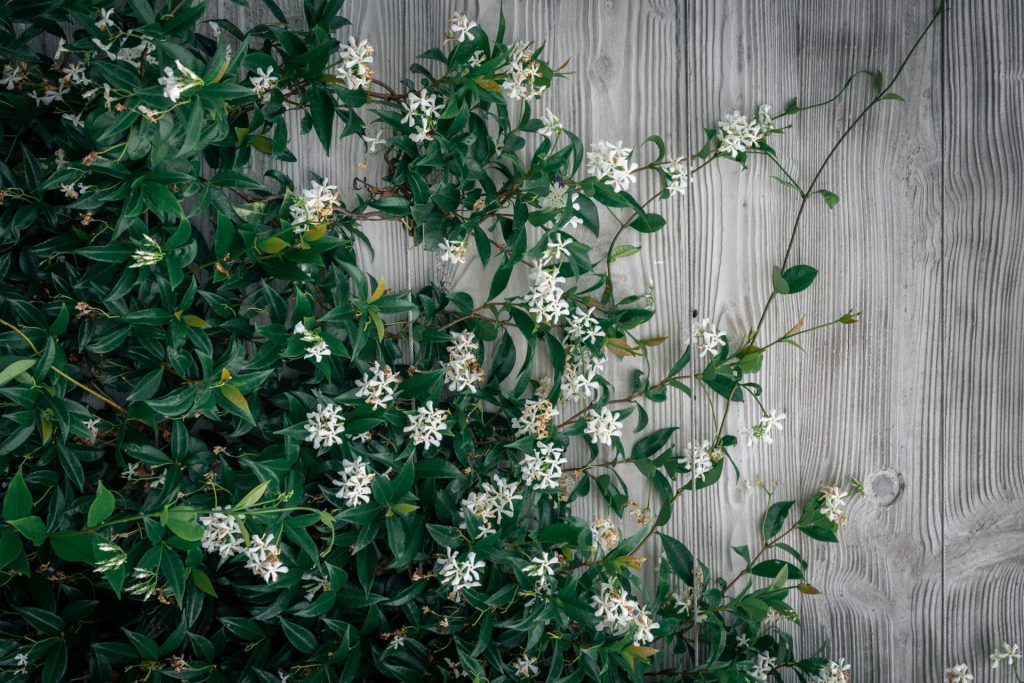
Green top indoor plants with white flowers spreading over a gray wooden surface.

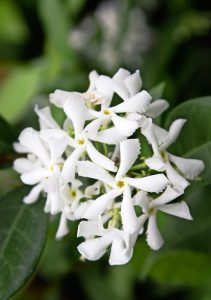
Cluster of white jasmine flowers, one of the top indoor plants, with green leaves in the background. Chinese star jasmineMoving on, we have the Trachelospermum ‘Chinese Star Jasmine’. This plant is almost just as useful as your Orange Jessamine. This will start flowering around mid-November and last up until mid-February. So not as long as the Orange Jessamine, but still a decent amount of time. What I love about Chinese Star Jasmine is that its applications are completely different to the Orange Jessamine. You can grow it as a ground cover, or grow it as a climber up a trellis or wall. You could even grow it as a screen if you have the proper structure to hold it up.
A lot of people with double storey houses or small blocks get big areas of shade and some plants don’t grow so well there. But the great thing about Chinese Star Jasmine is that it has no issues growing in deep shade or the hot sun. Also, if you’re allergic to jasmine, you’ll find that the Chinese Star Jasmine is actually okay for you. The reason for this is that in truth, it’s not actually a jasmine. It’s a Trachelospermum, which is an entirely different family of plant.

Jasminum ‘Common White Jasmine’


A dense cluster of white jasmine flowers, top indoor plants, in bloom with green leaves.

Cluster of white flowers with pink stems against a dark green foliage background, considered top indoor plants.Now I am going to talk about an actual Jasmine now – Jasminum ‘Common White Jasmine’ to be exact. So your Common Jasmine is a ferocious grower, and it’s one of the fastest growing evergreen hedges. You can grow it on a fence, or up the side of the house, in a pot, or over anything you want. It’ll grow pretty much anywhere. This is a hardy plant that requires very little care or water, and it’s great in shade or sun.
Then in springtime, around late September, it will be covered in these gorgeous pink buds. Next thing, those pink buds start to open, and you get a lovely mix of pink and white blossoms that exude an incredible fragrance. Depending on the weather, you’re going to get beautiful fragrant flowers for four to six weeks. Think about how many perfumes use jasmine, and you could get the pure source right in your backyard.

Winter Daphne odora


White daphne flowers bloom amidst glossy green leaves, making them top indoor plants.

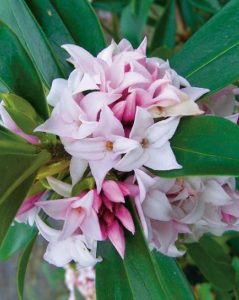
Cluster of light pink flowers from top indoor plants blooming among green leaves.The Winter Daphne has pink and white flowers that give off this delightful citrusy smell. People are addicted to this smell. I’m addicted to the smell, it’s really quite incredible. Your Winter Daphne will start flowering in early August for about six to seven weeks.
Listen, I’ve heard that many people have issues growing Winter Daphne, but I’m going to let you in on a secret. It needs really good soil – and a lot of it. Also, it likes morning sun and afternoon shade. So what you should do is you get half a wine barrel or some other pot and take the bottom out of it. Then dig a great big hole in the garden and fill it up with potty mix, compost, and good acidic soil. Put your barrel or pot on top and fill that up with top quality potty mix. Aim for about 80cm to a metre of good soil, and your Winter Daphne is going to flourish. All they need is that deep, beautiful soil to move their roots through. Also they love plenty of fertilizer, such as Osmocote. With just a bit of love, your Winter Daphne will grow quickly, grow big and give you a tremendous amount of flowers.

Roses


Close-up of top indoor multi-colored roses in bloom. Peace Roses

Obviously, I couldn’t leave roses out. But roses are actually pretty tricky, which is why they’re a bit further down on my list. With roses you’ll see on a label that it is beautifully fragrant but when you go to smell it, you can’t really smell anything. So tip for you, go buy your roses in the summer when you can actually see the flower, check the colour, and have a good whiff of it. The problem is too many breeders focus on getting a beautiful looking rose, and don’t focus too much on its scent.
So, I’m going to give you my top three favourite roses that have incredible fragrances:

icon


Peace Roses

This rose has been wildly popular since the sixties. For good reason! Not only does it have an amazing fragrance, it’s also so beautiful.

icon


Charles De Gaulle

A big flower in the most stunning shade of lilac purple. It’s really easy to grow and has a fragrance that’s like a punch in the nose. But a nice punch.

icon


Double Delight

A very beautiful and unusual rose, but also has a fragrance like a wonderful punch to the nose. It has a creamy white centre and bright red tips. If you want a visual, go check out our website. You would think the rose has been painted!

Those are the roses I’d recommend, but really there’s hundred to choose from. If you’re feeling lost and don’t love these options, just come on down to our store and we can help you out.

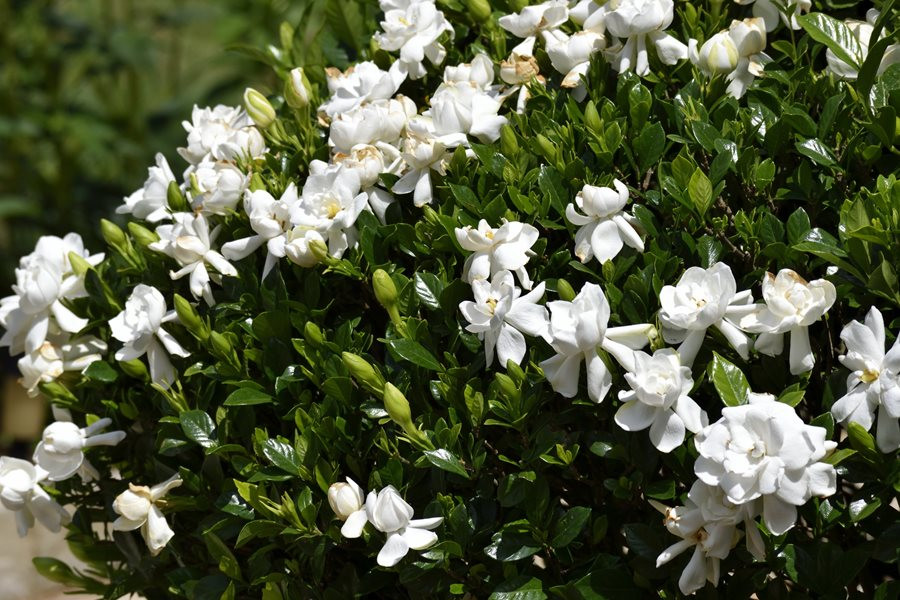
Gardenia ‘Florida’


A top indoor plant blooming with clusters of white flowers. Gardenia florida

A close-up of a cream-colored gardenia flower in bloom, one of the top indoor plants, surrounded by green leaves. Grdenia floridaThe next thing is Gardenia ‘Florida’. There are lots of different Gardenias, and many of them have a lovely scent too. But the thing about Florida is that it flowers for a much longer time. Which means it gives you more fragrance. You can use it as a hedge, a specimen in the garden or put it in a pot plant. If you’re looking to add some pots of nice bushy plants at your front door, then the Gardenia is perfect because it looks great all year round. What Gardenias need is good drainage, good soil, plenty of water, and plenty of fertiliser.

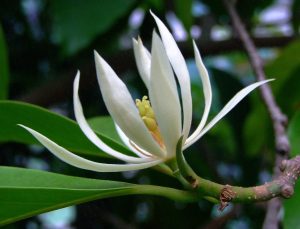
Michelia alba ‘White Jade Orchid Tree’


A row of top indoor plants with lush green foliage against a white wall. White Jade Orchid Tree

A white magnolia flower in bloom with green leaves from one of the top indoor plants in the background. White Jade Orchid TreeThis is the first tree to come up and it’s considered by some people to be the best perfume in the world. When planted in the garden, Michelia alba flower for ages. For about five months of the year this gorgeous tree will be in bloom. On a warm night your whole backyard will be filled with the most delicious fragrance. They also have a very interesting foliage that is quite luminous. It’s a medium sized tree so should fit perfectly in most gardens.

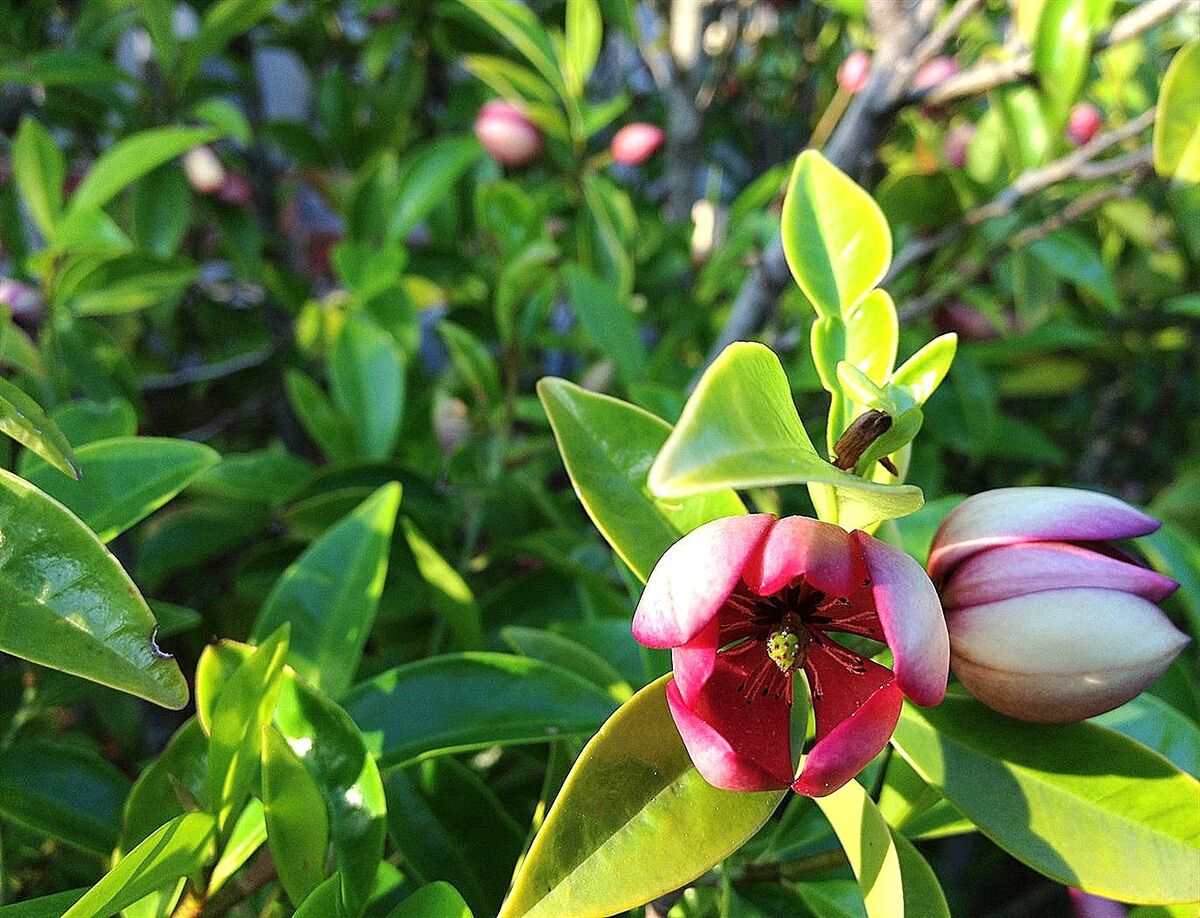
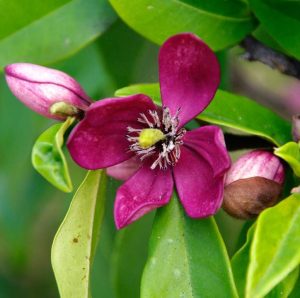
Michelia figo ‘Coco’


Pink flower amidst green leaves with buds about to bloom, one of the top indoor plants.

A vibrant magenta top indoor plant with prominent stamens surrounded by green leaves and budding flowers. Michelia figo CocoNow Michelia figo has the most interesting smell, it’s sweet with a hint of bubble gum. Which sounds a bit crazy, but you should come down when they’re flowering and smell one. It’s really incredible. The Michelia figo flowers for about three months of the year. The flowers aren’t that showy and tend to be hidden in the foliage a bit, but the scent is incredibly strong. It’s a fairly unassuming, little evergreen bush so you wouldn’t expect it. You can use Michelia figo as a hedge that you trim up, grow it in a tub, or grow it as a specimen in the garden.

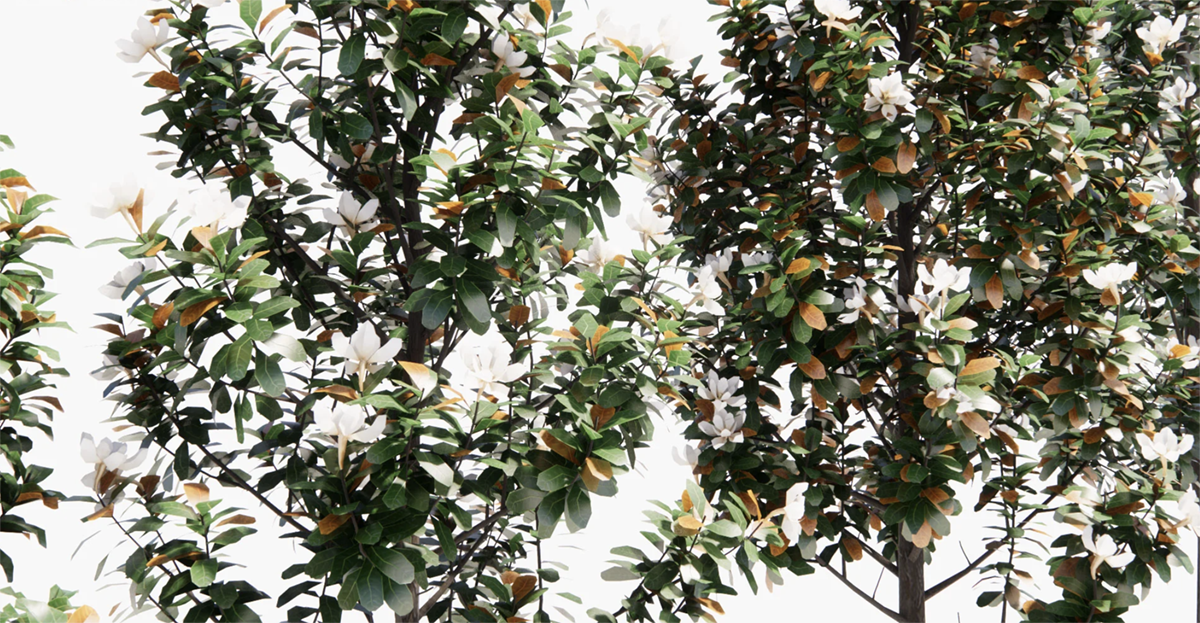
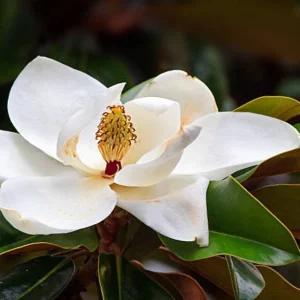
Magnolia ‘Exmouth’


Lush green top indoor plant with white flowers against a white background.

Close-up of a white magnolia flower in bloom with green leaves in the background, one of the top indoor plants. Magnolia grandifloraHere we got the Magnolia ‘Exmouth’ which are basically dotted with enormous flowers all summer long. Even without flowers, this evergreen tree makes for a beautiful sight with its dark green foliage and brown backs on the leaves. You’ll also find that they grow really well anywhere. So you don’t need to stress about soil or whether it needs to be placed perfectly to get a certain amount of sun or shade. Most importantly, the fragrance that comes from it is so lush, you’ll find yourself stepping outside just to have a big inhale of it.

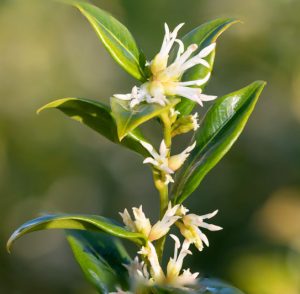
Sarcococca ‘Sweet Box Hedge’


A dense, top indoor plant with glossy green leaves growing alongside a stone wall. Sweet Box Formal Hedge

Close-up of white flowers blooming on a top indoor plant with dew drops. Sweet Box Formal HedgeThe lucky last option – the Sweet Box. Now this is actually a great substitute for the English Box. It does need a bit of Dolomite Lime and plenty of fertiliser to keep it lush and green. But what’s unique about the Sweet Box is that it’s going to start blossoming around now in April and continue on through the winter. With a lot of the other options on this list, we see the opposite happening. It has very fine delicate flowers that give off a refreshing scent. The Sweet Box is also just a beautiful hedge with dark glossy green foliage.

In Closing

That’s a wrap folks! Here you have the top ten best plants for exceptional fragrances. If you’re interested in having a bit of a sniff test you should come down to Hello Hello. But make sure you come in quick because the weather is starting to turn. With the cold unfortunately comes the (brief) death of all those flowers that are giving us the incredible fragrances. Well, other than the Sweet Box of course.
Until next time,
Chris


A variety of top indoor plants and flowers blooming in a well-maintained garden.

Feeling inspired to create your own garden, but want some expert advice? Try our one-on-one garden design service with Chris. Together you’ll come up with a selection of plants along with a layout plan that gives you the look you want, as well as being suitable for your local soil and conditions.
get your own tailored modern garden design:


FIND OUT HOW

Articles you may also like

A vibrant living room adorned with lush indoor plants and a captivating assortment of books displayed on a stylish dresser.

How to Find the Top 10 Sexiest Indoor Plants

In this article, I’m going to be telling you about the 10 sexiest indoor plants to have in your house. Now what happened is when I started thinking about this article, I thought, well, I’ll just pick out the 10 most fabulous ones and I’ll talk about them. But as I talked to different people all week about indoor plants, what I found is that there’s all different types of people and situations.

Rubber Plant, Ficus ElasticaThere are people who have never owned indoor plants and all of a sudden, they want to have an indoor plant. They’ve just rented a house or whatever, and they want to have a couple of indoor plants and they’re nervous. Indoor plants look expensive to them, they look like they’re fragile and they don’t know which ones to start out with. So they are what I would call beginners when it comes to indoor plants.


A monstera plant in a vibrant pink pot on a sleek white table.


A vibrant summer plant in a white pot on a wooden floor.


A colorful plant in a white pot adds a vibrant touch to the wooden door.


Aralia Japonica indoor plant


happy plant, indoor plant in pot


Of course, then there are people who buy indoor plants and they all die. Those people are interested in what’s a really tough indoor plant. So, they wanted me to talk all about which indoor plants are really, really tough. Then there are people who are just looking for a bargain. They want to buy a few plants for insider their house, but they don’t want to spend a fortune. They just want to know what indoor plants are cheap or value for money?

Potted Indoor PlantsThen there are other people who have got dark spots in their home and need plants that will survive without much light. Then there are different people who have got a really beautiful home and they want plants that will put some real style into the house. So how do you get some real style from your indoor plants?


Indoor Plants

Dozens of varieties of indoor plants at 30% offWell basically I am going to be talking about different plants that give you real style, plants that are great value for money and plants that are great for starting out.

Now if you take a look at a typical indoor plant display in a nursery like ours at Hello Hello, you’ll see it’s quite large. You’ve got lots of different plants to choose from. So in this article I’m going to help you choose the right plant, help you put it in the right spot, and then help you look after it and get the best out of it. And there are 10 plants I’ve chosen at the end to be the sexiest.

10 of the Sexiest Indoor Plants

Spider Grass


Spider plant grass, indoor plant, potted

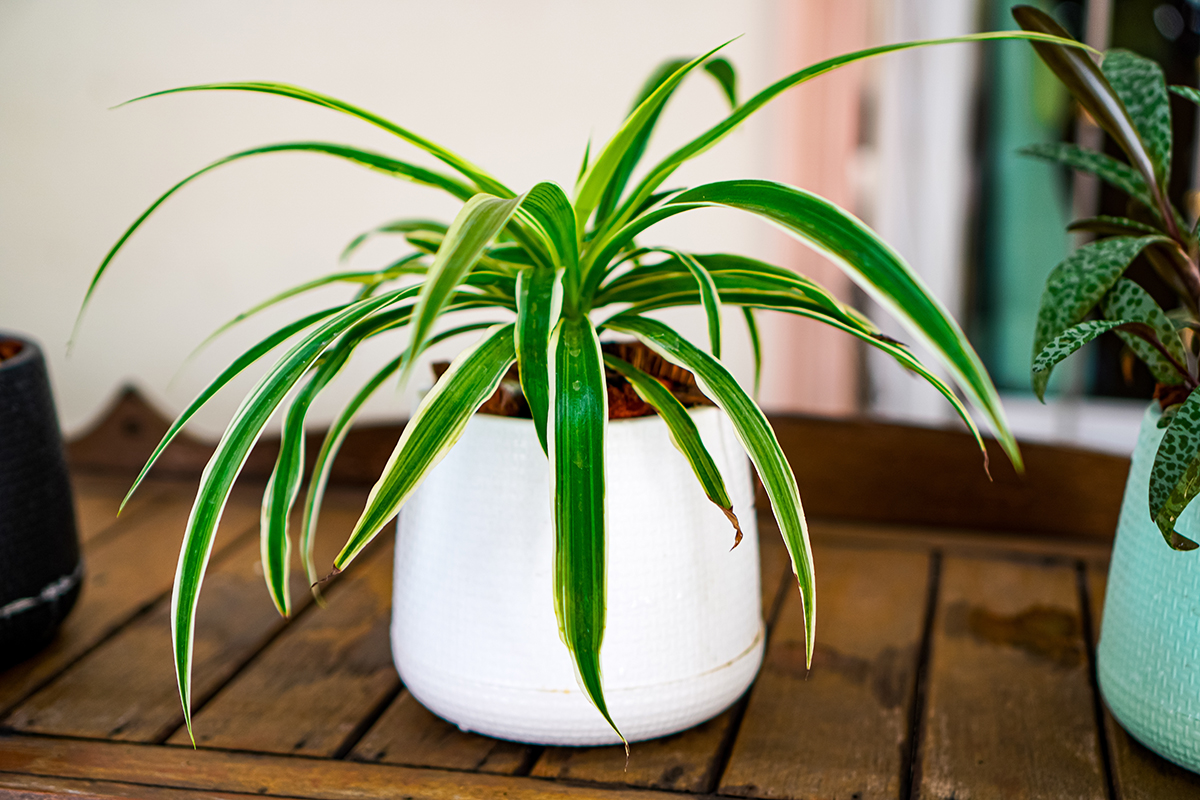
Spider plant grass in bathroom, indoor plantNow to start off, for the first plant, I’ve chosen a modern version of the old Spider Grass. Now back in the late sixties and early seventies, Spider Grass, everybody owned one or two or three Spider Grasses and they grew in hanging baskets. But the new version of Spider Grass, instead of having a white stripe down the middle, has a white stripe on the edges, and it has big babies. I’ve seen them in hanging baskets or pots in a very, very classy restaurant. But these are like 10 bucks each. You put them in a hanging basket or a pot and they clean the air, they give you a bit of life, a bit of vitality and they are really, really good value for money. They’re cheap and you just can’t kill them.

Chinese Money Plant

A vibrant summer garden plant showcased in a pot on a table.

Another one is the Pilea peperomioides, more commonly known as the Chinese Money Plant because the leaves sort of look like coins. It’s a great little plant, if you’re after something small to go on a table, maybe in your office or something like that. If you’re real estate salesman and you put one of these money plants, on your desk and it helps you make a fortune then great. The little ones are under $20.

Bangalow Palm

Bangalow palm plant in a black pot, adding a touch of summer to a grey floor.

Bangalow-Palm-in-Bianca-Pot-34cmNow say you’re putting your house on the market and you need something big and lively to impress. Well you can get like a metre tall, Bangalow palm, with three or four in a pot for just over $30.

Now Bangalow palms love their water, so to keep it looking good, just keep a tray or saucer underneath it with a bit of water in it. So for low cost you can make your house look really lush with Bangalow palms. And if you keep the water up to them, they last really well.

THE TOUGHEST INDOOR PLANTS

Now let’s talk about what is the toughest indoor plant? If you’re the kind of person who always kills their indoor plants and you need some real tough indoor plants, let’s look at your options.

#1 TOUGHEST INDOOR PLANT
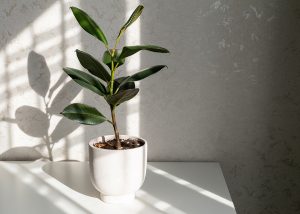
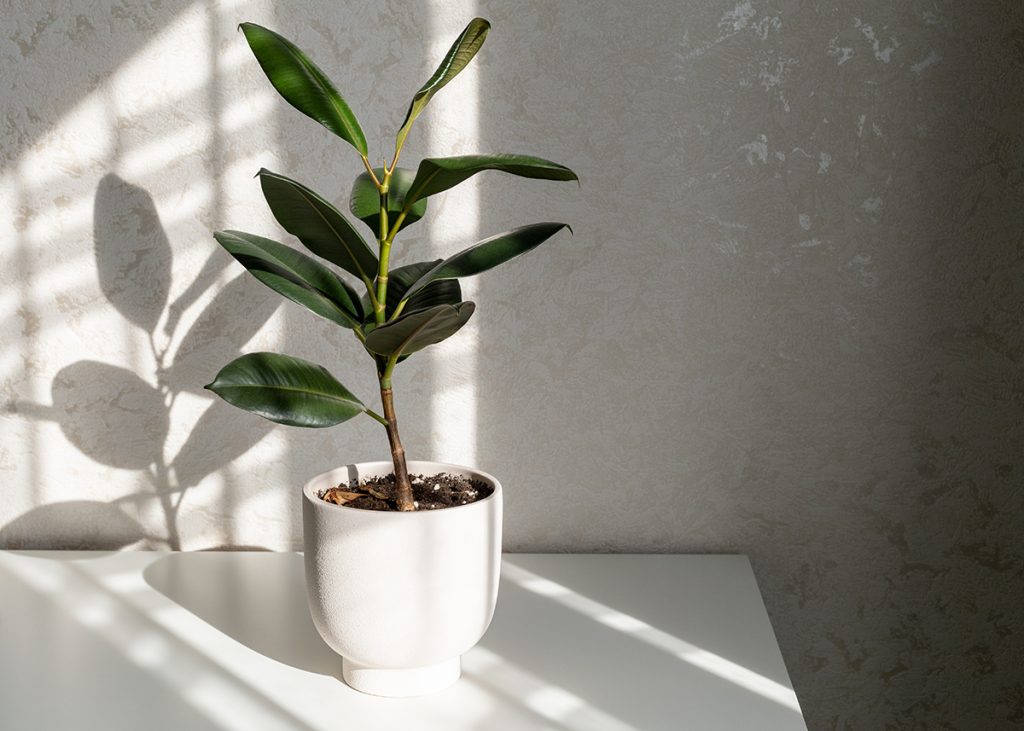
Rubber Plant

A plant in a white pot on a white table, perfect for adding summer color to your garden.

Rubber Plant, indoor plant, toughYour first choice is a rubber tree. Now, rubber trees are great. They come in all different colours – pinky green, green, etc Now rubber trees are incredibly tough and you can grow one as an indoor plant, then if it gets too big or it gets out of hand or you get sick of it, you can put it outside and it’ll grow in the garden. You can put it in your outdoor entertaining area and it will grow really big, but with beautiful big foliage. Rubber trees are almost impossible to kill, so they are one of the toughest indoor plants and are perfect for an office environment.

#2 TOUGHEST INDOOR PLANT
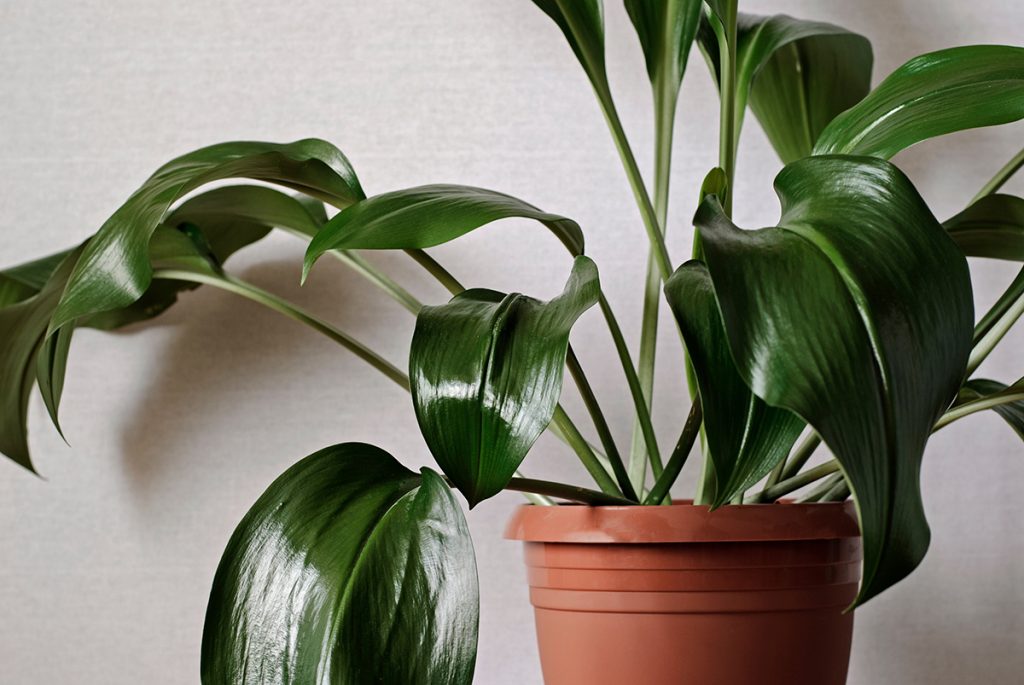
Aspidistra ‘Cast Iron Plant’

Aspidistra, Indoor Plant

Another tough indoor plant variety is the Aspidistra, which has an old nickname of being the “Iron Plant”. It was called this back in Victorian times when houses were really, really dark because they had tiny little windows and everyone had their curtains pulled shut all the time, so this was about the only indoor plant that would grow in a house in Victorian times because it would actually grow with almost no light.

Aspidistra Cast Iron Plant, indoor plantSo the name iron plant should indicate just how tough it is. Now they throw up shoots and you put these in another pot and they’ll gradually fill up those pots. One of them can last you for years. And if you want to get a big result with these quickly, you put two or three of these into one pot. You can grow these in any shady spot outdoors, like your indoor/outdoor area, as long as they’re in the shade. You can grow them in the garden, grow them in a pot, they are really, really tough. They have this beautiful foliage that is really lovely and lush – it’s a nice refreshing sort of a plant, and like I said, very, very tough.

#3 TOUGHEST INDOOR PLANT
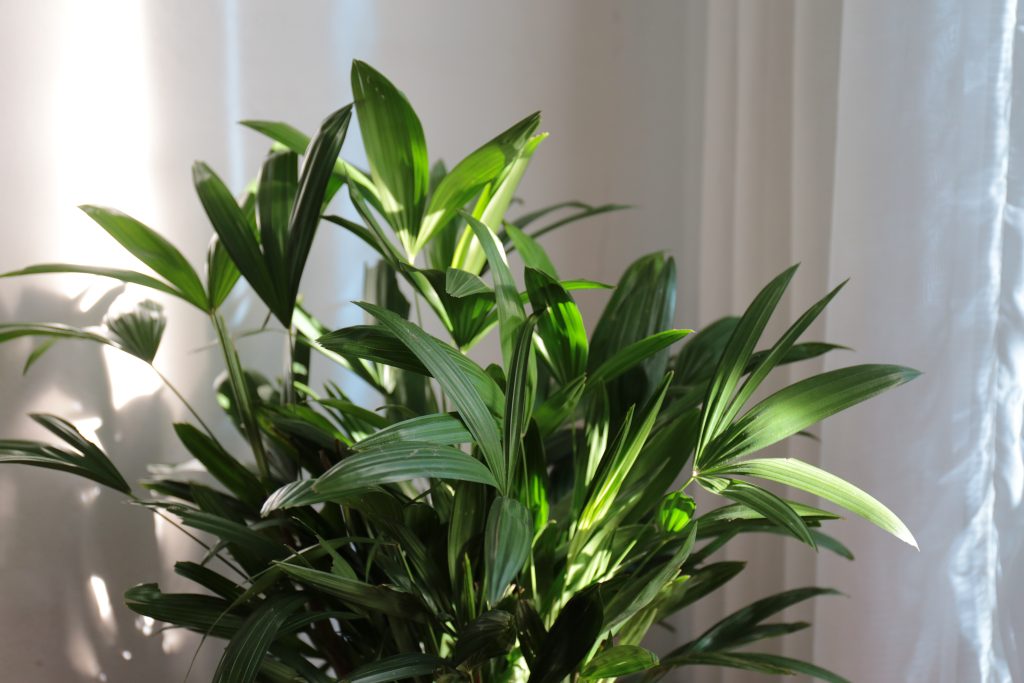
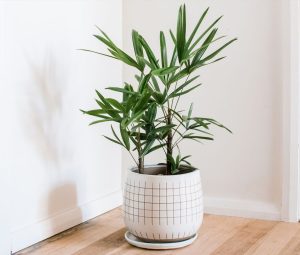
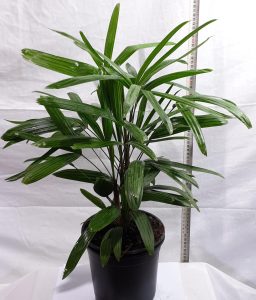
Lady Palm

Potted plant, Lady Palm, Indoor Plant

Potted plant, Lady Palm, Indoor PlantNow another tough plant option is your Lady Palm. If you have trouble keeping palms alive or keeping them looking good, this palm is ideal. They look green and lush, are tough and easy to look after. They grow tall and unlike a lot of other palms they don’t spread out wide. So they can fit into a corner really well, even behind some furniture. Personally, I think they are very stylish and classy and they would not look out of place in an expensive hotel or upmarket home – they would look the part

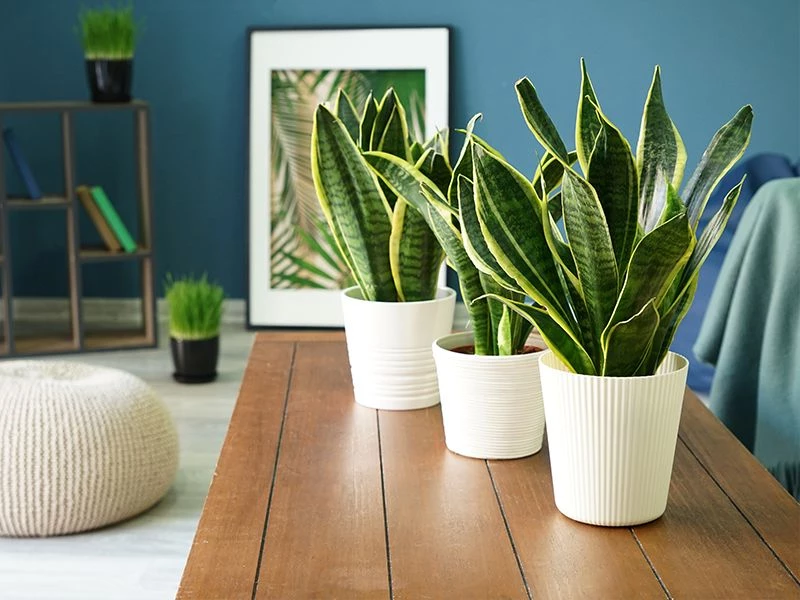
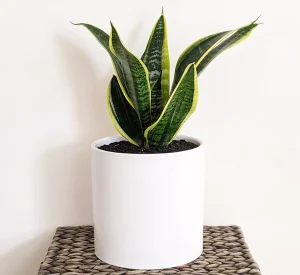
Mother-in-Law’s Tongue


Three snake plants in a summer garden.

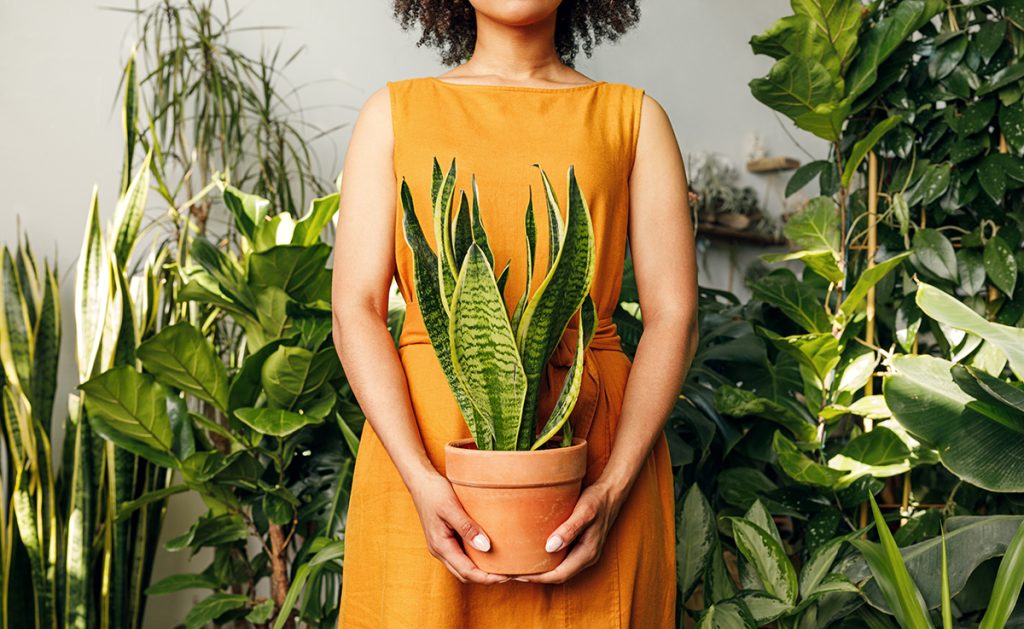
Mother-in-laws tongue, indoor plantNow your next option is what is commonly called the Mother-in-law’s Tongue. And the most popular form of it is the one with the golden edge on it. They can be a little bit hard to get, but I remember giving one of these to my mom when I was just a kid and I reckon it stood near the entrance to our house for at least 15 years. So this definitely falls into the category of low maintenance and it almost seems that the more you neglect it, the better it will grow. They come in all different forms, like a plain green form and we also sell a little baby short one. Mother-in-law’s Tongue makes an ideal office plant.

Now the trick with these, and this applies to a lot of indoor plants, is when you do water them, give them a good soak. Put them in the laundry trough and soak them, literally drown them and let the water run through until it stops running through and then put them back where they belong. Do this maybe once every 3 weeks or something. A lot of people think that it’s better to give indoor plants small amounts of regular water but that can almost kill them. It’s better to give them a good soak, but not too often.

THE SMALL & CUTE INDOOR PLANTS

Now if you’re looking for something small and cute for say the bedroom or the home office or something, I’ll give you three options.

#1 SMALL & CUTE INDOOR PLANT
Elephant Ear

Elephant Ear indoor plantFirst is the Elephant Ears. My favourite is the burgundy variety which was a beautiful colour on the leaves. It’s gorgeous and a hardy little plant you can keep inside on your desk or something. It’s nice to look at every day.

#2 SMALL & CUTE INDOOR PLANT
Umbrella Plant

A potted plant, umbrella tree, indoor plantThe next is a little Umbrella Tree. I have one that is growing on a rock sitting in a ceramic dish with water at the bottom so it can just take a drink whenever it needs to. I throw in a little fertiliser every now and then and it’s fine.

#3 SMALL & CUTE INDOOR PLANT
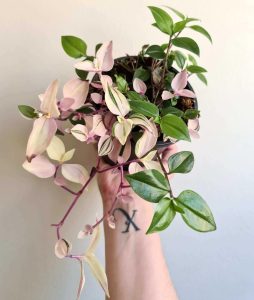
Wandering Jew

Wandering Jew indoor plantYour third option is a Wandering Jew. Now you might think that’s a bit of a racist name but it doesn’t mean anything bad. These were really popular in the sixties and seventies. Today they’ve bred them to be really, really cute and you can get like a tricolour Wandering Jew, which you could grow in a hanging basket or you could grow it as a little ground cover, underneath other plants. Now it can grow sort of like semi outdoors or it could grow indoors. It could be on your kitchen bench or your desk at work and it’s a really pretty little thing that is lovely to look at.

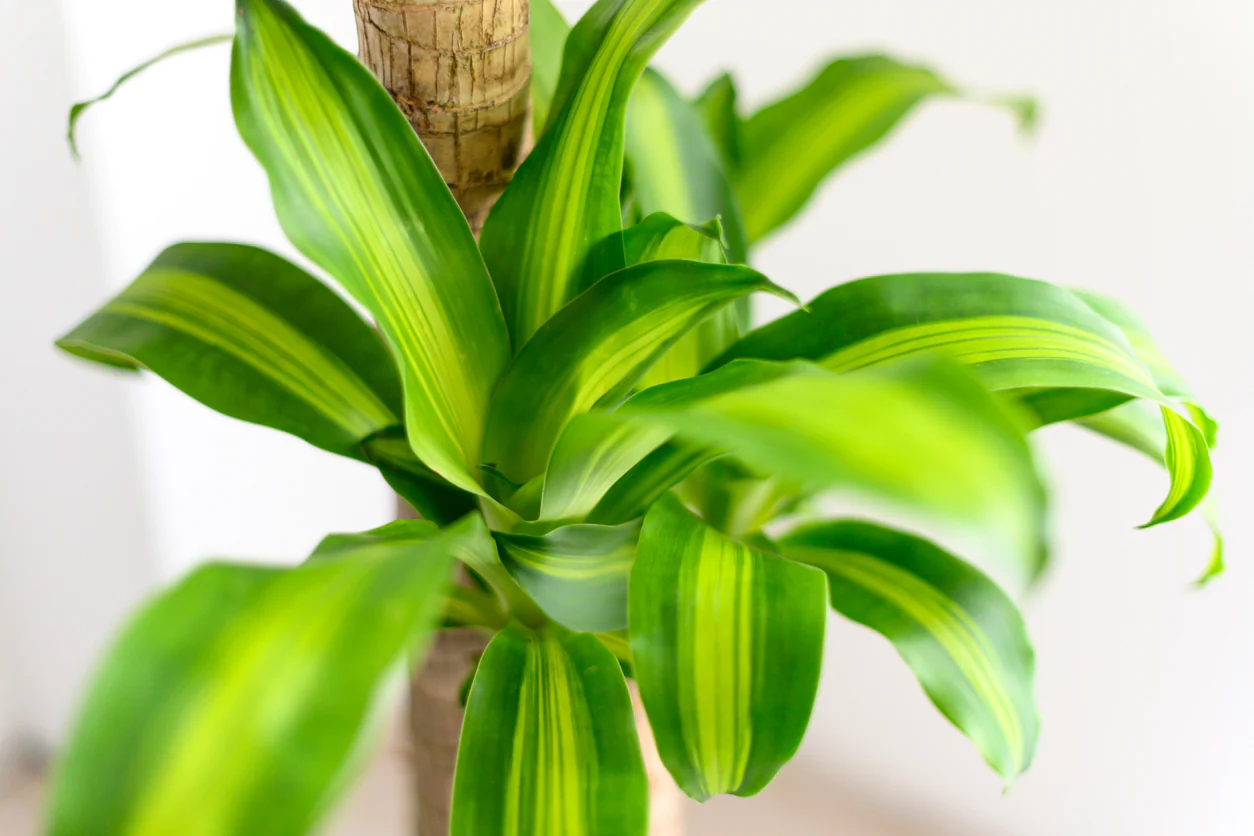
Happy Plant


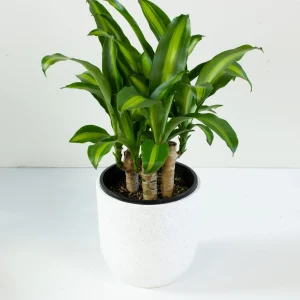
Happy Plant, indoor plant

happy plant, indoor plant in potNow a really pretty little plant I love, that’s really bright and lovely is very aptly named the Happy Plant. Now to keep a Happy Plant happy you don’t need to use antidepressants on them!!! They love a lovely bright spot and they like it to be warm, so they really don’t want to be much under about 20 degrees. So you’ve got to keep them in a warm bright room and you can keep them happy. Now with Happy Plants, like I said before give them a good big soak every now and then rather than giving them a tiny bit of water all the time. When you give them a soak, you can put in a little bit of fertiliser, like Thrive or something. Don’t let them get cold in winter and don’t put them in a dark shady corner and they will do well. Like a Lady Palm these grow tall but not wide so they sit well in a bright corner.

Now one of the reasons why it’s good to have indoor plants is that they purify the air. Some people wonder if some plants are better at purifying the air than others, and the reality is that they all are to some degree. The ones that grow really quickly are often the best at purifying the air.

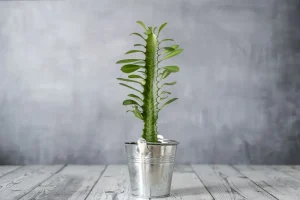
Milk Cactus


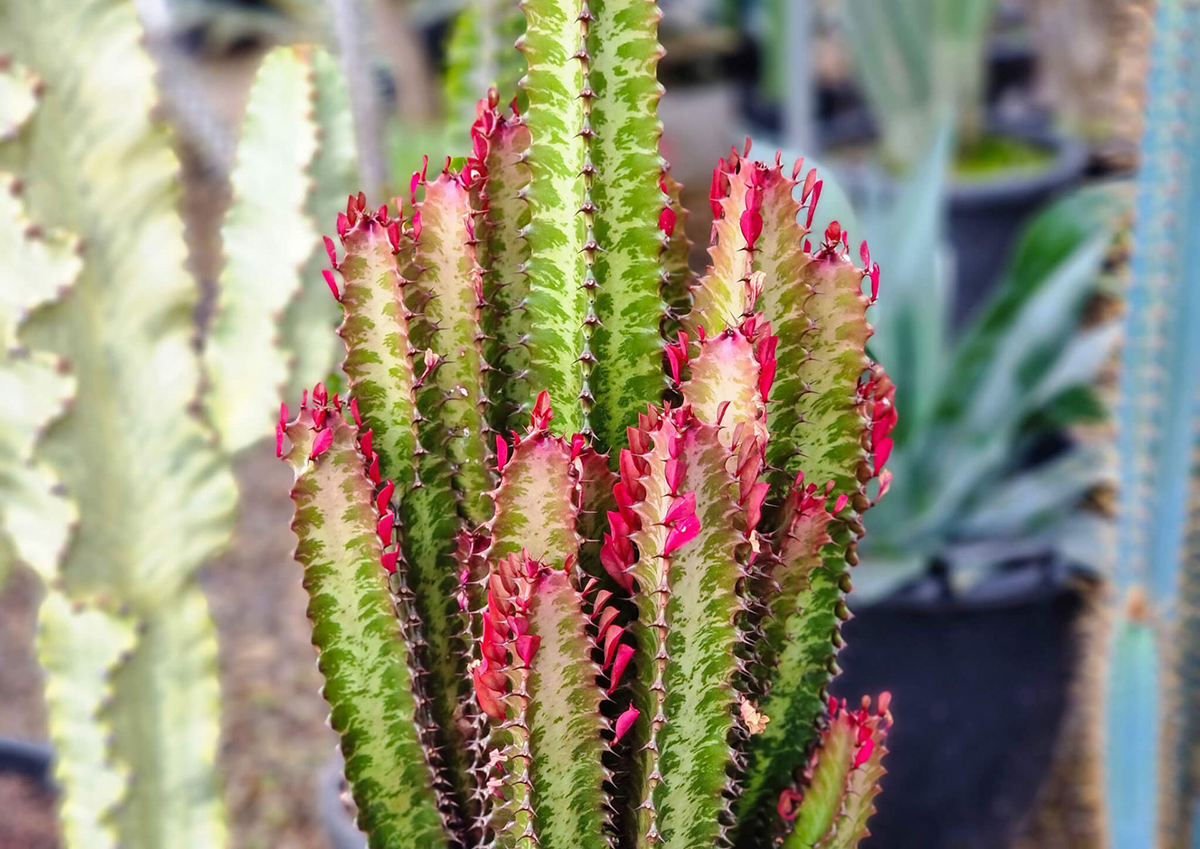
Milk cactus plant with red stems, indoor plant

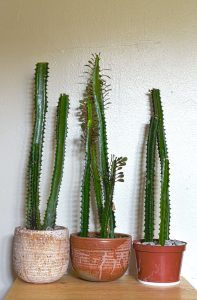
milk cactus potted indoor plantsNow if you’re looking for something more unusual for an indoor plant you might like to try a Milk Cactus. (They’ve got a sort of a white sap that pours out of them that can be toxic so just beware.) Your Milk Cactus comes in red or green. The red one needs a bit of light to maintain its red colour. These will grow up quite tall and they do really, really well as an indoor plant. So if you want to have that sort of Mexican or exotic flavour, there’s nothing like a beautiful big Milk Cactus. They’re very hardy and need very little attention. They will grow in the indoor/outdoor area and they don’t need to be out in the sun like a lot of cactuses.

Aralia Japonica


Aralia Japonica indoor plant

Another exotic looking plant is the Aralia Japonica, which comes in many different varieties. It’s very tough and tropical looking with big leaves that grow bigger and bigger as the plant grows. It comes from Japan. Now if you have an outdoor entertaining area that’s covered and it’s in the shade but gets very cold in the winter, this one here is fabulous. It’ll grow up to about two metres tall and it’ll have beautiful big foliage and look absolutely fabulous and take lots and lots of cold in the winter. You’ll find this to be one of the toughest indoor plants the Aralia Japonica.

Dragon Plant

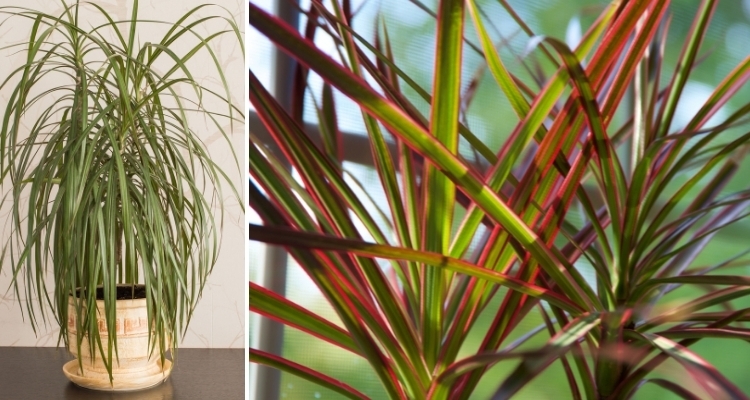
dracaena dragon plant, indoor plant

Now another plant that comes in all different colours is the Dracaena Marginata or Dragon Plant. Now I get a lot of people come in wanting an indoor plant with a bit of height but not too wide and this is perfect because it stays very compact. It gives you beautiful colourful foliage. You can get it with variegated leaves or with green leaves and it’s incredibly hardy and really good value for money.

You’ll find the Dracaena Marginata is quite cheap and it’s the sort of thing that you’ll keep inside your home for years and years and years. And if you ever get sick of it, you can bung it out in the garden. If you put it in a sheltered spot out in the garden, it’ll grow fine.

SEXIEST INDOOR PLANTS

Now I’ve given you some ideas on what are the cheap indoor plants and what are the tough indoor plants and what are the easier indoor plants to look after. But what about the title of this article – What are the 10 sexiest indoor plants? Well here you go!

#1 SEXIEST

Mother-in-Law’s Tongue

Mother-in-law's Tongue indoor plantThree Colour Choices

Let’s start off with your Mother-in-Law’s Tongue. If you’ve got a choice between your plain green and silver mother-in-law’s tongue and your gold, green and silver mother-in-law’s tongue I’d definitely choose the latter.

#2 SEXIEST

Lady Palm

Lady Palm indoor plantTall, Tough & Classy

Next comes your Lady Palm, I reckon you can’t beat it. It’s tall, tough and really classy. For toughness I’d say the rubber tree, anyone can grow one. Then you’ve got your iron plant. Now your iron plant can go absolutely anywhere indoors or outdoors undercover, not undercover, as long as it’s in the shade it’ll grow anywhere. It’s green and lush and it’ll last you for years. You really, really can’t kill it.

#3 SEXIEST

Milk Cactus

milk cactus indoor plantAdd an Exotic Touch

Now I reckon your red and green Milk Cactus are sexy because they give you an exotic flavour and something different from a designer point of view.

#4 SEXIEST

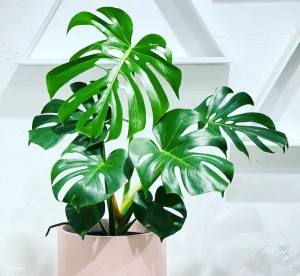
Monstera Deliciosa

Monstera indoor plantLives a Long Life

Now something new in the mix of sexiest plants is the Monstera Deliciosa. This is very long lived, will grow very tall and is very, very hardy. Often called the Fruit Salad Plant it will actually produce edible fruit if you put it outside. I’ve seen some really enormous ones if you grow them in the right place.

#5 SEXIEST

Devil’s Ivy

devils ivy indoor climbing plantEasy to Look After

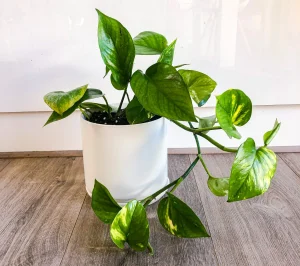
Now another contender is the Devil’s Ivy. Back in the hippy days, if you went to a hippy household, they’d have these in water in a glass bottle, climbing up the wall and growing all over the place. Today you can grow them so easily. Wind them around a stake or grow them over a wall or something. They don’t need much light or care or anything really. You can snip the ends of them off and place them in a jug or bottle or water and they will grow just fine.

#6 SEXIEST

Bangalow Palm

bangalow palm indoor plantGreat Value for Money

Next is your Bangalow Palm. (Sometimes I joke with people and call it the Bungalow Palm!) It’s great value for money because you can get great big ones for the price of a bunch of flowers. If you want to jazz the house up, get a nice big 1 Metre tall one and it will make your house look green and exciting instantly. Just keep it nice and moist and it’ll keep looking good. If it gets a bit tatty, bang it out in the garden and it’ll grow up and shade your bungalow! (Lol!)

#7 SEXIEST

Spider Grass

Spider Grass Indoor PlantWill Grow Anywhere Indoors

Another contender is the old Spider Grass which we already discussed. This is so easy to grow and it keeps producing new little baby plants. It’s very cheap and it will grow anywhere indoors. Now when I say anyone can grow Spider Grass, I mean it. My grandson is currently growing them, he’s propagating the little babies and selling them for $1 each! So hopefully he’ll end up in the nursery trade one day.

#8 SEXIEST

Dracaena Marginata

Dracaena Marginata potted indoor plantsHeight Without a Big Pot

But the final contender for sexiest indoor plant is the Dracaena Marginata. It comes in different colours and you can have one in quite a small pot and have it up six foot tall in quite a small pot. So if you need height without a big pot and without too much width, you’d choose Dracaena Marginata. It’s tough, economical and has a long life.

#9 SEXIEST

Rubber Plant

Rubber Plant, indoor plant, toughLarge, Glossy Leaves & Very Hardy

There’s no surprise this is on my list of sexiest indoor plants. The Rubber Plant is a stunning plant that has very glossy leaves and comes in a variety of single and two-tone colours. It’s also an incredibly tough plant and you can grow one as an indoor plant, then if it gets too big or it gets out of hand or you get sick of it, you can put it outside and it’ll grow in the garden. They’re also very simple to take care of due to their hardiness.

#10 SEXIEST

Happy Plant

happy plant, indoor plant in potA Pretty & Bright Plant to Keep You Happy

And I thought it quite apt to end off with the Happy Plant for this list of Top 10 Sexiest Indoor Plants. Happy Plants produce glossy green foliage and highly fragrant pink flowers. They love a lovely bright spot and they like it to be warm. So you’ve got to keep them in a warm, bright room and you can keep them happy.

These plants are also considered to bring good luck and are even given as gifts during Chinese New Year!

In Closing

Indoor plant, devils ivy, pot with traySo there you go, we’ve talked about a lot of indoor plants but the last 10 are the sexiest for sure.

Now a couple of tips with indoor plants. I recommend you always grow them in plastic pots so you can repot them easily. And it’s best to put the plastic pot inside a nice terracotta pot or ceramic pot or some fancy pot so you don’t see it. But don’t forget a tray or something underneath to catch the water or rubber stoppers under the outer pot so as not to damage the carpet or floor.


Indoor Plants

And as I said before with watering, don’t just give them small amounts of water here and there. Best to take them out to laundry sink and give them a big soaking every couple of weeks or 3 weeks or so. Give them some liquid fertiliser rather than Osmocote because that needs to be “rained in” to work best.

Chris in the NurseryAnd remember when it comes to choosing which plants, just head to our nursery or come and see me and say “Chris, look I’ve got a corner and it’s a bit dark or it’s light or there’s sun coming in through the window or whatever.” Just tell them, or me what the situation is and ask them what the best plant is. Look at the indoor plant display, explain your situation and ask them for advice on which plant is best for that location.

If you’ve still go any questions about indoor plants, don’t hesitate to come into Hello Hello Nursery and see me or my staff and we will happily answer all your questions, OK? Till next time!

Feeling inspired to create your own garden, but want some expert advice? Try our one-on-one garden design service with Chris. Together you’ll come up with a selection of plants along with a layout plan that gives you the look you want, as well as being suitable for your local soil and conditions.
get your own tailored modern garden design:


FIND OUT HOW

Articles you may also like

geranium flowers

How to Fill your Summer Garden with Colour

Hello, hello. When it gets past Christmas and well into the hot part of summer, it’s the time when people spend a lot of time out in their gardens, having barbecues or entertaining on their deck or outdoor entertaining area.

Now when I did my preview for this article, I was out in a garden that was just a typical Melbourne garden in summer and I have to say it was just dull. In fact, many Melbourne gardens can be really, really dull at this time of year, which I don’t understand. Particularly when I was out walking the dog the other day and I walked past this garden that was just alive with colour. It was so colourful even the dog stopped and took a look at it with me. (Not really!) But anyway, this garden was absolutely, positively alive with colour. So I thought that’s why I need to write this article which is all about getting colour into your garden in summer.

colourful plants flowers in hanging basket

Slide-5

Slide-2

Slide-3

Slide-4

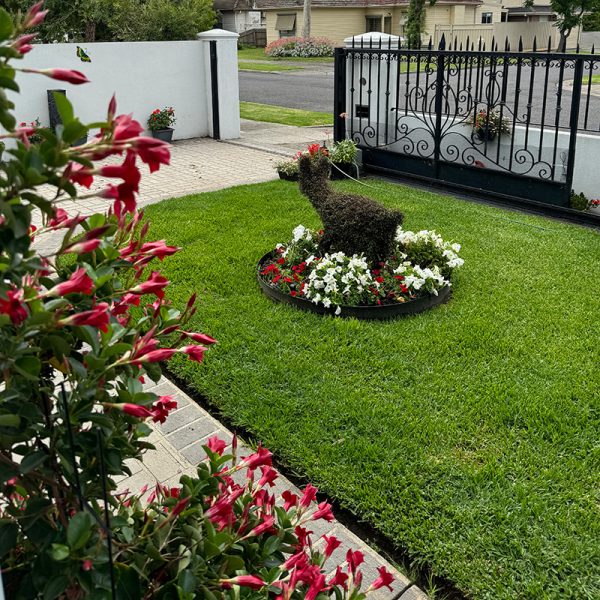
Now in my experience most people don’t have enough colour in their garden. Maybe it’s because they don’t know how. So I went to a garden that was just brimming with colour and took a look at it. You know what I saw? The whole garden was just kind of playful and lots of fun. It was a beautiful 2-storey, fairly modern white home, with a portico out front. And they just had masses and masses of colour everywhere in their garden.

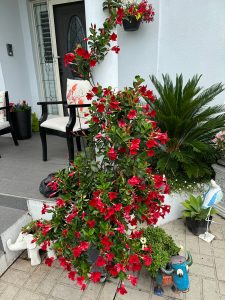
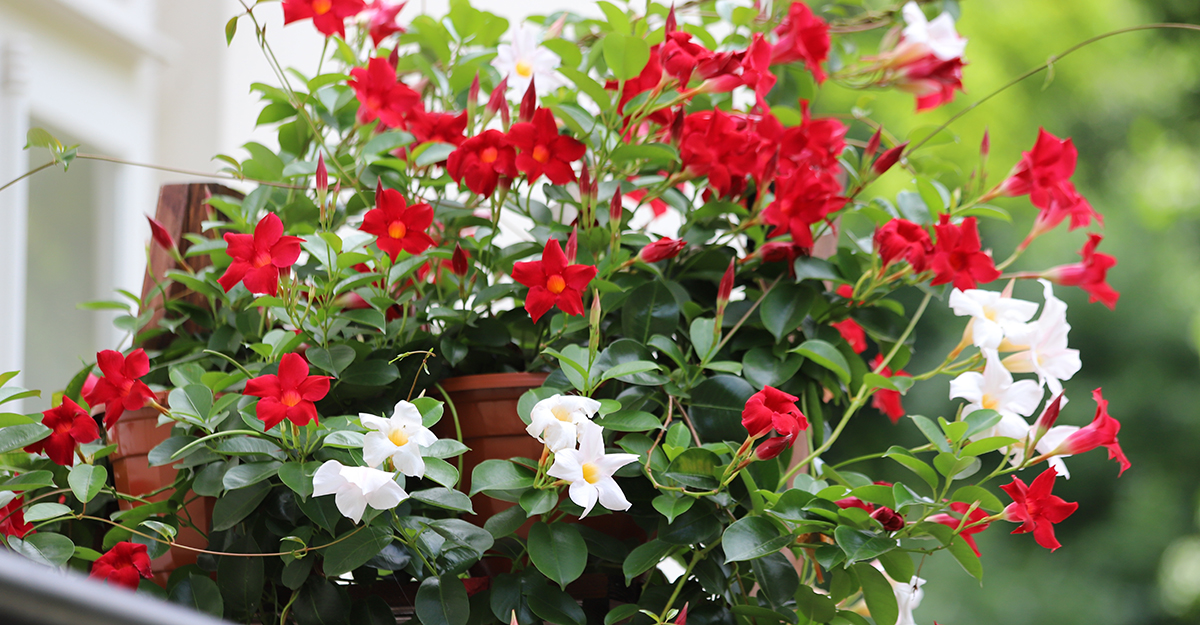
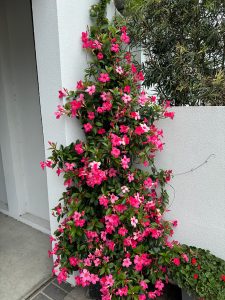
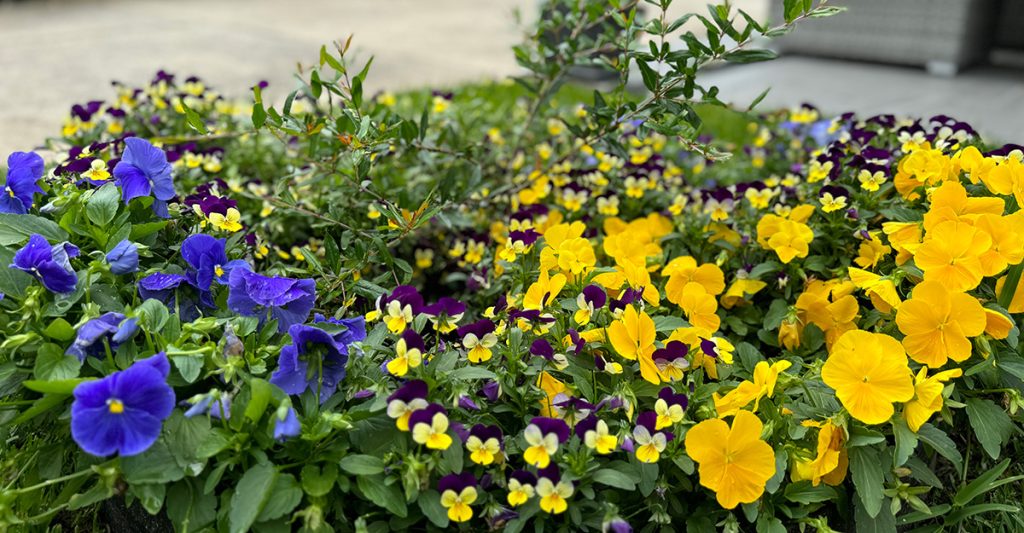
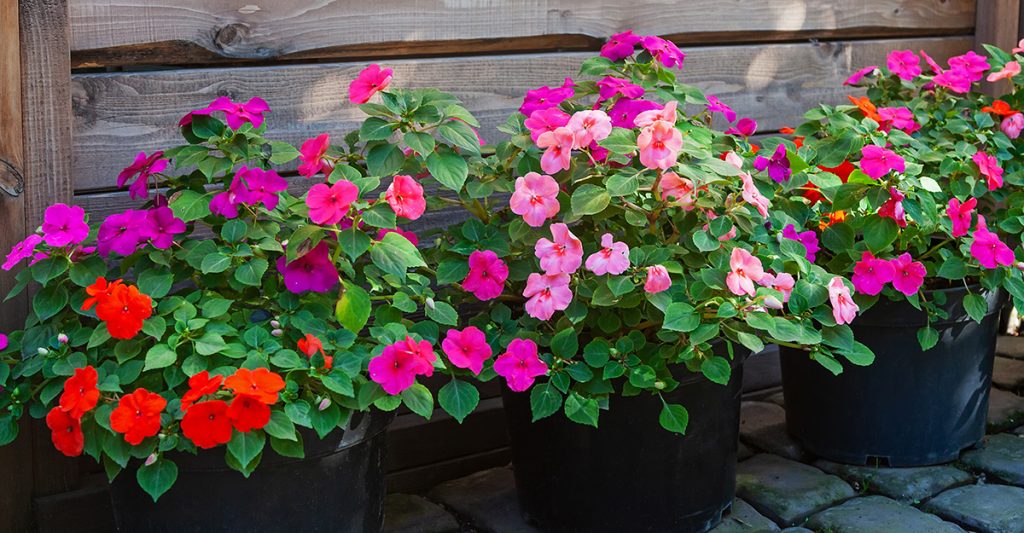
Jade Red Mandevilla FlowerThey had beautiful, Jade Red Mandevillas in hanging baskets and climbing up the walls all across the front of the house. In the middle of the lawn they had a lovely little topia with gorgeous Petunias all around it. Across the front they had Geraniums, real Geraniums, and Impatiens and Violas, just heaps and heaps of colour.

Now some people might say that the reason a lot of people’s gardens don’t look colourful in summer is because all the spring flowers have finished and given up by then, but there are at least 10 different flowering plants I can think of that will give you beautiful colour in the summer.

Plants for a Colourful Garden

Mandevilla


Mandevilla Flowers

Let’s start with a Mandevilla shall we? They are so easy to grow, they love the sun and they will give you massive colourful flowers for weeks and weeks and weeks that start in around late November and will go on for weeks and weeks well into late January and early February. So they are a fabulous source of summer flowers.

Mandevilla FlowersNow they’re kind of a half climbing plant and a half bush. So you can have them growing as just a bush or give them something to climb on. If they climb they will put on the most fabulous show of absolutely brilliant flowers. They come in many different colours from soft pinks to real electric pinks to even whites and rich deep reds. Now they might get beaten up a bit by summer rain storms but give them a couple of hot days and they will be looking all beautiful again. You can grow them in pots forever, just make sure you keep up the fertiliser and give them a nice sunny spot.

Calibrachoa


Calibrachoa Flowers

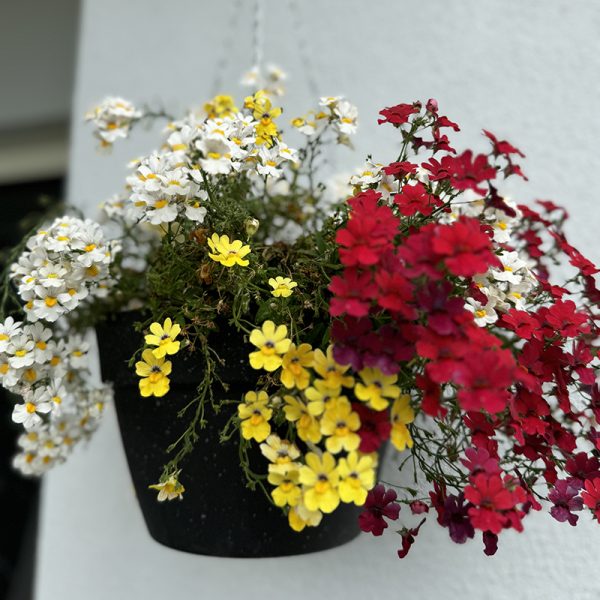
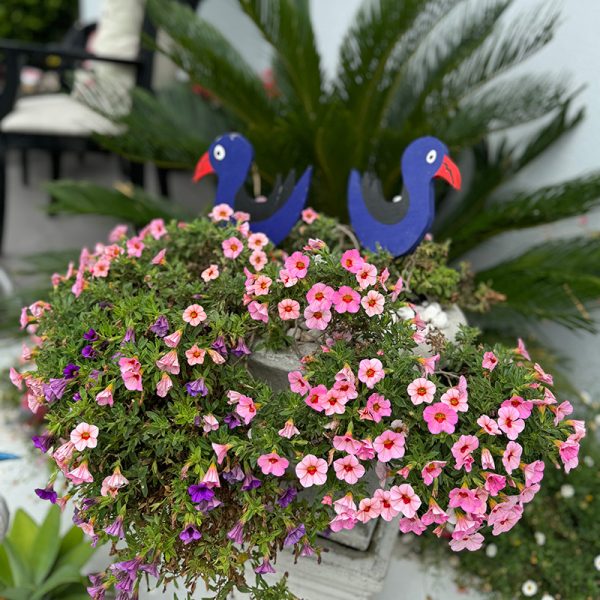
Another simple and easy plant to grow is the Calibrachoa. They are cheap to buy and they just give you colour right through Summer to probably mid-May or end of May, depending whenever the weather turns really cold. Now you can get lots of different colours of Calibrachoa, like whites and yellow and pinks and reds, so what I often tell people to do is to multi-plant your pots and planters with them. If you put three different colours in together then when they flower, they just come alive with colour and it’s a lot of fun. Or if you’ve got something like a standard Ficus in a pot or something like that, if you pop these all around the base of it, you can bring something that’s a little bit boring really to life.

Obviously along this particular part of the garden bed which is outside windows, they wanted something low growing that wouldn’t block the view and they got that with both these plants that can be kept nice and low.

Impatiens


impatiens flowers

If you happen to have a shadier part of your garden then something like Impatiens are a perfect option. They are a great source of summer colour. They will flower like crazy right through until the cold weather comes. And you can get them in mauves, pinks, purples, reds, oranges, yellows, all different colours. So Impatiens really are a great source of colour.

Pansy

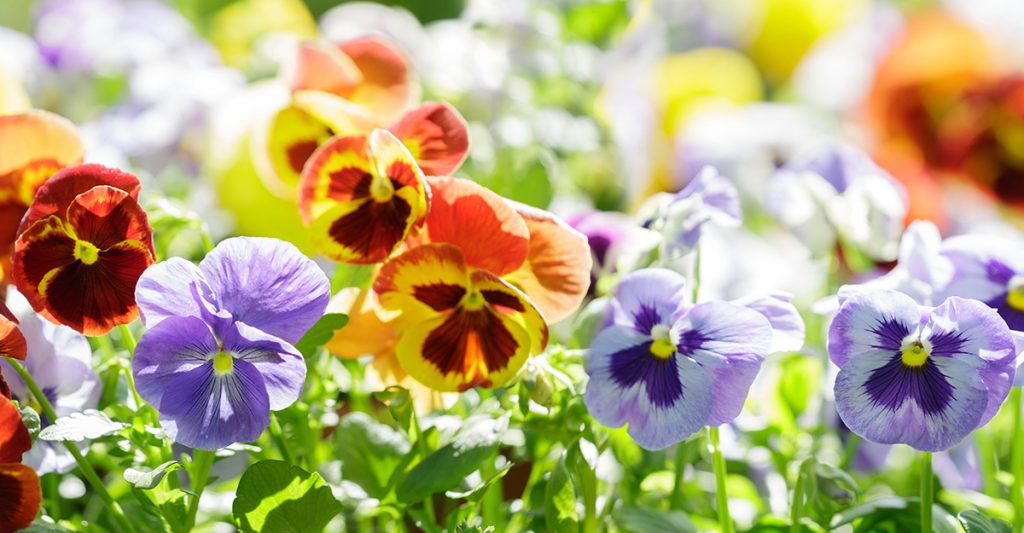
Another choice for summer colour in your garden is the Pansy, which is in your Viola family. Now Pansies come in all sorts of colours and multicolours and they’re a really hardworking plant that just keeps on flowering and flowering and flowering so they’re a great source of colour.


pansy flowers

Geraniums


geranium flowers

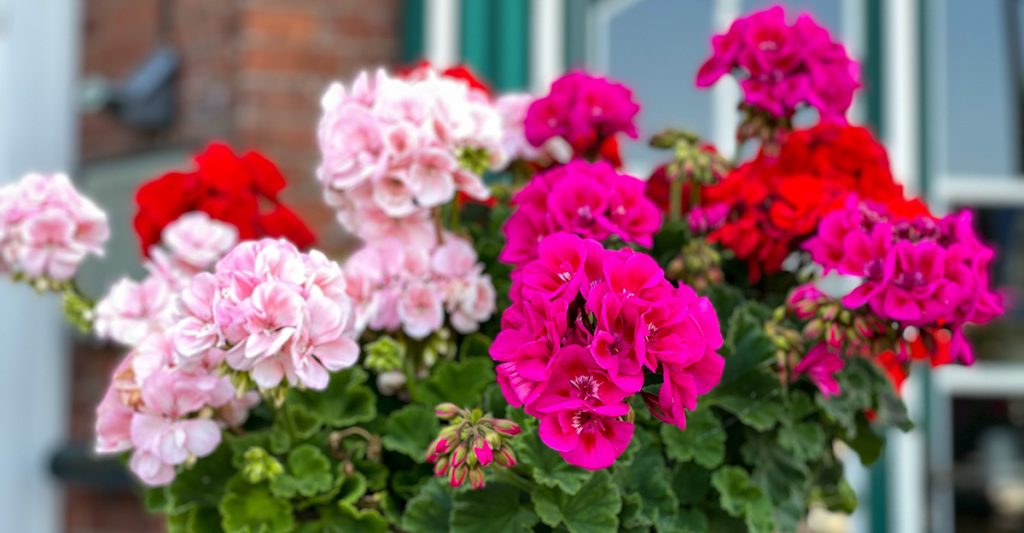
Then of course you’ve got your Geraniums, which are really easy to grow and being a perennial are a reliable, faithful source of colour. Once you get a nice Geranium in that you like, it’s easy to take cuttings and keep on putting them all around the place. They’re very, very easy to strike and grow.

Carpet Rose


carpet rose flower

Carpet rose Red flowerNow when you think of a plant that can really bring your garden to life in the summer, the first one some people think of is the Carpet Rose. Now they come in white, dark pink, apple blossom pink and one called Scarlet, which is a beautiful double red. And all of those carpet roses are great and in many ways are better than normal roses which can look a bit scraggly with one flower here and one flower there. But your carpet roses are a low dense bush with masses of flowers, particularly the pink ones. When they flower, the whole bush is absolutely covered, so covered in flowers that you can barely see the foliage and that gives you a really big hit of colour that other roses don’t give you.

Carpet Roses tend to flower from spring right through to winter. So they’re tremendously hardworking plants. You can blend sort of light pink and dark pink and white together and they look really, really fabulous. They’re very easy to grow, last for years and will give you a really strong hit of colour with very little effort.

Jacaranda


Jacaranda Tree, purple blue flowers

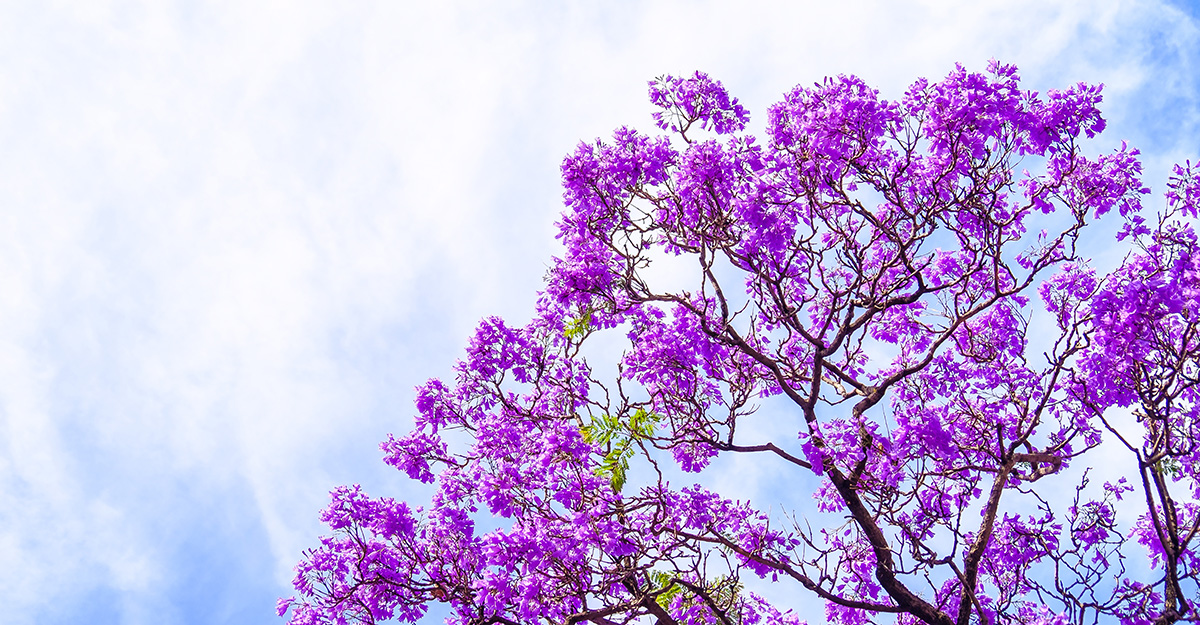
The next plant for summer colour to recommend is your Jacaranda. They give you those beautiful lilac-blue flowers in summer. And what’s beautiful is that the flowers, as they go through the flowering season, rain down on the ground and you get this magnificent lilac-blue carpet underneath that looks really, really fabulous. Now some people can get a bit frightened of how big a Jacaranda can grow, but these days you can get a dwarf Jacaranda called a Bonsai Jacaranda that will only grow to about 3 or 4 metres so it won’t get out of hand.

Crepe Myrtle


crepe myrtle purple flower

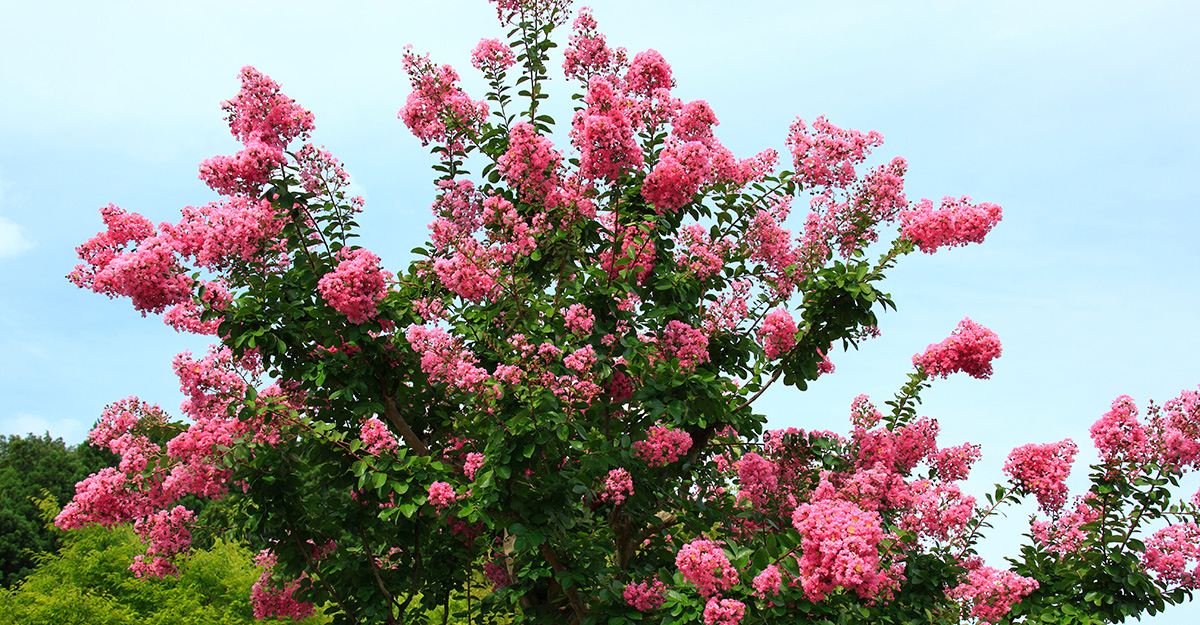
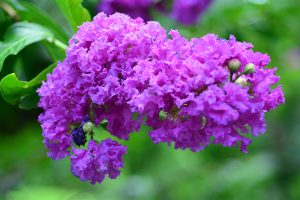
Another summer flowering tree that really gives you a good hit of colour is your Crepe Myrtle. Now you can get these in whites, you can get them in soft pinks, you can get them in hard, brilliant pinks. You can get them in sort of mauves, you can get them right through to purples. So there are a lot of different colours available. And what’s great about the Crepe Myrtle, is that it flowers in the hottest part of summer. Once it does, it will be flowering for weeks and weeks and weeks to come. Then not long after they finish flowering, you’ll get beautiful autumn colour and then they lose their leaves and what you’ll seen then is that they’ve got this magic sort of bark with beautiful patterns and shapes on the bark. So it’s a really good useful, hardy tree.

Salvia


Salvia flowers

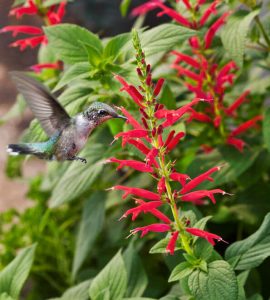
Salvia flowerAnother option you have today is the Salvia. Now Salvias give you absolutely brilliant summer colour. We’ve got plenty in the nursery, in purples or pinks or whites or mauves, all sorts of different colours and they just flower and flower all through the warm months. Some of them even flower right through the winter, not as densely in the winter as they do in summer but they still flower. So Salvia is a really great source of colour if you want really nice, brilliant colour.

Bougainvillea


Bougainvillea flower

Bougainvillea yellow orange flower

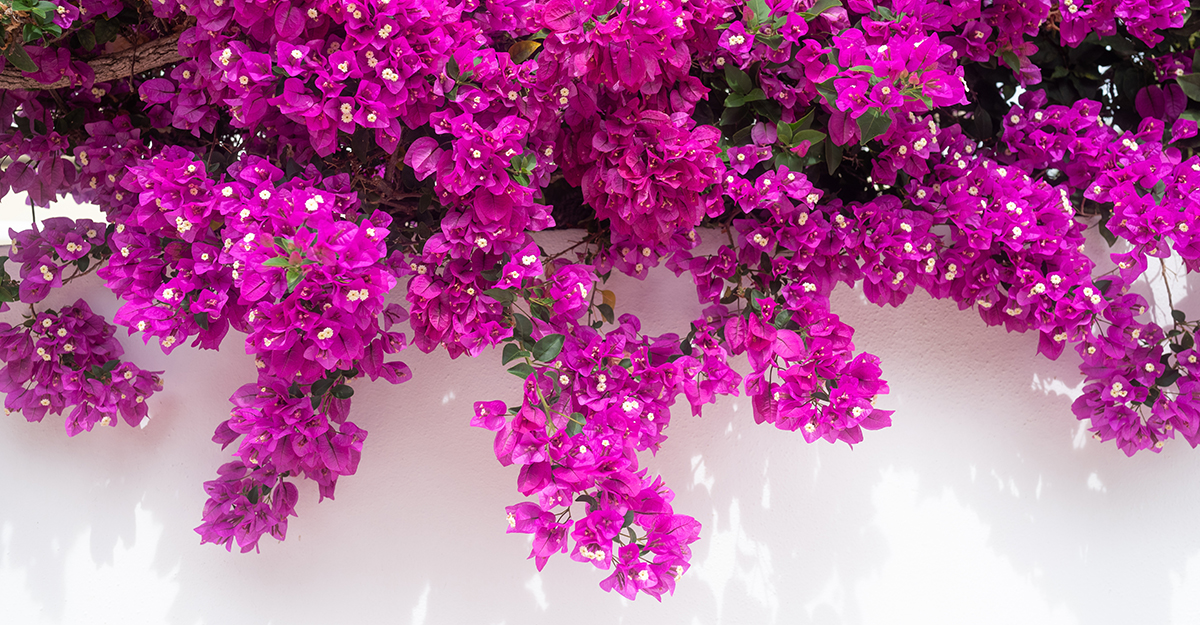
One more summer colour choice you can’t ignore is Bougainvillea. Now Bougainvillea is really, really colourful, with absolutely brilliant colours of all different shades and hues. The one that does best in Melbourne, particularly if you’re in the outer suburbs where it’s very cold in the winter, is one called Traillii, which is the deep purple one. But as you move towards the inner city, you can grow almost any of the Bougainvilleas such as reds, oranges, yellow, almost any of the different colours you can grow in the inner parts of Melbourne. Places like Brighton for example, and all the inner suburbs, you can grow almost any colour. But in the outer suburbs, in the country towns, it’s the Traillii, the purple one that are best to grow. They are very hardy, fast growing and cold tolerant. Even though it’s a little bit common it’s still an incredible source of a brilliant block of colour for quite a few months in the summertime.

Blue Convolvulus


blue convolvulus flowwers

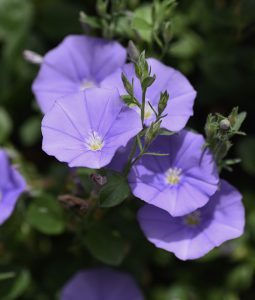
blue convolvulus flowersAnother really great option for summer colour is your Blue Convolvulus which is quite an amazing plant. It starts flowering in the middle of September and goes all the way through till Autumn. It’s really, really hardy. I remember in one of those big long droughts we had a couple of decades ago there were all sorts of gardens in homes and in commercial places where people stopped watering altogether to save water. And everything in the garden died except for the Blue Convolvulus, which just kept growing and spread and ended up covering the whole garden. So during the drought you saw enormous gardens of Blue Convolvulus. Even the other day, I went past the local cemetery and there was an enormous patch of it. And it was just absolutely brilliant shimmering blue. There were so many flowers there that you couldn’t see the leaves. It was just a mass of blue in the hot sun. It was really, really beautiful.

Blue Convolvulus-white flowerNow you can get the Convolvulus in a form that has both blue and white flowers on the same bush. You can also get it with white flowers and you can get it with beautiful blue flowers each on separate bushes. And it’s one of the longest flowering plants around. It’s one that I’ll often plant underneath, say Iceberg Roses or something like that because I find that the blue really sets off your icebergs.

Purple Brachyscome


Brachyscome purple flowers

Another alternative you might like is the Purple Brachyscome. Now the Brachyscome does come in a range of different colours like white but that variety doesn’t seem to flower for very long. But your purples and your blues and your pinky purples and pinky blues seem to last longer. So you have a few different choices of colour. There’s also like a cut leaf form and a fine leaf form. I’ve got them in my garden but you’ll spot them everywhere and they just lift the whole garden because they flower really, really well right through the heat of summer. Brachyscome is like your little native daisy, really, really handy. It’s a little round bush that you can use as a ground cover.

In Closing

Underplanting in garden, colourful plantsSo like many of the plants I’ve mentioned for summer colour, you can use them to pick out those bare spots in your garden, and just plant some of them to give you splashes of colour here and there. One thing that not a lot of people think to do, is to underplant them. If you have something that has bare patches underneath it like a tree or a shrub, you can plant a lot of these summer colour plants below them and just add so much more colour to your garden. Or you can put some in hanging baskets or give them a place to climb in your garden. They are really cheap many of them.

Mandevilla creeper plant flowersSomething like the Mandevilla you can just keep as a bush but if you really want some visual impact you want to give it a little frame or trellis or something that will help it climb and it will give you some real height and much more colour in your garden.

Now one problem some people can have with their flowering plants is getting them to flower abundantly and there is a little trick I can recommend. When you first plant them, it’s good to use a high nitrogen fertiliser to get them growing. But when they are well established you want to switch over to a high phosphorous fertiliser like MiracleGro which actually slows down the plants growth and causes it to produce flowers and buds. That will give you so many more flowers.

homemade bug insect spray, aphid sprayAnother problem people might have with their flowering plants is aphids. Now these are one of the easiest things in the world to get rid of. Now if you’ve got kids and pets and you don’t want to put anything really toxic on your garden, I find that a bit of pyrethrum and a bit of dishwashing detergent mixed together and sprayed on your flowering plants that have Aphids will work wonders. Spray it once on a warm sunny day and then 48 hours later, do it again to get the next hatching of Aphids coming out and they will be done too. This mixture doesn’t have a residual poison and it’ll clean them up for good.

digging hole in clay soilNow if you have clay soil, it’s nowhere near as bad as what some people reckon for flowering plants. Clay soil is millions of years old and it has got lots of nutrients in it. But the main problem with your clay soil is the clay particles in it are all squashed tight together. Now plant roots need water and oxygen and they both can’t move well through heavy clay soil. So when planting your flowering plants in a clay soil, dig a nice big hole, much bigger than you probably think and mix your potting mix and the clay soil together and that is even better than just the potting mix on its own. (But always use a good quality potting mix, not a cheap one!) With the mix of clay soil and potting mix, you’ve got a lot of minerals for the plant plus there are air gaps in the soil mix for the plant roots to grow into and get the oxygen they need and for the water to flow through it. So, so long as you break up the clay soil and mix it with the potting mix, your plants will do OK.

colourful plants flowers in hanging basketNow don’t forget when you are planting your colourful flowering plants in baskets and pots and so on, you can mix up different colours in the same basket or pot and that makes for some fun and interest.

So there you go. I’ve given you 10 choices for adding some summer colour to your garden. So go on, splash out on some colour to liven up your garden, you won’t regret it!

Feeling inspired to create your own garden, but want some expert advice? Try our one-on-one garden design service with Chris. Together you’ll come up with a selection of plants along with a layout plan that gives you the look you want, as well as being suitable for your local soil and conditions.

get your own tailored modern garden design:


FIND OUT HOW

Articles you may also like

How to dress up your Balcony, your Alfresco or Patio with pots & plants!

Your extreme potted plant guide!

Recently I did a facebook live with Mitch from Mojay Pots. He’s a real expert on pots. So I wanted to share with you his knowledge of pots so that you can choose the best type of pots for the plants you want to use to dress up your balcony, your patio or your alfresco dining area.


Urban Style pots stocked here at Hello Hello Plants


Beautiful style Antique Terracotta range of pots


Small indoor pots available in a great range


Sea Lite Congo style pots


Large lightweight pots


Unique style Tang patterned glazed pots made in Vietnam

Now when some people think of pots they might tend to think of those big, sometimes ugly terracotta pots or maybe those big old bright blue things that some people had out back. But the reality is, like a lot of things, pots have come a long way in the last few years and they have really modernised and changed a lot. There are so many different types and styles of pots these days, that you can choose the perfect one that suits both the plant you have and the place you want to put it.

Starting with our incredible range & styles of pots:

Garden Lite


Mojay GardenLite Pots, Lightweight, grey

Mojay Lightweight White GardenLite PotsAs Mitch explained, Mojay Pots are our newest supplier and they have whole bunch of trendy new pots. Take their Garden Lite pots for example. It’s a range of ultra-lightweight pots that are so easy peasy. They have a clay base so they are very durable. They are good in places like corners, but also anywhere that you want to create a bit of a statement that’s not too overpowering. 

Mojay GardenLite Pots, Lightweight, blackThey come in three different sizes which makes them work really well together as a cluster of all three. You can just grab the three different heights and create a really nice combo in a corner somewhere. You can plant directly into them or use a brick inside to place a plant that’s already in a less attractive pot, like a plastic one. 

In the Garden Lite range, you can see some beautiful egg shaped pots with a lovely rippled pattern on them that is very coastal, very beachy, very modern. They also have some great square pots with a gorgeous matte black finish or a white matte finish. They also come in a grey stone finish as well, again, all very light-weight, not heavy, so easier to move.

Sea Lite


Mojay SeaLite Pots

Another range they have is their Sea Lite range that’s also very lightweight but has a really nice textured pattern. They’re really good in your traditional homes or anywhere that you really just want a bit of colour to break things up a little bit. They come in different colours like white driftwood, dark grey and sea foam and are named after famous Sydney beaches.


SeaLite Bermuda Planter Range


SeaLite Congo Planter Range


SeaLite Clovelly Planter Range

Sea Foam

Seafoam Pots Range, BlueThe Sea Foam is a glazed terracotta pot that’s had an acid wash. What happens is that as the paint in the glaze is setting the acid eats at the paint. They are then jack hammered on a machine and then hand polished, which gives them a really unique finish – so unique that no two pots are alike, each one is different. They’re called Sea Foam because how they are treated makes them look like the way the ocean looks after a wave has broken and the foam spreads apart in patches.

Seafoam Pots Range

The Sea Foam look comes in some really fabulous colours like Copper and a gorgeous Blue and a dark Grey. They have a bit of an “out there” look that people would traditionally use outside but many people like to use them indoors too as feature pots.

Glazed Pots

Traditional Glazed PotsWe also have more traditional glazed pots that come from Vietnam. They are really quite timeless these treasures and they will fit any home, front, back or wherever you want them to go. They come in lovely moss green colours with two tones mixed together. You can choose them in a variety of shapes and sizes including bowls and they come with lovely rolled rims.

The traditional white colour is really nice and you can do a lot with it. Of course, if your preference is for something a lot darker, they also come in black.

Tang Collection

Tang Colourful Pots from VietnamSpeaking of colours, if you like really bright colours, we have the Tang collection, also from Vietnam. These are ceramic and come in all sorts of beautiful, bright colours that will really pop if you put them in a corner that’s maybe a bit dull. They come in bright reds and blues and yellows. They also come in oriental prints like black and cream or black and a deep crimson red.

Urban Range


Mojay Urban Pot Range

Urban potsThe next thing Mitch showed us was the Urban range which is all made from poly stone. These are some of the biggest pots we have in our range. You can get them up to 1.2 metres in size and these are really the kind of centrepiece type of pot. You can put say an olive tree in them and then have something cascading out the side of it. Despite their size, they are ultra-lightweight which makes moving them around easier than you might think. The finish is what some people would call a resin but there’s polymer stone mixed in with it. They are really good quality too and just very nice.

A large bowl shaped pot in white

Mitch also showed us some of their low style water bowls which have a beautiful matte finish. These are part of the Urban range and are very universal. You can put pebbles and say a couple of cacti and succulents in them. What you do with them is limited only by your imagination.

Geo Lite


Geo Lite lightweight pots, large, grey, white

It was great to see the new Geo Lite collection that we are now stocking. As the name suggests these are all based on geometrical shapes. So these include the traditional squat egg shape but with a twist that gives it a kind of Congo type shape. Then you have a lined egg shape which gives a modern twist to a traditional shape and there’s also a patterned finish available too which is very contemporary. These pots have some really unique finishes like an antique whitewash which is not a bright and intense as the Garden Lite finish.

Dragon Planters

Dragon Planter, handcrafted in ThailandMitch then showed us one of his favourite collections, which are the handcrafted dragon planters from Thailand. Each one is hand-chiselled into the clay to create these amazing dragon patterns. No two are alike, they are all different. Really, truly beautiful they are.

Stoneware Collection


Stoneware Pots

Stoneware Pot in foregroundNext up, Mitch showed us his stoneware collection, which are the kind of pots that will fit into your contemporary garden or your cottage garden. Basically you can mix up the different stylings depending on which kind of plants you put with them. He really likes the bowls with cottage plants in them and I agree they do look great. They have an old style look with a stone base but they’re still nice and lightweight and the finish is absolutely beautiful.

Troughs


Trough planter pots

Tough planter potWe are also stocking a range of his troughs. Now these are great if you’ve got a really small balcony or a home with a kind of narrow hallway but you really want to create some height with some nice plants then these are perfect. They come in several different sizes and heights from 1 metre down to 50 cm so you’re sure to find the perfect size for you. Or you might like to choose a crucible from the Urban collection. They have a white finish with a built-in base so you don’t have to plant directly into them. They are perfect at your front door or in the hallway to create a bit of height.

Terracotta


Terracotta Pots

Of course to finish off, we had to show off the terracotta collection because they are still so popular and are a great look. We do have a lot of terracotta pots and some have some very subtle differences in them. For example, some have a little bit of limestone mixed into them that give a little bit of a white surface finish but underneath is that really nice, aged bright orange colour that terracotta is known and loved for.


Antique Terracotta Pots


Gorgeous Whitewashed Terracotta Pots


Terracotta Double-Rimmed Pots

You can also get a more whitewashed terracotta finish in a range of really traditional shapes and styles like egg shapes and double-rimmed pots. These are all great for your fruity citrus plants and your herbs and anything that you don’t want to get too wet, because these are all porous. 

Whitewashed Terracotta PotsWe also stock Mitch’s range of antique terracotta pots from Vietnam, which are made with 3 different clays from the region. The different clays are all moulded together so you get very unique and different colourings and no two are alike. There are about 26 different shapes in this range including a lovely squat cone which is really great for like herbs and veggies. The antique terracotta is really great when you don’t want that traditional bright orange terracotta look but you still want to make a statement in your home.

Pot Styles


Small indoor pots available in a great range


A cylinder shaped pot in varying sizes


A bowl shaped pot in white

Mitch also talked about and showed us some of the most popular styles of pots, like the simple egg shape which is very traditional or the cylinder. They come in cement colours and black. They are very popular when you want to break away from the traditional cluster of small, medium and large pots of the same shape. 


Pot Shapes Styles

Today it’s more popular to say mix one big egg-shaped pot with say one medium cylinder. The good thing is that the same colours move across the different sizes and shapes so you can get a variety of pots but all in black or white or grey or whatever. You can also get lovely little squat, egg-shaped glazed pots in moss green and lighter colours or the traditional blue which has probably been around for as long as I have.


Pot Shapes Styles

What comes first, the Pot or the Plant?

Now that’s a huge range of pots of all different sizes and styles that we stock now and there are so many different looks and finishes and it’s all quite amazing the variety available now. But when it comes to working and decorating with pots, people often ask me which should I choose first – the pot or the plant?

Two white pots with a green plant in them, showcasing modern garden styles.

Well it’s bit like the chicken and the egg – which comes first. Usually, I will start by asking them to choose a pot and tell me where they are going to put it. Then I can help them work out what size pot would work in the place they are thinking of. So say it’s by the pool or something. Well once I’ve got a pot and a size and a location, I can recommend a plant for them.

Plants in courtyard, backyardBut of course, you can do it the other way and decide what plant you want and then find a pot that suits it and the place you’re going to put it.

Now the whole decision process is influenced heavily by another factor. So you might start by telling me well I’ve got a spot for a pot in a corner of the courtyard or the balcony or wherever, and the first thing I will ask is a question about the conditions of that spot. Is it sunny? Is it windy? Is it shady? Is it morning sun or afternoon shade


Plants in pot on balcony, outdoor areaBut that’s not all, I will also ask you, why are you wanting to put something there? Do you want something big and bushy to block off the neighbours? Or do you want something colourful that makes a statement? Or do you have a beautiful modern building and you want something that leaps out at you and makes a modern statement.

So once you’ve put this all together; the spot, the conditions and the reason or purpose for putting a potted plant somewhere, I’ll say “OK go choose a pot you like!”.

Now it is a matter of choosing the right size pot. If I was planting say a 2 metre standard Ficus, I would be looking for a pot that’s say 40 cm around.

Feature Pots, Less is More

Less is more, statement feature pot

Now if you’re buying quite a number of pots you don’t want to end up like one of my customers from a few years ago who bought lots and lots of different pots and different plants and when I ended up delivering them to his place, it was all a mess when you put them all together. What he should have asked me for was some advice in advance and I would have suggested he get one or two really big pots as feature pots and then just a few small pots to surround them. It would have looked so much better.

Big pot small plantsNow just because you might decide to get a big feature pot doesn’t mean you need to put a big plant in it, because you might feel a little overwhelmed or enclosed by that big plant and it can be hard to get a bit plant that’s exciting. But what you might do with a big pot, is put 3 or even 4 different plants in it, with say some pebbles and something that overhangs the front like a silver dichondra or something and that can look really exciting. Remember too that one big pot takes a lot less watering than a whole bunch of little pots. 

Pots on balconyGenerally I recommend to people don’t end up with lots and lots of pots. Just put the minimum number of pots on your balcony. But go big and put some different plants in them. So for example put one big featured plant in your big pot then you can put some ground cover type plants below it, that will cascade over the sides of the big pot. If your big pot is in the shade you could put a beautiful fern or palm with some baby tears underneath. If your big pot is somewhere sunny, you could put some silver dichondra or succulent ground covers underneath.

Potting Mix

Nature Soil Premium Potteing MixNow the next issue with potting plants is the potting mix you use. And I’ve seen potting mix that’s about $3 a bag and I can tell you that having made up potting mix myself I know the profit margin and I can tell you these cheap potting mixes can have sawdust or industrial waste or even black coal in them.

My recommendation for a potting mix that’s not too expensive is Nature’s Soil. Now the people who make this, also make it for the commercial market, so I can tell you that he has to keep commercial growers happy first so he has to do a top quality mix. We use thousands of kilos of this stuff a week ourselves to do our growing so I can thoroughly recommend it. Cheap potting mix is false economy. Things just won’t grow in it. But a good potting mix and some soil wetter and you’re all set.

The one I recommend has really big particles in it and the reason that’s important is that most people think that the No. 1 thing a plants roots is looking for is water. Not true. The main thing a plant’s roots want is oxygen and so when you have a nice, open, porous soil with big particles and space between them, then the roots can find oxygen. This also means the water flows through the soil and doesn’t sit in it. If the potting mix is nice and lose then the water flows through it and out the bottom leaving some moisture behind in the soil. So the roots get what they want which is oxygen and water.

Watering Potted Plants

Watering Pot Plants

Now with watering you don’t want your pot plants to get to the point where they need some water and they try to draw some water and they can’t get it. This will slow the growth of the plant. 

The sure signs that your plant needs water is it will start to drop a few leaves and the other leaves will start to shrivel and wilt. The key to helping your pot plant get enough water is to ensure it’s in a big enough pot. Really small pots empty out of water very quickly. Now a good potting mix also holds water well, so that’s important too. With a good potting mix and a nice big pot, your plant can draw up as much water as it needs.

Now if you do come home after a hot day and your plant is starting to wilt and the soil is dry you will be tempted to give it a good soak. But don’t, because dry soil won’t take up moisture. It’s best to give it a quick little squirt just to help it recover, then go and have a drink yourself and some dinner, then come back and give it a good soak. It will take up and hold that water better.

Watering pot plants

If you are going away for a while and you’re worried your pot plants won’t survive because the weather will be hot, then give them a good soaking before you go. Move them into the shade out of the hot sun and away from direct sunlight. Then add some water to a saucer or plate under the pot plant and let it soak up some of that water when you’re away.

Another tip on watering is to water them BEFORE an expected heatwave and during the hottest weather, you might need to water twice a day, once in the morning, once at night.

An Important Ingredient

dolomite lime calcium soilNow a lot of people believe you have to re-pot your plants every year or two. That’s not really true. You might need to top up the potting mix a bit because it can compact or decompose. But the big thing that really happens with pot plants is that all plants to some extent need calcium. Now the potting mix when you planted the plant originally probably had a good level of calcium but all the watering has washed the calcium away. The answer is a good dose of dolomite lime every 6 months or so and that will put back the calcium. Now while fertilisers like Osmocote are really good, they don’t have calcium in them. So when you have foliage heavy plants like your English Box and your standard Ficus you need to give them a good cupped handful of dolomite lime every 6 months then wait a couple of weeks and do your Osmocote. This combined with proper watering and your potted plants should thrive.

In Closing

Chris in the NurserySo there you have it. A whole range of pots to choose from and some tips on how to make sure the plants you put in the pots look fabulous and thrive.

Remember you can come into the nursery any time and ask me or my staff for advice on anything to do with pot plants. We’ll be happy to help.

And with literally the biggest range of plants on display in Melbourne with some of the best pots, you’re bound to find exactly what you are looking for.

Feeling inspired to create your own garden, but want some expert advice? Try our one-on-one garden design service with Chris. Together you’ll come up with a selection of plants along with a layout plan that gives you the look you want, as well as being suitable for your local soil and conditions.

get your own tailored modern garden design:


FIND OUT HOW

Articles you may also like

Japanese Maple tree green leaves

Choosing the right Japanese Maple to thrive in your garden

Japanese Maples have been one of the most popular trees in Melbourne for a very long time. Whenever we have a special offer on Japanese Maples at our nursery, they are always one of the most successful that we run. People come from everywhere to get a special price on them.


The leaf of the Shaina Japanese Maple


The leaf of the Nishiki Fountain Japanese Maple


The leaf of the “Emperor 1” Japanese Maple

Because of so many things that are happening to the size of house blocks these days, Japanese Maples are probably more relevant today than ever before. Land is getting chopped up into smaller blocks and people have smaller front yards and smaller back yards and even smaller courtyard areas. Also, there’s more concern today about roots getting into foundations and drains and causing damage and problems. Being a very compact sized tree, with probably the least aggressive root system of almost any tree, Japanese Maples are the answer to all these issues.


The weeping version of the Atropurpureum Japanese Maple


A small Nishiki Fountain Japanese Maple


A vibrant Shaina Japanese Maple

A red Japanese maple tree planted close to wallIf you’ve ever dug up a big, fully grown Japanese Maple, you might be surprised to see how small their root systems are compared to other trees. Because they don’t have an overly large root system, you can plant them in courtyards or other small spaces, really quite close to buildings.

Choosing the right Japanese Maple:

Shaina


Shaina red Japanese Maple

Shaina Japanese Maple in garden, red leavesOne of the popular varieties of Japanese Maples is the Shaina. It has quite beautiful red stems. It works really well with modern architecture. In winter, when it has no leaves, its beautiful red stems still give you colour. Then in spring you get lovely green leaves set against the red stems. As you go into late summer you start to get soft pinks and oranges through it. Then when you get right into autumn, you get sort of oranges and reds and pinks and yellows. It’s a very, very colourful, interesting tree with great variety throughout the seasons. This makes it very popular in Japanese style gardens, not surprisingly.

The Shaina is a lovely compact form of the Japanese Maple. If you are after a small Japanese Maple, that isn’t a a weeping style, this is a great choice. It’s only going to grow 2.5 – 3.0 metres tall. It has a beautiful maroon foliage with lovely fine dissected leaves. In autumn it produces the most amazing iridescent red. You can buy low grafted varieties or you can buy varieties that are four or five foot tall with a lovely little red ball on top.

Hana Matoi


Hana Matoi Japanese Maple with red leaves

Hana Matoi Japanese MapleAnother popular variety is the Hana Matoi. It has very fine delicate foliage with lovely little patches of pink through it. It’s a fairly slow-growing variety. Being a little bit more delicate a variety you wouldn’t put a Hana Matoi in an overly exposed spot or a really hot windy spot. You’d keep it somewhere a little bit sheltered, maybe a bit of an easterly position out of the hot afternoon sun.

Shindeshojo


Shindeshojo Japanese Maple with red leaves

Shindeshojo Japanese Maple treeThe Shindeshojo is a lovely fine Japanese Maple. It has a delightful bright coloured foliage with really interest colours. It has a finer leaf than a normal Japanese Maple. It won’t grow overly large. It gives you both absolutely brilliant spring colour and lovely autumn colour as well.

Nishiki Fountain

Fountain Japanese MapleThe Nishiki Fountain is a different kind of weeping Japanese Maple. Most weepers have a fine dissected leaf. But this has a normal Japanese maple leaf that hangs straight down. This makes it quite a really, really unusual maple. It has the most amazing autumn colours, giving you red, orange and yellow, every colour almost all at once. There’s a whole kaleidoscope of colour in autumn with the most interesting shape and interesting leaf, it really is a most unusual and quite a hardy weeping Japanese Maple.


Nishiki Fountain Japanese Maple

Atropurpureum


Atropurpureum Japanese Maple with red leaves.

The Atropurpureum Japanese Maple comes in both upright and weeping form (see images below). It is quite small with a deep purple foliage that turns into a gorgeous red in Autumn. Many people love it as a feature tree. It does best if you plant it in partial shade or full sunlight in a moist but well drained soil.


Atropurpureum Japanese Maple tree, Upright


Atropurpureum Japanese Maple tree, Weeping


Emperor 1


A nice full and lush “Emperor 1” Japanese Maple tree


The leaf of the “Emperor 1” Japanese Maple


An “Emperor 1” Japanese Maple tree showing the beautiful leaf colours

Another gorgeous purple variety of Japanese Maple is the Emporer 1. It’s one of the best, upright, non – weeping varities for colour all year round. It has a quite large leaf, that is a dark, almost black like purple that in spring goes through various shades of purples and reds into brownish reds in summer through to an amazing scarlet red in Autumn.

Grafting & Age of Maples

Maples with varying graftings

If you look closely at some Japanese Maples you may notice they have 2, 3, 4 or even 5 different stem sections. What this means is that the person who grafted it, did it four or five times.

An example of a grafted Japanese Maple treeIt can be quite a lot of work to graft them and it can be very difficult. But doing this can produce the exact shape and style of plant the grafter wanted. For example, they might do it to create a very, very broad head on one or to graft an older head onto a younger stem. This kind of skill takes years to develop and practice. So when you see a Japanese Maple at a nursery for several hundred dollars remember it might be anywhere between 8 – 10 years old. And it would have taken a lot of work and time in grafting and care to get the plant looking like it does when you see it in the nursery.

The Best Place for Your Maples


Maples and where to put them in your yard at your home

When choosing Japanese Maples, it’s important to think about where you are going to plant it and how big you wanted it to grow. This can help decide whether you want a weeping variety or a straight up one. If for example you had a roof overhang or something and you didn’t want your maple to grow more than 5 or 6 feet tall, you would probably want a weeping variety. Or if you wanted to grow one upwards but not too big, you can get a compact variety like the Shaina. If you have a really big garden and you wanted to shelter some ferns or other delicate plants then you can use one of the larger growing varieties of Japanese Maple.

Choosing Which Colour


A modern garden featuring a collage of different colors of leaves on a tree.

Choosing a colour is also an important consideration before purchase. Japanese Maples can come in all sorts of colours – pinks, reds, oranges and purples – there are some really deep purples available that are almost black. Some people like to plant them in contrasting colours, with say one green and one red. Alternatively you can just choose to contrast the shades of them with a mix of darker ones and lighter ones. There a few purple varieties which stay purple in spring, summer and through to autumn, such as the Bloodgood and the Atropurpureum.

Osakazuki Japanese Maple treeIf you really want a spectacular show in Autumn you can’t go past the Osakazuki Japanese Maple (left). It doesn’t grow too tall but it does grow quite wide. It has large leaves that just seem to float on it. In summer it’s a lovely rich green but when autumn comes it colours for maybe 3-4 weeks with the most amazing, intense, brilliant scarlet red.

Weather & Soil Conditions


Japanese Maple in the sun, weather, tolerance

If you take care of your Japanese Maple it will give you many years of joy. Some people say that they can’t take hot sun, but that’s not quite true. If you do have a really hot sunny spot in mind for your Japanese Maple make sure you talk to your local nursery about choosing one of the hardier varieties.

Digging hole to plant treeAnother issue in Melbourne is that we have a lot of hard clay soil. If you dig a hole for your Japanese Maple that is only the size of the pot it was in and plant it, it won’t do well because the roots are not overly aggressive or tough and they can’t spread through the clay. In hot windy weather they burn and shrivel.

Deco premium potting mix is specially formulated for modern garden styles.So the secret is more in how you plant it than where you plant it. Ideally, dig a nice big, very wide hole. Fill it with a good quality potting mix, not a cheap one. (You spent a lot on the tree, don’t scrimp on what you plant it in.) Mix in some good compost and soil. (You can even use something like Nature’s Soil which has large particles in it that create air spaces making it open so the roots get moisture and can breathe.)

But the secret is to make the hole really nice and wide so the Japanese Maple’s roots can spread out. With the right soil mix in the ground, if you water it well, the roots can really take up lots of moisture and that will help them survive the hot summer days.

A person is watering a modern garden with a hose.Of course, if you get a really hot spell the other secret is to just water it well. Daily is fine in summer, even twice a day on a real scorcher. With enough water they’ll survive the sun and hot winds. If you are still worried you can always use a soil wetting agent to make the watering more effective.

The other secret to a long-lived healthy Japanese Maple is the right fertiliser. Something all-purpose like Osmocote is great, about every 6-8 weeks is ideal. But also adding a dash of dolomite lime is important because lime is water soluble and if you are watering it a lot you are washing all the lime out of the soil. Without the calcium in the lime, the plant can’t process all the other nutrients it gets from the soil and the fertiliser.

In Closing

Free Garden Design with ChrisSo this is almost all you ever needed to know about Japanese Maples in one article. If you are still unsure about which variety to choose for your garden or exactly where to plant which one, don’t forget we have a FREE Garden Design service where we can take you through an entire design for a garden and help you choose the right plants to make your garden gorgeous. Click here to book.

Feeling inspired to create your own garden, but want some expert advice? Try our one-on-one garden design service with Chris. Together you’ll come up with a selection of plants along with a layout plan that gives you the look you want, as well as being suitable for your local soil and conditions.
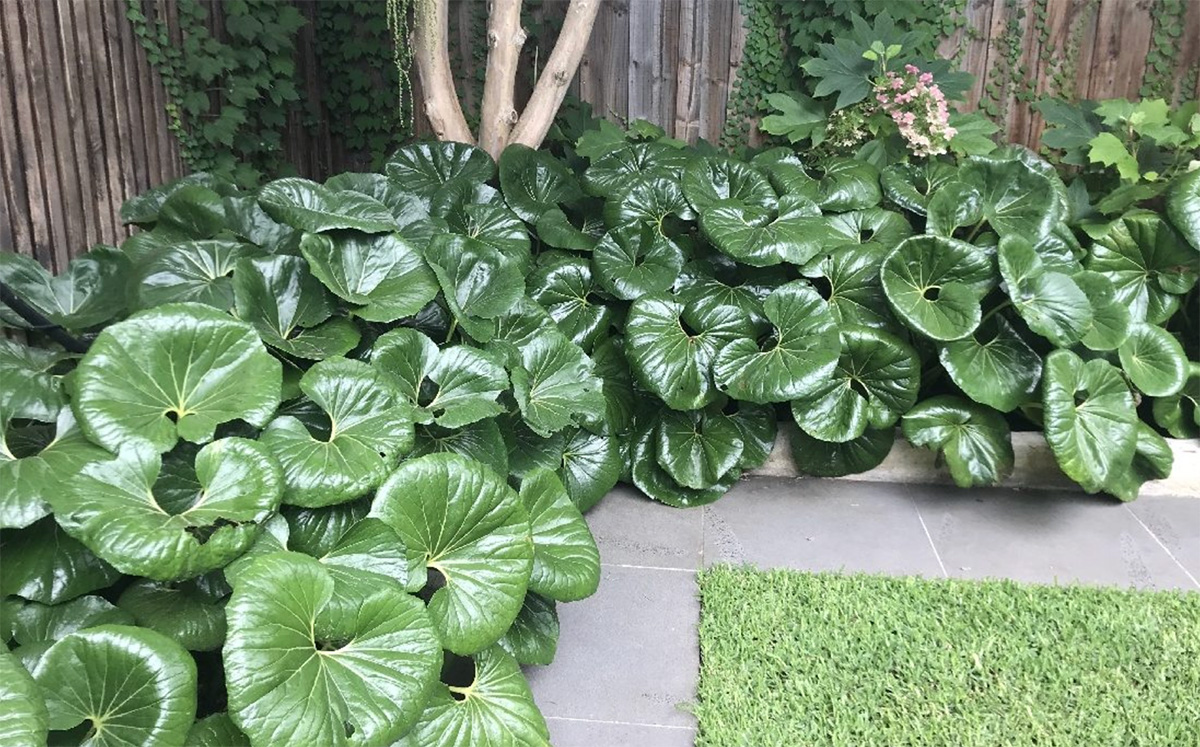
get your own tailored modern garden design:


FIND OUT HOW

Articles you may also like

Commercial Garden Ficus Flash hedge

Top tips for Commercial Gardens that you can also use in your Home Garden

Recently I visited the Gladstone Park Hotel because there was a plant there that I really liked and I wanted to take a photo of it. While I was there, I found another couple of plants that I liked and then another couple more plants that I like.

It suddenly became clear to me that this was one of the best kind of commercial gardens that I’d come across for a while. So I thought this would make a great theme for an article – what makes a great commercial garden and how to make them work.


Japanese Maple with green leaves


Miss Muffet Japanese Pittosporum


Japanese Maple


Ficus Flash hedge in planter box


Lilly Lilly Acmena smithii hedge


Now even though you probably may not own a hotel or a restaurant or office complex or anything that requires a commercial garden, some of the concepts and ideas and the way they’ve used plants in this garden could be really good to have in your own garden.

By their nature, commercial gardens are generally designed to be low maintenance. But they also want their building to look smart and inviting. So basically, what I saw at the Gladstone Park Hotel is the classic combination of a low maintenance garden that is very, very smart and very inviting. When you take a close look at the different plants that make up this garden, I think the person who designed it really knew their plants and chose them really well. They really made some very good choices.

Plants for a Commercial and Home Garden:

Miss Muffet


Miss Muffet Japanese Pittosporum

Now the first plant I want to talk about is what we call Miss Muffet. (Just like the nursery rhyme – Little Miss Muffet sat on her tuffet, eating her curds and whey!) The proper name is Japanese Pittosporum. It’s a lovely looking compact, low spreading kind of shrub that in springtime has beautiful fragrant flowers.

Miss MuffetThey have it near the drive-in bottle shop in a narrow little garden bed that’s a bit shady and it’s the perfect spot for it. It grows lovely and lush and won’t get too big, only needs a little bit of trim now and then.

Loropetalum


Loropetalum Purple Leaves Pink Flowers

Moving along the same garden bed and right next to it and contrasting with it, is a plum coloured, gorgeous Loropetalum. It has beautiful dark purple foliage, 365 days a year. And that lovely purple foliage is adorned with delightful pink flowers in springtime. It makes such a contrast with the green of the Miss Muffet.


The bright pink flowers of the Loropetalum plant


The Loropetalum plant in blossom


All year round purple leaves of the Loropetalum plant

Obviously along this particular part of the garden bed which is outside windows, they wanted something low growing that wouldn’t block the view and they got that with both these plants that can be kept nice and low.


View more Loropetalum plants

Japanese Maple


Japanese Maple with green leaves

But then they added another beautiful contrast in amongst the Loropetalum with a Japanese Maple. Not a fancy, expensive grafted Japanese Maple mind you, just your plain, basic Japanese Maple.

Japanese MapleIt’s beautiful, it’s green and lush, it’s very happy in its little shady corner but again it contrasts beautifully with all the plum coloured Loropetalum growing beneath it. It’s just gorgeous.

Speaking of shade, it’s interesting how some plants don’t like shade and with some plants their colours actually fade in the shade. But the plum colour of the Loropetalum seems to even intensify in the shade, taking on a really rich, dark purple. So if want something that really keeps the colour of its foliage in the shade, this is it.


View more of our Japanese Maples

Tractor Seat

Now just across from the Japanese Maple is a very unusual plant that’s quite a bit of a hot seller at the moment. They can be hard to get but we try to keep a good stock of them so always check with us or check our website. It’s called the Tractor Seat Plant and the reason for that name is obvious when you look at the big leaves on the plant.


Tractor Seat Plant

Tractor Seat PlantThey look like the old-style metal tractor seats from say the 1940s and 50s. The ones that were set on a big steel spring. Now these plants love a shady spot too. They get this beautiful, big lush foliage on them all year round and then in late spring you get this lovely, yellow, daisy-like flower that blooms with a sort of spidery like nature.

Silver Dichondra


Silver Dichondra plant

Silver Dichondra plant close up leavesUnderneath this particular Tractor Seat Plant, they’ve used a little Silver Dichondra to set it off, but it’s an interesting and exciting entry plant the Tractor Seat, makes a big impression with those big leaves. Now they do need a bit of a drink. You don’t want them to be in the hot afternoon sun. They can take morning sun, with afternoon shade, because they love a bit of relief from the hot afternoon sun. Tractor Seat Plants make a big textural statement which they’ve used right at entrance to the hotel.

Liriope

Liriope 'Evergreen Giant'Right near the entrance, along the path, they have put in some Liriope.

It’s an evergreen and it really thrives in a bit of a shady spot. It’s really lush and bright green and makes a beautiful tough border. Being near the entrance people will tend to walk through it and kick it a bit and it’ll fold over and bounce back, because it’s a good hard-wearing plant for a spot like this. So they’ve made another really good choice for this plant in this location with lots of foot traffic.


A plant with purple flowers in front of rocks, suitable for modern garden styles.


A modern garden featuring a lush green grass lawn and a stylishly designed tree.


Purple flowers are flourishing in the ground, showcasing a touch of modern garden style.


A plant with purple flowers in the middle of a modern garden.


View more Liliope plants

Ficus Flash


Commercial Garden Ficus Flash hedge

Now on the other side of the path, to create some privacy for the people inside from those people walking up the path, they’ve put in some long narrow planters and used Ficus Flash to create a hedge. It’s been trimmed quite tight so it’s only about 50 cm thick, but it makes a beautiful thick privacy screen. You can tell it’s a Ficus Flash because it has these slightly curly leaves.

Ficus Flash hedge in planter boxNow in these planter boxes they will have to keep it well watered, which they clearly do. So if you’ve got a little patio or a balcony or somewhere you want to create some privacy then using long narrow planter boxes just like they have here, with Ficus Flash in them, can create a narrow but thick privacy hedge or screen.

It’s quite a hard-wearing plant, so if you forget to water it occasionally or trim it too hard or forget to fertilise it, you’ll find that your Ficus Flash will still survive, even if it’s in a windy or sunny spot. Now here at this hotel they’ve put in a drip irrigation system and that’s keeping their Ficus Flash nice and lush and green.

Lilly Pilly


Nandina 'Moon Bay' plant

Now I want to talk about the first thing I actually came to photograph at this hotel. It’s a miniature Lily Pilly hedge. Now all around Melbourne you find a lot of Lily Pilly hedges without leaves on them because we’ve had this beetle move down from Queensland and it’s eating the leaves off many of the hedges around Melbourne and making them look quite bare.

Acumen 'Ruby Tips' Lilly Pilly
The ruby tips of this type of Lilly Lilly plant

But the Lily Pilly hedge at this hotel is the Acmena Smithii variety and that’s one that the beetle doesn’t like to eat. There’s a half a dozen other varieties of Lily Pilly that the beetle doesn’t eat but this one is called Ruby Tips. It has a beautiful fine leaf and you won’t find any beetles or psyllids attacking this variety of Lily Pilly. So these stay healthy and lovely without any sprays.

Again this shows whoever designed this garden for the Gladstone Park Hotel made some good choices. This one has been trimmed recently so in another couple of weeks you’ll see these bright red tips come in which is where it gets its name Ruby Tips. And the whole thing will just have this lovely bright red colour all over it.

Moon Bay Nandina


Lilly Lilly Acmena smithii hedge

Another excellent plant they have chosen in this commercial garden is something I love. It’s called a Moon Bay Nandina. Fully grown as they are in this garden, they are about 50 cm tall and 50-60 cm wide. They are lovely and lush and hard wearing. Being in a pub near where patrons walk you could have someone who’s drunk, fall over them and they would just stand back up again. The plant that is, not necessarily the person!

Nandina 'Moon Bay' plantMoon Bay Nandina are a really good hardy plant. They don’t need much water and don’t need really much of anything. They are really low maintenance, a bit of weeding sometimes. They are really lush, beautiful, hardy plants. What I love is that when they are mass planted like they are at this hotel you could just walk through them and they’re lovely and soft. I think they’re fabulous. All year round they’re bright green with red tips on them, but in winter they turn an absolutely brilliant red.

Golf Ball plants


A blurry image of bushes and trees in a modern parking lot.

Pittosporum 'Golf Ball'

Right next to them, again to make a wonderful natural contrast is a group of Golf Ball plants, so-called because they

just naturally grow into this ball shape. Plants with ball shapes are very much in fashion at the moment with things like English Box balls, but with them, you have to actually shape them with your shears and know what you are doing.

But the great thing about the Golf Balls I see here are that they would have been planted several years ago and they’ve all grown into these lovely ball shapes without any help at all. Really interesting to look at and easy to grow.

Crepe Myrtles

Crepe Myrtle tree with white flowersNow in between all these Golf Balls and the Moon Bay Nandina, they’ve planted some Crepe Myrtle trees. And towards mid-summer they’ll be covered in blossoms, probably white ones. But it’s not just the flowers on the Crepe Myrtles, they also have the most beautiful bark which looks fantastic against the green below it. So you get the blossoms, then beautiful autumn colours but always the lovely bark. Crepe Myrtles also fork well naturally, and will make a beautiful shape without anyone doing much to them.


View more Crepe Myrtle trees

Indian Hawthorn ‘Oriental Pearl’

‘Oriental Pearl’ Indian HawthornNext to the Crepe Myrtle they’ve got a nice low rounded hedge, that’s really super-duper low maintenance. It’s called an Indian Hawthorn ‘Oriental Pearl’ and it’s probably never even been trimmed. In early spring it would have been covered in beautiful white blossoms all over it.

It’s self-shaping and just makes a lovely round, sort of mounded shape like this. Again, another plant where they have made a really, really good choice.

Lomandra Tanika

Lomandra Tanika plant grassNow right next to the lovely rounded shape of the Oriental Pearl they’ve planted some Lomandra Tanika which is all soft and feathery. It’s an Australian native grass.

White Correa

White CorreaNext to that you’ve got some lovely White Correa which they cut into balls. They provide a nice silver contrast. It would have required a bit of trimming and some encouragement to make the Correa into a ball shape but mixed in amongst all these balls of the Moon Bay, the Golf Balls and even the rounded Oriental Pearl, you have the soft spiky contrast of the Lomandra Tanika.

In Closing

So there you have it. The Gladstone Hotel has got a really great commercial garden. Just a good selection of well-chosen plants, well-spaced too, so you get a really good landscape in the garden.

Free Garden Design with ChrisNow, whether you’ve got a commercial garden you need help with or a garden for your home, then please take advantage of our Free Garden Design service and let us use our decades of experience to help you create something you’ll love or your customers and staff will love. Book your Free Garden Design here or below.

Feeling inspired to create your own garden, but want some expert advice? Try our one-on-one garden design service with Chris. Together you’ll come up with a selection of plants along with a layout plan that gives you the look you want, as well as being suitable for your local soil and conditions.
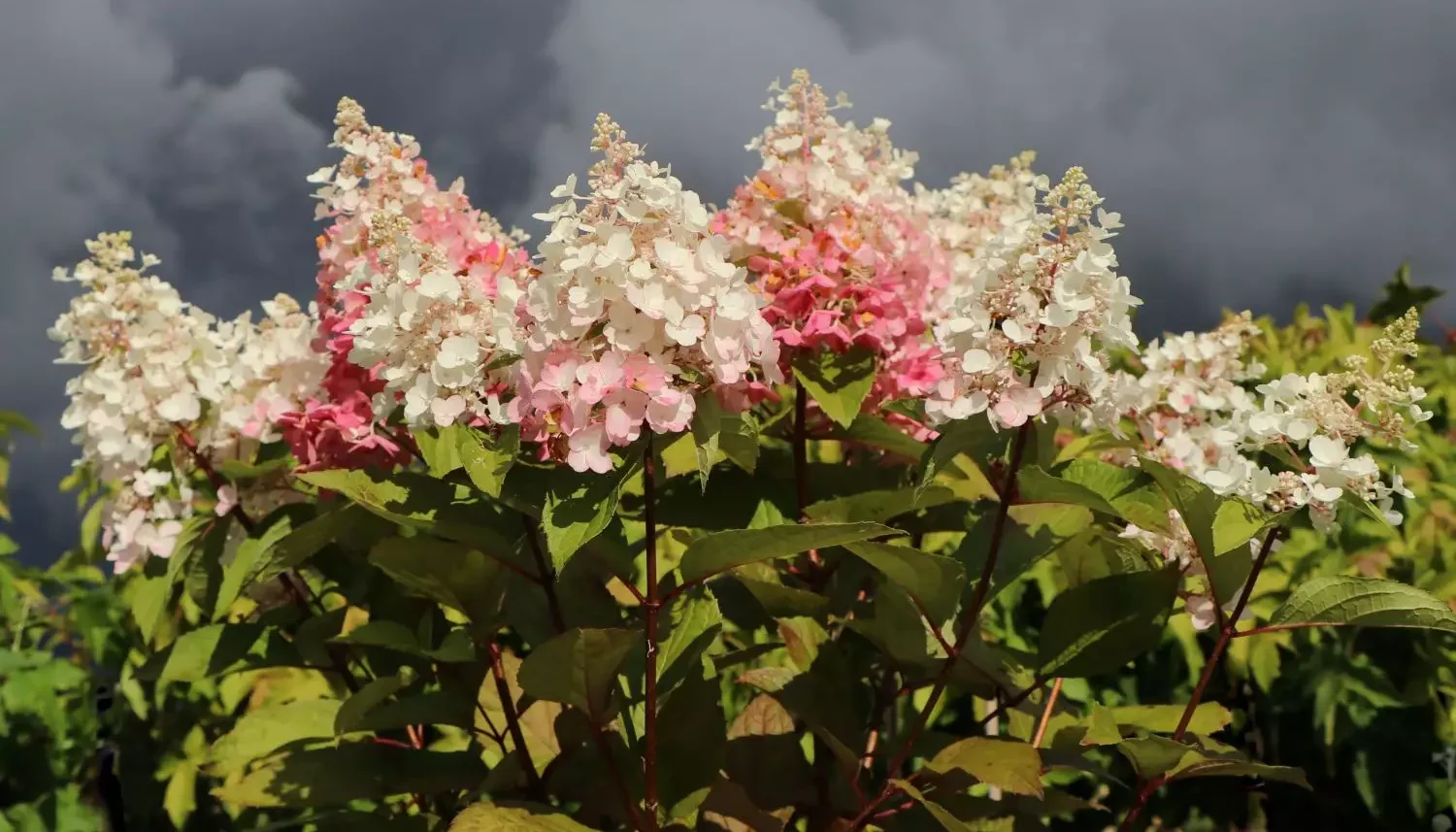
get your own tailored modern garden design:


FIND OUT HOW

Articles you may also like

Chris in nursery

A Step-By-Step “Tour” of our Nursery at Hello Hello Plants

Welcome to Melbourne (& Victoria’s) largest plant nursery – Hello Hello Plants!

We have over 250,000 plants on our 1.5 acre site, covering over 3,000 different varieties. These range from the tiniest ground covers to giant fruit trees and more.

Let us take you on a step-by-step “tour” of our nursery. We hope you can visit us in person soon.

The different zones of our nursery:

Front Display


Hello Hello Nursery front

Our frontal display outside the nursery features some of our very best bargains and some of the most exciting things we have on offer. Here you’ll find our ‘Gardens for Everyone’ promotion. This runs all year round with offers like small cottage plants, border plants or ground covers that other nurseries might sell for $10 -12, even up to $14-15, but we sell for around $7. That includes lots of things like Salvias and Carnations, etc.

succulentsYou’ll also find Succulents here and Jade plants. Lots of things that we grow ourselves or that we got in cheap on special deals. There’s a lot out front and it’s pretty big. So big, people think it’s the whole nursery, but there’s so much more to see once you step inside.

Box Section


Many modern potted plants in a garden center.

Our box section contains some of the most popular varieties, including English Box, Japanese Box, Korean Box, Privet Box and “Tom Thumb” (a kind of fake box). They are available in sizes ranging from 3-inch pots from $1.99 right up to 16-inch pots from $149.99.


English Box


Box Leaf Privet


Box Leaf Privet


Japanese Box Hedge


Korean Box Hedge


Tom Thumb Box

You can choose something small and cheap to get your started or if you need something already big and well-established, we can supply that too.

Once you choose your preferred Box, if you want 20, 30 or even 50 of them don’t worry, we stock hundreds if not thousands of them to make sure we always have what our customers want!


View more Box Hedge plants

Edibles


Hello Hello Nursery edibles fruit trees with Chris

In the Edibles section of our nursery you will find an enormous variety of edible plants including herbs and plants that produce fruits. From Olives Trees to Tomato Plants and Fig Trees to a whole range of Citrus Trees including Oranges, Lemons, & Limes, as well as Stone Fruit Trees such as Peaches, Plums & Cherries and of course Apple & Pear Trees too. 

Tomatoes

Pears

Blood Oranges

Figs

Peaches

Many of our fruit trees are available in both full size for your garden and dwarf varieties if you need to grow them in pots.

Here you will also find a wide variety of berries and almost every imaginable herb


View more Edible plants

Cool Climate Tropical Zone

In this zone you will find Birds of Paradise as well as different palms like Date Palms and Cocos Palms, and African Milk Cactus. A lot of these could be used indoor or outdoor, it’s your choice.


Bird of Paradise

Cottage Garden


Hello Hello Nursery Cottage plants

Our Cottage Garden section features a wide variety of annuals and perennials that will flower profusely and give you that delightful, colourful cottage garden you seek.

Hello Hello Nursery Cottage plants

Here you will find colourful favourites like Daisies, Foxgloves, Pansies, Petunias, Verbenas, Impatiens, etc. You’ll see lots of little 4-inch pots, all from around $7.

If you want colour all year round, not just flowers that bloom only for a short-time each year, then choose from our range of plants with coloured foliage, like Chalk Sticks for example which have a lovely silver blue foliage or Cordylines which look like small colourful palm trees or Flaxes that come in various shades.


View more Cottage Garden plants

Ground Covers

Ground covers are growing in popularity as an alternative to lawns as people are seeking to avoid having to mow. We propagate a lot of the ground covers ourselves. They are low maintenance, look great and work well to fill in between pavers or pathways as a “no-mowing” alternative to grass.

Here you will find varieties like Asiatic Jasmine, White Creeping Thyme, Silverlawn, Mint ‘Corsican’, Dichondra repens, Juniperus ‘Blue Rug’ and Casuarina – the “Cousin It” plant.


Asiatic Jasmine ground cover


Silverlawn ground cover


White Creeping Thyme ground cover


Corsican Mint ground cover


Casuarina ground cover, the ‘Cousin It’ plant


Casuarina ground cover


Dichondra repens ground cover


Dichondra repens ground cover


Juniperus ‘Blue Rug’ ground cover


View more ground cover plants

Grasslands


A row of potted plants showcasing modern garden styles on a sidewalk.

In our grasslands section you will find a wide variety of both native and exotic grasses in small, medium, tall and even flowering varieties.

Look for Pet Grass, Mondo Grass, Liriope, Lomandra, Zebra Grass and Anigozanthos and much, much more. 

Overflow Area


Hello Hello Nursery Overflow bulk stock

Hello Hello Nursery Overflow bulk stockDon’t miss our Overflow Area. This is where we display some of the best bargains we have. Sometimes we find a great deal on plants and we might buy 500 or 1000 of them. Or if we think the industry is going to run short on something for an upcoming season we buy up big to make sure our customers don’t miss out. 

When we don’t have room for all these extra special bargains, this is where we put them.

Australian Natives

In this section you will find a vast number of uniquely Australian plants including the most well-known favourites like Eucalypts, Banksias, Acacias, Grevilleas, Westringias and Callistemons in both large and small varieties as well as Kangaroo Paws.


Native plants

But here you will also find plants that are not strictly Australian Natives, like Leucadendron which is actually from South Africa, a land with a similar climate to ours. So it’s very popular in Australian Native gardens because its colour works well with our local plants.

Asian


A modern Japanese garden with colorful trees and shrubs.

If you want a ‘Touch of Asia’ in your garden, take a look at our Oriental Pearls and ‘Snow Maiden’ Indian Hawthorn, or our Bamboo section which features about 10-15 types of bamboo. You’ll also discover around 40-50 different sorts of Japanese Maples here.

Conifers

ConifersIf you pine for conifers you will love this section. We have Hedging Conifers and Avenue Conifers and Specimen or Individual Conifers. If you want conifers, we’ve got conifers!

Deciduous Trees


Hello Hello Nursery Deciduous Trees

Our collection of deciduous trees is extensive. We have Maples galore – from Norwegian Maples to Field Maples to Japanese Maples and Snake Bark Maples.

Many of these are great for an entrance area because they grow into a lovely ball on a stick with beautiful Maple leaves. Here you’ll also find the very popular Crepe Myrtles.


View more Deciduous Trees

Bare Rooted Section


Bare Rooted section at Hello Hello Nursery

Chris at Hello Hello Plants Nursery with Bare Rooted treeOur famous “bare-rooted” area is where we sell plants out of their pots with their roots exposed and free of soil. We can only do this with plants during their dormant stage so it only happens for a limited time each year.

Plants we sell bare-rooted include fruit trees such as citrus, apple and pear, a variety of roses, English Box and many ornamental trees such as Weeping Cherries and Japanese Maples. 

With no soil or pot needed for bare-rooted plants they are cheap to transport and store so you can enjoy them for up to 75% off potted prices.

Indoor Plants


Indoor Tropical Hello Hello Plants nursery

Indoor PlantsOur indoor plants section is packed with interesting and popular indoor plants. Whether you want just one to put in a little pot in the corner or to fill your whole house with them, here you will find all the popular favourites.

Look for “Mother-in-Law’s Tongue”, Devils Ivy, Aloe Vera, Spider Grass, Maidenhair Fern, Fruit Salad Plant, Peace Lily, Cyclamen, Orchids and of course, Succulents.


View more Indoor Plants

Pick Up & Despatch Area

Delivery Vans at front of Hello Hello Plants

With 5 delivery vans working all day, every day to fulfill our customer’s online orders there are always plants leaving to be delivered all over Melbourne and Victoria.

Many customers choose to come collect their online orders themselves so this is where you can go to pick up your order. If you don’t know how, just ask one of our friendly, helpful staff.

Free Garden Design Area


Free Garden Design with Chris

Just to the left of the front desk is our FREE Garden Design area. This is where we do Free Garden Designs for our customers. We get very busy on weekends so best to book in advance. We are always happy to help you design your garden for free and help you to pick the best plants and the right plants to make it look wonderful.

Feeling inspired to create your own garden, but want some expert advice? Try our one-on-one garden design service with Chris. Together you’ll come up with a selection of plants along with a layout plan that gives you the look you want, as well as being suitable for your local soil and conditions.
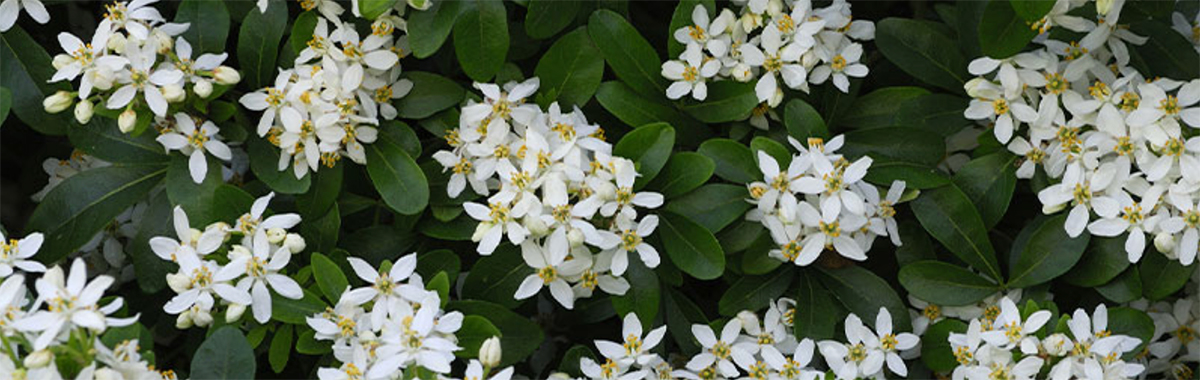
get your own tailored modern garden design:


FIND OUT HOW

Articles you may also like

Select the fields to be shown. Others will be hidden. Drag and drop to rearrange the order.
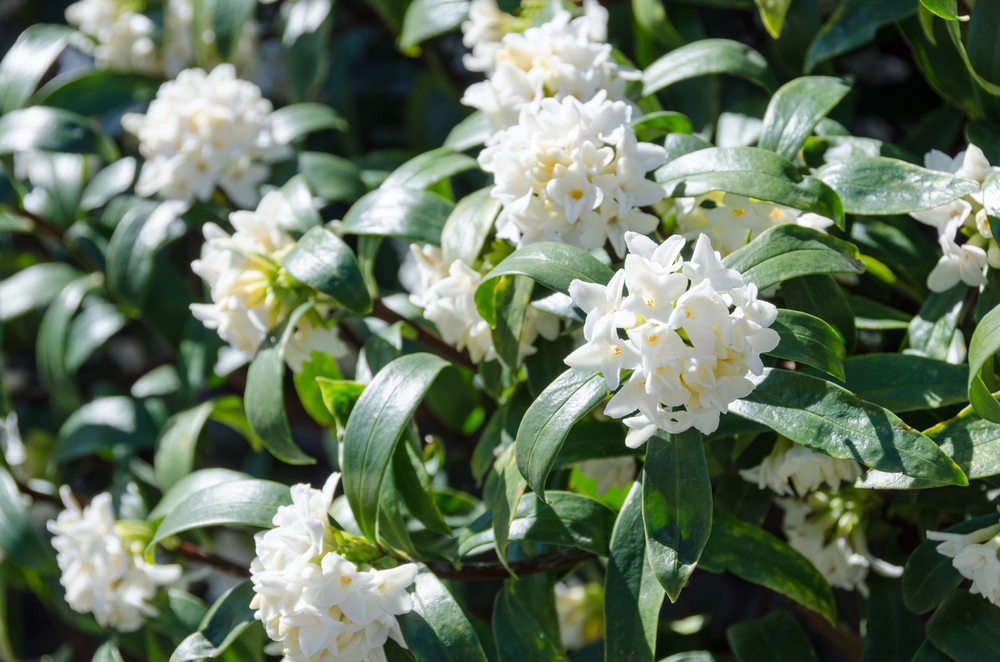
  • Image
  • SKU
  • Rating
  • Price
  • Stock
  • Availability
  • Add to cart
  • Description
  • Content
  • Weight
  • Dimensions
  • Additional information
Click outside to hide the comparison bar
Compare