There’s a lot of scenarios in which you need a garden to look great, really quickly. Perhaps you’re finishing off a property to sell, or you just bought some land and don’t want to wait years upon years for it to look good.
For under $1000 you can get a seven to ten year old tree (or two) that is going to:
Elevate your garden to the next level
Give your property an established look overnight
Increase its market value
Give you instant privacy
Buying an advanced field grown tree is buying time. Time that would have been spent watering, fertilising, maintaining, and waiting for a sapling to mature.
What is a field grown advanced tree?
Nurserymen start by planting a selection of trees out in their field. These trees are already two to four years old when planted, then are grown for three to six more years. When they are ready for their forever home, they are dug up with a special tree spade. Check out our video below on the exact process.
So you normally don’t see these trees in retail nurseries or chain stores, as they don’t have the equipment or the room to handle them. We can offer them because of how large our retail space, trucks and delivery equipment are.
Advantages of field grown over pot grown
Because they are planted in fields, they have much more space between one another than pot grown trees. This results in thicker trunks and better developed branches. They have a straighter root system, whereas in a pot the roots will coil.
Advantages of field grown over pot grown
Because they are planted in fields, they have much more space between one another than pot grown trees. This results in thicker trunks and better developed branches. They have a straighter root system, whereas in a pot the roots will coil.
Utilising your advanced trees
Plant one to five in key positions in the landscape, then fill up the rest of the garden with lots of smaller plants. Your garden will look established and elevated. When you consider the age, size and impact of the advanced trees available today, you may decide to plant the whole garden screen or avenue with advanced trees.
Advanced trees are much cheaper nowadays, because the transportation technology had improved greatly. Nurseries can now dig and deliver trees in mass. Before they were hand digging them!
Planting and establishing your tree Your field grown tree will come with its roots enveloped in an earthen ball, wrapped in Hessian and secured with a wire mesh basket to hold it all together. Lean it up against a wall and make sure to keep the root ball moist. Dig a hole that is an extra 50cm wide than the root ball. Combine potting mix through the parent soil. You want the root ball high in the hole and surrounded by loose permeable soil.
Then cut the wire basket and string around the foliage. Undo the hessian from the trunk. If the hessian is not badly rotted, you can use it as a sling to help lower the tree into the hole. As long as the hessian is not tied to the trunk, it can be left in the hole to rot.
Top dress your tree with Osmocote and soil wetter. Keep it watered so that it is moist, but don’t go overboard and waterlog it.
If trees are less than 2.5 metres tall, or if they are in very sheltered area, they may not need securing. But if they are bigger than this, then you will need to secure it. We will be posting a video soon that takes you through this special process.
Chris’ Experience with Advanced Trees
In 1985 I was operating a mail order business called Farm Fodder Trees Australia. One evening, a friend of mine, John Fenton called and said that a load of 500 advanced trees had been dropped on a farm in Yarra Glen.
He wanted me to take a look and work out what to do. So I drive out there and check out these 500 trees. They were three to nine metes tall, laying on their side, coming into leaf and drying out. Yikes. Because there was no plumbing in the field, I had to buy a pump, get it going, and set up a system of pipes and sprinklers to water them all. It felt a bit like I had a hospital of trees that all needed me to stay alive.
I made a deal with the landscape architects, and I spent the next eight weeks from dawn to dusk, seven days a week, tending to these patients. I watered, moved and planted them in conjunction with the landscape architect’s plans.
The farm where I purchased these trees had now become TarraWarra Estate winery. As you drive into TarraWarra Estate winery you drive through a magnificent forest of tall straight Poplars and the surrounding hills are covered in beautiful deciduous trees. Most of those trees are part of the original 500 trees that I planted.
A Huge Range of Advanced Trees
Now obviously you’re not going to have to go to this extreme for your tree. So why tell you about advanced field grown trees? Well, we have an exciting new range of quality advanced trees that have just been added to our website. From Silver Birches to Forest Pansies, there is a huge selection to choose from. Time travel and browse our range here.
These trees are great to make a barrier of privacy between you and your neighbours. Also great to plant along the fence line for a more lush and intimate yard.
If you want a blossoming garden for a lot of the year then we’d suggest including one or more of these trees to add to lower flowering plants for plenty of colour and interest.
Our Advanced Field Dug Small Ornamental Trees category offers a selection of mature, ready-to-plant ornamental trees, ideal for adding immediate visual appeal to your garden or landscape. In this category, you will find trees good for small gardens and spaces.
Our Advanced Field Dug Medium Ornamental Trees category offers a selection of mature, ready-to-plant ornamental trees, ideal for adding immediate visual appeal to your small to medium sized garden or landscape.
We have many field dug feature trees to choose from here. Feature trees create visual interest, provide a sense of scale, and add personality to outdoor spaces. For our bigger feature trees scroll down to our next section.
Check out our larger field dug feature trees here for making a real statement on your property and for commercial properties too. Feature trees create visual interest, provide a sense of scale, and add personality to outdoor spaces.
Weeping trees make a magnificent, low maintenance garden feature. Their elegant weeping habit and restricted height make them the ideal choice for both large and small gardens.
Loropetalums are one of the easiest and most dynamic ways to add excitement to your garden year-round. Their colourful foliage means they won’t be looking drab come winter, but in the spring, you get a special touch from those gorgeous blossoms.
With such a huge range of Loropetalums, you get to choose what colour or purpose it serves in your garden. Each type of Loropetalum can be mass planted, used as a topiary, or planted in a pot.
One of Loropetalum’s strengths is their versatility in the garden.
They do beautifully in pots, and what’s fun about this is that you get an extra feature to play with and add intrigue to your garden. For example, you could pick out a dark pot that intensifies the drama of Loropetalums, such as our Seafoam Bronte Planter Dark Grey.
Previous
Next
Or you could provide a stark contrast with a white pot like our GardenLite SquatCongo that’s really going to set off the deep purple tones of a Loropetalum like Plum Gorgeous.
You could even pick a complimentary colour shade with our Glazed Squat Egg Blue pot that is a rich deep blue and would blend beautifully with the pink-purple foliage of Loropetalums.
Loropetalums make for excellent topiaries – run them up a stake, trim them into a ball on a stick or turn them into a nice cone. Just let you imagination run wild with what shapes to make them because they love a good trim. Place them at the entrance of your home for maximum impact.
They are fantastic for mass planting. When I do a garden design, I’ll often plant three to five of them together for a good splash of colour.
The next thing you could do is plant them as a border. They make for beautiful colourful borders, but there are some types that are better suited to this. We’ll get into this in a sec.
The Best Loropetalums
When we talk about the best Loropetalums, what we really mean is the best Loropetalum for YOU. Everyone has different needs and preferences.
So for each type of Loropetalum, we’re going to describe their applications and characteristics so you can decide what is best for you (and your exciting garden).
Bobz Pink, White and Red
Previous
Next
For simplicity I’m going to put all of these together. They each have their own distinct colourway, but when it comes to most suitable applications, they are the same.
So if you’re after a low groundcover or border, these are the best options out of our Loropetalums. They don’t grow up too high, like some other Loropetalums do.
Now the foliage on Bobs Pink and Bobz Red might look very similar, but come spring, they’ll be distinct in their colour of flowers. Bobz Red, of course, has bold red/fuchsia pink flowers. Bobz Pink has bright pink/purple flowers. These flowers are small and spidery, but absolutely cover the bush.
If you have a dark brick house or fence, Bobz White is a very refreshing addition, with bright green foliage and beautiful white flowers. Bobz White is great in modern or green and white gardens.
Purple Prince
A very interesting and upright Loropetalum, Purple Prince is great for a tall narrow hedge.
Being such a fast grower you don’t have to wait long for it to be a decent size. It will reach a maximum height of about three metres, but you can keep it smaller with trimming.
It has deep purple foliage developing into burgundy in the spring and pink, fuchsia flowers.
Purple Prince is great also great for mass planting as they mound quite nicely.
Plum Gorgeous
The most striking colour of all the Loropetalums, Plum Gorgeous has deep purple foliage and bright pink flowers. It is a good strong grower and if you trim it, Plum Gorgeous will grow very wide. It is one of the largest Loropetalums.
Plum Gorgeous is great for shady areas because their foliage is so intense. With some Loropetalums you can notice the foliage lightening in spots that don’t get much sunlight.
They are great to underplant trees, cover beds or as an informal border around walls.
China Pink
China Pink is the cheapest Loropetalum. Not because of a lack of quality, but because other Loropetalums are patented and have royalties that need to be paid.
The candy pink flowers contrast nicely with the dark reddish-purple foliage.
Clip it into a purple hedge for something a bit different from the usual English Box hedge.
How to Take Care of Them
Loropetalums like nice loose soil. If you have hard clay soil, then you need to dig it up and combine it with potting mix so that it becomes light and airy. They also need plenty of water.
But if you get these two conditions right, soil and water, then you’ll find they can take quite hot, difficult conditions.
You also can’t go astray with some osmocote and fertiliser.
They can grow in full sun or deep shade but be aware that less sunlight means less intensity in the foliage. They need about three to four hours of sunlight to get that real brightness of colour. So although they’re great for some colour in the shade, they’re going to do better in sunny spots.
Some of Our Garden Designs Using Loropetalums
We’re going to give you a sneak peek into some of Chris’ Garden Designs to give you insight into how you can build a captivating garden using Loropetalums.
This is a great example of a Japanese style garden:
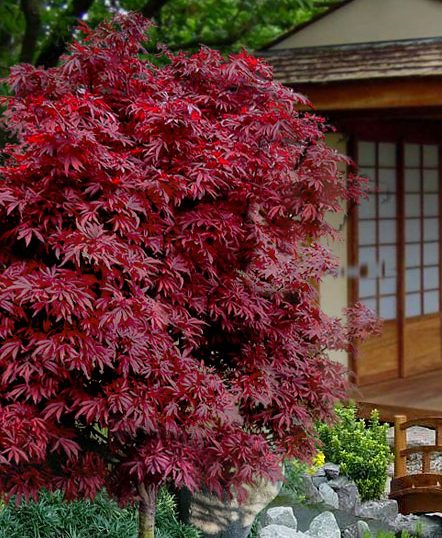
Often when I do a Japanese style garden, I’ll plant a purple weeping Japanese Maple like an Atropurpureum, with a Loropetalum at its base.
The Loropetalum provides deep purple hues, the Kaleidoscope has fine golden-green leaves, and the Licorice has bright silver foliage. They grow to be around the same size and have similar textures, but the excitement comes from the contrasting colours.
I make sure to tell my customers to clip these into balls for the maximum effect.
Here is a great solution for small shady spots:
A lot of people have a skinny garden bed up the side of their house with a big window looking out on it. You’ll also find that with these areas they don’t tend to get a lot of sunlight.
Yes, Loropetalums aren’t going to be as vividly colourful here, but that doesn’t mean they don’t still provide an excellent source of colour in shady spots.
So what I’ll do first is plant a Camellia sasanqua as a screening option to give some privacy. They have dark green foliage and produce stunning flowers in autumn or summer.
Then also up against the fence, I’ll plant a Loropetalum between each Camelia sasanqua. In front of these line of Loropetalums and Camelias, I’ll use the Liriope ‘Stripey White’. The foliage is green with bright silver stripes and grows to about 40cm.
All of these plants go together really nicely, and they’re providing you with colour and excitement even in a narrow sunless spot.
For a layered look you can’t go past these options:
I’ll use Purple Prince to grow a hedge of about 1.2 -1.6 metres in height. Because it’s fast growing and tall you’ll get this in no time. Then in front of it I’ll plant a silver hedge, such as the Helichrysum ‘Licorice’ and trim it to be shorted than the Loropetalum hedge. The purple and silver look so good together, and you’re still getting an elevated design from the neatness of the hedges.
Or another great pairing is a low hedge of Bobz Red with a golden hedge behind, such as your Ligustrum ‘Golden Privet’. The Golden Privet is bright and fresh looking, and contrasts incredibly with the purple-red hues of Bobz Red. Once again, classy but colourful.
I love doing a border of Bobz Red with a row of Convolvulus ‘Silver Bush’ in front of it. The deep burgundy of Boz Red peeks out over the top of the Silver Bush. That bright silver foliage really makes Bobz Red pop, with the white trumpet shaped flowers providing a nice contrast to the red spidery flowers.
Also don’t feel limited to hedging, remember that Loropetalums are also fantastic as topiaries so you could shape these into balls and plant them next to one another.
We love green and white gardens just as much as the next person, but if you’re looking for something more dynamic in colour, then Loropetalums are the way to go. Their versatility and wide range make it so easy to add excitement to your garden. With all the different applications and plant pairings, get creative with the ways you use Loropetalums.
So try something a bit different from your neighbour.
Feeling inspired to create your own garden, but want some expert advice? Try our one-on-one garden design service with Chris. Together you’ll come up with a selection of plants along with a layout plan that gives you the look you want, as well as being suitable for your local soil and conditions.
Did you know my dad and I planted a forest of Silver Birch trees in Mt Dandenong? You might have visited Woolrich Lookout before, but if you travel a bit further down the road, you’ll find this spectacular grove of Silver Birch trees. Sounds crazy right? You would think that a forest just grows naturally, rather than being intentionally planted by someone. But let me tell you how it all happened.
So we need to time travel to around 60 years ago when my dad started buying Birch seeds from a seed merchant in Europe. He would have these seeds sent to us by post, where we were currently living in Mt Dandenong. My dad was determined to perfect the art of growing Birch Trees, so he created and followed a really strict process.
Firstly, in the winter he would mix up the seeds with moist peat moss, put it in a bag, and stick in the refrigerator for two months.
The next step was to spread the seed on soil that had been sterilised with methyl bromide. He would lightly rake over this soil, and then go over it again to make the bed flat and compact the seed into the soil. This made sure that the seed was very close to the surface.
Then he put a timber frame with some hessian over the top of the soil bed to provide shade and contain the humidity.
Twice a day he watered the bed. Once they had germinated and were half an inch high, he would lift the hessian and timber frame to about 50cm off the bed. This allowed for airflow and reduced humidity. Dad also decreased the amount of watering at this point.
By the next winter these Birches were about 80cm tall. Now around this time that my dad was perfecting the growing process of Silver Birch Trees, we had a Finish family move in next door to our growing field. It was a husband and wife with ten children! Now the Toorkolas LOVED the Birch trees. They actually took scraps from the Birch Trees and created all sort of things with it such as brooms. They even said that if they were back in Finland, they would’ve made shoes out of the Birches! It was pretty incredible to hear about the other uses of the Silver Birch. Especially because during this era, Silver Birches were one of the most popular ornamental trees in Melbourne. Even now they’re still popular because they grow very vigorously and are a very pretty tree that don’t grow too big.
So my father spent five years figuring out how to grow Silver Birches. His biggest breakthrough was finding out that if you picked seeds locally it was much cheaper and more fertile. Once he had perfected the process, he was getting a yield of about 3000 trees per 50m x 1m seedling bed. This translated to about 100 thousand Silver Birches a year. These would be dug up and used for either potting or further field growing. There were also growers that would graft other cultivars such as weeping or purple varieties.
Let’s fast forward to 1971 where I come into the picture. My dad asked me to go into the one-year-old stock and pick out 200 of the best Birch Trees. Why? Because we were delivering all of them to the RJ Hamer Arboretum. So we sent 200 Birch Trees, and they were planted in this place with fairly acidic volcanic soil, really high rainfall, and a lot of grass and weed competition. They also likely received no care. But over 50 years later and they are doing spectacularly. I was actually a bit surprised. If you’re ever in the area I really encourage you to check it out. There’s a beautiful walking track alongside it that pops out at the bottom of Woolrich Lookout.
Now if I’m being honest with you, I haven’t thought about this Silver Birch Forest in a long time. The only reason I visited it, or am talking about it now, is because of Matti Rousi. He is a Finnish scientist that is writing a book all about Silver Birches. It’s set to be published this year under the title Book of Birch (Past and Present Use and Ecology). Betula pendula is the national tree of Finland and is planted very profusely there.
In his research he stumbled upon our website and was shocked when he discovered that we were growing Silver Birches here. As he details in his email to us “present foresters consider Silver Birch to be strictly adapted to local conditions” and “can be transferred only 200km N or S.” Australia is much further than that. So scientifically you shouldn’t be able to grow a Betula Silver Birch at this latitude. However, Rousi is trying to argue to the contrary, where Betula pendula “is very plastic” and can adapt to other conditions.
This Silver Birch Forest is living proof of that. So not only has this Silver Birch grown without any maintenance, but it also defies what many Finnish foresters believe. If you want to hear more about this, I highly recommend reading Matt Rousi’s book once it has been published.
Hope you enjoyed this little trip down memory lane. Goes to show how some dedication and a good understanding of horticulture can achieve the impossible.
Here’s to my dad,
If you’ve ever seen a bare rooted plant, you probably think it’s the ugliest looking thing ever. Why on earth would you want to buy something like that and cart it all the way home?
Well, we’re about to give you some damn good reasons why buying bare rooted is one of the smartest decisions you can make for your garden.
We’ll be specifically covering bare rooted standard roses, but if you check out our YouTube channel, you’ll see a playlist that covers many different types of bare rooted plants. Also, most of the things discussed here, will apply to other bare rooted plants as well.
What are bare rooted plants?
Bare rooting is the process of selling, transporting and storing plants out of soil with their roots bare. This is possible in winter when many plants, like roses, are dormant. Roses are the first plants arriving in the nursery for sale bare rooted this season. We have rose plants for sale in many varieties and colours, each in good quantity.
How are bare rooted roses grown and sold?
So let’s backtrack a bit – what is a bare rooted standard rose? To understand this you need to know how the growing process of roses works.
For standard roses, growers will start off with a cane field of wild roses and cut sections of cane, about two to four feet long, and then put those cuttings into the field. This happens around the start of May.
Then in the summertime they graft or bud the type of rose that they want, like an Iceberg or Mr Lincoln. Once it’s grafted, they keep growing it in the field. They’ll trim it and shape it up a little.
Then when winter comes and they drop their leaves, Growers will dig that rose up from the field and sell it bare rooted.
The other alternative, which you’re probably familiar with, is they pot the rose and sell it in the summer within that pot. So essentially, buying bare rooted is buying it fresh from the field. Got it?
Is it better to buy bare rooted or potted roses?
Okay so what are the advantages? Firstly, nurseries are able to put hundreds and hundreds of roses in a small space. This is good for you because it means you can buy in bigger bulk and have a greater selection of different types and colours.
Normally with potted roses, because they take up a lot of space, you can only get about three of one particular colour. But with bare rooted you could get up to twenty of one colour!
Secondly, it’s much, much cheaper. In summer, when they’re all potted up, you’ll pay anything from $30 to $60 for a standard rose.
Right now, we’ve got standard roses (bare rooted) starting at $15.99. So you’re paying a quarter to half the price you would be buying in summer for essentially the same plant. Insane.
Thirdly, it is a hell of a lot easier to transport bare rooted roses than ones that have been potted up. When you buy our bare rooted roses, we pull them out of the potting mix and wrap them tightly up with moist sawdust to keep it close to the roots. They pretty much just look like a bunch of sticks and they’re going to fit very easily into your boot or backseat.
If you were getting a dozen standard roses, you’d need a van to deliver them, or pull up in a big station wagon. Even then it would be a bit awkward to fit them in because they’re four foot tall in these big pots that have to be placed vertically.
Now the bare rooted version is about three or four feet long too, but they are packaged together in this slimmer bundle that doesn’t have to be placed perfectly vertical. You can actually keep them in this bundle for about three weeks. You don’t have to water them or worry about them, just keep them in a cool shady spot.
Fourthly, similar to the previous point, they are very easy to handle and move around. So you’ve popped them in your regular car and driven your standard roses home.
Now it is the easiest thing to pick dozens of them up at once and carry them to your garden. You don’t have to go back and forth, back and forth, carrying these heavy pots of roses. Because just like the groceries, no one wants to do a multi-round trip. Then you just cut open the plastic packaging and plant your roses.
To sum it up, there is a real ease in buying, handling, transporting, and planting your bare rooted standard roses. So if you have a big project with roses, or looking to do your garden on a budget, wait till the winter and buy bare rooted roses.
Standard Roses vs Bush Roses
The next thing you’re probably wondering is why would you grow standard roses as opposed to bush roses? Standard roses have a lot of advantages. Let’s break them down.
With a standard rose you are getting much more opportunity for colour in the garden.
A normal bush rose is low growing and prickly, which means you can’t grow anything underneath. Also when you’re weeding the garden it’s a terrible task. But a standard rose is going to grow up higher, meaning the prickles are higher and out of the way of the weeds. All you have is that stem down low which gives you an empty garden bed underneath, that you can fill with whatever you like. Your garden is going to be more dynamic and interesting for these different layers of plants. You could have two, even three times more colour in your garden.
Also regardless of bush or standard, there will be a time in the year where your roses are not flowering. With a bush you are just stuck looking at this bare thing, however with a standard you could be smart about it and plant something that flowers during this time. Hint: we also have a playlist on that, just check out ‘How to Have a Colourful Garden During Winter’ on our YouTube channel.
Standard roses are also an excellent solution for small gardens, as you can fit more plants in a confined space. It also brings the flowers up high where you can really enjoy them – three feet is perfect sniffing height.
The Best Standard Roses
There’s hundred of varieties, all with their own unique colour, scent, and shape. Here’s Chris’ list of what roses to actually buy if you’re having trouble making a decision:
Iceberg Roses
Standard Iceberg Roses are by far the most popular, and for very good reasons. Firstly, it’s practically prickle free. You barely get any thorns on your Iceberg Roses. The next thing is that they hardly get any diseases. With some other roses you might get spots, mould, or leaves dropping because of disease, but this rarely ever happens with Iceberg Roses. If you were to rate the hardiness of roses, Iceberg would get an 11/10.
From late September you will get masses and masses of flowers, and with plenty of fertiliser you could even have flowers in the dead of winter. These flowers come in clusters of threes and fives which makes for a very beautiful show. What’s really interesting about Icebergs is that they are actually a family of roses. many years ago there was only a white Iceberg. Now you also get shades like a rich pink or burgundy. Which means you can add an extra dimension of colour in your garden, whilst still having that strong flowering and disease resistant characteristics.
Double Delight
A big reason why people buy roses is for the fragrance, but there are quite a lot of roses out there that fall a bit flat when it comes to potency of scent. Double Delight is not one of them. You practically get punched in the nose with an amazing powerful rose scent. It’s also just a gorgeous rose. You have a bit of white, a bit of cream and a bit of red, combining in this delightful medley of colour. On top of that you’re getting a tough, mostly disease resistant rose.
Charles De Gaulle
We’d actually love to rename this rose as Blue Moon, because it’s everything people hope the Blue Moon to be. It has the romance of the Blue Moon, but a much more vibrant mauve hue and a stronger scent – about three times stronger than the Blue Moon. Just like the other roses on this list, it’s also disease resistant.
Mr Lincoln
This is another all-time classic. Probably one of our number selling roses, it has that classic red colour. That beautiful dark velvety red is practically begging to be plucked and given to your amor. Its scent has a unique richness and depth to it that is very captivating. You just cannot go wrong with Mr Lincoln. Somebody wants a red rose? Give them Mr Lincoln.
Camp David
Now this is like the slightly less great cousin to Mr Lincoln. It’s still a great rose, and it’s honestly quite easy to mistake it for Mr Lincoln. The red shade is slightly lighter, a more medium sort of red. Camp David is an easy rose to grow, with a lovely fragrance. It has low chances of disease and doesn’t require too much work in the way of trimming and spraying. We’d put it at about nine-tenths as good as Mr Lincoln, and even place it as almost being up there with the Iceberg. So if you’re after a red rose that is easy to look after, then get Camp David.
Oklahoma
This is another beautiful red rose with a really lovely smell. It will bloom in flushes throughout the season and has this gorgeous dark green matte foliage. This is actually one of our Growers absolute favourite roses for scent. So if you’re wanting a red rose with an incredible scent, then Oklahoma is a great choice.
Pope John Paul
Pope John Paul is a very sophisticated looking rose, perfect for those modern or classy gardens. It has a magnificent fragrance and the ultimate double flower. Pope John Paul is actually grown in the Vatican’s private garden! On top of that it has won medals all around the world for its fantastic fragrance and superior disease resistance. What a rose!
Peace
For SO many years, Peace was the most popular rose in the world. Which it fully deserved to be. The colours are absolutely superb, a yellow centre blends into cream shades, ending with pink tips. The fragrance is lovely but not overly strong. It’s one of those all-time classic roses and even though it’s not as popular anymore, it should never be forgotten.
Just Joey
We don’t think anyone has ever come up with a better orange rose than Just Joey. The centre is a beautiful rich orange, moving to a delicate peach hue on the edges of the petals. Just Joey also has a wonderful fragrance. It’s fairly disease free, easy to grow, and an all-round hearty rose. There may be other roses with a tinge of orange to them, but there’s nothing else quite like Just Joey.
Gold Bunny
If you’re after a yellow rose than Gold Bunny is perfect. It doesn’t have much of a fragrance but makes up for it with its exquisite shade of delicate yellow. Just take a look at how beautiful it is! I actually love pairing Gold Bunny with Charles De Gaulle, because the yellow and purple shades look so good together. But even on its own, Gold Bunny is a standout.
Fragrant Charm
Planting this rose through a garden looks amazing. The colour is incredible, and the fragrance is even more incredible. Whoever named this definitely made the right call. The colour is a vivid pink-red and the flowers are enormous. Fragrant Charm is a good strong grower, but it’s one that not a lot of people know about. So we’re bringing it to your attention here. The striking pink looks great mass planted. Although it’s wonderful having a variety of different roses, but if you’re only after one rose then Fragrant Charm makes a big impact.
Best Plants to Pair with Roses
If you’re making a rose garden, there’s more to it than just roses. Sure you could fill every square inch with roses, but uhm well, I figure most people are not looking to do that.
English Box
We’re actually about to start selling bare rooted English Box, which makes this pairing even more perfect. Regardless though, the dark green of an English Box hedge or topiary compliments Roses incredibly well. Particularly if you are using a Standard Rose, which will stand up well above your hedge and create those dynamic layers mentioned before. The English Box looks great all year round and is a Melbourne favourite.
Dwarf English Lavender
Many types of Lavender would work great with Roses, but we’ve specifically chosen Dwarf English Lavender for its flowering peak in the summer. This is when your roses are also going to be looking their best. So you have this fabulous display of roses and lavender all at once. Munstead or Hidcote are great Dwarf English Lavender options for this summer flowering.
Catmint
Catmint grows into a nice little mound that has multiple periods of flowering in the summer. So it will flower, finish, you trim it back, and then it shoots up and flowers again. It will do these two or three times in the summer. You can get it in a blue or white shade. Catmint is quite a small plant so nowhere near as big or demanding as your Lavender.
Blue Convolvulus
This is one of our favourites to plant under roses, especially Iceberg Roses. The powder blue shade looks incredible with the stark whiteness of the Iceberg. Blue Convolvulus is a really hardy plant and a very fast grower. If you have rows of standard roses and you plant Blue Convolvulus between each row, it will cover the whole garden bed in no time. Blue Convolvulus flower from mid-September right through to early May. So by the time your roses come into flower, Blue Convolvulus is already putting on a spectacular show. We have a lot of customers come in looking for a plant pairing with their rose, and we almost always suggest Blue Convolvulus because its colour goes with pretty much any rose.
Gaura Butterfly Bush
Gaura flowers from spring through to autumn, meaning that they are flowering at the time that roses are peaking. It has this lovely feathery foliage with flowers that are aptly named for their butterfly appearance. When the breeze picks up, it truly looks like a cloud of fluttering butterflies. This light and fluffy appearance looks great with roses, you’ll actually see a lot of florists pairing the two together in their floral arrangements. You can get Guara in white, light pink or dark pink, which means you can decide what hue compliments your roses best.
The key thing with these choices is that they are a supporting act to the rose, not a competitor for the spotlight. With flowers like Dahlias, they almost seem to compete for attention as the key feature in the garden. Now there’s nothing wrong with that, but we quite like the way that the four plants highlighted here, keep the rose as the star.
So there you have it – the reasons why you should buy bare rooted standard roses and how to build an incredible garden with them. If it isn’t obvious, we are currently selling tonnes of bare rooted standard roses, so now is the perfect time to come down to Hello Hello. Just come in your regular car and save up to half the amount you would have in the summer.
See you there,
Chris
Feeling inspired to create your own garden, but want some expert advice? Try our one-on-one garden design service with Chris. Together you’ll come up with a selection of plants along with a layout plan that gives you the look you want, as well as being suitable for your local soil and conditions.
Normally when people talk about autumn colour, they mention the Fraxinus ‘Claret Ash’ Tree or Liriodendron ‘Tulip Tree’. They do have incredible autumn colours, only problem is they grow to about 8-12 metres tall. This would practically overtake a front or backyard of a normal suburban house and likely destroy the courtyard of a unit. A lot of people have smaller spaces, they’re working with balconies, pots, tiny garden beds, courtyards, limited front yard space, and so on. But this doesn’t mean you can’t enjoy the brilliance of autumn.
These are the plants that you need to create a garden that is set alight with scarlets, golds, ambers and all those fiery shades during the months of autumn.
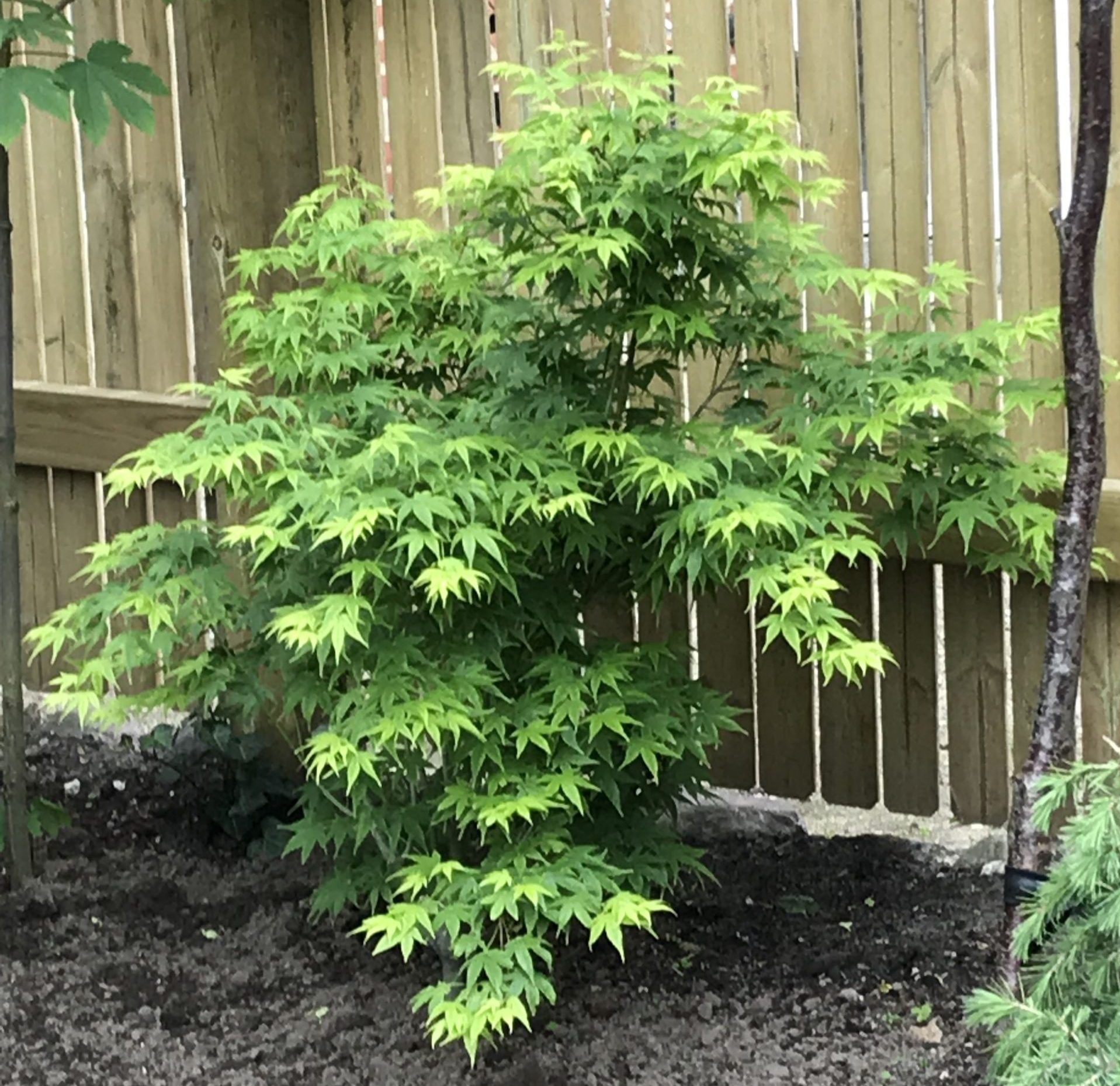
Also known as your Plain Japanese Maple, this is a great option for those who want a Japanese Maple, but don’t want to spend too much money on it. But this doesn’t mean it’s lacking when it comes to beauty. The fine foliage transforms into a striking red-pink shade that would stop anyone in their tracks to admire. When I was a kid, I actually used to cut big bunches of it and sell them on the side of the road, and people pulled up and bought it like crazy. I don’t know if that would still happen nowadays… but anyways, the great thing about your Japanese Maple is they’ve probably got one of the safest root systems of any plant.
So you can plant them close to the house or in a little courtyard and having nothing to worry about. They’re very versatile – you can cloud prune them, or you can bonsai them. They’re also a tree you can keep in a pot for years, as long as you properly take care of it. Water and fertilise it enough, with some Osmocote or Dolomite Lime, or it’s going to turn brown by the end of the season. A little tip, if you’re getting early autumn colour then this is actually not a good thing. It’s a sign of stress, dryness and perhaps a lack of nutrients. So just make sure you’re taking care of your Japanese Maple, and it will reward you with brilliant autumn colour.
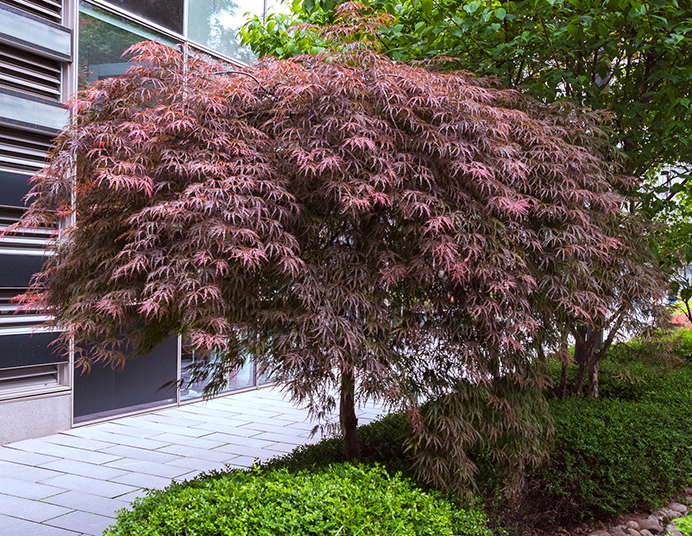
Of course I’m going to include another Japanese Maple – they’re just too gorgeous in the autumn to not. In perfect conditions they only end up as a four-metre tree, and with a bit of a trim you can keep it down to two and half or three metres. I often tell people to Google Senkaki Maple, so go ahead and do it. A little bit confused? You’ve probably gotten a page of entirely different coloured foliage and you’re thinking whether it’s all the same tree, it is.
Basically Senkaki Maples move through a wide range of hues throughout the year. In winter they’re bare, with that crimson bark on display. In springtime, the softest green foliage comes through, where the crimson branches just peek through. Towards summer you start to get dashes of pink and orange tones that expand as summer goes on. Then by the end of summer and turn of autumn, you have an iridescent gold, with some touches of pink and orange. In the final stages of autumn you get red hues, before the leaves drop. Just magical. This is a tree that is going to provide delight and interest year-round. They also go with almost any style; modern, classical, Japanese, they always look incredible. So if you’ve got a tiny area with room for only one tree – then hands down you have to pick a Senkaki.
Smoke Bushes are fabulous plants with a beautiful reddish/purple foliage most of the time. Then in autumn it shifts to orange, red and yellow shades. They love a hot sunny spot and with a bit of a trim can be kept down to one and half metres tall, or grown up to around two and half/ three metres tall. I wouldn’t put them in a pot, rather plant them in the garden bed. They’re a lovely thick bush that also flowers in summer. The flowers are a smoky grey and contrast beautifully with the foliage. What’s great about the Smoke Bush and Senkaki is that they’re not boring all year with only a show of colour in autumn. They give your garden colour for nine months and then have an amazing crescendo of autumn colour too.
Kojo No Mai has a curly kind of foliage with beautiful tiny pink-white blossoms during the springtime. It’s grafted up on a standard and you can buy it as a low standard or a tall standard. It’s quite a compact plant that you can grow in a pot, making sure to water and fertilise it well. But you can also grow it in the garden. It looks beautiful year-round, in the summer it has green pine foliage and blossoms, in winter is has interesting curly branches, then come autumn you get magnificent burgundy autumn colour.
There are all different types of Berberis with different autumn colours, but today I’m going to talk about the Purple one. You can plant it as a hedge and trim it into a square, or you can trim it into a ball. The Purple Berberis is the most common and popular of the Berberis. As you come into autumn it will be this bright purple that shifts into shades of orange, yellow and red. With a trim you can keep it under a metre, or let it grow to its full height of about two metres.
You can mass plant it for a beautiful splash of colour in your garden, or even plant different types of Berberis and have a wide array of shades. For example there is the Berberis ‘Little Favourite’ Barberry that has burgundy purple foliage which changes to a bright red and orange in autumn, with cream flowers during the springtime. I’ve never used them as a pot plant, but I don’t see why you couldn’t, as they’re a hearty and easy to grow plant.
This is the Dogwood that most people know, with its beautiful white flowers and lovely red autumn colour. What’s great about White Dogwood is that it’s quite an exotic looking plant and its autumn colour is long-lasting. You don’t expect a plant that looks so incredible in the summer, with its riot of intricate flowers, to then give you such fabulous autumn colour. Your Dogwood is an understory tree, which means that it naturally grows in the forest underneath other trees. So if you have some great big trees or a two-story house towering over your place, then the White Dogwood will thrive in that shady spot. Just make sure you give it loose soil, bit of water and a bit of fertilizer.
Similar to the Senkaki maple, if there was only room for one tree than the Crepe Myrtle is a great option. Your first thought of the Crepe Myrtle is likely the beautiful pink-white flowers, which is quite magnificent. But not long after the flowering is finished, you get the most vibrant autumn colours that lingers for weeks. Some autumn colours are beautiful but fleeting, here today and then gone a few days later. But with the Crepe Myrtle, the autumn colour goes on and on. The different varieties of Crepe Myrtle all have slightly different shades. The Sioux is one of my favourites for its beautiful soft pink flowers and smaller size. Some Crepe Myrtles will grow to four or five metres, but Sioux doesn’t get much bigger than three metres. With a bit of pruning you can easily keep it to one or two metres.
Another great feature is that once they’ve matured, they get this beautiful pattern on their bark. With some flowering trees they’re only pretty in the springtime and boring for the rest of the year, but the Crepe Myrtle provides excitement year-round. If you do have the space, Crepe Myrtles are fantastic mass planted up a driveway or avenue, but even if you just have room for one tree, it’s still going to look fantastic. With beautiful bark, exquisite flowers, and brilliant autumn colours, the Crepe Myrtle really earns its keep as an ornamental tree.
I never thought that the Blueberry Bush had good autumn colour until Carl, a great nurseryman, brought one of them. This was back when I had a nursery in Emerald, and he would grow a few plants for me. Carl brought in this beautiful bush, about half a metre tall and half a metre wide, and it had the most beautiful autumn colour. I asked him what it was, and he told me it was a Blueberry Bush. I was quite surprised. You can grow it in a pot, or a little corner of the garden, and it’s going to give you cute flowers then fantastic autumn colour. Not to mention you’re also getting blueberries!
This is one of the most underrated plants for autumn colour. In spring and all throughout summer you have these fantastic flowers. But then with other types of hydrangeas, pretty much straight after Mother’s Day, the leaves would turn rotten and fall off. It would look like something from a horror movie. But your Oakleaf has intense autumn colour, a deep purple shade, and the leaves don’t drop off. They stay there until new bright leaves come in around middle of September, then you have this period of time where green leaves are appearing amongst purple leaves, creating a kaleidoscope of colour. Also compared to other hydrangeas it’s a bit lower and wider growing. They’re my favourite hydrangea because come winter, they don’t shapeshift into a creature from a horror film.
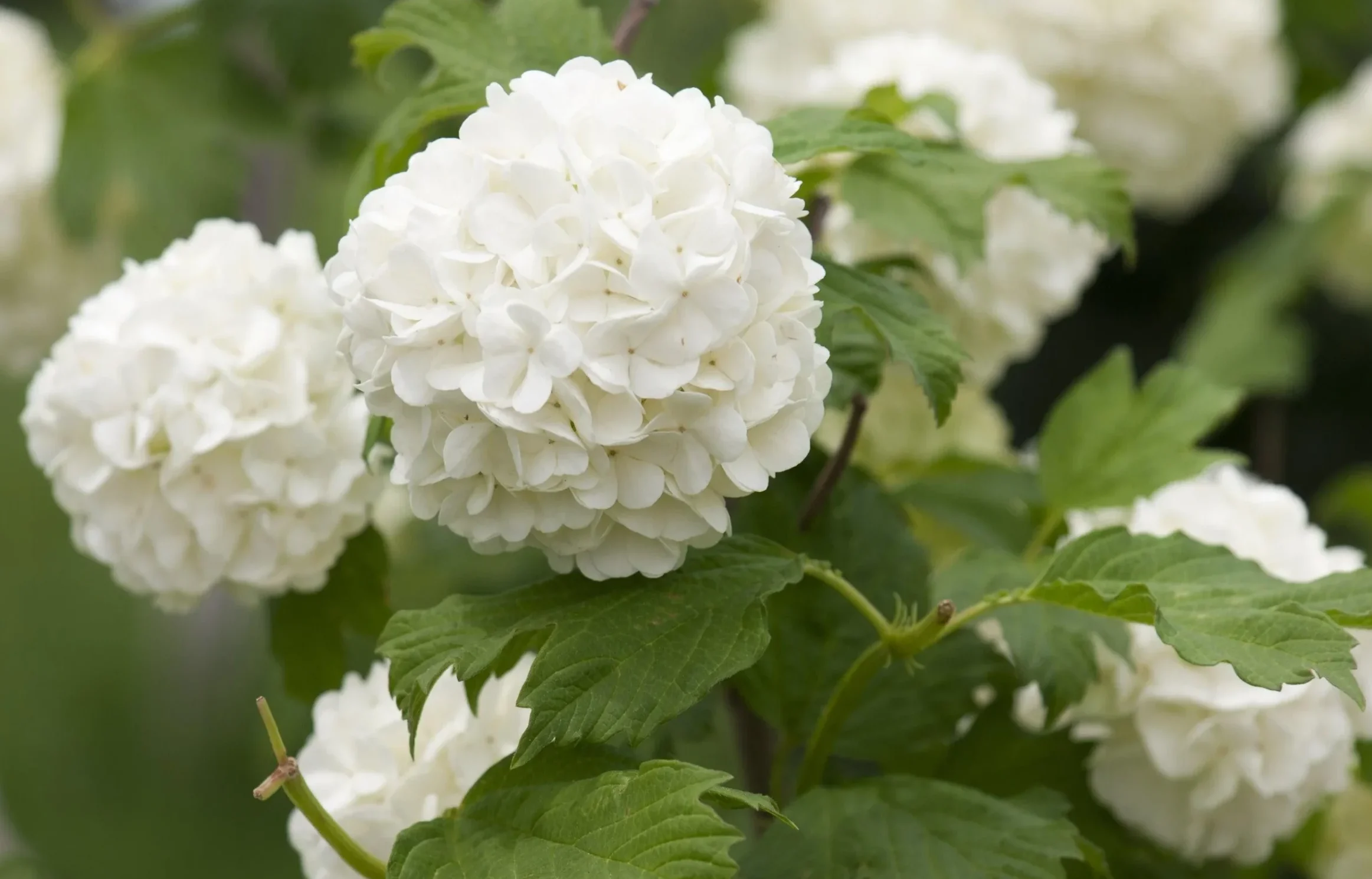
A few decades ago these were the most popular bush in Melbourne and it’s easy to see why. With those clusters of creamy white blossoms, they truly look like snowballs or even clouds, covering the bush. Back then I never noticed how nice their autumn colour is, but I found a patch of them in the nursery today and they look incredible. You’re probably noticing that a lot of the plants on this list aren’t just great for their autumn colour, but rather give you beauty in so many other ways too. It’s because you don’t plant a garden just for one season, you plant a garden to give you eternal wonder and delight. Surprisingly, the Snowball Bush isn’t as common nowadays, so perhaps a resurgence like the ornamental grass is due (stay tuned for an article on ornamental grasses coming soon). They’re super compact so perfect for a tight space. The foliage starts out as a bright green, then with autumn it changes to a gorgeous reddish orange. Even the flowers themselves do some colour-shifting, beginning as an apple-green, morphing to white, and eventually fading to a rosy colour.
Look, we could do an entire list on Japanese Maples, but I’m trying to be very selective with which ones I put here, because not everyone wants a Japanese Maple. But the Shaina is really a standout because it’s a miniature Japanese Maple that is perfect for people tight on space. Shaina has very fine leaves and dense foliage which add to the intensity of its red colouring. It’s so small you can have it in a pot and keep it there forever. If you never trimmed it, Shaina would probably end up two metres tall in 10 or 15 years, but if you trimmed it a little bit you could easily keep it a metre tall.
The ‘Sugar’ Maple is one of my all-time favourite plants for autumn colour, so I wanted to include this too, however this is quite a large tree. In autumn it is a bright yellow with more subtle tones of orange, pink and red. It almost looks like it is glowing with soft flames. Because of this, it’s typically overlooked, but I love the subtlety.
The autumn colour of Boston Ivy is unbelievable, not to mention how beautiful and luscious it looks in the summer. Use the right soil, bit of water and fertiliser, and keep it trimmed for the best look. Boston Ivy is a climber so it can really elevate a wall, fence, or the side of the house. Then in autumn the dark green foliage will turn crimson, standing out dramatically against the rest of your landscape.
So there are some of the plants with the most brilliant autumn colour. Of course, this list isn’t exhaustive, but I wanted to make this for those who want autumn colour, but are completely overwhelmed by all the choices. You’ve probably noticed here in Melbourne that summer is well and truly gone, the days are getting colder, and the sun is setting sooner. Autumn is officially here. Which means there is no better time to come down to Hello Hello and see for yourself the incredible autumn colour on these plants.
May your autumn be filled with fiery hues,
Chris
Feeling inspired to create your own garden, but want some expert advice? Try our one-on-one garden design service with Chris. Together you’ll come up with a selection of plants along with a layout plan that gives you the look you want, as well as being suitable for your local soil and conditions.
There has never been more shade in Melbourne as there is now. Townhouses, units, and apartments are on the rise. Backyards are getting smaller. Sunlight is becoming more blocked. But everyone still wants a garden filled with plants. And you should have that. I spent today going around my nursery and picking out a trolley of the ten best plants for shady areas. I was really intentional with my choices because what I keep hearing from my customers is how they want flowers and colours and beauty in their garden.
Look, this list could’ve been just every type of Ajuga, but I doubt you’re going to want that. Instead, I’ve included a huge range of versatility in this list, because I understand that everyone has different needs. For some it’s a shaded wall that needs covering, for others it’s a spot in a garden bed that their neighbour’s two storey house casts a shadow over. Whatever it is, let’s bring lushness and colour into your shaded areas.
One of the most popular choices, the Tractor Seat Plant look spectacular with their dinner plate size leaves. They’re a powerful feature with modern architecture and would look great on a portico. Also they’re very handy if you have a south facing house. You can grow it in a pot or in the garden. Your Tractor Seat likes well drained soil, plenty of water and a little bit Osmocote fertiliser. They’re supper happy in deep shade, but they also do well in morning sun and afternoon shade.
Hydrangeas are actually another plant I could’ve filled the entire list with. But I’ve just picked the Candlelight for today as it’s one of your more modern Hydrangeas. Candlelight has gorgeous foliage and flowers, with an upright shape that is different to other Hydrangeas. They start out white in the spring and end up a lovely shade of pink. It’s a spectacular feature to have in a key spot in your garden, and you can grow Candlelight in a pot or in the ground. Don’t think that your shaded area has to be boring, you’ll be surprised at how many gorgeous plants are on this list.
The Mexican Orange Blossom is perfect if you are looking for a hedge, ball, or screen option. They grow to about two and a half metres tall, I actually used to trim a hedge of this for a lady when I was a young gardener. That hedge grew in deep shade underneath oak trees, probably never saw the sun, and it absolutely thrived there for year after year. Mexican Orange Blossom flowers late winter early spring and has a delicately fragrant white flower on it. The fragrance is quite gentle and if you are after something with a bit more of a kick to it you should check out my article on the Top 10 Best Plants for Incredible Fragrances. Don’t feel constrained to the shade with this plant, if you have other spots in mind too, Mexican Orange Blossom also grow well in the sun. The great thing about the Mexican Orange Blossom is you can keep it as a low hedge around 90cm tall, let it grow into a bigger hedge, or even trim it into a ball. I’ve seen many gardens with it as a ball, and it makes for quite a stunning feature with the luscious green foliage and white flowers. I’ve also seen where they were mass planted it in a big shady area under a corner of trees and it looked fantastic.
The Stripey White is one of my favourites to use in the shade because it’s a nice mid-size plant that fits in a lot of areas. The creamy white stripes and white flowers add brightness and colour, which so many shady spots need. It’s also really hardy and versatile, so if your spot gets some sunshine too, then that’s fine. Let’s say you have a hedge, the Stripey White is perfect to jazz up that space at the bottom and create a dynamic look. Also if you don’t love the look of the Stripey White, but still want a strappy grass, we have a Mondo Grass and Liriope Section at the Nursery which you should come check out. Pretty much all the Liriopes and Mondo Grass love the shade, just be cautious with sunlight because most of them don’t like the sun.
I get a lot of clients that have a narrow strip of dirt between two houses, and they want to put up something tall and narrow that’s going to grow quickly. Chinese Star Jasmine is the solution. You can grow a lush, bushy wall of Chinese Star Jasmine that is just 30cm wide with some trimming and training. The downside is that you do need a structure for it to grow on, whether that be a trellis, wire mesh or some cables. Chinese Star Jasmine will not naturally grow on a fence by itself. If you want quick cover then you need to plant them quite close, about 80cm apart, and give them plenty of water and fertiliser. They are quite a fast-growing plant though. You’ll find that once they’re more established they start to grow these big, long arms. A smart idea is to buy some clips and you can actually position them as you please against the wall, as the plant is quite flexible. Do this for a couple years and once you’re happy with the coverage, you can start to shear those long arms off.
Okay let’s take that same problem I was talking about before and give another answer with different applications. Camellia sasanqua is an evergreen flowering shrub that you can keep quite narrow, about 50cm wide. They are a lovely thick hedge that are great if you don’t have a fence, or you’re not interested in building a trellis-type structure. They also flower for months of the year, during autumn and winter. Now you wouldn’t think that Camellias do well in the shade, I sure didn’t think so when I was a kid. But it was my dad that showed me otherwise. He used to run his own nursery growing business and he got me to plant a bunch of Camellias in this steep little gully that never got any sunshine. I was thinking, this poor old bugger, he has no idea what he’s doing. But lo’ and behold, a few years later and they were absolutely thriving. So Camellia sasanqua will grow really nice and bushy in a spot where the sun never shines.
What a gorgeous medley of colour! You’ve got greens, creams, dusky pinks and burgundy/rose in the leaves, then a splash of bright purple blue in the flowers. If that isn’t already great enough, what I love about Ajuga is that technically they’re actually a bugleweed. Now I’m a bit cheeky because I like things that have a little bit of weed in them because they grow so easily. Nothing crazy, it’s not going to spread through the neighbouring bush and kill the koala bears or anything. But if you have a big bare patch under your trees, the Burgandy Glow will take a bit of sun. I just love the mix of colours, the Burgandy Glow is so pretty and you don’t have to worry about any thorns or anything like that.
I love the Te Puna because of its gorgeous big leaves. It’s an evergreen bulb and you’ll end up with a big clump quite quickly. Now they are a little bit expensive, but you can spread them out a fair bit. In the springtime they have beautiful sprays of white flowers, and they look really attractive through the summertime. They can take a bit of morning sun or speckled sun but keep them out of direct, all-day sunlight. They love full on shade with a little bit of water. Best of all, they are so easy to grow.
Azalea flower beautifully in late winter early spring with a stunning show of big flowers. You can get them in all different colours, from white to red to a soft pink. These are perfect for that shady spot on the patio. Or you can plant them in the garden in a shady spot. No matter where you put them, they’re going to give you a gorgeous pop of colour.
Lucky last is your Winter Rose. They have exquisite flowers that come in different shades such as white, dark purple and a brown-red. These will flower in the absolute dead of winter, giving you colour when you most need it. They also have beautiful foliage for when they’re not in bloom. They grow into a large and low bushy mound that look really good all year. People will often buy a large number of one colour and mass plant it for a cohesive look. It’s a hardy plant that grows in the deepest shade.
So there you have it. We’ve looked at shrubs, ground covers, hedges, and climbers. Of course this list is not exhaustive of every plant that does well in the shade, so if you’re still looking for other options, come book a free garden design with me. With my garden design you can get a plan drawn up that is specifically tailored to your wants and the suitability of your garden. If you just want to have a look around, the best way to tell if you like a plant is to come in store and take a look at in person. I can’t wait to see all the gorgeous colourful gardens that persevere despite the shade.
See you next week,
Chris
Feeling inspired to create your own garden, but want some expert advice? Try our one-on-one garden design service with Chris. Together you’ll come up with a selection of plants along with a layout plan that gives you the look you want, as well as being suitable for your local soil and conditions.
Hello Hello!
Today we’re going to be talking about how spectacular Olive Trees are. If you’ve been considering getting one, then this article is perfect for you. But even if it hasn’t been on your mind, this may convince you to get one.
Olive Trees are incredibly hardy. They grow in the most barren, windswept sites that have poor soil and hot conditions. They’re even frost hardy, wind hardy and drought hardy. Despite this, they grow lots of fruit with little effort. Also they’re easy to grow and are very long living. Olive Trees have many different applications – from the fruit they bear to the ways you can use them in the garden. Let’s dive into each of these points deeper.
Applications
The most obvious benefit here are the olives! Sure you might just be thinking about plucking them and tossing it in a salad, but there’s actually so many different things you can do with an olive. You can make it into pickled fruit. You can extract the oil, which can then be cooked with or tossed over some bread. You can even use the oil in hair care or skin care. Also the leaves can be used in herbal applications. The options just go on and on.
But what about in the garden? Apart from using it as an orchard, there are lot of other ways you can plant an Olive Tree. One of those ways is as a hedge or windbreak. I’ve seen beautiful windbreaks around vineyards, and it gives you that wonderful Mediterranean look to have Grapevines and a beautiful Olive Hedge. You can trim them up quite nicely to make a tall, narrow hedge or stick them in a pot and make a topiary out of it. Really, you could shape them as you please – a pleached hedge, a ball on a stick, even cloud pruned. Cloud pruned is when you trim the branches into lovely little series of balls – we have pictures on our website if you’re still confused.
If you have an apartment, you can grow Olive Trees in a pot on the balcony and trim them down to the size you want. They’re actually perfect for a spot like this, because a lot of the time a balcony in a high-rise apartment is a hot windy spot, where not a lot of other plants can survive. They’re fantastic as a feature plant – I’ve seen so many restaurants use them as such, and they look incredible. Don’t feel restricted to growing your Olive Tree just in the backyard. They work fantastic on the nature strip as well. This is because it doesn’t seem like the birds go for them. I visited a street of Olive Trees in Campbellfield and there were heaps of olives. If that had been apples or plums, birds probably would’ve eaten them all. So they’re a hardy tree that you don’t have to worry about too much. From a landscape point of view, the Olive Tree provides you with so many choices.
Also a little note – I often get the owners of Italian or Greek restaurants that want a Mediterranean feel to their interior décor and so want to put an Olive Tree inside. But see the thing is, Olive Trees don’t do so well as indoor plants. What I’ve found from talking with customers is after a few months they go backwards. So what I’d recommend is buying two Olive Trees, placing one indoors and one outdoors, and then about every week or so, changing them around. Which I get is a lot of effort, but hey, if you really want an Olive Tree indoors this is just what you’re going to have to do if you want to keep it alive and thriving.
Garden Style
I’ll often use Olive Trees in my Garden Designs. Now if someone is wanting a cloud pruned one, I’ll typically steer them towards getting an advanced Olive and trimming it themselves, as a cloud pruned one can be really quite expensive. I like to plant an Olive Tree as the centre feature and then surround it with plants such as Correa alba balls, ‘Blue Fescue’ Grass or any other nice grasses. So then your feature is this hardy evergreen tree that is low maintenance and going to last for a long time.
Let’s chat about how you can get the best out of your olives. First step – decide what sort of olive you want. There’s the kalamata olive, which is delicious, and for the best performance you need to grow it alongside another Olive Tree that it can cross pollinate with. In general it’s a good idea to plant a couple varieties together, and make sure to do you research about what varieties compliment each other nicely to get the best amount of fruit. For example, there are types of Olive Trees that have been bred for hundreds of years just for their oil, or Olive Trees that are very productive but have fairly small fruit. Then you also got your Olive Trees that have medium sized fruit and are good for oil or pickling. This is why you need to first think about what you want out of your olives – fruit, oil, or both?
Next step is to figure out how many trees you can fit in your garden for optimum cross-pollinating. Don’t freak out – I’m not saying you need to go and shove as many Olive Trees in your garden as possible. You really just need two to three Olive Trees, if you got space for more and you want more, be my guest. Even just one is sufficient. I have a friend in Adelaide, and they keep their family going for the whole year with the oil press from just the Olive Tree in their suburban backyard. By the way, everything I’ve said here does apply to an Olive hedge as well – so don’t forget that is an option too.
Suitability & Care
Most of the places where Olive Trees are growing is broken limestone country. So the alkalinity is fairly high, and luckily most of Victoria tends to be more acidic. So for your Olive Tree plenty of Dolomite Lime is really good, a bit of fertilizer – organic or artificial, and some summer water. Keep the grass and weeds away from the bottom. They love a hot, open, and sunny spot. If you live on a beach front an Olive Tree is perfect. A lot of plants would shrivel and die from the salt spray coming in. But an Olive Tree just takes it and keeps on thriving. A real trooper of a plant.
Pricing
What a great tree, it must be so expensive! Nope. They’re actually very much a reasonably priced plant, and if you buy them small, they can be quite cheap. If that isn’t already great enough, we’ve got a special on some Olive Trees going on at the moment.
Previous
Next
If you go to our website, you’ll see a lot of different varieties for sale (some linked above), and we have advanced options as well. I get the website can be a bit overwhelming with all the different types so please don’t hesitate to reach out to us for some help. You can come down to store or ring us up, we are more than happy to give you advice and figure out what type is best for you.
Things To Be Aware Of
Let’s dive into some rapid-fire technical details. Black or green olives? Well, actually your tree has both. Generally speaking, your tree will start with green olives then as they ripen up, they’ll turn black. If you get a super heavy crop one year, it’s likely you’ll get a much lighter crop the next year. But this tends to happen more with the older varieties, as the newer varieties have been bred to be more consistent. Which is why it pays to have a few different Olive Trees working together, cross-pollinating, and increasing the crop.
Olive Trees don’t have a particularly dangerous root system, I’ve never heard an architect saying to be cautious of planting an Olive Tree around the house. You need to be mindful of the fact that some Olive Trees don’t fruit such as the Swan Hill or the Tolley’s Upright. The Tolley’s Upright is very tall and upright and has a different style of foliage. The Swan Hill is more spreading and conventional with barely any fruit. So if you’re after the look of the Olive Tree without the olives then these would be perfect options. Or you can just take a fruiting Olive Tree and treat it like an ornamental plant – the black olives look quite lovely against the silver foliage.
In Closing
Okay that was a lot of information. So let’s go over the basics again. Olive Trees are incredible. Olive Trees can be used as a hedge, feature tree, windbreak, or screen. They’re low maintenance and tough as rocks. They give you delicious fruit that can be used in many different ways. They’re more reliable than a Toyota Corolla. And right now we’ve got an excellent sale going on.
Well, I hope that was enough to get you to jump on the Olive Tree bandwagon.
Until next time,
Chris
Feeling inspired to create your own garden, but want some expert advice? Try our one-on-one garden design service with Chris. Together you’ll come up with a selection of plants along with a layout plan that gives you the look you want, as well as being suitable for your local soil and conditions.
Want to step into your garden and feel like you’re in a perfume commercial? Well I’ve rounded up the 10 best plants for fragrance, because everyone should make time in their life to stop and smell the roses (or the nine other plants I have on this list).
Now let’s break down what I mean by the best fragrances. See some plants don’t give off much of a scent, and then there are some that do, but only for a short period. This is what I’m basing my rating off of:
How easy it is to grow.
How easy it is to find.
If it can be used in multiple ways.
Oh, and obviously whether it actually gives off a good amount of fragrance, for a long amount of time.
If you’re new here, hi, I’m Chris. I’ve been working in the horticulture industry for decades, and I own the Hello Hello Nursery, so I know a thing or two. Now I’m not going to bother with a 10-1 countdown, I’m just going to jump right into my favourite one. Let’s get started.
Coming in first is the Murraya ‘Orange Jessamine’. In my opinion, this is the best option. Why? Because it’s just such a useful and versatile plant. Here are some of the things you can do with Orange Jessamine:
Put it on a patio.
Put it in a tub.
Clip it into a ball, cone, or any shape you want.
Have it as a natural bush.
Grow it as a medium hedge.
Grow it as a specimen in the garden.
Have it as a tall screen (about two metres).
So this is a plant that is really flexible to your needs in the garden, and I’m not even at the best part. Starting from around late September to early October, it will start to flower and flower and flower. Your Orange Jessamine will be absolutely covered in these exquisite white blossoms. This is where that incredible fragrance comes from. You’ll have these flowers right up until April, when the weather starts to get cool again. That’s a HUGE amount of time. Even when there aren’t flowers, the Orange Jessamine still looks really nice.
So picture this: it’s a warm summer’s night, you’re having a drink in your courtyard, and with every inhale you get this rich floral scent. Heavenly.
Moving on, we have the Trachelospermum ‘Chinese Star Jasmine’. This plant is almost just as useful as your Orange Jessamine. This will start flowering around mid-November and last up until mid-February. So not as long as the Orange Jessamine, but still a decent amount of time. What I love about Chinese Star Jasmine is that its applications are completely different to the Orange Jessamine. You can grow it as a ground cover, or grow it as a climber up a trellis or wall. You could even grow it as a screen if you have the proper structure to hold it up.
A lot of people with double storey houses or small blocks get big areas of shade and some plants don’t grow so well there. But the great thing about Chinese Star Jasmine is that it has no issues growing in deep shade or the hot sun. Also, if you’re allergic to jasmine, you’ll find that the Chinese Star Jasmine is actually okay for you. The reason for this is that in truth, it’s not actually a jasmine. It’s a Trachelospermum, which is an entirely different family of plant.
Now I am going to talk about an actual Jasmine now – Jasminum ‘Common White Jasmine’ to be exact. So your Common Jasmine is a ferocious grower, and it’s one of the fastest growing evergreen hedges. You can grow it on a fence, or up the side of the house, in a pot, or over anything you want. It’ll grow pretty much anywhere. This is a hardy plant that requires very little care or water, and it’s great in shade or sun.
Then in springtime, around late September, it will be covered in these gorgeous pink buds. Next thing, those pink buds start to open, and you get a lovely mix of pink and white blossoms that exude an incredible fragrance. Depending on the weather, you’re going to get beautiful fragrant flowers for four to six weeks. Think about how many perfumes use jasmine, and you could get the pure source right in your backyard.
The Winter Daphne has pink and white flowers that give off this delightful citrusy smell. People are addicted to this smell. I’m addicted to the smell, it’s really quite incredible. Your Winter Daphne will start flowering in early August for about six to seven weeks.
Listen, I’ve heard that many people have issues growing Winter Daphne, but I’m going to let you in on a secret. It needs really good soil – and a lot of it. Also, it likes morning sun and afternoon shade. So what you should do is you get half a wine barrel or some other pot and take the bottom out of it. Then dig a great big hole in the garden and fill it up with potty mix, compost, and good acidic soil. Put your barrel or pot on top and fill that up with top quality potty mix. Aim for about 80cm to a metre of good soil, and your Winter Daphne is going to flourish. All they need is that deep, beautiful soil to move their roots through. Also they love plenty of fertilizer, such as Osmocote. With just a bit of love, your Winter Daphne will grow quickly, grow big and give you a tremendous amount of flowers.
Obviously, I couldn’t leave roses out. But roses are actually pretty tricky, which is why they’re a bit further down on my list. With roses you’ll see on a label that it is beautifully fragrant but when you go to smell it, you can’t really smell anything. So tip for you, go buy your roses in the summer when you can actually see the flower, check the colour, and have a good whiff of it. The problem is too many breeders focus on getting a beautiful looking rose, and don’t focus too much on its scent.
So, I’m going to give you my top three favourite roses that have incredible fragrances:
A big flower in the most stunning shade of lilac purple. It’s really easy to grow and has a fragrance that’s like a punch in the nose. But a nice punch.
A very beautiful and unusual rose, but also has a fragrance like a wonderful punch to the nose. It has a creamy white centre and bright red tips. If you want a visual, go check out our website. You would think the rose has been painted!
Those are the roses I’d recommend, but really there’s hundred to choose from. If you’re feeling lost and don’t love these options, just come on down to our store and we can help you out.
The next thing is Gardenia ‘Florida’. There are lots of different Gardenias, and many of them have a lovely scent too. But the thing about Florida is that it flowers for a much longer time. Which means it gives you more fragrance. You can use it as a hedge, a specimen in the garden or put it in a pot plant. If you’re looking to add some pots of nice bushy plants at your front door, then the Gardenia is perfect because it looks great all year round. What Gardenias need is good drainage, good soil, plenty of water, and plenty of fertiliser.
This is the first tree to come up and it’s considered by some people to be the best perfume in the world. When planted in the garden, Michelia albaflower for ages. For about five months of the year this gorgeous tree will be in bloom. On a warm night your whole backyard will be filled with the most delicious fragrance. They also have a very interesting foliage that is quite luminous. It’s a medium sized tree so should fit perfectly in most gardens.
Now Michelia figo has the most interesting smell, it’s sweet with a hint of bubble gum. Which sounds a bit crazy, but you should come down when they’re flowering and smell one. It’s really incredible. The Michelia figo flowers for about three months of the year. The flowers aren’t that showy and tend to be hidden in the foliage a bit, but the scent is incredibly strong. It’s a fairly unassuming, little evergreen bush so you wouldn’t expect it. You can use Michelia figo as a hedge that you trim up, grow it in a tub, or grow it as a specimen in the garden.
Here we got the Magnolia ‘Exmouth’ which are basically dotted with enormous flowers all summer long. Even without flowers, this evergreen tree makes for a beautiful sight with its dark green foliage and brown backs on the leaves. You’ll also find that they grow really well anywhere. So you don’t need to stress about soil or whether it needs to be placed perfectly to get a certain amount of sun or shade. Most importantly, the fragrance that comes from it is so lush, you’ll find yourself stepping outside just to have a big inhale of it.
The lucky last option – the Sweet Box. Now this is actually a great substitute for the English Box. It does need a bit of Dolomite Lime and plenty of fertiliser to keep it lush and green. But what’s unique about the Sweet Box is that it’s going to start blossoming around now in April and continue on through the winter. With a lot of the other options on this list, we see the opposite happening. It has very fine delicate flowers that give off a refreshing scent. The Sweet Box is also just a beautiful hedge with dark glossy green foliage.
That’s a wrap folks! Here you have the top ten best plants for exceptional fragrances. If you’re interested in having a bit of a sniff test you should come down to Hello Hello. But make sure you come in quick because the weather is starting to turn. With the cold unfortunately comes the (brief) death of all those flowers that are giving us the incredible fragrances. Well, other than the Sweet Box of course.
Until next time,
Chris
Feeling inspired to create your own garden, but want some expert advice? Try our one-on-one garden design service with Chris. Together you’ll come up with a selection of plants along with a layout plan that gives you the look you want, as well as being suitable for your local soil and conditions.
Today I was going to talk about horticulture as an art form. The mission of Hello Hello is to make the beauty of horticulture accessible to millions of people. We do this by having an extensive website, by putting out reliable information on our socials, and by having a nursery with a huge range of beautiful plants.
You can’t see me through this page, but right now I’m in the receivables area, looking at what new stock that has come in for the Labour Weekend onwards. If you want a visual of what I’m talking about, just hop on over to our Facebook Page (links below) where you can watch this. I’d love to show you some of these plants and talk through the art of horticulture, in a way that even the most anti-green thumb can understand.
You walk into a nursery, and you see all these bushy, green, lively looking plants. But you don’t really know a whole lot about it – what soil type it needs, what type of climate it thrives in. Building your dream garden is actually a much more daunting task than it seems. Which is why I’m going to go through some of the new plants coming in so that you can be ready for this weekend.
Now I’ve worked in the industry for many decades, but I still come across plants I haven’t seen before. Such as the Melaleuca. A lot of Melaleucas grow really big, I’m talking ten metres tall and eight metres wide, and are very bushy. But this one here just grows a couple metres tall, and a metre or two wide. It’s a lovely bright green plant and it would be really good in landscapes. Also it’s very hardy, doesn’t need much water and can handle a lot of wind and poor soil conditions.
So my dad was also in the horticulture field, and he brought all us kids into it. My siblings and I would go up to Lancefield and harvest the cones off of Indian Cedars. Then we would bring them back and warm them in this big boiler so that they would fall apart, and we could get the seeds inside. My dad would plant the seeds in a little pot and after about three years we’d get a little Indian Cedar. Incredible, isn’t it? That wasn’t the only Cedar we harvested, in Mount Dandenong there is a Blue Cedar that we would cut the shoots off of and then my dad would graft them. He would seal them up with a bit of plastic and tar and then grow them.
Nowadays the growing process of a Blue Cedar is a bit more complicated. You’ll have one guy that grows thousands of seeds that he’ll then sell to another bloke that will graft them and put them in pots for a year or two. Then that bloke will sell them to somebody else that grows them for another year or two. So it’s a lot of time and effort to grow a Blue Cedar and it requires a great amount of skill. The one we have here is five foot tall for $149.99, which is a pretty incredible price when you think of all the time and effort that went into it. If you are doing a classic or traditional style garden, a Blue Cedar would be the perfect addition.
Now I’m going to show you something that you would never have seen before. It’s called Peria, a Purple Weeping Birch. This is a ground covering Japanese Willow that has been grafted onto a French Pussy Willow and then trimmed up and grown for about two more years in a pot. It’s a really hardy plant, particularly great if you have a boggy or windy spot. But it still has a beautiful fine foliage that is a gorgeous blue-green shade. When you look at a tree you probably never think about how many people and how much time was put into creating it. Our Peria here is a five-year-old tree and there is a real artistry and skill behind its creation, you could go to 60 other nurseries and not find one of these. In the horticulture industry there’s all these different people doing different things, and it’s really just quite incredible.
Next, we have the Forest Pansy, another grafted tree. What they do is, they get a normal green surface that has pink flowers and then graft a purple one onto it. Now this Forest Pansy has stunning purple leaves throughout summer and autumn and in spring it will have pink blossoms. What a show of colour! It truly is a work of art. But quite difficult to do. To get it to the size that you can graft it takes about two years, and then to get it to a decent size takes another two or three years. Also there isn’t a super high success rate when it comes to grafting these, you really have to know what you’re doing.
Now this is a plant I only saw last week for the first time, it’s a Ginkgo Biloba American Standard. A lot of people love Ginkgos and it’s easy to see why. They have beautiful autumn colour, lush foliage and leaves that can be used as a herb. They also tend to be quite big. Now a Ginkgo Biloba American Standard is actually a miniature Ginko and it’s also a grafted plant. So it’s been grown from seed, grafted, and then grown for another few years. Most people are too frightened to put a Gingko in their garden because it might end up too big. Which is why this Gingko Biloba American Standard is so good because it’s compact and you could grow it on a balcony or in a small garden. It would never get too big.
Also we’ve got a really rare Dogwood coming in and it’s called Cornus Capitata. It’s an evergreen with these beautiful big pink flowers which bloom right around Christmas time. Normal Dogwoods are a bit hard to grow, they can be quite slow and fussy. But the Cornus Capitata will grow in any soil. We got another really cool type of Dogwood coming in, called the Eric Gennet. It’s the best flowering Dogwood I’ve ever seen, even better than the Cornus Capitata. The flowers are this creamy colour with little hints of pink, just absolutely stunning. Not to mention the other types of Dogwoods we’re bringing in, like the Dogwoods with yellow stems or the ones that have red stems in the winter. If you’re interested in Dogwoods than it’s a great weekend to come in.
Beyond Dogwoods, we have so many interesting plants brought in to our nursery recently. It’s the perfect time to visit and see the artistry of horticulture. Come down and enjoy yourself and indulge in that dream garden vision of yours.
As always, we have a little Q&A Section where we answer some of the questions that popped up. If you have any questions of your own come to our Facebook Live, it happens every week on Wednesday, and we cover a different topic every time. Here this week’s question:
Q. Burnett: What would you recommend to plant between fence and driveways? I have about a 10-15 centimetres gap. A. Chris:Chinese Star Jasmine, Boston Ivy, or Ficus Pumila are all very good options. All of them could be grown up to cover the fence. The Chinese star and Jasmine need some trellis or wire or something to grow. But the Boston Ivy and Ficus Pumila will just stick on the fence and grow on the fence.
Well, there you have it, Horticulture as an art form. I hope you enjoyed today’s topic and don’t hesitate to reach out if you have any more questions. Chris
Feeling inspired to create your own garden, but want some expert advice? Try our one-on-one garden design service with Chris. Together you’ll come up with a selection of plants along with a layout plan that gives you the look you want, as well as being suitable for your local soil and conditions.
Hello, hello. Now this is kind of a very new thing for me. What’s happened is that nurserymen for the last 3,000 years or so have sold their plants by making a list of plants. And as the industry becomes more complex then their lists just get bigger. Like our list on our website has grown I think to about 15,000 items and that would include all the different sizes of the Silver Birch for example. It’s not just our nursery, but lots of nurseries have got massive lists and they’re all terribly proud of their massive list.
But I started to imagine, if you’re just an ordinary bloke or an ordinary woman and all of a sudden you have to do up the front garden or the boss at work has told you to do up the garden round the factory or something like that, coming face to face with a list of 15,000 plants at your local nursery, it would be absolutely daunting trying to work out which plants to choose. You’d just about need a university degree to be able to put a garden together!
Now I guess having lists of 15,000 plants is really good for the horticulturalist or the person that really knows what he’s doing. But to the average person, it’s more of a problem than an asset. So what we did was that we decided to make a carefully selected list on our website and call it Garden Essentials. And the idea of this list was to keep it as small as possible. Whereas the idea for most nurserymen’s lists is to have it as big as possible, so they can be really proud of their fabulous big range, I decided to make this list as small as possible.
But it couldn’t be too tiny because I wanted the list to work as equally well for a bloke where the boss tells him to stick a garden in front of the factory as when his wife says, look, go out there, we need something along the front fence. Or maybe you go to the estate agent about selling your house next month and the estate agent says you’ve got to fix up that garden real fast.
But it couldn’t be too tiny because I wanted the list to work as equally well for a bloke where the boss tells him to stick a garden in front of the factory as when his wife says, look, go out there, we need something along the front fence. Or maybe you go to the estate agent about selling your house next month and the estate agent says you’ve got to fix up that garden real fast.
In all these sorts of situations where you’re not a qualified horticulturalist and you need to fix up the garden you don’t really want to go through a big list of plants. Especially when some of them are kind of real expensive, but you go and look and discover they’re tiny or they’re real cheap, but you look at them and they’re really just seconds or just rubbish. So it can be very complicated and daunting to pick from a monstrously long list of plants.
I chose things that are hardy and easy to grow, so they’re acceptable to lots of people. For instance, if you’re fixing up a garden to sell, you’ll find that a Japanese Maple, has almost universal popularity, whereas if you put a Yucca in there, some people love them and a lot of people hate them. So you won’t find Yuccas in my Garden Essentials because they’re something that’s really good for that odd person but not good for most people.
So with Garden Essentials, we looked for a plant that was hardy, easy to establish, and then at the same time a plant that would be popular or acceptable to lots of people. Then we looked for value for money. And I’ll give you some examples of the sort of thing that what we came up with.
Now the way I like to run the Garden Essentials section is I say to people, put me to the test. Give me a garden problem and see how would I solve it with something from our Garden Essentials range. Like if you needed a screen to block out the neighbours, or you needed some ground cover to cover a bare patch under somewhere or you needed a feature plant I’ll show you how I can solve that problem only using something from the Garden Essentials range.
The No. 1 selling plant in Melbourne without doubt is your English Box. I think in Melbourne there’s probably 2 or 3 million of these sold every year and we sell probably 2000 a week. So we’ve got these English Boxes everywhere. If you’re like most people and you’re doing a hedge you’ll be needing 30, 40, 50, 60, 80 or 100 of these. If you are buying them in bulk, you get them for around $5 each.
I didn’t include the great big sizes in the Garden Essentials because with the big sizes if you need 50 or 100 it starts to get a bit expensive.
I also didn’t put the tiny ones in that we sell for a couple of bucks because they really suit people with big projects and tight budgets, but the medium sized ones give you the instant effect, if you’re say putting your house on the market. In this case you plant 7 of those medium sized ones per metre and it will look like a little English Box hedge. Or if you’re keeping the place, you plant about 5 of them per metre and after a couple of years you’ve got a beautiful little English Box hedge. So they’re really great.
We’ve tried to include lots of really good value for money plants in the Garden Essentials, for example the Box Leaf Privet. This can be used for a low, medium or sort of slightly tall screen. And they are under $6.
And things like our Orange Jessamine, we import these from Northern New South Wales and these are as good as most people’s 10 inch pots that cost 50 bucks but ours are under 25 bucks! If you look at the size of them, they’re unbelievably good value for money.
Here’s an example with one of the most popular plants at the moment – your Snow Maiden. It makes a stunning hedge covered in white flowers. Ours are imported in 8” pots for around $25. You can find others for $20 but generally they’ll only be about 25 cm tall. Ours are 50 or 60 cm tall and really great value for money.
Now we’re not the absolute cheapest on everything but we’re probably cheapest in Melbourne on the English Box. I do choose very, very carefully. I’ve got heaps of suppliers and I grow a bit of stuff myself. And what I try to do is choose the best value for money.
I’ve also included things like our White Pratia and they’re beautiful big plants. I did a garden design recently for a lady and she’s selling a house and we used lots and lots of these and they’re really big and showy.
Now we’ve also included probably the bestselling plant just about in the whole nursery at the moment. It’s the Silver Dichondra. People are going for these because they make an instant impact. They’ve got a fair bit of hang on them, so you can put them in a hanging basket. People plant them on top of walls, they plant them between things like Foxtail Ferns or something like that.
Now in the Garden Essentials you’ll also find some really kind of “sexy” sought after plants, like your Foxtail Fern or your Tractor Seat and so you can buy your Silver Dichondra and put them around these other plants in the garden and spread it all out to give you a really big look.
Now we also import something from Northern New South Wales and these are Birds of Paradise for around $25. They’re not the cheapest Bird of Paradise, but they come in an 8” pot, so they’re the biggest! A really good size.
Like my 3ft Iceberg Roses – beautiful strong roses. You could pay around 50 or 60 bucks elsewhere but ours are around $30. Our Iceberg Roses, tend to turn over quickly which is good because sometimes you’ll go into a nursery and their Icebergs will have black spot and the leaves will be dropping off and they’ll be looking a bit sad because they’ve been sitting there for six months.
Our Standard Icebergs are lucky to sit there for three days. They come in fresh from a grower and are still growing. That’s true for a lot of our stock. You get great value for money because a lot of our stuff only sits in the nursery for 3 or 4 days from the time we bring it until the time it sells.
Now when it comes to screening and flowering plants, probably my favourite is Escallonia. It comes in two varieties. Escallonia Iveyi and Escallonia Macrantha. Now, what I like about both of these is that they flower for 5, 6 months of the year. So really, really long flowering. They’re extremely hardy and very, very fast growing.
But probably the best value for money screen I’ve got at the moment is the Fairy Magnolia, which at most nurseries you’ll find them very, very expensive. But I’ve got Fairy Magnolias, 2.5 – 3 foot tall for 20 bucks.
Now my daughter’s got a Fairy Magnolia hedge around her house and when it’s in flower, people come and knock on the door and say, what’s that amazing hedge you’ve got there? It’s the only hedge I know that actually brings people in off the street. She’s got a beautiful little white wooden cottage with this fabulous, Fairy Magnolia that’s just covered in thousands of white fragrant flowers in springtime. So Fairy Magnolia is very classy, beautiful, dark green, it’s lovely and dense, trims up easy and is very easy to grow and one of the best deals in my Garden Essentials. And every springtime, it gives you this amazing show of white fragrant flowers.
Now how you can make the most of my Garden Essentials range is that if you’re got a garden project that you’re struggling with working out what to plant in it, just sit down with me in a Free Garden Design session and I’ll help you work it out. I’ll ask you questions like – What do you want to achieve here? And you’ll say – I want it bushy or I want to screen out the neighbours or I need a bit of colour or I need low maintenance.
And then having done that, I’ll start to work out some garden situations for you. Like do you need just a little garden bed in front of the factory or something like that. Then you don’t want a feature tree. In fact you might just need a little bit of space. With a feature tree you need to have a lawn that you could put it in the middle of, or a nice big wide garden bed. Nothing looks worse than a feature tree wedged up hard against the fence. So if you’ve only got a narrow garden bed along a fence, scrap the idea of the feature tree.
So the first thing you might think about, if you have the room, is the feature tree and then come down and have what I would call your sub feature, which is your bush, and that would be the second thing that you would look at. But then I’d ask you to think about the style or what you want.
So what we’ve got is a section for feature plants and a section for flowering plants. So if you want to fill your garden with colour, you go to the flowering plants where you’ll find lots of good flowering plants there.
We’ve also got borders through to medium hedges – things like your Liriopes. We’ve got a very nice Liriope called El Marco. Not many people know about it but it’s a real treasure the El Marco.
So what I did was put a giant Liriope in there which is great where you want a tall lush grass and that’s really good in a bit of a shady spot which has morning sun or afternoon shade. And the other one I included was El Marco. Now El Marco is very interesting because not everybody likes the flowers on Liriopes but El Marco is purely a foliage plant, no flowers. So the great thing about El Marco is that it grows very, very even it’s all grown from division, not from seed because they don’t flower. But anyway, El Marco only grows about 60 cm high with very even beautiful fine foliage so I chose that one.
Now then you’ve got your tall hedges and screens. So if you’ve got 2-storey units or apartments being built next door and someone’s gonna be peeking into your pool you’ll need a tall hedge or screens. Well we cater for that in Garden Essentials too. So to screen somebody off with a beautiful thick hedge with a good bit of height in it you can’t go wrong with our Ficus hillii Flash. It’s about 1.5 to 1.6 metres high, that’s five foot or so tall. They can be over $100 but in Garden Essentials you’ll find them around $80 – so that’s really good.
Then one of the best deals we have and one of the fastest ways to block people out, particularly if you’ve got a big block or a country property, it’s your Leighton Green Cypress. We’ve got them at over a metre tall for 30 bucks in a 10 inch pot.
Another thing that people are looking for all the time is your straight and narrow Lily Pilly and they can cost a fortune around the place. We’ve got the straight and narrow Lily Pilly for $15 each if you buy a dozen. It’s a special variety that grows compact. It doesn’t get too wide, it’s quite narrow and they grow sort of narrow and tall and straight.
Then we’ve got grasses and strappy plants. So if you are looking for that modern kind of low maintenance garden with a bit of colour with kind of a funky sort of look we’ve got those there too.
Then we’ve got foliage and accent plants, including things like your Tractor Seat plants.
And then we’ve got climbers and other things to cover the wall. Also ground covers, to put underneath trees and bushes and things like that. And in all of these varieties we’ve chosen the ones that are easy and hardy and easy to grow.
Now we’ve also got all sorts of deals on lemon trees in Garden Essentials. You’ll find probably some of the best deals in Melbourne. We’ve got 4.5 foot tall, either a Eureka or a Lisbon Lemon for $50. And if you’re in a nice mild coastal spot, the Eureka’s fabulous. If you’re in a harsher spot, like say you’re out in Sunbury, you’ll find you’ll do really well with a Lisbon. So again I like to give people a choice of the two, but they’re both fantastic. And these are 4 foot tall. In some nurseries you’ll pay over a hundred bucks for something that’s 4 foot tall. Ours are all top row, beautiful quality, really, really top shelf stuff.
Another of the really good things is my Garden Essentials is a nice grafted red Weeping Maple. Now in most nurseries these days it is going to set you back a couple of hundred bucks. But I’m proud to say my grower gave me a real good deal and I was able to get a nice grafted Inaba Shidare, which is my favourite red Weeping Maple for 120 bucks. Now don’t forget when you plant them to dig a nice big hole and mix in a bit of potting mix. You’ve got to be a little bit careful, but it’s the hardiest and best of all the Weeping Maples. And you’ll find that there’d be very few nurseries in Melbourne where you could get a top quality Maple for just under $200.
Oh, one of the things I was going to mention is Hydrangeas. Now Hydrangeas everywhere are costing 15, 19 21 bucks. Our Hydrangeas are 50cm tall and in the Garden Essentials, the most popular height range here is your white ball Hydrangeas that has a lovely big white ball on top and the second most popular is the one that has a lovely big pink ball on top. And we call these a ball Hydrangea or a Macrophylla Hydrangea. They’re in our Garden Essentials for around 10 bucks.
Now a great thing about our Garden Essentials range is that we deliver over most parts of Victoria – the highly populated parts like out to Bendigo and Shepparton and out to Taralgon and down to Geelong. We deliver to most of those parts and all through the Melbourne Metro area. We do it all for free delivery when you spend over 300 bucks.
So if you’re putting together a project, you can just go to Garden Essentials section on our website. What’s great is you find there’s not an enormous list to go through. Everything there is great value for money, and they’re the sort of things that you can use without going through too many lists and that’ll help you put a great garden together without spending too much money.
Now remember if you go the Garden Essentials and you still need help, just ring up, get my staff to help or come in and get one of our Free Garden Designs. Say a 20 minute one, which is enough to do a normal front garden, you pay 50 bucks up front and then if you spend over $250 on your plants, you get it for free.
Please note: Prices quoted in this article are correct as of Jan 25th 2024.
Feeling inspired to create your own garden, but want some expert advice? Try our one-on-one garden design service with Chris. Together you’ll come up with a selection of plants along with a layout plan that gives you the look you want, as well as being suitable for your local soil and conditions.
In this article, I’m going to be telling you about the 10 sexiest indoor plants to have in your house. Now what happened is when I started thinking about this article, I thought, well, I’ll just pick out the 10 most fabulous ones and I’ll talk about them. But as I talked to different people all week about indoor plants, what I found is that there’s all different types of people and situations.
There are people who have never owned indoor plants and all of a sudden, they want to have an indoor plant. They’ve just rented a house or whatever, and they want to have a couple of indoor plants and they’re nervous. Indoor plants look expensive to them, they look like they’re fragile and they don’t know which ones to start out with. So they are what I would call beginners when it comes to indoor plants.
Of course, then there are people who buy indoor plants and they all die. Those people are interested in what’s a really tough indoor plant. So, they wanted me to talk all about which indoor plants are really, really tough. Then there are people who are just looking for a bargain. They want to buy a few plants for insider their house, but they don’t want to spend a fortune. They just want to know what indoor plants are cheap or value for money?
Then there are other people who have got dark spots in their home and need plants that will survive without much light. Then there are different people who have got a really beautiful home and they want plants that will put some real style into the house. So how do you get some real style from your indoor plants?
Well basically I am going to be talking about different plants that give you real style, plants that are great value for money and plants that are great for starting out.
Now if you take a look at a typical indoor plant display in a nursery like ours at Hello Hello, you’ll see it’s quite large. You’ve got lots of different plants to choose from. So in this article I’m going to help you choose the right plant, help you put it in the right spot, and then help you look after it and get the best out of it. And there are 10 plants I’ve chosen at the end to be the sexiest.
Now to start off, for the first plant, I’ve chosen a modern version of the old Spider Grass. Now back in the late sixties and early seventies, Spider Grass, everybody owned one or two or three Spider Grasses and they grew in hanging baskets. But the new version of Spider Grass, instead of having a white stripe down the middle, has a white stripe on the edges, and it has big babies. I’ve seen them in hanging baskets or pots in a very, very classy restaurant. But these are like 10 bucks each. You put them in a hanging basket or a pot and they clean the air, they give you a bit of life, a bit of vitality and they are really, really good value for money. They’re cheap and you just can’t kill them.
Another one is the Pilea peperomioides, more commonly known as the Chinese Money Plant because the leaves sort of look like coins. It’s a great little plant, if you’re after something small to go on a table, maybe in your office or something like that. If you’re real estate salesman and you put one of these money plants, on your desk and it helps you make a fortune then great. The little ones are under $20.
Now say you’re putting your house on the market and you need something big and lively to impress. Well you can get like a metre tall, Bangalow palm, with three or four in a pot for just over $30.
Now Bangalow palms love their water, so to keep it looking good, just keep a tray or saucer underneath it with a bit of water in it. So for low cost you can make your house look really lush with Bangalow palms. And if you keep the water up to them, they last really well.
Now let’s talk about what is the toughest indoor plant? If you’re the kind of person who always kills their indoor plants and you need some real tough indoor plants, let’s look at your options.
Your first choice is a rubber tree. Now, rubber trees are great. They come in all different colours – pinky green, green, etc Now rubber trees are incredibly tough and you can grow one as an indoor plant, then if it gets too big or it gets out of hand or you get sick of it, you can put it outside and it’ll grow in the garden. You can put it in your outdoor entertaining area and it will grow really big, but with beautiful big foliage. Rubber trees are almost impossible to kill, so they are one of the toughest indoor plants and are perfect for an office environment.
Another tough indoor plant variety is the Aspidistra, which has an old nickname of being the “Iron Plant”. It was called this back in Victorian times when houses were really, really dark because they had tiny little windows and everyone had their curtains pulled shut all the time, so this was about the only indoor plant that would grow in a house in Victorian times because it would actually grow with almost no light.
So the name iron plant should indicate just how tough it is. Now they throw up shoots and you put these in another pot and they’ll gradually fill up those pots. One of them can last you for years. And if you want to get a big result with these quickly, you put two or three of these into one pot. You can grow these in any shady spot outdoors, like your indoor/outdoor area, as long as they’re in the shade. You can grow them in the garden, grow them in a pot, they are really, really tough. They have this beautiful foliage that is really lovely and lush – it’s a nice refreshing sort of a plant, and like I said, very, very tough.
Now another tough plant option is your Lady Palm. If you have trouble keeping palms alive or keeping them looking good, this palm is ideal. They look green and lush, are tough and easy to look after. They grow tall and unlike a lot of other palms they don’t spread out wide. So they can fit into a corner really well, even behind some furniture. Personally, I think they are very stylish and classy and they would not look out of place in an expensive hotel or upmarket home – they would look the part
Now your next option is what is commonly called the Mother-in-law’s Tongue. And the most popular form of it is the one with the golden edge on it. They can be a little bit hard to get, but I remember giving one of these to my mom when I was just a kid and I reckon it stood near the entrance to our house for at least 15 years. So this definitely falls into the category of low maintenance and it almost seems that the more you neglect it, the better it will grow. They come in all different forms, like a plain green form and we also sell a little baby short one. Mother-in-law’s Tongue makes an ideal office plant.
Now the trick with these, and this applies to a lot of indoor plants, is when you do water them, give them a good soak. Put them in the laundry trough and soak them, literally drown them and let the water run through until it stops running through and then put them back where they belong. Do this maybe once every 3 weeks or something. A lot of people think that it’s better to give indoor plants small amounts of regular water but that can almost kill them. It’s better to give them a good soak, but not too often.
First is the Elephant Ears. My favourite is the burgundy variety which was a beautiful colour on the leaves. It’s gorgeous and a hardy little plant you can keep inside on your desk or something. It’s nice to look at every day.
The next is a little Umbrella Tree. I have one that is growing on a rock sitting in a ceramic dish with water at the bottom so it can just take a drink whenever it needs to. I throw in a little fertiliser every now and then and it’s fine.
Your third option is a Wandering Jew. Now you might think that’s a bit of a racist name but it doesn’t mean anything bad. These were really popular in the sixties and seventies. Today they’ve bred them to be really, really cute and you can get like a tricolour Wandering Jew, which you could grow in a hanging basket or you could grow it as a little ground cover, underneath other plants. Now it can grow sort of like semi outdoors or it could grow indoors. It could be on your kitchen bench or your desk at work and it’s a really pretty little thing that is lovely to look at.
Now a really pretty little plant I love, that’s really bright and lovely is very aptly named the Happy Plant. Now to keep a Happy Plant happy you don’t need to use antidepressants on them!!! They love a lovely bright spot and they like it to be warm, so they really don’t want to be much under about 20 degrees. So you’ve got to keep them in a warm bright room and you can keep them happy. Now with Happy Plants, like I said before give them a good big soak every now and then rather than giving them a tiny bit of water all the time. When you give them a soak, you can put in a little bit of fertiliser, like Thrive or something. Don’t let them get cold in winter and don’t put them in a dark shady corner and they will do well. Like a Lady Palm these grow tall but not wide so they sit well in a bright corner.
Now one of the reasons why it’s good to have indoor plants is that they purify the air. Some people wonder if some plants are better at purifying the air than others, and the reality is that they all are to some degree. The ones that grow really quickly are often the best at purifying the air.
Now if you’re looking for something more unusual for an indoor plant you might like to try a Milk Cactus. (They’ve got a sort of a white sap that pours out of them that can be toxic so just beware.) Your Milk Cactus comes in red or green. The red one needs a bit of light to maintain its red colour. These will grow up quite tall and they do really, really well as an indoor plant. So if you want to have that sort of Mexican or exotic flavour, there’s nothing like a beautiful big Milk Cactus. They’re very hardy and need very little attention. They will grow in the indoor/outdoor area and they don’t need to be out in the sun like a lot of cactuses.
Another exotic looking plant is the Aralia Japonica, which comes in many different varieties. It’s very tough and tropical looking with big leaves that grow bigger and bigger as the plant grows. It comes from Japan. Now if you have an outdoor entertaining area that’s covered and it’s in the shade but gets very cold in the winter, this one here is fabulous. It’ll grow up to about two metres tall and it’ll have beautiful big foliage and look absolutely fabulous and take lots and lots of cold in the winter. You’ll find this to be one of the toughest indoor plants the Aralia Japonica.
Now another plant that comes in all different colours is the Dracaena Marginata or Dragon Plant. Now I get a lot of people come in wanting an indoor plant with a bit of height but not too wide and this is perfect because it stays very compact. It gives you beautiful colourful foliage. You can get it with variegated leaves or with green leaves and it’s incredibly hardy and really good value for money.
You’ll find the Dracaena Marginata is quite cheap and it’s the sort of thing that you’ll keep inside your home for years and years and years. And if you ever get sick of it, you can bung it out in the garden. If you put it in a sheltered spot out in the garden, it’ll grow fine.
SEXIEST INDOOR PLANTS
Now I’ve given you some ideas on what are the cheap indoor plants and what are the tough indoor plants and what are the easier indoor plants to look after. But what about the title of this article – What are the 10 sexiest indoor plants? Well here you go!
Let’s start off with your Mother-in-Law’s Tongue. If you’ve got a choice between your plain green and silver mother-in-law’s tongue and your gold, green and silver mother-in-law’s tongue I’d definitely choose the latter.
Next comes your Lady Palm, I reckon you can’t beat it. It’s tall, tough and really classy. For toughness I’d say the rubber tree, anyone can grow one. Then you’ve got your iron plant. Now your iron plant can go absolutely anywhere indoors or outdoors undercover, not undercover, as long as it’s in the shade it’ll grow anywhere. It’s green and lush and it’ll last you for years. You really, really can’t kill it.
Now something new in the mix of sexiest plants is the Monstera Deliciosa. This is very long lived, will grow very tall and is very, very hardy. Often called the Fruit Salad Plant it will actually produce edible fruit if you put it outside. I’ve seen some really enormous ones if you grow them in the right place.
Now another contender is the Devil’s Ivy. Back in the hippy days, if you went to a hippy household, they’d have these in water in a glass bottle, climbing up the wall and growing all over the place. Today you can grow them so easily. Wind them around a stake or grow them over a wall or something. They don’t need much light or care or anything really. You can snip the ends of them off and place them in a jug or bottle or water and they will grow just fine.
Next is your Bangalow Palm. (Sometimes I joke with people and call it the Bungalow Palm!) It’s great value for money because you can get great big ones for the price of a bunch of flowers. If you want to jazz the house up, get a nice big 1 Metre tall one and it will make your house look green and exciting instantly. Just keep it nice and moist and it’ll keep looking good. If it gets a bit tatty, bang it out in the garden and it’ll grow up and shade your bungalow! (Lol!)
Another contender is the old Spider Grass which we already discussed. This is so easy to grow and it keeps producing new little baby plants. It’s very cheap and it will grow anywhere indoors. Now when I say anyone can grow Spider Grass, I mean it. My grandson is currently growing them, he’s propagating the little babies and selling them for $1 each! So hopefully he’ll end up in the nursery trade one day.
But the final contender for sexiest indoor plant is the Dracaena Marginata. It comes in different colours and you can have one in quite a small pot and have it up six foot tall in quite a small pot. So if you need height without a big pot and without too much width, you’d choose Dracaena Marginata. It’s tough, economical and has a long life.
There’s no surprise this is on my list of sexiest indoor plants. The Rubber Plant is a stunning plant that has very glossy leaves and comes in a variety of single and two-tone colours. It’s also an incredibly tough plant and you can grow one as an indoor plant, then if it gets too big or it gets out of hand or you get sick of it, you can put it outside and it’ll grow in the garden. They’re also very simple to take care of due to their hardiness.
And I thought it quite apt to end off with the Happy Plant for this list of Top 10 Sexiest Indoor Plants. Happy Plants produce glossy green foliage and highly fragrant pink flowers. They love a lovely bright spot and they like it to be warm. So you’ve got to keep them in a warm, bright room and you can keep them happy.
These plants are also considered to bring good luck and are even given as gifts during Chinese New Year!
So there you go, we’ve talked about a lot of indoor plants but the last 10 are the sexiest for sure.
Now a couple of tips with indoor plants. I recommend you always grow them in plastic pots so you can repot them easily. And it’s best to put the plastic pot inside a nice terracotta pot or ceramic pot or some fancy pot so you don’t see it. But don’t forget a tray or something underneath to catch the water or rubber stoppers under the outer pot so as not to damage the carpet or floor.
And as I said before with watering, don’t just give them small amounts of water here and there. Best to take them out to laundry sink and give them a big soaking every couple of weeks or 3 weeks or so. Give them some liquid fertiliser rather than Osmocote because that needs to be “rained in” to work best.
And remember when it comes to choosing which plants, just head to our nursery or come and see me and say “Chris, look I’ve got a corner and it’s a bit dark or it’s light or there’s sun coming in through the window or whatever.” Just tell them, or me what the situation is and ask them what the best plant is. Look at the indoor plant display, explain your situation and ask them for advice on which plant is best for that location.
If you’ve still go any questions about indoor plants, don’t hesitate to come into Hello Hello Nursery and see me or my staff and we will happily answer all your questions, OK? Till next time!
Feeling inspired to create your own garden, but want some expert advice? Try our one-on-one garden design service with Chris. Together you’ll come up with a selection of plants along with a layout plan that gives you the look you want, as well as being suitable for your local soil and conditions.
In this week’s article I’d like to tell you the story of how Weeping Maples come about. Now Japanese Maples tend to be a little bit expensive. They’re often a main feature tree in a garden. So what happens is someone grows a normal green leaf Japanese Maple for perhaps 5 years from a seed. Now after it’s reached about 1.5 metres tall and it’s forked, the grower then grafts a new head on each fork so it’s now a double-headed Weeping Maple. Then they would grow it for another 2 years in the field to get some more size on it. Finally, they would grow it for one more year in a pot. So you end up with an 8-year-old Weeping Maple.
Now the beauty of this process is that with two heads is you get more width. The Maple really spreads out wide as each head grows away from the other. You also get a crisscrossing of branches, which makes the head extra thick. This is one of the things that people really love about Weeping Maples is the height.
But you can grow them much lower. So if the grower chooses to do the grafting on the fork of the tree when it’s only 2 or 3 years old and they graft it low, then it will tend to stay low. So it might only reach around 1 metre tall.
The other Weeping Maple that wasn’t grafted till it was 5 years old and already over 1.5 metres tall, then that will probably grow to around 3 metres tall over about 8-10 years. So if you had a big garden space or a really big pot or a courtyard and you wanted a nice big tree, maybe something you could sit under, then a tall, high grafted Weeping Maple has much more value.
You can also get single-headed Weeping Maples and these can be high graft or low graft, so again, that will decide how tall they grow.
One species of Weeping Maple which differs a lot from the others is the Inaba Shidare. It seems to be able to take a lot more heat and sun. It doesn’t shrivel up or burn up in the sun, so you can put it in a hot sunny spot, or you can even put it in a windy spot and it grows quickly.
The Inaba Shidare has also revolutionised Weeping Maple growing in another way and that is just how fast it grows. It can grow up to 80cm in just 12 months, whereas some of your other Weeping Maples might only grow around 10 or 15 cm in the same time.
With all that fast growth it can develop a really lovely big head that can be well over a metre in width and it will do that very quickly with a lot of strength. So they can end up being quite a monstrous beautiful Maple.
Maples can sometimes be a bit hard to get around this time in December but I managed to get a really good deal on around 500 of them in various sizes. So right now you can normally get an Inaba Shidara in a 10 inch pot for just $99, which is a good, cheap starting price on a Weeping Maple. At that price you get one with a beautiful big head on it that will grow quite tall but you can even train it with a top branch on a stake to grow even taller.
From there you can go up to a multi-headed one, that might have up to 4 heads on it making it nice and wide and that is a real work of art. Normally it would be priced at around $1,500.
But I’ve decided that from right now through to the 31st of January 2024, because I got a good deal on all these 500 Weeping Maples, that I’m going to mark them all down by 30%. Yes that’s 30% off the normal price. So the $100 priced one I just mentioned will go for just $70 and the $1500 price one, will drop to just over a thousand dollars. That makes between now and Christmas 2023, the best time to come and buy a Weeping Maple.
The other thing to realise is that if you go to some other nurseries right now, you might get a choice of 3 or 4 Japanese Maples but here you have a choice from around 500 of them.
And I’ve discovered over the years that the choice of a Weeping Japanese Maple is very personal. I remember one time a chap rang me up and said, “Look, I want a Weeping Maple. I need it for a gift and I want it to look fabulous. I want the best Weeping Maple you’ve got at any price and I really want one that is really full and bushy.” So I carefully went all through the nursery and I picked out a really full bushy one. He paid for it with a credit card over the phone and I shipped it on a van and sent it out to him. You know what happened? He rang me up and said, “That’s no bloody good. It’s too fat and bushy!!!”
Then he said, “I want something more slimmer and taller and kind of skinnier!” So what I thought was the best Weeping Maple in the place, he rejected.
Now with pots, it’s better to plant a shorter Weeping Maple and have it hanging down the side of the pot. But if you want it to be the centrepiece of a big garden, then you want a bit of height. So it’s a really good idea that if you’ve been after a nice red Weeping Maple, that you visit a nursery that’s got some choices in terms of price, size, shape. And with my Weeping Maples, there’s only four or five people who actually grow Weeping Maples in Victoria. And I can look at most Weeping Maples and tell you who grew it. I can tell you where it came from, just by looking at it. Now in my opinion, each Weeping Maple is really a work of art and different people do it in different ways with different ideas and they end up with a different looking plant at the end.
So when you come down here and take a look at all these 500 Weeping Maples that are 30% off, you’ll see they’re all in leaf. You can see the shape, you can see the colour, you can look at the trunk, and you can look at the height of it.
Now what do you do with your Weeping Japanese Maple when you get it? Well with the Inaba Shidare particularly, it will happily live in a pot pretty much forever. This is probably true of all Japanese Maples but more so of the Inaba Shidare. So if you had a balcony or you’ve got a courtyard or something like that, as long as you use the right size pot, and you water and fertilise it regularly and you look after it, basically it will do just fine.
Now they do need a bit of calcium every couple of years, a bit of limestone basically, to keep them happy in a pot. Now as a nurseryman, I can tell you that some trees scare me in a pot. I don’t even know today how to keep a Silver Birch looking good in a pot! And I know a lot about keeping plants looking good in pots! But a Japanese Maple, watered and fertilised properly, re-potted occasionally every few years, well it is basically easy to keep it looking good.
We keep lots of Weeping Maples here and some of them have been in pots for years. And what we do is we take them up a size of pot each year, actually that’s what we’re doing right at the moment. We’re going through sorting them all and anything that needs to go up a size of pot is going up a size. Come next year they’ll be even bigger and fuller and nicer.
So basically with a Weeping Inaba Shidare Maple, if you do have a balcony or a courtyard, it is something that you can keep in a pot forever. And what it will do is it’ll become fuller, more majestic, more beautiful. You might give it a tiny trim occasionally, but basically what a lot of people do is to keep it in a pot forever.
To get really rich colour, you need to give your Weeping Maple at least half a day’s sun. The colour tends to be not quite as rich if they’re not out in the sun so just keep that in mind if it’s in a pot.
Now if you want to plant a Japanese Maple in your garden that’s also totally OK, they look lovely. When I plant one of them in the garden, I’ll tend to dig a large hole. I’ll mix in lots of potting mix and make it really good for the plant. Now with trees, a lot of people worry about roots on trees wrecking their foundations and things like that. But the great thing about a Japanese Maple is that they don’t have a particularly big or aggressive root system. So what happens is that if you just dig a hole in hard clay, the roots will not be able to really spread out beyond the size of the hole you dig.
So what I encourage my customers to do is dig massive holes, way larger than the root system, mix in a lot of potting mix so the roots can push out easily and spread out easily. Remember to plant them up nice and high with plenty of loose soil underneath them.
You can grow a Weeping Japanese Maple pretty much anywhere in Melbourne and have them looking absolutely beautiful as long as you put some effort into that hole. You have to do this because a lot of Melbourne has hard clay or hard rock, and you’ve really got to break it up and have lots of nice loose soil around their roots for them to move through.
In terms of using a Japanese Maple in different styles of gardens well you can really use them in any style. They can look very dramatic in a modern style garden. When I plant them in a modern style garden, I’ll tend to be minimalistic with what I plant around them. I did a garden design yesterday and all we did was put pebbles around the Japanese Maple and then some Black Mondo Grass and then some Lime Lava. I know it will look fabulous with its foliage contrasting with the black of the grass and the bright green of the Lime Lava.
They also work well in a very sort of traditional contemporary style garden. There you just put them in with shrubs like Azaleas and Camellias, they make that beautiful sort of classic older style garden.
Of course they are perfect for a Japanese style garden. And often when I use them in a Japanese style garden, I’ll plant them in conjunction with say a Dwarf Black Pine, like a Yatsubusa Pine or something like that. And I’ll plant it with plants that can be clipped into a nice round shape. One of my favourites is to use a Kaleidoscope Abelia which has a beautiful golden sort of foliage. You can clip that into a nice ball and have that as a lovely contrast with your nice, dark red Weeping Maple. You can also use a lot of native Australian grasses in your Japanese Garden or something like a Little Jess Dianella for the grassy effect you want.
Some people ask how much wind a Japanese Maple will take and I say well they can cope with a fair bit of wind, but if you’re somewhere really flat and open with really strong winds, like Philip Island or somewhere like that, you would have to shelter them from the wind a bit. But I’ve seen them do quite well in a lot of windy places.
Now I must say that Weeping Maples are a lot tougher than many people think. I remember I was doing a delivery in Shepparton one evening and I came to this front garden where this person had the most magnificent collection of about 30 Weeping Maples there. Magnificent. Every sort of Weeping Maple all planted properly, but it was open and it was exposed to full hot sun and they looked absolutely fabulous. So planted properly, even in a hot spot that was relatively windy, and quite open and barren, this amazing collection of Weeping Maples that had been planted correctly and looked after correctly were thriving. So I think Weeping Maples treated properly are much tougher and more versatile than people think.
I think the reason a lot of people think that Japanese Maples don’t do well in full sun, is because they’ve planted them in a very tiny hole that is too small for their roots. And so the roots never spread out and find sources of water. You get your 42 degree day in Melbourne and the plant shrivels up and dies and people say the heat killed it. But what really killed it was the tiny little hole in the clay you planted it in. That’s why, as I said earlier, you’ve got to have a nice big hole with lots of loose soil. The Maple can then spread its roots out among the soil and potting mix, while the clay holds the water at the bottom of the hole and the roots will spread out and down and take up all that moisture when it needs it on a hot day. We have literally tens of thousands of dollars’ worth of Maples in this nursery and we are not worried if it goes over 40 degrees or something, as long as they’ve got moisture, they’re fine.
Next let’s talk about the colour. I find it really interesting that if we don’t have enough red Weeping Maples in store, then even though most people are looking for the green ones, the store doesn’t do as well if we don’t have some red ones scattered throughout. I think it might be something subconscious about seeing the visual excitement of the red scattered amongst all the green that makes people interested in them. And they might plant a red Japanese Maple in their garden and still not realise that’s what’s uplifting to them when they look at their garden.
What I find interesting is that if you Google Inaba Shidare Weeping Maples you’ll see Maples that are all almost blacky purple, and then you’ll see them right through to a brilliant scarlet red. Now what happens with your Inaba Shidare is that basically there’s a journey that they go through. That journey starts off with deep, deep, blacky purple as they emerge in spring, and then they sort of go into more and more of a red zone and then they go through purpley reds and then they go to brownie reds and then just before they drop at the end of the season, you have brilliant scarlet. So if you Google then, what you’ll be amazed by is how many different colours you see and that’s because they have all been photographed at different times of the year. And there’s like a colour journey that you’ll go through when you search for them online. Now the one colour you might NOT see is actually green!
To make sure you get the full spectrum of colour throughout the year with your Japanese Maple, make sure you water them well because if you don’t, when it comes to autumn, instead of giving this brilliant scarlet red, they’ll just go brown. It’s like the plant is punishing you for not watering it properly!
In Closing
So there you have it. The full story on Weeping Japanese Maples.
Remember right now until the 31st of January 2024, we have 30% off on all of our 500 or so Weeping Maple (Inaba Shidare) and so you can get a $100 one for just $70 and a $1500 one for just over a thousand. They make great gifts for your mum or daughter-in-law or whoever. Grow ‘em in a pot, grow ‘em in the garden, hey why not give one to yourself? It will give you years of pleasure.
Feeling inspired to create your own garden, but want some expert advice? Try our one-on-one garden design service with Chris. Together you’ll come up with a selection of plants along with a layout plan that gives you the look you want, as well as being suitable for your local soil and conditions.


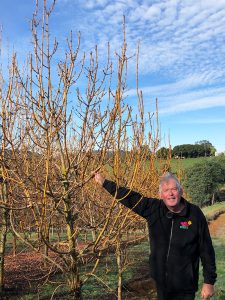 There’s a lot of scenarios in which you need a garden to look great, really quickly. Perhaps you’re finishing off a property to sell, or you just bought some land and don’t want to wait years upon years for it to look good.
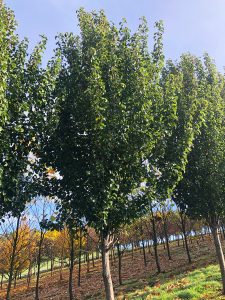 What is a field grown advanced tree?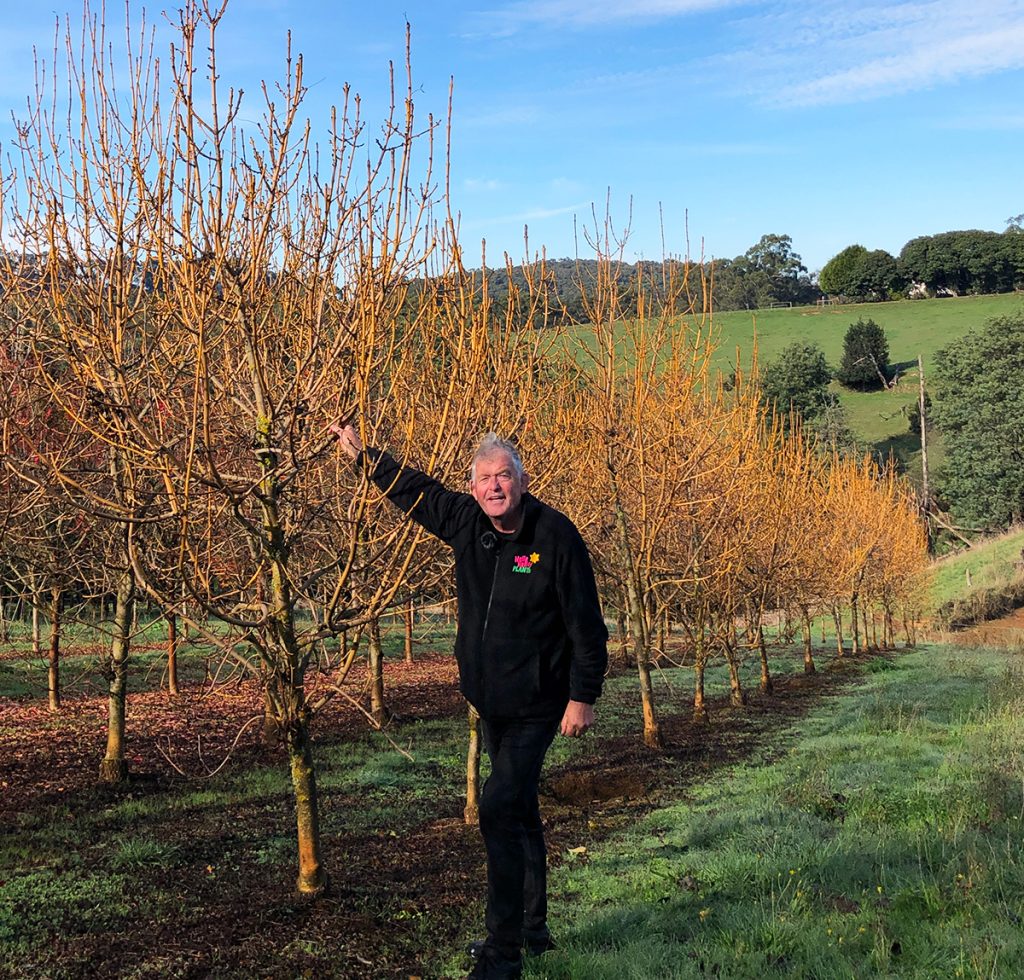
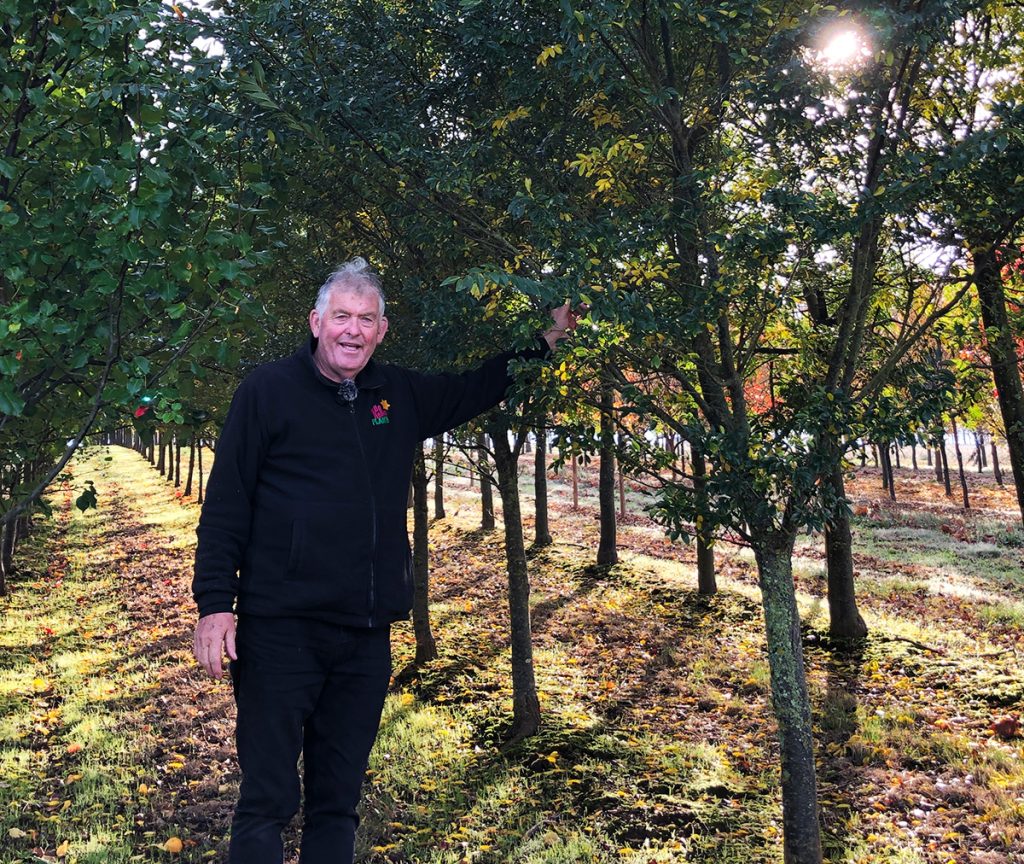
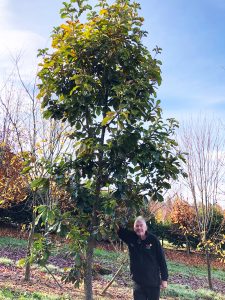 Your field grown tree will
 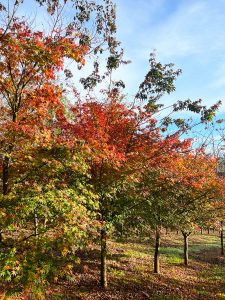 come with its roots enveloped in an earthen ball, wrapped in Hessian and secured with a wire mesh basket to hold it all together. Lean it up against a wall and make sure to keep the root ball moist. Dig a hole that is an extra 50cm wide than the root ball. Combine potting mix through the parent soil. You want the root ball high in the hole and surrounded by loose permeable soil.
 Chris’ Experience with Advanced Trees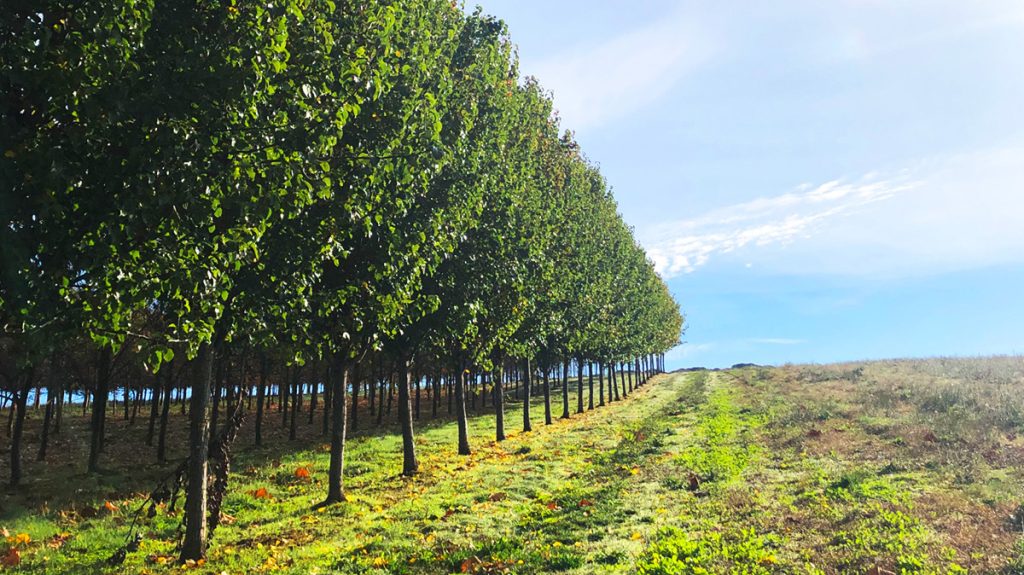

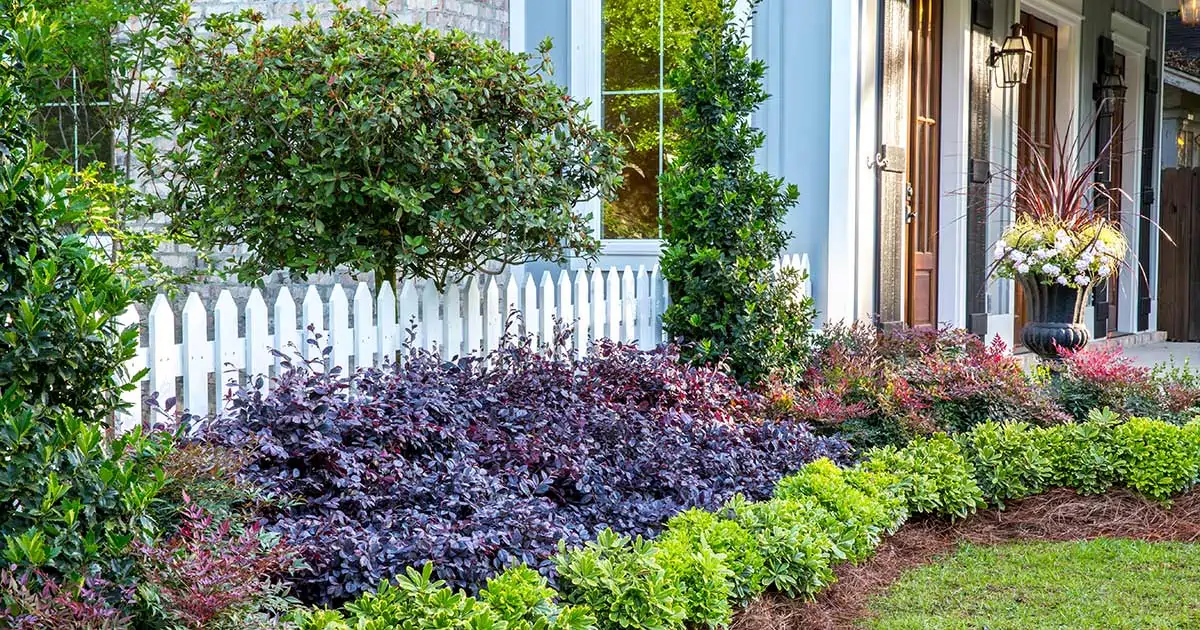
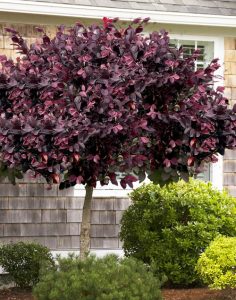 Loropetalums make for excellent topiaries – run them up a stake, trim them into a ball on a stick or turn them into a nice cone. Just let you imagination run wild with what shapes to make them because they love a good trim. Place them at the entrance of your home for maximum impact.


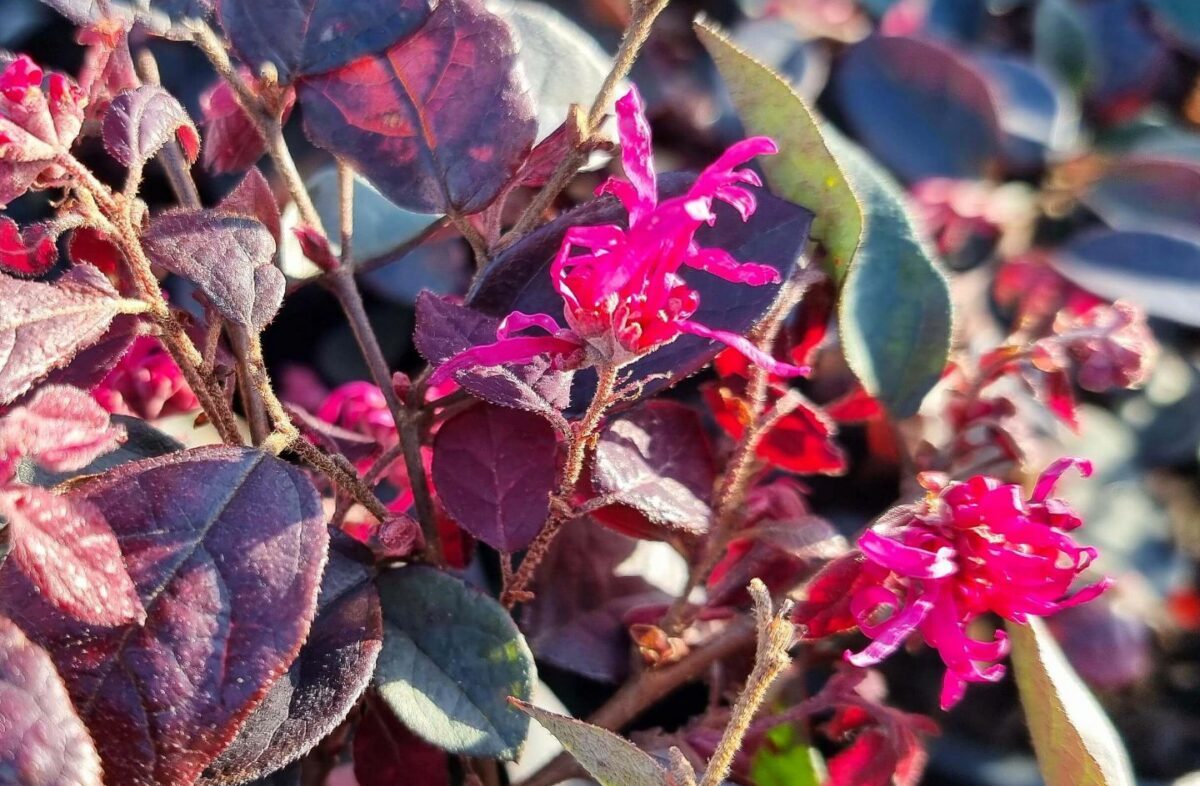 A very interesting and upright Loropetalum,
  Being such a fast grower you don’t have to wait long for it to be a decent size. It will reach a maximum height of about three metres, but you can keep it smaller with trimming.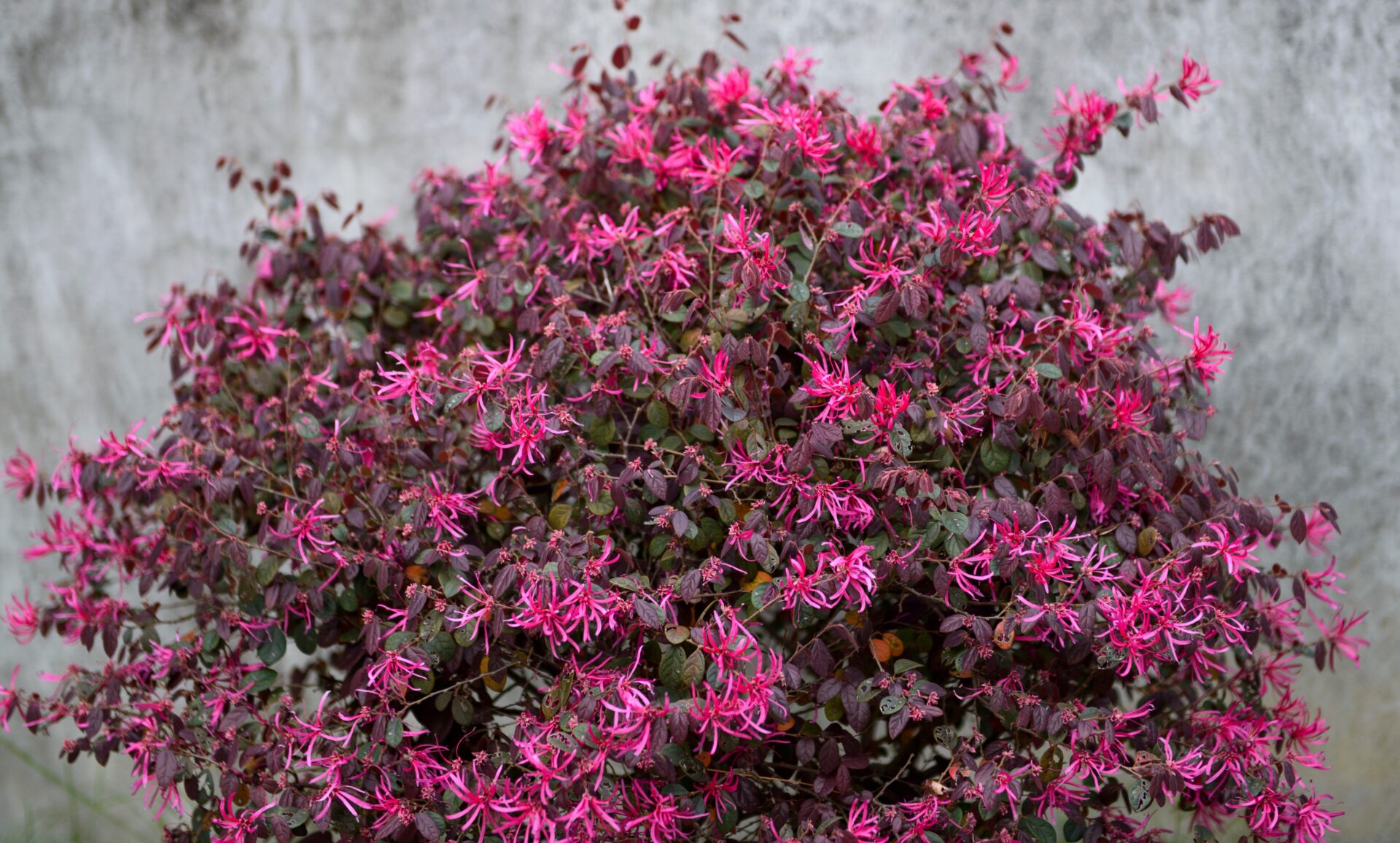
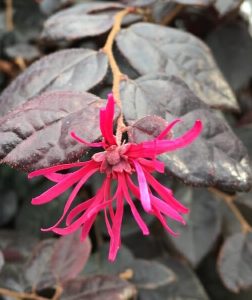 The most striking colour of all the Loropetalums,

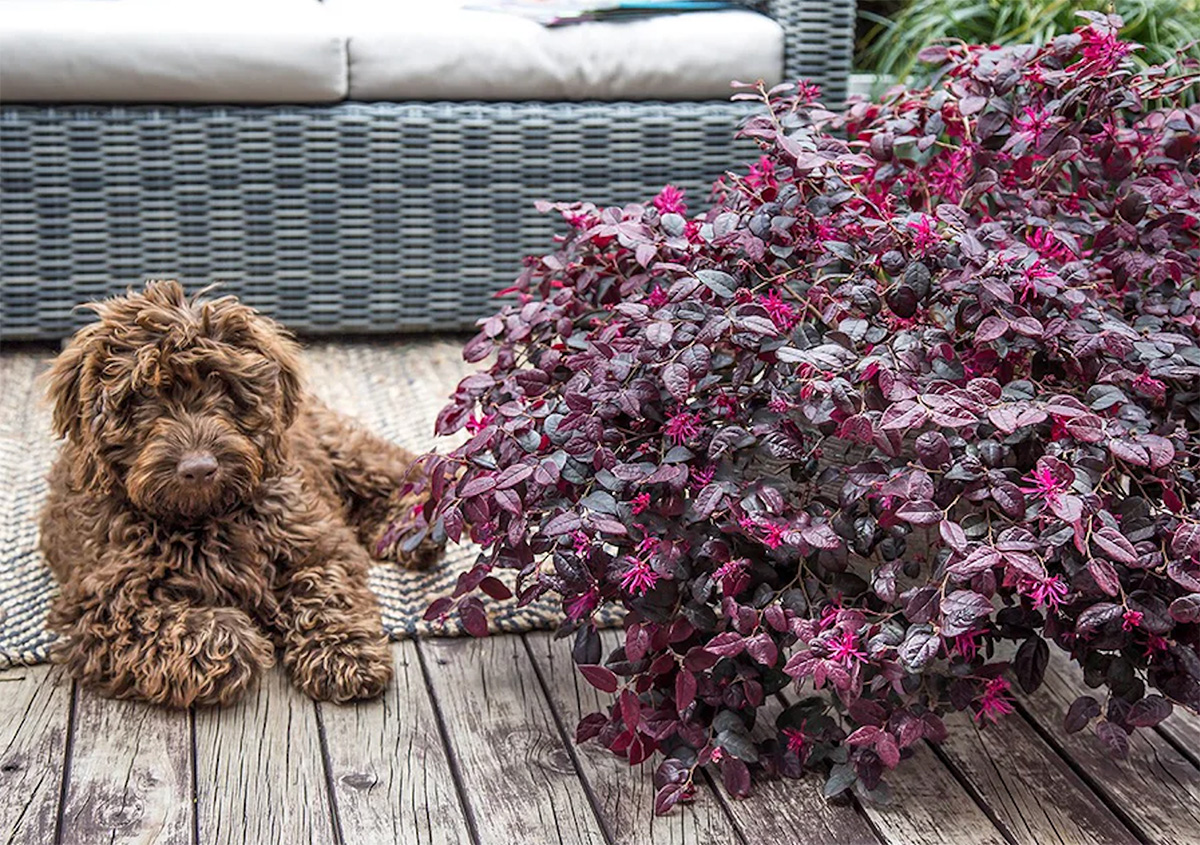

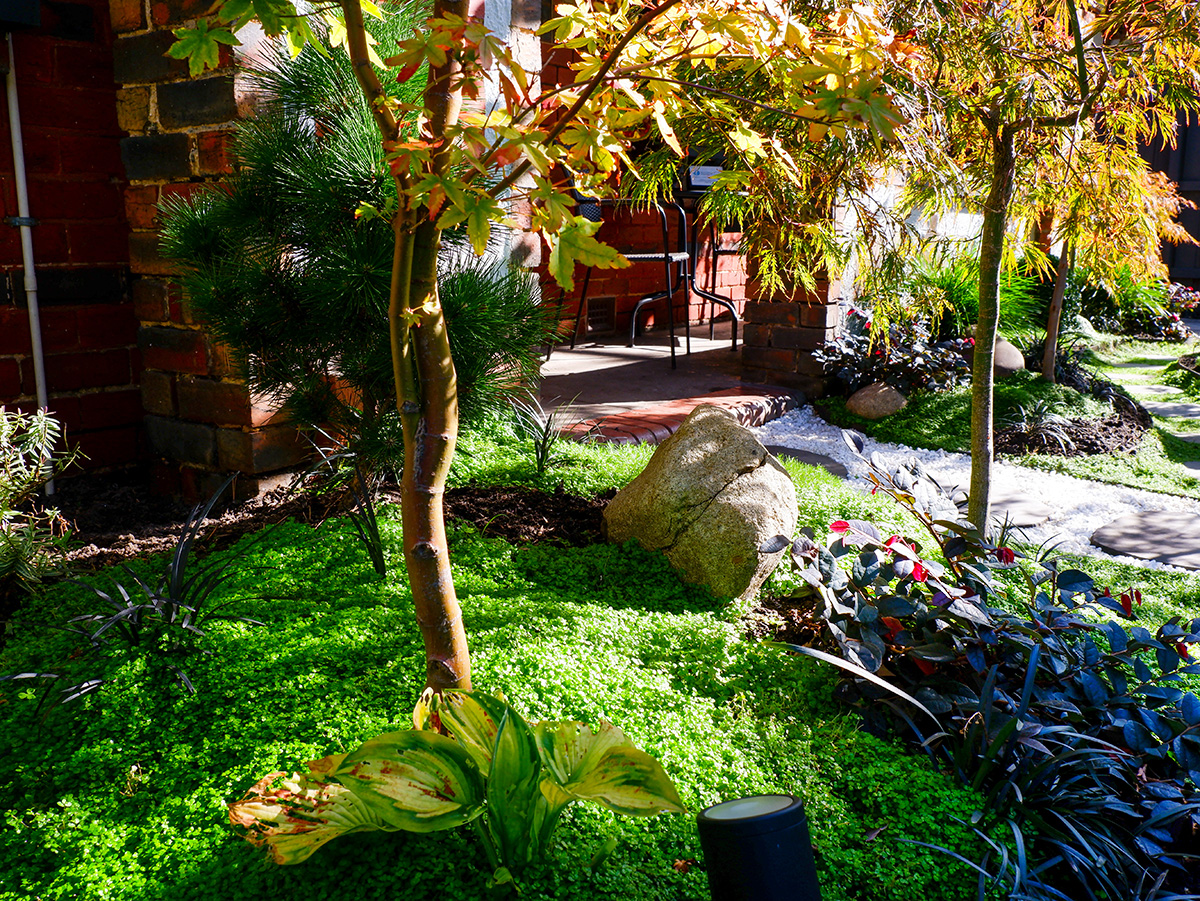
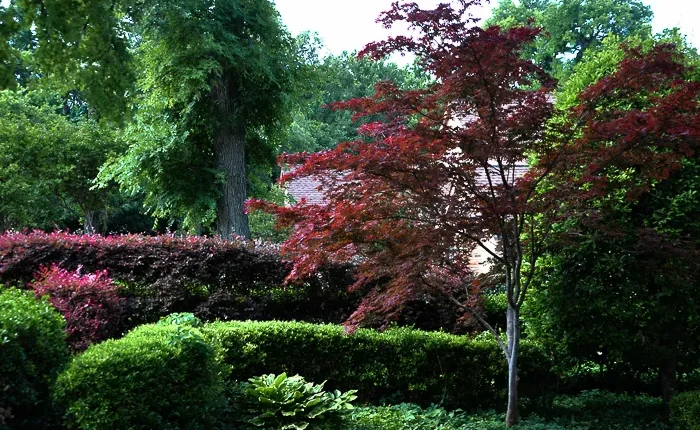
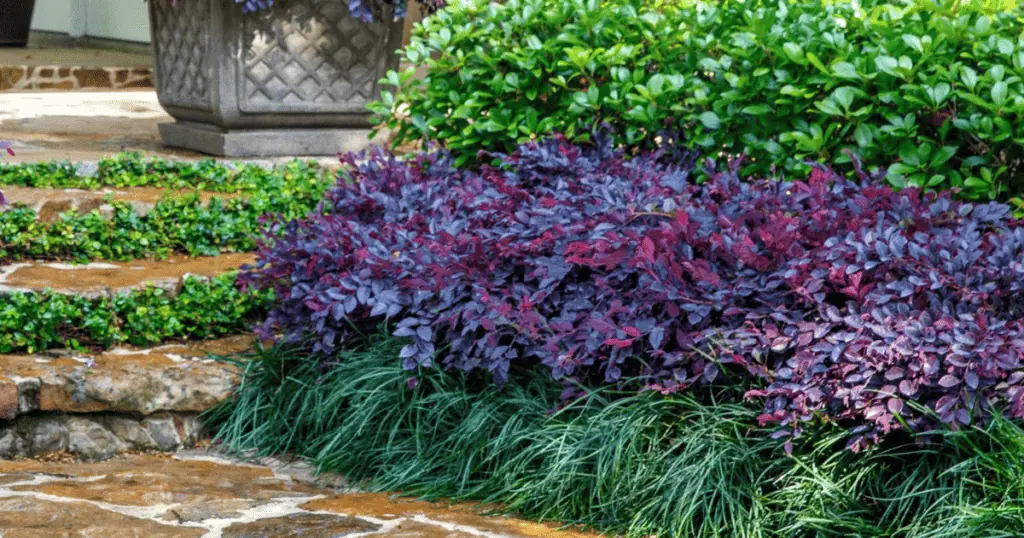

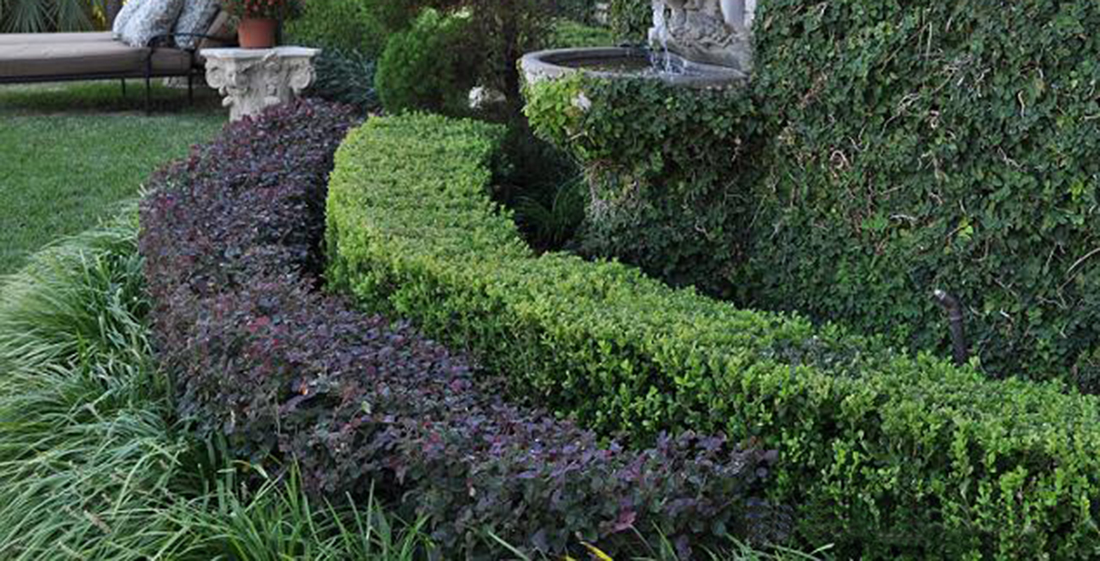






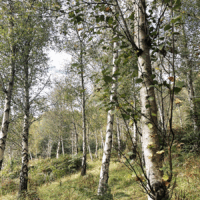
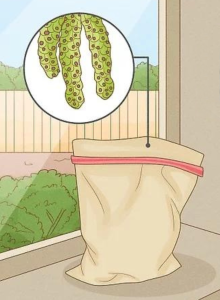 Firstly, in the winter he would mix up the seeds with moist
 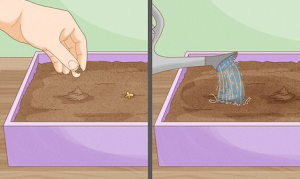 Twice a day he watered the bed. Once they had germinated and were half an inch high, he would lift the hessian and timber frame to about 50cm off the bed. This allowed for airflow and reduced humidity. Dad also decreased the amount of watering at this point.
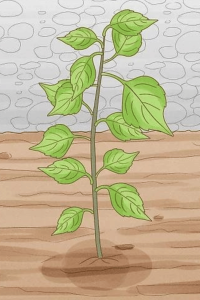 By the next winter these Birches were about 80cm tall. Now around this time that my dad was perfecting the growing process of Silver Birch Trees, we had a Finish family move in next door to our growing field. It was a husband and wife with ten children! Now the Toorkolas LOVED the Birch trees. They actually took scraps from the Birch Trees and created all sort of things with it such as brooms. They even said that if they were back in Finland, they would’ve made shoes out of the Birches! It was pretty incredible to hear about the other uses of the Silver Birch. Especially because during this era, Silver Birches were one of the most popular ornamental trees in Melbourne. Even now they’re still popular because they grow very vigorously and are a very pretty tree that don’t grow too big.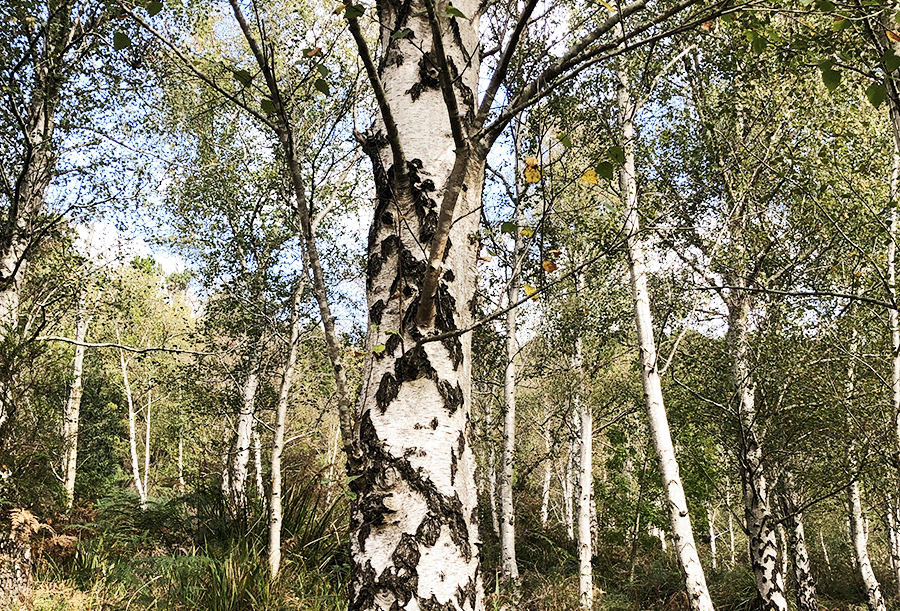
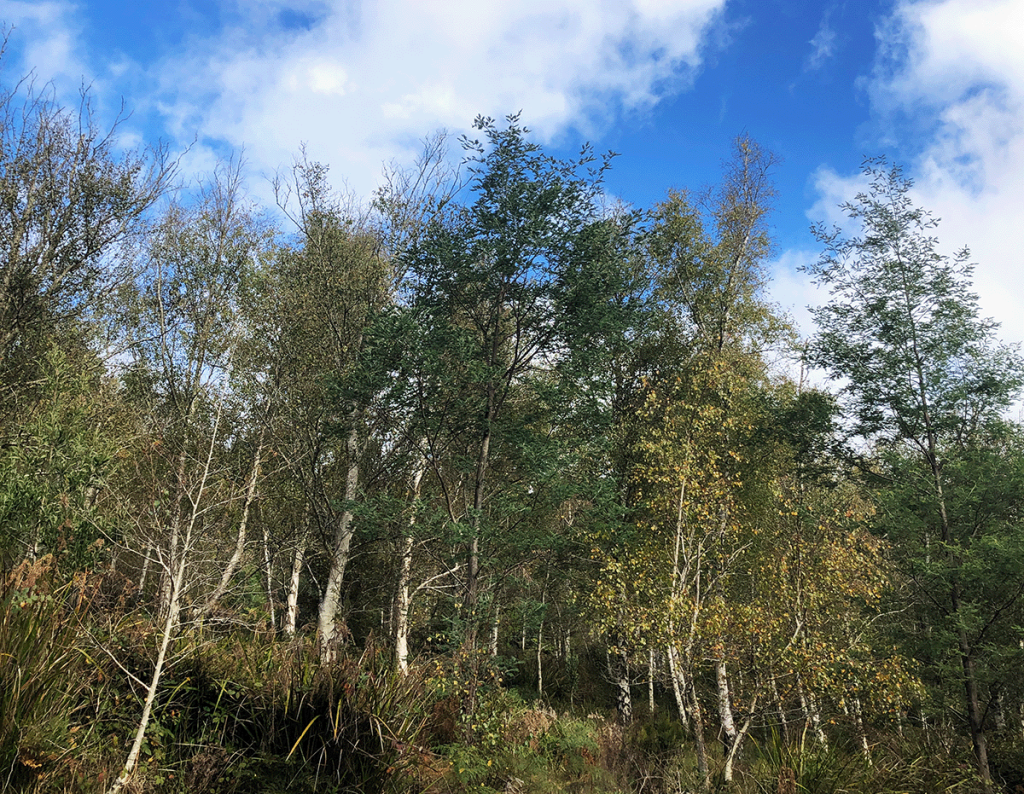

 In his research he stumbled upon our website and was shocked when he discovered that we were growing Silver Birches here. As he details in his email to us “present foresters consider Silver Birch to be strictly adapted to local conditions” and “can be transferred only 200km N or S.” Australia is much further than that. So scientifically you shouldn’t be able to grow a Betula Silver Birch at this latitude. However, Rousi is trying to argue to the contrary, where Betula pendula “is very plastic” and can adapt to other conditions.
 This Silver Birch Forest is living proof of that. So not only has this Silver Birch grown without any maintenance, but it also defies what many Finnish foresters believe. If you want to hear more about this, I highly recommend reading Matt Rousi’s book once it has been published.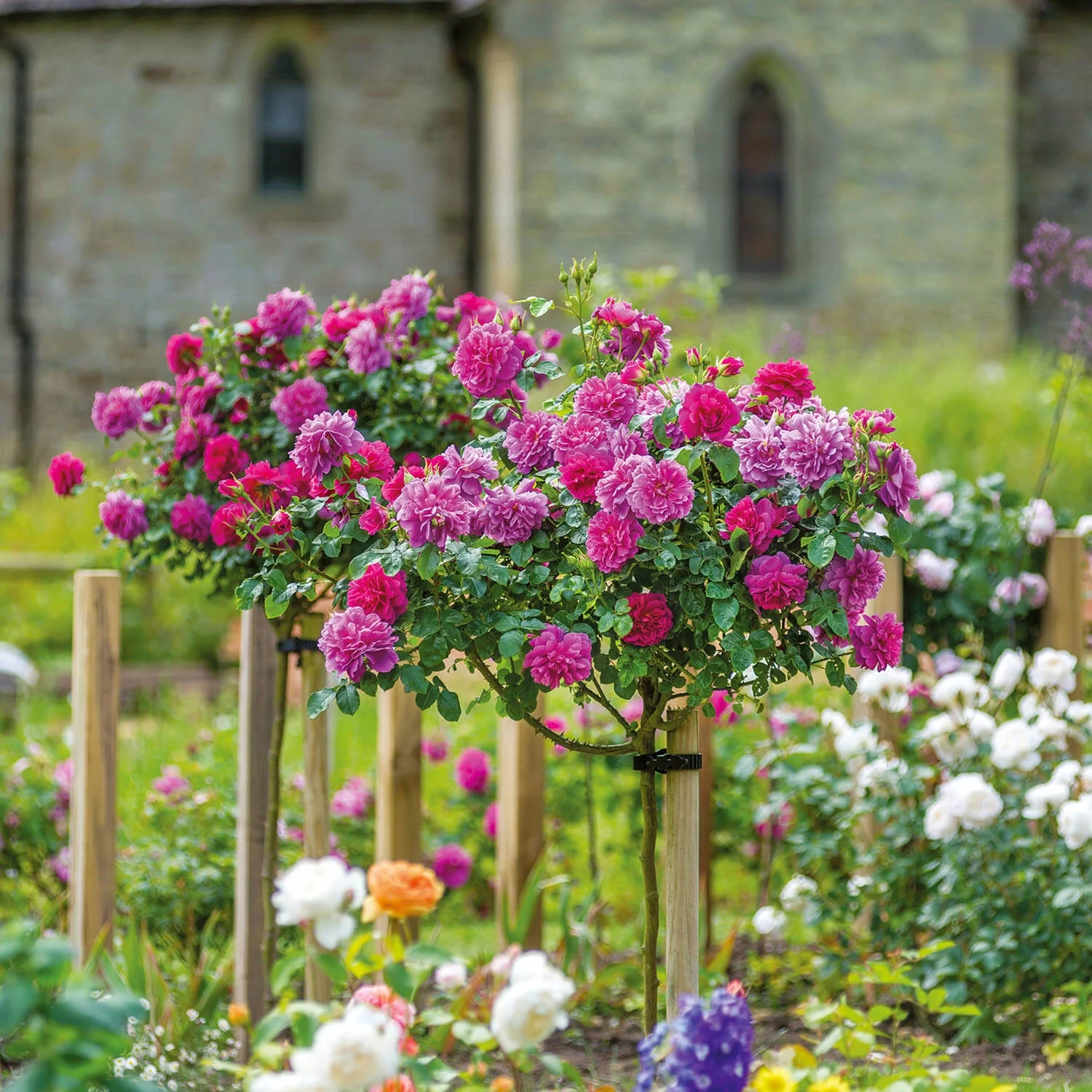
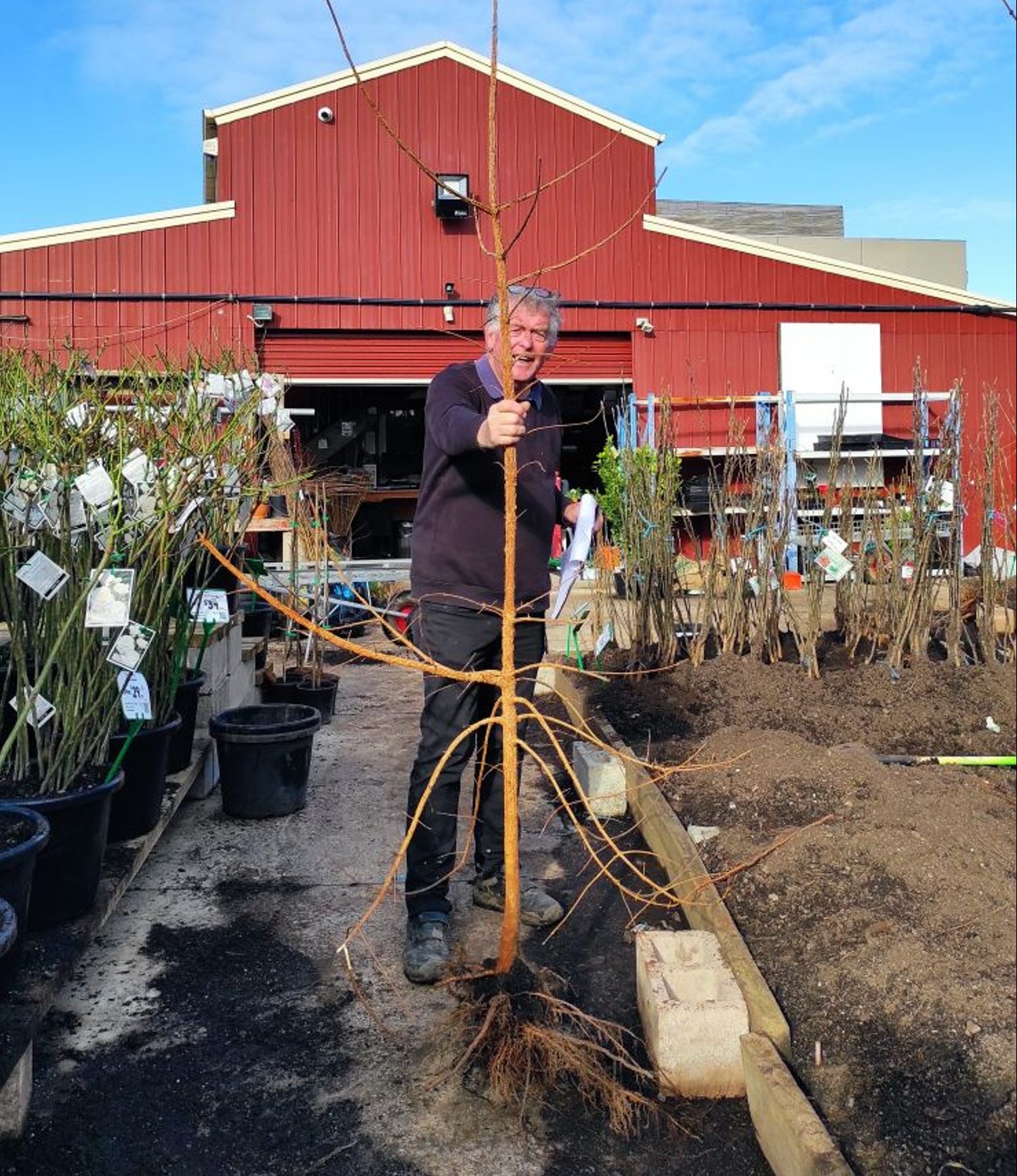

 Then in the summertime they graft or bud the type of rose that they want, like an Iceberg or Mr Lincoln. Once it’s grafted, they keep growing it in the field. They’ll trim it and shape it up a little.
 Firstly, nurseries are able to put hundreds and hundreds of roses in a small space. This is good for you because it means you can buy in bigger bulk and have a greater selection of different types and colours.

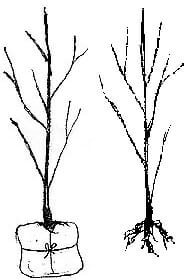 Thirdly, it is a hell of a lot easier to transport bare rooted roses than ones that have been potted up. When you buy our bare rooted roses, we pull them out of the potting mix and wrap them tightly up with moist sawdust to keep it close to the roots. They pretty much just look like a bunch of sticks and they’re going to fit very easily into your boot or backseat.
 If you were getting a dozen standard roses, you’d need a van to deliver them, or pull up in a big station wagon. Even then it would be a bit awkward to fit them in because they’re four foot tall in these big pots that have to be placed vertically.
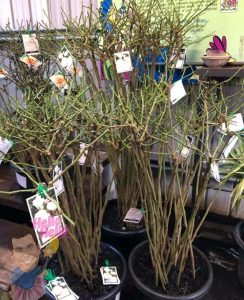 Fourthly, similar to the previous point, they are very easy to handle and move around. So you’ve popped them in your regular car and driven your standard roses home.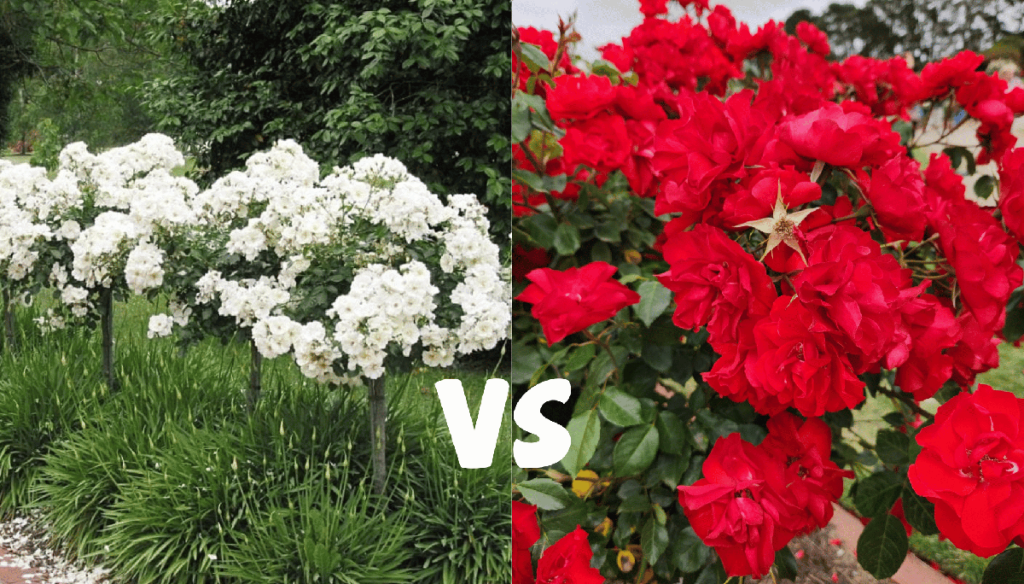
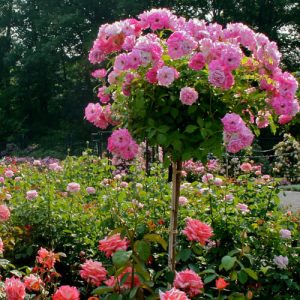 A normal bush rose is low growing and prickly, which means you can’t grow anything underneath. Also when you’re weeding the garden it’s a terrible task. But a standard rose is going to grow up higher, meaning the prickles are higher and out of the way of the weeds. All you have is that stem down low which gives you an empty garden bed underneath, that you can fill with whatever you like. Your garden is going to be more dynamic and interesting for these different layers of plants. You could have two, even three times more colour in your garden.
 Also regardless of bush or standard, there will be a time in the year where your roses are not flowering. With a bush you are just stuck looking at this bare thing, however with a standard you could be smart about it and plant something that flowers during this time. Hint: we also have a playlist on that, just check out ‘How to Have a Colourful Garden During Winter’ on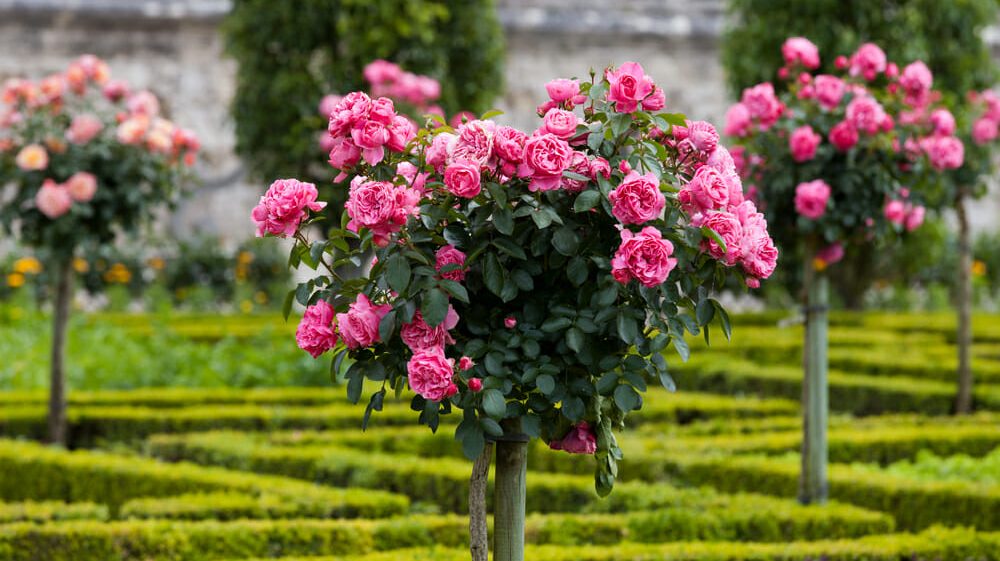






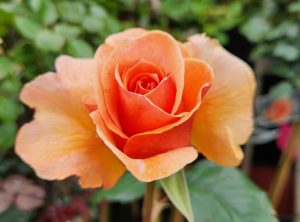
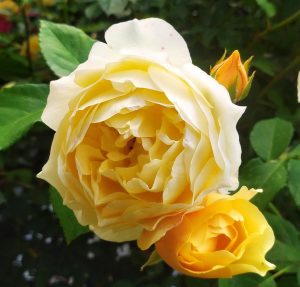
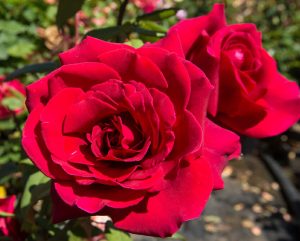
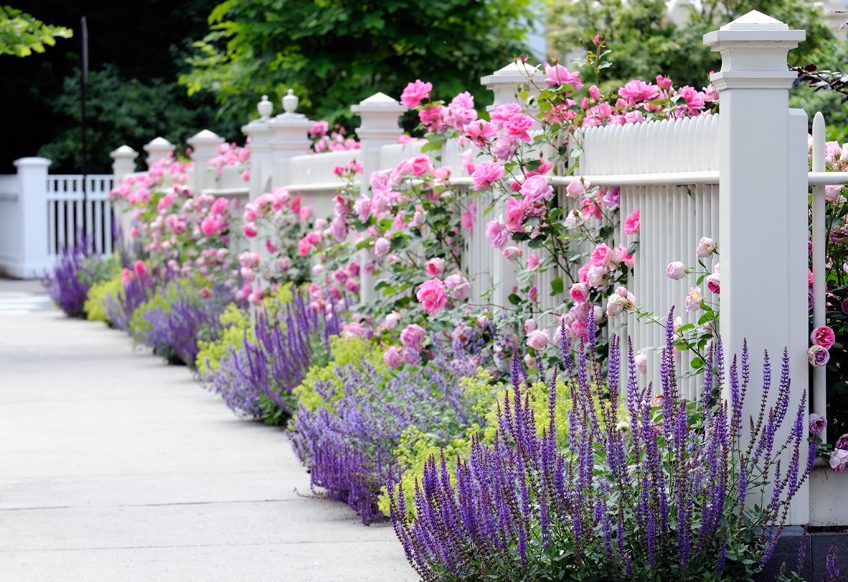
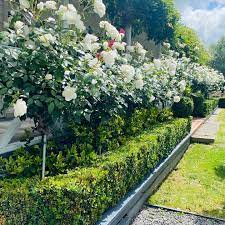
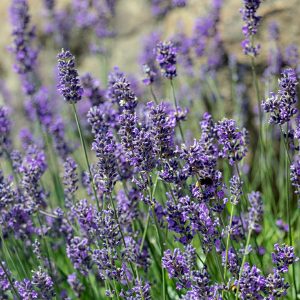 Many types of Lavender would work great with Roses, but we’ve specifically chosen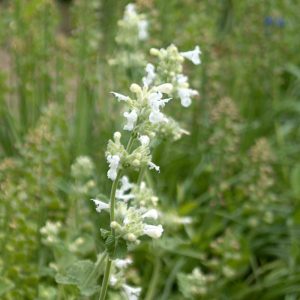


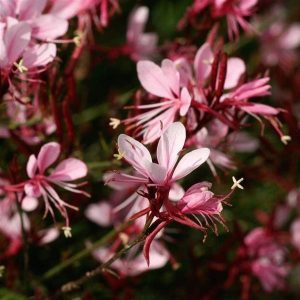
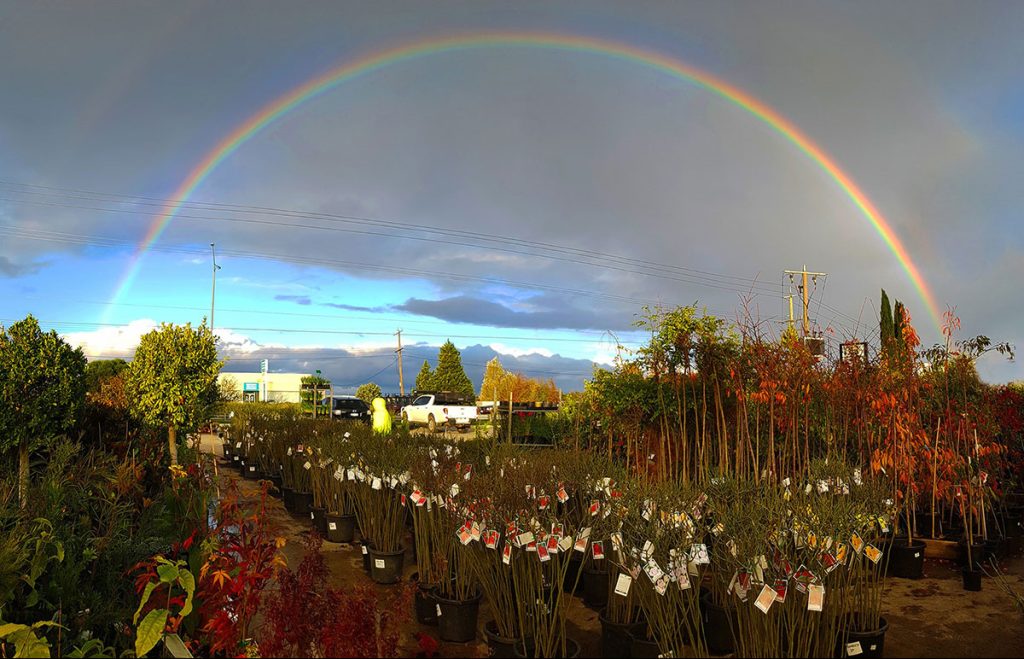


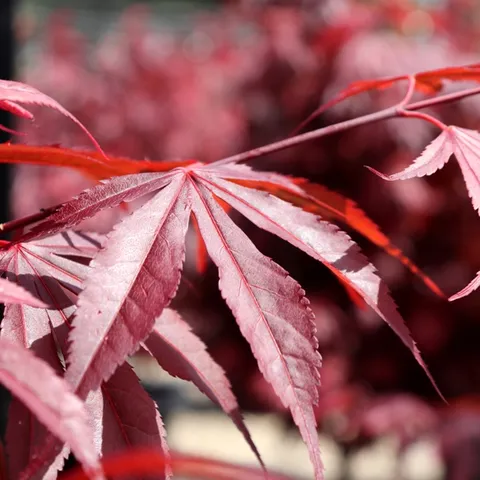
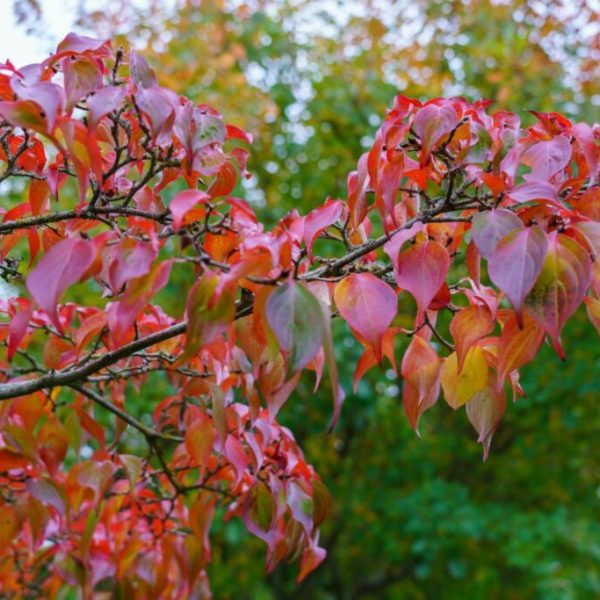

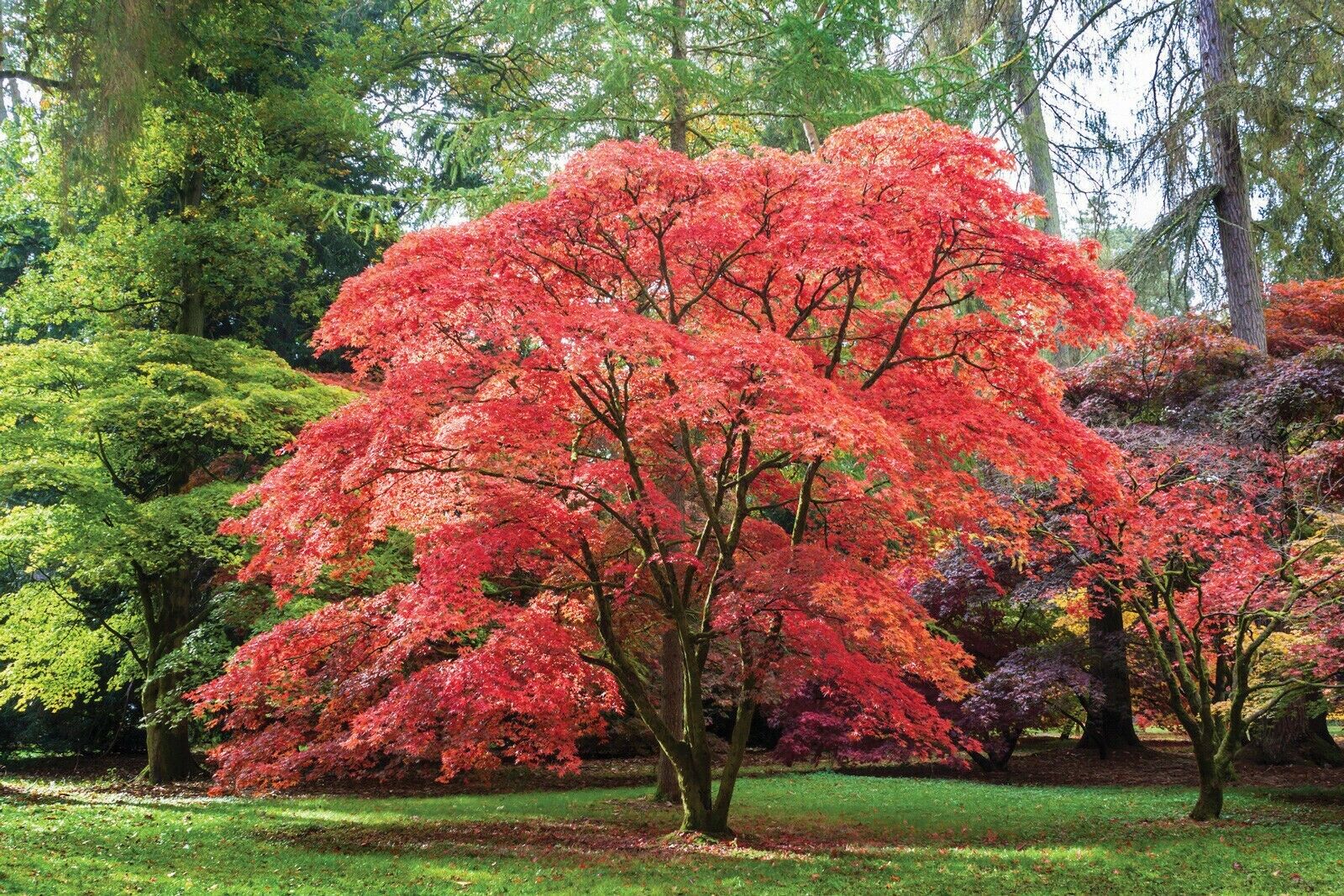

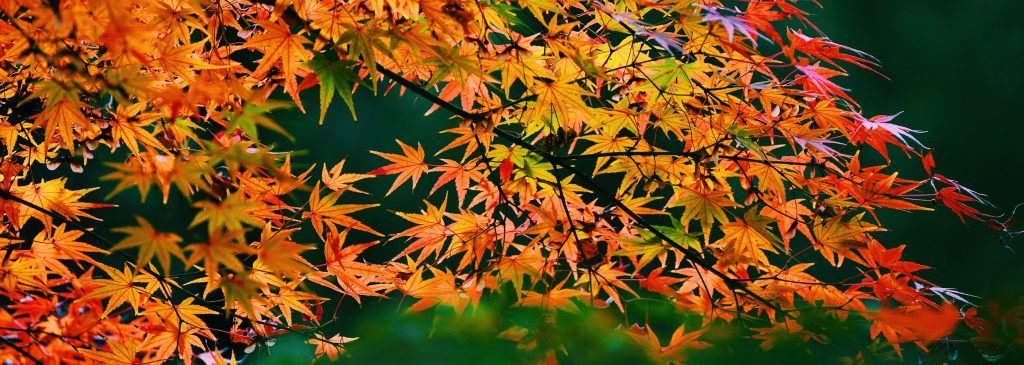
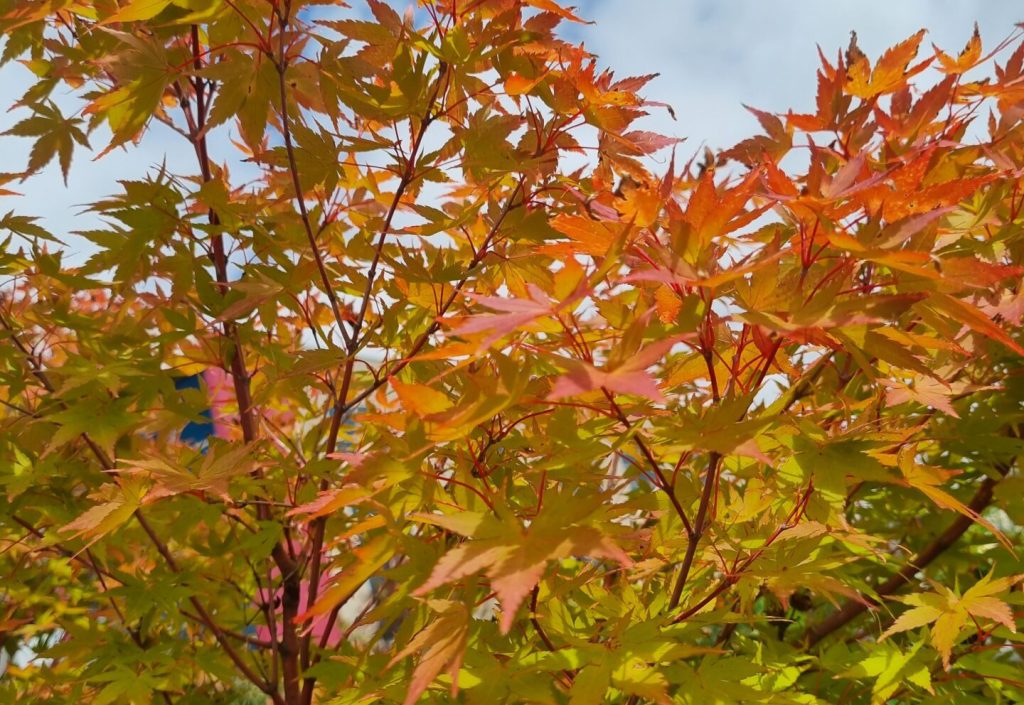
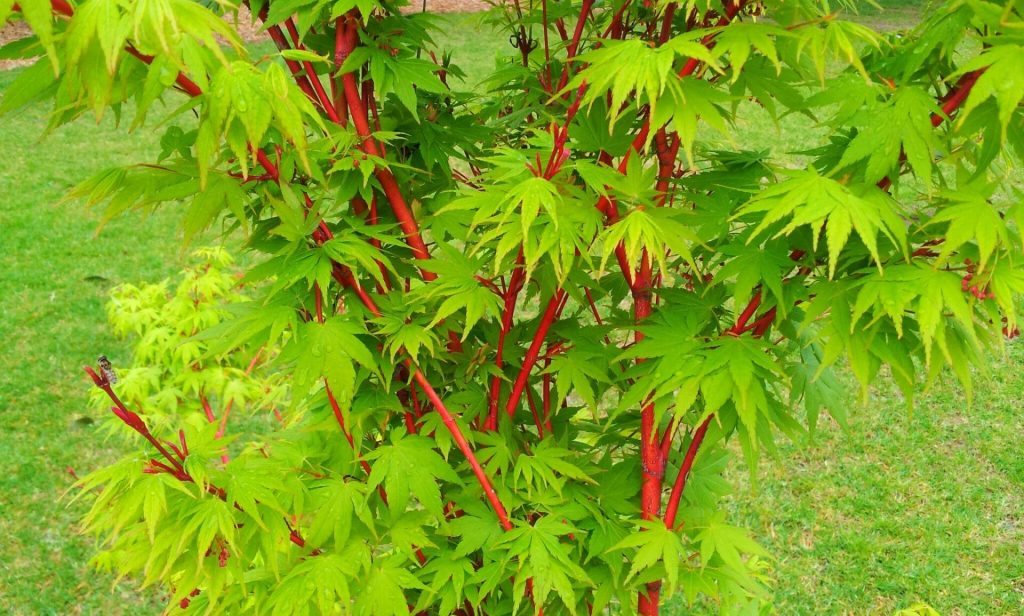
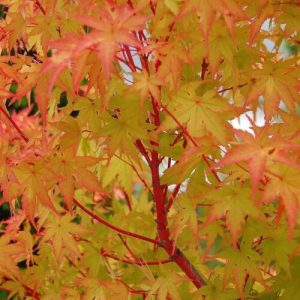
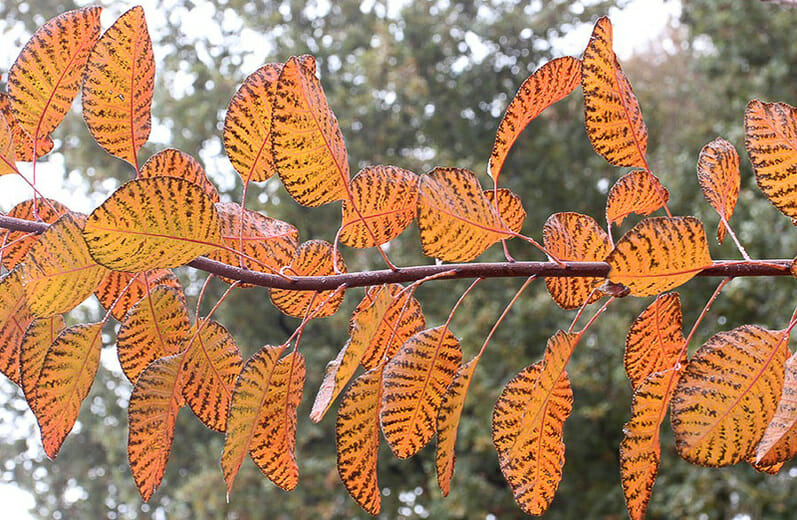

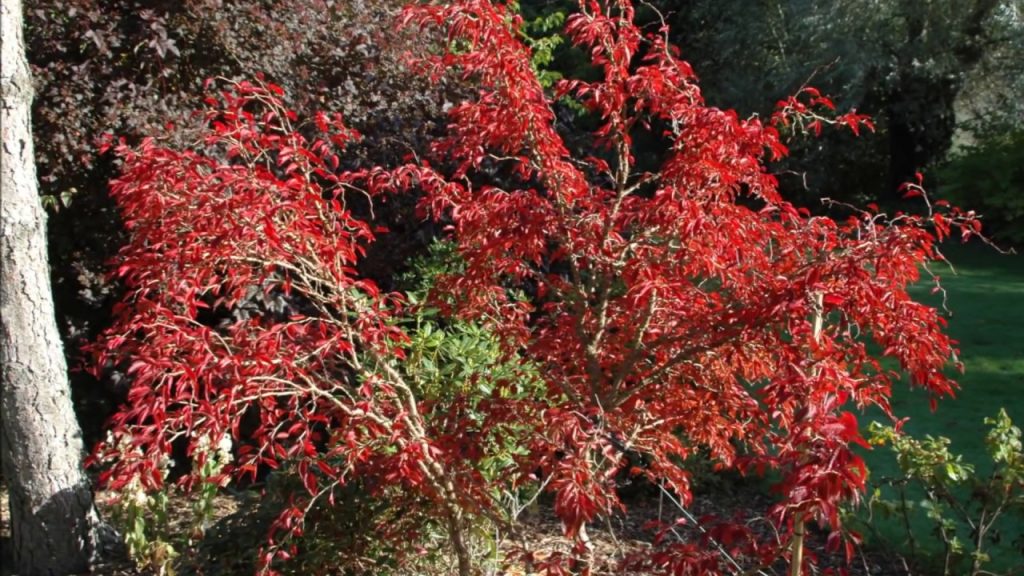
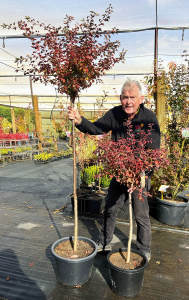
 Kojo No Mai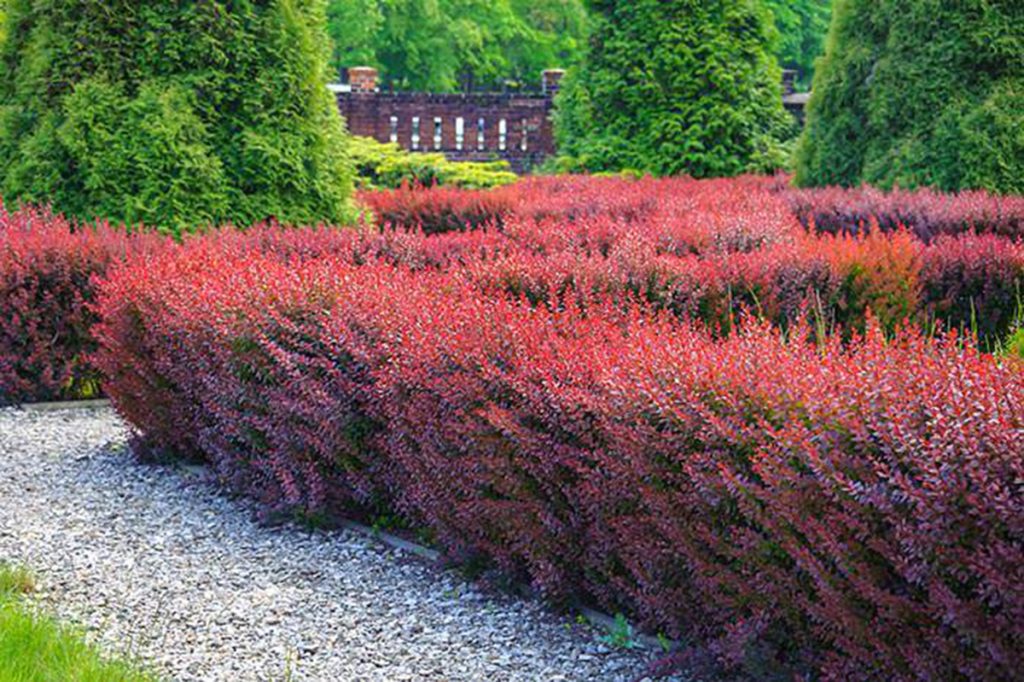
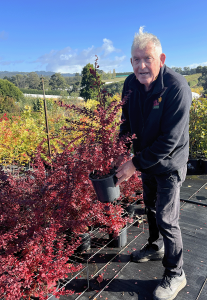
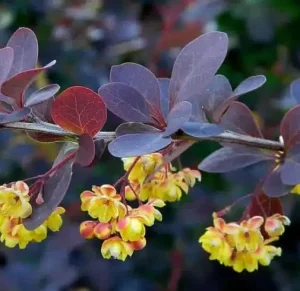 You can mass plant it for a beautiful splash of colour in your garden, or even plant different types of Berberis and have a wide array of shades. For example there is the Berberis ‘Little Favourite’ Barberry that has burgundy purple foliage which changes to a bright red and orange in autumn, with cream flowers during the springtime. I’ve never used them as a pot plant, but I don’t see why you couldn’t, as they’re a hearty and easy to grow plant.
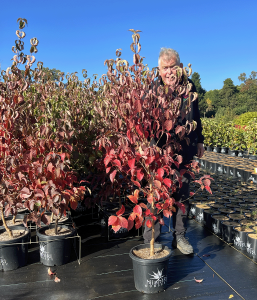


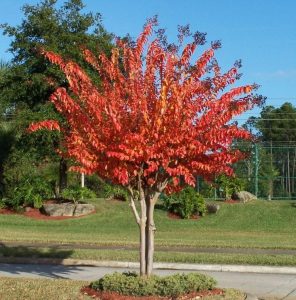
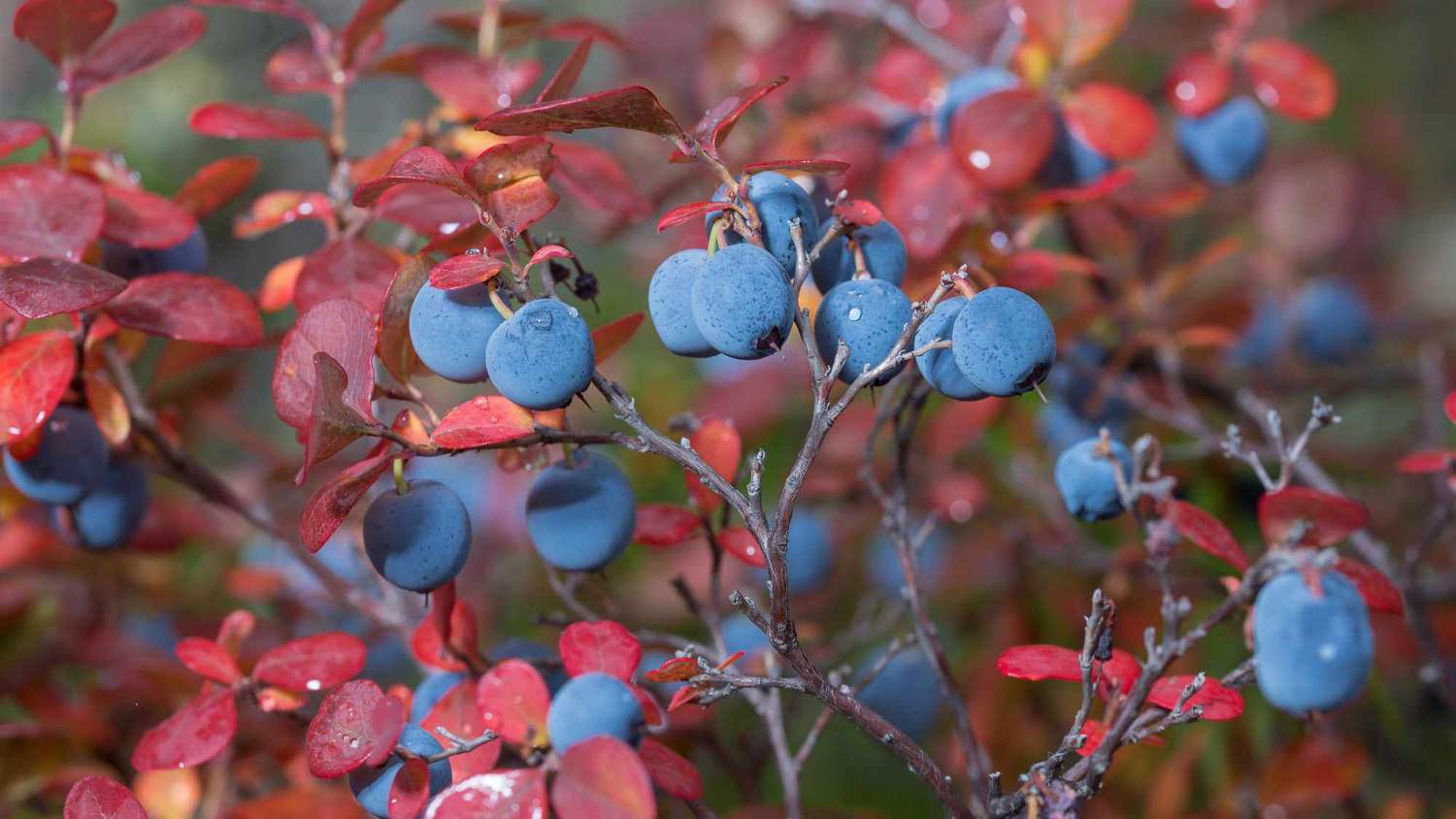

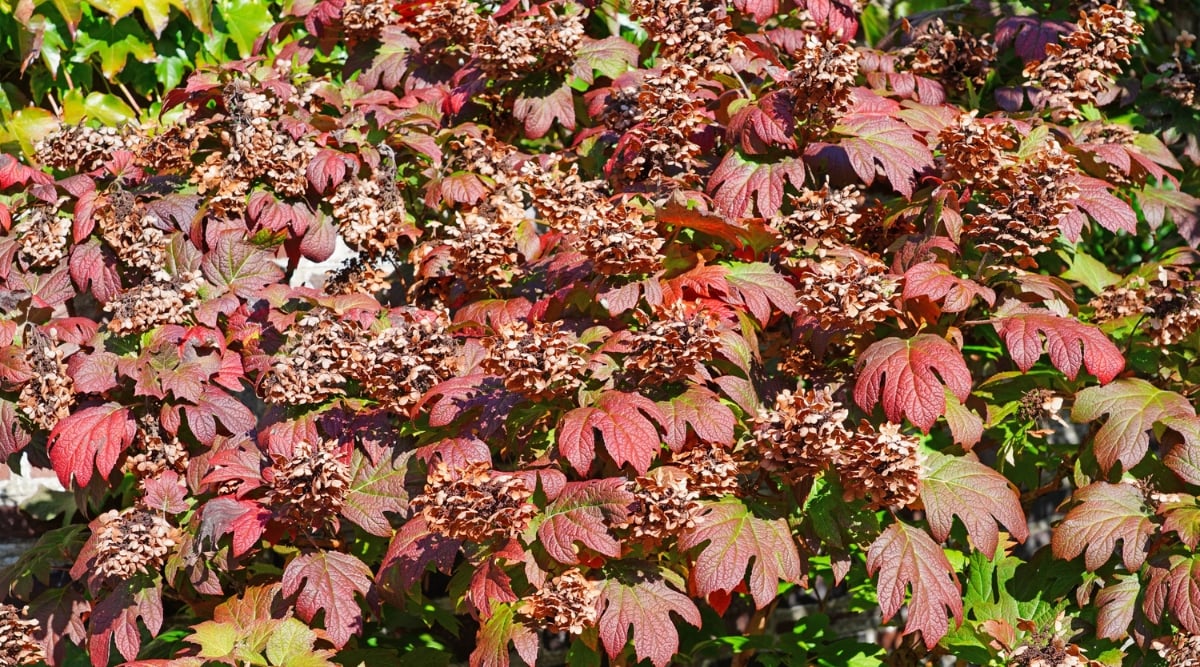

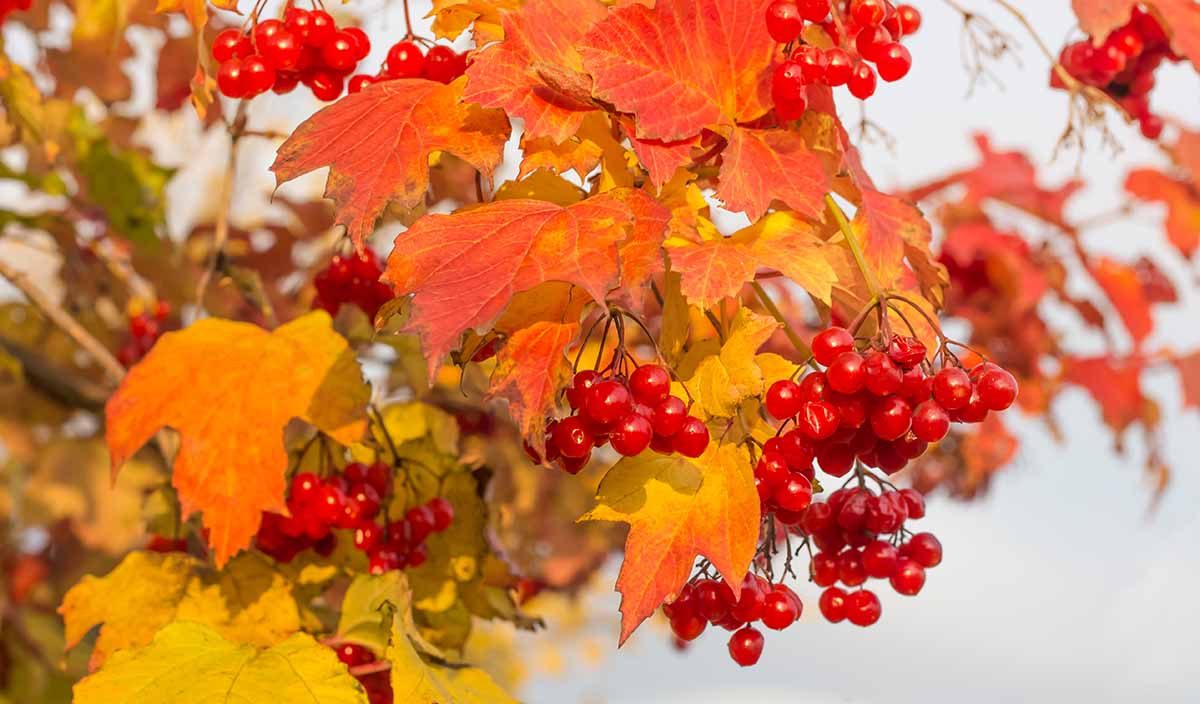
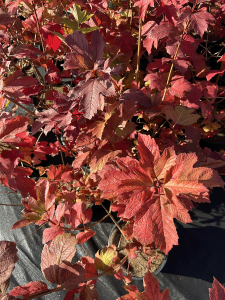
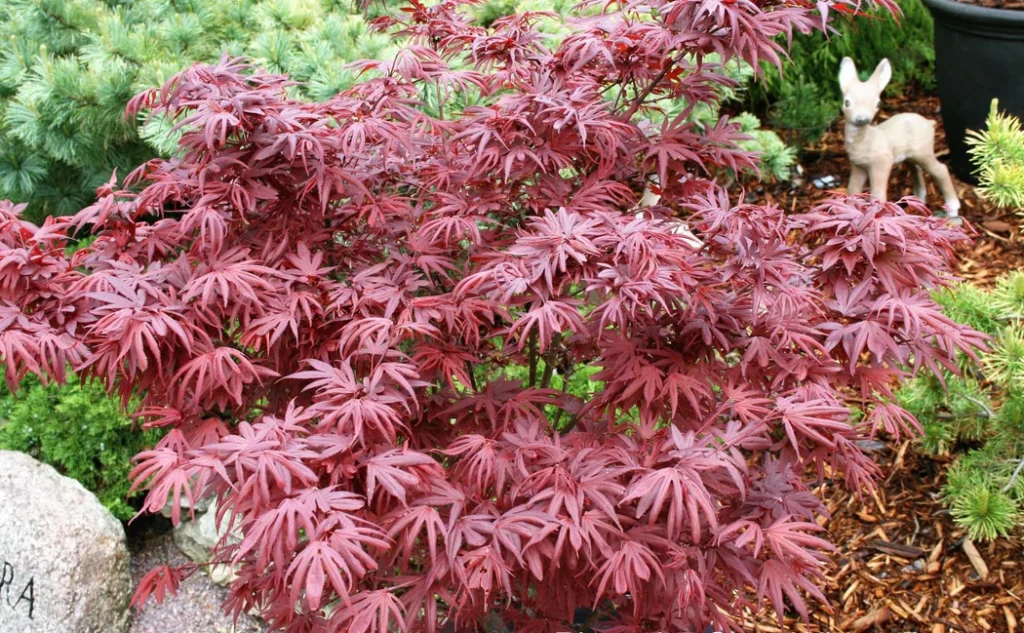
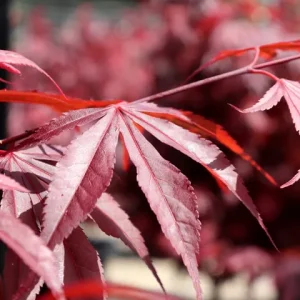
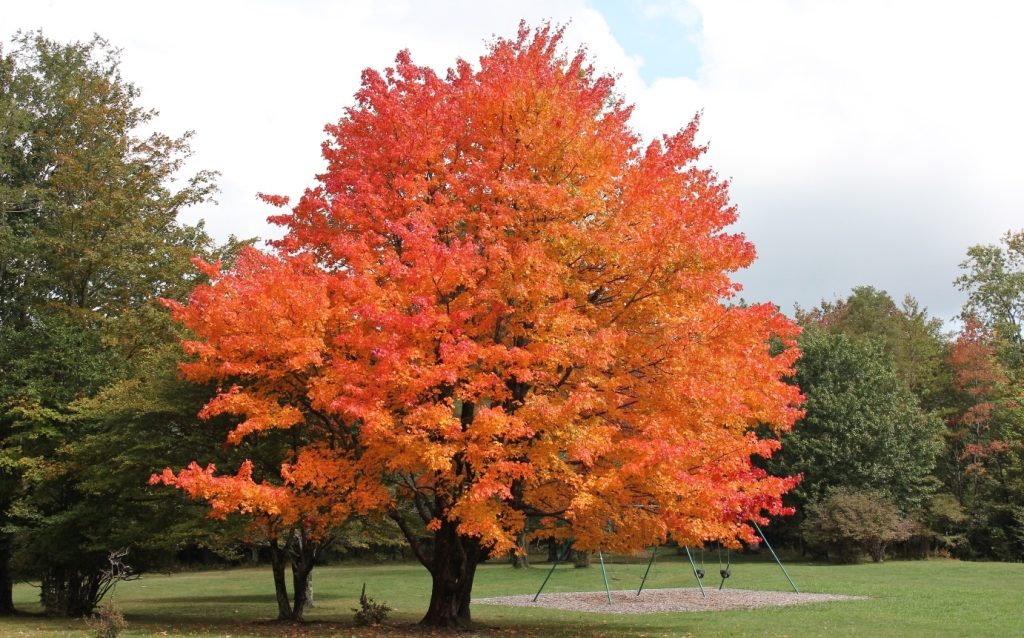


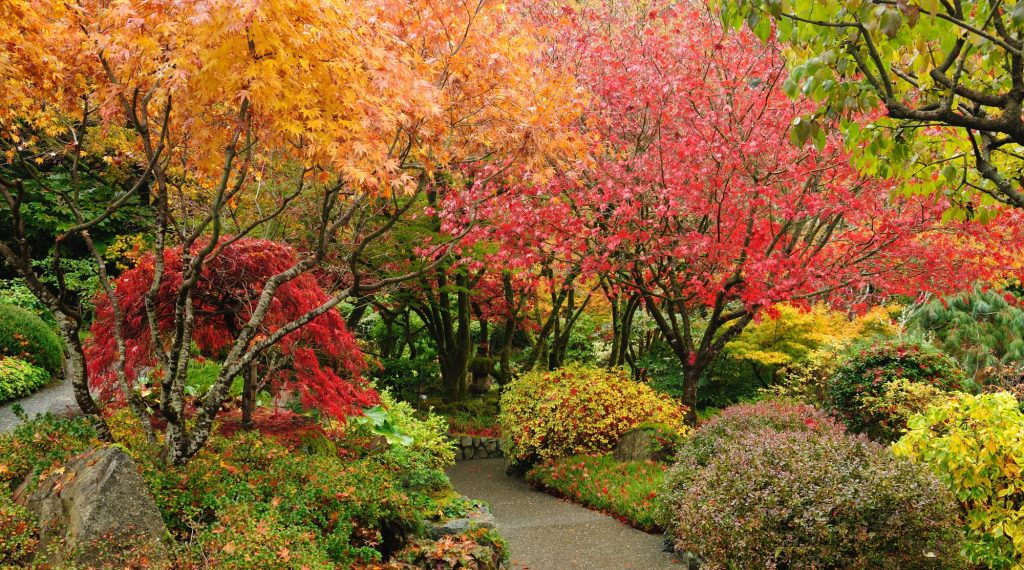


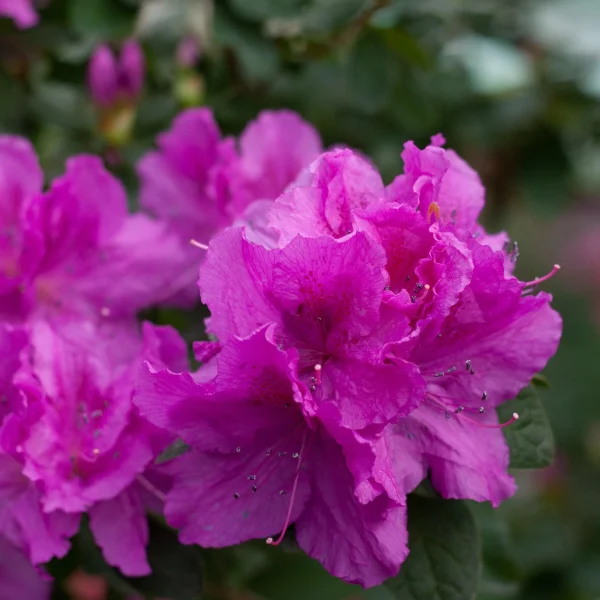
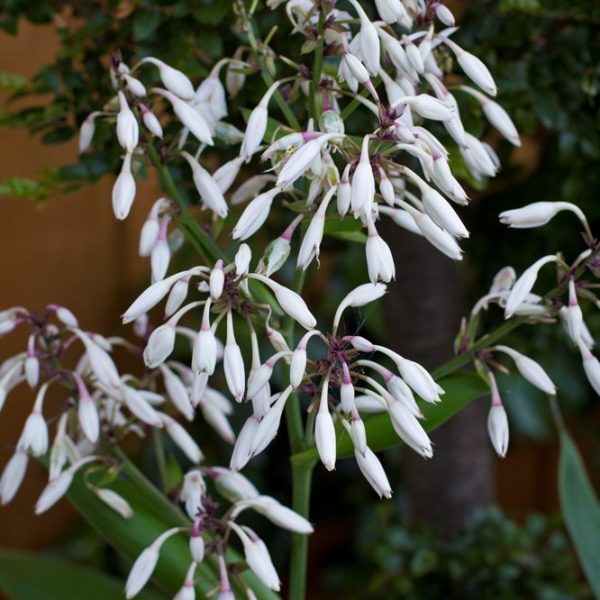
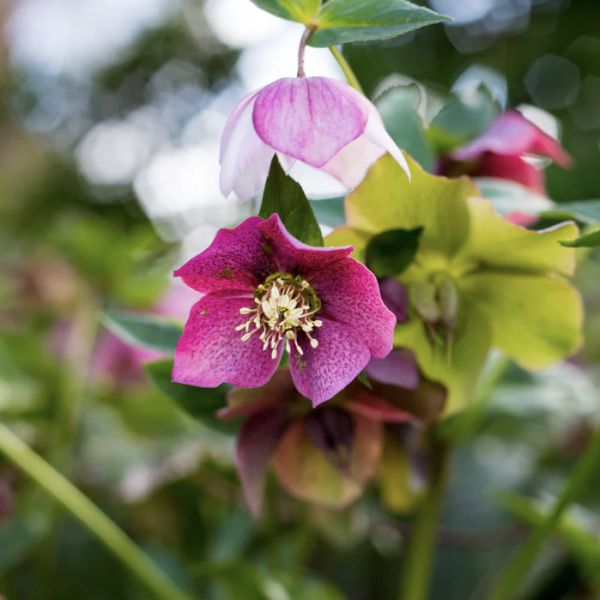


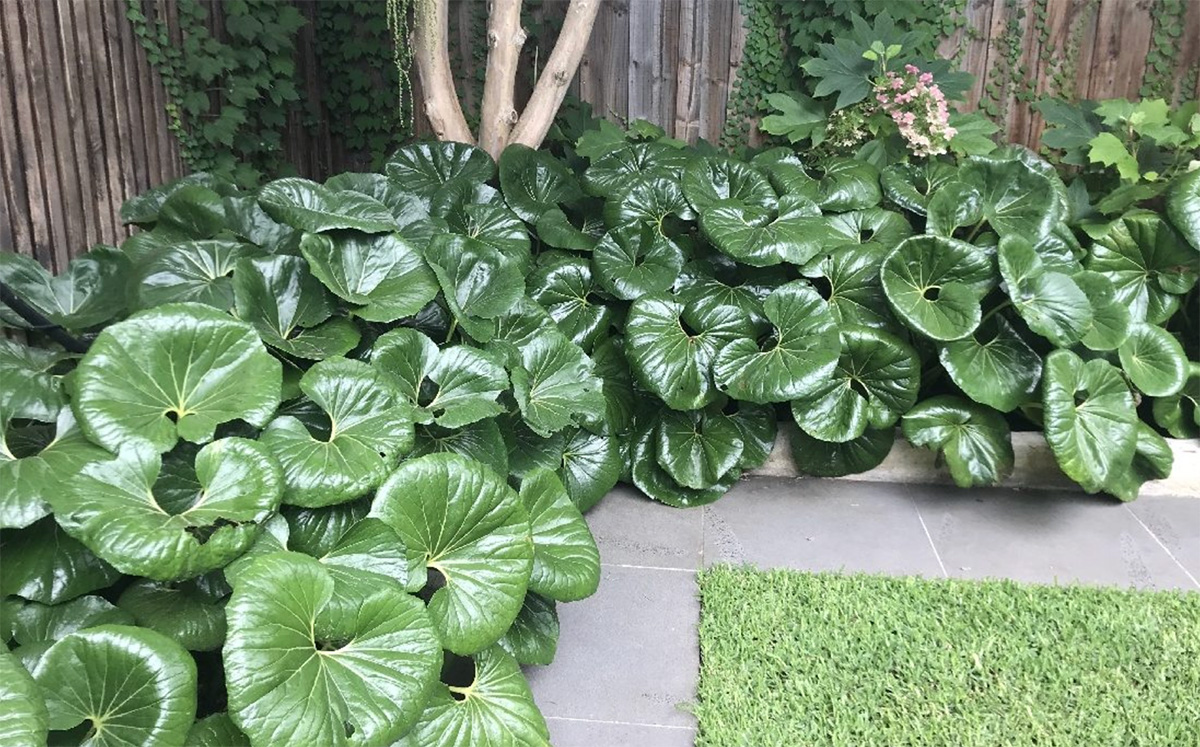
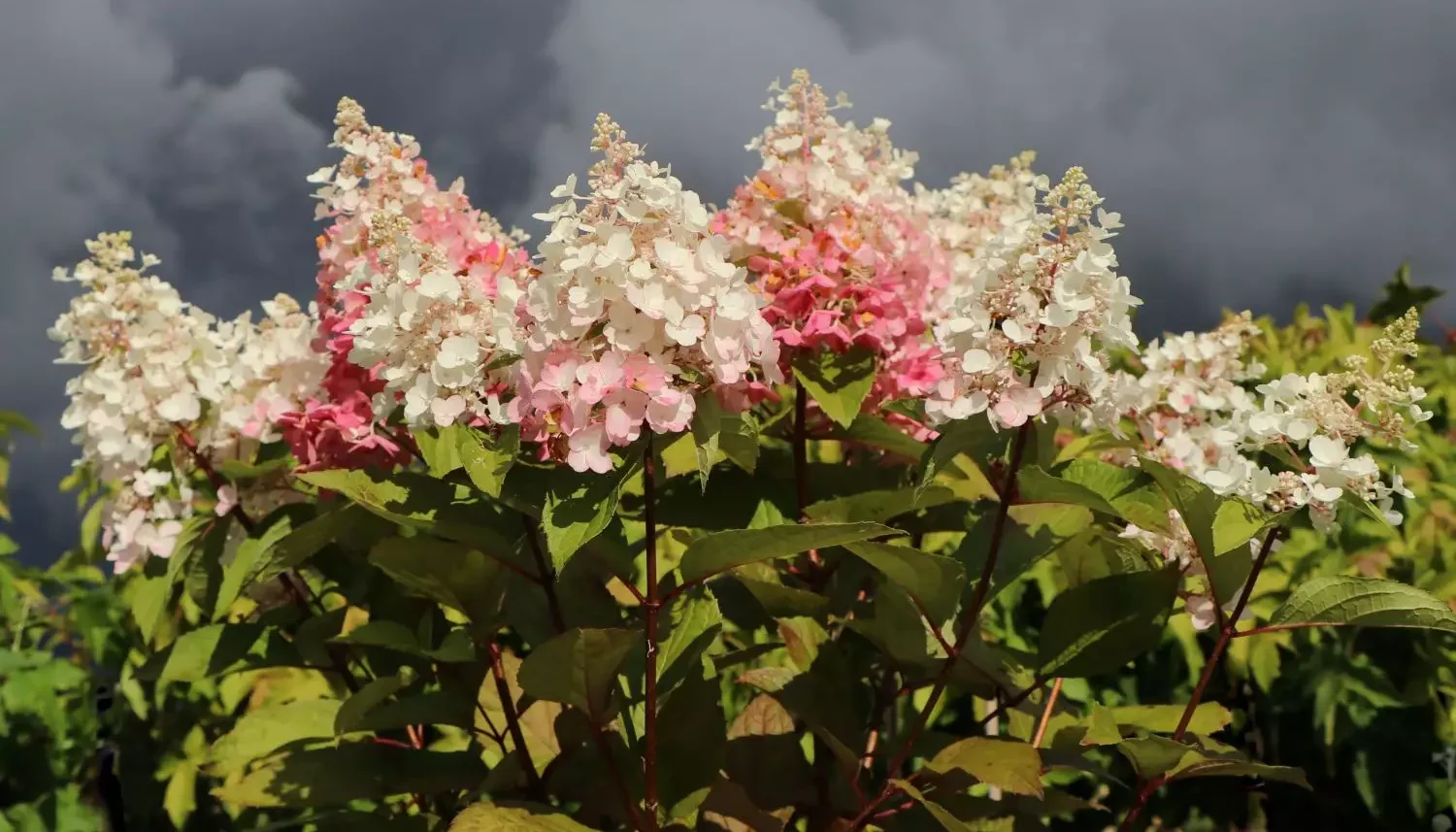
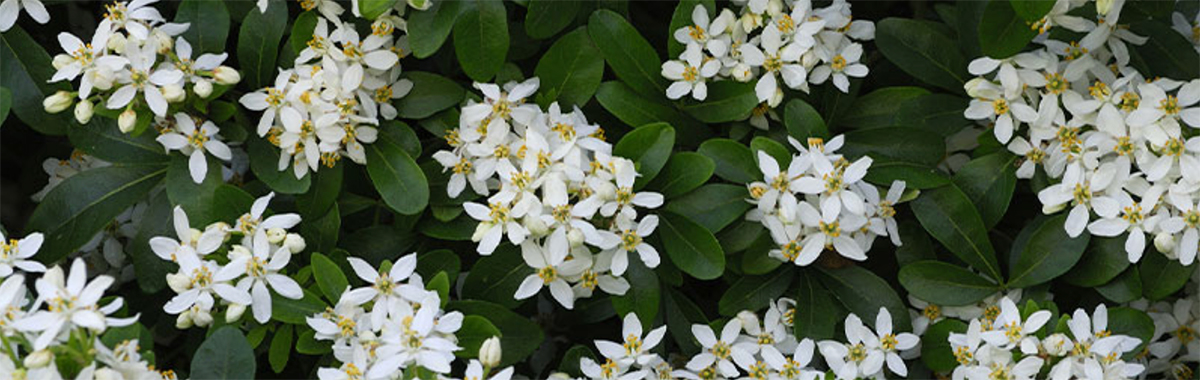

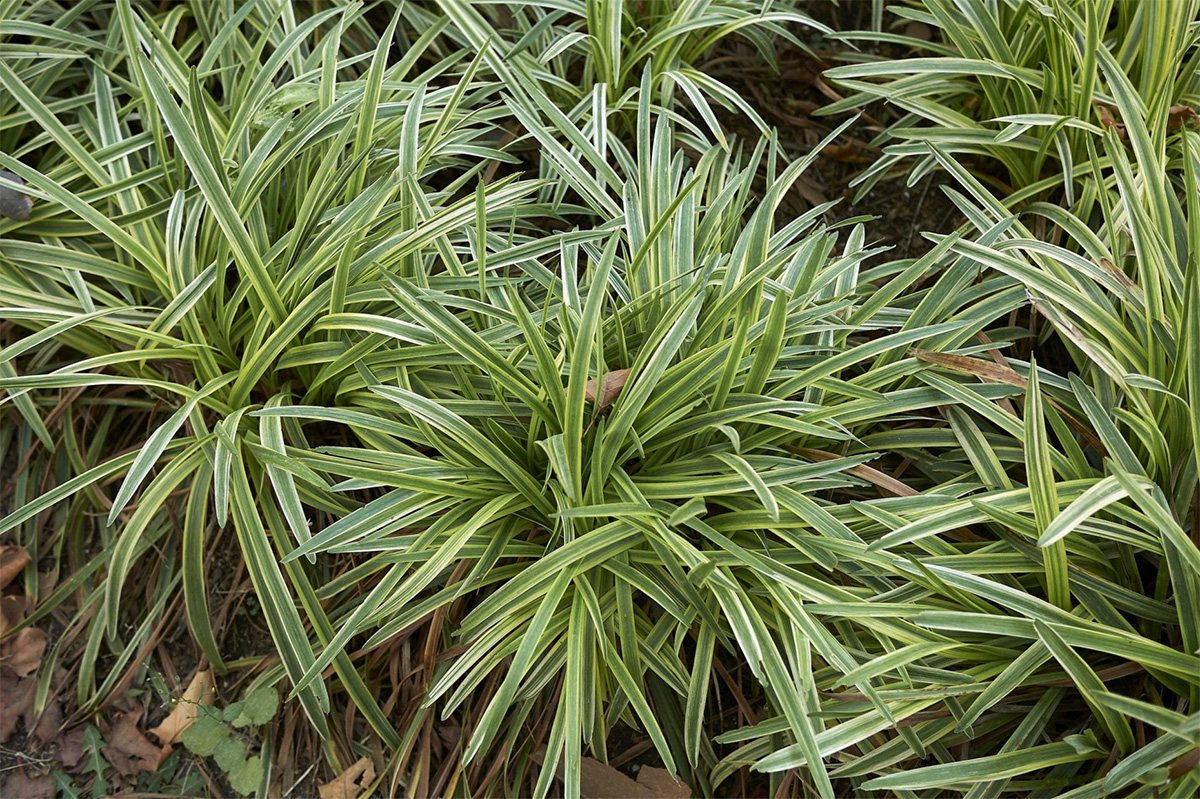
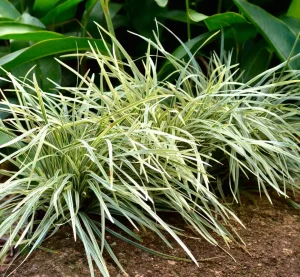
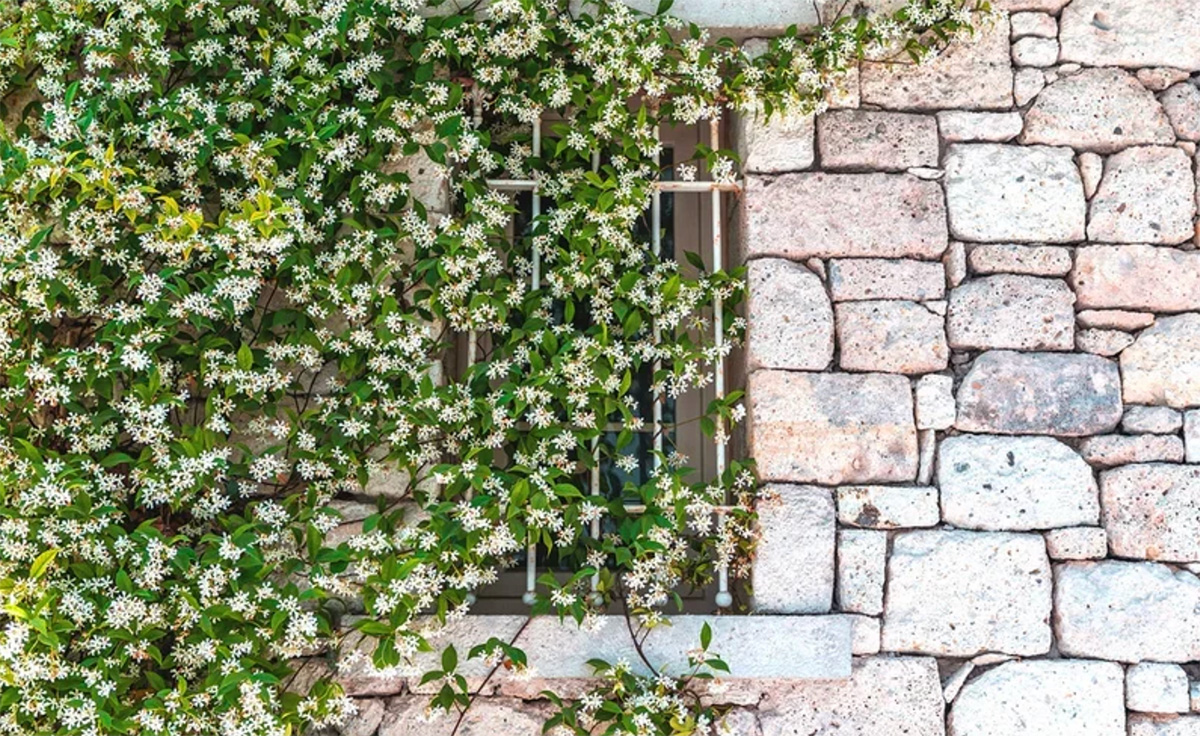
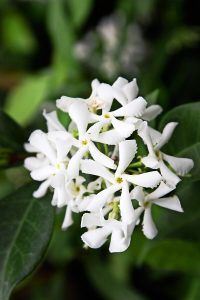
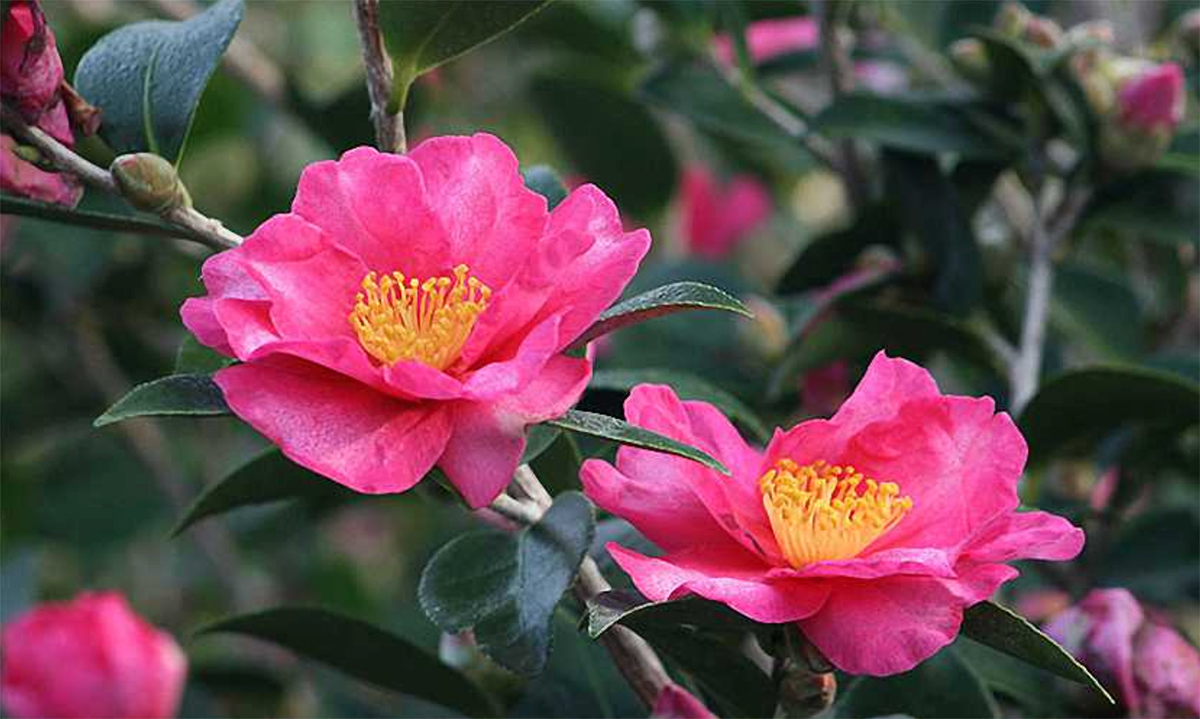
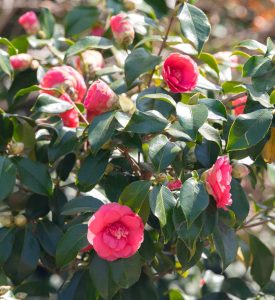
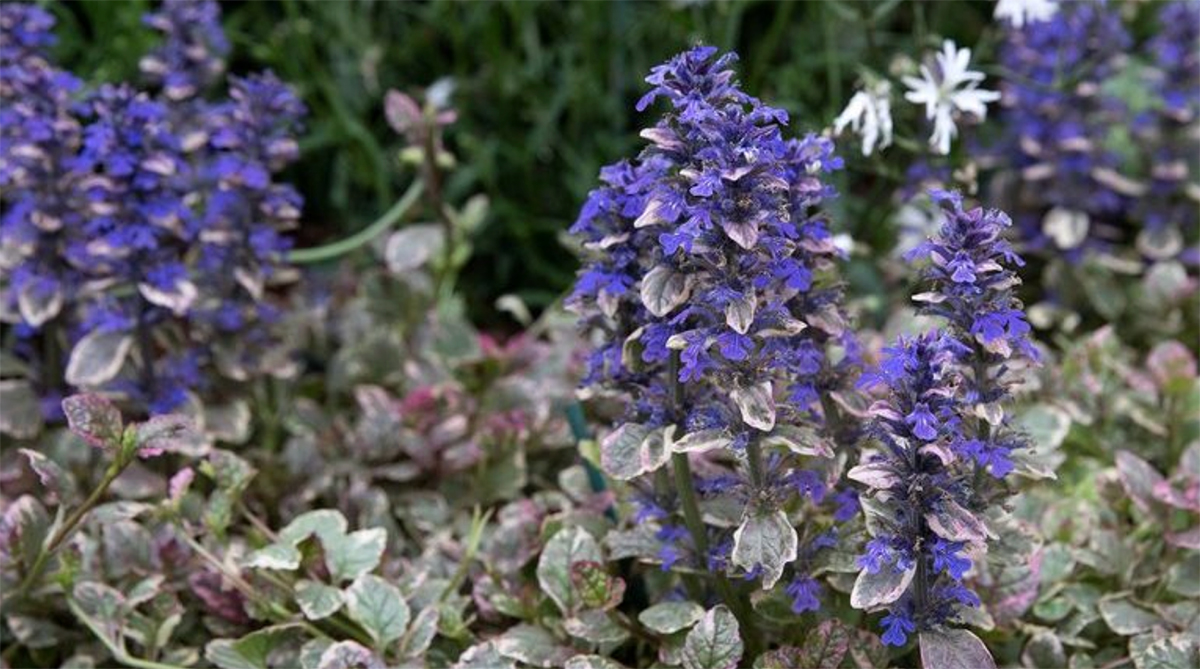
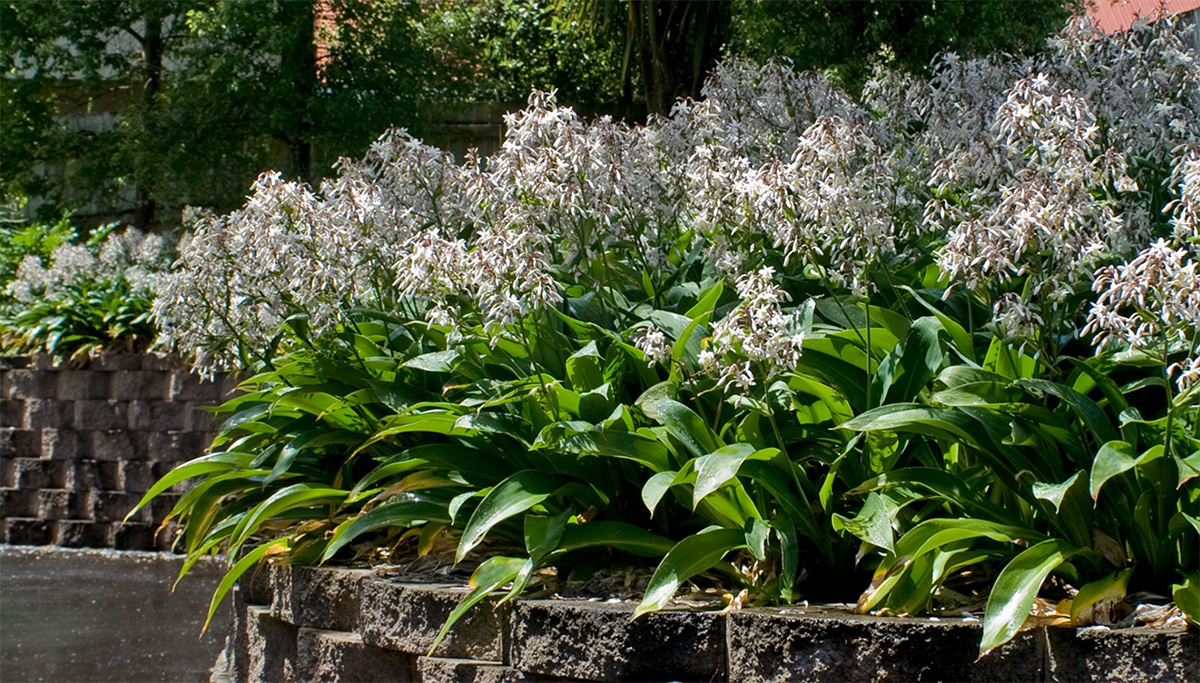
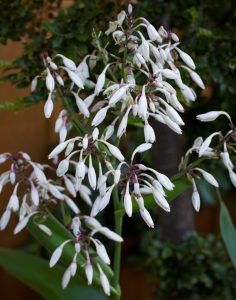
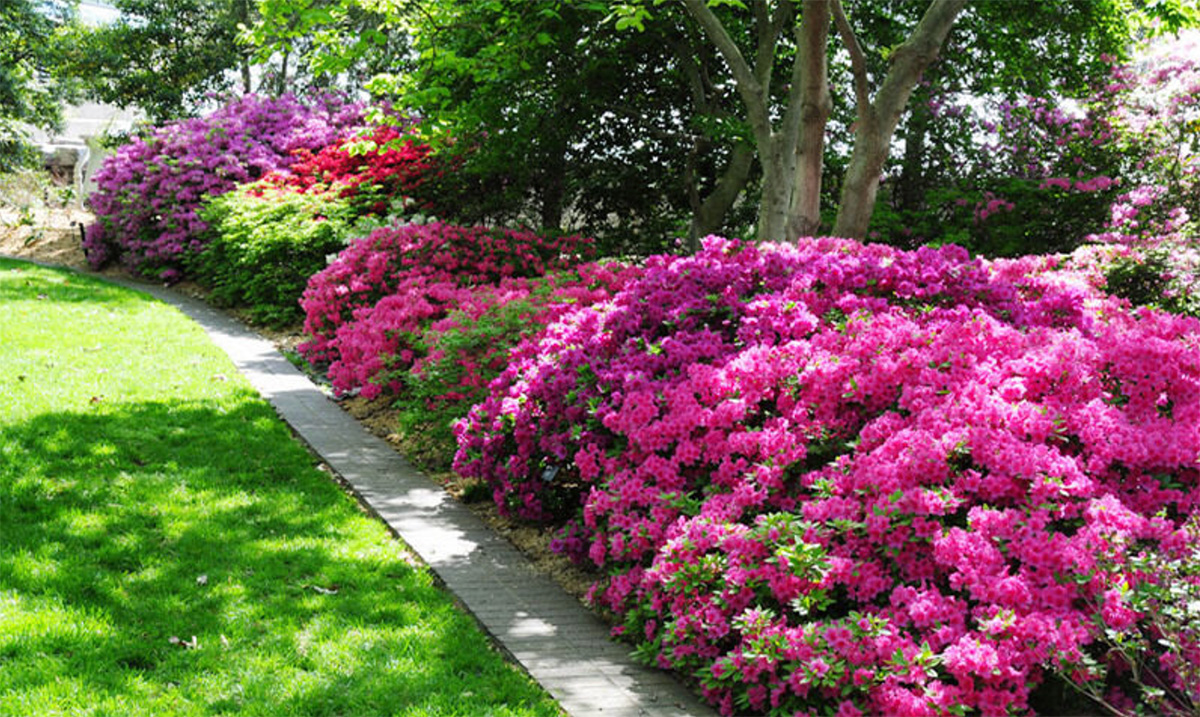
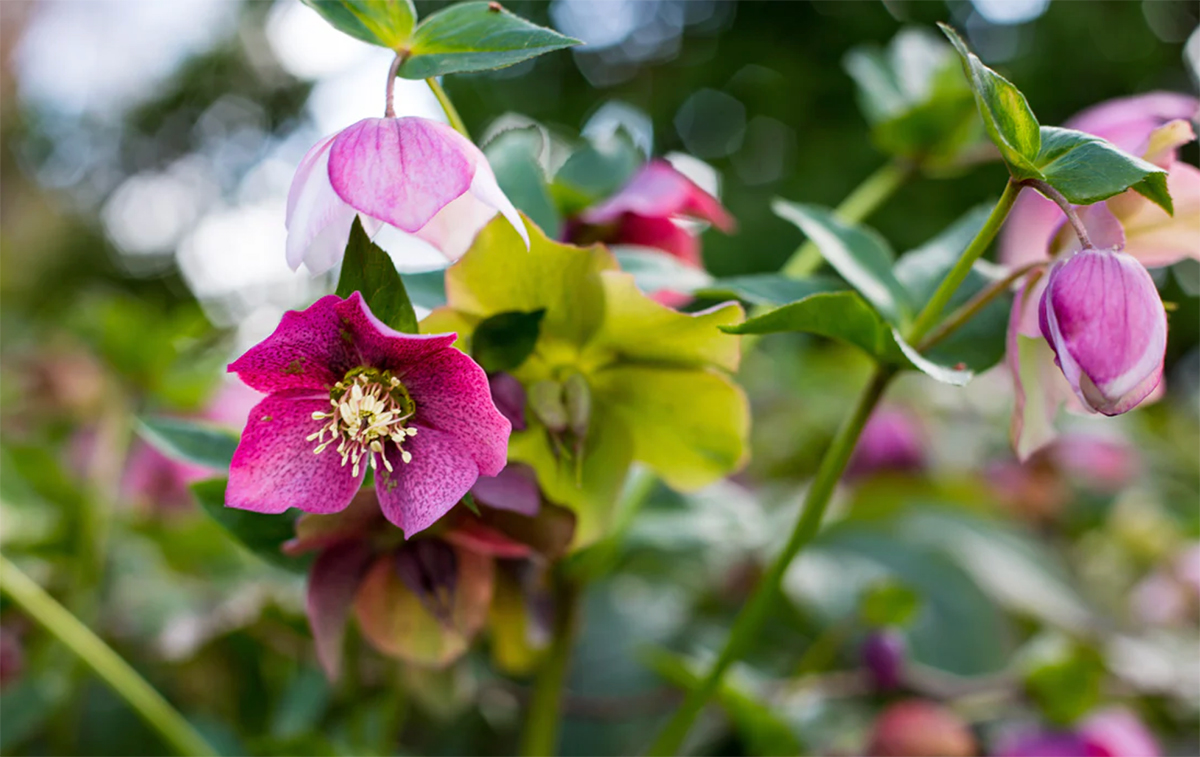
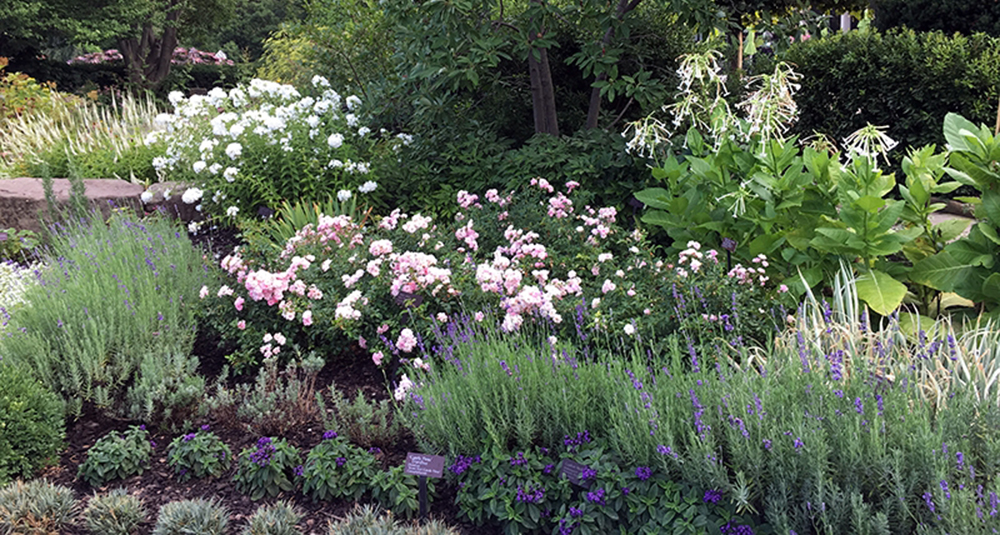



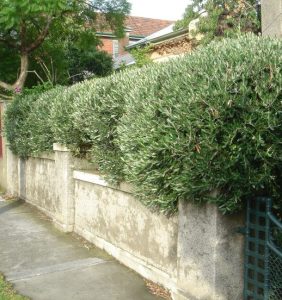
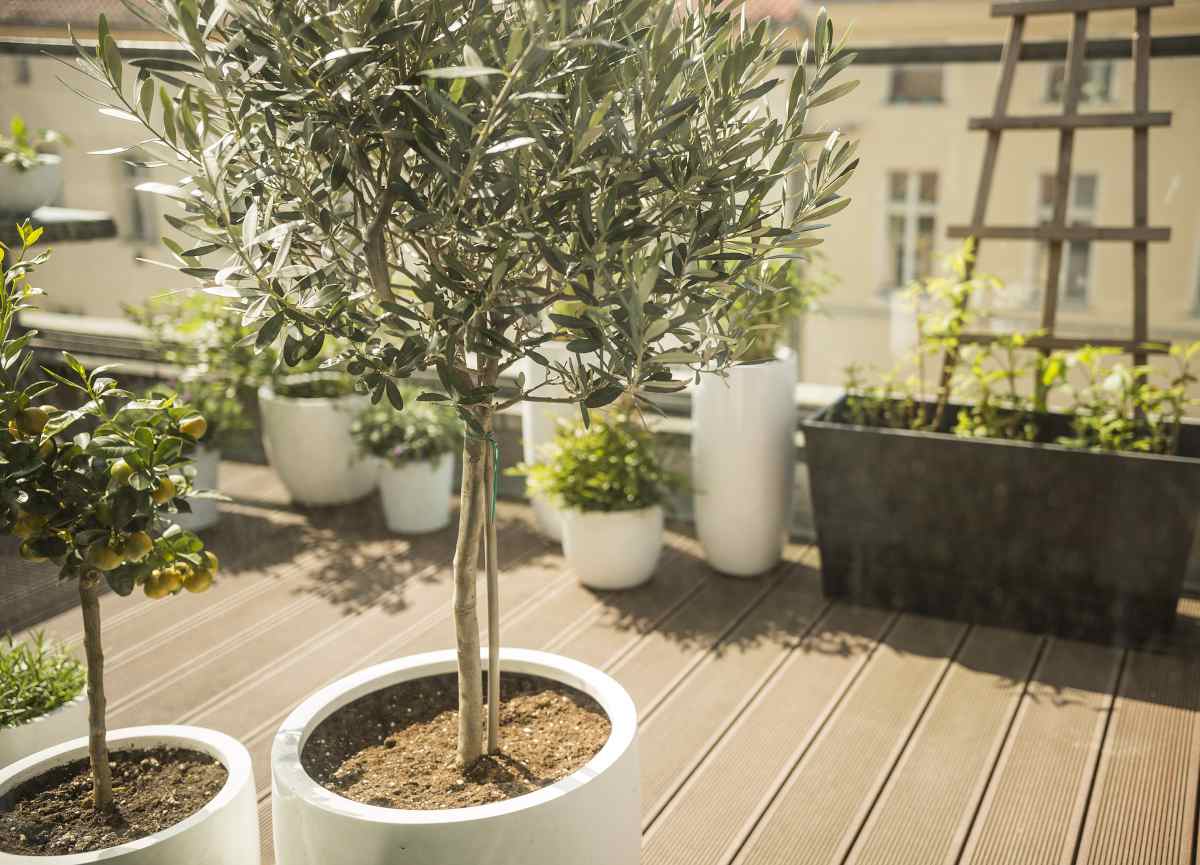
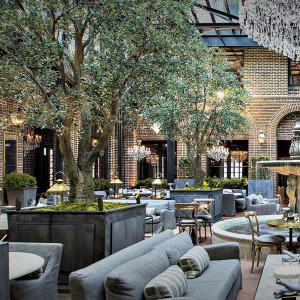

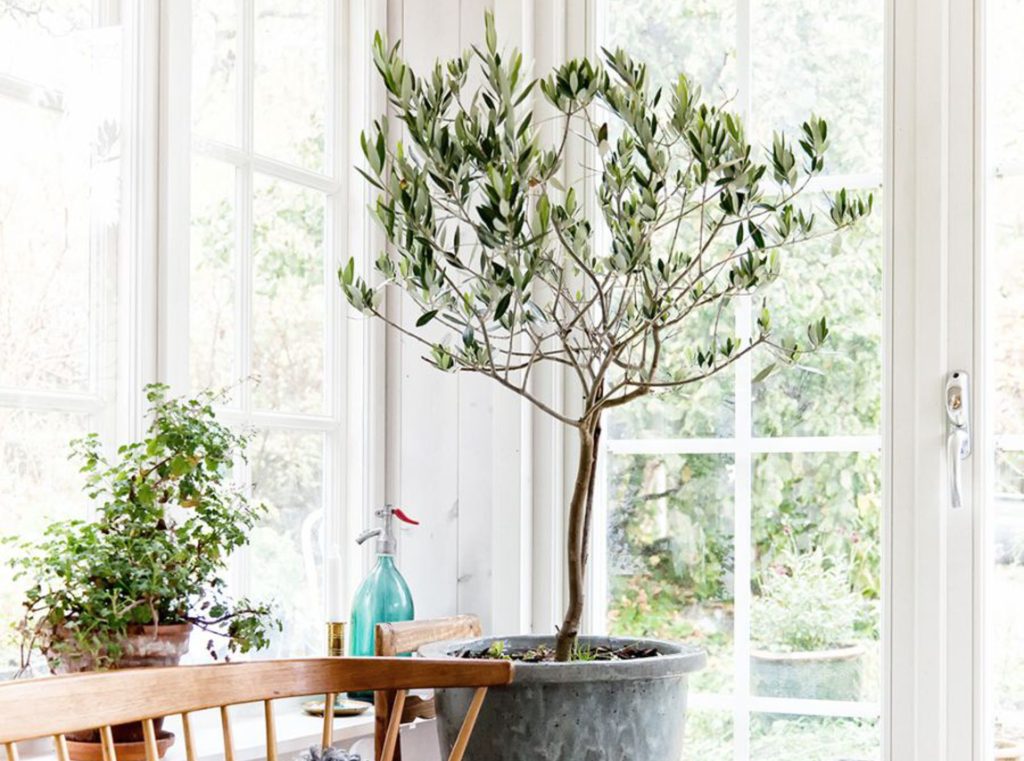
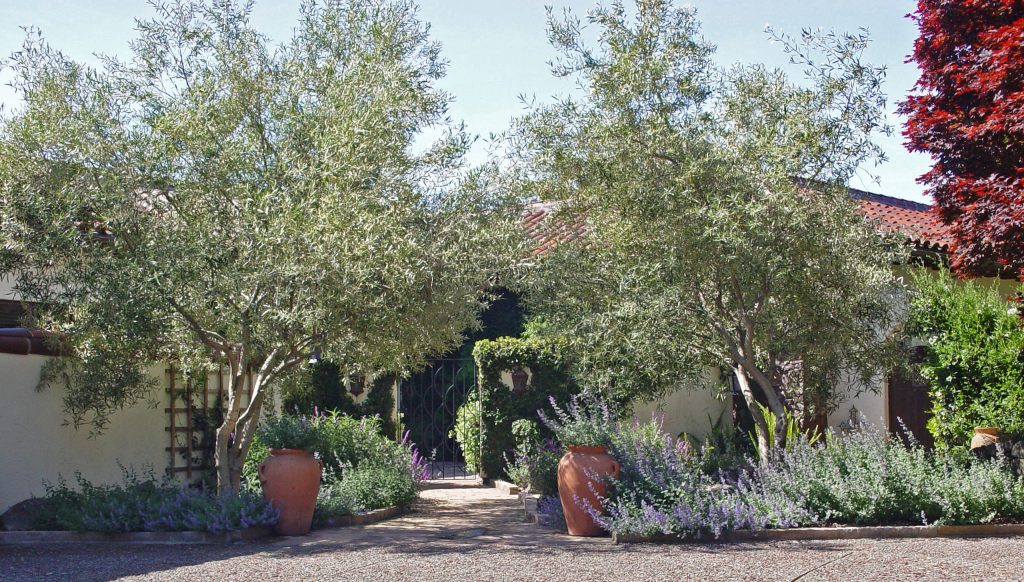
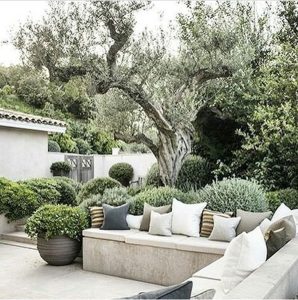
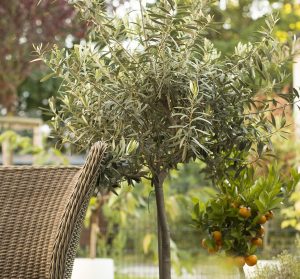
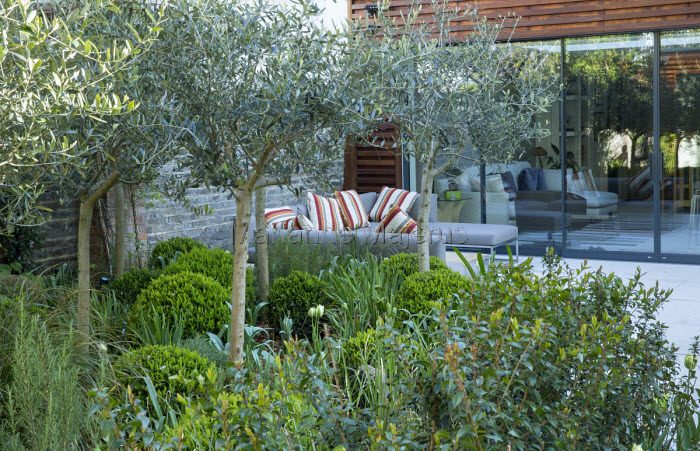

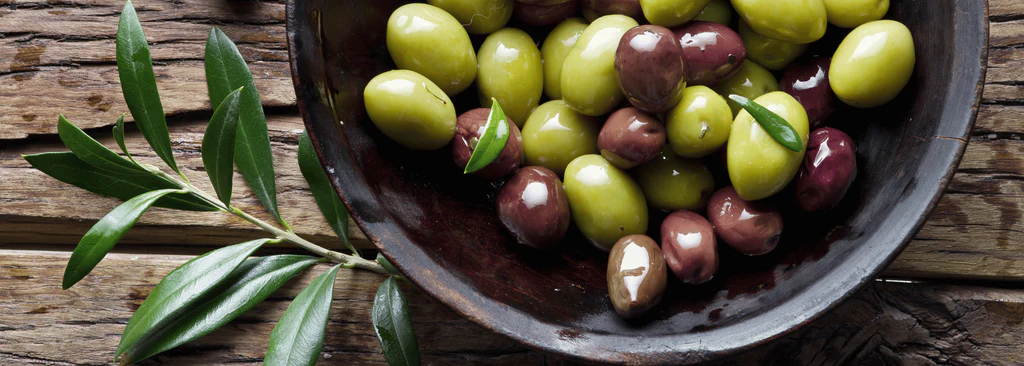
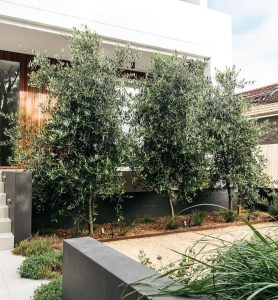
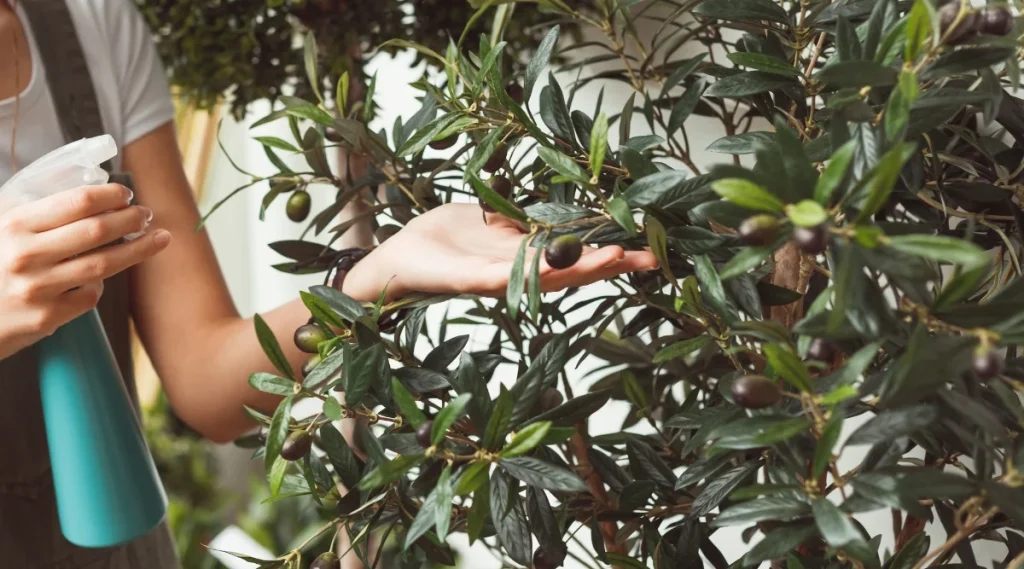


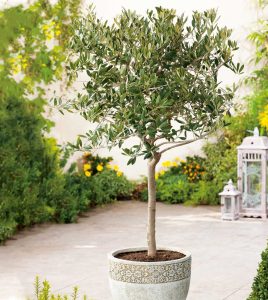 Okay that was a lot of information. So let’s go over the basics again. Olive Trees are incredible. Olive Trees can be used as a hedge, feature tree, windbreak, or screen. They’re low maintenance and tough as rocks. They give you delicious fruit that can be used in many different ways. They’re more reliable than a Toyota Corolla. And right now we’ve got an excellent sale going on.
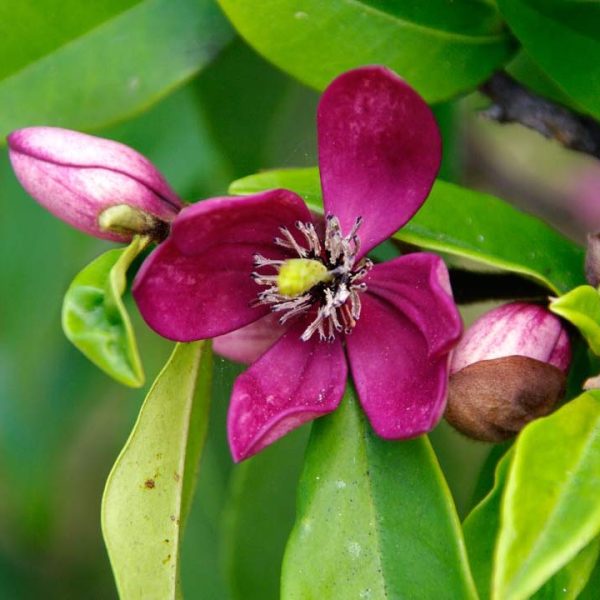
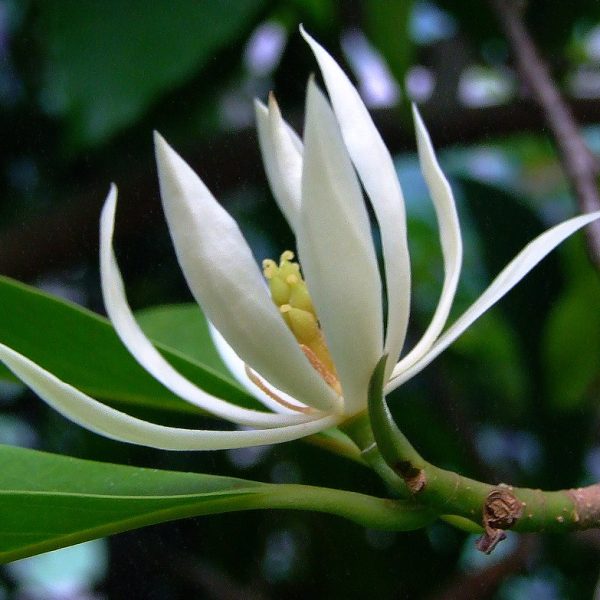

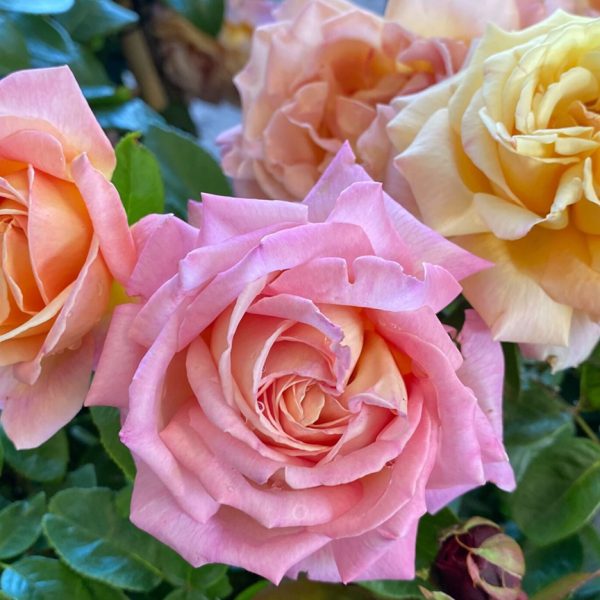
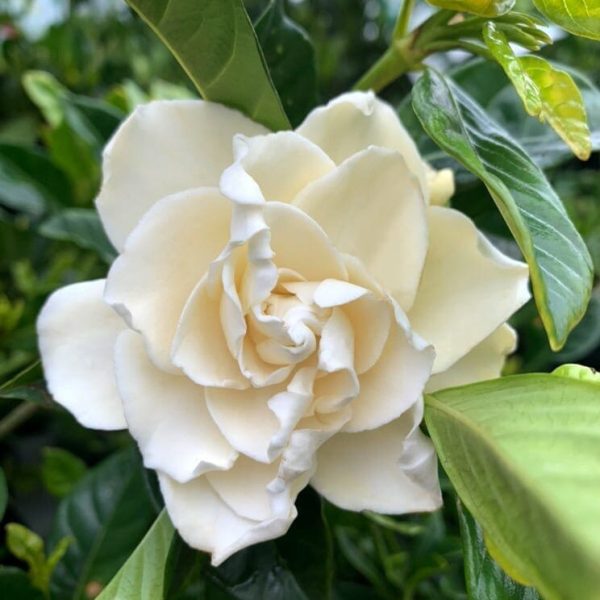
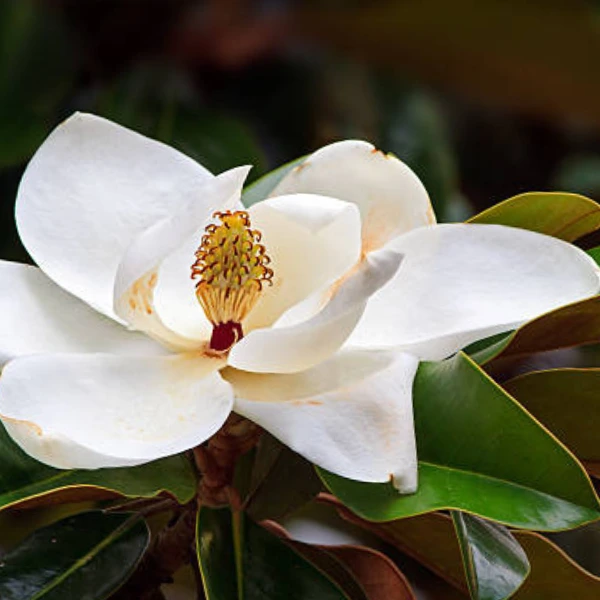
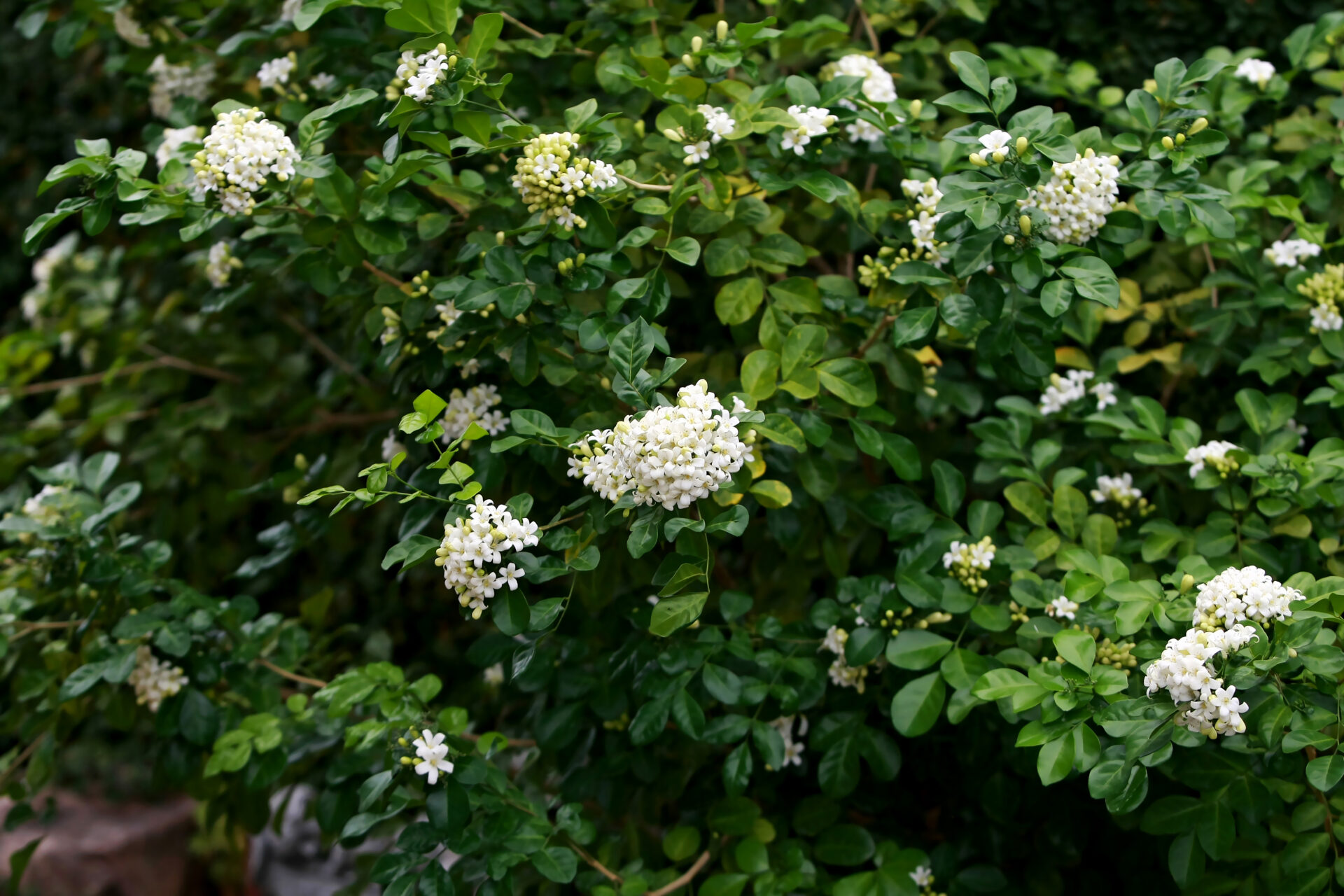
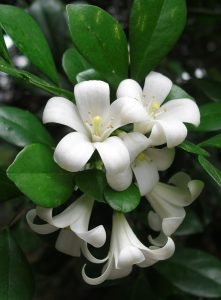
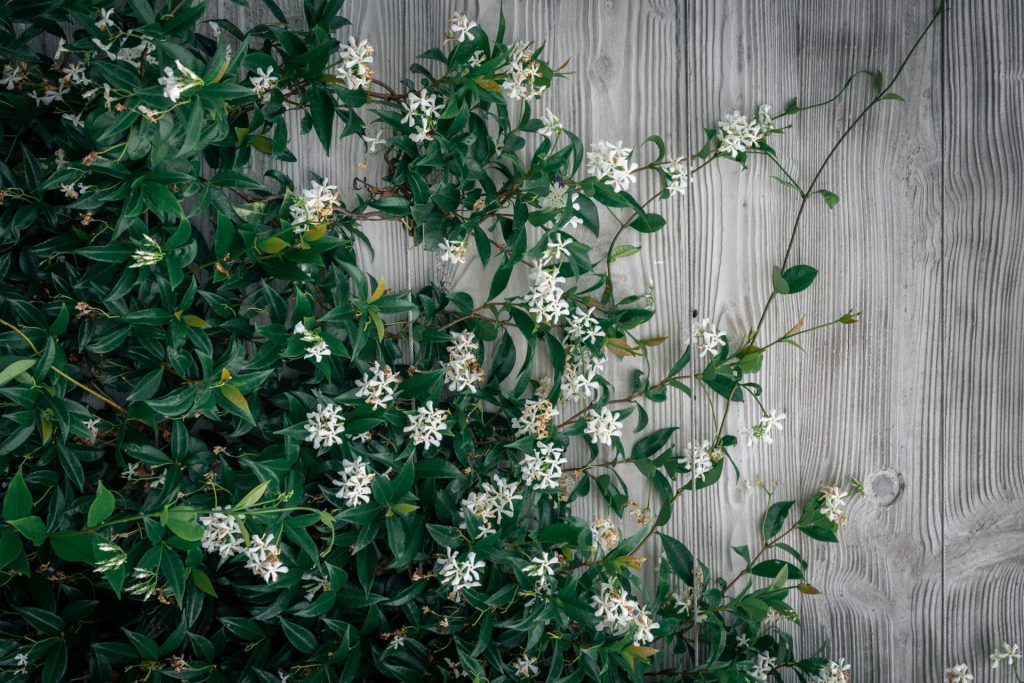
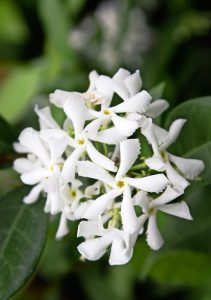


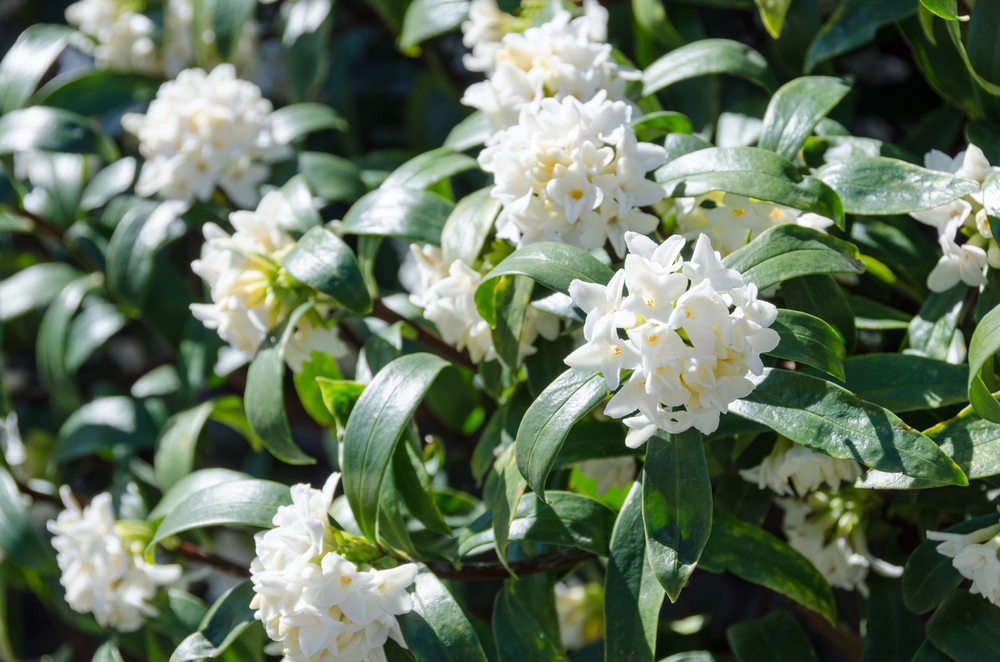
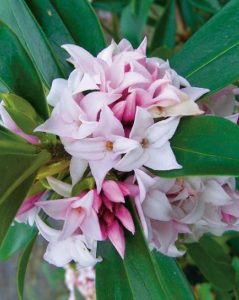 The
The 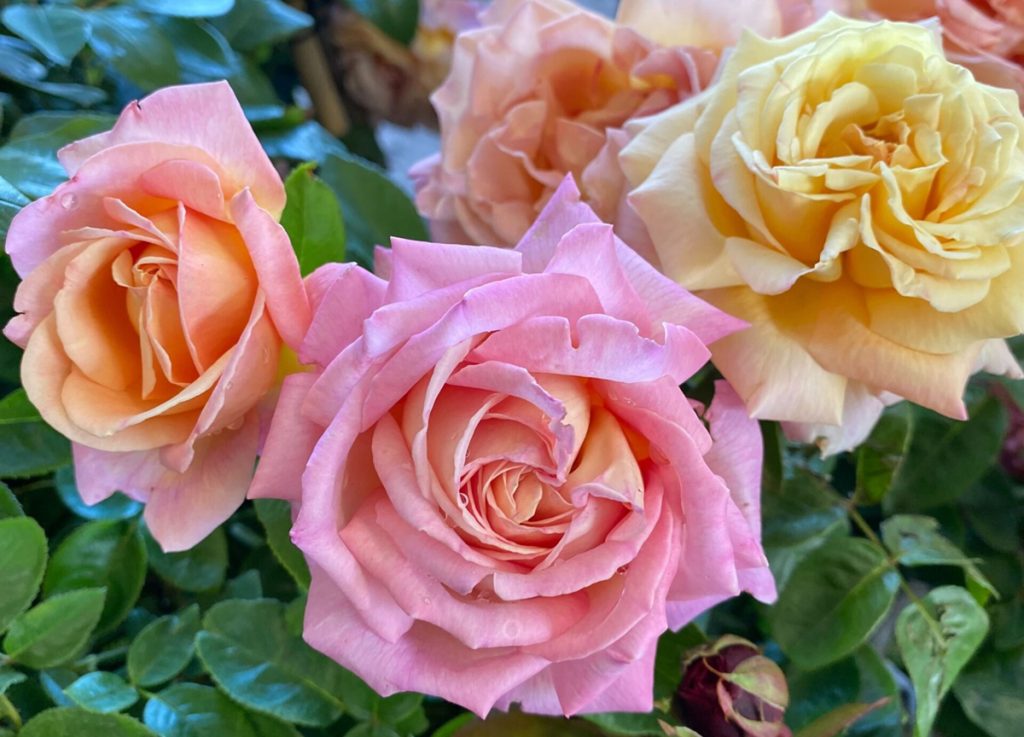
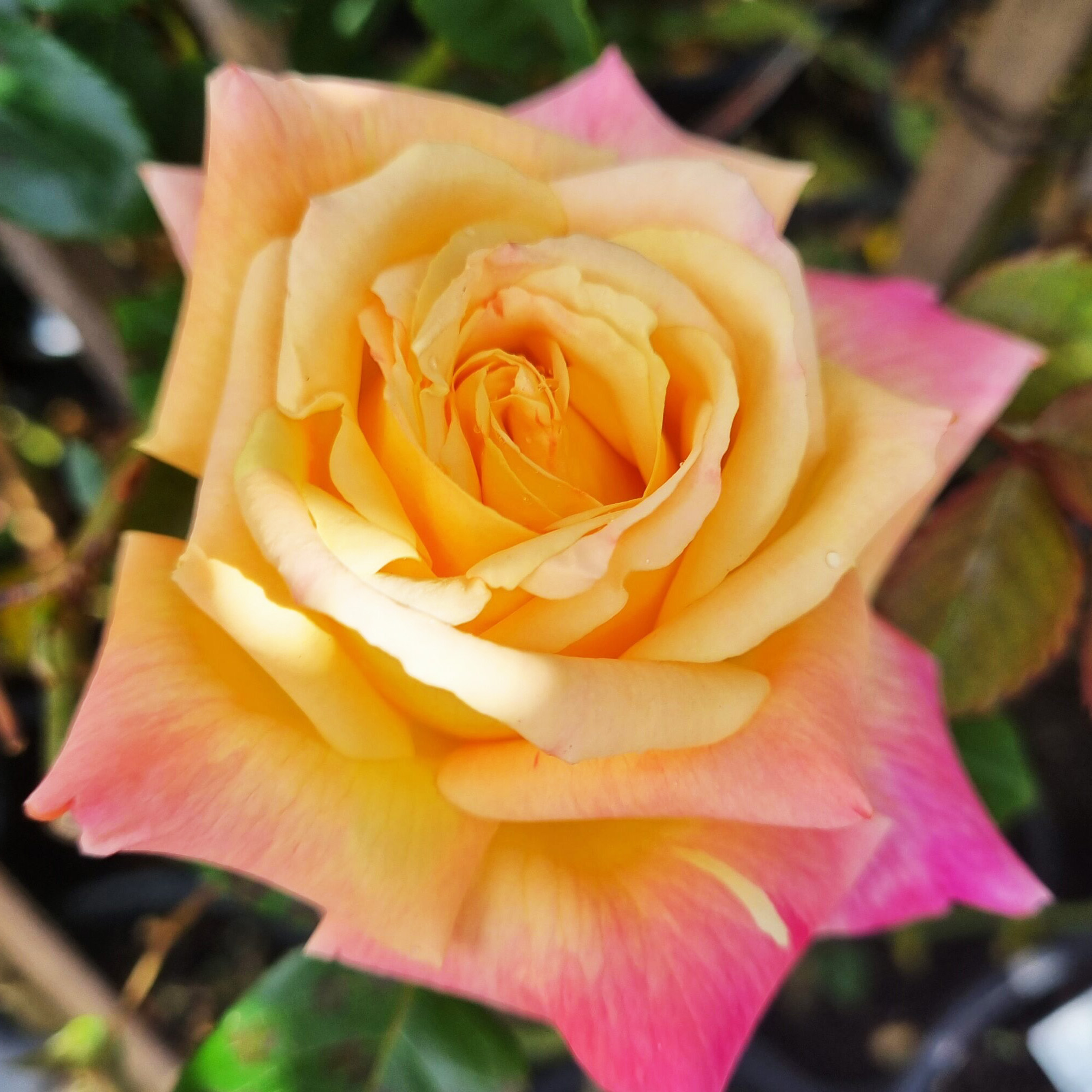
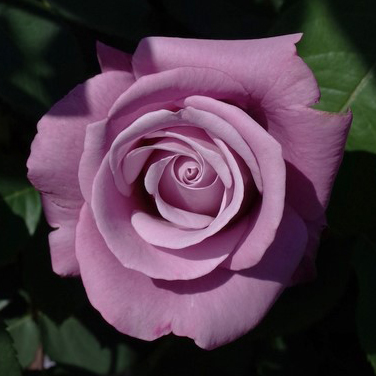
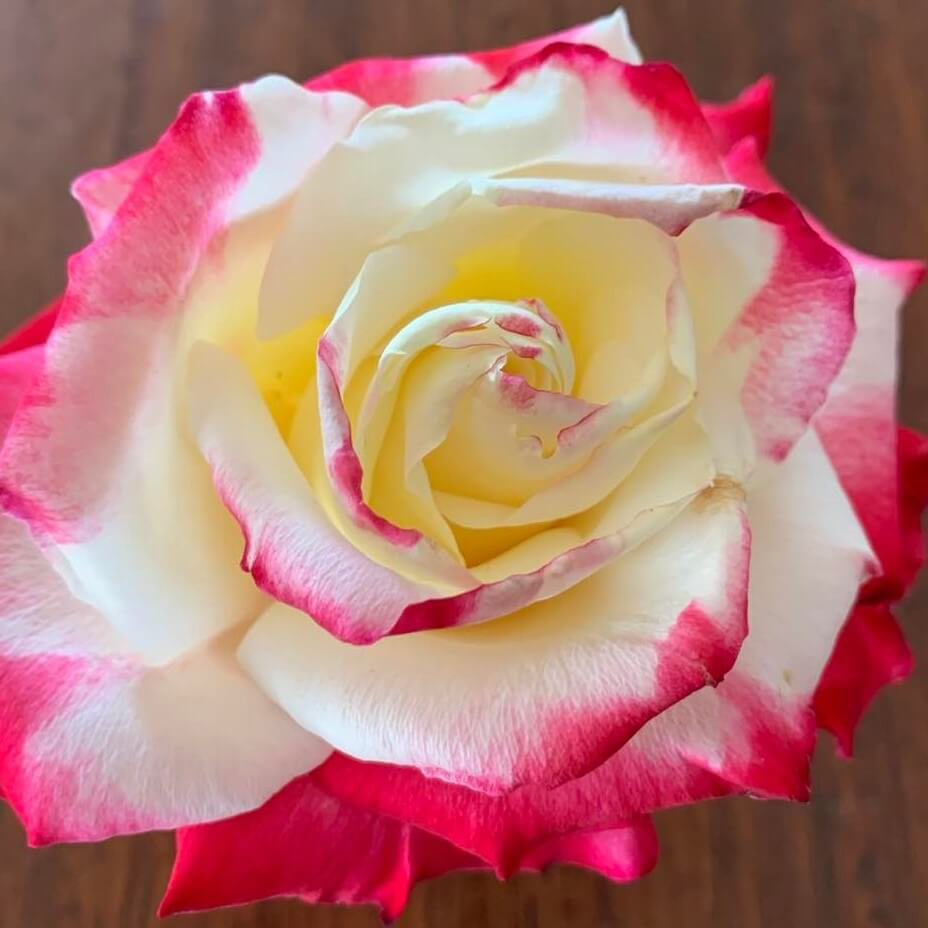
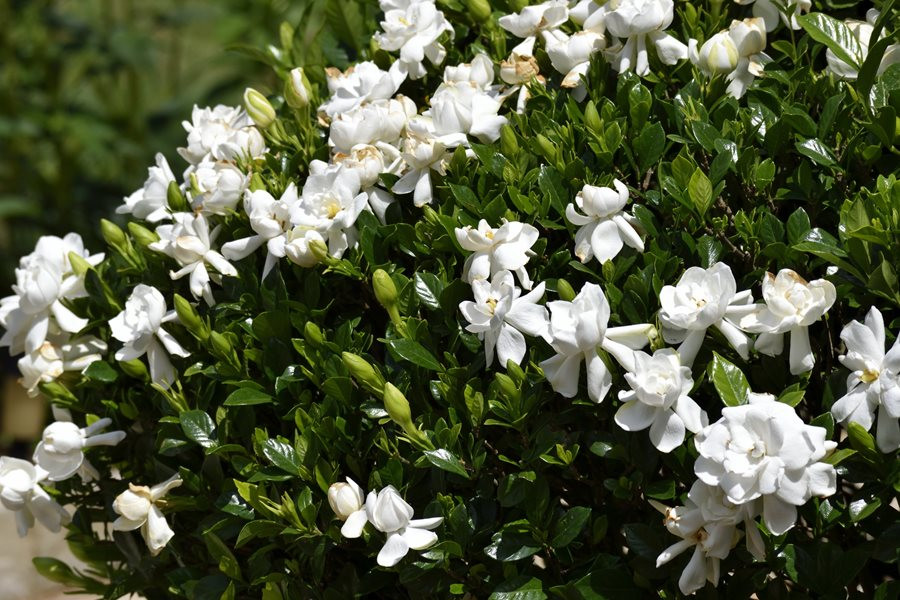


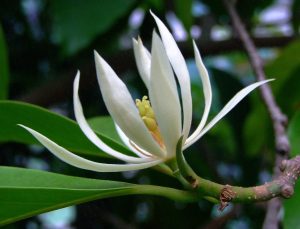
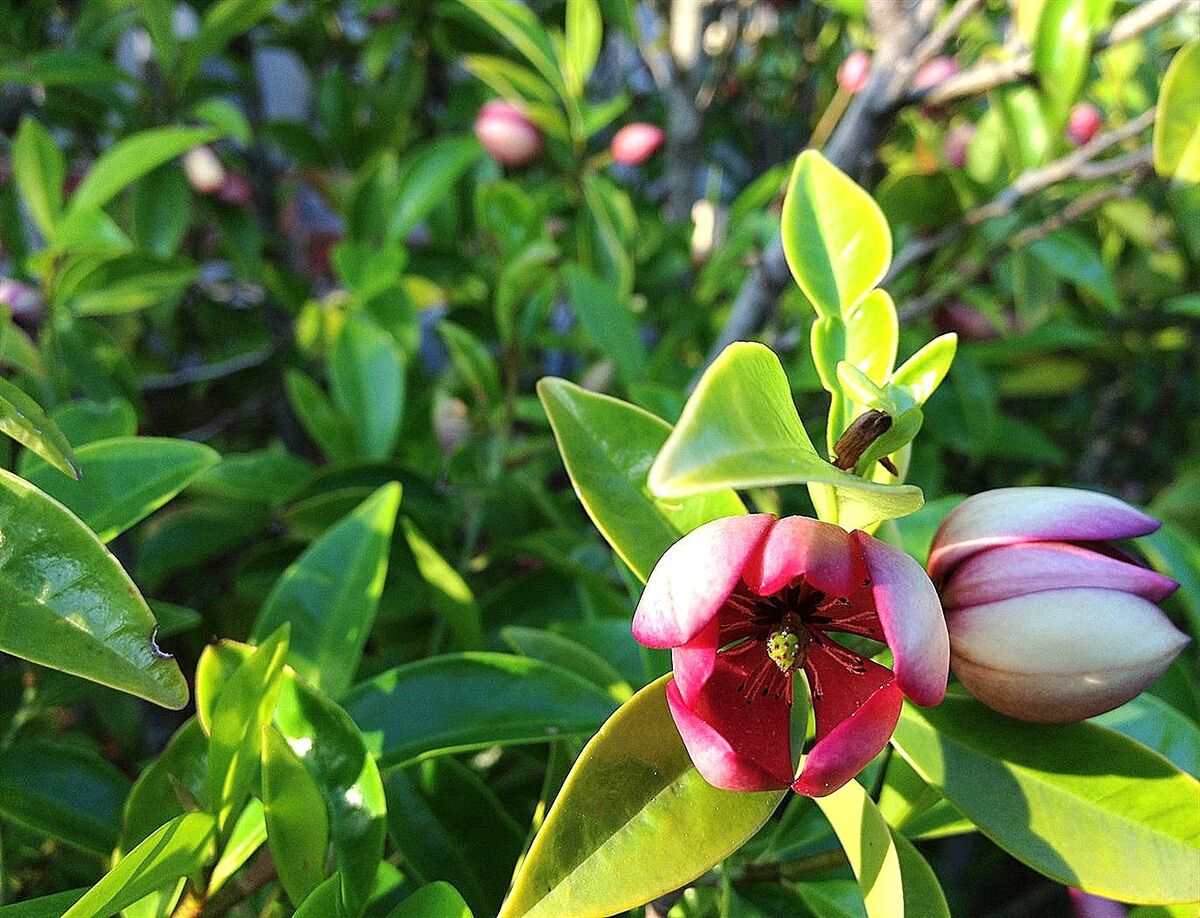
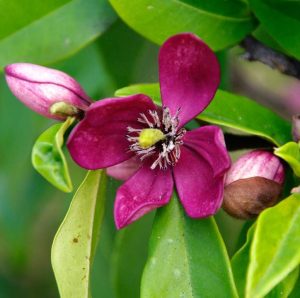
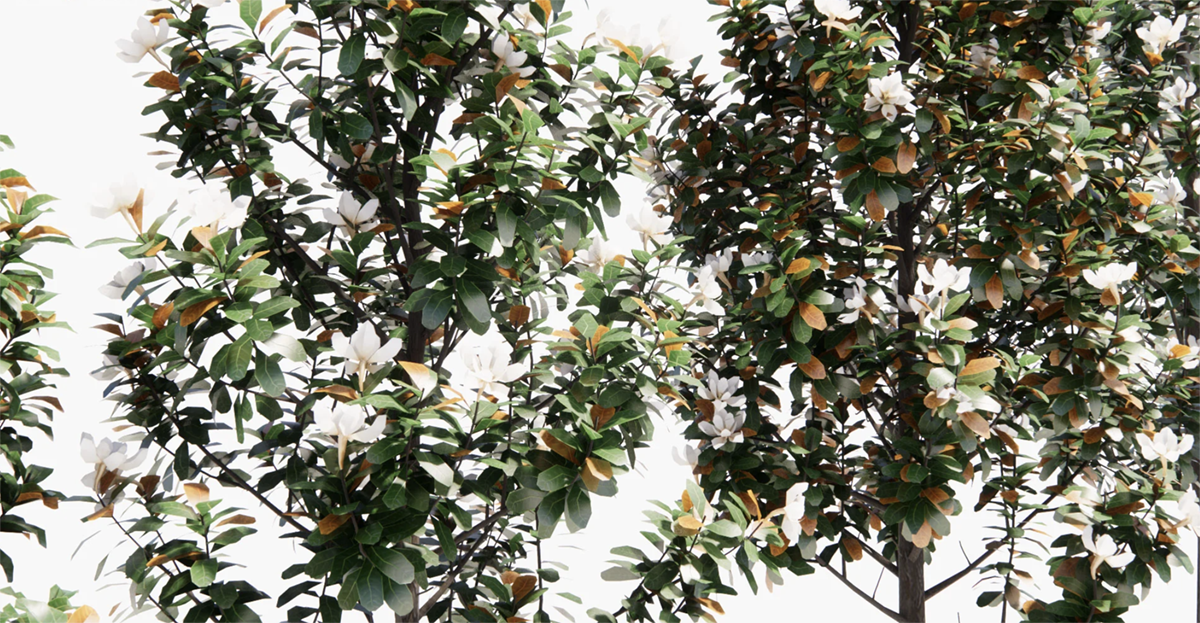
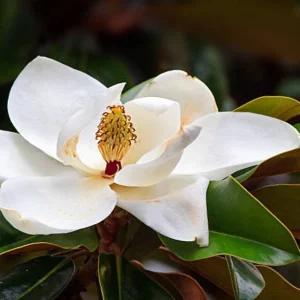

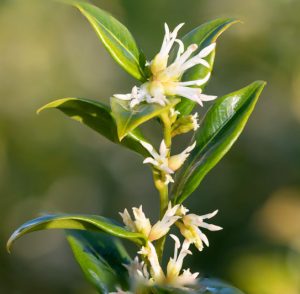

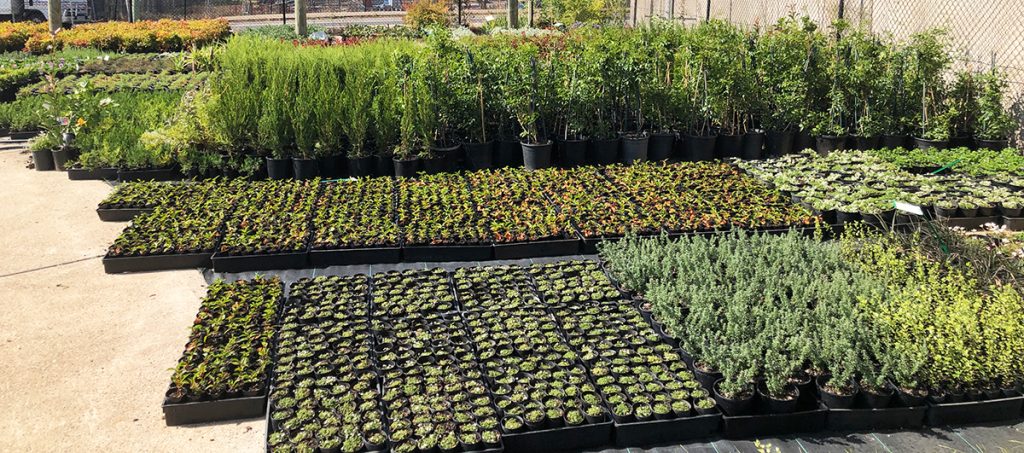
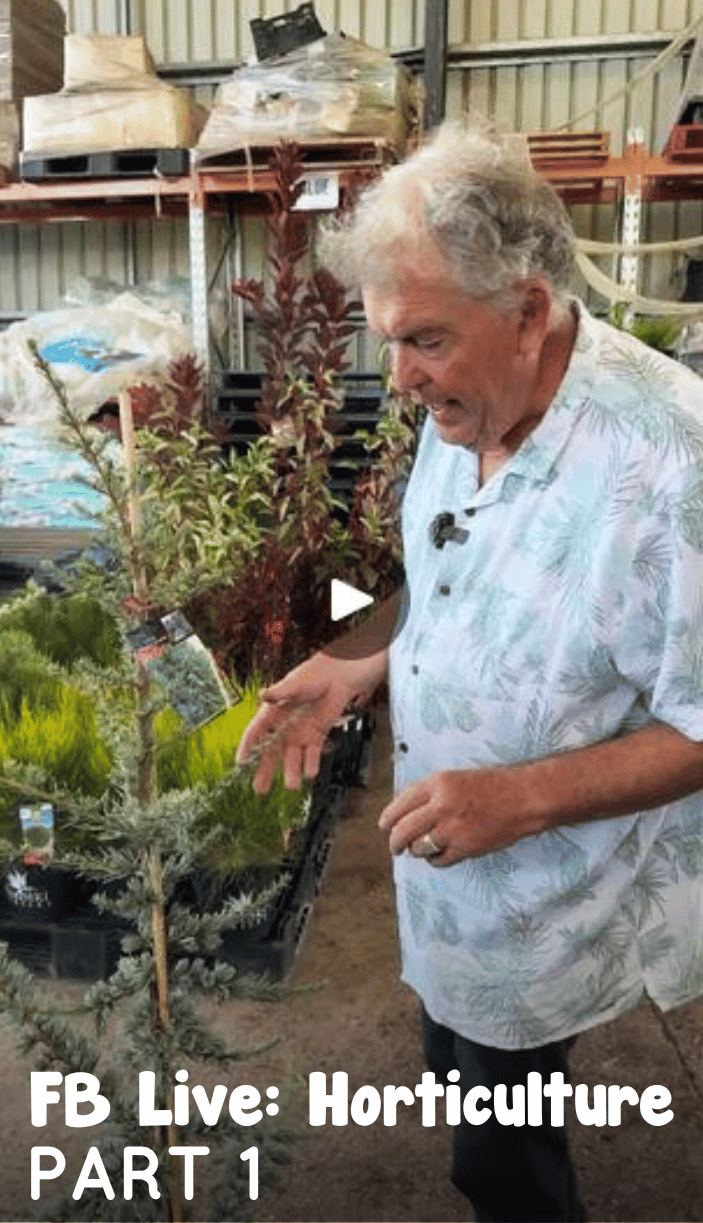
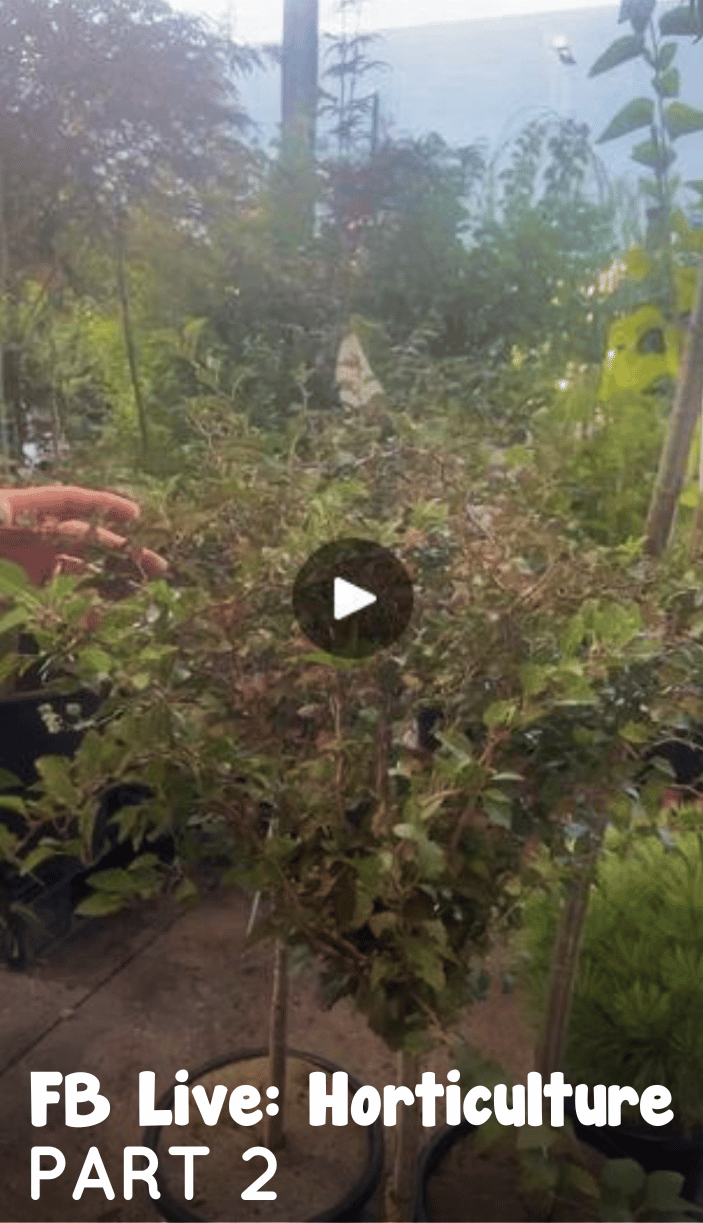

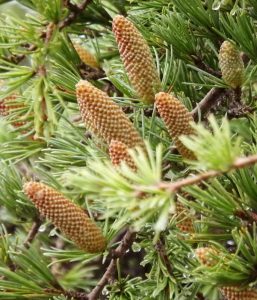 So my dad was also in the horticulture field, and he brought all us kids into it. My siblings and I would go up to Lancefield and harvest the cones off of Indian Cedars. Then we would bring them back and warm them in this big boiler so that they would fall apart, and we could get the seeds inside. My dad would plant the seeds in a little pot and after about three years we’d get a little Indian Cedar. Incredible, isn’t it? That wasn’t the only Cedar we harvested, in Mount Dandenong there is a Blue Cedar that we would cut the shoots off of and then my dad would graft them. He would seal them up with a bit of plastic and tar and then grow them.
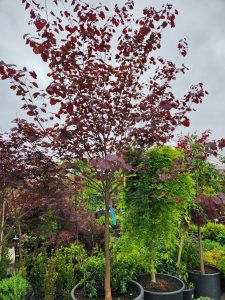
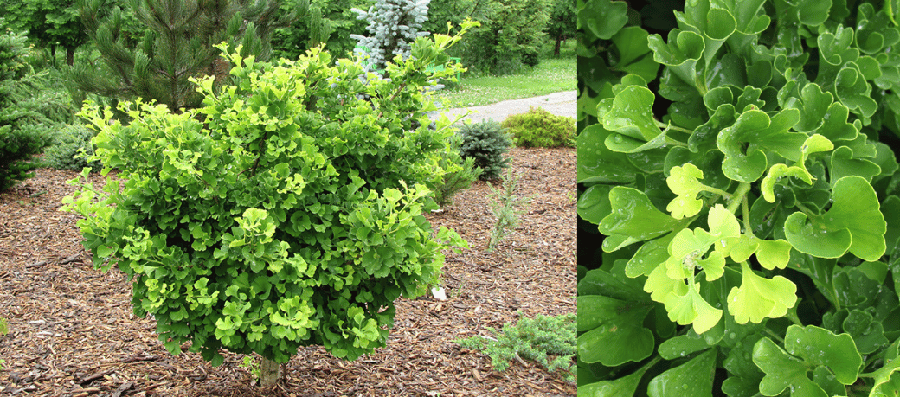
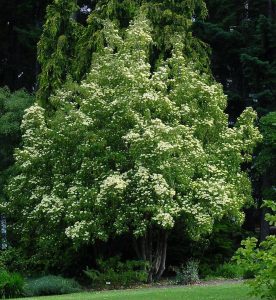
 As always, we have a little Q&A Section where we answer some of the questions that popped up. If you have any questions of your own come to our Facebook Live, it happens every week on Wednesday, and we cover a different topic every time. Here this week’s question:

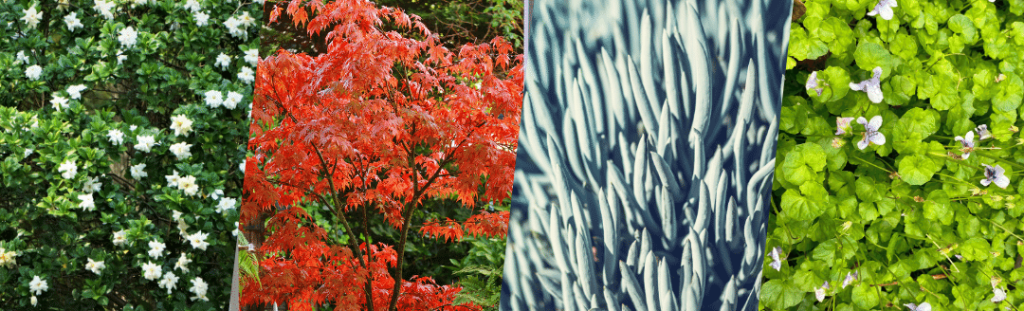
 I chose things that are hardy and easy to grow, so they’re acceptable to lots of people. For instance, if you’re fixing up a garden to sell, you’ll find that a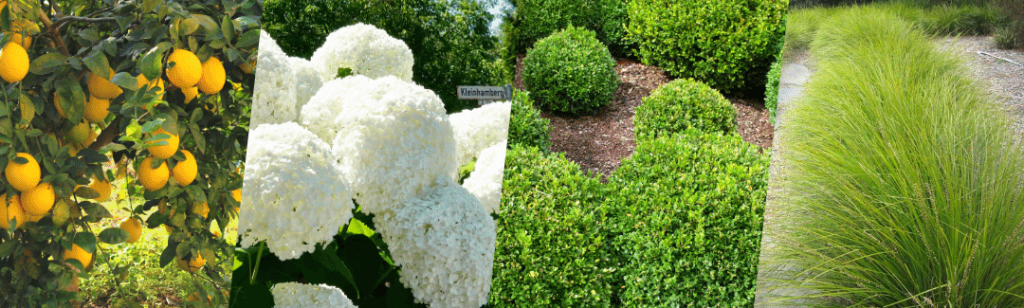

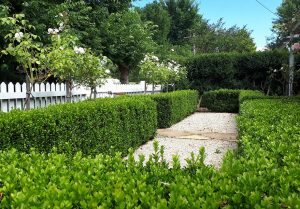 The No. 1 selling plant in Melbourne without doubt is your
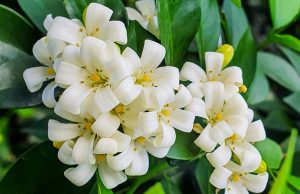
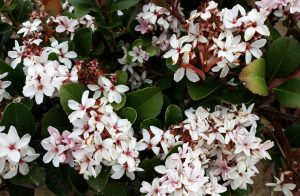

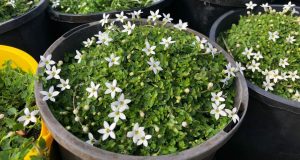
 Now we’ve also included probably the bestselling plant just about in the whole nursery at the moment. It’s the


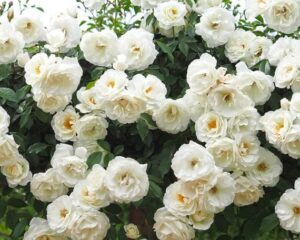
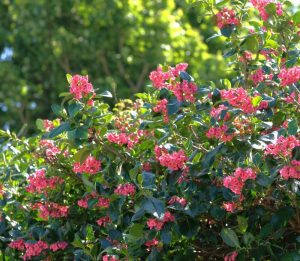 Now when it comes to screening and flowering plants, probably my favourite is


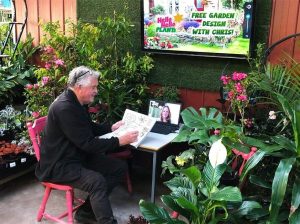












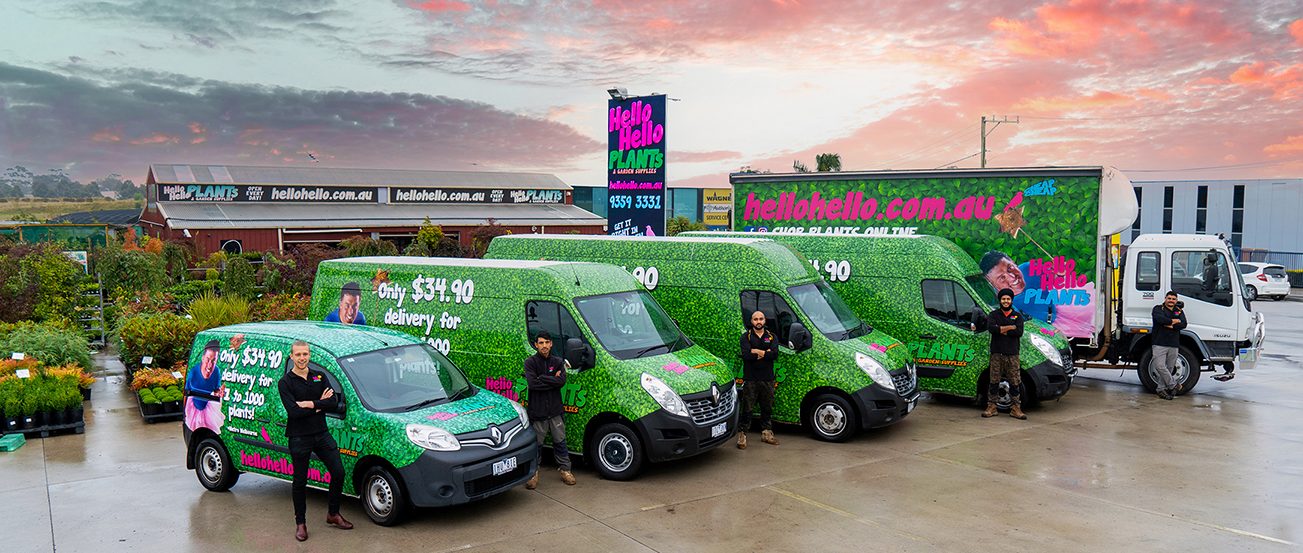

 There are people who have never owned indoor plants and all of a sudden, they want to have an indoor plant. They’ve just rented a house or whatever, and they want to have a couple of indoor plants and they’re nervous. Indoor plants look expensive to them, they look like they’re fragile and they don’t know which ones to start out with. So they are what I would call beginners when it comes to indoor plants.



 Now to start off, for the first plant, I’ve chosen a modern version of the old


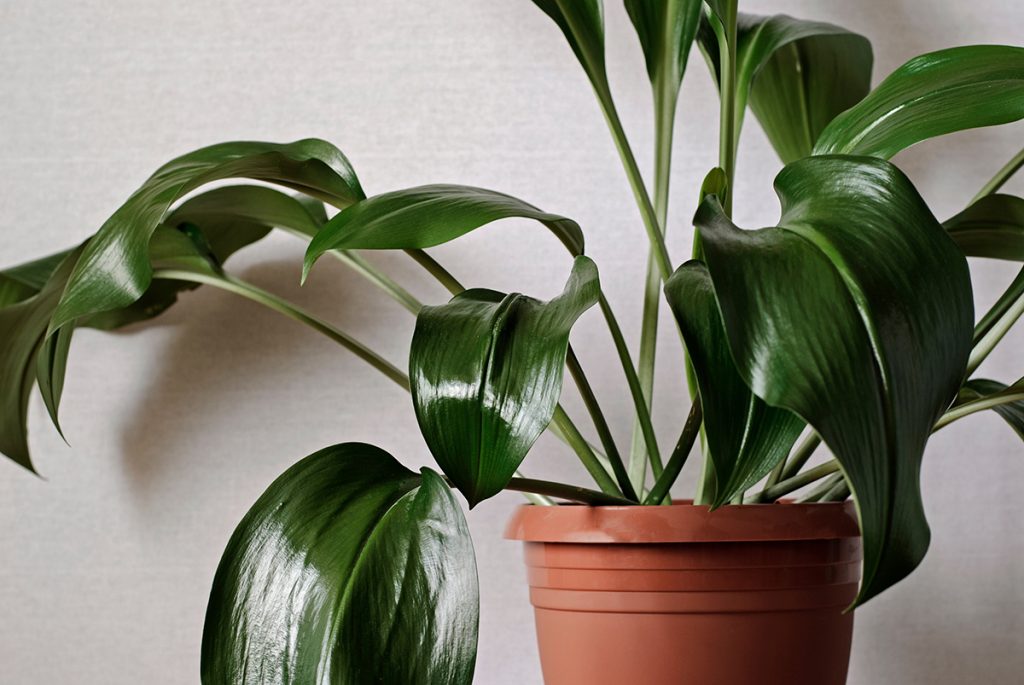



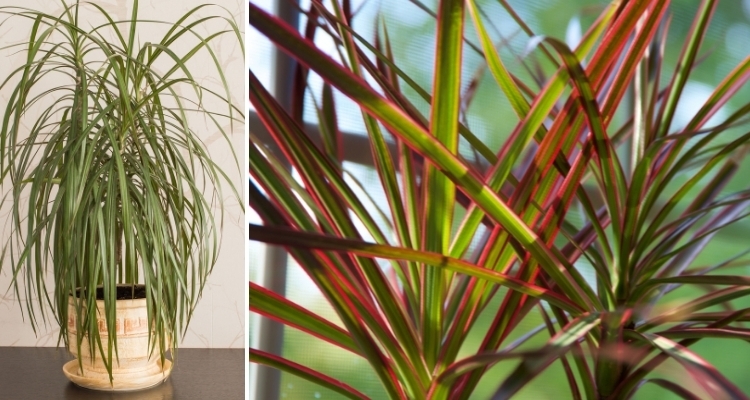
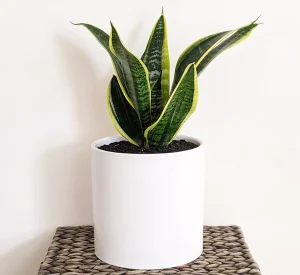


 And remember when it comes to choosing which plants, just head to our
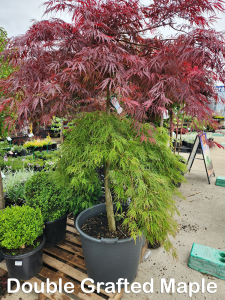
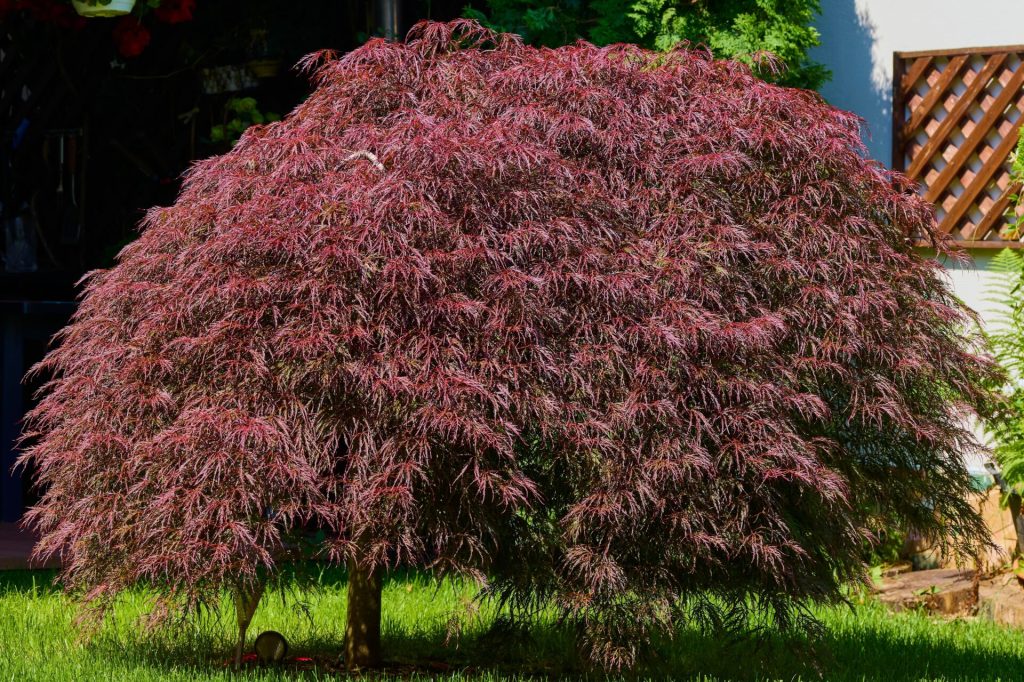

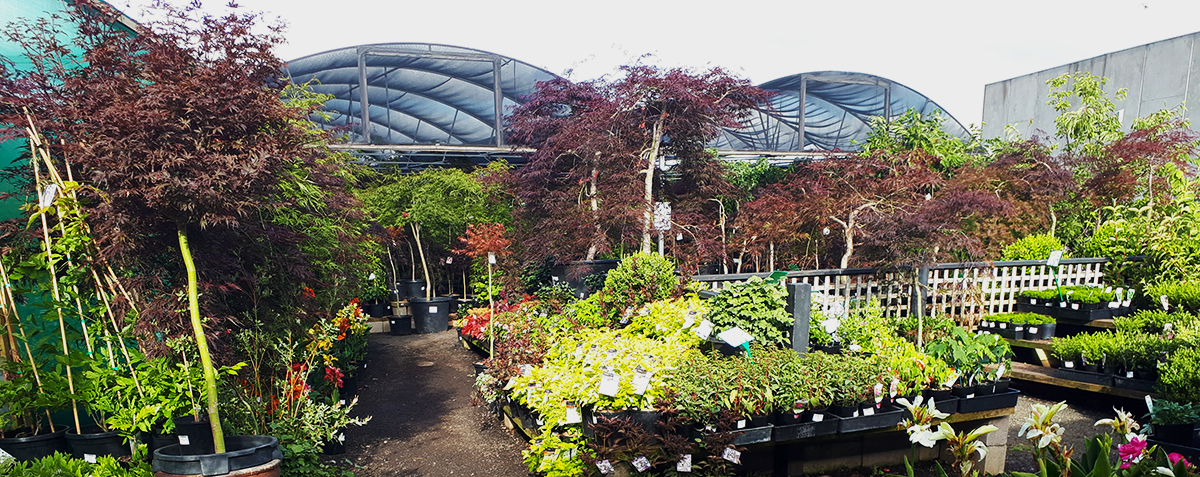 From there you can go up to a multi-headed one, that might have up to 4 heads on it making it nice and wide and that is a real work of art. Normally it would be priced at around $1,500.
 But I’ve decided that from right now through to the 31st of January 2024, because I got a good deal on all these 500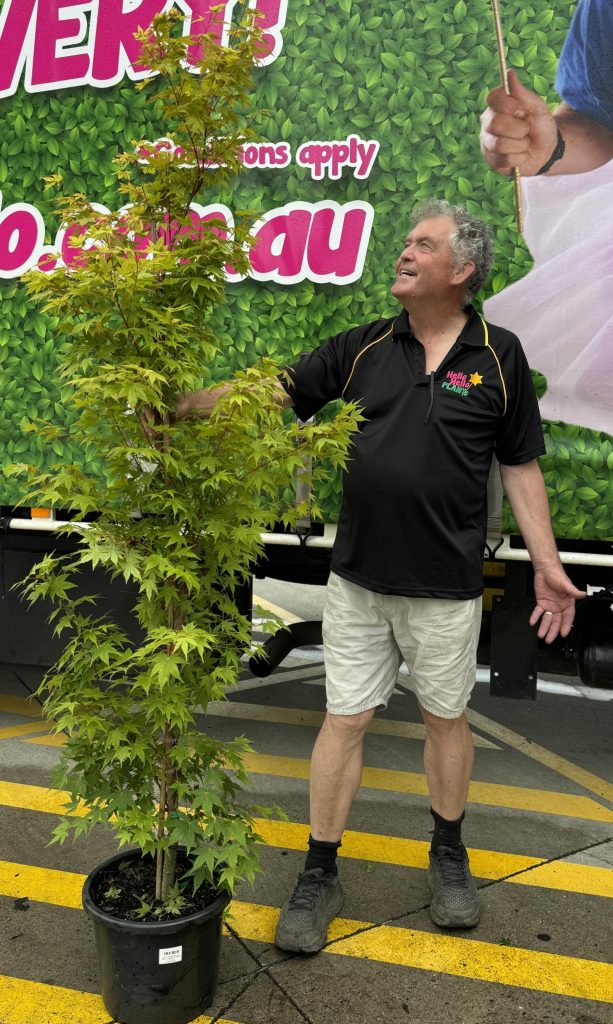
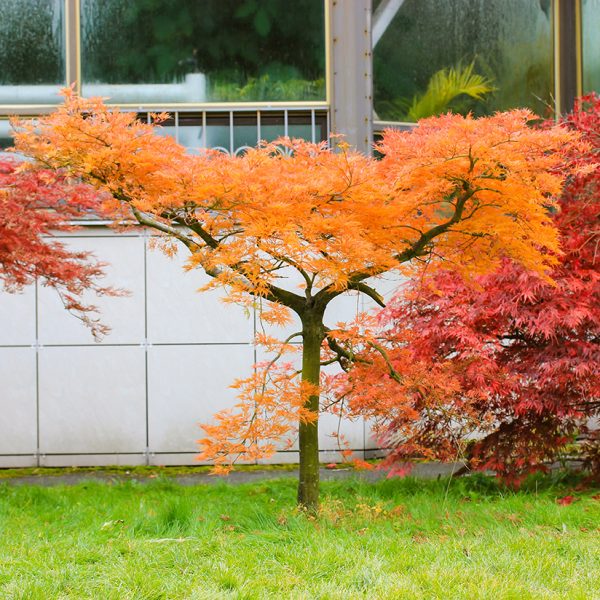
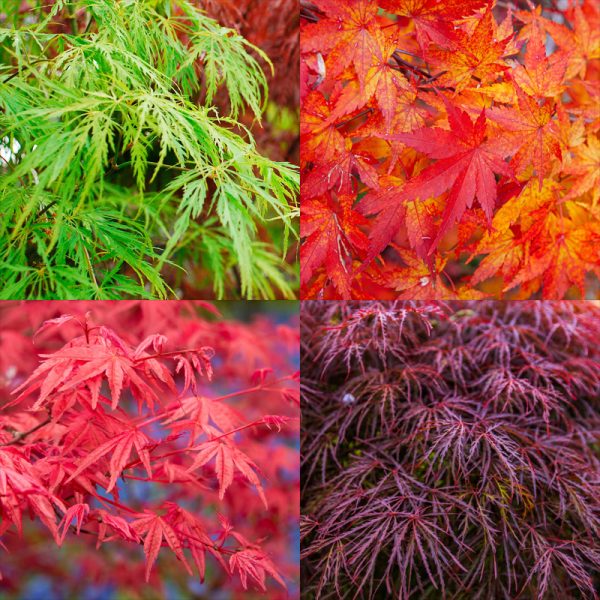
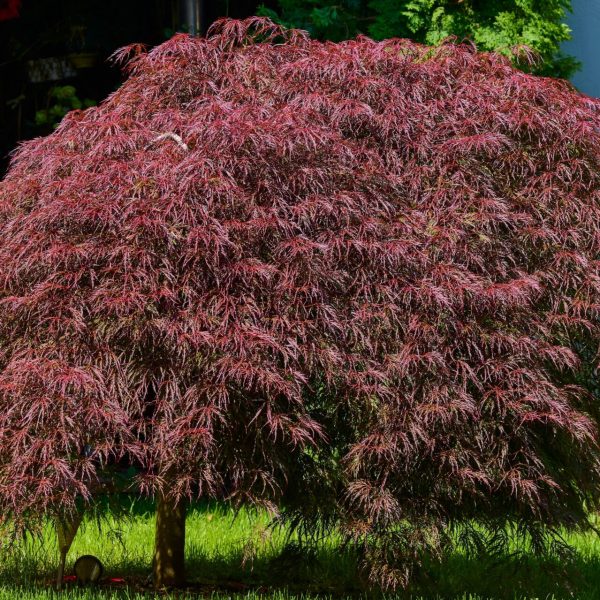
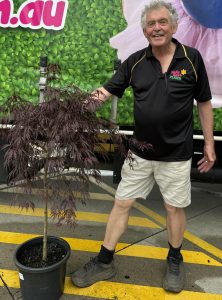 Now what do you do with your Weeping Japanese Maple when you get it? Well with the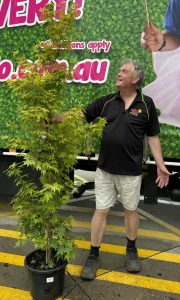
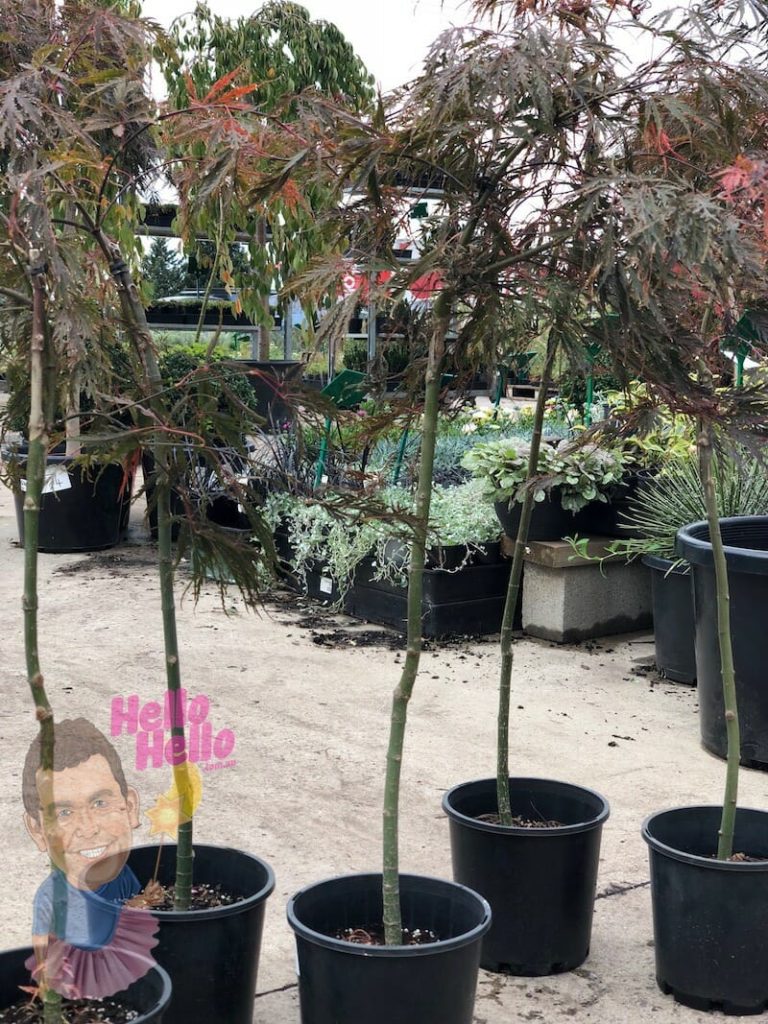
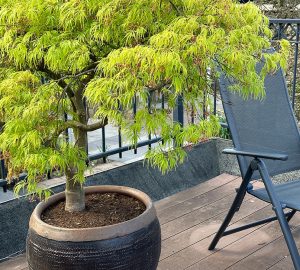 Now if you want to plant a Japanese Maple in your garden that’s also totally OK, they look lovely. When I plant one of them in the garden, I’ll tend to dig a large hole. I’ll mix in lots of potting mix and make it really good for the plant. Now with trees, a lot of people worry about roots on trees wrecking their foundations and things like that. But the great thing about a Japanese Maple is that they don’t have a particularly big or aggressive root system. So what happens is that if you just dig a hole in hard clay, the roots will not be able to really spread out beyond the size of the hole you dig.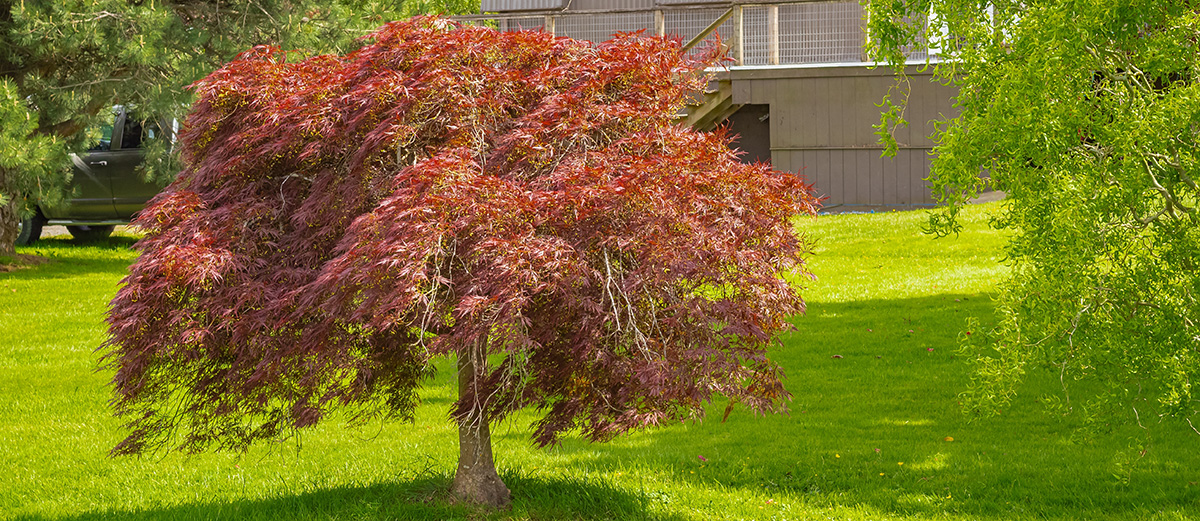

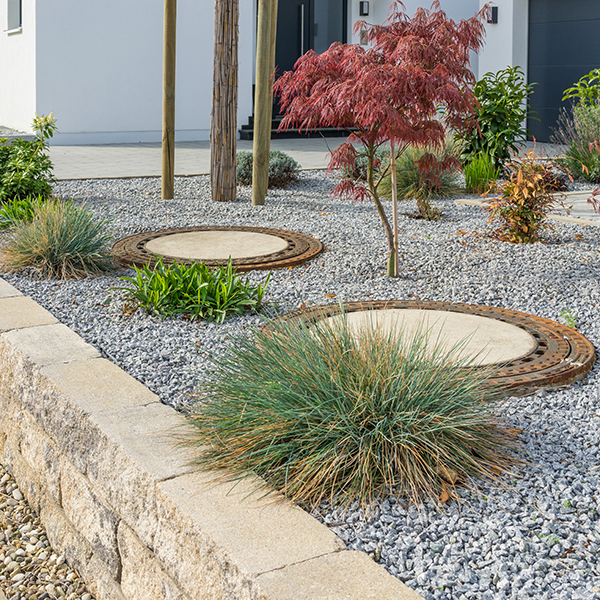
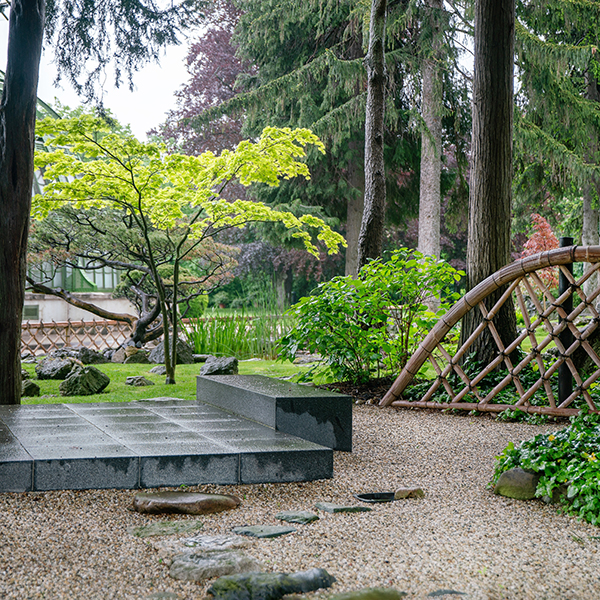
 Of course they are perfect for a

 I think the reason a lot of people think that Japanese Maples don’t do well in full sun, is because they’ve planted them in a very tiny hole that is too small for their roots. And so the roots never spread out and find sources of water. You get your 42 degree day in Melbourne and the plant shrivels up and dies and people say the heat killed it. But what really killed it was the tiny little hole in the clay you planted it in. That’s why, as I said earlier, you’ve got to have a nice big hole with lots of loose soil. The Maple can then spread its roots out among the soil and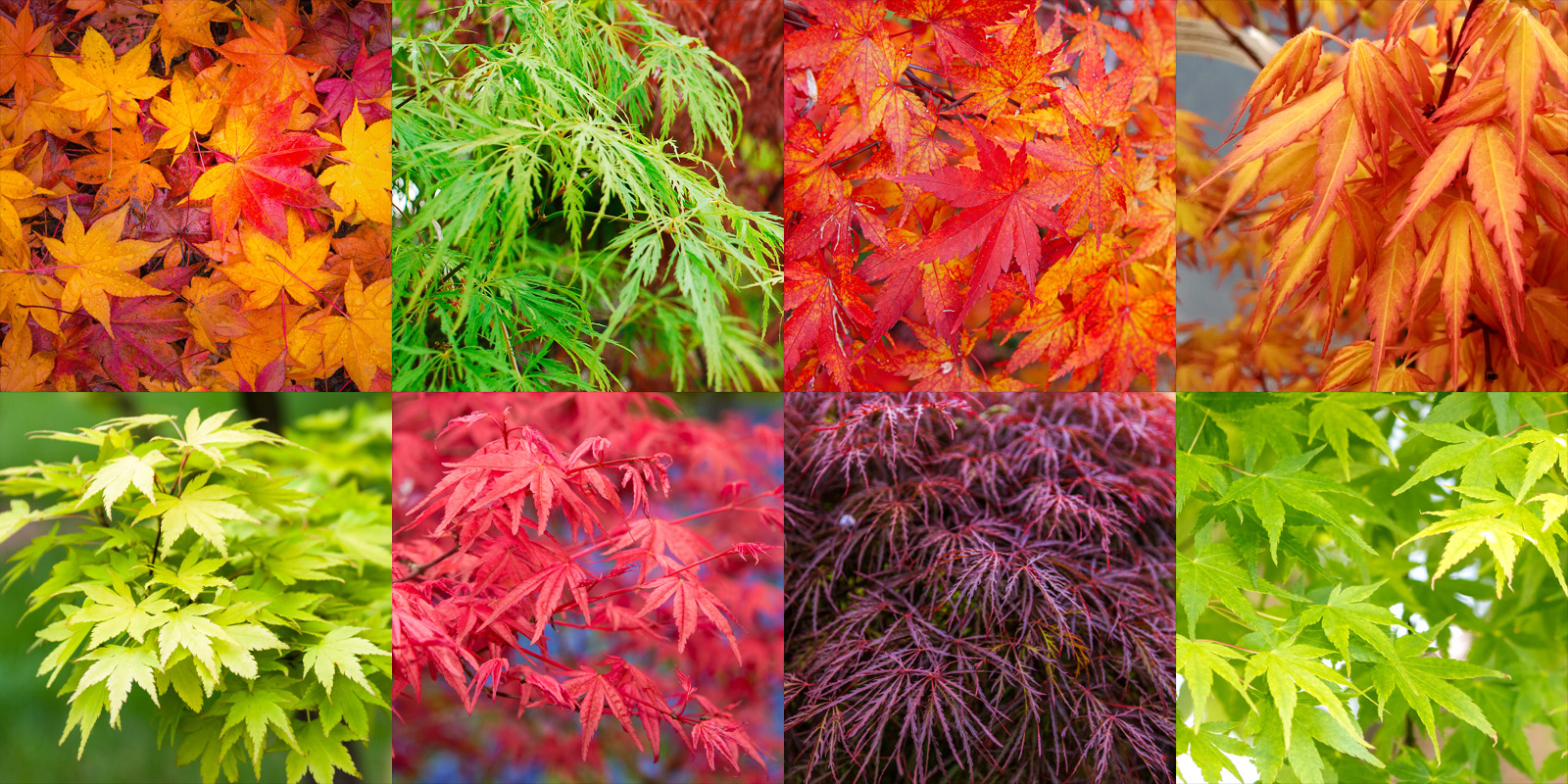
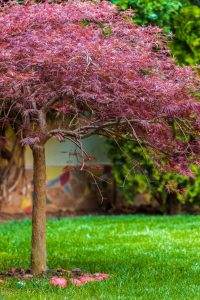 What I find interesting is that if you Google
  To make sure you get the full spectrum of colour throughout the year with your Japanese Maple, make sure you water them well because if you don’t, when it comes to autumn, instead of giving this brilliant scarlet red, they’ll just go brown. It’s like the plant is punishing you for not watering it properly!