| Description | Prunus subhirtella pendula 'Rosea'
'Rosea' Weeping Cherry is a superb pink-blossoming tree that has both spectacular floral and foliage beauty. And it's adaptable to a wide range of conditions, including heat and moderate drought, the trunk only growing as tall as its graft height. A wonderful little landscape feature!
See our Prunus - Ornamental Blossom Factsheet here for more about the different cherry and plum blossom varieties! | Acer palmatum
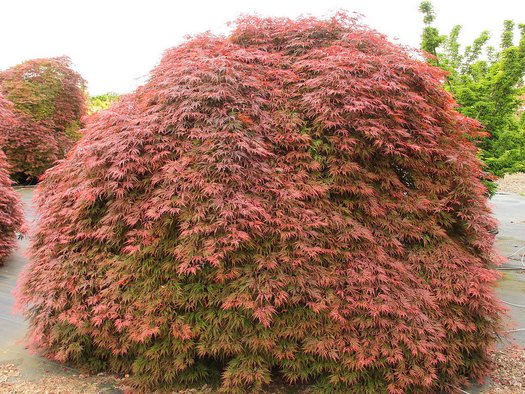
Orangeola is a beautiful weeping maple that bears fine foliage and display a range of colours. One of the notable features of this variety is the bright orange tips that are seen in Spring.
Orangeola makes for an excellent specimen tree, providing colour from Spring through until Autumn! It has a slow to moderate growth rate reaching a height of around 2 meters. Adaptable to a range of soil types once established, but loves a moist, well drained location. Avoid planting in exposed areas. | Brachyscome multifida Mauve
A hardy native perennial that flowers profusely in the autumn and spring.
Also available in pink and white.
• Low spreading, only reaching heights of 50cm
• Gorgeous purple daisy flowers that attract lots of beneficial insects to your garden
• Suitable for pots & containers, rockeries, edging garden beds and the Cottage garden. |
| Content | These pink weeping cherries are part of the Subhirtella species, which are weeping cherries grow wider than their other relatives. This makes them the best choice for a weeping shade and feature tree. You can literally sit under an umbrella canopy of blossoms in the spring!
The Weeping Cherry tree is a superb blossoming tree that has both spectacular floral and foliage beauty and high versatility. These trees are grafted which means they stay small and do not grow in height once planted. Instead they mature by growing a thicker trunk and a much fuller weeping head.
Highly recommended as a landscape feature plant, with masses of flowers in spring. It’s adaptable to a wide range of conditions including heat and moderate drought. Good disease resistance, flowers best in full sun.
The 'Rosea' pink weeping cherry is best kept out of the wind so as to retain the blossoms and autumn leaves for longer. Weeping cherries don't like soggy roots so plant in well draining soil or in a mound above the soil line to assist with drainage.
It's worth mentioning that weeping cherry trees are a type of ornamental cherry, which means they don't produce edible fruit but instead put their energy into beautiful flowers. | | |
| Additional information |
| Botanical Name |
Prunus subhirtella pendula 'Rosea'
|
| Other Common Names |
Pink Weeping Cherry, Rosea Weeping Cherry
|
| Origin |
Japan
|
| Plant Type |
Weeping Tree
|
| Leaf Drop |
Deciduous
|
| Sunshine |
Full Sun, Part Shade
|
| Tolerances |
Pollution Tolerant, Poor Soil Tolerant, Soggy Soil Sensitive, Frost Tolerant, Heat Tolerant, Drought Tolerant
|
| Soil Type |
Loam, Loamy – Clay, Sandy – Loam, Well drained
|
| pH |
Acidic, Neutral
|
| Water Requirement |
Moderate
|
| Fertilise Me |
October, September
|
| Fertilizer Frequency |
Annually
|
| Planting Distance |
Min. 3m away from any other plant or object
|
| Max Height |
3m
|
| Max Width |
4.5m
|
| Growth Speed |
Moderate
|
| Prune Me |
after flowering, Only if required
|
| Flowering |
Yes
|
| Flowering Time |
August, November, October, September
|
| Flower Colour |
Pink
|
| Fragrance |
None
|
| Foliage Colour |
Green
|
| Autumn Colour |
Orange, Red, Yellow
|
| Fruit / Seed |
No
|
| Attracts |
Bees
|
| Toxic To |
Dogs
|
| Uses |
Feature Tree
|
| | |