| Description | Anthriscus cerefolium
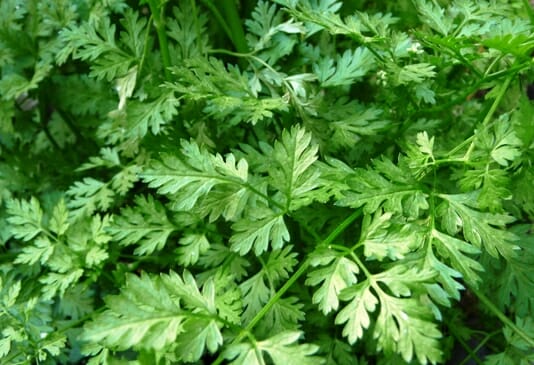
Chervil, sometimes called garden chervil or French parsley, is a delicate annual herb related to parsley. This plant is a native to the Caucasus, which is a mountainous region between Turkey and Russia. Chervil was spread through Europe by the Romans, and is now naturalised. The plants can grow up to 70cm tall and 30cm wide, and produces small white flowers. This herb is referred to as gourmet's parsley, and is used particularly in France to season poultry, seafood, spring veg, soups and sauces. It has a faint taste of liquorice and aniseed. Chervil is one of the four French "fines herbes" which are essential to French cooking. The other three are tarragon, chives and parsley. Unlike stronger herbs like thyme and rosemary which can withstand long cooking times, these "fines herbes" are added at the last minute. Traditionally, chervil has had many medicinal uses. It has claimed to be used as a digestive aid, for lowering blood pressure, and used infused with vinegar for curing hiccups! It has also been used as a mild stimulant. It prefers a cool and moist location, and regular harvesting of leaves helps to prevent it rapidly going to seed, which will bring the plant to the end of its production. | Lagerstroemia indica x fauriei 'Tuscarora'
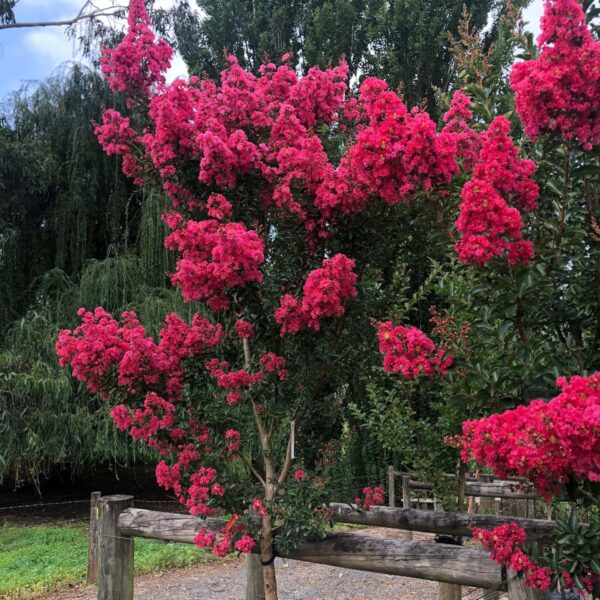
'Tuscarora' is one of the best of the dark fuchsia-pink flowering Lagerstroemia's. The flowers and highly ornamental bark make this tough small tree a useful specimen or screening tree.
Crepe Myrtles are adaptable to a range of conditions, heat and some dryness but requires adequate moisture during establishment. So can also be used well as a street tree. Mature growth: 6m x 4m wide. | Modern Shrub Rose
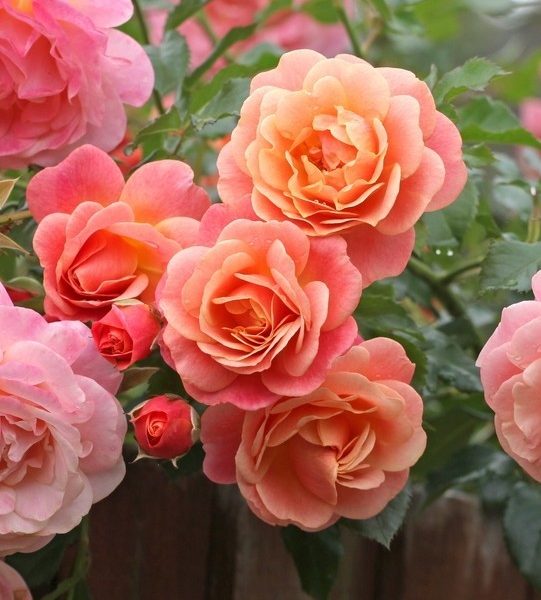
A vibrant display of apricot orange flowers with sunny yellow centers adorns a robust, compact bush. This versatile plant serves beautifully as a low hedge and is equally ideal for pots and areas with partial shade.
Bush Rose.
| Lonicera nitida
Fast growing, fine leaf box hedging and topiary plant with a defined edge.
• Get your box hedge or topiary twice as fast!
• Responds very well to pruning, becoming beautifully dense
• Tolerates very poor soils and hot conditions |
| Content | | | Roses are easily one of the most popular and widely cultivated groups of flowering plants. Numerous different cultivars have been produced over the last two centuries, although roses have been grown for millennia before their popularity bloomed. Renowned for their flowers and beauty, they are also loved for other reasons such as their fruit. The rose hip can be made into an old fashioned jam. Roses range in size and variety from your standard and bush roses to climbers and weeping varieties. Amongst all their beautiful colours, varieties and fragrances there is bound to be the perfect rose out there for your garden. For more information on selecting and growing roses, visit our Rose Factsheet. | BoxOz Lonicera has been specially developed by Chris, and is our exclusive hedging plant. It has a deeper green foliage, a denser finish and more clearly defined shape than the traditional English Box.
BoxOz Lonicera is the best plant with which to create your perfect hedge or border as it grows quickly and once your hedge has developed its easy to maintain with only a few trimmings a year. New shoots are soft and easy to cut and trimming is an effortless relaxing experience.
Some traditional hedging plants grow only an inch or two a year. BoxOz Lonicera will produce a calf high border in under twelve months, a knee high hedge in around 18 months, and a waist high hedge in 30 months. Almost any soil is suitable, as long as it is not too swampy. Fertilise your BoxOz Lonicera occasionally with a complete fertiliser, and water as required. |
| Additional information |
| botanical name |
Anthriscus Cerefolium
|
|
| |
| height-x-width |
Up to 1.2 metres, or trimmed lower
|
| planting-distance |
For border: 5 per metre For dense bushy hedge or border
|
| features |
Small attractive deep green leaves, fast growing
|
| conditions |
Full sun to part shade in well drained soil, trim regularly to promote bushy growth and maintain formal shape
|
| landscape-use |
Hedges, borders and topiary
|
|