| Description | Callistemon citrinus 'Kings Park Special'
Callistemon Kings Park Special features narrow green leaves and deep red bottle-brush flowers that are grouped together in bunches, making a spectacular display in spring and autumn. Kings Park Special is one of the larger Callistemons, so it's great for a tall screen or feature tree. Like all callistemons, it's hardy and bird attracting. | Acer palmatum, Sango-kaku, Coral Bark Maple
You simply can’t miss the Senkaki Maple with it’s distinctive coral-red bark, which contrasts with its bright green leaves in Spring and Summer. Autumn sees the foliage turn gold and eventually Winter leaves you with a beautiful bare sculpture of a tree with striking red bark. One of the beauty queens of all deciduous trees.
Forms a beautiful vase shaped tree.
Grows Approximately H: 5 Meters W: 4 Meters | Banksia marginata 'Silver Banksia'
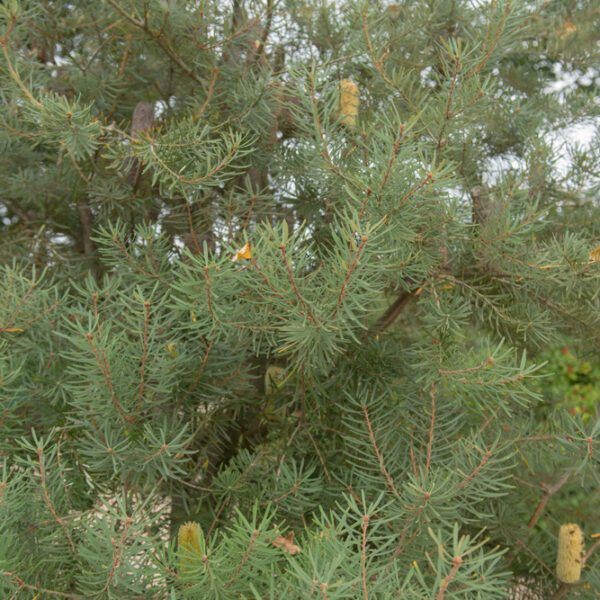
A classic woody native Australian shrub, Banksias are great for a low maintenance garden and create interest with their recognizable flower cones. Silver Banksias will grow to the size of a large shrub and and good for screening. They're also great for coastal areas, as they're naturally found by the sea and tolerate sand and salt.
10" pot size. | Centella asiatica
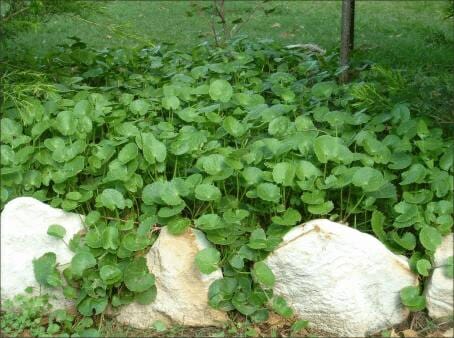
When we think about herbs we think of things like parsley, sage and thyme, which all originate from Southern Europe. We don't hear much about those from Asia, let alone native Australian herbs. "Gotu kola" is more commonly known here as the arthritis plant. This herb has been cultivated in India, China, tropical Asia and Africa for centuries. It comes from the same family of plants as parsley and it has close relatives in Australia. Some of the traditional claims made about the medicinal properties of this plant include ; the extension of life, control of tuberculosis and leprosy, relief of high blood pressure and the pain and swelling associated with arthritis as well as a treatment for cancer and irritating skin ailments. It has also been referred to as Indian Ginseng because of its stimulating effects on many parts of the body. The arthritis herb has been used as a medicine for thousands of years in countries where it grew naturally. It is claimed to have beneficial effect on a number of other ailments including psoriasis, ulcers, rheumatism, acute infections and inflammation, upper respiratory tract infections, diarrhoea, fevers and diseases of the female reproductive organs. Modern clinical tests on humans and animals have confirmed a positive effect in the treatment of skin ailments such as ulcers, burns and wounds. The recommended daily dose is two leaves of 40mm diameter per adult, or the equivalent in smaller leaves. The leaves have a bitter taste particularly if grown in full sun. You may be able to eat the leaves straight from the plant or alternatively they can be chopped up and used like a parsley garnish on salads or mashed potato. It is commonly used to flavour rice dishes in Southeast Asia. A weak tea can be made which you might like to sweeten with honey. The naturally occurring organic chemicals in the leaves include strong alkaloids and a carcinogen called asiaticoside. It is recommended therefore, that you do not exceed this dose as symptoms of headache, dizziness and insomnia have been reported. This plant also goes by the common name of swamp pennywort and this is a clue to its preferred environment, which is shady and swampy. In such a location this plant can grow very quickly. The arthritis plant can be easily grown in the home garden. It thrives under shade in pots, hanging baskets and particularly in bog gardens or by a pond. A good idea is to keep this plant in a confined position such as a tub to prevent it from escaping. And a good potting mix will see this plant take off quickly.
4" pot size. | Wisteria sinensis
One of the most popular Wisteria available with slightly smaller flowers than that of the Wisteria floribunda, hanging 18-30cm off the vine
• Long, fragrant purple flowers covering bare vines in the early spring
• Can be trained to climb along a fence, trellis, arbor or archways.
• Prefers a full sun position in moist, well-drained soil
For care instructions and additional information, click here!
10"/25cm pot | Archontophoenix cunninghamiana
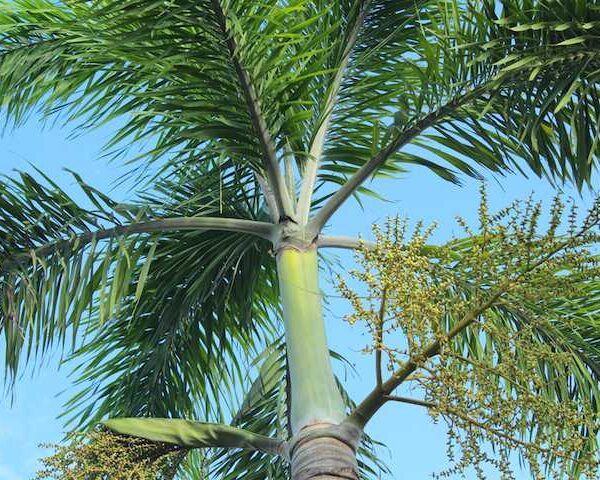
Bangalow Palms are native to Australia and are often used as indoor plants here down South. To grow into a very large tree they would probably require warmer climates than Melbourne, but as a small or medium size tree they look lovely anyway.
Use Bangalow Palms as a clumped indoor plant or in a sheltered spot outdoors to add a tropical feel to the garden. | Agave attenuata
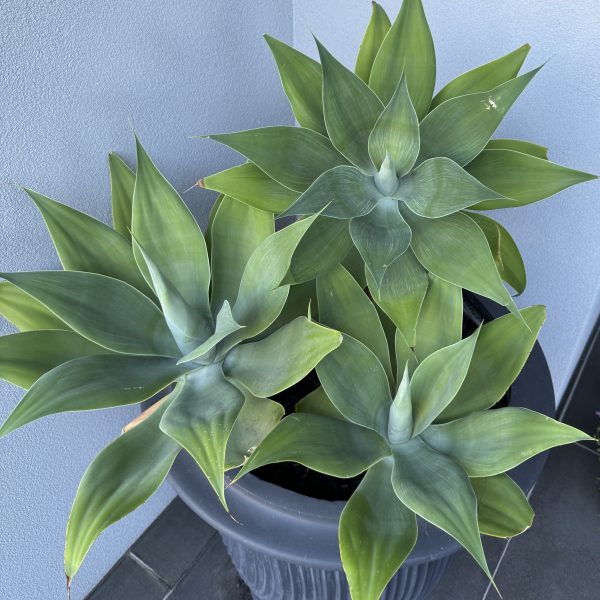
Agave are one of the easiest plants to establish and maintain. They grow in full sun to shade in most soil types. Agave are best grown in reasonably well drained soils and love to be watered regularly, once a week to once a fortnight, but will thrive in periods of dryness.
12" pot size. |
| Content | | The Japanese Senkaki Maple is the only maple tree which provides beautiful vibrant colour all year round, with it’s bright coloured bark that really stands out in winter. This is why it is commonly known as Coral Bark Maple.
The Senkaki Maple is a beautiful small tree and is one of the best examples of a Japanese maple, providing your garden with a lovely small feature tree as a centre piece. It grows approximately 4-5m wide and high.
Light green foliage appears in spring then turns to classic autumn tones. As the leaves start to fall the stems of the trees turn to a “fire engine red” colour for winter. This superb tree makes a wonderful feature in any sheltered spot in the garden. | | | | | |
| Additional information |
| botanical name |
Callistemon "Kings Park Special"
|
| height x width |
3-5m x 3-4m
|
| planting distance |
For hedge or screen: 1.5-2m
|
| conditions |
Full sun, will tolerate poor drainage or dryness
|
| landscape use |
Specimen, hedge or screen, flower arrangements, general garden planting,
|
|
| Botanical Name |
Acer palmatum 'Senkaki'
|
|
| botanical name |
Banksia marginata
|
| height x width |
2m x 2m
|
| planting distance |
For hedge or screen: 1m
|
| features |
Leaves are slightly serrated with the top being green and underneath silver, pale yellow flower spikes occur in winter
|
| conditions |
Full sun or dappled shade in well drained soil
|
| landscape use |
Great screen or windbreak, mixed garden beds, specimen, cut flower or dried flower arrangements
|
|
| botanical name |
Centella asiatica, or Hydrocotle asiatica.
|
|
| botanical name |
Wisteria sinensis
|
| height x width |
Climber up to 10m
|
| features |
Long lavender-blue racemes of fragrant pea-like flowers up to 30cm long appear in spring on bare branches before the leaves appear giving a spectacular display, large velvety pods are produced in autumn, very hardy and fast growing
|
| conditions |
Full sun in well-drained soil, prune regally,
|
| landscape use |
Pergolas, arbors, rotundas, trellis, can be trained into Standards and Topiary,
|
|
| botanical name |
Archontophoenix cunninghamiana
|
| height x width |
6m x 4m, usually a bit smaller in Melbourne climate
|
| features |
An elegant palm with long arching lime-green fronds, weeping panicles of lilac flowers are produced
|
| conditions |
Part shade in a protected position from frost and hot winds
|
| landscape use |
Specimen, group planting, shaded and protected areas, courtyards
|
| |