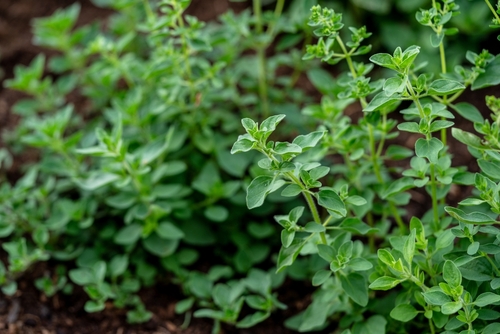
| Description | Sweet Marjoram is a delicately flavoured cousin or Oregano. It has mild pine and citrus flavours. It is native of North Africa, the Mediterranean region and South-Eastern Asia. Although it is a herbaceous perennial, it is treated by most as an annual due to its sensitivity to frost and cold temperatures. It like a sunny well drained position, and regular watering. It can grow up to 50cm tall, but due to its spreading nature is brilliant to use at the edge of large containers to trail, in hanging baskets, in rockeries and for borders. Excluding the roots, all parts of this plant is edible, even the little white or very pale pink flowers. This herb is great used fresh or dried. In the kitchen, sweet marjoram enhances many dishes, and is deceivingly strong. The tender fresh leaves are great in salads, or mixed with spring veggies. And used fresh or dried goes great in any tomato, pork or beef dishes. It also adds a nice flavour to pizza. When adding this herb to a hot dish, add it in the last 10 minutes of cooking. This herb has many remedy uses. It has been used as a therapy for headaches, toothaches, indigestion, asthma, rheumatism, flatulence, earache, epilepsy, as well as for providing relief from labor pains. The oil extracted from this herb has been used as a healing cream for bruises and sprains. Sweet marjoram is an excellent common tonic, and it has a more potent affect on the nervous system than its close cousin oregano. However pregnant women should not take this herb medicinally.
4"/10cm pot | Lagerstroemia indica x fauriei 'Comanche'
Crepe Myrtle are a fantastic, small, upright tree that displays bunches of dark coral-pink flowers and showy bark. Reaches a height of approximately 4m with a moderate growth rate. Its handsome dark green foliage turns a lovely reddish colour in Autumn.
Crepe Myrtle is suitable for small gardens and containers. Ideal conditions for this tree is moist well drained soil and a position of full sunlight. It has a moderate drought and heat tolerance. | Allium schoenoprasum
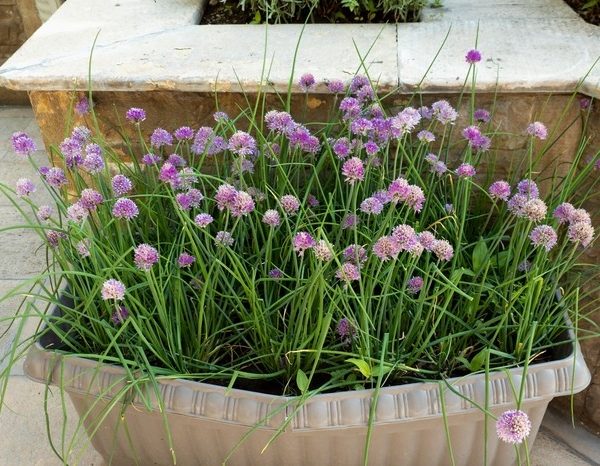
Chives come from the same family as onions, leeks, and garlic. And originate from Northern Europe and North America. Chives are used as decorative borders in Britain. They are the mildest of all onions, and are probably the easiest to grow of all the culinary herbs! They are a hardy perennial herb and grow in clumps, in almost any soil condition. Although they prefer rich soil in a nice sunny position. They are also perfect to grow in pots. Splitting the plant every few years will ensure the plants survival. Chives can reach up to 60cm in height and don't have the typical onion bulb. The clumps have shoots of little purple flowers, which are very pretty and also edible. Use chives in sauces, fresh salads, in egg or omelette recipes or with cream cheese. Can be used as a garnish on soups or potatoes. Diced leaves are great mixed in sour cream for baked potatoes. Or why not mix with softened butter and add to grilled meat! When harvesting, cut close to the ground, which is better for the plant. Store in airtight plastic in the fridge for up to a week. You can also preserve chives in butters, oils, and vinaigrettes.
4"/10cm pot size. |