| Description | Archontophoenix cunninghamiana
Bangalow Palms are native to Australia and are often used as indoor plants here down South. To grow into a very large tree they would probably require warmer climates than Melbourne, but as a small or medium size tree they look lovely anyway.
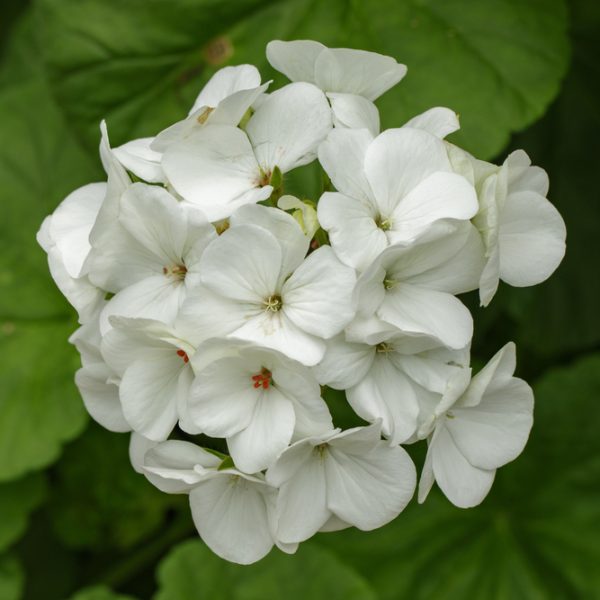
Use Bangalow Palms as a clumped indoor plant or in a sheltered spot outdoors to add a tropical feel to the garden. | Pelargonium x hortorum
Brighten up your garden, balcony, or patio with the timeless elegance of the Big White Geranium Series. Known for its lush white blooms and robust growth habit, this classic bedding plant offers a long flowering season that stretches from spring right through to autumn
- Prolific Blooming: across three seasons – spring, summer, and autumn
- Maintenance: Remove spent flowers to encourage continuous blooming and maintain a tidy appearance
- Sunlight: Thrives in full sun to part shade
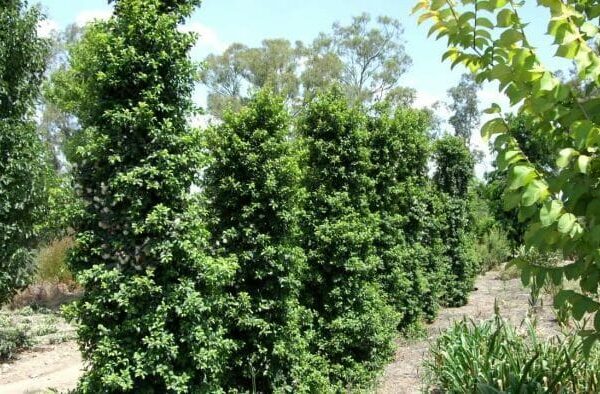
| Syzygium Australe "Pinnacle"
Syzygium Pinnacle is a very narrow and compact Lilly Pilly, ideal for planting along fences or as a hedge. Should be placed in a position of full sun to partial shade.
The foliage Pinnacle bears is rounded, bright shiny green with aesthetic reddish-brown new growth. This plant also produces lovely white flowers followed by reddish coloured fruit. Tolerant to drought.
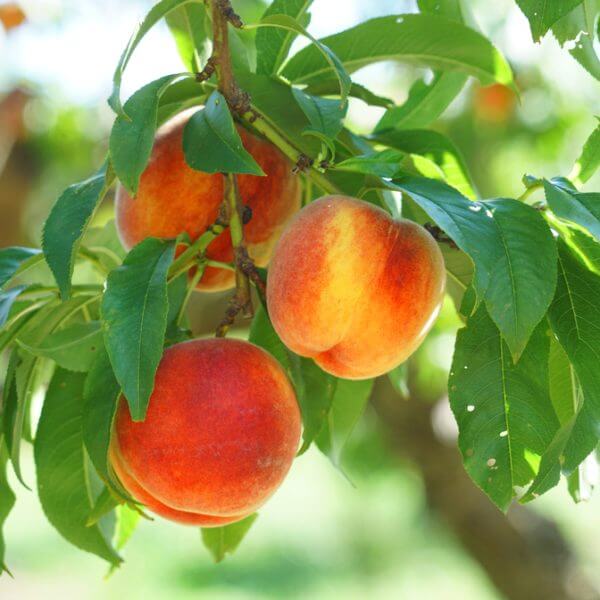
20" pot size. | Prunus persica
A more compact version of the Anzac Peach, which is an Australian peach that is over 100 years old! An early-mid season fruiter, the peaches on this tree are a soft-fleshed delight and are freestone. A heavy fruiter, there's a good reason this has been such a popular peach for so long! Self fertile!
This plant is bare-rooted. Click here for more info on bare rooted plants. |
| Additional information |
| botanical name |
Archontophoenix cunninghamiana
|
| height x width |
6m x 4m, usually a bit smaller in Melbourne climate
|
| features |
An elegant palm with long arching lime-green fronds, weeping panicles of lilac flowers are produced
|
| conditions |
Part shade in a protected position from frost and hot winds
|
| landscape use |
Specimen, group planting, shaded and protected areas, courtyards
|
| | |
| botanical name |
Prunus persica 'Dwarf Anzac'
|
|