| Name | Pittosporum 'Golf Ball' PBR remove | Dietes grandiflora 'Wild Iris' remove | Betula pendula 'Silver Birch' remove | Gardenia 'Florida' remove | Chives 4" Pot remove |
| Image |  | 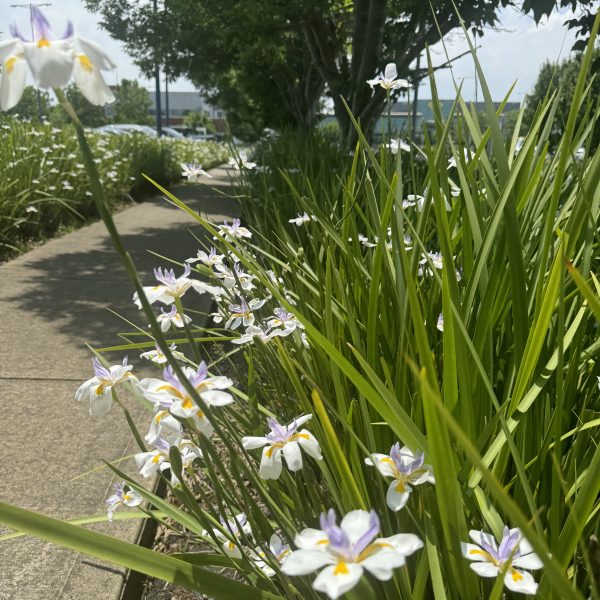 | 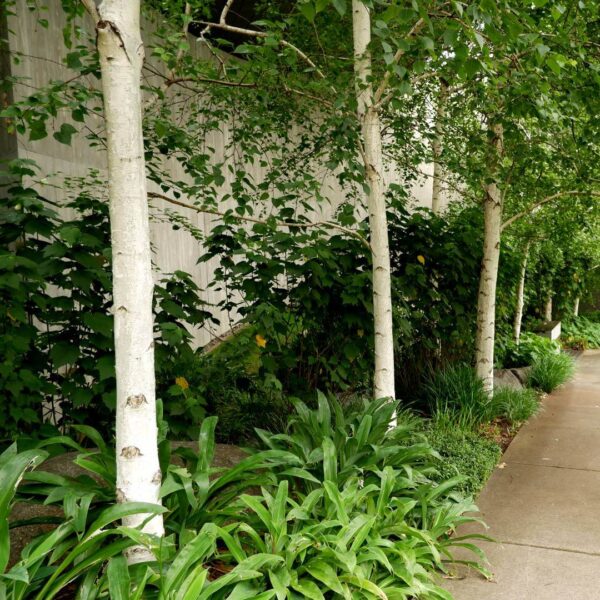 | 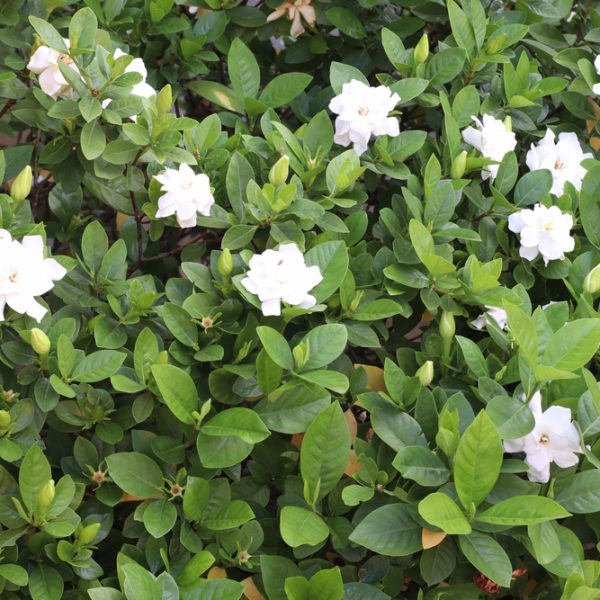 | 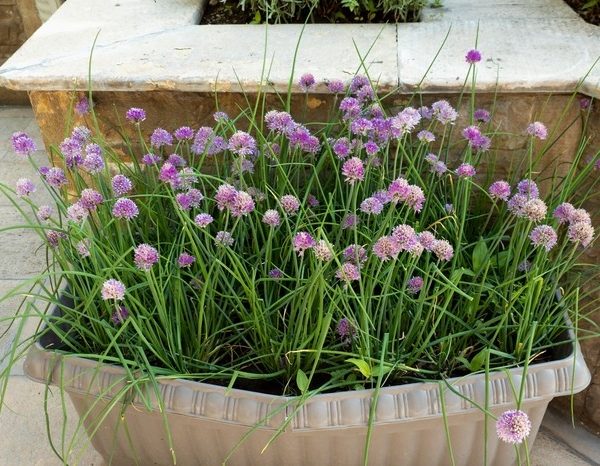 |
| SKU | PITEGB00 | DIET00 | BIRS00 | GARDF00 | HCHIVN67 |
| Rating | | | | | |
| Price | $18.99 – $229.99Price range: $18.99 through $229.99 | $0.00 – $39.99Price range: $0.00 through $39.99 | $10.99 – $599.99Price range: $10.99 through $599.99 | $0.00 – $249.99Price range: $0.00 through $249.99 | $7.99 |
| Stock | | | | | |
| Availability | | | | | |
| Add to cart | View products
| View products
| View products
| View products
| Add to cart
|
| Description | Pittosporum tenuifolium
Pittosporum Golf Ball is a low dense hedge you can trim as a topiary. It can be described as "the plant that trims itself", as it keeps its compact rounded shape and doesn't get too big.
Golf Ball pittosporums feature bright mint-green glossy leaves with small, inconspicuous chocolate-purple flowers. Prefers a full sun to part shade position. | Dietes grandiflora
Dietes or Wild Irises are well known exotic plant with long strappy leaves and beautiful large blooms which are white marked with yellow and violet. They're a commonly seen in gardens and large landscapes throughout the country. They are perennial & evergreen, and grows up to 1.5m in large clumps. Wild Iris can grown in shade or sun and is tolerant of drought, salt and waterlogging, making it a versatile and very useful plant. | Betula pendula
An elegant deciduous tree with soft, white bark.
• Small green leaves that turn vibrant yellow in autumn
• Beautiful feature tree, planted in groups or used along driveways, fence lines or avenues
• Low maintenance, tolerating frost, snow and drought once established. | Gardenia augusta
Florida is one of the best gardenias available, producing masses of perfumed flowers on a hardy plant.
- Beautifully scented
- Prolific flowering
- Great for low landscaping
| Allium schoenoprasum
Chives come from the same family as onions, leeks, and garlic. And originate from Northern Europe and North America. Chives are used as decorative borders in Britain. They are the mildest of all onions, and are probably the easiest to grow of all the culinary herbs! They are a hardy perennial herb and grow in clumps, in almost any soil condition. Although they prefer rich soil in a nice sunny position. They are also perfect to grow in pots. Splitting the plant every few years will ensure the plants survival. Chives can reach up to 60cm in height and don't have the typical onion bulb. The clumps have shoots of little purple flowers, which are very pretty and also edible. Use chives in sauces, fresh salads, in egg or omelette recipes or with cream cheese. Can be used as a garnish on soups or potatoes. Diced leaves are great mixed in sour cream for baked potatoes. Or why not mix with softened butter and add to grilled meat! When harvesting, cut close to the ground, which is better for the plant. Store in airtight plastic in the fridge for up to a week. You can also preserve chives in butters, oils, and vinaigrettes.
4"/10cm pot size. |
| Content | | | Silver birches are a small growing tree with an inoffensive root system that’s beautiful all year round. They will make your property looks a million dollars because although Silver Birch are inexpensive, nothing else looks as classic in the garden.
In winter Silver Birch Trees have a lovely naked tree with a fabulous white trunk! To enhance that feature, you can plant them in clumps of 2 or 3 silver birch trees and together the white trunks look more beautiful. In spring and summer you have beautiful fine lacy green foliage, giving fabulous dappled shade. These trees are beautiful where you want some shade but you don’t want total shade or darkness.
The silver birch looks great with an old fashioned house and silver birches look absolutely fabulous with modern buildings as well. Either in a modern setting or an old fashioned setting, classic garden or a modern garden, silver birches look amazing!
Over the years they’ve probably become the most popular tree in Melbourne, measured over time, and look great just about anywhere. Check out our fact sheet page for more information on silver birch trees. | Gardenias are warm climate plants, which are at their best in a mild, humid climate. They are seen to perfection in frost-free areas north of Sydney and Perth, but will grow in cooler areas like Melbourne in a warmer, protected position. | |
| Weight | N/A | N/A | N/A | N/A | N/A |
| Dimensions | N/A | N/A | N/A | N/A | N/A |
| Additional information |
| Sunshine |
Full Sun, Part Shade
|
| Fertilise Me |
November, October, September
|
| Fertilizer Frequency |
Annually
|
| Flowering |
No
|
| Fragrance |
None
|
| Fruit / Seed |
No
|
| Growth Speed |
Fast
|
| Leaf Drop |
Evergreen
|
| Origin |
New Zealand
|
| Other Common Names |
Kohuhu, Tawhiwhi
|
| pH |
Acidic, Alkaline, Neutral
|
| Plant Type |
Shrub
|
| Soil Type |
Loam, Loamy – Clay, Sandy – Loam, Well drained
|
| Tolerances |
Pollution Tolerant, Poor Soil Tolerant, Frost Tolerant, Salt Tolerant, Heat Tolerant, Drought Tolerant
|
| Water Requirement |
Low
|
| Max Height |
0.8m
|
| Max Width |
0.8m
|
| Toxic To |
Non-toxic
|
| Prune Me |
No pruning required
|
| Planting Distance |
1 every 80cm
|
| Size Maintained at |
0.8m
|
| Uses |
Low Hedge
|
| Foliage Colour |
Green
|
| Botanical Name |
Pittosporum tenuifolium Golf Ball PBR
|
|
| height x width |
90cm x 70cm
|
| features |
Yellow large petalled iris-like flowers with a brown mark during spring and summer
|
| conditions |
Hardy, prefers full sun to part shade in well-drained soil
|
| landscape use |
Mass plantings, general gardening and landscaping, roadside planting
|
|
| botanical-name |
Betula alba "Pendula"
|
| height-x-width |
8m x 4m
|
| features |
Trunk develops into a white color, upright open and spreading pyramidal tree with pendulous branches, very attractive
|
| conditions |
Full sun to part shade in well drained soil
|
| landscape-use |
Specimen, group planting, street tree, avenues, great for small gardens
|
| |
| botanical name |
Allium schoenoprasum
|
|