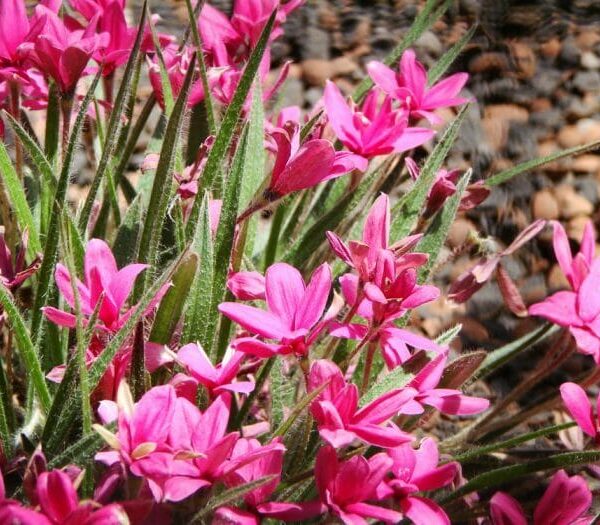
| Description | Rhodohypoxis Baurii "Pink"
Rhodohypoxis in their natural habitat they are often found on open grassy slopes in areas of high altitude. They produce vivid green leaves that are long and slightly hairy. This plant flowers from late spring until autumn and comes in a range of beautiful colours from pure white to a selection of pinks and into the dark reds.
This plant is fairly adaptable to low temperatures down to -5°C and will grow in all but the most tropical or hot parts of Australia. They are great for rockery planting. | Ulmus procera
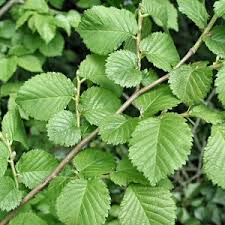
English Elm is an iconic tree that has adapted well into South Eastern Australia. It is usually used as a park, specimen, street or shade tree. Its beautiful yellow Autumn foliage is its notable feature. This tree is best used as a feature tree in a large space. It can also be used as a screen or avenue tree. | Salvia hybrid
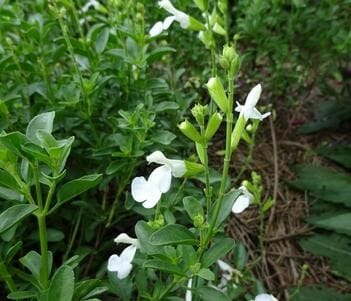
White flowers appear from spring to autumn. Attracts birds, bees and butterflies.
Plant in a sunny position with part shade, only watering in the warmer months when once established. Mature growth: 45 x 45cm
6”/14cm pot | Hybrid tea 'Elina Rose'
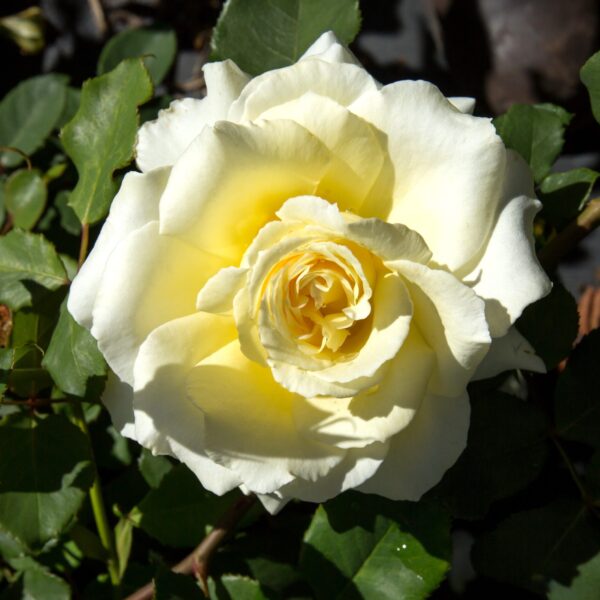
Beautifully formed blooms of a creamy yellow colour and fragrance. Available as a bush rose and 3ft standard.
Approximately 3ft in height.
Available online ONLY - Not in store. |
| Content | | | | Roses are easily one of the most popular and widely cultivated groups of flowering plants. Numerous different cultivars have been produced over the last two centuries although roses have been grown for millennia before their popularity bloomed. Renown for their flowers and beauty they are also loved for other reasons such as their fruit, the rose hip which can be made into an old fashioned jam or for garden uses such as ground covers and hedging.
Roses range in size and variety from your standard and bush roses right up there with your climbers and weeping varieties, amongst all their beautiful colour, variety and hardy nature there is bound to be the perfect rose out there for your garden. |
| Additional information | |
| botanical name |
Ulmus procera
|
| height x width |
20m x 10m
|
| features |
Dark green roughly textured leaves with serrated edges, changes to yellow in autumn
|
| conditions |
Very hardy, prefers full sun in well-drained soil, tolerant to dry conditions and wind tolerant
|
| landscape use |
Street planting, avenues, specimen, group planting, avenues, large properties, parks
|
| | |