| Description | Lonicera nitida
Fast growing, fine leaf box hedging and topiary plant with a defined edge.
• Get your box hedge or topiary twice as fast!
• Responds very well to pruning, becoming beautifully dense
• Tolerates very poor soils and hot conditions | Tilliandsias
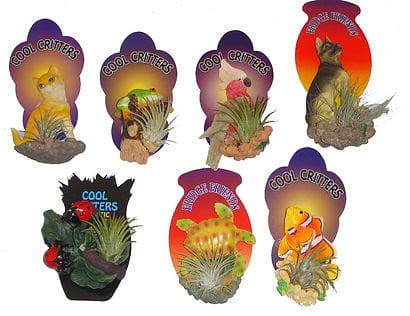
These plants are especially favoured for their minimal care requirements. They thrive in bright, indirect light and need only occasional misting or soaking to stay healthy. Their adaptability makes them perfect for creative displays—whether mounted on driftwood, nestled in cork bark, or arranged in decorative containers, air plants add a unique, low-maintenance touch to any space.
A selection of varieties handpicked by our staff. | |
| Content | BoxOz Lonicera has been specially developed by Chris, and is our exclusive hedging plant. It has a deeper green foliage, a denser finish and more clearly defined shape than the traditional English Box.
BoxOz Lonicera is the best plant with which to create your perfect hedge or border as it grows quickly and once your hedge has developed its easy to maintain with only a few trimmings a year. New shoots are soft and easy to cut and trimming is an effortless relaxing experience.
Some traditional hedging plants grow only an inch or two a year. BoxOz Lonicera will produce a calf high border in under twelve months, a knee high hedge in around 18 months, and a waist high hedge in 30 months. Almost any soil is suitable, as long as it is not too swampy. Fertilise your BoxOz Lonicera occasionally with a complete fertiliser, and water as required. | Tillandsias, commonly known as air plants, are intriguing epiphytic bromeliads native to Central and South America. Unlike most plants, they do not require soil to grow. Instead, they absorb water and nutrients directly through specialised cells on their leaves called trichomes, allowing them to thrive while attached to trees, rocks, or other surfaces.
Air plants are celebrated for their striking diversity in shape, texture, and colour. Some varieties boast spiky leaves, others have soft, fuzzy surfaces, and some display dramatic, tentacle-like forms.
| |