| Description | Betula pendula 'Dalecarlica'
The Cut-Leaf Birch is a very graceful tree with distinctive feathery foliage and fine white bark. It is slender and graceful enough to be a part of a small garden without appearing too dominant, and is also effective in larger areas planted alone or in groups. A moderate growing and medium sized tree, ideal for either a small garden setup or even a larger forest-like vista, this tree will grow well in most soils in a sunny to part shade position. A beautiful specimen tree not to be looked over!
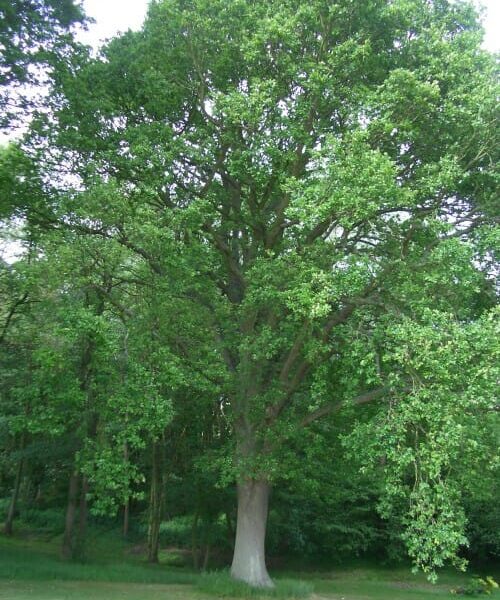
10"/25cm pot size | Quercus robur
English Oaks are famous for being solid and strong. The trunk and secondary branches are very solid and are covered in thick blackish-grey bark which makes it quite a sight.
The autumn foliage is a rich, dark brown. As the foliage is smaller than other deciduous trees, fallen leaves are not particularly difficult to eliminate and will not clog drains.
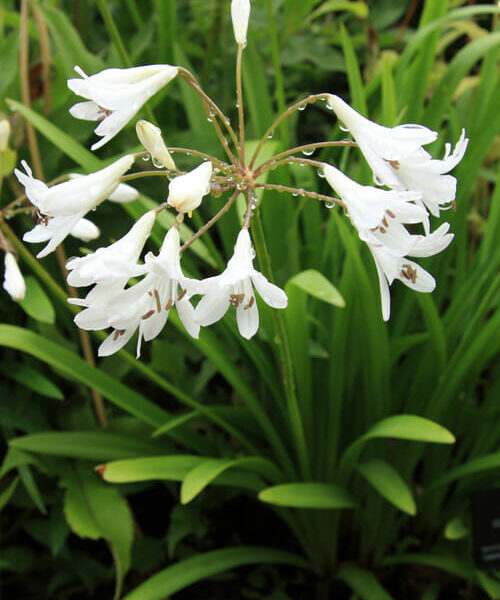
10"/25cm pot | Agapanthus praecox minimus
Dwarf Agapanthus are smaller and more compact, great for narrow borders and gardens with less space.
• Fine, strap-like lime green foliage
• White umbel flowers appear on tall stems above the foliage
• Extremely hardy, tolerating poor soils and drought
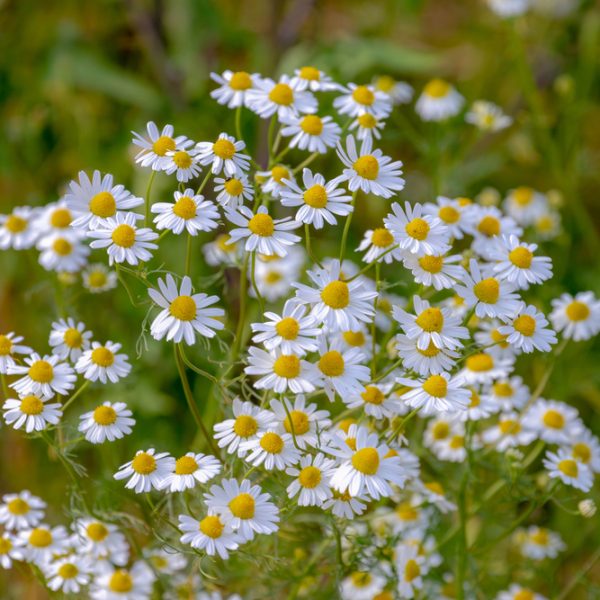
6"/14cm pot size. | Matricaria chamomilla
The word chamomile comes from the Greek language, chamos (ground) and melos (apple), referring to the fact that the plant grows low to the ground, and has an apple scent. However, Roman chamomile is low growing, and is used for lawns in England. But German chamomile can grow to 2.5 feet. German chamomile is an annual plant, and likes full sun to part shade. And is perfect for pots. The fragrant flowers of the German chamomile will attract birds, bees and other wildlife. It prefers sandy well drained soils, and will require regular watering, but take care not to over water. Harvest the entire chamomile flower head once it blooms and dry it to make tea. Dead heading (harvesting) the chamomile flowers the day they bloom will provide the best-flavored tea, and will encourage more flowering. Chamomile is one of the most popular wild medicinal plants that can be eaten. It makes a relaxing tea that can help you sleep. It also does wonders for upset stomachs, helps with irritable bowel syndrome, calm frayed nerves, reduce muscle spasms, treat several skin condition, and it can also help with menstrual cramp pain. Research also suggests that it may lower cholesterol. To ingest all of the beneficial oils, steep the tea in a covered cup for 10 minutes. Although they taste quite different, you can also use the leaves. You can also use chamomile flowers in a hot bath!
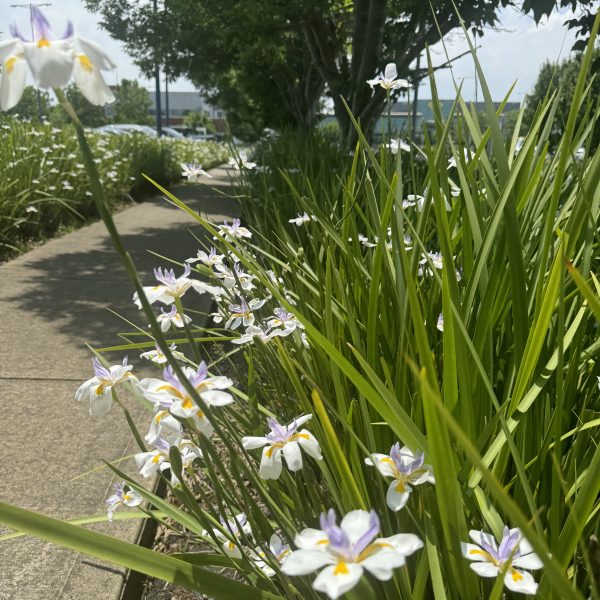
4''/10cm pot | Dietes grandiflora
Dietes or Wild Irises are well known exotic plant with long strappy leaves and beautiful large blooms which are white marked with yellow and violet. They're a commonly seen in gardens and large landscapes throughout the country. They are perennial & evergreen, and grows up to 1.5m in large clumps. Wild Iris can grown in shade or sun and is tolerant of drought, salt and waterlogging, making it a versatile and very useful plant. | Cercis canadensis
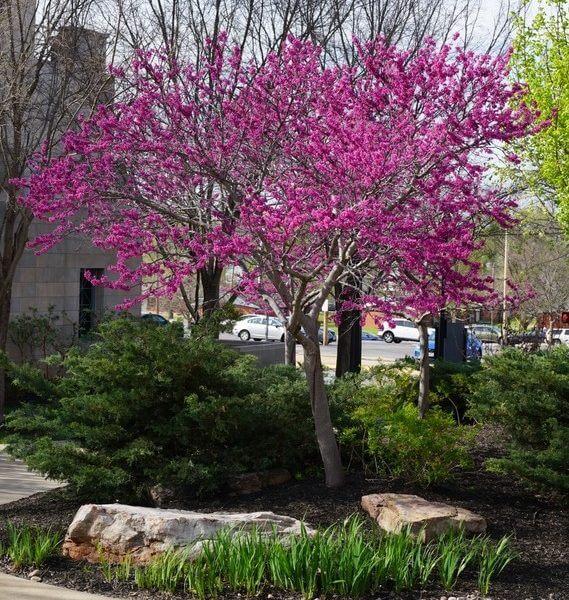
The Cercis canadensis 'Little Woody,' often referred to as the Canadian Redbud, is the smallest variety of its kind. It reaches a height and spread of up to 2 meters, making it a fantastic choice for adding greenery to compact spaces like small gardens, terraces, or balconies. Its distinctive flared shape adds charm to any landscape. In the spring, this plant truly comes alive with an abundance of small pink-violet flowers that bloom in clusters along the bare branches and trunk. Developed through American breeding, the 'Little Woody' is exceptionally resilient, able to tolerate a range of temperatures.
8"/20cm pot
For care instructions and additional information, click here!
| Hybrid tea rose 'Fragrant Charm Rose'
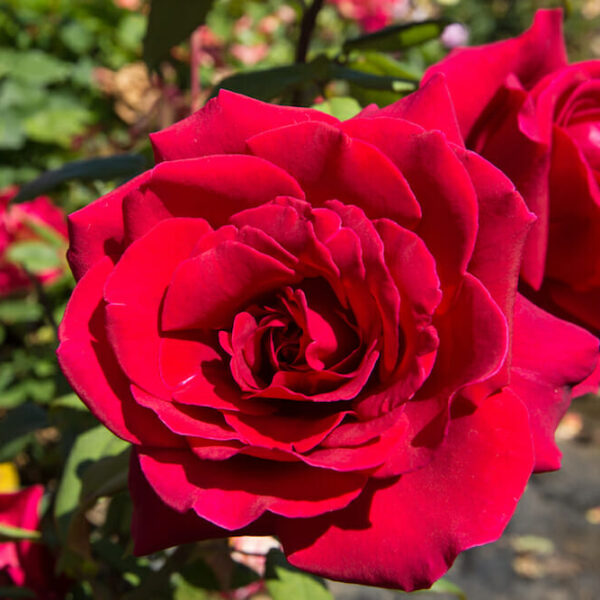
Up right and free blooming, producing large double blooms with high centers and a beautiful fragrance and brilliant strong red colour. Available as a bush rose and 3ft standard.
8" pot size.
Available online ONLY - Not in store. |
| Content | | | | | | | Roses are easily one of the most popular and widely cultivated groups of flowering plants. Numerous different cultivars have been produced over the last two centuries although roses have been grown for millennia before their popularity bloomed. Renown for their flowers and beauty they are also loved for other reasons such as their fruit, the rose hip which can be made into an old fashioned jam or for garden uses such as ground covers and hedging.
Roses range in size and variety from your standard and bush roses right up there with your climbers and weeping varieties, amongst all their beautiful colour, variety and hardy nature there is bound to be the perfect rose out there for your garden. |
| Additional information |
| botanical name |
Betula pendula ?Dalecarlica?
|
| height x width |
7m x 3m
|
| features |
Slender tall tree with elegant hanging branches and fine light green deeply cut leaves which turn golden in autumn
|
| conditions |
Full sun to part shade in well drained soil
|
| landscape use |
Specimen, group planting, avenues, great for small gardens
|
| |
| botanical name |
Agapanthus "Dwarf White"
|
| height x width |
45-50cm x 45-50cm
|
| planting distance |
For border: 30cm
|
| conditions |
Very hardy, like?s full sun to part shade in well-drained soil,
|
| landscape use |
Borders, general garden planting, pots, foliage contrast, cut flower
|
|
| botanical name |
Matricaria Chamomilla, or Metricaria recutita
|
|
| height x width |
90cm x 70cm
|
| features |
Yellow large petalled iris-like flowers with a brown mark during spring and summer
|
| conditions |
Hardy, prefers full sun to part shade in well-drained soil
|
| landscape use |
Mass plantings, general gardening and landscaping, roadside planting
|
|
| Sunshine |
Full Sun, Part Shade
|
| Botanical Name |
Cercis canadensis 'Eastern Redbud'
|
| Origin |
USA
|
| Plant Type |
Tree
|
| Leaf Drop |
Deciduous
|
| Tolerances |
Soggy Soil Sensitive, Frost Tolerant
|
| Water Requirement |
Moderate
|
| Soil Type |
Loam, Loamy – Clay, Sandy – Loam, Well drained
|
| Fertilise Me |
April, March, November, October, September
|
| Fertilizer Frequency |
Bi-annually
|
| Planting Distance |
2-3m apart
|
| Max Height |
10m
|
| Max Width |
8m
|
| Growth Speed |
Moderate
|
| Prune Me |
Only if required, Only in winter
|
| Flower Colour |
Bright Pink, Purple
|
| Flowering |
Yes
|
| Flowering Time |
October, September
|
| Foliage Colour |
Purple
|
| Autumn Colour |
Yellow
|
| Attracts |
Birds, Butterflies
|
| Best time to plant |
All Year
|
| Fruit / Seed |
Rarely, Yes – Non-edible
|
| Uses |
Feature, Shade Tree, Mass planting
|
| Toxic To |
Non-toxic
|
| Supply Code |
N42
|
| |