| Name | Ulmus parvifolia 'Chinese Elm' remove | Correa alba 'White Correa' remove | Gardenia 'Florida' remove | Agave attenuata remove |
| Image |  |  | 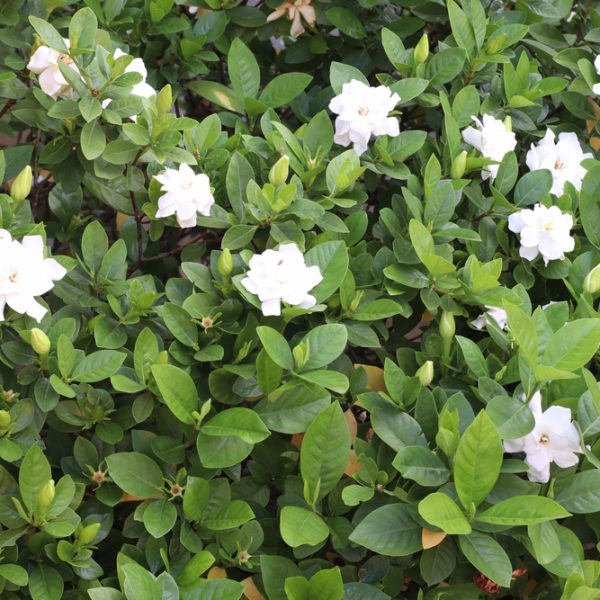 | 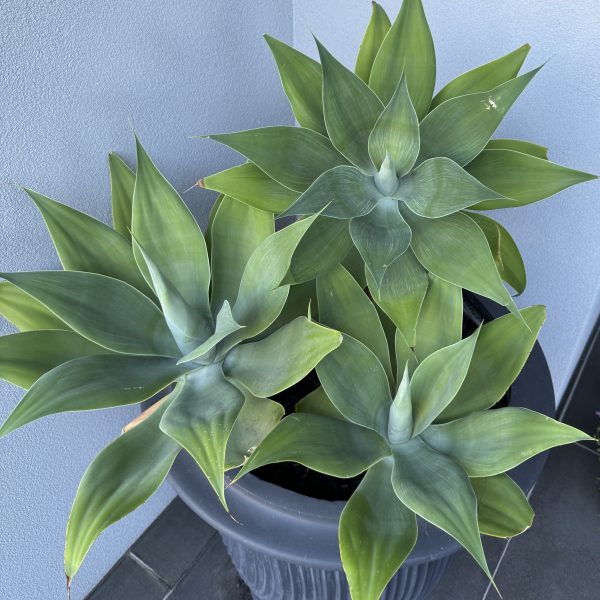 |
| SKU | CHEL00 | COAB00 | GARDF00 | AGAV00 |
| Rating | | | | |
| Price | $15.99 – $339.99Price range: $15.99 through $339.99 | $0.00 – $159.99Price range: $0.00 through $159.99 | $0.00 – $249.99Price range: $0.00 through $249.99 | $5.99 – $299.99Price range: $5.99 through $299.99 |
| Stock | | | | |
| Availability | | | | |
| Add to cart | View products
| View products
| View products
| View products
|
| Description | Ulmus parvifolia
The bark of the Chinese Elm is a real stand out feature, as the tree sheds it in patches, creating the effect of a tapestry of varying browns and greys. Foliage is lush, shiny and green, and the tree is semi deciduous, turning golden in autumn, and keeping its leaves in warmer areas. It has also been noted by many Aussie gardeners in recent years that native birds enjoy the fruit of the Chinese Elm. | Correa alba
A popular choice amongst council and parks landscapers due to its set-and-forget nature, the Correa is a attractive, hardy and versatile perennial shrub.
• White star-shaped flowers with rounded, velvety leaves
• Will grow in both full sun or part shade, tolerating harsh Australian soil and weather
• Responds well to pruning, making neat hedges or even native topiary | Gardenia augusta
Florida is one of the best gardenias available, producing masses of perfumed flowers on a hardy plant.
- Beautifully scented
- Prolific flowering
- Great for low landscaping
| Agave attenuata
Agave are one of the easiest plants to establish and maintain. They grow in full sun to shade in most soil types. Agave are best grown in reasonably well drained soils and love to be watered regularly, once a week to once a fortnight, but will thrive in periods of dryness. |
| Content | Video: Chinese Elms as a beautiful, medium size feature tree for a tough spot
| | Gardenias are warm climate plants, which are at their best in a mild, humid climate. They are seen to perfection in frost-free areas north of Sydney and Perth, but will grow in cooler areas like Melbourne in a warmer, protected position. | |
| Weight | N/A | N/A | N/A | N/A |
| Dimensions | N/A | N/A | N/A | N/A |
| Additional information |
| botanical name |
Ulmus parvifolia
|
| height x width |
8m x 8m
|
| features |
Small glossy dark-green leaves with silvery serrated edges, they are semi evergreen with the leaves turning yellow and staying on the tree until late winter, the bark is very attractive and mottled grey, green, orange and brown
|
| conditions |
Very hardy, prefers full sun in well-drained soil, good for planting in poor soil
|
| landscape use |
Street planting, avenues, urban planting, specimen, group planting, avenues
|
| | |
| height x width |
Up to 1.5m x 1.5m
|
| features |
A stem develops and is crowned by compact rosettes of soft textured, succulent-like leaves, the arched flower spike appears sporadically every few years and can reach up to 3m long with densely packed greenish-yellow flowers,
|
| conditions |
Full sun to part shade in well-drained soil, will tolerate drought
|
| landscape use |
Pots, courtyards, plaza?s, specimens, general landscaping, feature
|
|