| Description | Ulmus procera
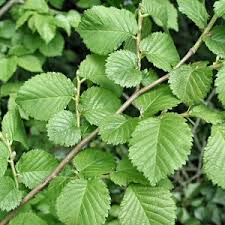
English Elm is an iconic tree that has adapted well into South Eastern Australia. It is usually used as a park, specimen, street or shade tree. Its beautiful yellow Autumn foliage is its notable feature. This tree is best used as a feature tree in a large space. It can also be used as a screen or avenue tree. | Ginkgo biloba
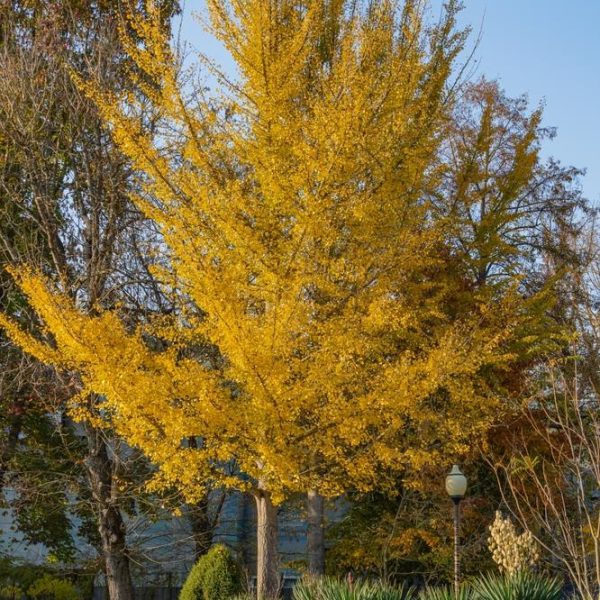
This variety of Ginkgo has a natural pyramidal/upright growth habit and is ideal for smaller areas, hedging, avenues and driveways. It's hardy and low-maintenance, providing green fan-shaped foliage that turns yellow in autumn.
16"/40cm pot
| Photinia robusta
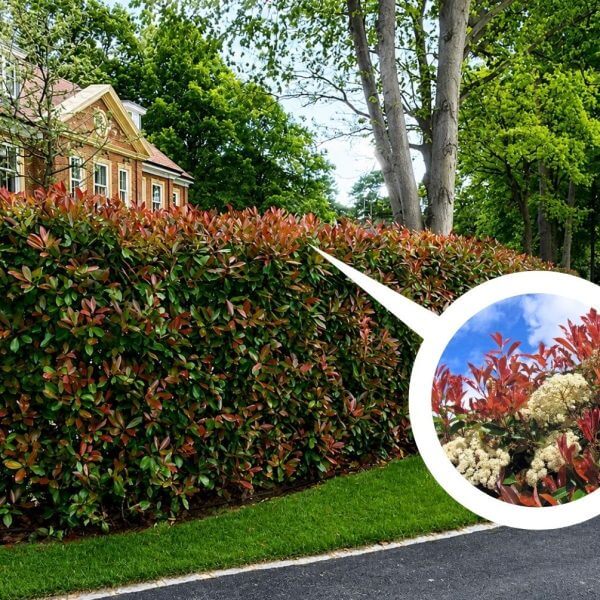
A fast growing, small tree widely used as a dense, colourful hedge
• Dense glossy, green foliage that turns vibrant red in the winter
• Very hardy, tolerating clay soil, drought and hard frost
• Grown as both a small or tall hedge with white flowers in late spring |
| Content | | | Why buy Photinia robusta?
[one_half]
[/one_half]
[one_half_last]
There are a few types of Photinia very good for hedging, and Photinia robusta is the core variety. This colourful hedge can be spotted from miles away, with vibrant red new growth.
Photinia robusta is very frost hardy and also tolerates poor, clay soil. This sturdy plant can be trimmed as a medium or tall hedge, looking quite striking when trimmed into a formal hedge. Photinias produce small, white clusters of flowers in the spring. Suited to Formal or Cottage gardens.
Ideal for: Colourful, red and glossy screen
Growth Rate: Moderate, 30- 50 cm in 1 year
Height: Up to 7m but usually maintained between 1.5 and 3m tall
Soil Requirements: Tolerates poor soil but loves fertile, loamy, and well-drained soil
Maintenance: Low. Pruning two times a year. Flowers may require pruning if they bother you.
Planting Distance: 1 to 1.5m apart for dense screen
[/one_half_last] |
| Additional information |
| botanical name |
Ulmus procera
|
| height x width |
20m x 10m
|
| features |
Dark green roughly textured leaves with serrated edges, changes to yellow in autumn
|
| conditions |
Very hardy, prefers full sun in well-drained soil, tolerant to dry conditions and wind tolerant
|
| landscape use |
Street planting, avenues, specimen, group planting, avenues, large properties, parks
|
| | |