| Name | Hydrangea quercifolia 'Oakleaf' remove | Hydrangea 'Tea Time™ White' remove | Magnolia 'Kay Parris' remove | Pyrus 'Cleveland' Ornamental Pear remove |
| Image | 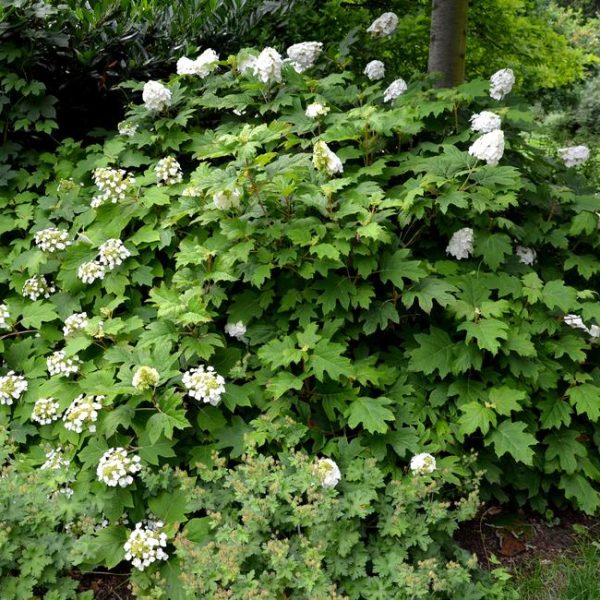 |  | 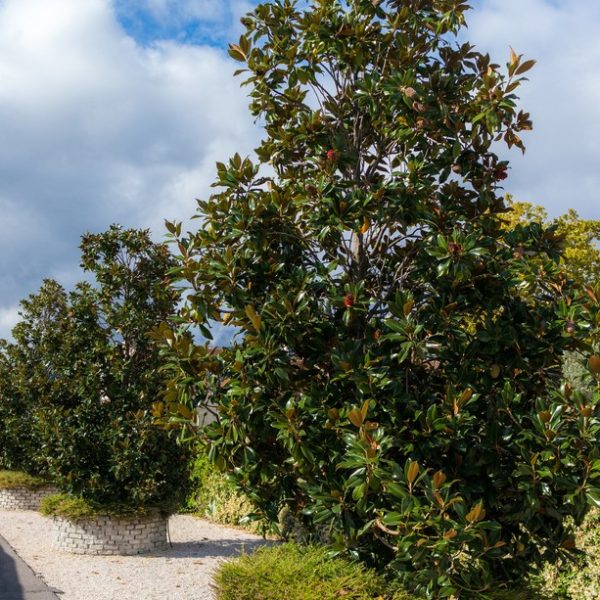 | 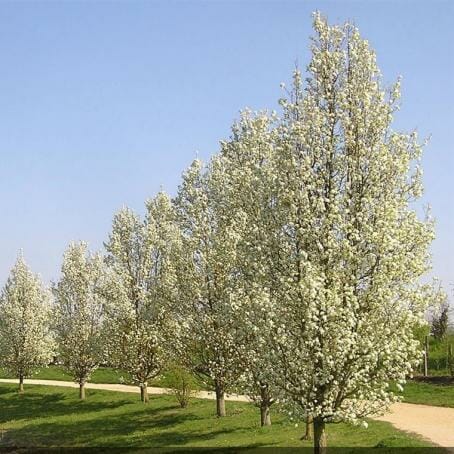 |
| SKU | HYDQOL | HMTTWH | MGKP00 | PECL00 |
| Rating | | | | |
| Price | $19.99 – $132.99Price range: $19.99 through $132.99 | $39.99 – $79.99Price range: $39.99 through $79.99 | $49.99 – $339.99Price range: $49.99 through $339.99 | $39.99 – $299.99Price range: $39.99 through $299.99 |
| Stock | | | | |
| Availability | | | | |
| Add to cart | View products
| View products
| View products
| View products
|
| Description | Hydrangea quercifolia
Oak Leaf Hydrangeas are Chris' favourite of all hydrangeas and here's why:
• better suited to the Aussie climate and the heat of our summers
• interesting, oak leaf shaped foliage
• beautiful white flowers AND great autumn colour | Hydrangea macrophylla
Tea Time is a new compact form of Hydrangea that is easy to grow, giving a fantastic floral display with masses of creamy white mop head blooms. Ideal for planting in pots or garden beds. Grows approximately 30cm tall in containers and up to 1.5m on maturity if planted in garden beds. Prefers semi-shade positions with well-drained soil. | Magnolia grandiflora 'Kay Parris'
A compact and dense growing tree, 'Kay Parris' is another exemplary Magnolia for pleached screening or as a stunning feature. The glossy green leaves are somewhat more pointed than that of the 'Little Gem' or Alta™, yet it still sports the velvety brown underside one comes to know and love about Magnolia's.
'Kay Parris' large white flowers bloom during the warmer months, exuding that heavenly Magnolia lemony scent.
See our Magnolia & Michelia - Evergreen Factsheet here for more about the different Magnolia & Michelia varieties!
For care instructions, features and more, check out Additional Information below | Pyrus calleryana Chanticleer®
A truly popular ornamental pear for its natural tear drop shape, giving the appearance of a highly manicured tree.
• Spring blossoms on bare branches
• Vibrant autumnal colours or red, orange and purple
• Ideal feature tree, along fencelines & driveways
For more information on Ornamental Pears see our Pyrus - Ornamental Pear Factsheet
For care instructions, features and more, check out Additional Information below |
| Content | Why buy Oak Leaf Hydrangeas?
[one_half]
[/one_half]
[one_half_last]
The Oak Leaf Hydrangea is a white flowering large leaf shrub which is better suited to the Aussie climate, as it tolerates the heat and dryness of our summers better than other Hydrangeas. It is named for its interesting, oak leaf shaped foliage, which also have great autumn colour.
While most other Hydrangea varieties lose their leaves quickly in winter, the Oak Leaf Hydrangea is almost evergreen, and puts on a lovely show of bronze autumn colour that can last for months. The video here was shot in early July, showing a batch of 8" Potted Oakleaf Hydrangeas still retaining their foliage even well into winter.
Oakleaf Hydrangeas tolerate more sun than other Hydrangeas, but still do better with a bit of afternoon shade. They do not tolerate "wet feet" and will not survive badly drained, boggy soil. They can reach a height and spread of 4 to 6 feet (120 to 180 cm) in Melbourne, Victoria.
Oakleaf Hydrangeas (Hydrangea quercifolia) are best pruned immediately after flowering. This allows you to enjoy the beautiful blooms during the growing season, and pruning later in the season or in winter may remove the flower buds for the following year. You can selectively prune them to shape the plant or control its size, but keep in mind that Oakleaf Hydrangeas bloom on old wood, so avoid heavy pruning that removes a significant portion of the branches, as this can reduce flowering.
[/one_half_last] | | | |
| Weight | N/A | N/A | N/A | N/A |
| Dimensions | N/A | N/A | N/A | N/A |
| Additional information | | |
| Sunshine |
Full Sun, Part Shade
|
| Botanical Name |
Magnolia grandiflora 'Kay Parris'
|
| Other Common Names |
Southern Magnolia
|
| Origin |
Southeastern USA
|
| Plant Type |
Tree
|
| Leaf Drop |
Evergreen
|
| Tolerances |
Drought Sensitive, Poor Soil Tolerant, Soggy Soil Sensitive, Frost Tolerant, Heat Tolerant
|
| Soil Type |
Clay, Loam, Loamy – Clay, Sandy – Loam, Well drained
|
| pH |
Acidic, Neutral
|
| Water Requirement |
Moderate
|
| Fertilise Me |
April, December, February, January, March, May, November, October, September
|
| Fertilizer Frequency |
Monthly, When needed
|
| Planting Distance |
1 per 1.5 metres, 2m apart
|
| Max Height |
6m
|
| Max Width |
3m
|
| Growth Speed |
Moderate
|
| Prune Me |
after flowering, Only if required
|
| Size Maintained at |
4m
|
| Flowering |
Yes
|
| Flowering Time |
December, February, January, March, November, October
|
| Flower Colour |
White
|
| Fragrance |
Strong
|
| Foliage Colour |
Green
|
| Fruit / Seed |
Yes – Non-edible
|
| Fruiting Time |
April, March, May
|
| Attracts |
Bees, Birds
|
| Toxic To |
Non-toxic
|
| Uses |
Feature, Fenceline, Bird attracting, Hedging & Screening
|
|
| Botanical Name |
Pyrus calleryana Chanticleer®
|
| Other Common Names |
Callery Pear, Cleveland Ornamental Pear, Cleveland Select Pear, Flowering Pear, Glen's Form, Ornamental Pear
|
| Origin |
China, Vietnam
|
| Plant Type |
Tree
|
| Leaf Drop |
Deciduous
|
| Sunshine |
Afternoon Sun, Full Sun, Midday Sun, Part Shade
|
| Tolerances |
Pollution Tolerant, Poor Soil Tolerant, Wind Tolerant, Frost Tolerant, Heat Tolerant, Drought Tolerant
|
| Soil Type |
Clay, Loam, Loamy – Clay, Sandy – Loam, Well drained
|
| pH |
Acidic, Alkaline, Neutral
|
| Water Requirement |
Moderate
|
| Fertilise Me |
April, March, November, October, September
|
| Fertilizer Frequency |
Bi-annually
|
| Best time to plant |
All Year
|
| Planting Distance |
4-5m apart
|
| Max Height |
11m
|
| Max Width |
6m
|
| Growth Speed |
Fast
|
| Prune Me |
Annually, Only if required, In the cooler months
|
| Size Maintained at |
5m
|
| Flowering |
Yes
|
| Flower Colour |
White
|
| Flowering Time |
November, October, September
|
| Fragrance |
Strong
|
| Foliage Colour |
Green
|
| Autumn Colour |
Orange, Purple, Red
|
| Fruit / Seed |
Yes – Non-edible
|
| Fruiting Time |
December, January
|
| Attracts |
Bees, Birds, Butterflies
|
| Toxic To |
Children
|
| Uses |
Fenceline, Shade Tree, Street Tree, Feature Tree, Hedging & Screening
|
|