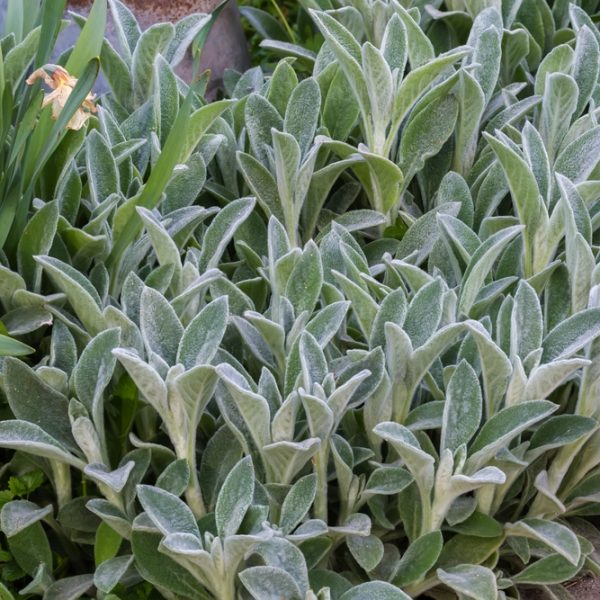
| Description | Stachys byzantina (syn. lanata)
Irresistibly soft, furry silver foliage, the 'Lambs Ear' is a must have in every Cottage garden.
• Tall purple flowers
• Looks great in pots, rockeries, along pathways and mass planted
• Tolerates dry soils
6"/14cm pot size. | Ficus macrocarpa hillii 'Flash'
Ficus hillii ‘Flash’ can be used as a feature tree in a standard form or just let to grow free. Generally because of its dense foliage and fast growing habit it is well suited to screening and hedging. It has attractive foliage which consists of different beautiful glossy greens.
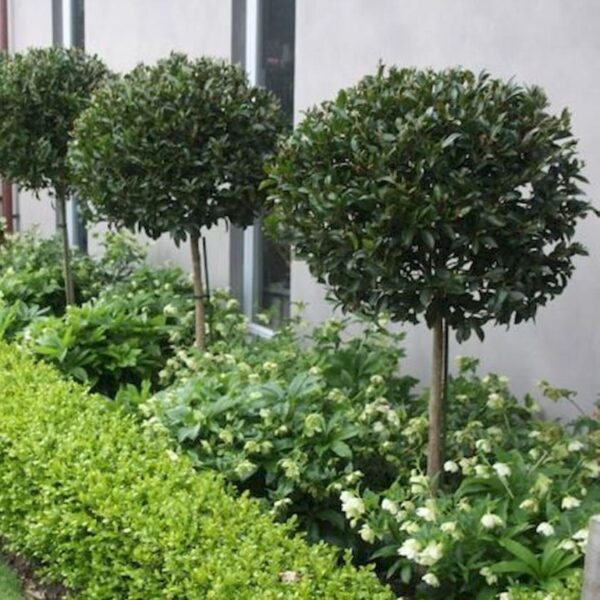
Ficus hillii Flash can also be shaped into a standard (ball on a stick) topiary style tree and pleached.
20''/50cm pot - approx 1.5m tall - standard formation | Hebe
Hebe Emerald Green is a small, evergreen shrub. This beautiful plant is self shaping and forms a small bright green bun-shape with it's teeny tiny leaves. Emerald Green Hebe makes an excellent border shrub which also looks good in pots.
They prefer full sun with good watering during the warmer months.
Grows approximately between 40-60cm tall and wide | Laurus nobilis
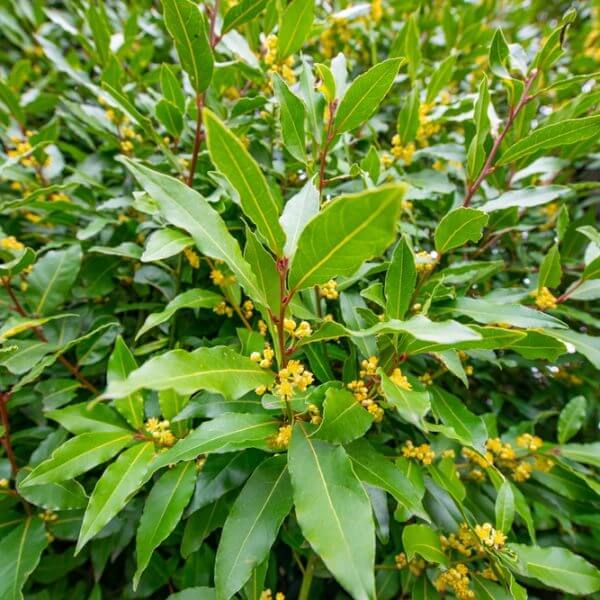
This Bay tree offers a more compact form and grows slightly smaller than the traditional Bay Tree to around 7m tall. It produces glossy dark green foliage. Leaves are fragrant and can be used in cooking. It's a large hardy, drought and salt tolerant tree. 'Miles Choice' is a more compact variety of the Bay Laurel. Produces yellow flowers which occur between September to October. |
| Content | | | | Laurus nobilis 'Miles Choice' Bay Tree
An effective hedging/screening plant that can be kept clipped from 1-4 metres, or left to grow into a medium sized tree. Its dark green leaves provide an ideal backdrop for other plants. An excellent plant for topiary and is well suited to formal gardens. Its dried leaves are used in cooking and so it is an essential plant in any kitchen garden.
Prefers a moist well drained soil in a sunny to partly shaded position. For best results fertilise with a long term slow release fertilizer in early Spring, and prune to shape when required. |