| Description | Matricaria chamomilla
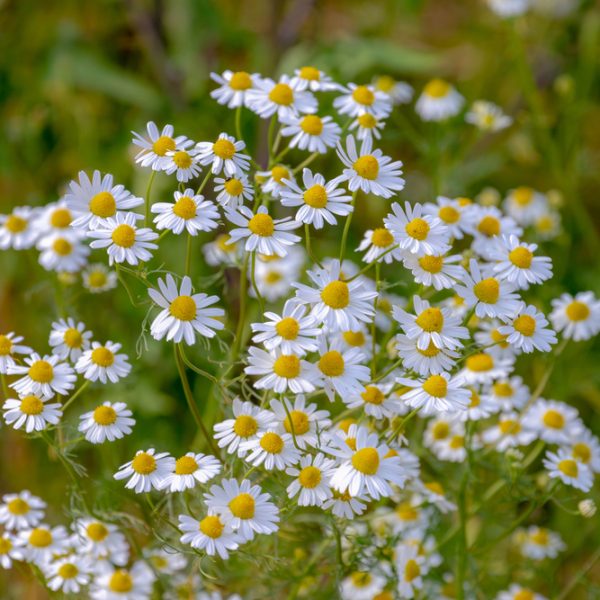
The word chamomile comes from the Greek language, chamos (ground) and melos (apple), referring to the fact that the plant grows low to the ground, and has an apple scent. However, Roman chamomile is low growing, and is used for lawns in England. But German chamomile can grow to 2.5 feet. German chamomile is an annual plant, and likes full sun to part shade. And is perfect for pots. The fragrant flowers of the German chamomile will attract birds, bees and other wildlife. It prefers sandy well drained soils, and will require regular watering, but take care not to over water. Harvest the entire chamomile flower head once it blooms and dry it to make tea. Dead heading (harvesting) the chamomile flowers the day they bloom will provide the best-flavored tea, and will encourage more flowering. Chamomile is one of the most popular wild medicinal plants that can be eaten. It makes a relaxing tea that can help you sleep. It also does wonders for upset stomachs, helps with irritable bowel syndrome, calm frayed nerves, reduce muscle spasms, treat several skin condition, and it can also help with menstrual cramp pain. Research also suggests that it may lower cholesterol. To ingest all of the beneficial oils, steep the tea in a covered cup for 10 minutes. Although they taste quite different, you can also use the leaves. You can also use chamomile flowers in a hot bath!
4''/10cm pot | Robinia pseudoacacia Frisia
Golden Robinia has beautiful yellow Spring leaves which deepen in colour to a fresh lime-yellow during Summer, then turn golden-yellow in Autumn, before falling.
A visual standout amongst other trees, this Robinia tree is an all round tough plant suitable for many different landscape uses. Whether as a magnificent specimen or a street tree in polluted and industrial areas, it grows with vigor and strength. | Allium fistulosum
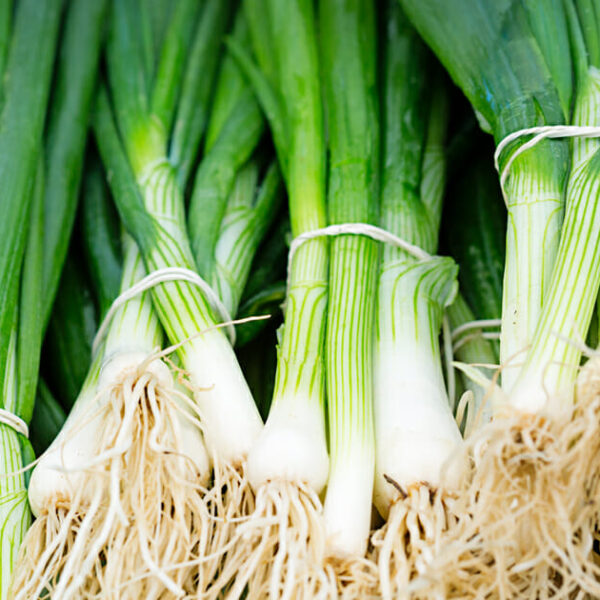
Spring onions are a fantastic edible plant to keep at home planted or in a pot. They prefer rich soil, sun or part shade positioning and are frost tolerant.
For the best results, plant them every 10cm apart, keep the weeds away when possible, and water in dry conditions.
4" pot size. | Bursaria spinosa
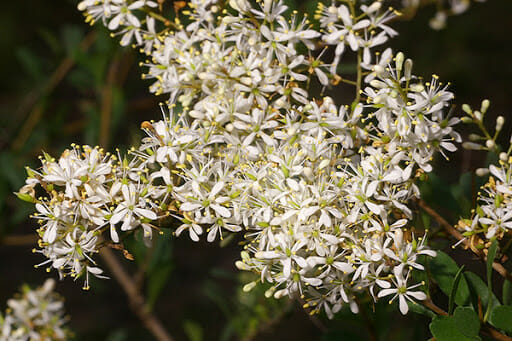
A lovely white flowering shrub usually about 3 to 4m tall which produces flowers throughout Summer. The flowers are lightly fragrant, making this shrub a lovely feature plant, and it’s extremely hardy making it a good choice for garden and landscape use. Low maintenance and fast-growing, it performs best in well drained soil. Ideal for attracting wildlife.
6''/14cm pot | Escallonia Iveyi
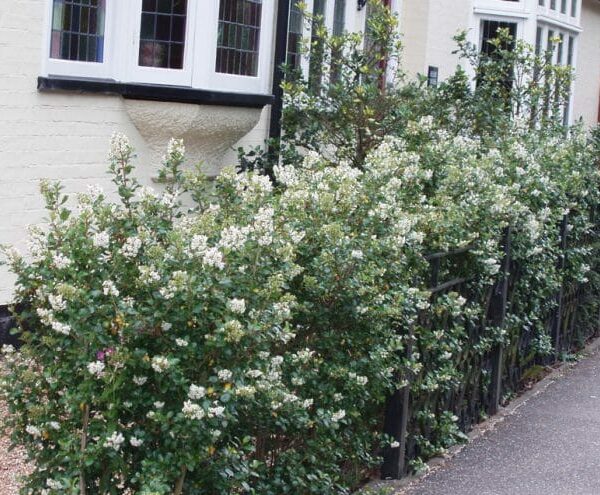
Escallonia Iveyi is a quick growing, evergreen plant with fragrant white flowers in summer. Ideal for hedges, borders or screening.
It is particulary hardy and will cope with coastal conditions as well as a hot, dry location, but does not cope with humidity. Frost hardy and drought tolerant once established. Plant 70cm apart for hedges and borders.
6" pot size, approximately 15-25cm in height. | Cercis canadensis 'Merlot'
With stunning, deep rich purple foliage in the summer the 'Merlot' Redbud makes for a stunning feature tree in the garden. In the spring, lavender pink blooms cover the bare branches and in the autumn the leaves turn vibrant oranges and yellows before falling. The 'Merlot' Redbud is perfect for small backyards.
See our Cercis Factsheet here for more about the different Cercis varieties!
For care instructions, features and more, check out Additional Information below
10''/25cm pot
|
| Additional information |
| botanical name |
Matricaria Chamomilla, or Metricaria recutita
|
|
| features |
Large golden-green pinnate leaves that intensifies to a deep gold during autumn, few creamy-white wisteria like flowers are produced in spring
|
| conditions |
Full sun in well-drained soil
|
| landscape use |
Specimen, avenues, street trees, urban planting, color contrast,
|
| |
|
| botanical name |
Escallonia ?Iveyi?
|
| height x width |
2m x 2m
|
| planting distance |
For hedge or screen: 1m
|
| features |
Very rich dark-green wavy edged leaves and long panicles up to 15cm of slightly fragrant pure white flowers in late summer
|
| conditions |
Full sun to part shade in well-drained soil
|
| landscape use |
Hedging, background planting, general garden plant
|
|
| Botanical Name |
Cercis canadensis 'Merlot'
|
| Other Common Names |
Eastern Redbud, Redbud
|
| Origin |
North America
|
| Plant Type |
Tree
|
| Leaf Drop |
Deciduous
|
| Sunshine |
Full Sun, Part Shade
|
| Tolerances |
Soggy Soil Sensitive, Frost Tolerant
|
| Soil Type |
Loam, Loamy – Clay, Sandy – Loam, Well drained
|
| pH |
Acidic, Alkaline, Neutral
|
| Water Requirement |
Moderate
|
| Fertilise Me |
April, March, November, October, September
|
| Fertilizer Frequency |
Bi-annually
|
| Planting Distance |
2-3m apart
|
| Max Height |
3.5m
|
| Max Width |
4.5m
|
| Growth Speed |
Moderate
|
| Prune Me |
Only if required, Only in winter
|
| Size Maintained at |
2m
|
| Flowering |
Yes
|
| Flowering Time |
October, September
|
| Flower Colour |
Pink
|
| Fragrance |
None
|
| Foliage Colour |
Purple
|
| Autumn Colour |
Orange, Red, Yellow
|
| Fruit / Seed |
Rarely, Yes – Non-edible
|
| Attracts |
Bees, Birds, Butterflies
|
| Toxic To |
Non-toxic
|
| Uses |
Shade Tree, Feature Tree
|
|