| Description | Euonymus japonicus microphyllus
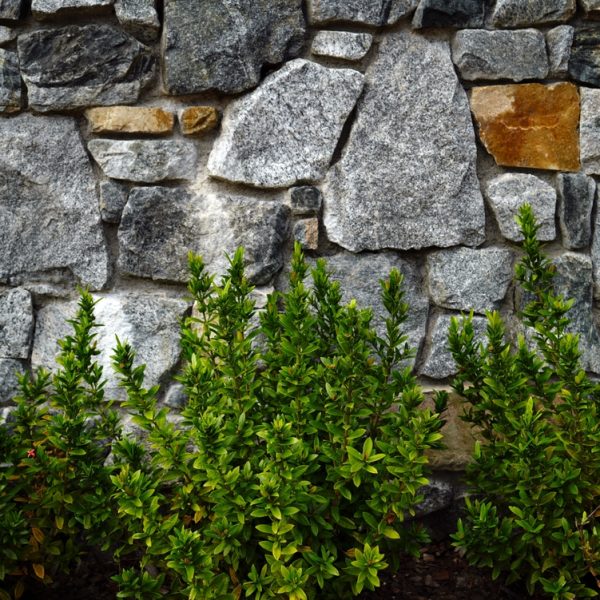
Japanese Spindle Bush or Tom Thumb is a box hedging plant with a difference.
• Glossy, dark green foliage with a mild serrated edge
• Ideal for box and medium hedging
• Tolerates coastal conditions and drought
Having trouble choosing the right Box Hedge for your garden?
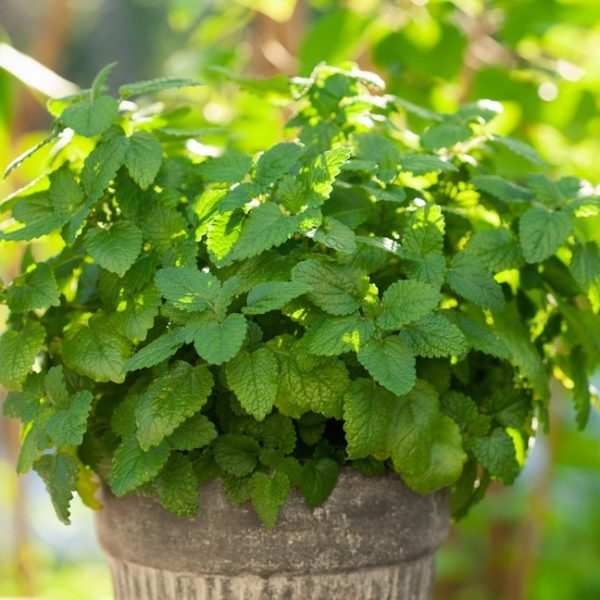
Click here! | Lemon Balm, A clump-forming perennial that can grow up to 3ft tall. It looks very similar to mint in appearance, but it is not as invasive and easier to control. Lemon Balm has a delicate flowery lemon flavour and has a wide variety of uses. The fresh leaves can be used as a garnish for drinks, desserts and savoury dishes. It adds zing to fruit salads, garden salads, fruit drinks and punch, sorbet, herb butters, dressing and sauces. Lemon balm butter with a little pepper added goes well with corn, broccoli, beans and asparagus. Use in marinades or sauces to accompany fish or chicken.
4" pot size. | Centella asiatica
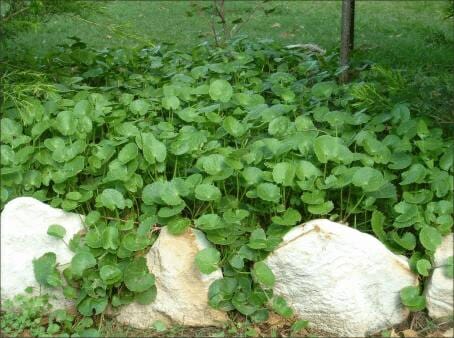
When we think about herbs we think of things like parsley, sage and thyme, which all originate from Southern Europe. We don't hear much about those from Asia, let alone native Australian herbs. "Gotu kola" is more commonly known here as the arthritis plant. This herb has been cultivated in India, China, tropical Asia and Africa for centuries. It comes from the same family of plants as parsley and it has close relatives in Australia. Some of the traditional claims made about the medicinal properties of this plant include ; the extension of life, control of tuberculosis and leprosy, relief of high blood pressure and the pain and swelling associated with arthritis as well as a treatment for cancer and irritating skin ailments. It has also been referred to as Indian Ginseng because of its stimulating effects on many parts of the body. The arthritis herb has been used as a medicine for thousands of years in countries where it grew naturally. It is claimed to have beneficial effect on a number of other ailments including psoriasis, ulcers, rheumatism, acute infections and inflammation, upper respiratory tract infections, diarrhoea, fevers and diseases of the female reproductive organs. Modern clinical tests on humans and animals have confirmed a positive effect in the treatment of skin ailments such as ulcers, burns and wounds. The recommended daily dose is two leaves of 40mm diameter per adult, or the equivalent in smaller leaves. The leaves have a bitter taste particularly if grown in full sun. You may be able to eat the leaves straight from the plant or alternatively they can be chopped up and used like a parsley garnish on salads or mashed potato. It is commonly used to flavour rice dishes in Southeast Asia. A weak tea can be made which you might like to sweeten with honey. The naturally occurring organic chemicals in the leaves include strong alkaloids and a carcinogen called asiaticoside. It is recommended therefore, that you do not exceed this dose as symptoms of headache, dizziness and insomnia have been reported. This plant also goes by the common name of swamp pennywort and this is a clue to its preferred environment, which is shady and swampy. In such a location this plant can grow very quickly. The arthritis plant can be easily grown in the home garden. It thrives under shade in pots, hanging baskets and particularly in bog gardens or by a pond. A good idea is to keep this plant in a confined position such as a tub to prevent it from escaping. And a good potting mix will see this plant take off quickly.
4" pot size. | Citrus limon
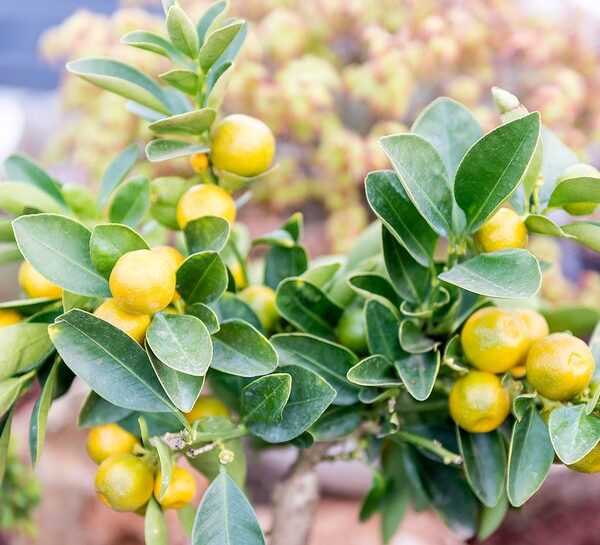
Lemon Lemonicious is a dwarf fruiting tree from the Meyer Lemon. It is a strong and compact variety which produces tasty, juicy yellow fruit and bunches of small, scented white flowers.
This variety is well suited for planting in the ground or in pots and large containers. These plants are a landscapers dream. They grow to approximately 1.5m in height. It's fruit is great for cooking and adding rich flavour to deserts and meals. |
| Additional information |
| botanical-name |
Euonymus fortunei, Euonymus japonicas microphyllus
|
| height-x-width |
50cm x 50cm
|
| planting-distance |
For border: 4 per metre
|
| features |
Dense compact glossy dark green narrow leaves on a dwarf bush
|
| conditions |
Very hardy, will thrive in most soils but prefers full sun to part shade in well drained soil
|
| landscape-use |
Low hedge, borders, topiary, containers for patios and courtyards
|
|
| botanical name |
Melissa officinalis
|
|
| botanical name |
Centella asiatica, or Hydrocotle asiatica.
|
| |