| Description | Cornus kousa var Chinensis, Kousa Dogwood, Chinese Dogwood
This is arguably the world's most beautiful dogwood, with a fabulous show of white flowers in spring, and magnificent autumn colour. A beautiful small (up to 4m) deciduous feature tree and is extremely beautiful when in bloom. Flowering season is late spring, weeks after the tree puts on foliage again.
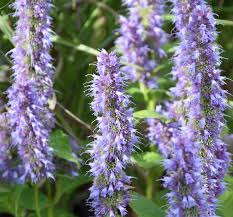
8" pot size | Agastache rugosa x foeniculum
Blue Fortune Agastache (Anise Hyssop) has strong 1.2m stems, clothed with softly bristly green leaves, are topped by handsome violet-blue bottlebrush flower heads from about Christmas time on into autumn. Sun. 120cm x 70cm.
6''/14cm pot | Rosa Hybrid Tea
Large bloom with fragrance and beautiful colour. A tall growing bush with vigorous growth. Available as a 3ft standard and bush rose.
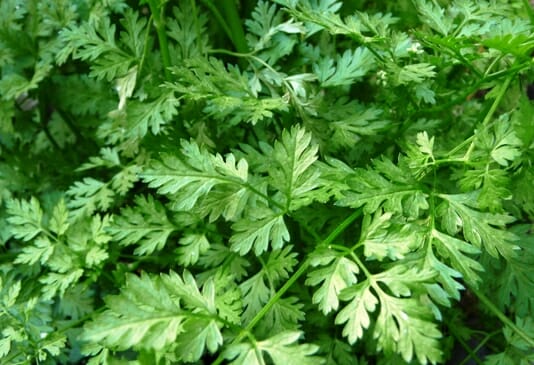
Available online ONLY - Not in-store. | Anthriscus cerefolium
Chervil, sometimes called garden chervil or French parsley, is a delicate annual herb related to parsley. This plant is a native to the Caucasus, which is a mountainous region between Turkey and Russia. Chervil was spread through Europe by the Romans, and is now naturalised. The plants can grow up to 70cm tall and 30cm wide, and produces small white flowers. This herb is referred to as gourmet's parsley, and is used particularly in France to season poultry, seafood, spring veg, soups and sauces. It has a faint taste of liquorice and aniseed. Chervil is one of the four French "fines herbes" which are essential to French cooking. The other three are tarragon, chives and parsley. Unlike stronger herbs like thyme and rosemary which can withstand long cooking times, these "fines herbes" are added at the last minute. Traditionally, chervil has had many medicinal uses. It has claimed to be used as a digestive aid, for lowering blood pressure, and used infused with vinegar for curing hiccups! It has also been used as a mild stimulant. It prefers a cool and moist location, and regular harvesting of leaves helps to prevent it rapidly going to seed, which will bring the plant to the end of its production. |
| Content | | | Roses are easily one of the most popular and widely cultivated groups of flowering plants. Numerous different cultivars have been produced over the last twu centuries, although roses have been grown for millennia before their popularity bloomed. Renowned for their flowers and beauty, they are also loved for other reasons such as their fruit. The rose hip can be made into an old fashioned jam. Roses range in size and variety from your standard and bush roses to climbers and weeping varieties. Amongst all their beautiful colours, varieties and fragrances there is bound to be the perfect rose out there for your garden. For more information on selecting and growing roses, visit our Rose Factsheet. | |
| Additional information |
| botanical name |
Cornus kousa
|
| height x width |
4m x 3m
|
| features |
Dense green foliage and tiered branches, the flower heads with large pure-white bracts appear, each bract ending in an acute point followed by red fruit
|
| conditions |
Sun to part shade in rich well-drained soil
|
| landscape use |
Specimen, group planting, general garden planting
|
| | |
| botanical name |
Anthriscus Cerefolium
|
|