| Description | Ulmus parvifolia
The bark of the Chinese Elm is a real stand out feature, as the tree sheds it in patches, creating the effect of a tapestry of varying browns and greys. Foliage is lush, shiny and green, and the tree is semi deciduous, turning golden in autumn, and keeping its leaves in warmer areas. It has also been noted by many Aussie gardeners in recent years that native birds enjoy the fruit of the Chinese Elm. | Ficus carica
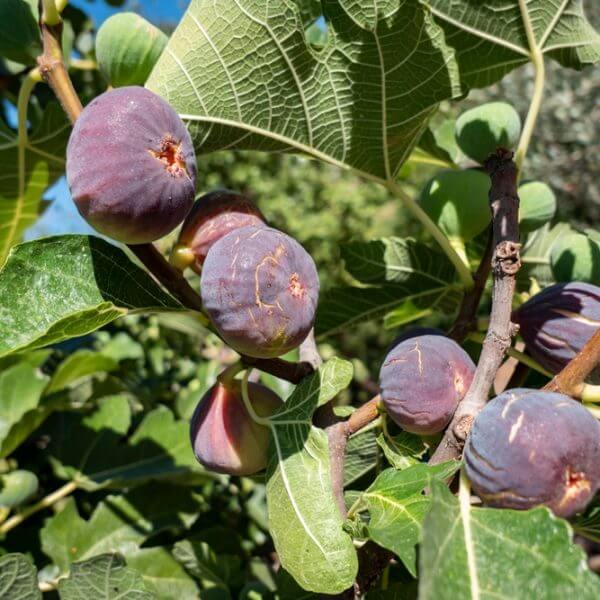
The Black Tuscan fig is a cherished gem from Italy, boasting dark skin and an exquisite flavor profile that melds the essence of strawberry and mulberry. Its interior is a delightful mix of sweetness and a jam-like texture, while the chewy skin enhances the overall experience. Often likened to the Black Madeira, some even argue that it outshines its counterpart. This self-fertile fig produces medium-sized fruits that ripen in mid-season, showcasing impressive productivity and resilience, even in wet conditions. It's no wonder that this fig variety has captured the hearts of enthusiasts everywhere.
| |
| Content | Video: Chinese Elms as a beautiful, medium size feature tree for a tough spot
| | |
| Additional information |
| botanical name |
Ulmus parvifolia
|
| height x width |
8m x 8m
|
| features |
Small glossy dark-green leaves with silvery serrated edges, they are semi evergreen with the leaves turning yellow and staying on the tree until late winter, the bark is very attractive and mottled grey, green, orange and brown
|
| conditions |
Very hardy, prefers full sun in well-drained soil, good for planting in poor soil
|
| landscape use |
Street planting, avenues, urban planting, specimen, group planting, avenues
|
|
| |