| Name | Grevillea robusta 'Silky Oak' remove | Banksia integrifolia 'Coastal Banksia' 10" Pot remove | Mandevilla 'Aloha Dark Red' 6" Pot remove | Ulmus parvifolia 'Chinese Elm' remove |
| Image | 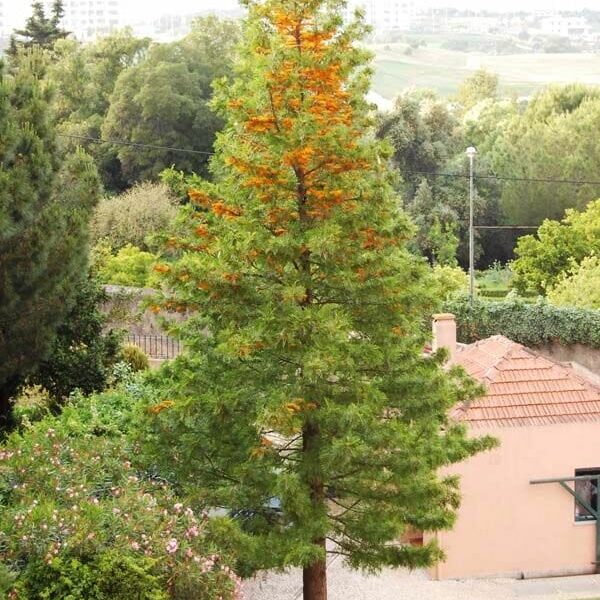 |  | 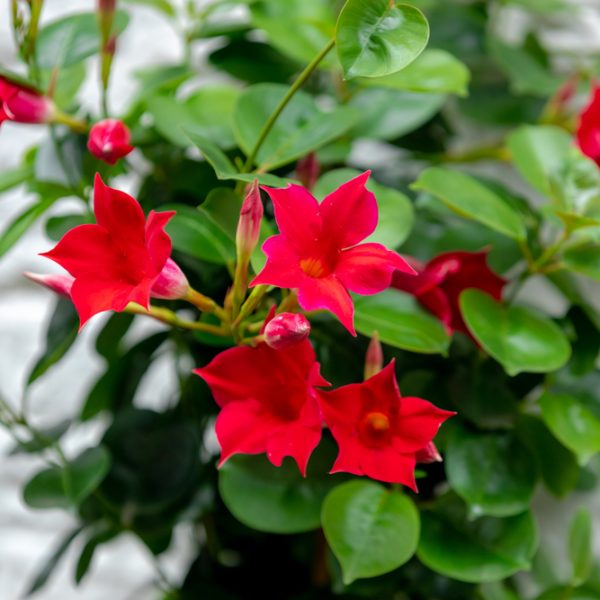 |  |
| SKU | GRVRO00 | BANKCBN70 | MAALFRN20 | CHEL00 |
| Rating | | | | |
| Price | $16.99 – $219.99Price range: $16.99 through $219.99 | $69.99 Original price was: $69.99.$59.99Current price is: $59.99. | $19.99 | $15.99 – $339.99Price range: $15.99 through $339.99 |
| Stock | | | Out of stock
| |
| Availability | | | Out of stock | |
| Add to cart | View products
| Add to cart
| Read more
| View products
|
| Description | Grevillea robusta
The Grevillea Robusta (Southern Silky Oak) is a fast-growing large upright evergreen tree. It is the largest species of Grevillea, and resembles a grand pine tree when fully grown. Silky Oak produces long bottlebrush shaped golden-orange flowers in spring and summer.
Silky Oak is suitable for most soil but prefers it to be well-drained and can grow in semi-shade or no shade. Drought tolerant. | Banksia integrifolia
Banksia integrifolia or ‘Coastal Banksia’ is a hardy native found down the Eastern coastline of Australia. Often seen in windswept and sculptural shapes along beach fronts, when placed in a less hostile environment, they can become quite beautiful, bushy specimen plants. They grow anywhere between 4m - 10m and 1m - 5m wide, depending on their environment. During autumn and winter their yellow flowers form into large cones, rich with nectar. These stunning flowers attract lots of bird life, particularly cockatoos and honey-eaters. Coastal Banksia is a slow grower and can handle a wide range of soil types.
10" pot size. | Mandevilla x amoena
Forever Red is an intense non fading red variety with a super long flowering period from Spring through Autumn. Ideal as a container specimen to bring some tropical colour to sunny patios, courtyards or balconies. Best placed in a full sun/part shade location. It is heat and coastal tolerant. Thrives in the heat!
6"/14cm pot size. | Ulmus parvifolia
The bark of the Chinese Elm is a real stand out feature, as the tree sheds it in patches, creating the effect of a tapestry of varying browns and greys. Foliage is lush, shiny and green, and the tree is semi deciduous, turning golden in autumn, and keeping its leaves in warmer areas. It has also been noted by many Aussie gardeners in recent years that native birds enjoy the fruit of the Chinese Elm. |
| Content | | | | Video: Chinese Elms as a beautiful, medium size feature tree for a tough spot
|
| Weight | N/A | N/A | N/A | N/A |
| Dimensions | N/A | N/A | N/A | N/A |
| Additional information | |
| botanical name |
Banksia integrifolia
|
| height x width |
5m x 3m
|
| features |
Cones of yellow brush like flowers during autumn, dark green leaves with white underneath, bird attracting, good hardy coastal tree, lime tolerant
|
| conditions |
Full sun to part shade
|
| landscape use |
Cut flower arrangements, screens, windbreaks, hedges and specimens
|
|
|
| botanical name |
Ulmus parvifolia
|
| height x width |
8m x 8m
|
| features |
Small glossy dark-green leaves with silvery serrated edges, they are semi evergreen with the leaves turning yellow and staying on the tree until late winter, the bark is very attractive and mottled grey, green, orange and brown
|
| conditions |
Very hardy, prefers full sun in well-drained soil, good for planting in poor soil
|
| landscape use |
Street planting, avenues, urban planting, specimen, group planting, avenues
|
|