| Description | Cycas revoluta
Sago Palms are wonderfully tough little palms, growing strong in the tough climate and soils of Victoria.
• Very slow growing.
• Thin, fern-like foliage, sprouting from the centre
• Can be grown in pots, suitable for modern or tropical gardens | Ulmus procera
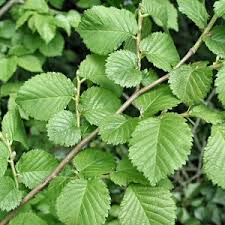
English Elm is an iconic tree that has adapted well into South Eastern Australia. It is usually used as a park, specimen, street or shade tree. Its beautiful yellow Autumn foliage is its notable feature. This tree is best used as a feature tree in a large space. It can also be used as a screen or avenue tree. | |
| Additional information |
| botanical name |
Cycas revoluta
|
| height x width |
Up to 2m, but slow growing
|
| features |
Short single or multiple trunks develop with a compact crown of palm-like stiff fine pinnate dark green leaves, very unusual and attractive
|
| conditions |
Sun to shade in moist well-drained soil, protect from heavy frosts
|
| landscape use |
Pots, courtyards, plaza?s, specimens, general landscaping
|
| Toxicity |
All parts of a sago palm, especially the seeds, are extremely poisonous when ingested by humans or animals.
|
|
| botanical name |
Ulmus procera
|
| height x width |
20m x 10m
|
| features |
Dark green roughly textured leaves with serrated edges, changes to yellow in autumn
|
| conditions |
Very hardy, prefers full sun in well-drained soil, tolerant to dry conditions and wind tolerant
|
| landscape use |
Street planting, avenues, specimen, group planting, avenues, large properties, parks
|
| |