| Description | Centella asiatica
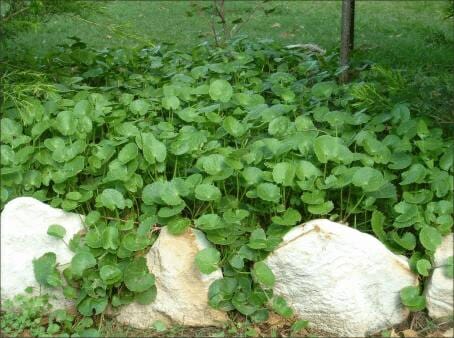
When we think about herbs we think of things like parsley, sage and thyme, which all originate from Southern Europe. We don't hear much about those from Asia, let alone native Australian herbs. "Gotu kola" is more commonly known here as the arthritis plant. This herb has been cultivated in India, China, tropical Asia and Africa for centuries. It comes from the same family of plants as parsley and it has close relatives in Australia. Some of the traditional claims made about the medicinal properties of this plant include ; the extension of life, control of tuberculosis and leprosy, relief of high blood pressure and the pain and swelling associated with arthritis as well as a treatment for cancer and irritating skin ailments. It has also been referred to as Indian Ginseng because of its stimulating effects on many parts of the body. The arthritis herb has been used as a medicine for thousands of years in countries where it grew naturally. It is claimed to have beneficial effect on a number of other ailments including psoriasis, ulcers, rheumatism, acute infections and inflammation, upper respiratory tract infections, diarrhoea, fevers and diseases of the female reproductive organs. Modern clinical tests on humans and animals have confirmed a positive effect in the treatment of skin ailments such as ulcers, burns and wounds. The recommended daily dose is two leaves of 40mm diameter per adult, or the equivalent in smaller leaves. The leaves have a bitter taste particularly if grown in full sun. You may be able to eat the leaves straight from the plant or alternatively they can be chopped up and used like a parsley garnish on salads or mashed potato. It is commonly used to flavour rice dishes in Southeast Asia. A weak tea can be made which you might like to sweeten with honey. The naturally occurring organic chemicals in the leaves include strong alkaloids and a carcinogen called asiaticoside. It is recommended therefore, that you do not exceed this dose as symptoms of headache, dizziness and insomnia have been reported. This plant also goes by the common name of swamp pennywort and this is a clue to its preferred environment, which is shady and swampy. In such a location this plant can grow very quickly. The arthritis plant can be easily grown in the home garden. It thrives under shade in pots, hanging baskets and particularly in bog gardens or by a pond. A good idea is to keep this plant in a confined position such as a tub to prevent it from escaping. And a good potting mix will see this plant take off quickly.
4" pot size. | Prunus persica roseoplena
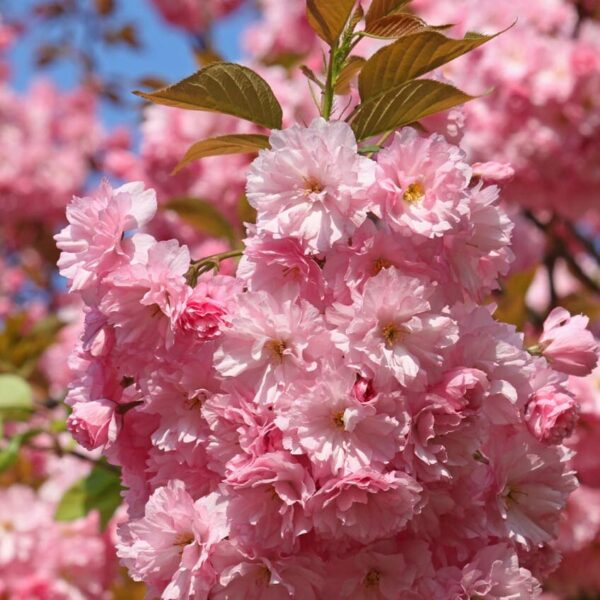
Pink Flowering Peach is an attractive ornamental flowering peach that produces an abundance of beautiful double pink flowers. These can be seen as early as mid Winter with a bonus of gorgeous autumn foliage colour. Perfect as an ornamental or specimen tree which produces a stunningly beautiful display when mass planted. Will grow to approximately 4x4m in height.
12''/30cm pot | Callistemon "Candy Pink"
Candy Pink is a medium shrub that is incredibly adaptable. Its large flower spikes are a lovely dark pink colour and are borne in flushes virtually all year round after a flush of new growth happens.
Candy Pink requires low maintenance and is suitable for coastal gardens. It is drought resistant. Likes a position of full sunlight to light shade.
6" pot size. | Rosa hybrid tea
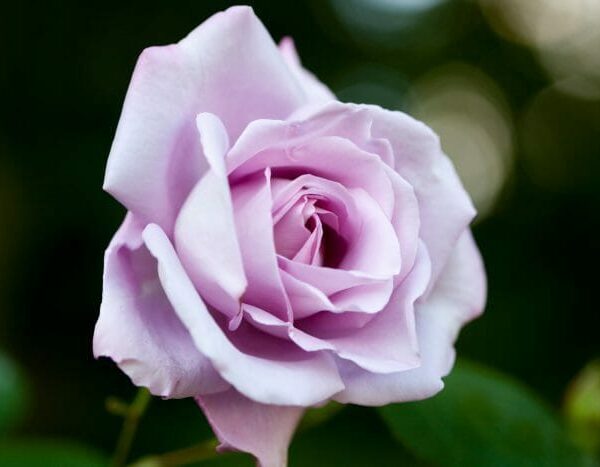
Blue Moon produces large silvery blue flowers on long stems that are highly fragrant! The lavender coloured blooms are perfect for mass planting, cut flowers, rose & cottage gardens! Blue Moon is hardy, vigorous and repeat flowering. Available in more variations. |
| Content | | | | Roses are easily one of the most popular and widely cultivated groups of flowering plants. Numerous different cultivars have been produced over the last twu centuries, although roses have been grown for millennia before their popularity bloomed. Renowned for their flowers and beauty, they are also loved for other reasons such as their fruit. The rose hip can be made into an old fashioned jam. Roses range in size and variety from your standard and bush roses to climbers and weeping varieties. Amongst all their beautiful colours, varieties and fragrances there is bound to be the perfect rose out there for your garden. For more information on selecting and growing roses, visit our Rose Factsheet. |
| Additional information |
| botanical name |
Centella asiatica, or Hydrocotle asiatica.
|
| |
| botanical name |
Callistemon spp
|
| height x width |
3m x3m
|
| planting distance |
For hedge or screen: 1-1.5m
|
| features |
A profusion of candy pink bottlebrush flowers a few times throughout the year, bird attracting
|
| conditions |
Full sun to part shade, best in well drained soil but will tolerate dry or poorly drained soils
|
| landscape use |
Screening, windbreaks, general garden planting, specimens, bird attractor
|
| |