| Description | Ulmus parvifolia
The bark of the Chinese Elm is a real stand out feature, as the tree sheds it in patches, creating the effect of a tapestry of varying browns and greys. Foliage is lush, shiny and green, and the tree is semi deciduous, turning golden in autumn, and keeping its leaves in warmer areas. It has also been noted by many Aussie gardeners in recent years that native birds enjoy the fruit of the Chinese Elm. | Cupaniopsis anacardioides
Common names: tuckeroo, carrotwood, beach tamarind and green-leaved tamarind
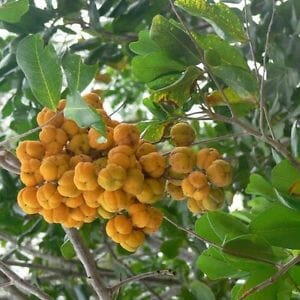
The Tuckeroo is an Australian native feature tree with a rounded shape and evergreen foliage. The roots are non invasive making it a popular with landscapers and often used in council gardens. Cream flowers appear during autumn followed by bright orange, bird attracting fruit in spring. Can mature to 5-9 m tall.
8''/20cm pot | |
| Content | Video: Chinese Elms as a beautiful, medium size feature tree for a tough spot
| | |
| Additional information |
| botanical name |
Ulmus parvifolia
|
| height x width |
8m x 8m
|
| features |
Small glossy dark-green leaves with silvery serrated edges, they are semi evergreen with the leaves turning yellow and staying on the tree until late winter, the bark is very attractive and mottled grey, green, orange and brown
|
| conditions |
Very hardy, prefers full sun in well-drained soil, good for planting in poor soil
|
| landscape use |
Street planting, avenues, urban planting, specimen, group planting, avenues
|
| | |