| Name | Ulmus parvifolia 'Chinese Elm' remove | Laurus 'Bay Tree' remove | Wisteria 'Longissima' Purple remove | Salvia 'Pink' Sage 6" Pot remove |
| Image |  | 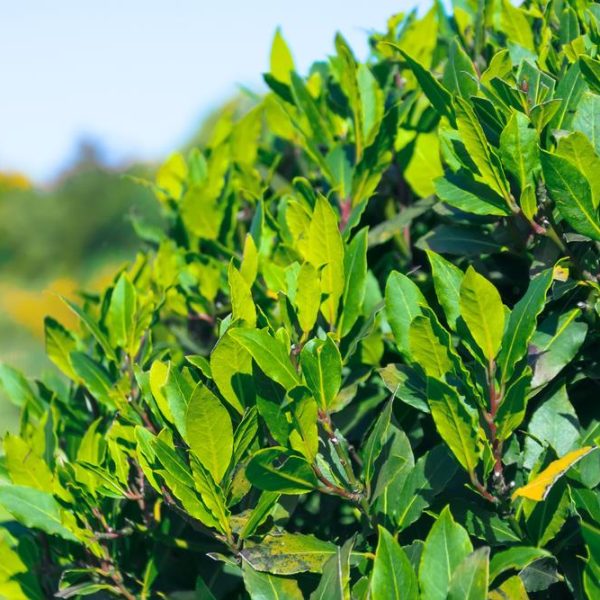 |  |  |
| SKU | CHEL00 | LAUNBT00 | WILO00 | SAVPN53 |
| Rating | | | | |
| Price | $15.99 – $339.99Price range: $15.99 through $339.99 | $12.99 – $799.99Price range: $12.99 through $799.99 | $21.99 – $44.99Price range: $21.99 through $44.99 | $14.99 |
| Stock | | | | Out of stock
|
| Availability | | | | Out of stock |
| Add to cart | View products
| View products
| View products
| Read more
|
| Description | Ulmus parvifolia
The bark of the Chinese Elm is a real stand out feature, as the tree sheds it in patches, creating the effect of a tapestry of varying browns and greys. Foliage is lush, shiny and green, and the tree is semi deciduous, turning golden in autumn, and keeping its leaves in warmer areas. It has also been noted by many Aussie gardeners in recent years that native birds enjoy the fruit of the Chinese Elm. | Laurus nobilis 'Bay Tree'
Native to the Mediterranean, the bay tree is well known for its culinary use, often added to soups and stews. It is an upright, hardy evergreen tree with deep green, aromatic foliage. Leaves are glossy and oval in shape and hang from red-brown branches. In spring, yellow buds appear, opening to clusters of fluffy yellow flowers, adding a lovely contrast amongst the foliage. Tough, beautiful and useful, this tree lends itself well to hedging and is also an excellent choice for topiary. | Wisteria floribunda (syn. W. longissima)
Wisteria 'Longissima' or Japanese Blue Wisteria is arguably the most impressive variety due to it's stunning, extra long pale purple flowers, which can reach lengths of 1m! These sweetly scented flowers are produced in late spring to early summer along with the leaves, and are quite spectacular. Also happy to grow in pots, they are quite hardy but will require solid support.
See our Wisteria Factsheet here for more about the different Wisteria varieties!
For care instructions, features and more, check out Additional Information below | Salvia nemorosa
Will benefit from pruning and deadheading after flowering season. Plant in full sun with well-drained soil. May require extra watering over long, hot, dry summers.
- Attracts Birds, Bees and Butterflies
- Fragrant
- Drought tolerant
6"/14cm pot
See our Salvia Factsheet here for more about the different Salvia varieties! |
| Content | Video: Chinese Elms as a beautiful, medium size feature tree for a tough spot
| Laurus nobilis 'Bay Tree'
Can be made into a standard shape and its leaf is widely used as a culinary herb. It's a great tree that can be used in small or large gardens, responds well to pruning.
It is an extremely adaptable plant that is coastal tolerant, prefers a sunny position in a well drained fertile soil. | | Salvia nemorosa
A small dense, rounded shrub with masses of bright pink flower spikes from spring to autumn. Perfect for mass planting, low borders, cottage gardens, pots or features. |
| Weight | N/A | N/A | N/A | N/A |
| Dimensions | N/A | N/A | N/A | N/A |
| Additional information |
| botanical name |
Ulmus parvifolia
|
| height x width |
8m x 8m
|
| features |
Small glossy dark-green leaves with silvery serrated edges, they are semi evergreen with the leaves turning yellow and staying on the tree until late winter, the bark is very attractive and mottled grey, green, orange and brown
|
| conditions |
Very hardy, prefers full sun in well-drained soil, good for planting in poor soil
|
| landscape use |
Street planting, avenues, urban planting, specimen, group planting, avenues
|
| |
| Botanical Name |
Wisteria flroibunda (syn. Wisteria longissima)
|
| Other Common Names |
Blue Wisteria, Japanese Blue Wisteria, Japanese Purple Wisteria, Japanese Wisteria, Purple Wisteria
|
| Origin |
Japan
|
| Plant Type |
Vine
|
| Leaf Drop |
Deciduous
|
| Sunshine |
Full Sun, Part Shade
|
| Tolerances |
Pollution Tolerant, Poor Soil Tolerant, Frost Tolerant, Heat Tolerant, Drought Tolerant
|
| Soil Type |
Clay, Loam, Loamy – Clay, Sandy, Sandy – Loam, Well drained
|
| pH |
Acidic, Alkaline, Neutral
|
| Water Requirement |
Low
|
| Fertilise Me |
December, November, October, September
|
| Fertilizer Frequency |
Monthly, Until established
|
| Best time to plant |
All Year
|
| Planting Distance |
2m apart
|
| Max Height |
3m, 9m
|
| Max Width |
3m, 6m
|
| Growth Speed |
Fast
|
| Prune Me |
Annually, Hard prune in winter
|
| Size Maintained at |
1m
|
| Flowering |
Yes
|
| Flowering Time |
December, November, October
|
| Flower Colour |
Blue, Purple
|
| Fragrance |
Moderate
|
| Foliage Colour |
Green
|
| Autumn Colour |
Yellow
|
| Fruit / Seed |
Yes – Non-edible
|
| Fruiting Time |
February, January, March
|
| Attracts |
Bees, Birds, Butterflies, Other Insects
|
| Toxic To |
Cats, Children, Dogs
|
| Uses |
Arbour, Archway, Balcony, Feature, Fragrance, Pergola, Verandah
|
|
| Attracts |
Bees, Butterflies
|
| Botanical Name |
Salvia nemorosa
|
| Flower Colour |
Pink
|
| Flowering Time |
December, January, November, October, September
|
| Sunshine |
Full Sun
|
| Max Width |
0.5m
|
| Max Height |
0.3m
|
| Uses |
Group Planting, Window Box, Attracts Butterflies, Borders, Mass planting, Pots
|
| Water Requirement |
Low
|
| Supply Code |
N53
|
| Soil Type |
Average soil, Fertile
|
| Prune Me |
Only if required
|
| Flowering |
Yes
|
| Fragrance |
Light
|
| Planting Distance |
3 per metre
|
| Best time to plant |
All Year
|
| Foliage Colour |
Green
|
| Other Common Names |
Sage
|
| Tolerances |
Drought Tolerant
|
|