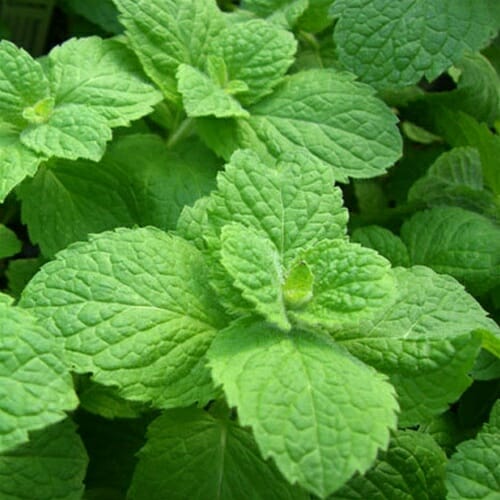
| Description | Apple Mint, All types of mint are vigorous, fast growing, spreading perennials. You need to plant them where they have room to spread or plant them in pots. Mint plants send out runners just above and below the ground level, quickly forming large lush green patches. Planted in the right spot they make fantastic ground covers. Mint can grow anything up to 1m tall, but require regular trimming to ensure nice bushy, healthy plants. Although mint is hardy and will adapt to almost any spot in your garden, it prefers cool damp conditions in partial shade. Mints make good companion plants, repelling unwanted pests and attracting beneficial ones. Variegated Apple mint is an attractive herb, and is often only used decoratively. However, this little herb is a good addition to the kitchen, with its fruity-minty flavour. It's leaves can be used to make apple mint jelly, as well as for flavouring cous cous, and rice dishes. You can make a fruity Mint tea, or use it as a garnish, or in salads. Use the leaves fresh or dried, or you can freeze them in ice cube trays. | Ulmus procera
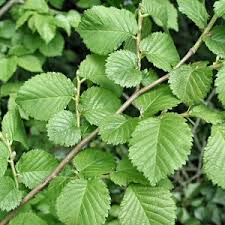
English Elm is an iconic tree that has adapted well into South Eastern Australia. It is usually used as a park, specimen, street or shade tree. Its beautiful yellow Autumn foliage is its notable feature. This tree is best used as a feature tree in a large space. It can also be used as a screen or avenue tree. | |
| Additional information |
| botanical name |
Mentha Suaveolens, or Wooly Mint
|
|
| botanical name |
Ulmus procera
|
| height x width |
20m x 10m
|
| features |
Dark green roughly textured leaves with serrated edges, changes to yellow in autumn
|
| conditions |
Very hardy, prefers full sun in well-drained soil, tolerant to dry conditions and wind tolerant
|
| landscape use |
Street planting, avenues, specimen, group planting, avenues, large properties, parks
|
| |