| Description | Chrysanthemum cinerariifolium
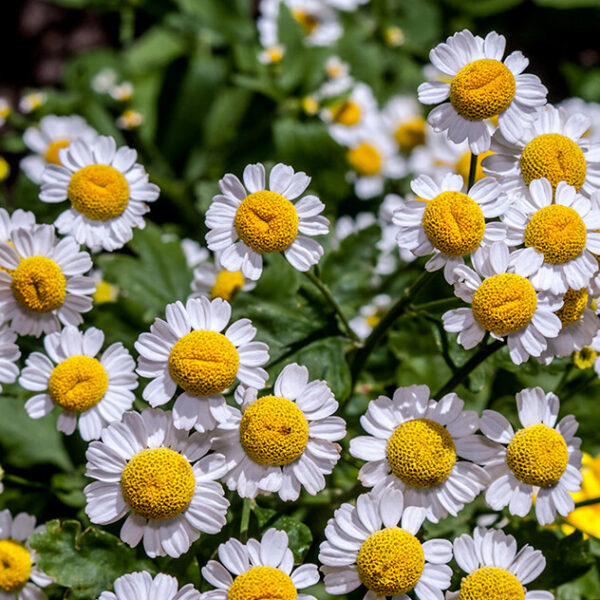
Pyrethrum Daisy or sometimes called Dalmation Daisy is a fragrant, perennial herb with perfect little white daisy flowers. It is a wonderful Cottage garden shrub, attracting many bees and butterflies as well as fending off predatory pests in the vegetable garden.
Pyrethrum is a hardy little plant, thriving in full sun positions, tolerating most soil types (except soggy soils) and requires moderate to low water once established. Prune after flowering to keep neat and to reduce spread as they can self sow their seeds after flowering. | Philodendron mamei
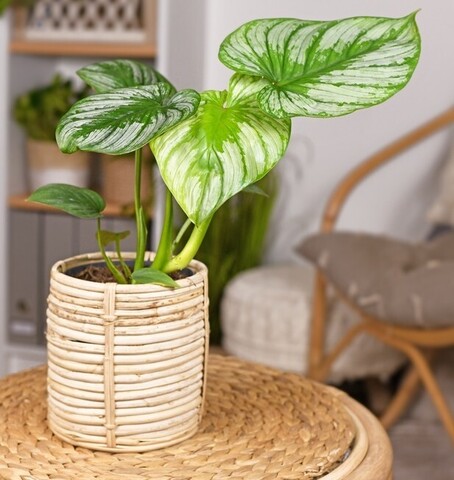
Philodendron mamei, known as the Blotched Philodendron, is admired for its large, heart-shaped silver-blotched leaves and crawling growth habit. A collector’s favourite that brings bold texture and colour indoors.
- Watering: Water when topsoil begins to dry
- Uses: Statement indoor plant, tropical decor
- Light: Bright, indirect light
5"/ 12 cm Pot | Archontophoenix cunninghamiana
Bangalow Palms are native to Australia and are often used as indoor plants here down South. To grow into a very large tree they would probably require warmer climates than Melbourne, but as a small or medium size tree they look lovely anyway.
Use Bangalow Palms as a clumped indoor plant or in a sheltered spot outdoors to add a tropical feel to the garden.
Please call to confirm availability (03) 9359 3331 or place your order before attending the nursery to avoid disappointment.
10"/25cm pot size. | Chamaecyparis lawsoniana
A graceful, drooping conifer distinguished by its soft, flowing foliage and elegant, hanging branches. This evergreen tree achieves a narrow, upright shape, making it an ideal candidate for standout planting in gardens and parks. The finely textured, blue-green leaves create a stunning visual contrast, particularly when placed against darker backdrops. Flourishing in well-drained soil, it thrives in full sun to partial shade and requires minimal maintenance. This variety is highly prized for its aesthetic appeal, providing year-round interest with its delicate, cascading form. It is also resistant to most pests and diseases, rendering it a robust and long-lasting choice for Australian landscapes. |
| Additional information |
| Botanical Name |
Chrysanthemum cinerariifolium, Tanacetum cinerariifolium
|
| Other Common Names |
Dalmatian Chrysanthemum, Dalmation Pellitory
|
| Origin |
Balkans
|
| Plant Type |
Perennial Shrub
|
| Life Cycle |
Perennial
|
| Sunshine |
Afternoon Sun, Full Sun, Part Shade
|
| Tolerances |
Pollution Tolerant, Poor Soil Tolerant, Heat Tolerant, Drought Tolerant
|
| Soil Type |
Clay, Loam, Loamy – Clay, Sandy, Sandy – Loam
|
| pH |
Acidic, Alkaline, Neutral
|
| Water Requirement |
Low
|
| Fertilise Me |
April, May, October, September
|
| Fertilizer Frequency |
When needed
|
| Best time to plant |
|
| Planting Distance |
2 – 3 per metre
|
| Max Height |
0.5m
|
| Max Width |
0.5m
|
| Growth Speed |
Fast
|
| Prune Me |
after flowering
|
| Size Maintained at |
0.3m
|
| Flowering |
Yes
|
| Flowering Time |
April, December, February, January, March, November
|
| Flower Colour |
White
|
| Fragrance |
Strong
|
| Foliage Colour |
Green
|
| Autumn Colour |
|
| Fruit / Seed |
No
|
| Attracts |
Bees, Butterflies
|
| Toxic To |
Non-toxic
|
| Uses |
Fragrance, Attracts Butterflies, Cut-Flower, Insect repellent
|
|
|
| botanical name |
Archontophoenix cunninghamiana
|
| height x width |
6m x 4m, usually a bit smaller in Melbourne climate
|
| features |
An elegant palm with long arching lime-green fronds, weeping panicles of lilac flowers are produced
|
| conditions |
Part shade in a protected position from frost and hot winds
|
| landscape use |
Specimen, group planting, shaded and protected areas, courtyards
|
|
|