| Name | Citrus 'Pink' Finger Lime (Grafted) 8" Pot remove | Pyrus 'Spright' Dwarf Ornamental Pear 13" Pot remove | Osmanthus fragrans 'Sweet Osmanthus' 6" Pot remove | Hedera 'Canary Island Ivy' 8" Pot remove |
| Image | 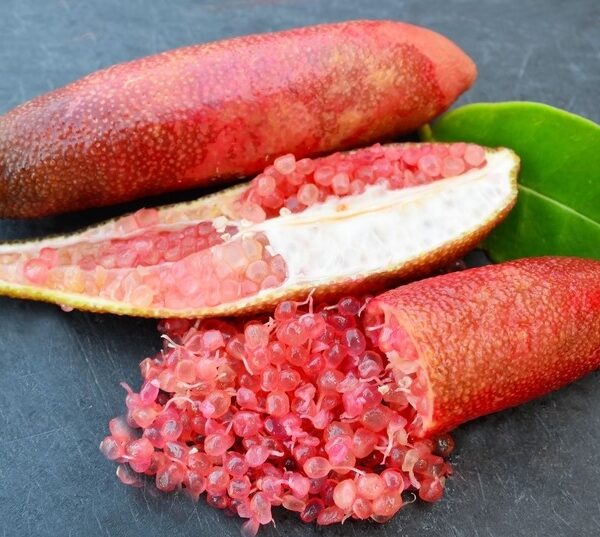 |  | 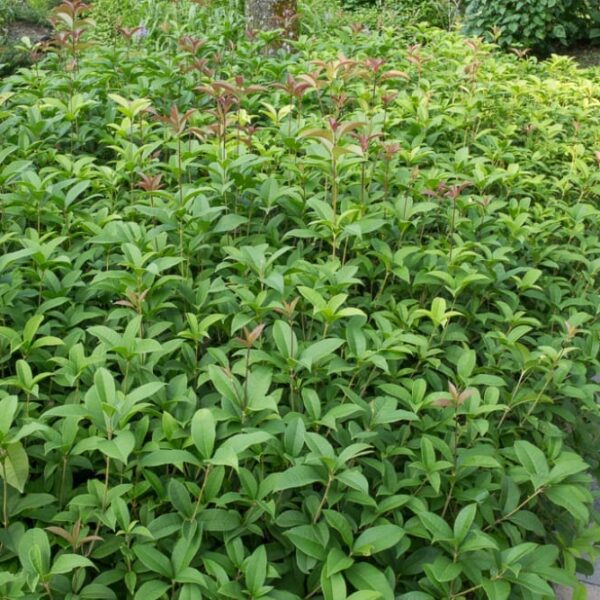 |  |
| SKU | CFLPNKGN27 | PYRSPRI13 | OFSWO6 | CANIV8 |
| Rating | | | | |
| Price | $69.99 | $159.99 Original price was: $159.99.$119.99Current price is: $119.99. | $19.99 | $36.99 Original price was: $36.99.$24.99Current price is: $24.99. |
| Stock | | | | |
| Availability | | | | |
| Add to cart | Add to cart
| Add to cart
| Add to cart
| Add to cart
|
| Description | Citrus australasica
The Native pink Finger Lime is evergreen and bears interesting elongated fruits with soft, pink pearl-like flesh.
- Edible Native Bush Tucker (Food)
- Intense sweet and tangy flavour fruits
- Scented small flowers
8"/20cm pot - Grafted stem | Pyrus calleryana
Spright is a dwarf variety of Ornamental Pear Tree that are quite rare. It has glossy green foliage, turning to vibrant orange and red through autumn. Ideal for smaller sized gardens reaching a maximum of 3m tall.
• Tolerates drought and wet areas
• Perfect for driveways, avenues or a stand alone feature
• Autumnal colour and spring blossom
13"/33cm pot
For more information on Ornamental Pears see our Pyrus - Ornamental Pear Factsheet
For care instructions, features and more, check out Additional Information below | Osmanthus fragrans
Sweet Osmanthus also known as fragrant tea olive (Fragrant tea tree), is an evergreen shrub with sweetly perfumed cream flowers traditionally used to flavour Chinese tea and sweets. We think it smells like peach yogurt! Suited to street planting, hedging and containers. Native to Asia, this gently scented flowering shrub has an upright growth habit and large evergreen foliage; clusters of tiny creamy-gold flowers.
6''/14cm pot | Hedera canariensis
Canary Island Ivy is an evergreen climber with large deep green leaves. A showy and fast-growing climber, the leaves are initially yellow-green then dark green as they age, with beautiful, red stems. It also comes in variegated (two-coloured) forms.
As Canary Island Ivy is originally a tropical plant, growth can be damaged in a hard frost but will re-shoot in Spring. Otherwise, it is very hardy, making it popular as a climber or groundcover. Grows best in full sun to partial shade.
One use of Canary Island Ivy that is seeing a resurgence in popularity is in creating an "ivy lawn", where the ivy is mass planted and used as a ground cover for a garden bed or large area.
8"/20cm pot size. |
| Content | Citrus australasica
Perfect for cocktails and drinks, as well as cooking. It bears fruit from summer to autumn. It is a wonderful variety for growing in pots and in warm courtyards, or in full sun. Water thoroughly in spring and summer, especially on hot days. Use fertiliser in spring and in late summer. Prune to shape in the later spring months. | | | |
| Weight | N/A | N/A | N/A | N/A |
| Dimensions | N/A | N/A | N/A | N/A |
| Additional information |
|
| Botanical Name |
Pyrus nivalis
|
| Other Common Names |
Callery Pear, Flowering Pear, Ornamental Pear, Yellow Pear
|
| Origin |
Southeast Europe, Western Asia
|
| Plant Type |
Tree
|
| Leaf Drop |
Deciduous
|
| Sunshine |
Afternoon Sun, Full Sun, Midday Sun, Part Shade
|
| Tolerances |
Pollution Tolerant, Poor Soil Tolerant, Soggy Soils, Wind Tolerant, Frost Tolerant, Heat Tolerant, Drought Tolerant
|
| Soil Type |
Clay, Loam, Loamy – Clay, Sandy – Loam, Well drained
|
| pH |
Acidic, Alkaline, Neutral
|
| Water Requirement |
Moderate
|
| Fertilise Me |
April, March, November, October, September
|
| Fertilizer Frequency |
Bi-annually
|
| Best time to plant |
All Year
|
| Planting Distance |
4-5m apart
|
| Max Height |
8m
|
| Max Width |
5m
|
| Growth Speed |
Fast
|
| Prune Me |
Annually, Only if required, In the cooler months
|
| Size Maintained at |
4m
|
| Flowering |
Yes
|
| Flower Colour |
White
|
| Flowering Time |
November, October, September
|
| Fragrance |
Strong
|
| Foliage Colour |
Grey-Green
|
| Autumn Colour |
Orange, Red
|
| Fruit / Seed |
Yes – Non-edible
|
| Fruiting Time |
December, January
|
| Attracts |
Bees, Birds, Butterflies
|
| Toxic To |
Non-toxic
|
| Uses |
Fenceline, Shade Tree, Feature Tree, Hedging & Screening
|
|
| |