| Description | Acacia melanoxylon
Acacia 'Blackwood' is an iconic Australian tree famous for its timber, which has been extensively used for quality specialist furniture since European settlement.
Growing into a large shade tree, the Blackwood's dense foliage makes it an ideal choice for a screen or windbreak with its pale yellow cream flowers blooming in winter and spring. It is cold and frost tolerant with low flammability and high tolerance to poor soils and drought. Plant with Acacia Lightwood, which flowers in summer, for year-round interest.
See our Acacia - Wattles Factsheet here for more about the different Acacia varieties!
For care instructions, features and more, check out Additional Information below
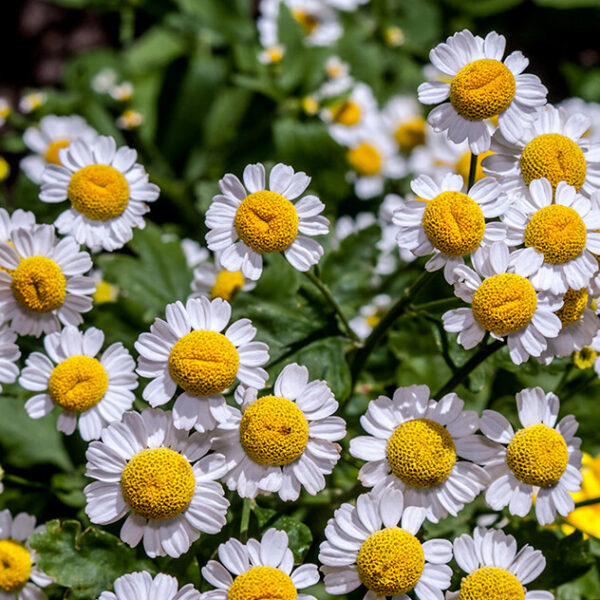
| Chrysanthemum cinerariifolium
Pyrethrum Daisy or sometimes called Dalmation Daisy is a fragrant, perennial herb with perfect little white daisy flowers. It is a wonderful Cottage garden shrub, attracting many bees and butterflies as well as fending off predatory pests in the vegetable garden.
Pyrethrum is a hardy little plant, thriving in full sun positions, tolerating most soil types (except soggy soils) and requires moderate to low water once established. Prune after flowering to keep neat and to reduce spread as they can self sow their seeds after flowering. | |
| Additional information |
| Botanical Name |
Acacia melanoxylon
|
| Other Common Names |
Australian Blackwood, Black Wattle, Blackwood, Hickory, Mudgerabah, Sally Wattle, Wattle
|
| Origin |
Australia
|
| Plant Type |
Tree
|
| Leaf Drop |
Evergreen
|
| Sunshine |
Full Sun, Part Shade
|
| Tolerances |
Pollution Tolerant, Poor Soil Tolerant, Wind Tolerant, Frost Tolerant, Salt Tolerant, Heat Tolerant, Drought Tolerant
|
| Soil Type |
Clay, Loam, Loamy – Clay, Sandy, Sandy – Loam
|
| pH |
Acidic, Neutral
|
| Water Requirement |
Low
|
| Fertilise Me |
December, January, November, October, September
|
| Fertilizer Frequency |
In the first year after planting, Monthly
|
| Best time to plant |
All Year
|
| Planting Distance |
2-3m apart
|
| Max Height |
12m
|
| Max Width |
5m
|
| Growth Speed |
Fast
|
| Prune Me |
Only if required
|
| Size Maintained at |
3m, 4m
|
| Flowering |
Yes
|
| Flowering Time |
August, November, October, September
|
| Flower Colour |
Cream, Yellow
|
| Foliage Colour |
Green
|
| Fragrance |
Moderate
|
| Fruit / Seed |
Yes – Edible
|
| Fruiting Time |
December, February, January
|
| Attracts |
Bees, Birds, Native Birds
|
| Toxic To |
Non-toxic
|
| Uses |
Shade Tree, Street Tree, Hedging & Screening
|
|
| Botanical Name |
Chrysanthemum cinerariifolium, Tanacetum cinerariifolium
|
| Other Common Names |
Dalmatian Chrysanthemum, Dalmation Pellitory
|
| Origin |
Balkans
|
| Plant Type |
Perennial Shrub
|
| Life Cycle |
Perennial
|
| Sunshine |
Afternoon Sun, Full Sun, Part Shade
|
| Tolerances |
Pollution Tolerant, Poor Soil Tolerant, Heat Tolerant, Drought Tolerant
|
| Soil Type |
Clay, Loam, Loamy – Clay, Sandy, Sandy – Loam
|
| pH |
Acidic, Alkaline, Neutral
|
| Water Requirement |
Low
|
| Fertilise Me |
April, May, October, September
|
| Fertilizer Frequency |
When needed
|
| Best time to plant |
|
| Planting Distance |
2 – 3 per metre
|
| Max Height |
0.5m
|
| Max Width |
0.5m
|
| Growth Speed |
Fast
|
| Prune Me |
after flowering
|
| Size Maintained at |
0.3m
|
| Flowering |
Yes
|
| Flowering Time |
April, December, February, January, March, November
|
| Flower Colour |
White
|
| Fragrance |
Strong
|
| Foliage Colour |
Green
|
| Autumn Colour |
|
| Fruit / Seed |
No
|
| Attracts |
Bees, Butterflies
|
| Toxic To |
Non-toxic
|
| Uses |
Fragrance, Attracts Butterflies, Cut-Flower, Insect repellent
|
| |