| Description | Chrysanthemum cinerariifolium
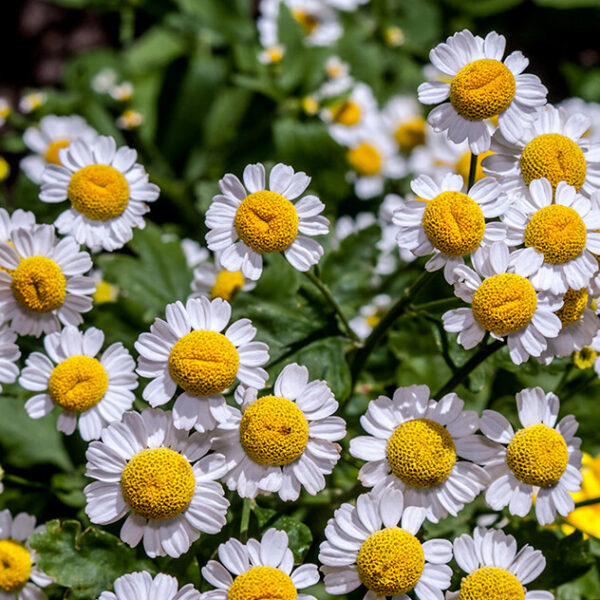
Pyrethrum Daisy or sometimes called Dalmation Daisy is a fragrant, perennial herb with perfect little white daisy flowers. It is a wonderful Cottage garden shrub, attracting many bees and butterflies as well as fending off predatory pests in the vegetable garden.
Pyrethrum is a hardy little plant, thriving in full sun positions, tolerating most soil types (except soggy soils) and requires moderate to low water once established. Prune after flowering to keep neat and to reduce spread as they can self sow their seeds after flowering. | Pittosporum Tobira "Japanese Mock Orange"
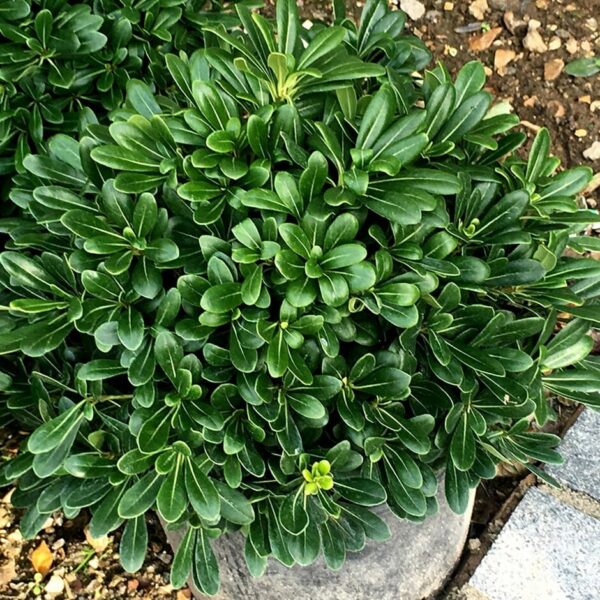
Japanese Mock Orange is a shrub that gets its name from its clusters of small white flowers which have a sweet fragrance similar to orange blossoms. Mock orange is a plant for all seasons. The evergreen foliage has a smooth, leathery texture and forms in whorls around the stems. Perfect for plating near patios or porches where the gorgeous foliage, fragrant flowers and frequent butterfly visitors can be experienced up close.
Japanese Mock Orange is an excellent specimen, foundation, or border plant. Looks beautiful when grouped or massed in a shrub border. Grows to approximately 3m in height. Loves a full sunlight position. | |
| Additional information |
| Botanical Name |
Chrysanthemum cinerariifolium, Tanacetum cinerariifolium
|
| Other Common Names |
Dalmatian Chrysanthemum, Dalmation Pellitory
|
| Origin |
Balkans
|
| Plant Type |
Perennial Shrub
|
| Life Cycle |
Perennial
|
| Sunshine |
Afternoon Sun, Full Sun, Part Shade
|
| Tolerances |
Pollution Tolerant, Poor Soil Tolerant, Heat Tolerant, Drought Tolerant
|
| Soil Type |
Clay, Loam, Loamy – Clay, Sandy, Sandy – Loam
|
| pH |
Acidic, Alkaline, Neutral
|
| Water Requirement |
Low
|
| Fertilise Me |
April, May, October, September
|
| Fertilizer Frequency |
When needed
|
| Best time to plant |
|
| Planting Distance |
2 – 3 per metre
|
| Max Height |
0.5m
|
| Max Width |
0.5m
|
| Growth Speed |
Fast
|
| Prune Me |
after flowering
|
| Size Maintained at |
0.3m
|
| Flowering |
Yes
|
| Flowering Time |
April, December, February, January, March, November
|
| Flower Colour |
White
|
| Fragrance |
Strong
|
| Foliage Colour |
Green
|
| Autumn Colour |
|
| Fruit / Seed |
No
|
| Attracts |
Bees, Butterflies
|
| Toxic To |
Non-toxic
|
| Uses |
Fragrance, Attracts Butterflies, Cut-Flower, Insect repellent
|
|
| Sunshine |
Full Sun, Part Shade
|
| Fertilise Me |
November, October, September
|
| Fertilizer Frequency |
Annually
|
| Flowering |
Yes
|
| Fragrance |
Moderate
|
| Fruit / Seed |
No
|
| Growth Speed |
Fast
|
| Leaf Drop |
Evergreen
|
| Origin |
China, Japan, Korea, New Zealand, Taiwan
|
| Other Common Names |
Australian Laurel, Cheesewood, Japanese Cheesewood, Japanese Pittosporum, Kohuhu, Mock Orange, Tawhiwhi
|
| pH |
Acidic, Alkaline, Neutral
|
| Plant Type |
Shrub
|
| Soil Type |
Loam, Loamy – Clay, Sandy – Loam, Well drained
|
| Tolerances |
Pollution Tolerant, Poor Soil Tolerant, Frost Tolerant, Salt Tolerant, Heat Tolerant, Drought Tolerant
|
| Water Requirement |
Low
|
| Max Height |
2m
|
| Max Width |
1.5m
|
| Toxic To |
Non-toxic
|
| Prune Me |
2-3 times a year
|
| Planting Distance |
1 per metre
|
| Size Maintained at |
1.5m
|
| Uses |
Hedging & Screening, Low Hedge
|
| Foliage Colour |
Green
|
| Flowering Time |
December, November, October
|
| Flower Colour |
White
|
| Botanical Name |
Pittosporum tobira
|
| |