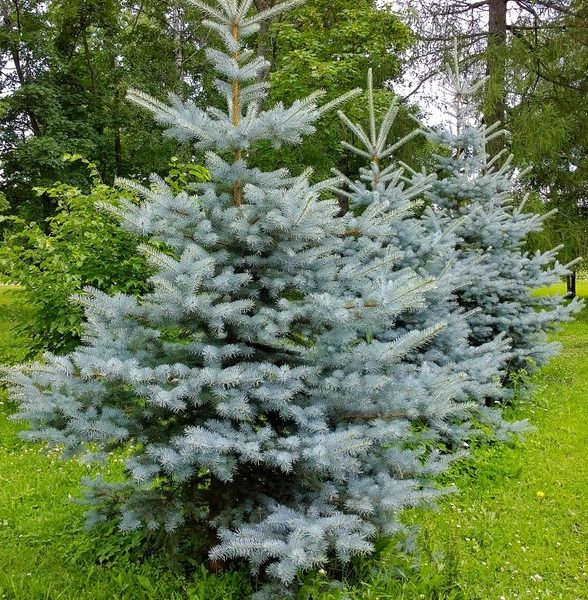
| Description | Picea pungens
Blue Diamond is a colourful, dense Conifer with intense silver-blue needles. Blue Diamond is a popular evergreen tree used in landscapes as a feature plant or in mass plantings, valued for its attractive form and foliage colour. Use well-drained, humus-rich soil and plant in full sun.
| Cupressus sempervirens 'glauca'
With dark, elegant green foliage the Glauca Pencil Pine is one of the narrowest of pencil Pines
• Perfect for narrow or tight spaces
• Line your walkway, driveway or avenue for the best effect
• Low to no maintenance
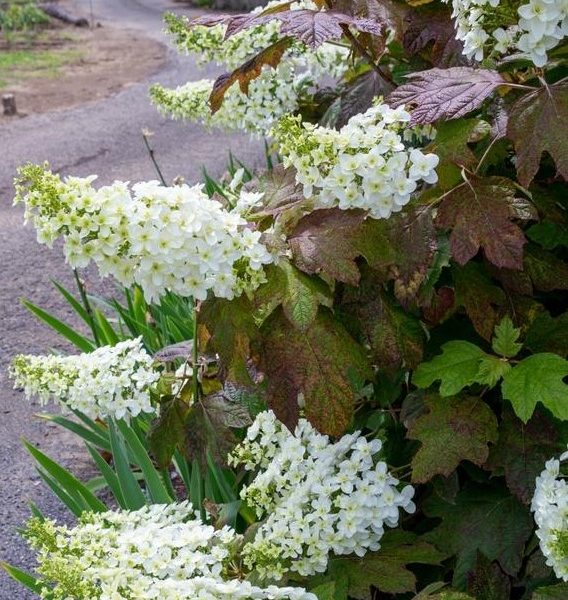
    | Hydrangea quercifolia
• Better suited to the Aussie climate and the heat of our summers
• Conical snow white blooms
• Fantastic autumn colour
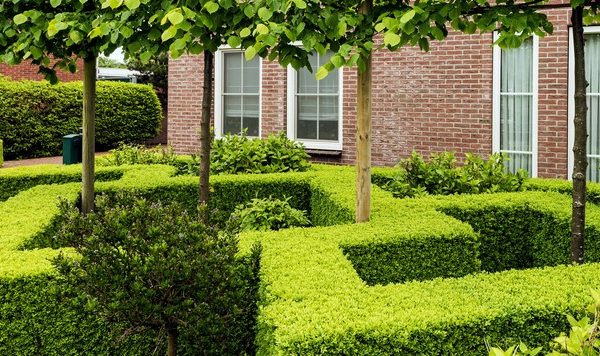
| Buxus sempervirens suffruticosa
A glossy green, rounded leaf box hedging plant
• Used for low to medium hedging and topiary
• Planted in the garden, along borders, pathways and in pots
• Tolerates shady positions | Ilex crenata fastigiata
Common names: Sky Pencil Holly, Green Pillar, Upright Japanese holly.
A superb form of Japanese Holly, with an upright, narrow growth habit perfect for small spaces, pots and containers. Evergreen foliage and no prickles! Mature growth 2.2m x 60cm wide.
8"/20cm pot |
| Content | | Glauca Pencil Pines are widely known as the narrowest of all conifers. Conifer pencil pine doesn’t produce lots of cones that weigh down the branches and cause them to flop outwards, ruining their beautiful, conical shape. and they’re very hardy and tolerant.
Glauca Pencil Pines grow at a rate of about 1 meter per year in the right soils. Use them to frame features in the garden, create a narrow screen or line avenues.
As the name suggests, the pencil conifer grows in a tall, pencil-like shape without needing to be pruned. They grow best in full sun in well drained, loamy soil. | Why buy Oak Leaf Hydrangeas?
[one_half]
[/one_half]
[one_half_last]
The Oak Leaf Hydrangea is a white flowering large leaf shrub which is better suited to the Aussie climate, as it tolerates the heat and dryness of our summers better than other Hydrangeas. It is named for its interesting, oak leaf shaped foliage, which also have great autumn colour.
While most other Hydrangea varieties lose their leaves quickly in winter, the Oak Leaf Hydrangea is almost evergreen, and puts on a lovely show of bronze autumn colour that can last for months. The video here was shot in early July, showing a batch of 8" Potted Oakleaf Hydrangeas still retaining their foliage even well into winter.
Oakleaf Hydrangeas tolerate more sun than other Hydrangeas, but still do better with a bit of afternoon shade. They do not tolerate "wet feet" and will not survive badly drained, boggy soil. They can reach a height and spread of 4 to 6 feet (120 to 180 cm) in Melbourne, Victoria.
Oakleaf Hydrangeas (Hydrangea quercifolia) are best pruned immediately after flowering. This allows you to enjoy the beautiful blooms during the growing season, and pruning later in the season or in winter may remove the flower buds for the following year. You can selectively prune them to shape the plant or control its size, but keep in mind that Oakleaf Hydrangeas bloom on old wood, so avoid heavy pruning that removes a significant portion of the branches, as this can reduce flowering.
[/one_half_last] | If your looking for a small hedging plant then this is the one for you. Dutch Box is a dwarf box that grows with dense, glossy green foliage and works well in shaded areas.
Dutch Box also likes part shade in moist, well-drained soil, but will tolerate a wide range of soils and conditions. It should be clipped to maintain a formal shape.
Slight yellow discolouration of the leaves on Dutch box may occur during cooler months, but don't worry, this is normal! This is remedied by applying with Dolomite Lime, and a slow release fertilizer a month later. Or you can just leave your Dutch Box alone and it will come back lovely and green and spring.
Having trouble choosing the right Box Hedge for your garden? Click here! | |