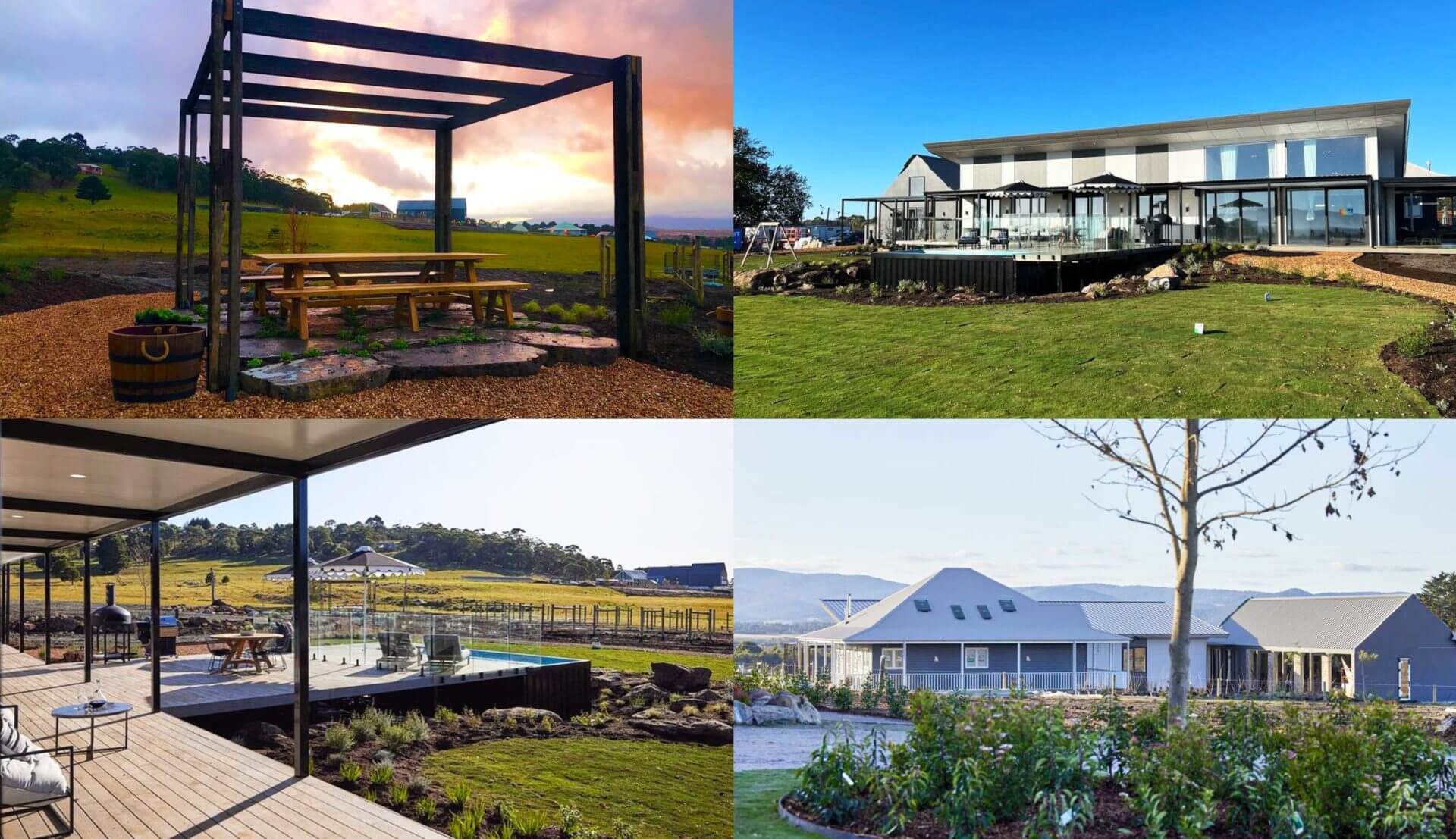


What is the optimum time of year to plant your garden?
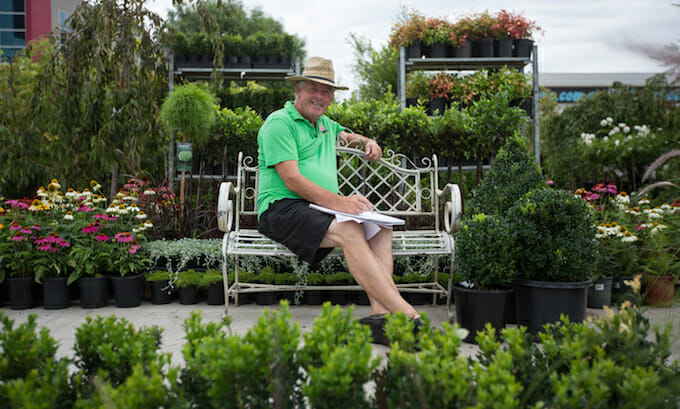
Hello, Hello! In this article I’m going to be talking about the optimum time for planting your garden. Now just to make this article real for people, I actually wrote it after doing a Facebook live from a garden that had just been planted 2 weeks earlier. I did this because a lot of people are absolutely terrified to plant in summer. (This article is being written at the start of February 2024). They think, oh it’s too hot to plant in summer. Now the truth of the matter is if you’re like me (and I’m not that young anymore) whenever it gets up over 30 degrees, I feel terrible. I really feel like my body doesn’t do very well in the heat and I really start to struggle when it gets to 40 degrees. Like many people, it’s easy to transfer our feelings about the heat to our plants.
 But think about this, all nurserymen like me invest fortunes in building hothouses for our plants to grow in. What do “hot” houses do? They make it hot! And I’ve got a growing nursery in Shepparton with hothouses (or glasshouses) and I can tell you that it’s five or six degrees hotter up there than it is in Melbourne most days and the plants just love it. They going crazy there. So basically, plants LOVE heat!

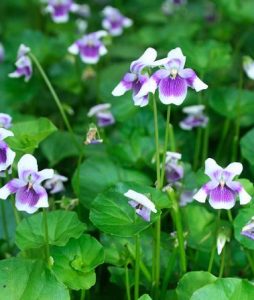 That’s the first thing to know about plants and most people just don’t realise it, but plants really do love heat. We humans might suffer and it might be a bit terrible for us when the weather gets too hot, but plants love it. To prove this point, I took a look at some of the plants in this new garden that had just been planted literally 2 weeks earlier. Some plants in the garden had beautiful new growth on them, so they were loving the conditions and starting to grow. In fact, the Native Violets were covered in new growth. And if I was to have pulled some of the plants out of the ground, I’d had found little white roots growing. Even though the plant might have only been in for maybe 10 days, I’d still have found little white roots.
 Now when trying to work out when is the best time to plant in Melbourne, it’s important to realise what sort of climate we have here compared to other parts of the world. For example, I remember going to a nursery in Texas and basically it’s so hot in Texas in the summer and so cold in the winter that this nursery there was only open for a couple of months in springtime, which is the season that is between when it’s raging cold and raging hot. And that’s the only time when people in this Northern part of Texas, will plant anything. It’s just this little period between the end of winter and the start of summer. They plant their plants then and then for the rest of the year it’s just too hot or too cold to plant anything.

Now Melbourne isn’t that hot and it isn’t that cold in extremes compared to Texas and so you can plant almost any day of the year. There’s not really a day of the year that you couldn’t plant in Melbourne.
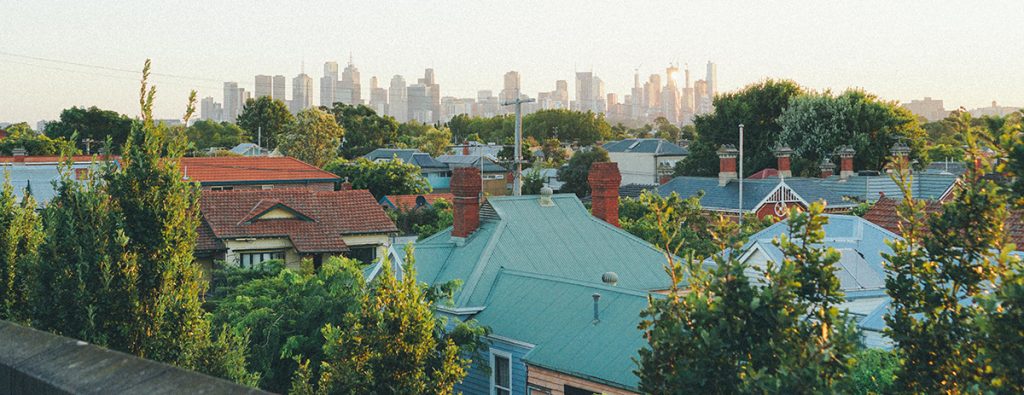
But what really is the optimum time for planting. Now, if we were to go and ask most people, they’d say springtime is best for planting in Melbourne. And I think that comes from our European settlement history and that some many people in our country’s past came from Europe and springtime was a great time to plant over there. And so it’s more of a cultural thing than a reality.
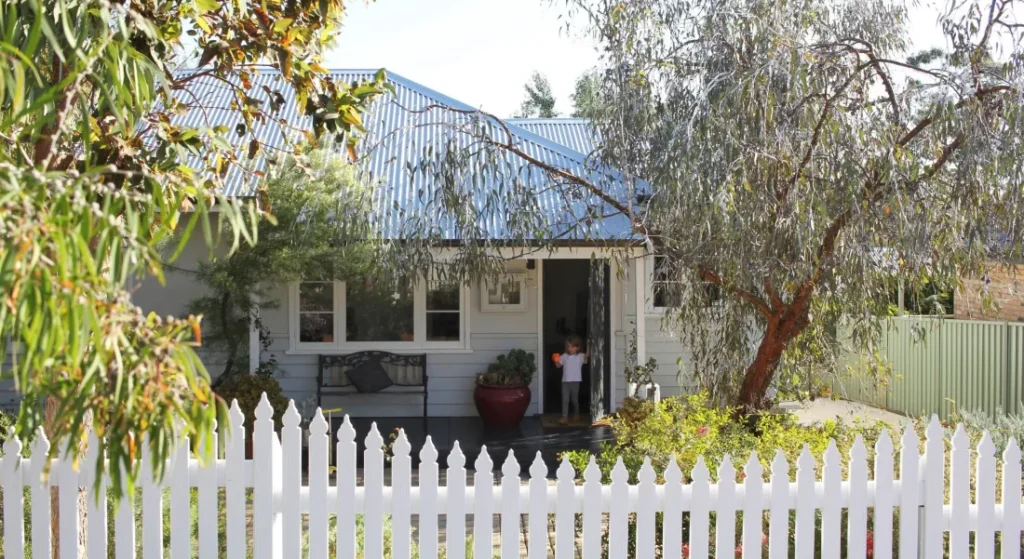

In actual fact, my time when I start planting in Melbourne is late January, early February. And my absolutely perfect time for planting in Melbourne, I think, is the 25th of February. And the reason why is that you find on the 25th of February, that your nights are longer and they are getting cooler, but your days are lovely and warm. So the soil is beautiful and warm.
 What this means is if you put a plant in and keep it moist, it’ll take off and grow straight away. So end January and February is a great time to plant. It’s much better than Springtime. Basically, what you need to understand about plants is that the hotter it is, the more humidity they require. So basically you can plant in the hottest part of summer, and as long as you keep up the moisture, you’re fine. Now, if you are planting and you’re just starting to get, a little bit of dew in the morning – a nice, cool morning – followed by a lovely warm, sunny day, it’s great weather for growing. So long as you are keeping your plants moist, you’re OK. And that’s where people get into trouble and fall down is keeping their plants moist.
 Now there are little tricks that you can use to keep your plants moist. First of all, obviously, watering is the answer. I mean, if you don’t water, then you’re really in trouble. But how you water and when you water is all very, very important.

First if you were planting in summer, the first thing I would do is that I’d put in some soil wetter. Now you can buy a nice little powdered soil wetter, and you sprinkle it on the soil around the plants. The one that we sell is called Saturate, but there’s lots of good soil wetters out there – they’re all fairly similar to each other. Basically you just sprinkle them on the soil and the first watering takes it in. All soil wetters are just an agricultural detergent that coats the soil particles and that breaks down the surface tension. So the water, instead of it all running around the place and running down the hill, the water just absorbs into the soil as quick as you put it on.
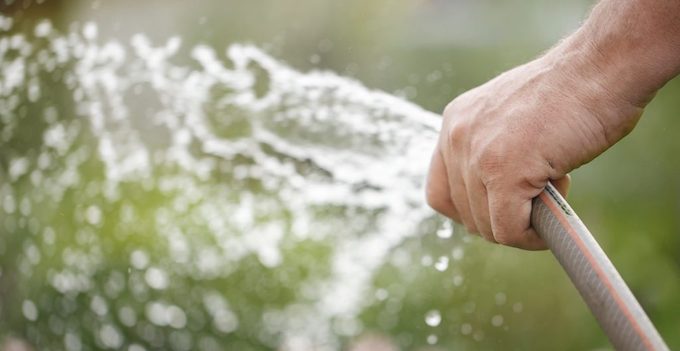
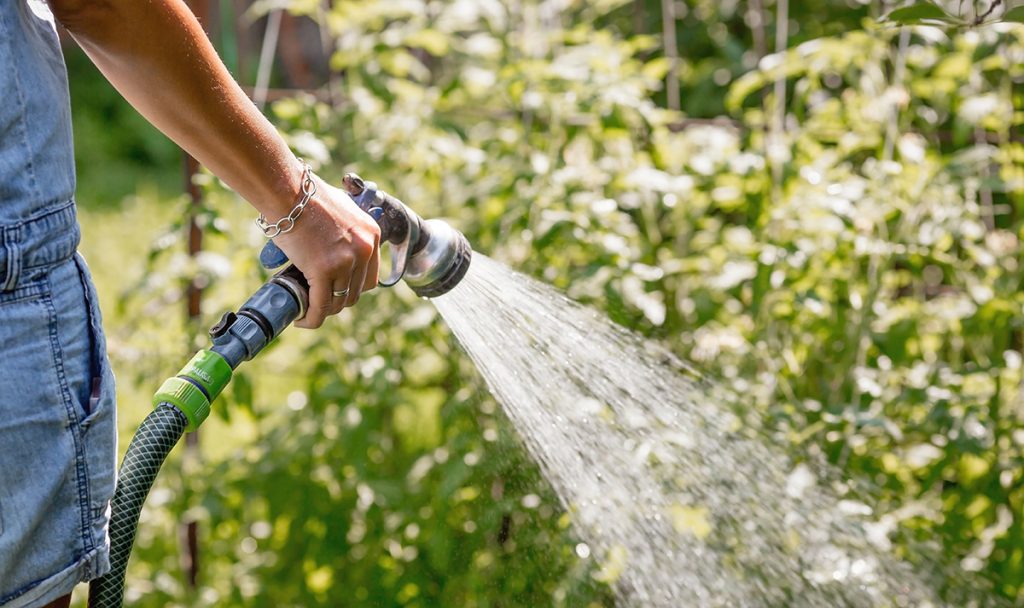
 The next thing to realise about watering is that in Melbourne, over the past big drought, it was heavily promoted to have these little water handguns to water with. And most people have a half inch hose on their tap, and this combined with the little handgun heavily restricts the water flow.
What I would say about that is, and it’s a little bit controversial, is that if you are using a half inch hose and a little plastic trigger watering gun, I would say to you the rather rude and shocking thing – that you are not really watering. And the reason is that those thin little hoses have tremendous water resistance. You can actually hear the hissing sound when you use them and that hissing sound is the sound of you putting the brakes on the water. So this has been designed to hold the water back and use less water so as to save water. The trouble is, it doesn’t get your plants wet.
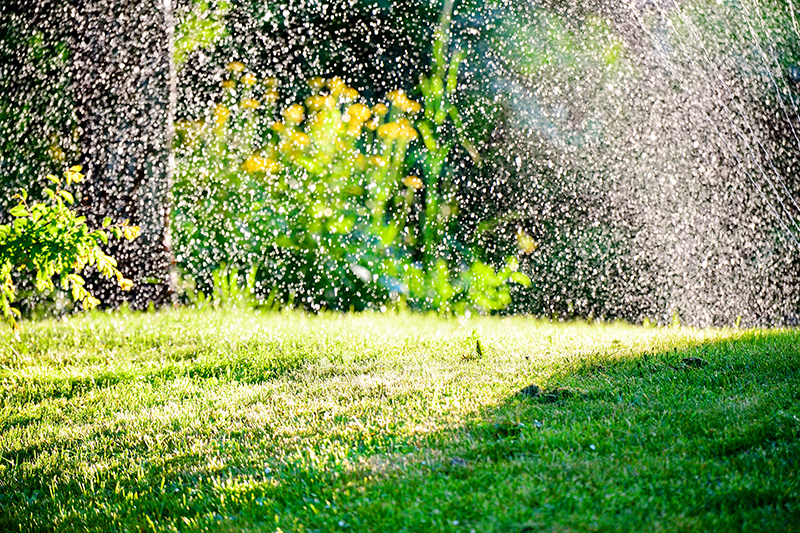
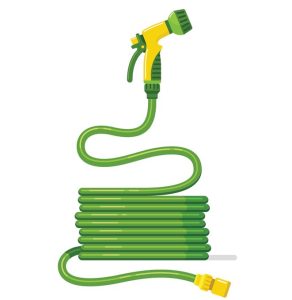 What you really need is a three-quarter inch hose. Now the water resistance with one of these would be maybe a quarter of the water resistance for a half-inch hose. Now if you were to test a half-inch hose against a three-quarter inch hose on the same tap, with the tap turned on to the same full amount, the difference in the amount of water coming out would be 4 times greater. Yes 4 times more water!
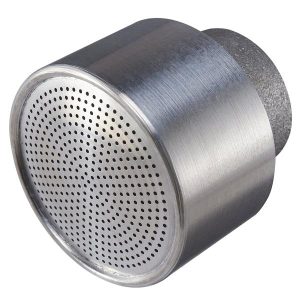
The other thing to throw away is not just the half-inch hose but the little plastic squirting gun and get yourself a proper head for the three-quarter inch hose. I always use one that was designed in America to have a large amount of water come out, but the water comes out and falls on your plants gently. It was designed to mimic rain so it wouldn’t damage the plants or wash away the soil. The key difference you will notice if you switch to this combination of the three-quarter inch hose and the rain nozzle, is there is virtually no sound as the water comes out. That’s because there’s no resistance to the water coming out like you get with the smaller hose and the little plastic gun.

So if you combine soil wetter with a three-quarter inch hose and a proper watering head, and you really get some water onto your plants, what happens is that you’re really actually watering. Now I’ll admit the watering head and hose are not cheap but they’re far better. But once you’ve used this combination, it’s very hard to go back to the old way because if you’re putting 4 times as much water onto your plants, then you can do your watering much quicker and much more effectively.
Say you’ve only got 20 minutes to water your plants, well you will do a much better job in that time with this combination. You’ll REALLY be watering your plants, not pretending to water them. Using this combination, you’ll find that your plants actually will do better planted now than at any other time of year.
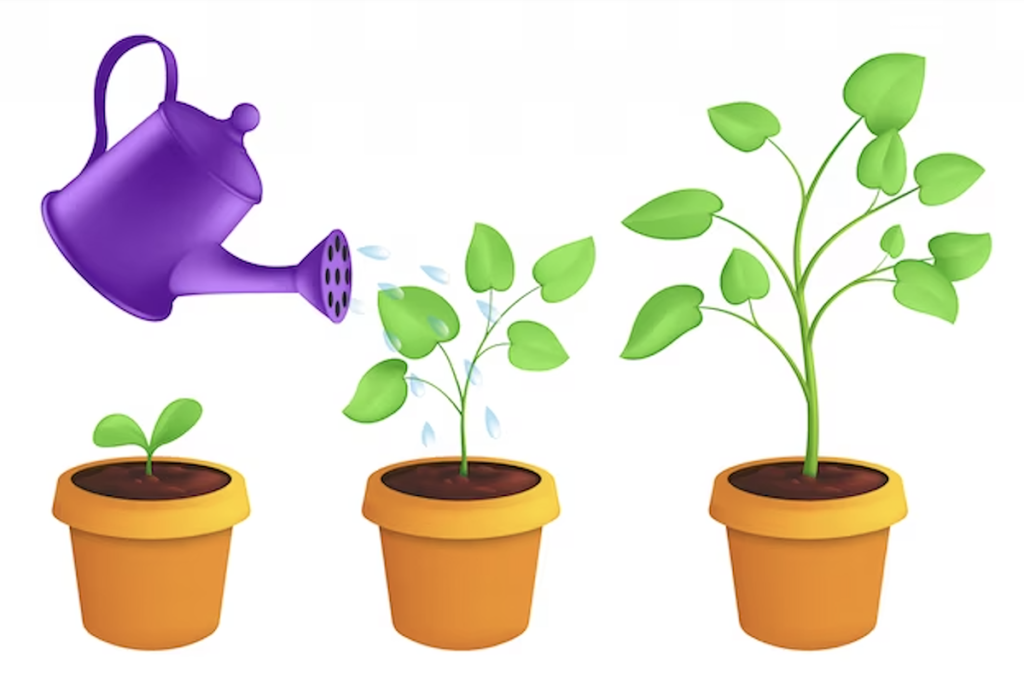
 Another thing about watering is your technique. It’s better to water in stages. Don’t just stand still and water the same area for ages. What I do, is I’ll walk up and down the garden bed and I’ll go up and down three or four times and I’ll put the water on in sort of layers. I think water goes in best in layers with a little bit of time between the layers. So it’s kind of like putting on layers of icing on a cake or something like that.
So as I said before, my optimum time for planting is after the 25th of February. You can keep planting right through till about the end of April because you’ve still got plenty of warmth in the ground, plenty of sunshine, but the worst of the heat is over so the evaporation rate is lower. But you’ve still got nice warm, sunny days. Once you get into say, planting in May, the ground’s become much colder, so the roots won’t start growing until September or October. They’re just sitting there in the cold, unable to grow, unable to do anything.

 Root growth is so important when planting. Most people don’t realise most of your root growth occurs in autumn, so you get lots and lots of root growth. But you only get a very little bit of top growth if any at all, so it doesn’t look like the plant is growing but underneath, in the ground it is. It’s establishing itself. So then when spring comes, you’ve got this beautifully well-rooted and well-established plant, and it’s going to go absolutely crazy in spring and it’ll grow like crazy right into the summer.
That’s why I do all my potting of new plants over the six weeks through February and March and that’ll give me beautiful big bushy plants to sell in the springtime.
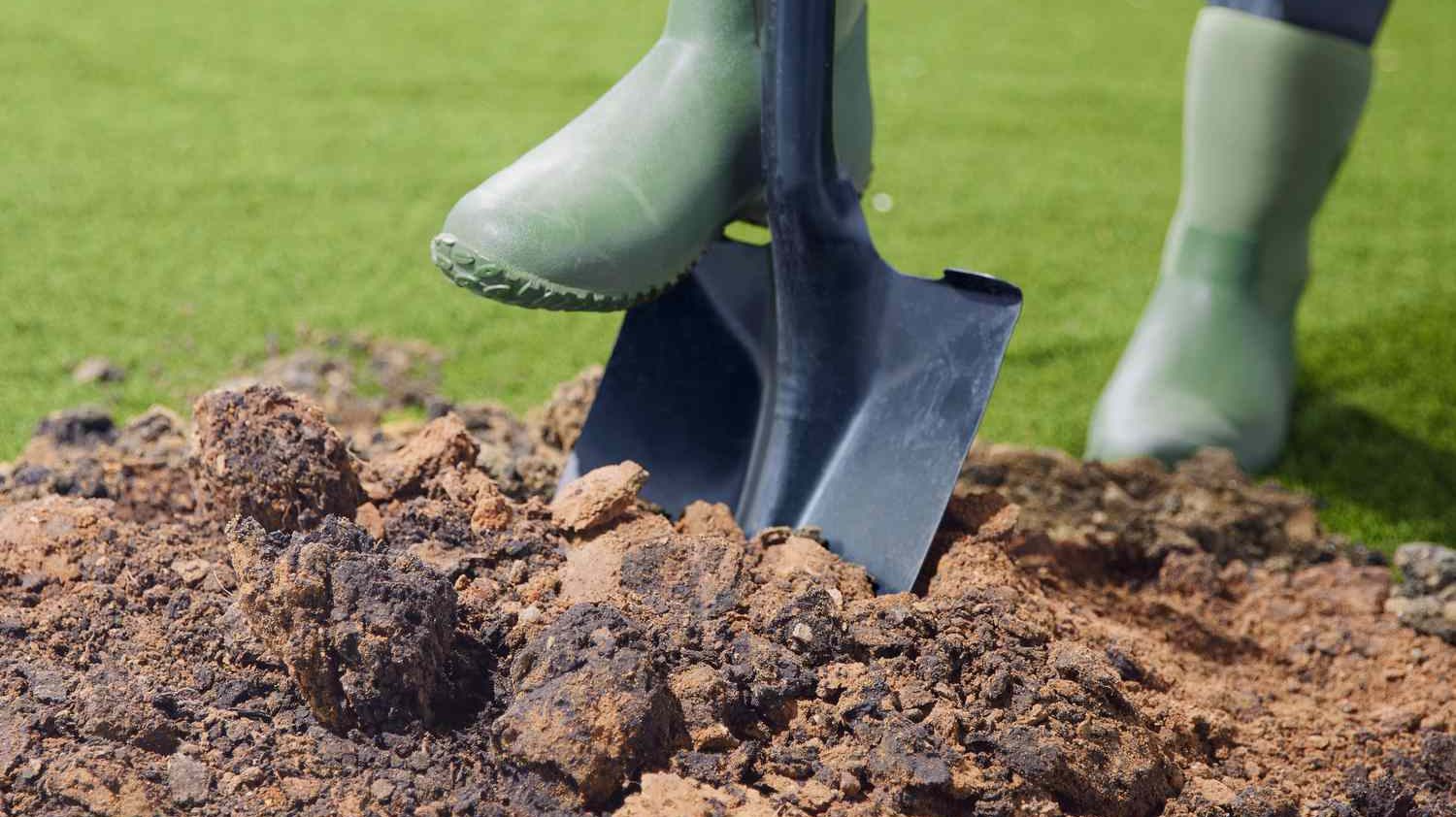
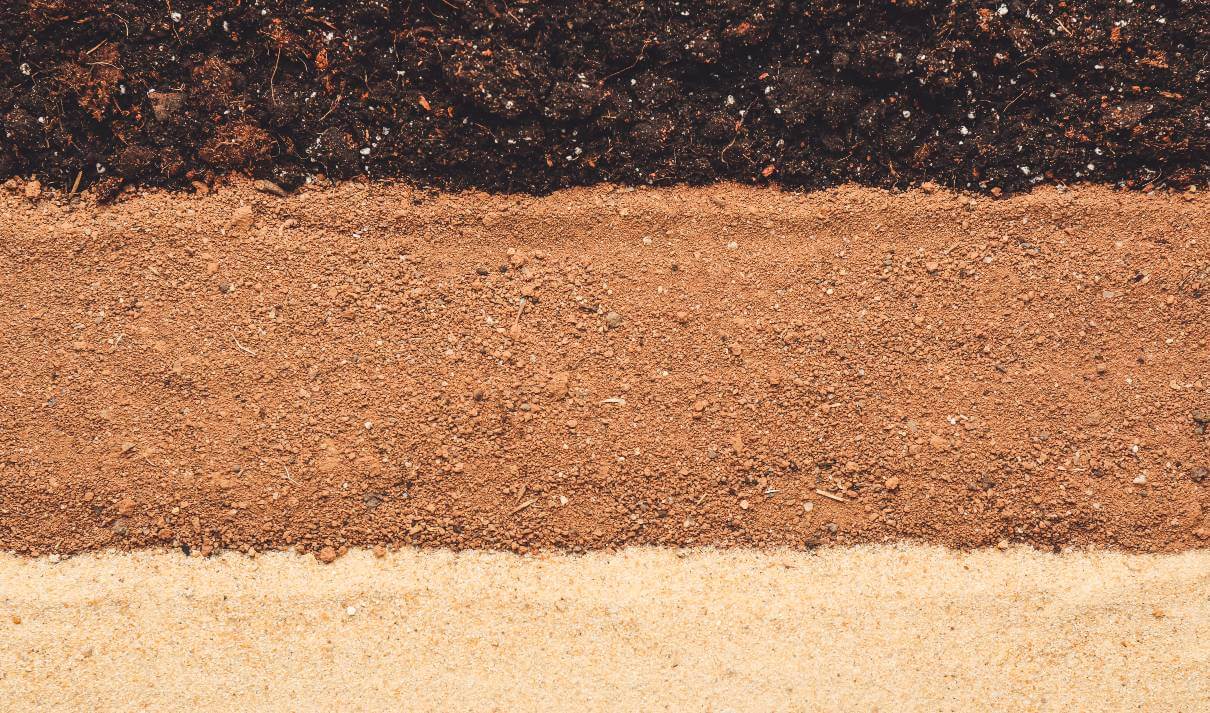
People ask me about how to handle clay soil when planting and to me it’s all about making sure, if your soil is fairly compacted, is to dig it up and mix in some good soil with the clay or good potting mix to give it some porosity. It’s the holes in the soil that you need to let the water flow through and the roots to breathe.
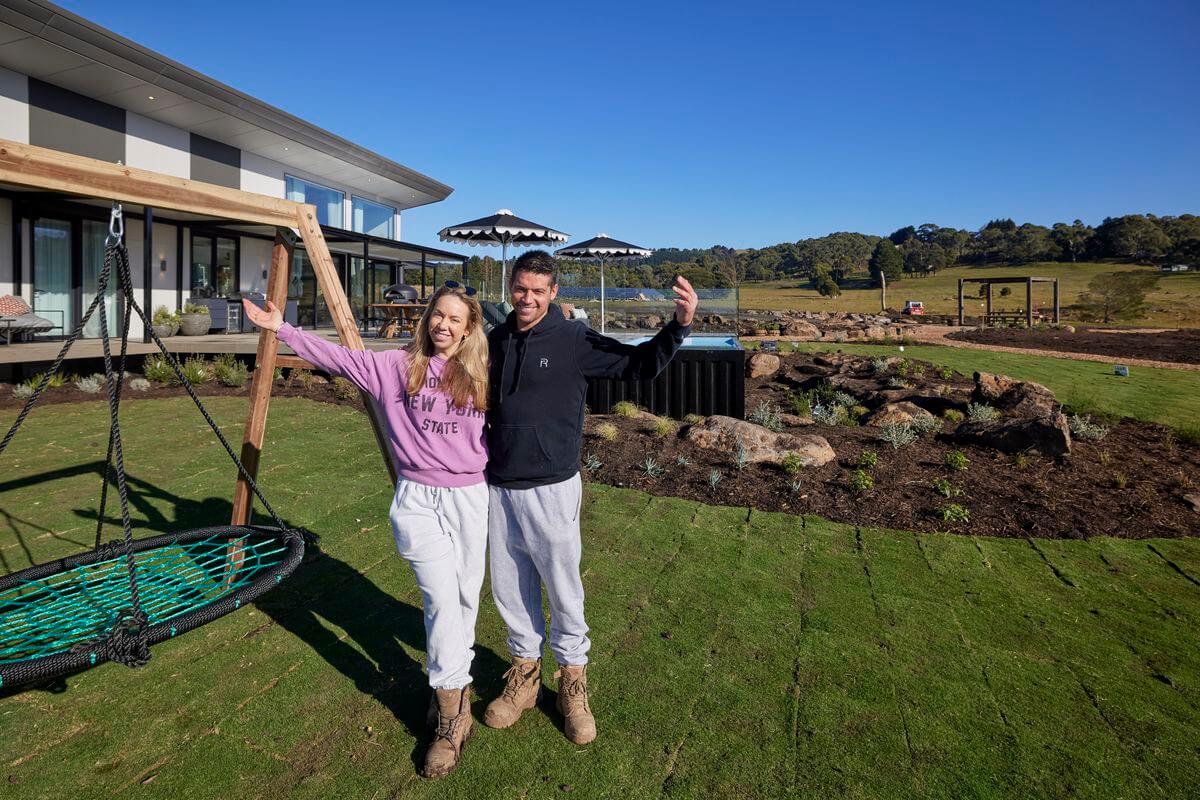
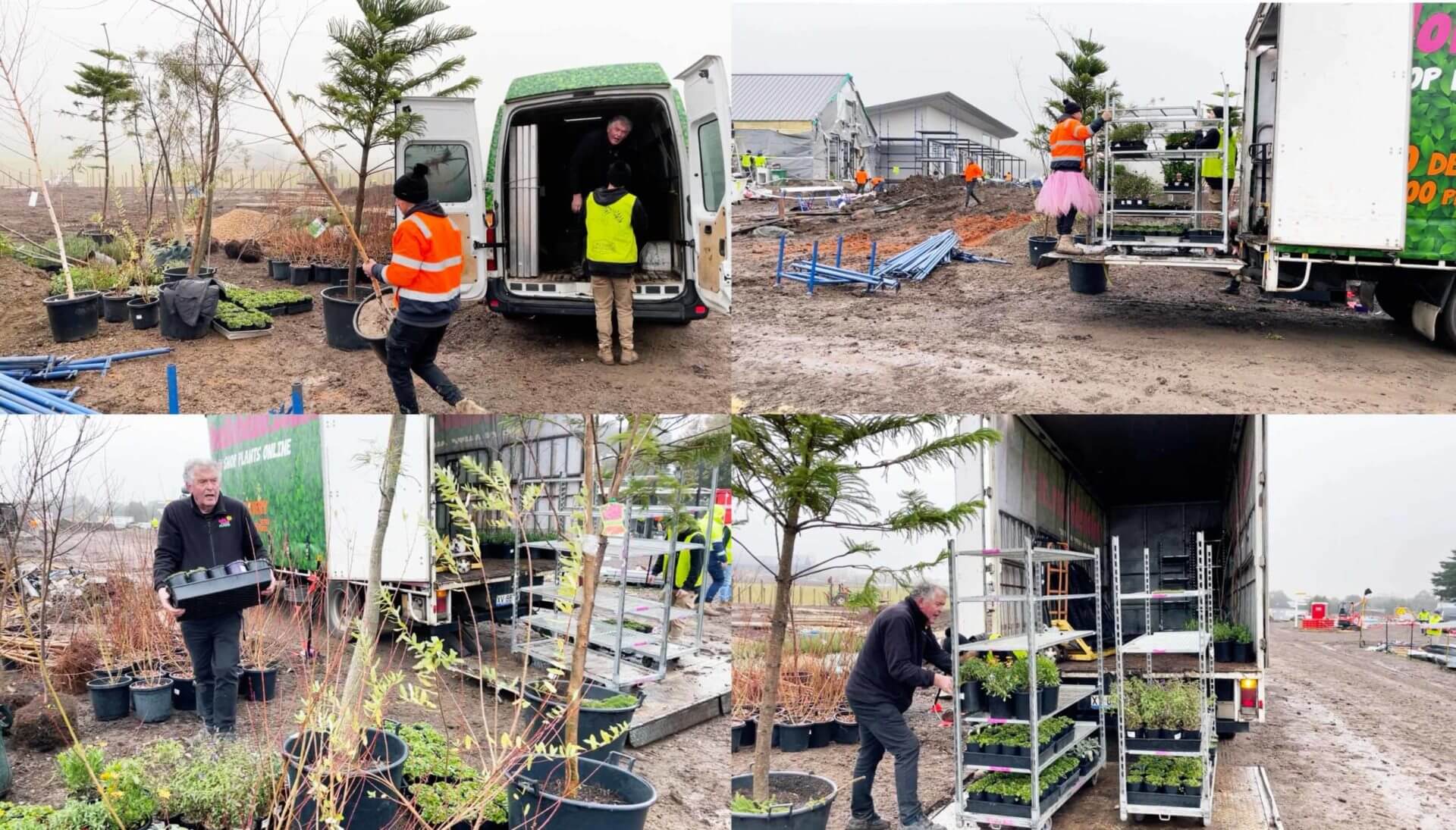
So just to prove that planting in February is OK, I want to go through some of the plants I planted in this garden I visited recently for this article just to show you that you can plant a variety of plants.
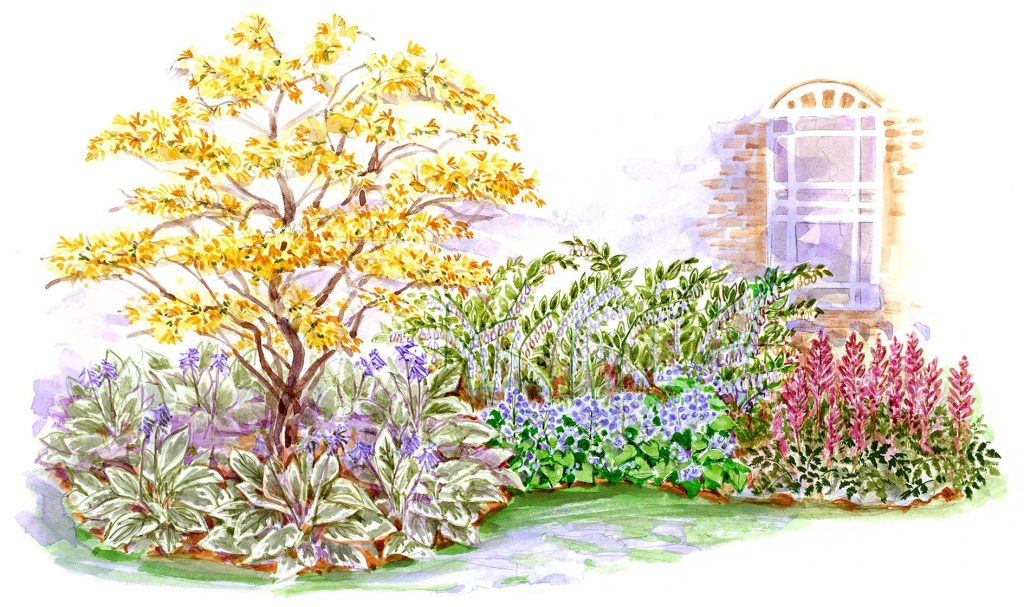
First there were Native Violets which are very heat and dry sensitive, and they were looking absolutely fabulous. Then some Correa alba balls, which will grow into lovely big balls, and they had masses of new growth on them. There was also a Japanese maple. Now people worry about Japanese maples, they worry about them being a little tender, but the one I saw planted recently was looking really, really nice and it had new growth coming on it.
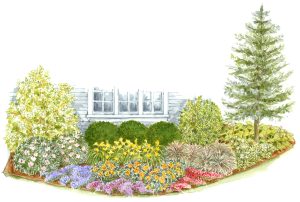 This garden was a bit of a fusion style garden. It had a Gymea Lily and some Silver Wave succulents and some Cordylines – so a real mixture of things. They even had some Ficus hedge and all of these plants I just mentioned were all doing well after being planted in summer. They will get lots and lots of root growth below the ground and a little bit of growth over Autumn. And then by next Christmas, that garden will look like it’s been here for years. So you can see that late summer is the best time of year for planting.

 Now because everyone thinks the best time for planting is springtime if you do decide to plant in summer is that you’ll find some of your best discounts on plants are happening at the end of summer. You’ll actually find great bargains because most people aren’t planting at this time of the year and so the nurseries need to keep their staff busy so they offer big discounts at the end of summer. So not only can you get the garden you want, you can get it on the cheap. And if you plant it properly and water it properly, like I’ve explained here, you’ll find yourself saving money and having extra good plants, because you’ve planted at a sort of secret, but optimum time.
A couple of extra tips when planting. Say for example you had bought a whole bunch of Box Leaf Privet and you were going to plant them in a row to create a long hedge. Well what I’d do to prepare that area for planting is, you want to get rid of any other weeds or grasses or anything that’s currently growing in the place you want to plant. Give it a good spray of something like Roundup to kill all your perennial weeds in that area. Then I’d leave it for 48 hours. And then I’d dig it over and dig it nice and deep.
 And if I was in a place with really hard and difficult soil, I’d be inclined to add in some potting mix with some good soil into every planting hole. I’d use a little bit of Osmocote and you’d really be in business. If you planted some Box Leaf Privet in little 3” pots, by Christmas you could have them up to nearly a metre tall.
So you’re going to get maximum growth if you plant at the right time as I explained.
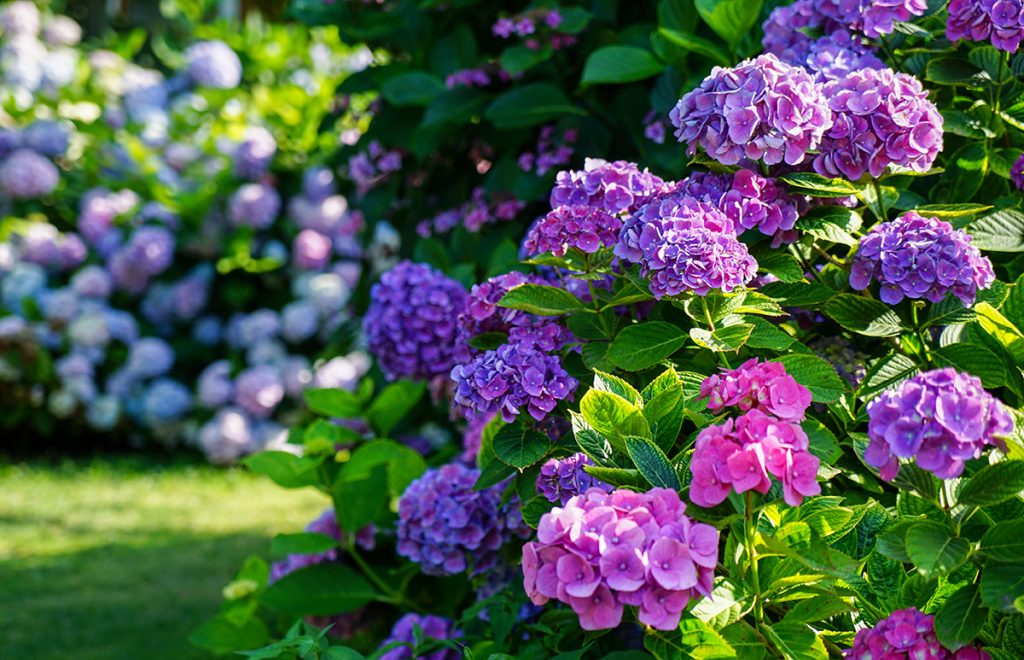
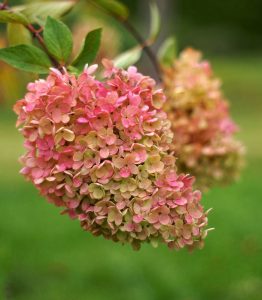 If you’re planting something like Hydrangeas in summer then the simple rule is – the wetter the better. They love the water. And what you’ll find when you’ve got the correct moisture content in the soil for Hydrangeas, the leaves sort of sit up beautifully and if you let them dry them out a bit, they start to hang a little bit. So they really tell you, they talk to you actually with their leaves. If you keep them well-watered, and keep that foliage up nice and erect and don’t just sort of squirt the top with water twice a day or anything like that, but give them a really good water every couple of days, a nice deep soak, the Hydrangeas will love you.
So that’s my advice on the optimum time to plant. Mid to late summer. Grab the bargains at your nursery. Plant them well. Water them really, really well. Get that bigger hose and that great watering nozzle, the aluminium one. You can get it on our website here.
If you do all this, you’ll have a big blooming garden in Spring, when everyone else is just starting to plant theirs!
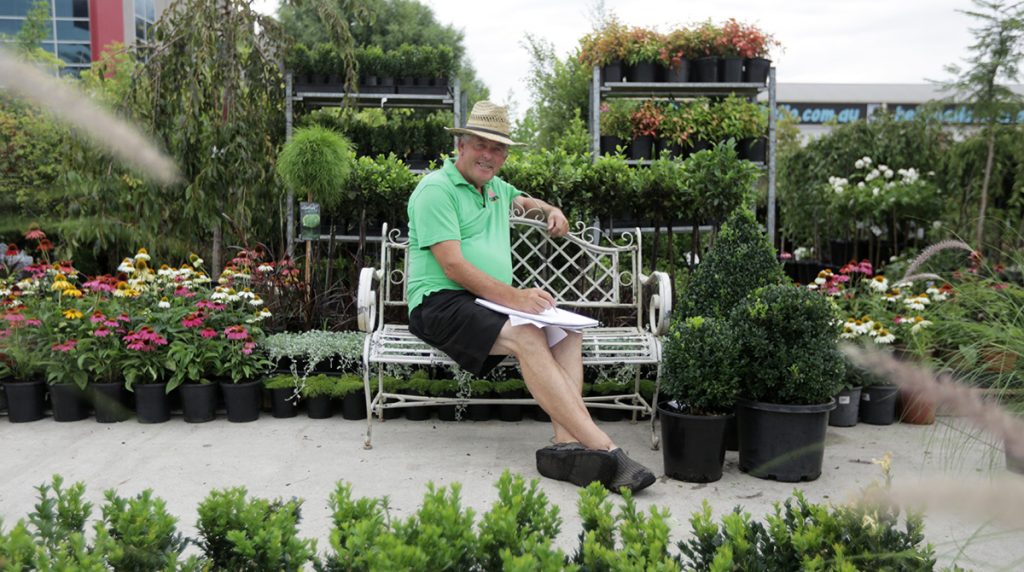
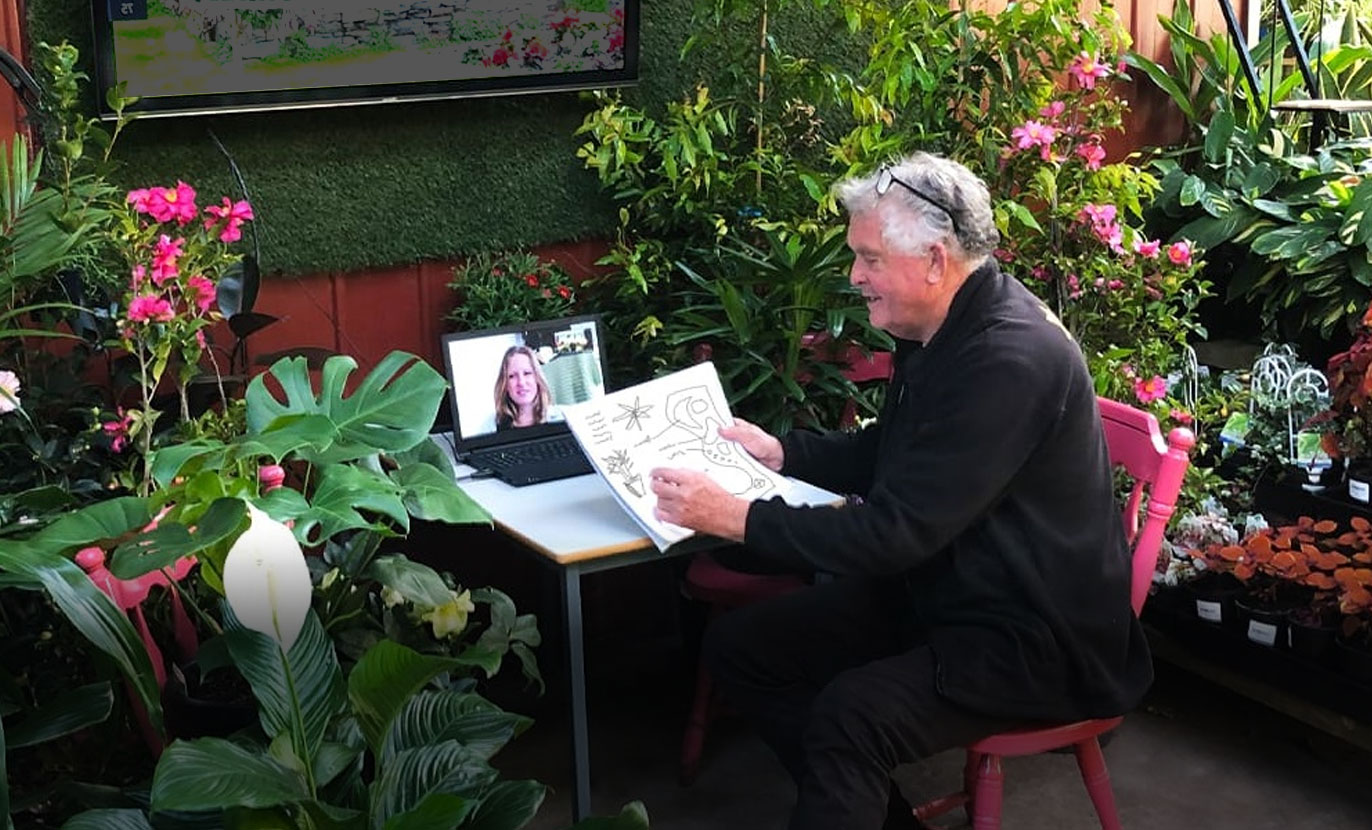
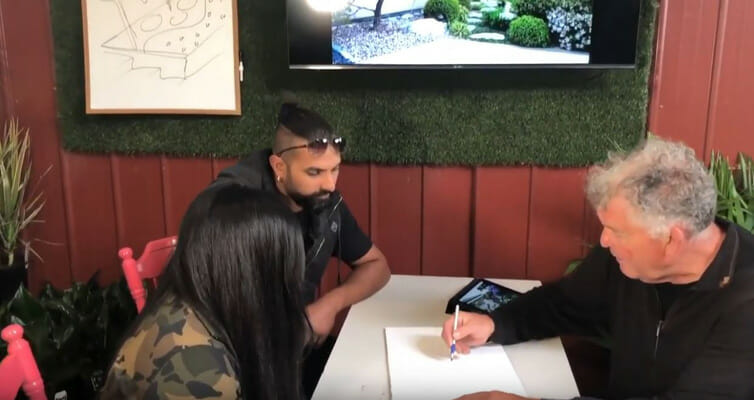
Feeling inspired to create your own garden, but want some expert advice? Try our one-on-one garden design service with Chris. Together you’ll come up with a selection of plants along with a layout plan that gives you the look you want, as well as being suitable for your local soil and conditions.

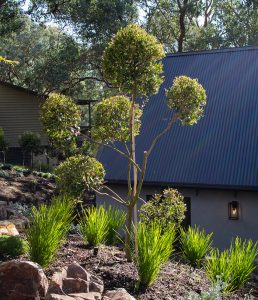 Now each time I design a garden, I actually have a process that I go through. I remember I had a job when I first left high school and I was fixing up gardens for a local real estate agent up in the hills for houses that had been sort of abandoned, when their prices were terrible. But then prices started going up so the people would go in and get their gardens fixed up so they could put their houses back on the market. I was doing that when I was just 17 so it’s actually more than 40 years I just realised!! So, I’ve got quite a long history of designing gardens.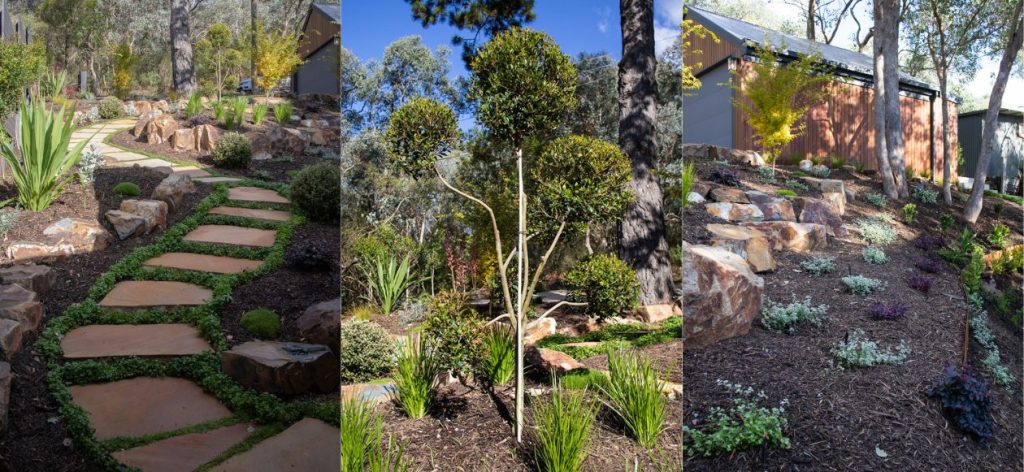
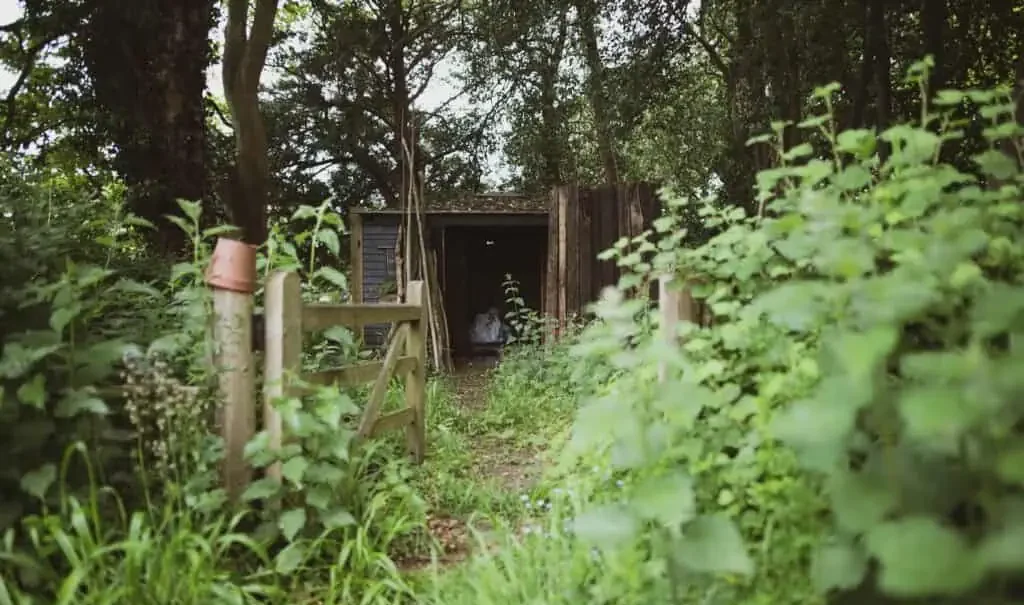
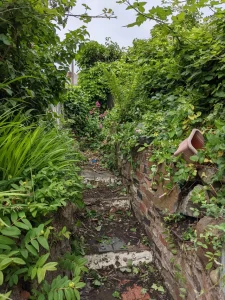 Now back in those days people used to say to me to just “chop all that stuff out” when it came to cleaning up these gardens in the hills – just chop it all out. But I didn’t like to just chop everything out. Now back then they had me on a super low budget so what I used to do is I would look at things and if there was a Weeping Cherry that could be salvaged and made into a beautiful tree with a bit of clever pruning or so on, it was much better to save it and keep it and make the most of it. So back in those days when I was 17, I learned that by fossicking through the bush or the jungle of these gardens that if I could find the assets and find the things that I could do something with, I would open it up and reveal it, and that would make that garden come to life.
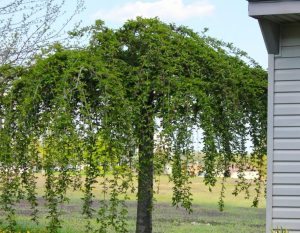 And I remember one time I saved a Weeping Cherry they had told me to cut down. I said just give me an hour to see if I can make you want to keep it. I recall the lady saying, “oh, I’m so glad we didn’t chop that cherry down. It looks fabulous now!” So I think that finding assets in your garden is really, really important. It’s the very first step I always take now when I assess a garden before doing anything to it.
 I’ll actually look at the garden and you can do this too, just actually sit there and make a balance sheet for the garden. What you do is ask yourself what’s really nice about this garden? So is it nice and big and wide and it’s got a bit of size to it? That could be an asset. A great view could also be an asset. Is it a cute cottage garden? Or is it a fabulous architect designed home? So what you’ve got to do first is find the assets. Now the assets could be that it’s just an interesting space or it could be that the garden has a lovely brick pathway. So you find the assets first.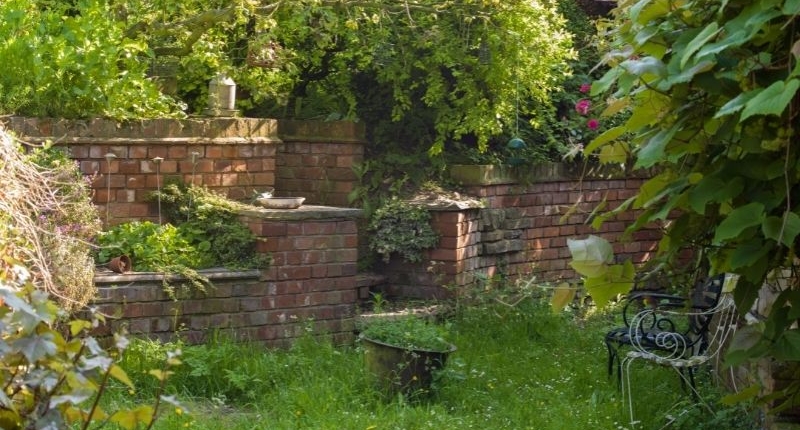
 So in terms of liabilities, what you have to do is, you have to be ruthless. You have to say, well those taps over there and those meters look terrible, I’ve got to cover them up. So that’s a liability that has to be fixed. So you’ve got to focus attention on what are your assets and your liabilities and your assets need to jump out at you a little. So that’s the first step.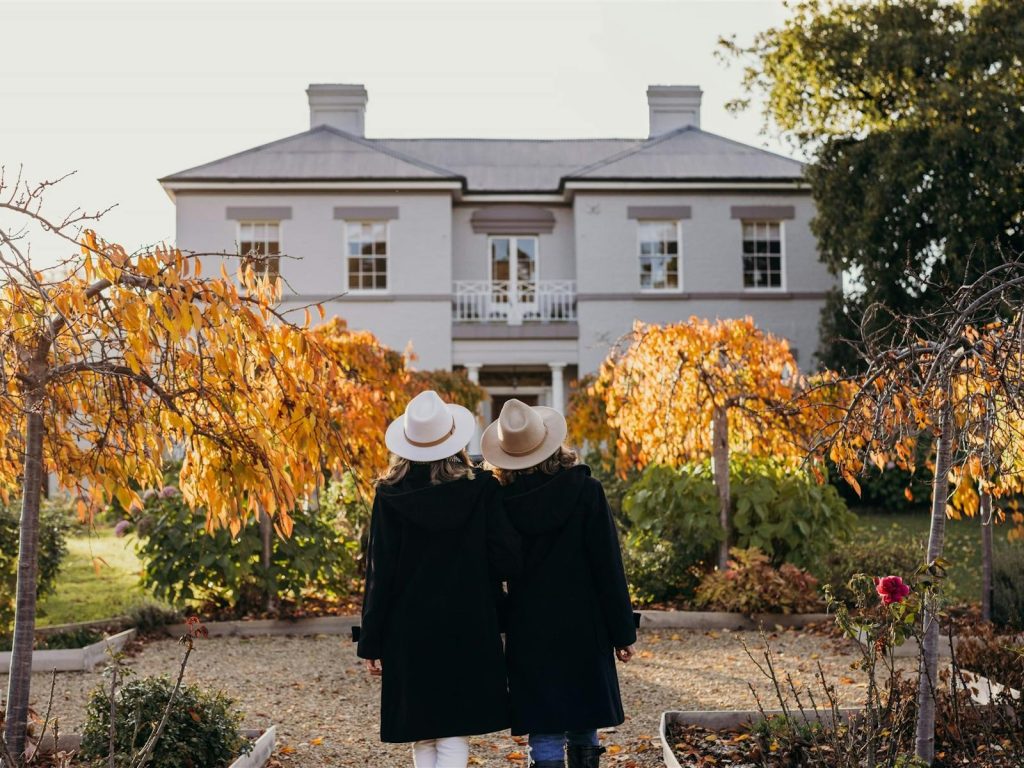

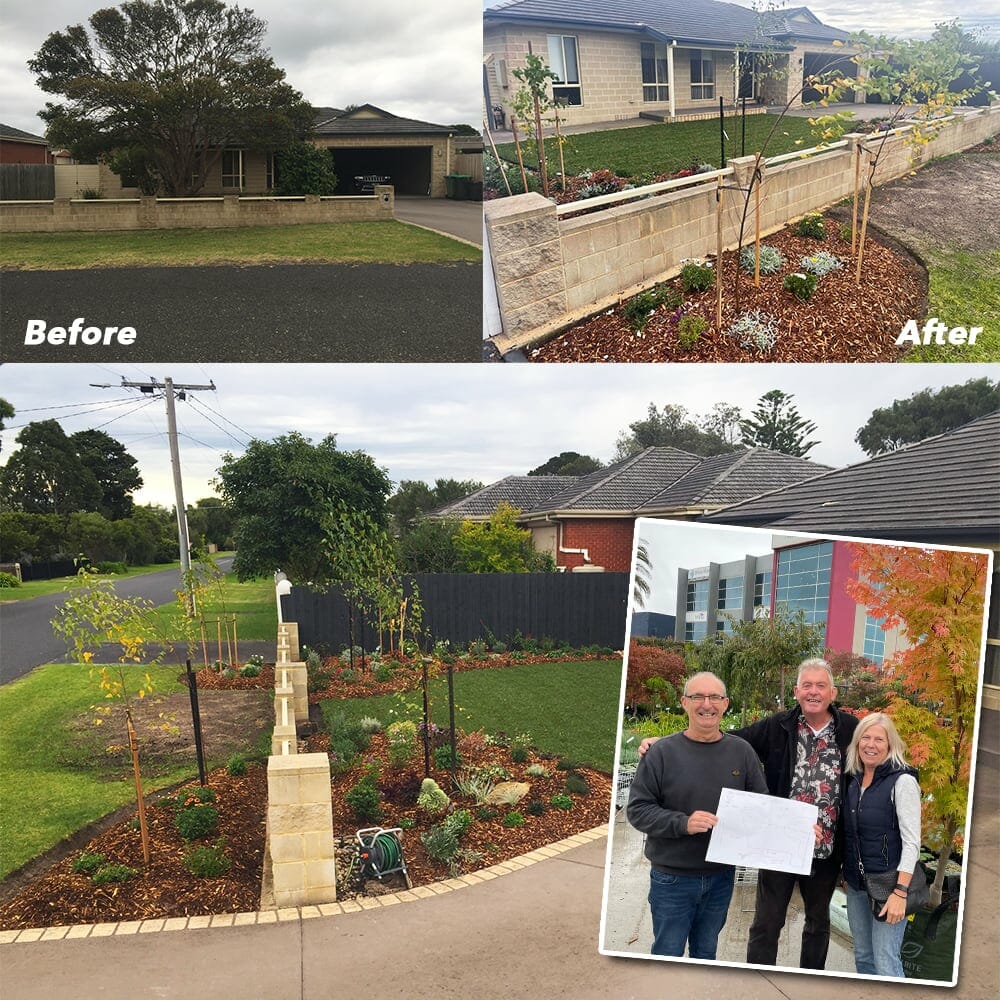
 Then I thought, I don’t like gardens that are not in keeping with the age of the property. See I’ll often see a beautiful old Victorian house and people have used the latest slate for a great big black slate pathways or something like that and it doesn’t look so good. It just doesn’t go with the house.
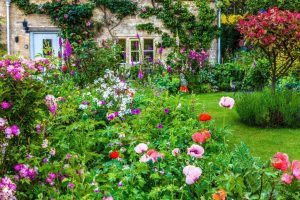 Now what I felt the garden wanted to be was an old-fashioned
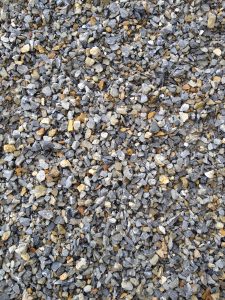 It’s lovely and simple. And it’s very, very inexpensive. Lilydale Toppings are not expensive or difficult to do. It didn’t take very long. Just some good soil preparation, there was quite a few hours involved in that. But the plants themselves were just a very simple selection of
 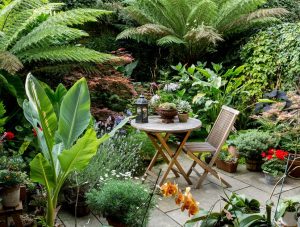 And the secret to it was I let the house speak to me, it really told me what it wanted. And then I used my simple rule that if you can’t put in a decent lawn, then go for no lawn. And by choosing that, the garden is actually quite big and looks big. A lot of gardens are so small now, but when you’ve got a small space, either do all lawn or all garden or all something but don’t try and do a lawn and a garden. If you stick to that rule you can turn a small space into something really worthwhile.
 Now this garden was created using my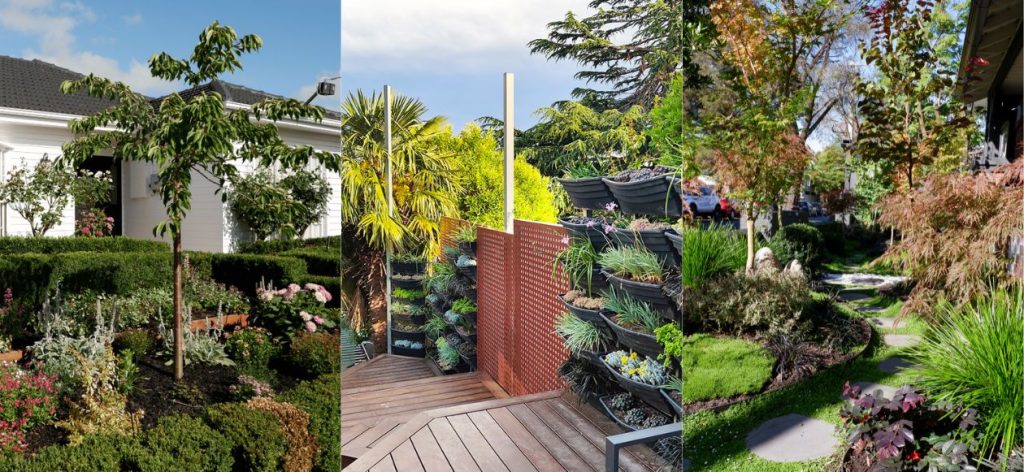
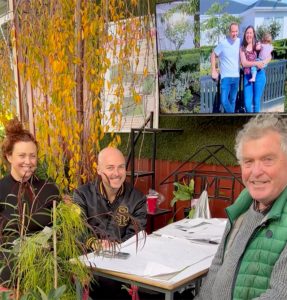
 Now I mostly do these myself and I do up to six or seven a day. And if somebody is wanting to do a front garden AND a backyard, we have a longer session for 45 minutes but that costs more of course and you have to buy more plants to get it for free. It’s a great way to have somebody with a sort of an external viewpoint to your garden. But often I get people with very strong ideas of what they want. They know which plants or how to do it or where to start or whatever. And what’s good about my garden design is that I’ll work with you. Whereas what happens sometimes with other garden designers is that somebody talks to you, but then they go off, they do the garden design, they come back and they say, here it is. And you don’t really have much of a say in it.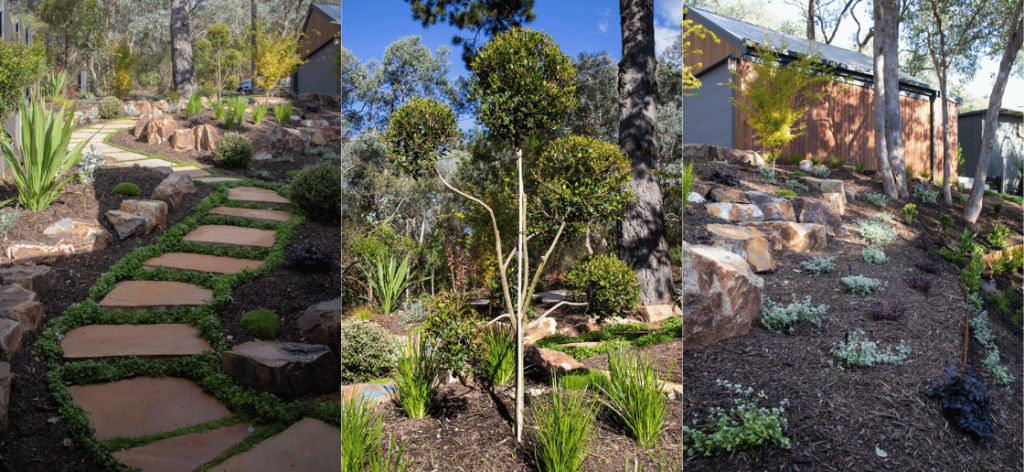
 Often, I’ll write down on the top of the page that the No. 1 priority for this garden is that it must look good. Now No. 2 might be low maintenance. Or sometimes I might write No. 1 is low maintenance and No. 2 priority could be that the garden must be “Tropical” or whatever. So it’s good to prioritise what you really want before you come in for a garden design. I always recommend to people to walk around their neighbourhood and pick out what it is that they like or get some concept of what you are looking for in a magazine or go online and look at things that you like. This can help you work out what you like and don’t like and then give you some inspiration.
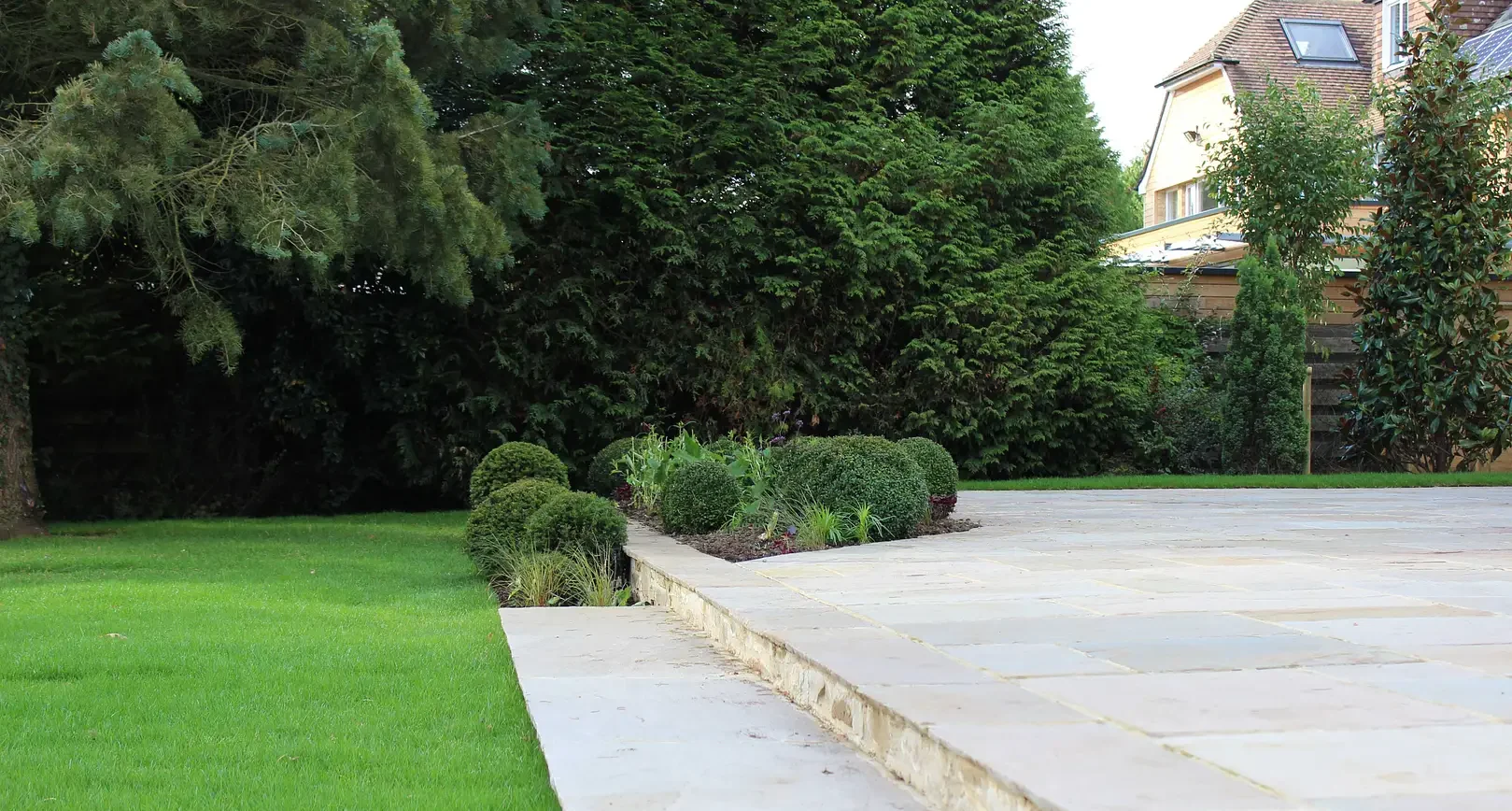
 Now my next rule that I have about lawns is that I do my absolute best not to put a tree or not to put a circle or a square or a little garden bed in the middle of the lawn I think that a lawn, particularly if you’re fighting for space, the lawn should have its own space. So what I’ll tend to do when people want to say put a tree or a flower bed or something like that, in the middle of the lawn, I’ll tend to take a corner of the lawn or take two corners of the lawn and put the trees or the garden beds in the corners of it and have the lawn preserved and open.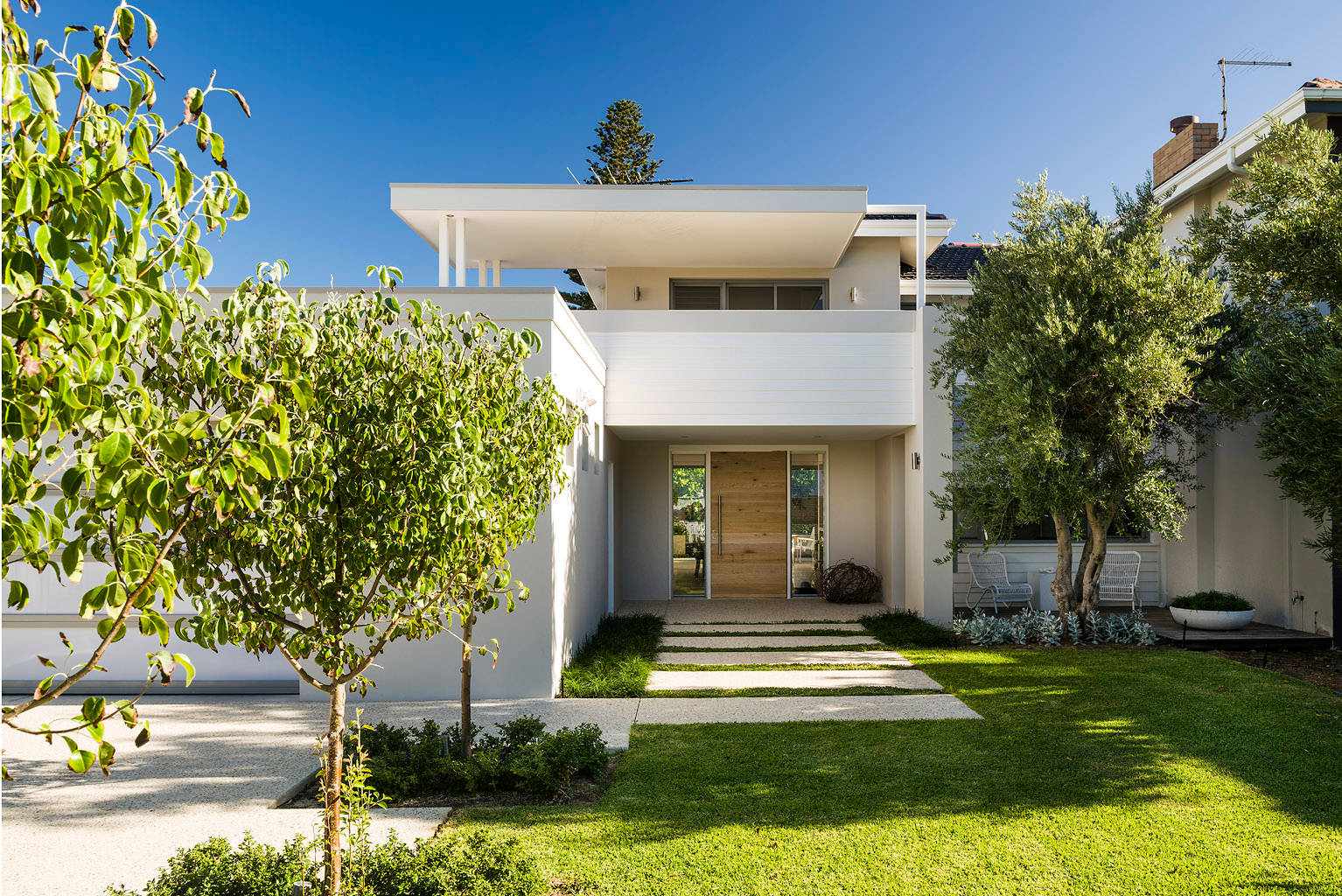
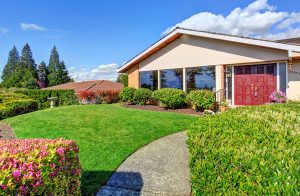 I think there’s this one odd thing in Australia, the way Australians have of doing a garden. They build a house and then they put a fence up and they put a driveway down one side and a garage and so on. And then what they do is they draw a line around the edge of everything and they make each area into a garden bed (see example left). So they have a little garden bed behind the fence, a garden bed beside the drive, a garden bed next to the garage, a garden bed next to the house, a garden here, a garden bed there…. You get what I mean. And there are just garden beds everywhere!
 I really noticed this years ago when I was writing a little book on hedging and I grabbed all of these English magazines on gardening and real estate. And what I noticed is the English, don’t do that at all. They just put a garden out in the middle or out at the front. They don’t automatically put a little garden bed around the edge of everything.
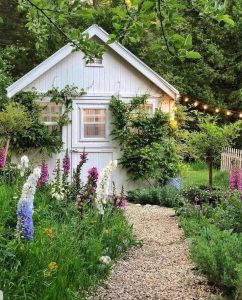 See a garden is a bit like a canvas for an artist isn’t it really? Yeah, that’s right, it is. So by doing lots of little garden beds everywhere you’re creating a high maintenance, low impact garden. Also it’s going to spread your attention all over the place with small plants all competing for attention. But with a big garden bed you can focus your attention on it because it’s a real feature and it creates a real impact.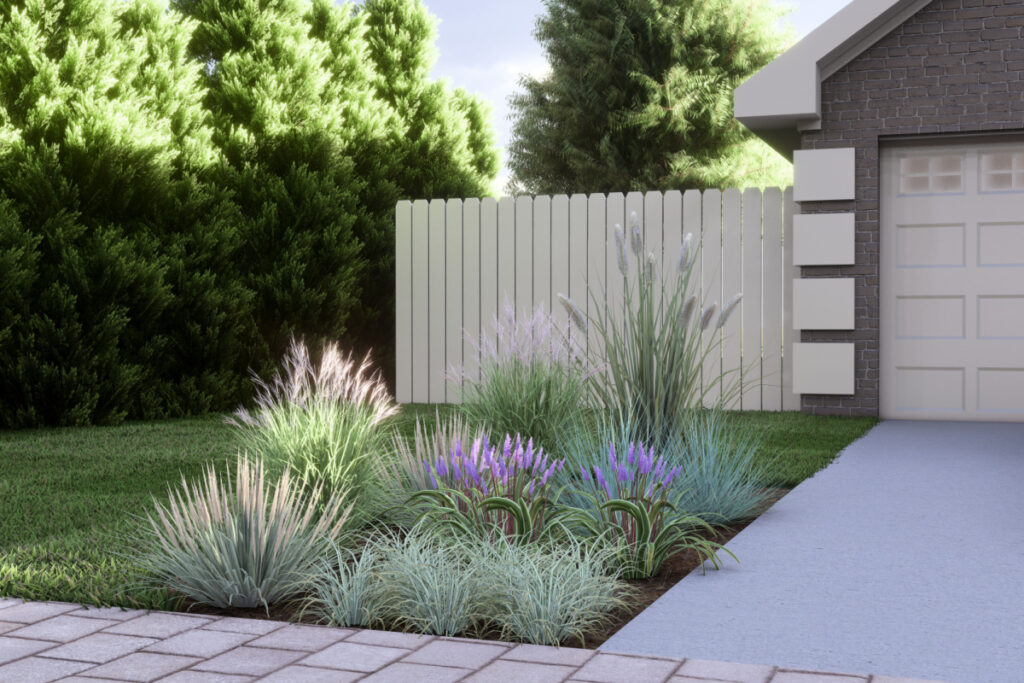
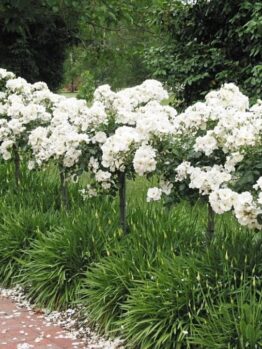
 I guess the other thing with a lot of gardens is that they are way too complex and I think that simple, but bold gardens are the way to go. So what I’ll do is I’ll look at a garden and I’ll think of a theme and then I’ll tend to repeat that theme. And it could be a really simple thing such as I like really hot pink carpet roses. So often if you’ve got a driveway and there’s a garden bed on both sides of the driveway and another up the side of the house, what I’ll do is I’ll put in something like say your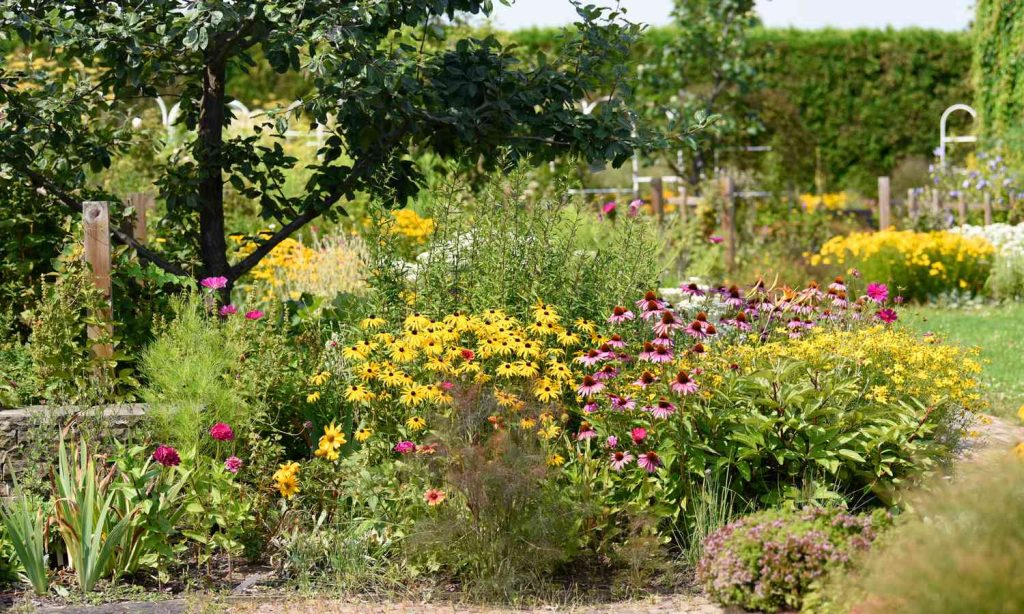
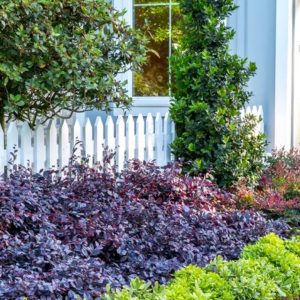 One of my favourite combinations starts with a fun, gorgeous plant called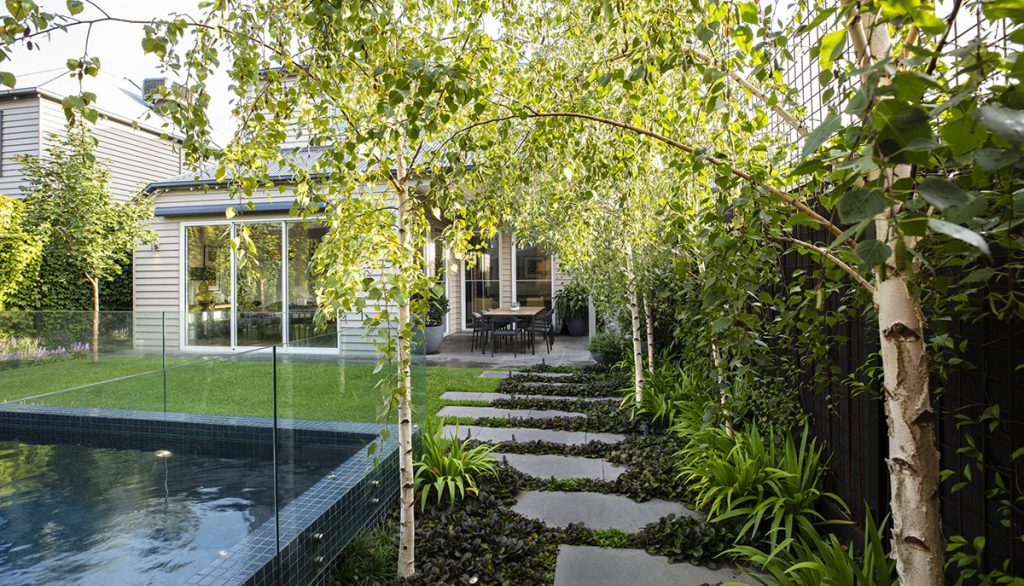
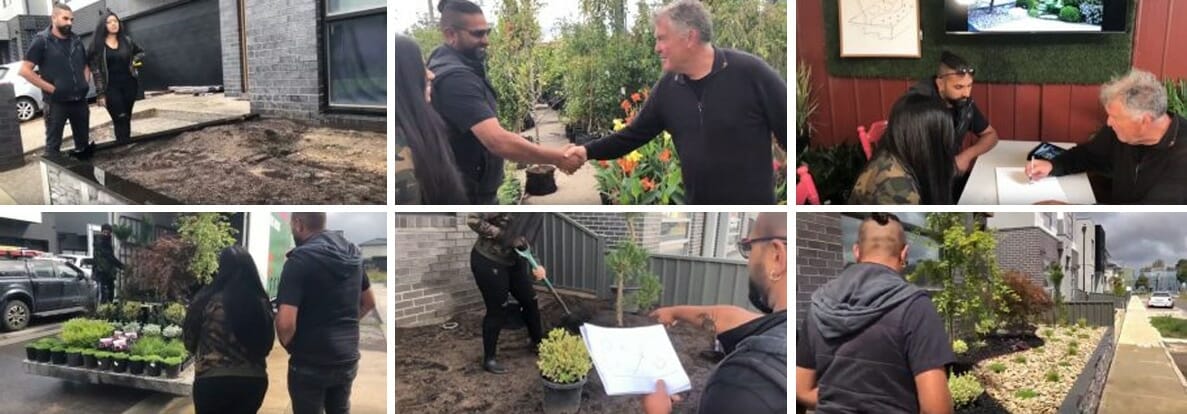 Often I’ll see something there that the people haven’t even seen themselves. Or I’ll capture some aspect of the garden or the home or something like that. It’s funny because some people start and they’re quiet and don’t have a lot to say at the start of the garden design but as we get talking, they start getting really, really emotional because they suddenly see how they can have what they always really wanted or suddenly that outcome becomes realised. And I’ve had people laughing and almost crying and all sorts of things during the garden design because suddenly we have a breakthrough and then we get to someplace where they never thought they could get to. And they go… wow!
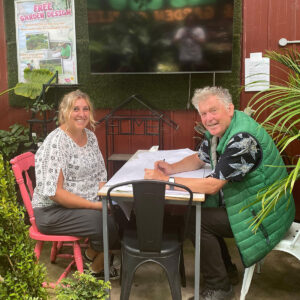 Now for somebody who comes to me for a garden design and they say they have absolutely no clue, they’ve just got their place and they don’t know what to do with it. Well what I start with is I always just ask them what is the outcome that you want. So do you want your garden to be low maintenance or do you want it to make the house look friendly from the street or do you want lots of colour or do you want a garden where you can go out and pick flowers all the time. You just have to say whatever it needs to be. And as long as I have an outcome that you want and a budget then you don’t have to think much about it beforehand. Just come along and book your 20 minutes or 45 minutes.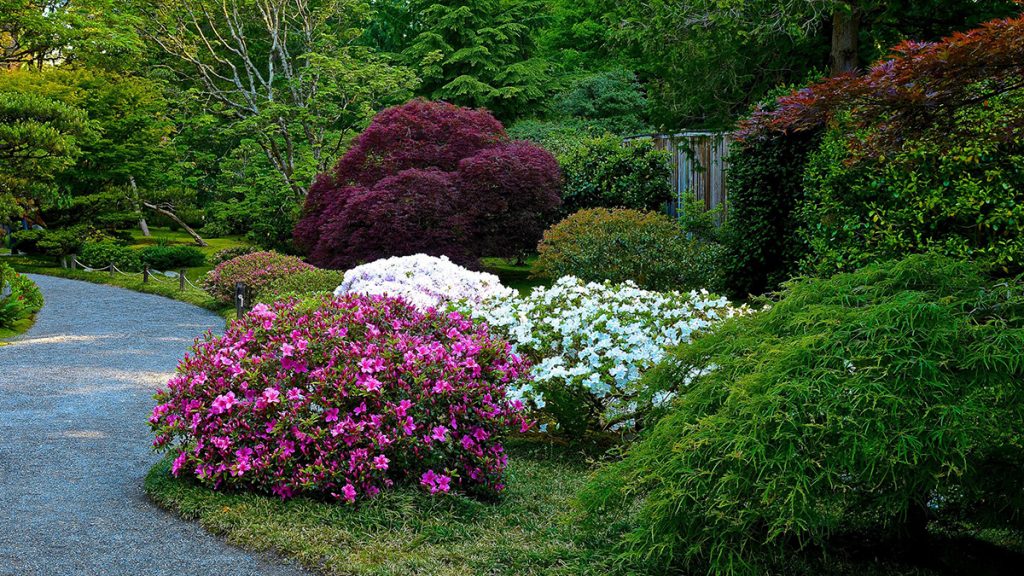
 I guess another aspect of garden design is there’s things that you have to balance in a garden. Like for instance, I might get someone who comes in and they love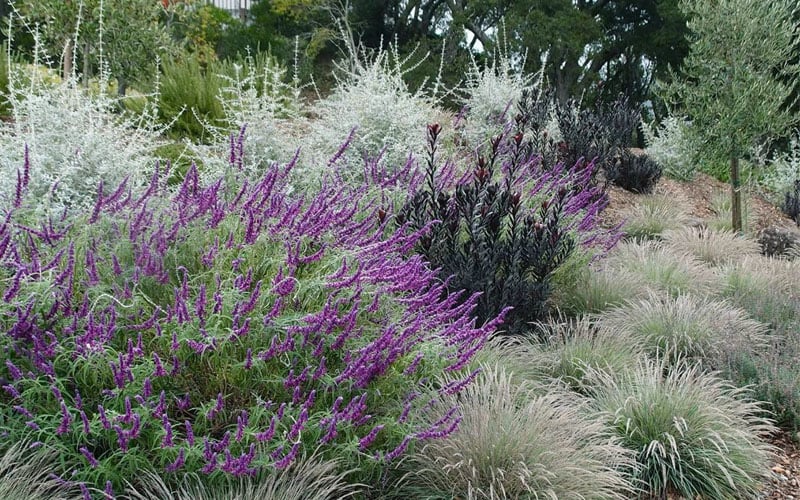
 So there are often aspects to a garden where you have to think of things beyond what you see right there at the time. You have to balance things. You have to know that this plant here is